
Best Photo Spots in Vaishali
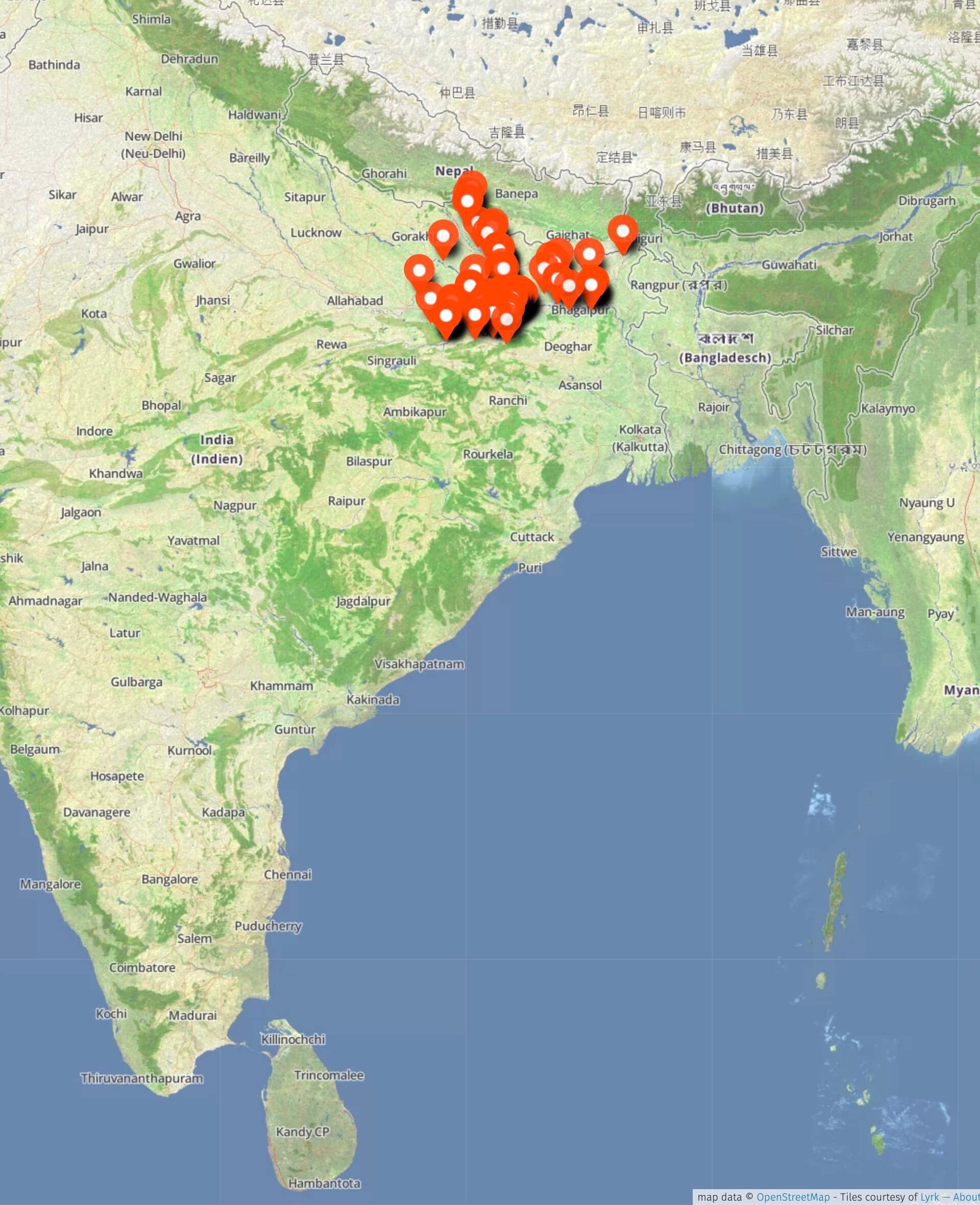
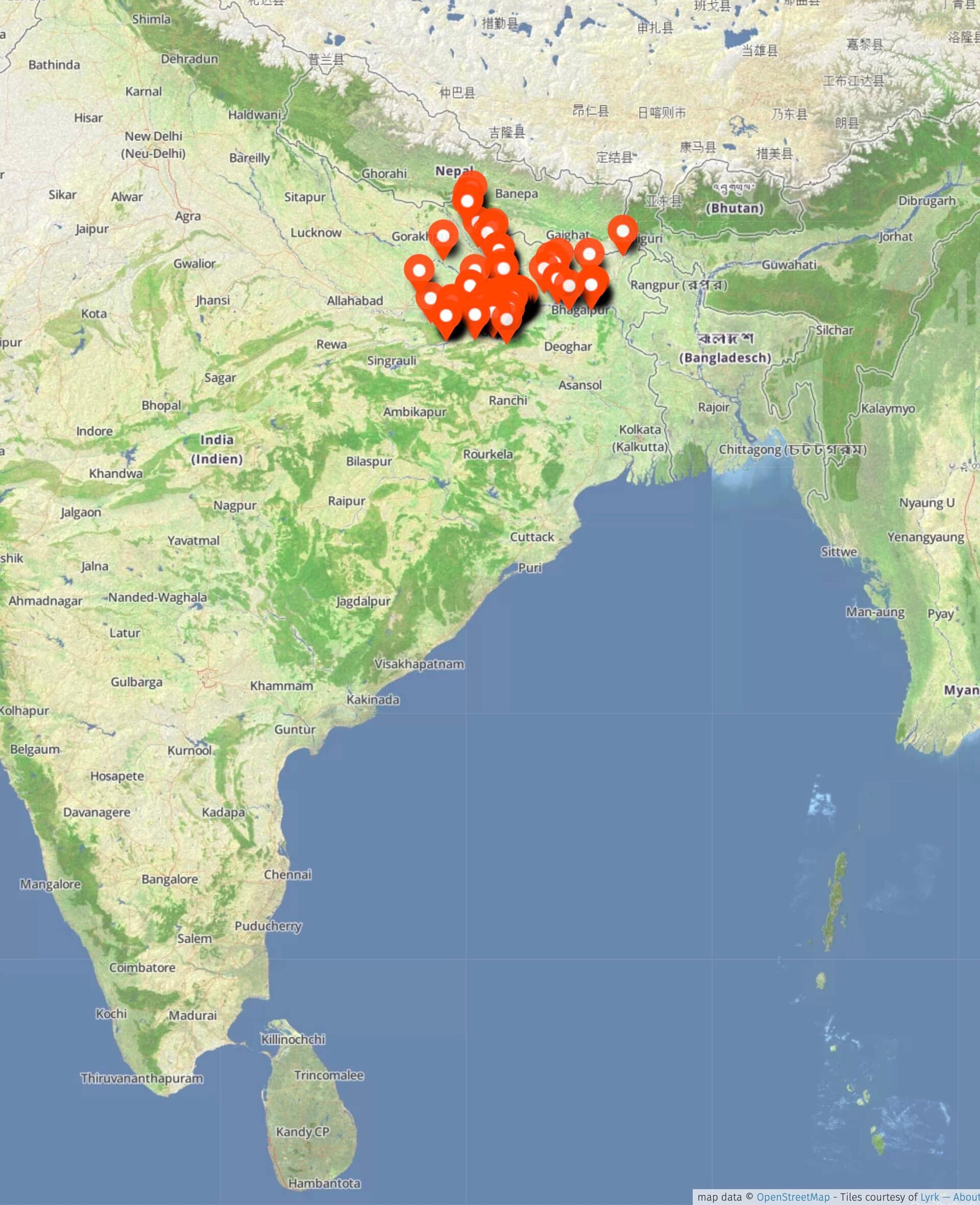
Vaishali is flat, open and green, so the sky and the water tanks do half the work. Go early: the brick stupas and the polished pillar look best in low sun, and the new memorial stupa fills with visitors by late morning.
Entry Free
Abhishek Pushkarni
- Best timeEarly morning for still water and a clear reflection; late afternoon for warm light on the peace pagoda across the tank.
- ColorsCreamOchreTeal
 Medium crowd
Entry Nominal
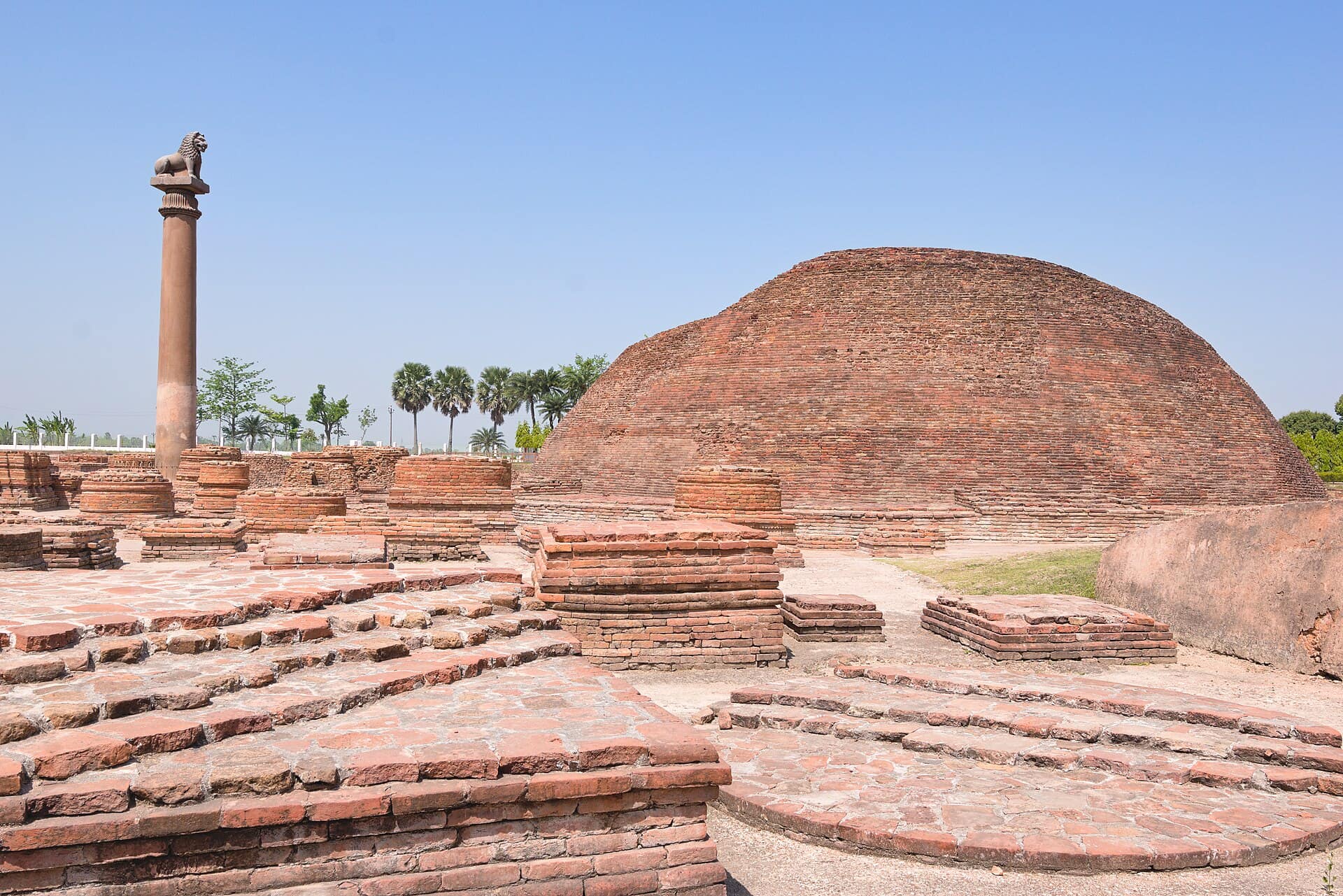
Ashokan Pillar, Kolhua
- Best timeEarly morning for soft light on the polished column and a quiet lawn; late afternoon for warm colour on the brick stupa.
- ColorsOchreCreamMaroon
 Low crowd
Entry Free
Bawan Pokhar Temple
- Best timeEarly morning for soft light on the tank and people at prayer; late afternoon for warm colour on the temple front.
- ColorsSaffronCreamMaroon
 Low crowd
Entry Nominal
Vaishali Museum
- Best timeMidday for the galleries, when the open sites are too harsh; late afternoon for the museum front beside the coronation tank.
- ColorsOchreCreamMaroon
 Medium crowd
Entry Free
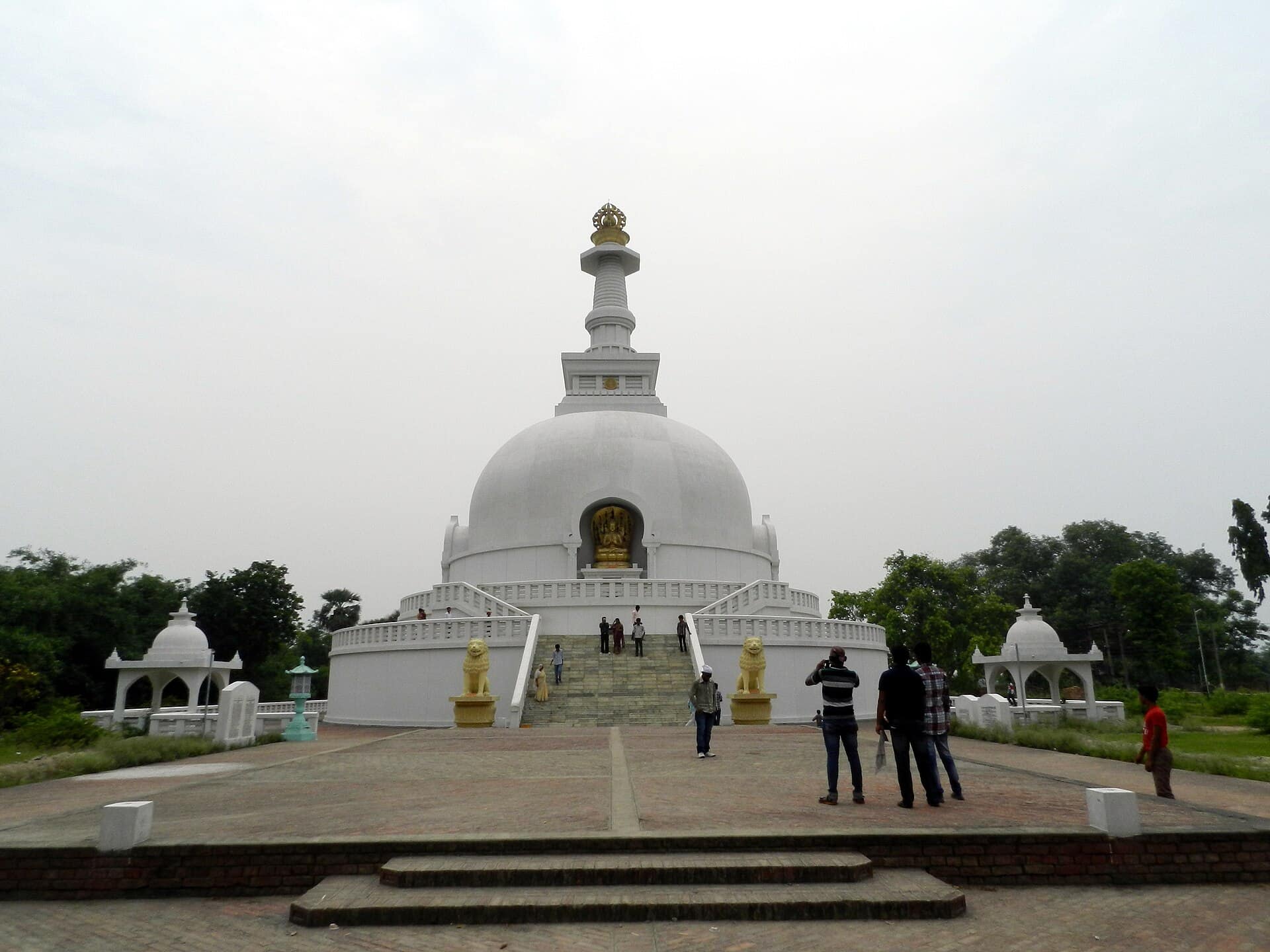
Vishwa Shanti Stupa
- Best timeLate afternoon, when warm light falls on the white dome; early morning for still water and a clear reflection in the coronation tank.
- ColorsWhiteSaffronCream
How the light works here
There are no hills and few tall trees near the ruins, so the sun hits everything at once. From about 10 am to 3 pm it flattens the brick stupas and bleaches the white pagoda. The hour after sunrise and the last hour before the sites close are the windows. In winter, north Bihar often wakes up to fog. A foggy morning gives soft, quiet frames of the pillar and the tanks, but plan for it to lift late.
Kolhua
The Ashokan pillar is the picture everyone comes for. The lion faces north, so from the south you see only its back. Walk round to the north-east side to catch its face and the stupa behind it in one frame. The seven-stepped tank beside the pillar gives a reflection on still mornings.
The central cluster
The coronation tank, the museum, the Relic Stupa and the Vishwa Shanti Stupa are all close together. You can walk between them in half an hour. The peace pagoda across the tank is the classic wide view. The new Buddha Samyak Darshan memorial stupa is nearby; its pale sandstone dome photographs well from the gardens, but photography rules inside the relic hall may be strict, so ask at the entrance.
Temples and sculpture
At Bawan Pokhar, the interest is the black-stone Pala images inside a working temple. Ask the priest before photographing the deities. The old tank in front of it is easier to shoot freely.
Practical notes
- Kolhua and the museum are ticketed ASI sites; the museum usually closes on Fridays.
- Carry a small tripod only if you are prepared to be asked to put it away.
- Drones need permission at protected monuments. Do not fly one without it.
- A 24–70 mm zoom covers almost everything; a longer lens helps for the lion capital.
- Ask before photographing monks, pilgrims or people bathing at the tanks.
Questions
Vaishali — FAQ
Which way does the lion on the Vaishali pillar face?
North. Stand on the north side of the pillar, or slightly to the north-east, to get the lion's face in the frame.
Can I take photos inside the Buddha Samyak Darshan memorial stupa?
Photography rules at the relic hall were not clearly published at the time of writing. Expect restrictions near the relic casket and ask staff at the entrance.
Is fog a problem for photos in winter?
Sometimes. December and January mornings can be foggy until 9 or 10 am. It makes for soft, moody pictures, but blue-sky shots may have to wait.
How long do I need to photograph all of Vaishali's spots?
A full day covers them. Start at Kolhua at opening, move to the central cluster, and finish at the peace pagoda in the late afternoon.