
Photo spot in Agra
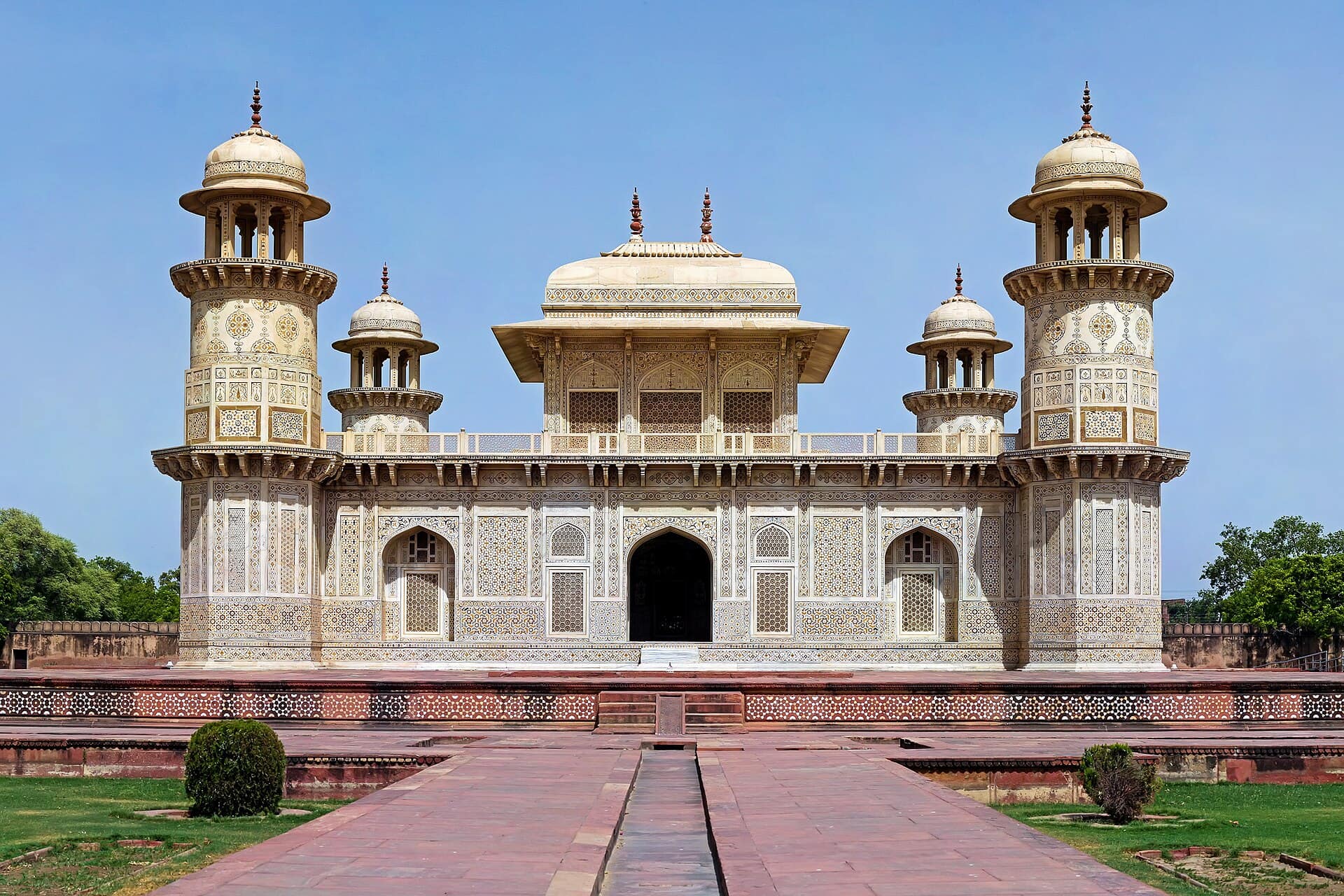
Itimad-ud-Daulah (Baby Taj)
Agra, Uttar Pradesh
An exquisite marble tomb of intricate pietra-dura inlay — often called the 'Baby Taj' and seen as a draft for the Taj Mahal, set in a quiet riverside garden.
Best time
Late afternoon, when warm light picks out the colours in the inlay; early morning for an empty garden and soft, even light.
Best angle
Walk through the east gateway and take a straight photo of the tomb along the central water channel, then step close to fill the frame with the inlaid wall.
Entry fee
₹30 (Indian) / ₹310 (foreign)
Opening hours
Sunrise – sunset
Crowd level
Low
Best outfit colors
Overview
Best time to visit Itimad-ud-Daulah (Baby Taj)
Best times to shoot
4:00 – 5:45 PM
Warm low light is the only thing that makes the coloured stone inlay read. Carnelian red, lapis blue and malachite green disappear completely under flat midday sun.
6:30 – 8:00 AM
Empty garden, soft even light, and the marble screens cast long delicate shadows across the plinth. Best for the jali screens specifically.
Poses & angles
Photo tips for Itimad-ud-Daulah (Baby Taj)
Walk through the east gateway and take a straight photo of the tomb along the central water channel, then step close to fill the frame with the inlaid wall. Work a few of the pose ideas below, shoot wide for context and tight for detail, and give yourself a couple of extra minutes to get the frame right.
Framed in the garden archway
Close by the pietra-dura marble screens
Outfit guide
What to wear at Itimad-ud-Daulah (Baby Taj)
For photos at Itimad-ud-Daulah (Baby Taj), white, soft pink and sage work beautifully — they stand out against the setting without fighting it. Pick one hero colour and keep the rest of the look calm so you stay the subject of the frame.
Best outfit colors for photos
Trending wear for this spot
Popular modern looks travellers are wearing across Agra.


Traditional wear for this spot
Timeless, cultural looks that suit Itimad-ud-Daulah (Baby Taj).
Eat nearby
Food near Itimad-ud-Daulah (Baby Taj)
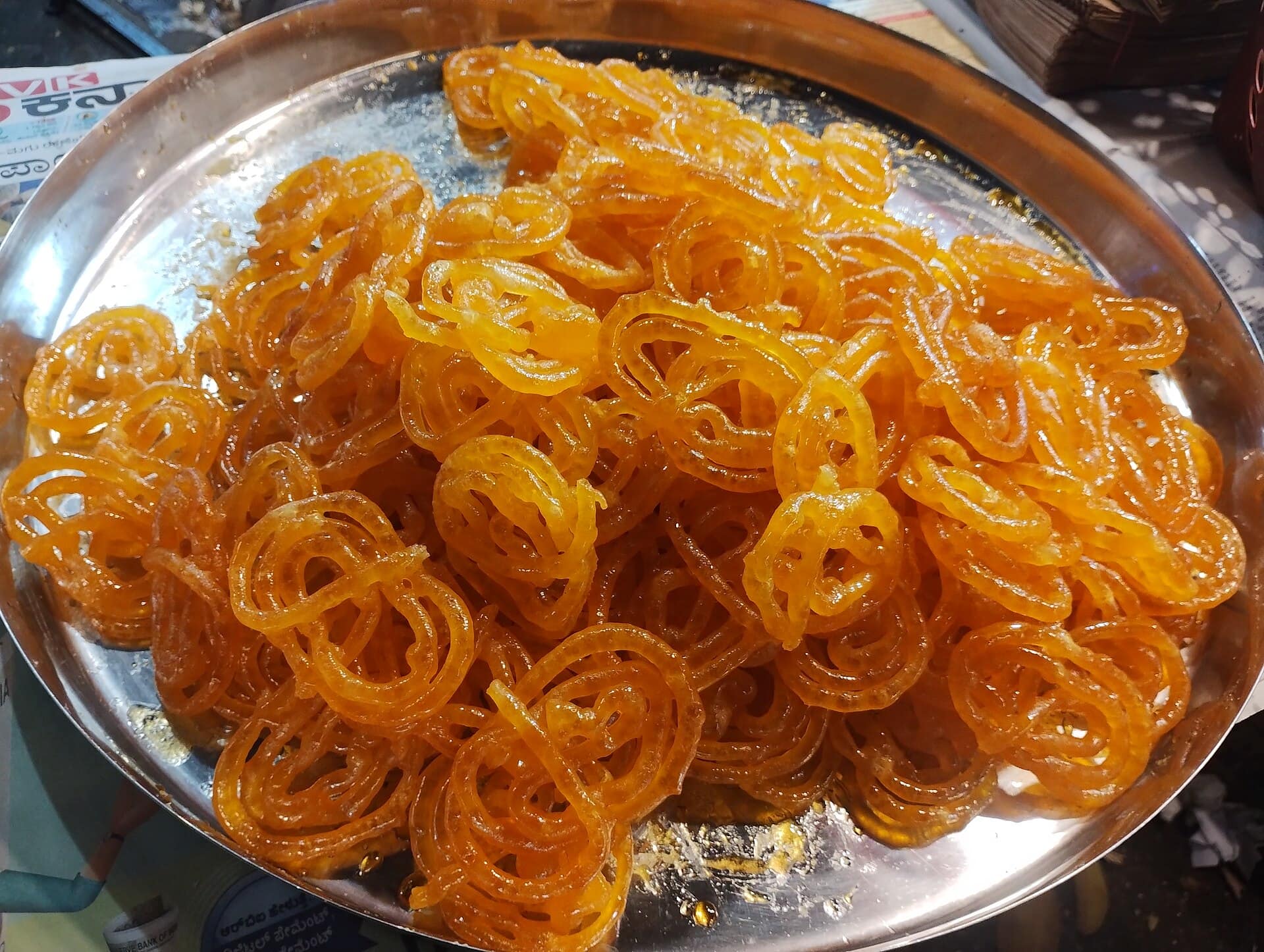
Round out the visit with something to eat. Look for jalebi nearby.
Special dishes to try
Search food by craving
Good to know
Local tips
Visit in the afternoon on your way to Mehtab Bagh, which is on the same side of the river.
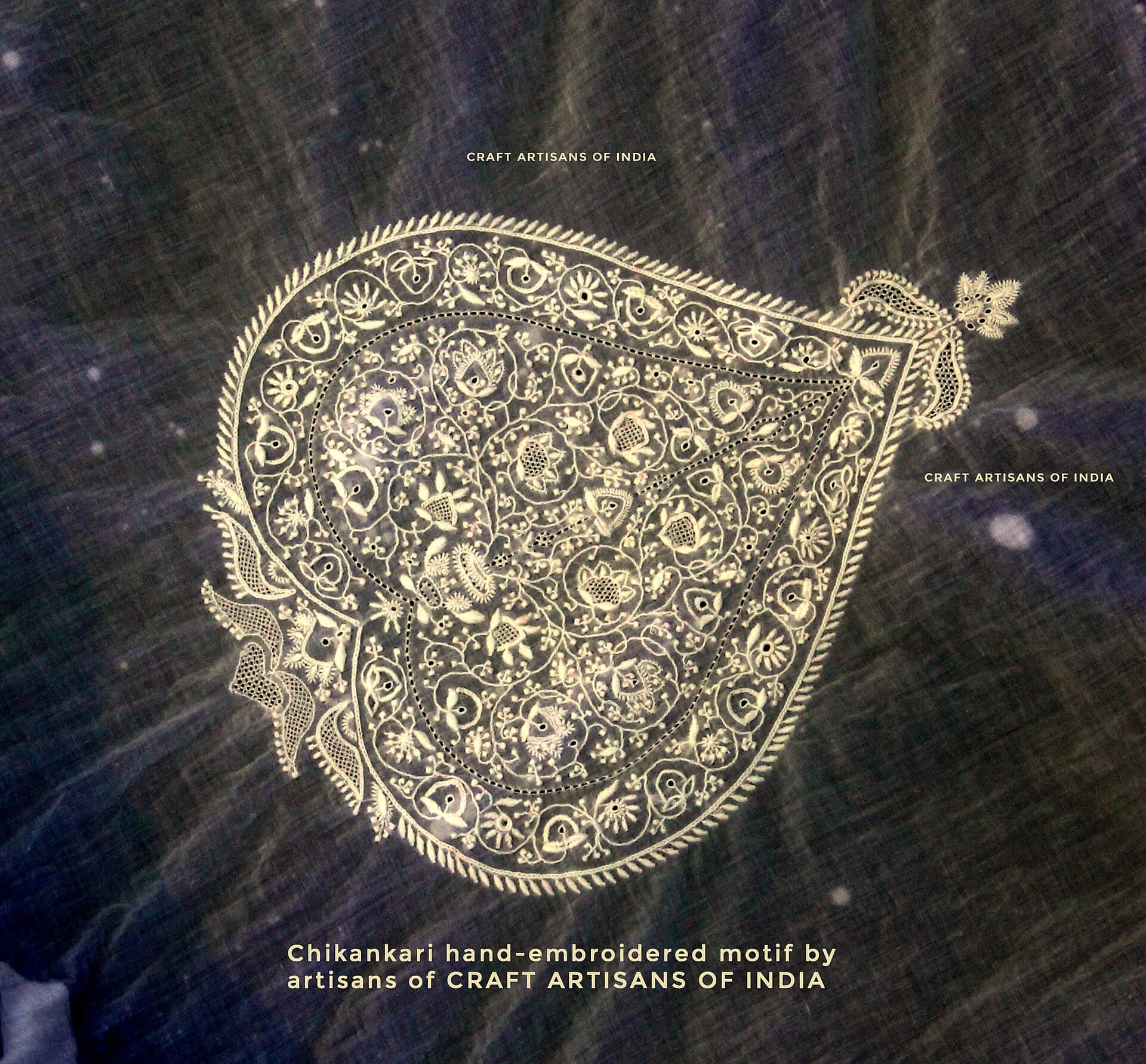
Get close to the walls to see that the patterns are inlaid stone, not paint.
Walk to the riverside pavilion at the back for a breeze and a view along the Yamuna.
Take your shoes off where the staff ask you to, before stepping onto the tomb's platform.
Use it as your Friday alternative, because it stays open when the Taj is closed.
Bring a phone with a good zoom for the carved stone screens and ceiling details.
Take care on the platform steps and marble, which can be slippery after rain.
A tomb built by an empress
Itimad-ud-Daulah, meaning "Pillar of the State", was the title of Mirza Ghiyas Beg, a Persian noble who became Jahangir's chief minister. When he died in 1622, his daughter Nur Jahan, Jahangir's empress, built this tomb for him and her mother. It was finished in 1628. Ghiyas Beg was also the grandfather of Mumtaz Mahal, so the family link to the Taj Mahal is direct.
Why people call it the Baby Taj
It is thought to be the first Mughal building made entirely of white marble. The walls are covered in pietra dura, which means semi-precious stones such as carnelian, jasper, lapis lazuli, onyx and topaz set into the marble. The designs show cypress trees, wine vessels, fruit and vases of flowers. Many of these ideas were used again, on a far bigger scale, at the Taj. Unlike the Taj, it has no great dome. Instead, it has four short octagonal towers and a small pavilion on the roof.
The garden and the river
The tomb sits in the middle of a four-part garden, entered through a gateway on the east side. A red sandstone pavilion on the west side opens onto the Yamuna. The ASI and the World Monuments Fund restored the garden's planting and water channels in the 2010s.
Visiting
This is one of the calmest monuments in Agra, and you can see it properly in 45 minutes to an hour. It is on the east bank, about 6 km from the Taj by road, and fits well on the way to Mehtab Bagh for sunset. It is open every day, including Fridays. Go close to the walls: the inlay is fine enough that it looks painted until you are near it.
Questions
Itimad-ud-Daulah (Baby Taj) — FAQ
What is the best time to visit Itimad-ud-Daulah (Baby Taj)?
Itimad-ud-Daulah (Baby Taj) is worth two different windows. 4:00 – 5:45 PM — warm low light is the only thing that makes the coloured stone inlay read. Carnelian red, lapis blue and malachite green disappear completely under flat midday sun. 6:30 – 8:00 AM — empty garden, soft even light, and the marble screens cast long delicate shadows across the plinth. Best for the jali screens specifically. Walk through the east gateway and take a straight photo of the tomb along the central water channel, then step close to fill the frame with the inlaid wall.
Is there an entry fee at Itimad-ud-Daulah (Baby Taj)?
Entry to Itimad-ud-Daulah (Baby Taj) costs ₹30 (Indian) / ₹310 (foreign). Prices change, so treat that as a guide and confirm at the counter.
What are the opening hours of Itimad-ud-Daulah (Baby Taj)?
Itimad-ud-Daulah (Baby Taj) is open sunrise – sunset.
What should I wear at Itimad-ud-Daulah (Baby Taj)?
White, soft pink and sage photograph especially well here. Explore the trending and traditional outfit ideas on this page for full looks.
How crowded does Itimad-ud-Daulah (Baby Taj) get?
Crowd levels are typically low. To miss the busiest window: late afternoon, when warm light picks out the colours in the inlay; early morning for an empty garden and soft, even light.
What food should I try near Itimad-ud-Daulah (Baby Taj)?
Try jalebi at spots close by.
Why is Itimad-ud-Daulah called the Baby Taj?
Because it is a white marble tomb with fine inlaid stonework, built before the Taj Mahal, and many of its ideas appear again at the Taj on a much larger scale.
Who is buried at Itimad-ud-Daulah?
Mirza Ghiyas Beg, Jahangir's chief minister, and his wife Ismat Begum, in the central chamber. Other family members are buried in the corner rooms.
How long do I need at Itimad-ud-Daulah?
About 45 minutes to an hour is enough to walk the garden, see the tomb up close and sit by the river.
How is Itimad-ud-Daulah connected to the Taj Mahal?
Its builder, Nur Jahan, was Mumtaz Mahal's aunt, and the man buried here was Mumtaz Mahal's grandfather. Its white marble and inlay work also led the way for the Taj.