
Must-try dessert in Agra
Agra Gajak
Agra, Uttar Pradesh
A hard sesame-and-jaggery brittle made in Morena and sold across Agra in winter. Seasonal, and not available in summer.
Taste
Sweet, nutty
Spice level
Not spicy
Best time to eat
Winter only — November to February
Price range
₹250–600 / kg
Food type & tags
Best paired with
Masala chai
The dish
What is Agra Gajak?
Expect it to be sweet, nutty, with a not spicy kick.
The story
Why is Agra Gajak famous in Agra?
The winter sweet of the Chambal region, eaten to generate body heat in December and January.
When to go
Best time to eat it
Agra Gajak is best enjoyed at winter only — November to February, ideally with a hot cup of masala chai or filter coffee to balance the sweetness. Many spots make fresh batches through the day, so it’s easy to fit into your plan.
Where to eat
Best places to try Agra Gajak
Trusted Agra spots — hours and directions.
Perfect pairing
What to eat with Agra Gajak
Agra Gajak pairs best with a hot cup of masala chai or filter coffee to balance the sweetness. It’s a vegetarian dessert, so keep the rest of the plate light and let the dish be the star.
Make a morning of it
Pair it with a photo spot
Eat well, then shoot nearby in Agra.
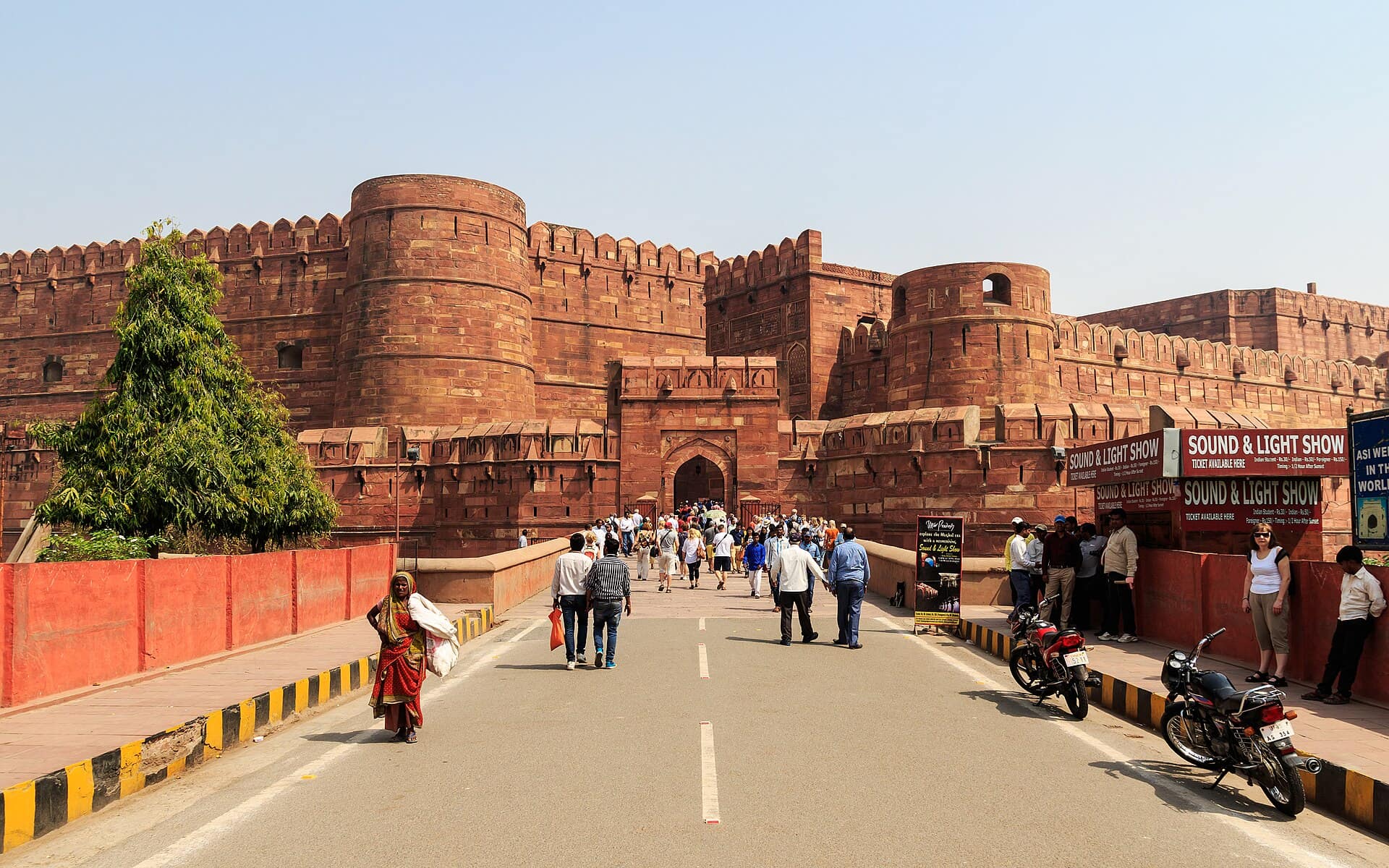
Agra Fort
Late afternoon, when the red sandstone warms to orange and the Taj glows down the river; early morning for soft light and empty courtyards.
Fuel up on Agra Gajak, then shoot Agra Fort.
See photo spotAkbar's Tomb, Sikandra
6:00–7:30 AM for empty courtyards, low raking light on the red sandstone, and deer on the lawns. Late afternoon gives warm stone but more visitors. Avoid 10:00 AM – 3:00 PM: harsh overhead light, heat haze, and the sandstone goes flat.
Fuel up on Agra Gajak, then shoot Akbar's Tomb, Sikandra.
See photo spotChini Ka Rauza
Late afternoon, roughly 4:00 – 5:45 PM, when low raking sun brings out the surviving glazed-tile colour on the upper walls and dome. Midday light flattens the building completely because the surface has no deep relief to cast shadows.
Fuel up on Agra Gajak, then shoot Chini Ka Rauza.
See photo spotWant something else?
Search Agra food by craving
Agra Gajak
Gajak is the sweet that tells you what month it is in Agra. It is a hard, brittle slab of sesame seeds bound in jaggery or sugar, made by roasting sesame, mixing it into hot syrup, pouring it out, and then hammering and stretching it repeatedly while it cools — the working is what gives it a flaky, layered snap rather than a solid glassy bite. It is broken into shards and eaten by hand.
It is seasonal, and this matters
Gajak is a winter product, made and sold roughly November to February. Outside those months it is largely unavailable, and any gajak you find in May has been sitting. The reason is practical as well as traditional: the syrup work cannot be done in high heat, and the brittle softens and weeps in humidity. If you are in Agra in summer, do not go looking for gajak — buy petha and dalmoth instead.
Where it comes from
The real source is Morena, in the Chambal region of Madhya Pradesh about 100 km south of Agra, which is where most of the good gajak is actually made. Agra's sweet shops sell it because the tourist traffic is here. That is not a criticism — the Morena product is the genuine article — but it means you should buy it from a busy sweet shop with turnover, not from a stall near the Taj gates where it may have been sitting for weeks.
Where to buy
The established sweet houses: Deviram Sweets, Bhagat Halwai on Motilal Nehru Nagar Marg, Panchhi Petha outlets, Gopal Das Pethe Wale, and the sweet shops of Kinari Bazaar and Sadar Bazaar in winter. ₹250–600 a kilo, with til (plain sesame) cheapest and dry-fruit gajak — made with almond, cashew and pistachio instead of or as well as sesame — at the top.
How to tell good gajak
Break it. Good gajak snaps cleanly with a sharp sound and shows fine internal layering from the hammering. Old or badly made gajak bends, crumbles, or is sticky. Taste it before buying — shops will give you a piece. It should taste of roasted sesame and caramelised jaggery, not of rancid oil or dust.
Eating and storing it
Traditionally eaten in December and January to generate body heat — sesame and jaggery are both considered warming in the north Indian food system, which is why they are winter foods. With tea in the afternoon is the standard use.
It travels very well — hard, dry, no syrup, no dairy — and keeps for weeks in an airtight tin. Buy it broken into shards rather than as a whole slab, or be prepared to break it yourself with something heavy. It is one of the best Agra souvenirs precisely because, unlike petha, it survives a suitcase in any season it is sold in.
Questions
Agra Gajak — FAQ
What is Agra Gajak?
A hard sesame-and-jaggery brittle made in Morena and sold across Agra in winter. Seasonal, and not available in summer.
Is Agra Gajak veg or non-veg?
Agra Gajak is vegetarian. Spice level: not spicy.
Where can I try the best Agra Gajak in Agra?
Try Bhagat Halwai, Bhajan Lal Chole Bhaturey and Chokho Jeeman Marwari Jain Bhojanalya. See the "Best places to try it" section above for hours and directions.
What should I eat with Agra Gajak?
Pair it with a hot cup of masala chai or filter coffee to balance the sweetness.
When is the best time to eat Agra Gajak?
Agra Gajak is usually eaten only — November to February in winter.