
Photo spot in Agra
Chini Ka Rauza
Agra, Uttar Pradesh
The tomb of Afzal Khan Mullah, Shah Jahan's prime minister, built around 1635. Its name means 'tomb of porcelain' — it was originally sheathed in Persian glazed tiles, the only Indo-Persian tile-decorated mausoleum in Agra.
Best time
Late afternoon, roughly 4:00 – 5:45 PM, when low raking sun brings out the surviving glazed-tile colour on the upper walls and dome. Midday light flattens the building completely because the surface has no deep relief to cast shadows.
Best angle
Tight shots of the surviving tile fragments on the upper walls and around the arches beat any attempt at a full facade, because most of the cladding is gone. From the north-east corner you get the dome and two walls in one frame. Inside, the painted plaster in the chambers is best shot straight-on with a wide lens in available light — flash is usually prohibited and the interiors are dim.
Entry fee
Nominal
Opening hours
Sunrise to sunset, approximately 6:00 AM – 6:00 PM
Crowd level
Low
Best outfit colors
Overview
Best time to visit Chini Ka Rauza
Best times to shoot
4:00 – 5:45 PM
Low raking light is the only thing that reveals the remaining glaze colour. This is the single usable window.
6:30 – 7:30 AM
Soft dawn light and no other visitors, though the tile colour reads less strongly than in the evening.
Poses & angles
Photo tips for Chini Ka Rauza
Tight shots of the surviving tile fragments on the upper walls and around the arches beat any attempt at a full facade, because most of the cladding is gone. From the north-east corner you get the dome and two walls in one frame. Inside, the painted plaster in the chambers is best shot straight-on with a wide lens in available light — flash is usually prohibited and the interiors are dim. Work a few of the pose ideas below, shoot wide for context and tight for detail, and give yourself a couple of extra minutes to get the frame right.
Small against the tiled facade from a distance, letting the dome and the arch frame you
Seated on the plinth steps in profile
Looking up at the dome from directly below at the corner
Outfit guide
What to wear at Chini Ka Rauza
For photos at Chini Ka Rauza, white, turquoise, cobalt blue, saffron and rust work beautifully — they stand out against the setting without fighting it. Pick one hero colour and keep the rest of the look calm so you stay the subject of the frame.
Best outfit colors for photos
Trending wear for this spot
Popular modern looks travellers are wearing across Agra.


Traditional wear for this spot
Timeless, cultural outfits worn across Agra.
Agra Leather Jutti & Footwear
₹400–3,000 for jutti; ₹800–5,000 for bags
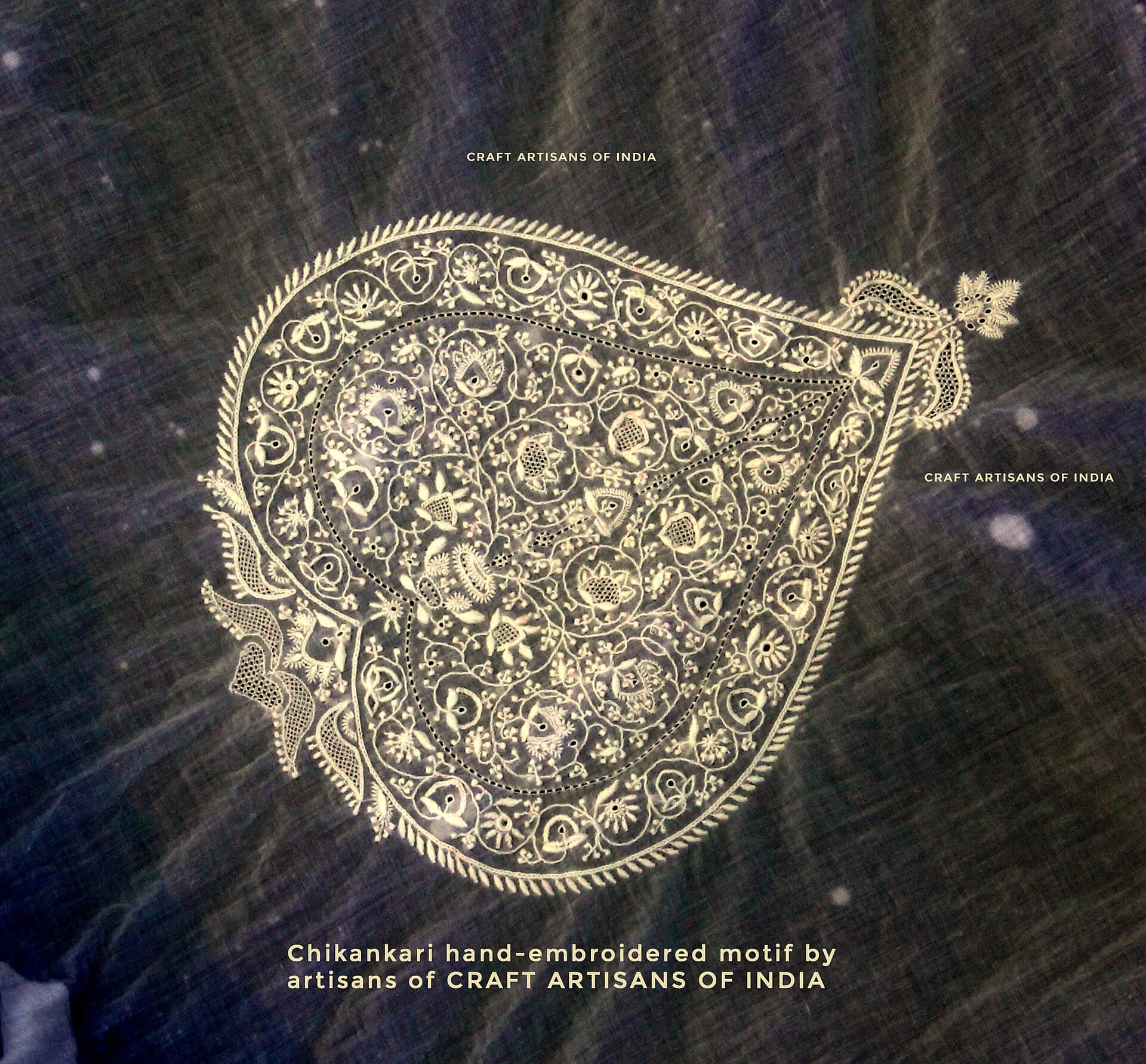 Traditional
Chikankari kurta set
₹1,500–6,000
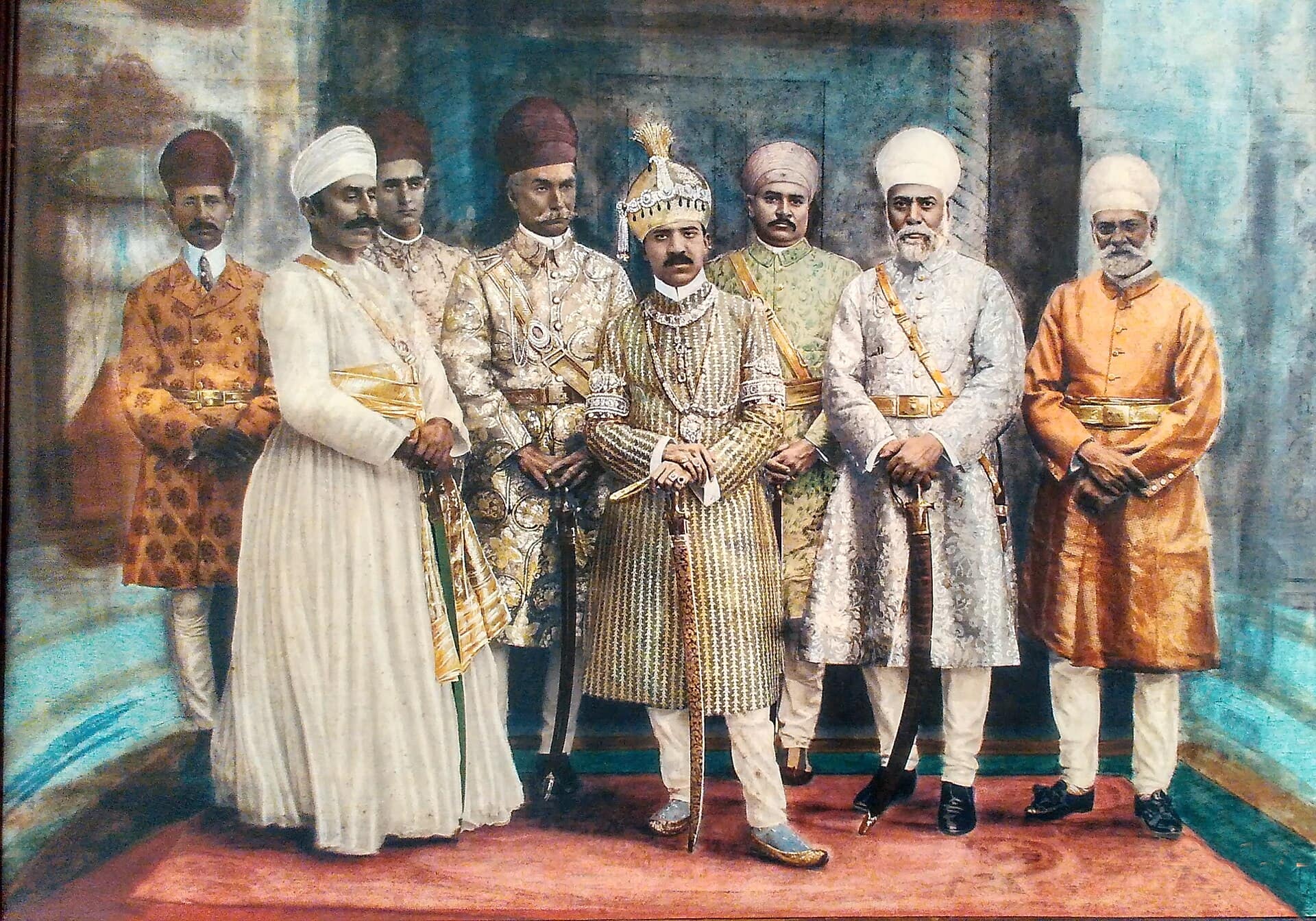 Traditional
Mughal-style sherwani
₹2,500–12,000 (rent from ₹1,000)
Zari Zardozi Embroidery
₹200 / metre for borders; ₹1,500–25,000 for garments
Eat nearby
Food near Chini Ka Rauza
Hungry after the shoot? Search the Agra food guide by craving to find something good nearby.
Search food by craving
Good to know
Local tips
Do this as part of the Itimad-ud-Daulah hour, not as a separate trip — they are 1 km apart and both small.
Move in close. The building reads as a battered stone box from 30 metres; the surviving glaze and the interior plaster are the actual point.
Bring water and expect no shade, no toilets and no shop.
Pair it with Balkeshwar Mahadev to the north for a sunset aarti by the Yamuna, or cross to Mehtab Bagh if you would rather have the Taj in the frame.
Do not come at 5:45 PM expecting to be let in — the site follows ASI sunrise-to-sunset hours and there is no formal last-entry notice.
Chini Ka Rauza
Chini ka rauza means, roughly, the tomb of porcelain — chini referring not to China ware but to the glazed tile work that once covered this building. It was built around 1635 as the mausoleum of Afzal Khan Mullah, a scholar from Shiraz who rose to become Shah Jahan's prime minister and wazir. He chose his own site, on the eastern bank of the Yamuna north of the city.
🎨 Why it is worth an hour
It is the only surviving example in Agra of Indo-Persian tile decoration — the technique that dominates Lahore, Multan and Thatta but barely appears in the Mughal capital. The exterior was originally clad in glazed tiles in turquoise, deep lapis blue, green and yellow, arranged in geometric and floral patterns, with the dome itself tiled. Three and a half centuries of Agra weather have stripped most of it away, and what you see today is a building whose surviving tile fragments hint at what it was.
That loss is part of the interest. Stand close and you can still read the colour on the upper walls and around the arches; the interior retains plaster frescoes and painted decoration in the chambers, in colours that were once far brighter. It is a ruin in slow motion rather than a polished monument, and it rewards attention rather than a photograph.
The form is a simple square mausoleum under a dome, faced in stone and tile rather than marble — a deliberate contrast with the white marble fashion Afzal Khan's own emperor was about to set at its extreme, a few kilometres downstream, in the same decade.
🚶 The Baby Taj pairing
This is the reason to come: Chini Ka Rauza is about 1 km from Itimad-ud-Daulah, both on the eastern bank, both quiet, both small enough to see properly in an hour. Itimad-ud-Daulah is the famous one — the marble 'Baby Taj' whose parchin kari inlay anticipated the Taj Mahal. Chini Ka Rauza is the tile-built counterpoint a decade later. Seeing both gives you two different decorative traditions in one morning, with almost no crowd at the second.
Continue north from here to Balkeshwar Mahadev, the riverside Shiva temple in Balkeshwar Colony, for sunset. That whole north-eastern arc — Itimad-ud-Daulah, Chini Ka Rauza, Balkeshwar, and Mehtab Bagh across the river — is the best half-day in Agra after the Taj and the Fort.
💡 Practical
- Allow 30–45 minutes.
- A small entry charge is quoted at the gate; confirm the current figure locally as sources differ and it is not part of any composite ticket.
- There is little shade and no facilities. Bring water.
- The site feels unstaffed at times, which is part of its appeal and part of why you should not arrive at 5:45 PM.
- Auto or e-rickshaw from Itimad-ud-Daulah is ₹20–80; it is walkable in 15 minutes if the heat allows.
- The metro does not reach it — the operational corridor is Taj East Gate to Mankameshwar, on the other side of the city.
📷 Photography
Best in late afternoon, when the low sun picks out the surviving tile colour on the upper walls and the dome. Midday flattens it completely — the building has no deep relief to catch a shadow, so it depends entirely on raking light. Shoot the tile fragments tight rather than trying to make the whole facade read; it will not.
Questions
Chini Ka Rauza — FAQ
What is the best time to visit Chini Ka Rauza?
Chini Ka Rauza is worth two different windows. 4:00 – 5:45 PM — low raking light is the only thing that reveals the remaining glaze colour. This is the single usable window. 6:30 – 7:30 AM — soft dawn light and no other visitors, though the tile colour reads less strongly than in the evening. Tight shots of the surviving tile fragments on the upper walls and around the arches beat any attempt at a full facade, because most of the cladding is gone. From the north-east corner you get the dome and two walls in one frame. Inside, the painted plaster in the chambers is best shot straight-on with a wide lens in available light — flash is usually prohibited and the interiors are dim.
Is there an entry fee at Chini Ka Rauza?
Entry to Chini Ka Rauza is nominal.
What are the opening hours of Chini Ka Rauza?
Chini Ka Rauza is open sunrise to sunset, approximately 6:00 AM – 6:00 PM.
What should I wear at Chini Ka Rauza?
White, turquoise, cobalt blue, saffron and rust photograph especially well here. Explore the trending and traditional outfit ideas on this page for full looks.
How crowded does Chini Ka Rauza get?
Crowd levels are typically low. To miss the busiest window: late afternoon, roughly 4:00 – 5:45 PM, when low raking sun brings out the surviving glazed-tile colour on the upper walls and dome. Midday light flattens the building completely because the surface has no deep relief to cast shadows.