
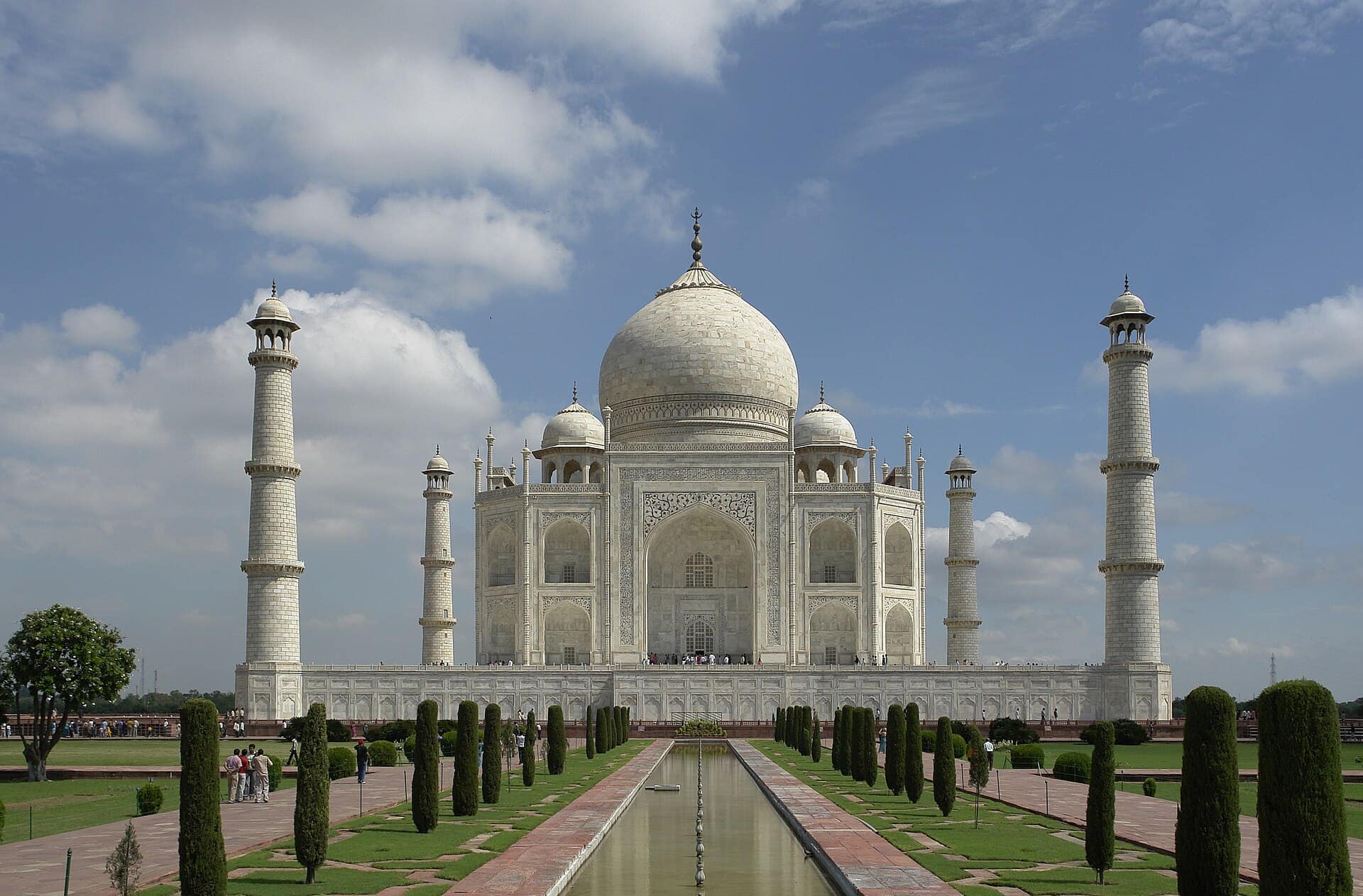
Uttar Pradesh · India
Agra
Home of the Taj Mahal — a city of monumental Mughal architecture in red sandstone and white marble, strung along the Yamuna river.
Agra's crafts are marble inlay (pietra dura), leather and zari-zardozi embroidery; its kitchen is rich Mughlai fare and the world-famous Agra petha.
Plan your trip
Agra Tour Itineraries
Timed, walkable day plans — plus the best season to go.
Where to shoot
Agra Photo Spots
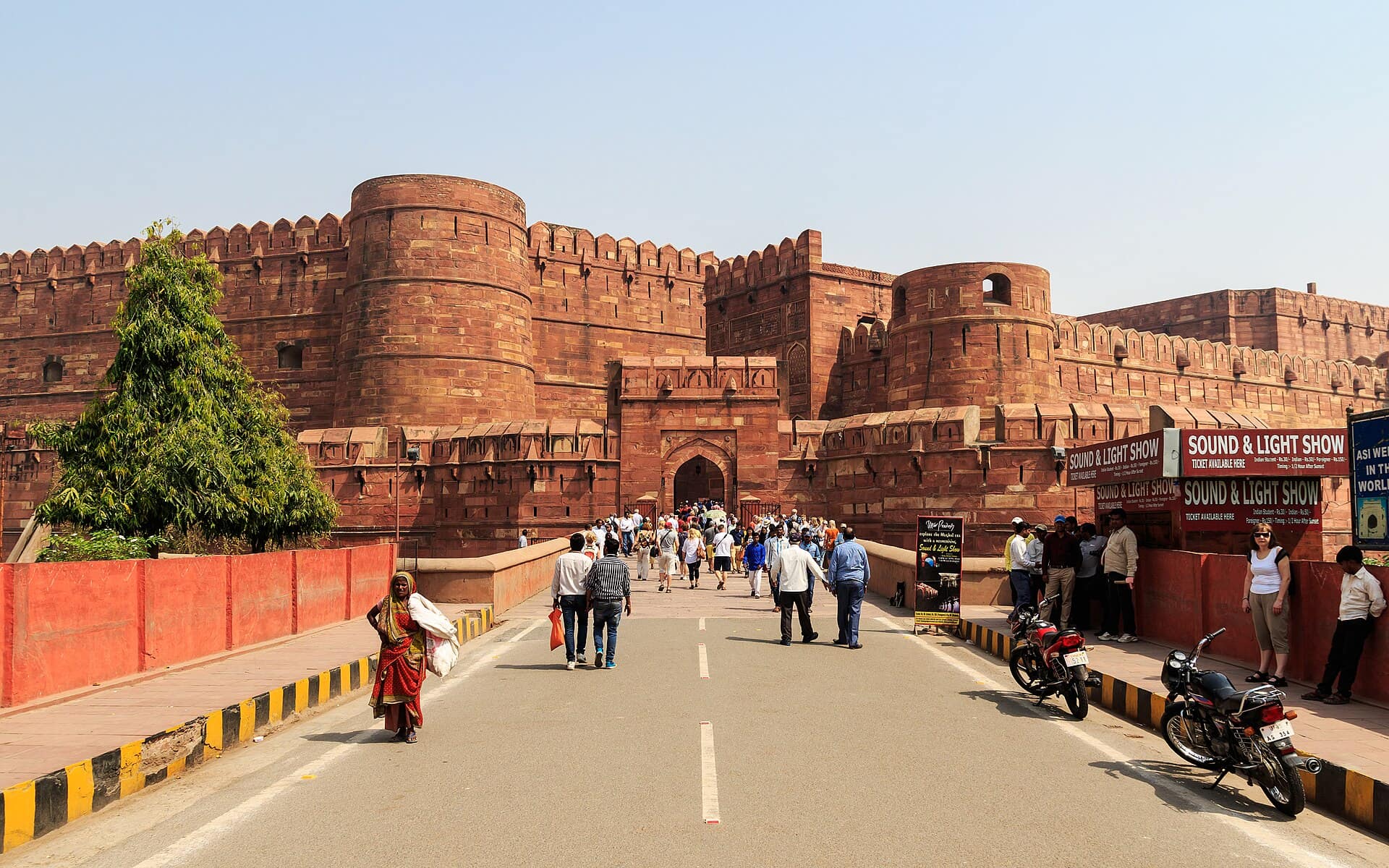 Medium crowd
Entry ₹50 (Indian) / ₹650 (foreign)
Agra Fort
- Best timeLate afternoon, when the red sandstone warms to orange and the Taj glows down the river; early morning for soft light and empty courtyards.
- ColorsWhiteEmeraldMustard
Entry ₹30 (Indian) / ₹310 (foreigner)
Akbar's Tomb, Sikandra
- Best time6:00–7:30 AM for empty courtyards, low raking light on the red sandstone, and deer on the lawns. Late afternoon gives warm stone but more visitors. Avoid 10:00 AM – 3:00 PM: harsh overhead light, heat haze, and the sandstone goes flat.
- ColorsWhiteMustardDeep green
Entry Nominal
Chini Ka Rauza
- Best timeLate afternoon, roughly 4:00 – 5:45 PM, when low raking sun brings out the surviving glazed-tile colour on the upper walls and dome. Midday light flattens the building completely because the surface has no deep relief to cast shadows.
- ColorsWhiteTurquoiseCobalt blue
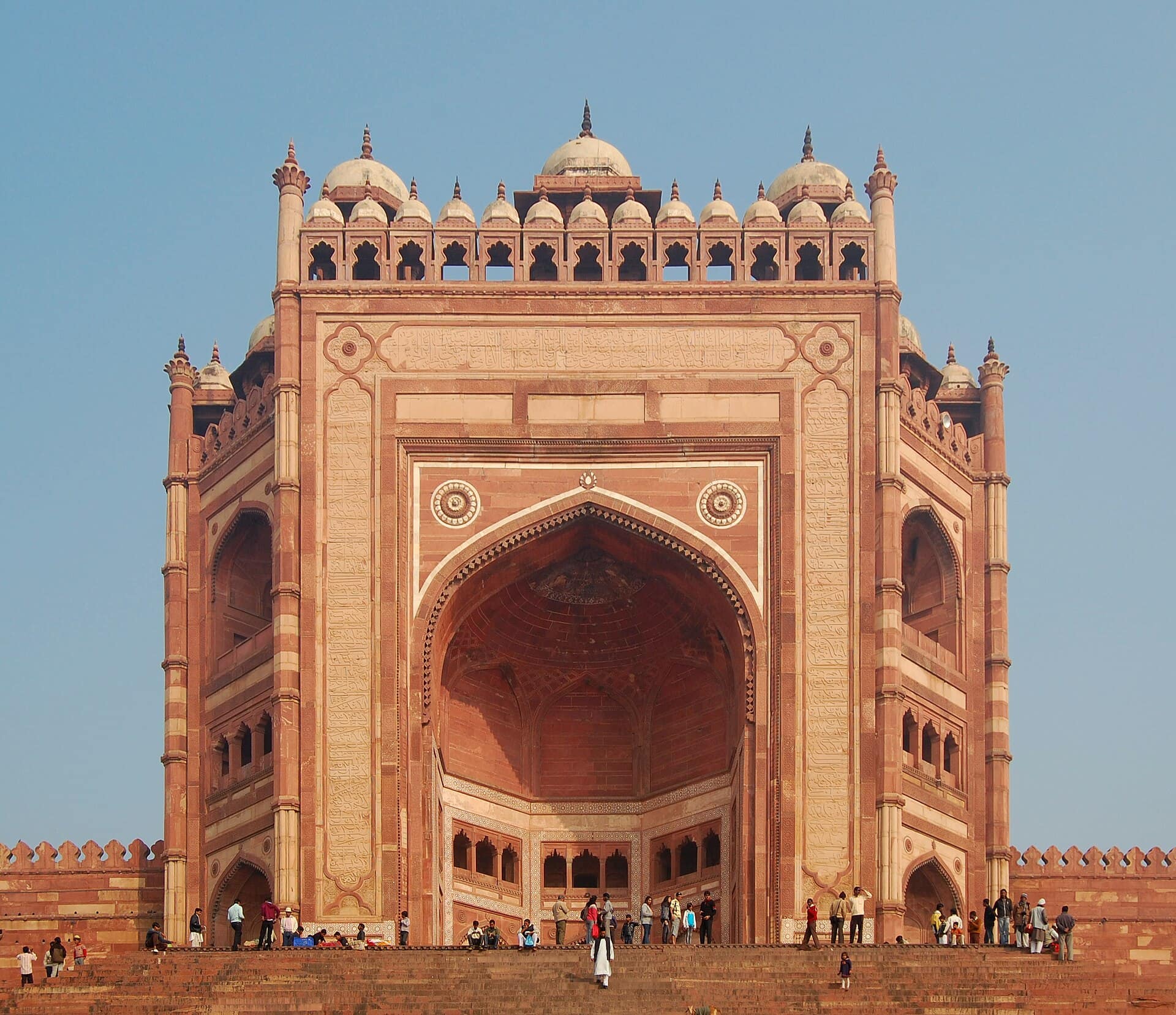 Medium crowd
Entry ₹50 (Indian) / ₹610 (foreign)
Fatehpur Sikri
- Best timeEarly morning, before the tour coaches arrive, when the light on the sandstone is soft and the courtyards are empty; late afternoon for warm light on the palace pavilions.
- ColorsWhiteRustIndigo
Entry Free
Guru ka Taal Gurudwara
- Best timeEarly morning for clear light on the gilded dome and a still sarovar, or late afternoon when the dome reflects in the water. Midday flattens the marble and the dome glare is harsh.
- ColorsWhiteSaffronDeep blue
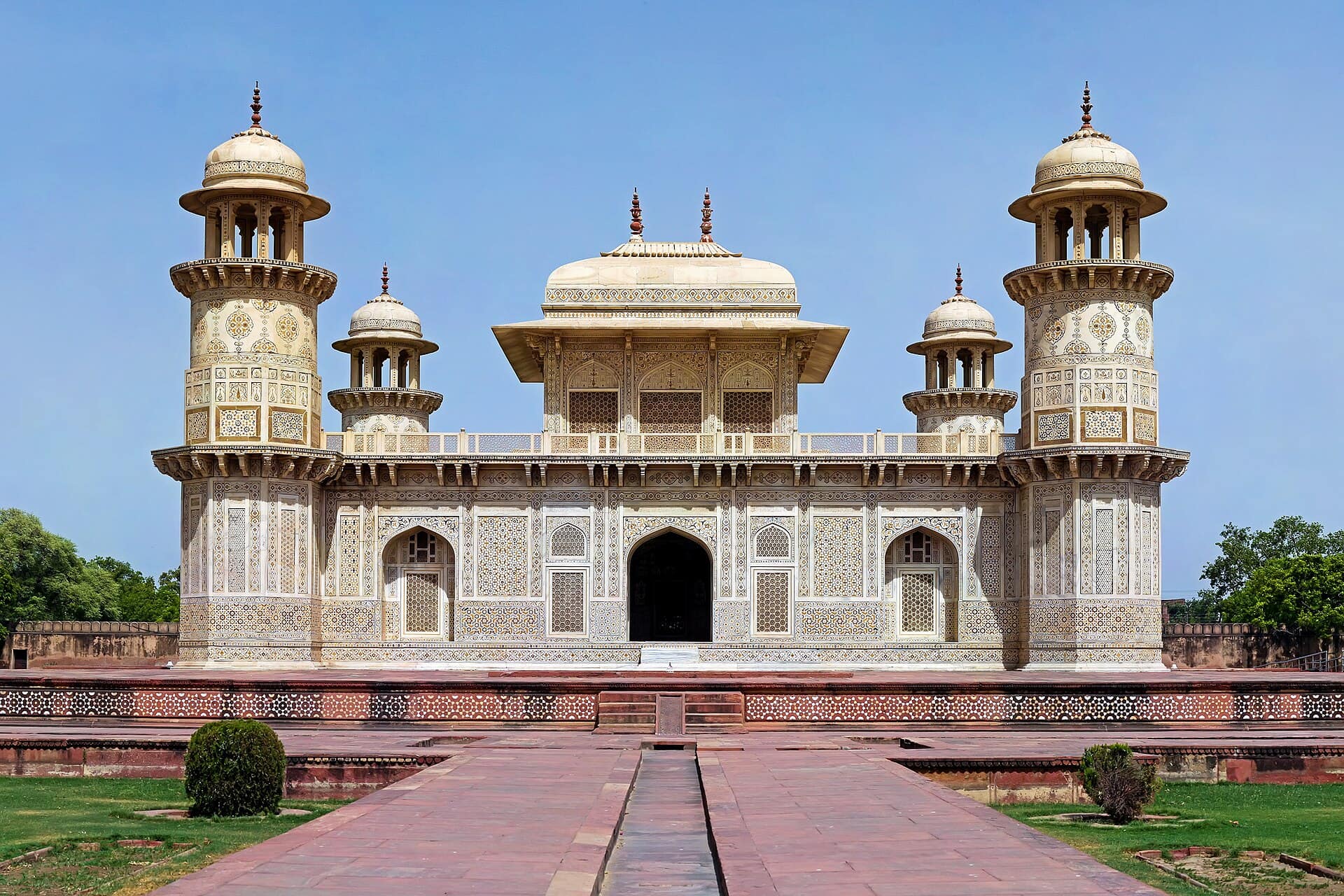 Low crowd
Entry ₹30 (Indian) / ₹310 (foreign)
Itimad-ud-Daulah (Baby Taj)
- Best timeLate afternoon, when warm light picks out the colours in the inlay; early morning for an empty garden and soft, even light.
- ColorsWhiteSoft pinkSage
For the feed
Trending Wear in Agra
Modern, Instagram-friendly looks


Rooted in the city
Agra Traditional Wear
Local, cultural, handcrafted outfits
Agra Leather Jutti & Footwear
₹400–3,000 for jutti; ₹800–5,000 for bags
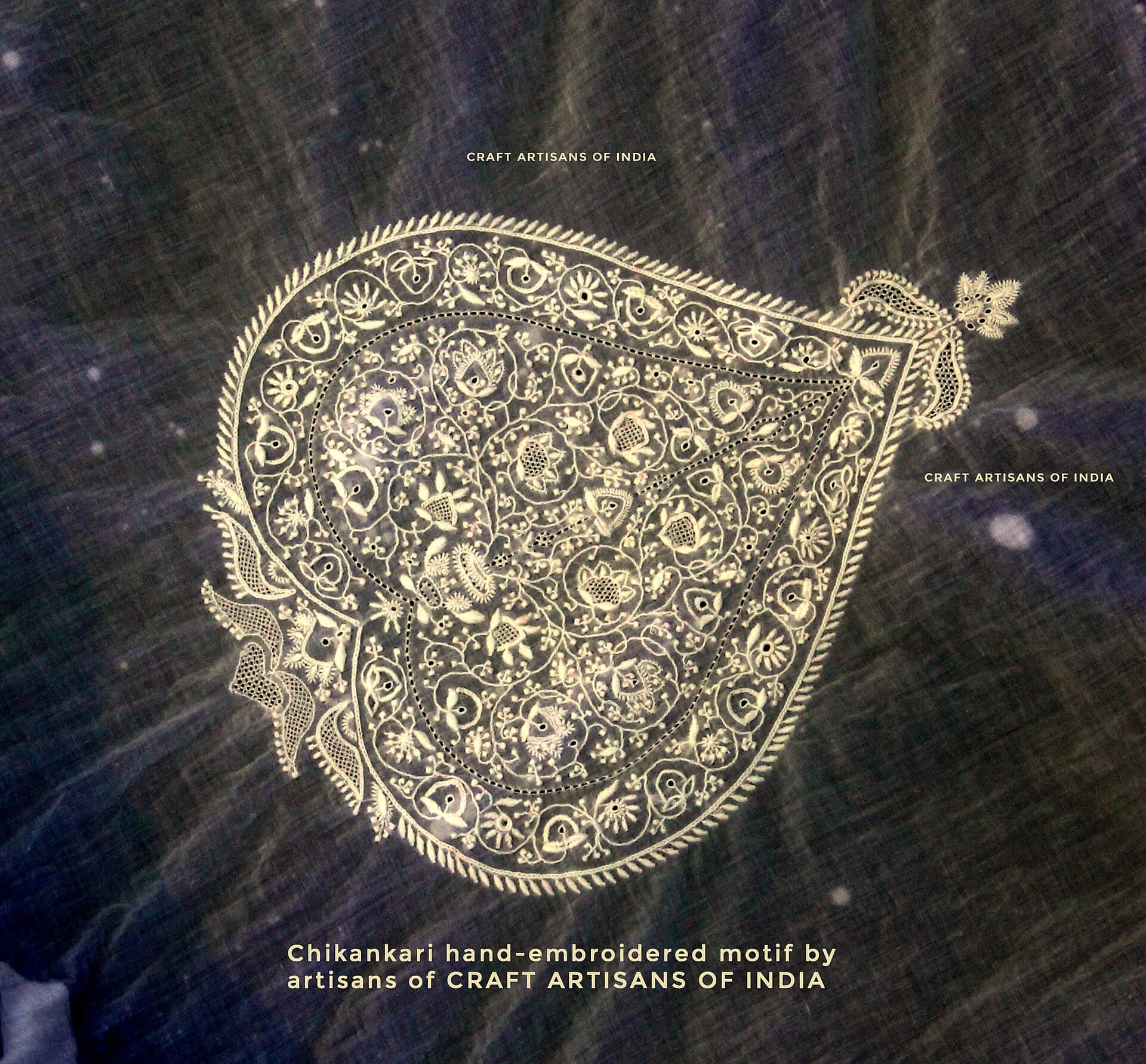 Traditional
Chikankari kurta set
₹1,500–6,000
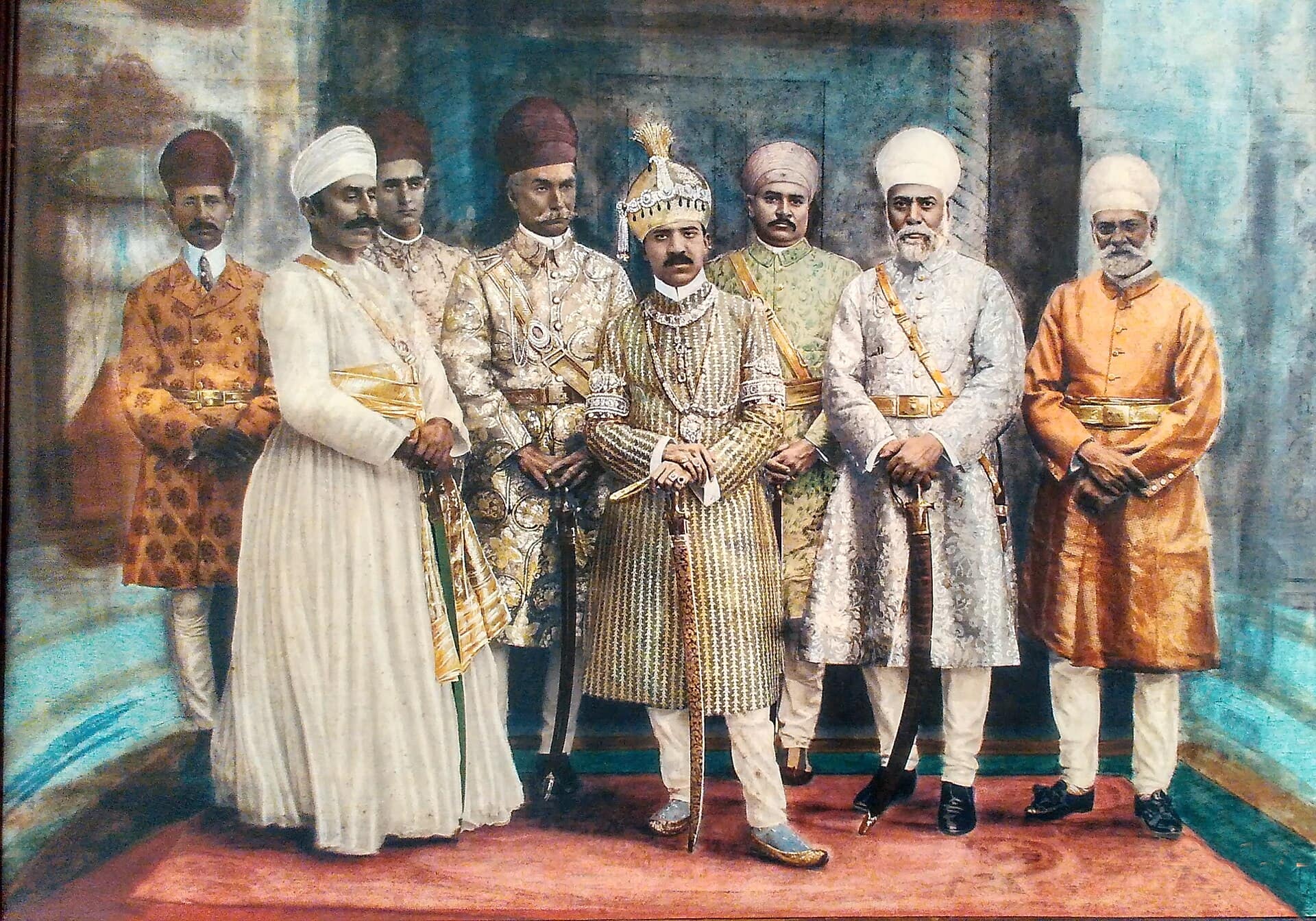 Traditional
Mughal-style sherwani
₹2,500–12,000 (rent from ₹1,000)
Zari Zardozi Embroidery
₹200 / metre for borders; ₹1,500–25,000 for garments
Before you go
Temples in Agra
Darshan hours, dress codes and what gets refused at the gate
Balkeshwar Mahadev Mandir
Lord Shiva as Balkeshwar Mahadev
Shiva templeChintamani Parshwanath Jain Temple
Lord Parshwanath, the 23rd Jain Tirthankara
Jain templeDayal Bagh (Radha Soami Samadhi)
Not a deity shrine — the marble samadhi of Shiv Dayal Singh (Soamiji Maharaj), founder of the Radha Soami faith
Kailash Mandir
Lord Shiva as Kailashnath
Shiva templePrithvinath Mahadev Temple
Lord Shiva as Prithvinath Mahadev
Shiva templeShri Mankameshwar Mandir
Lord Shiva as Mankameshwar Mahadev — a silver-clad Swayambhu lingam
Shiva templeTaste the city
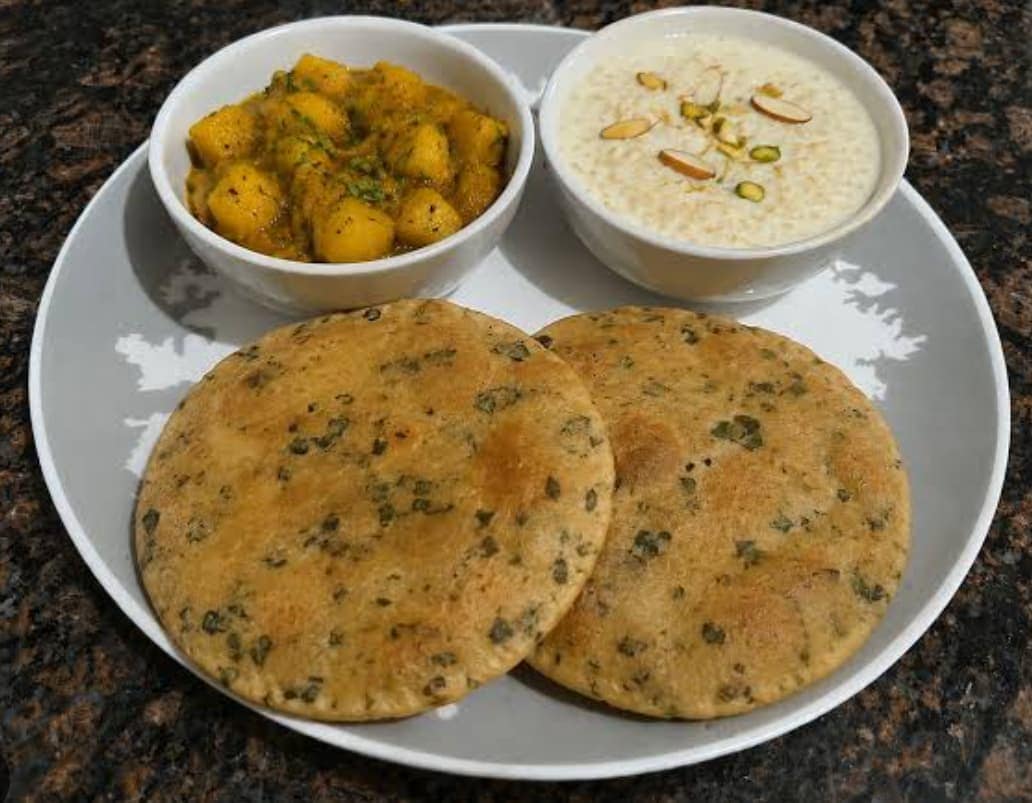
Food to Eat in Agra
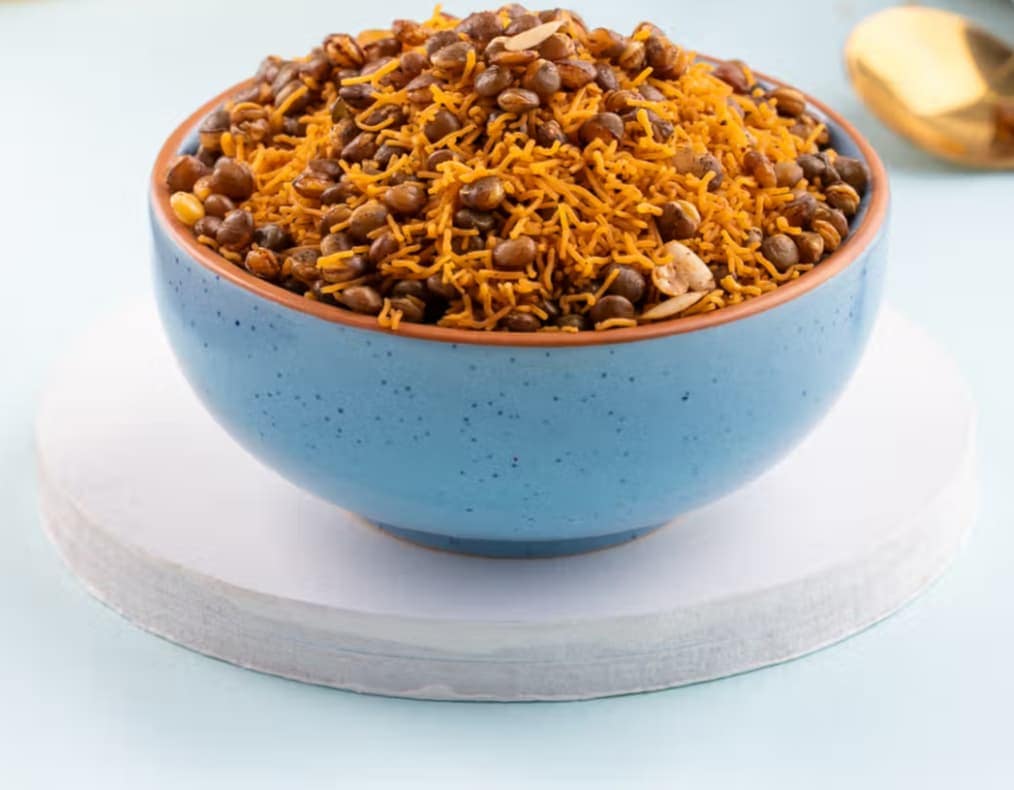
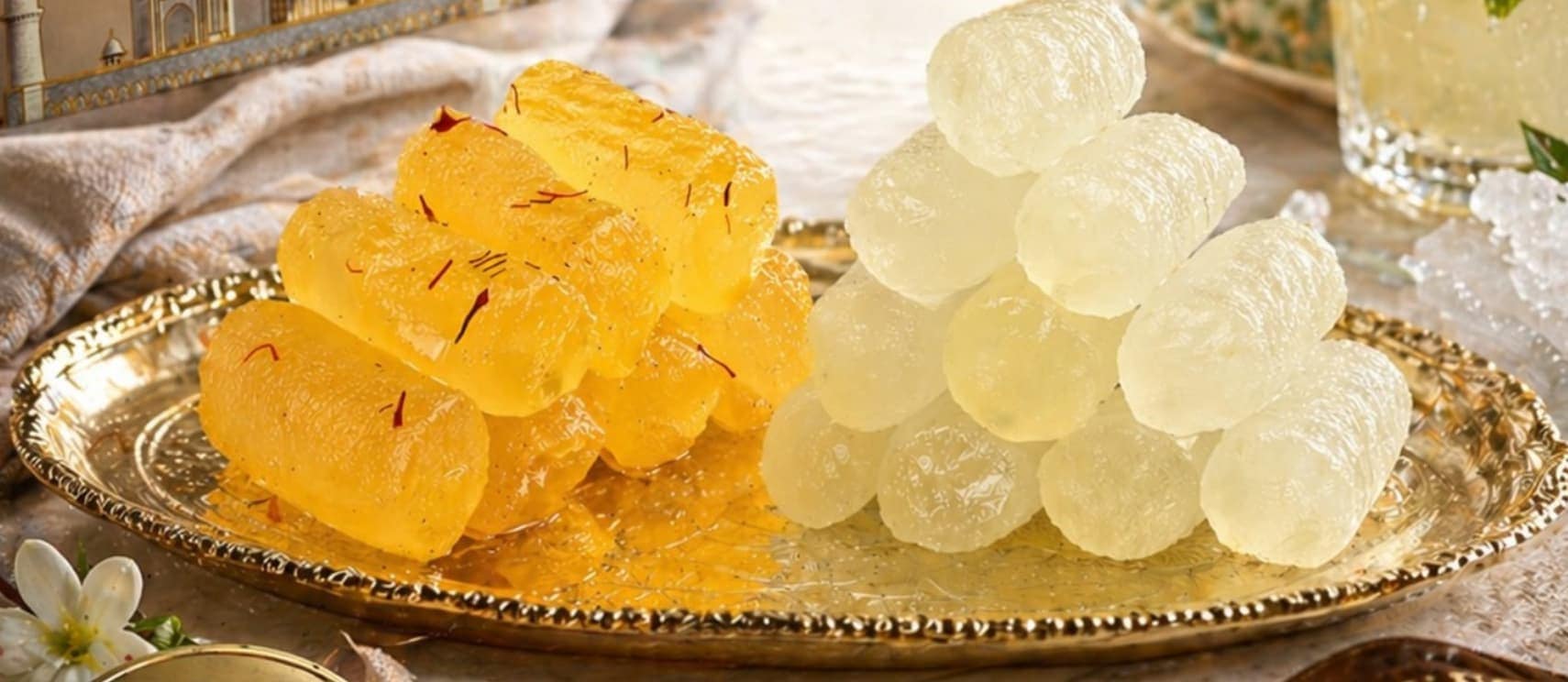
Trusted tables
Where to Eat in Agra
Bhagat Halwai
Motilal Nehru Nagar
Bhajan Lal Chole Bhaturey
Raja Ki Mandi
Chokho Jeeman Marwari Jain Bhojanalya
Old City
Dasaprakash
Taj Road
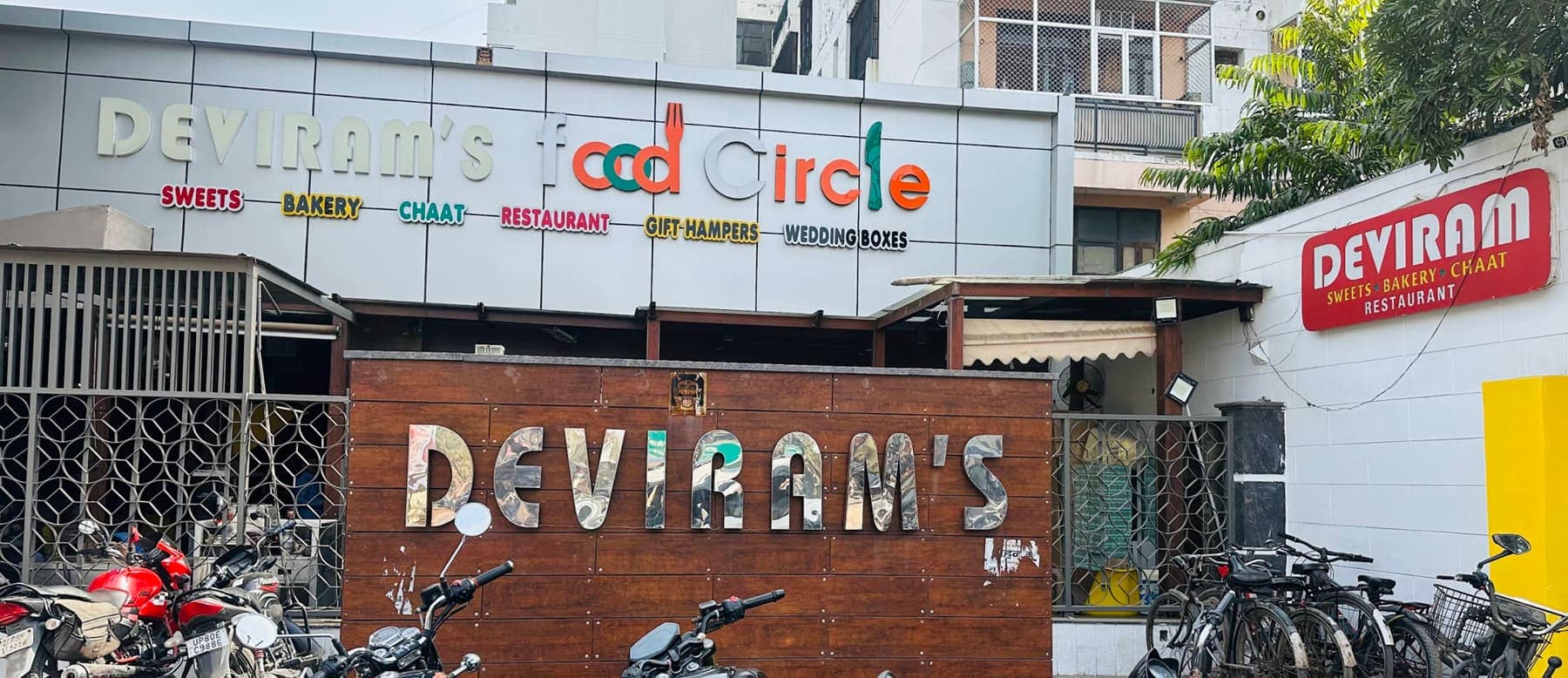
Deviram Sweets & Restaurant
Sikandra
Esphahan (The Oberoi Amarvilas)
Taj East Gate Road
One river, three Mughal generations
Agra sits on a wide bend of the Yamuna, and almost everything a visitor comes for lines its banks. Akbar rebuilt the fort in red sandstone in the 1560s. His son Jahangir's court gave the city the white-marble tomb of Itimad-ud-Daulah. His grandson Shah Jahan added the marble palaces inside the fort and, a short way downstream, the Taj Mahal. You can stand in one of these buildings and see the next one across the water, which is the best way to understand the city: it was planned as a string of riverside gardens and tombs, not as a single sight.
How the city is laid out
The Taj Mahal and its old market quarter, Taj Ganj, are on the south bank at the eastern end. Agra Fort is about 2.5 km upstream, facing the Jama Masjid and Agra Fort railway station. Itimad-ud-Daulah and Mehtab Bagh are on the far bank, across the Yamuna bridges. Hotels cluster along Fatehabad Road, south of the Taj, and the shopping streets of Sadar Bazaar are in the cantonment. Petrol and diesel vehicles are kept away from the Taj, so the last stretch is on foot, by battery bus or by golf cart from the parking areas.
A sensible two days
Day one: the Taj Mahal at opening, back to the hotel for breakfast, then Agra Fort in the late afternoon. Cross the river for sunset at Mehtab Bagh. Day two: leave early for Fatehpur Sikri, about 40 km west, and be back by lunch. Spend the afternoon at Itimad-ud-Daulah, which is quiet and easy to reach on the way to Mehtab Bagh. Akbar's tomb at Sikandra, on the Delhi road, fits into either day.
Fridays and full moons
The Taj Mahal is closed to visitors every Friday, when its mosque is used for prayers. Every other monument in Agra is open that day, so Friday is a good day for Fatehpur Sikri and the fort. The Taj also opens at night on five nights a month, around the full moon, in small timed groups. It does not open on Friday nights or during Ramzan.
Getting here
Most visitors come from Delhi, about 200 km away. The Yamuna Expressway takes around three to four hours by road, and the Gatimaan Express reaches Agra Cantonment in under two hours. Agra's own airport at Kheria has only a few domestic flights. Jaipur, the third city of the usual triangle, is about 240 km west.
What to eat and buy
Agra's own foods are simple. Start the day with bedai and jalebi, carry home a box of petha and dalmoth, and eat Mughlai curries at dinner. The food guide explains each dish. Marble inlay, leather and zardozi embroidery are the city's crafts. Taj Ganj is full of inlay shops, so compare a few before you buy.
Questions
Agra — FAQ
Is one day enough for Agra?
One day covers the Taj Mahal and Agra Fort, with Mehtab Bagh at sunset if you move fast. Two days lets you add Fatehpur Sikri and Itimad-ud-Daulah without rushing, and gives you a second chance at the Taj if the first morning is foggy.
Can I visit the Taj Mahal on a Friday?
No. The Taj Mahal is closed to visitors every Friday, and there is no night viewing on Friday either. Agra Fort, Fatehpur Sikri, Itimad-ud-Daulah and Mehtab Bagh are all open on Fridays.
Is Agra a good day trip from Delhi?
It works if you leave very early. The drive is about three to four hours each way on the Yamuna Expressway, or under two hours on the Gatimaan Express. Staying one night is better, because it lets you see the Taj at sunrise.
How do I get between the monuments?
Auto-rickshaws, cabs and app taxis connect the main sites. The Taj, the fort and Itimad-ud-Daulah are all within about 6 km of each other. Mehtab Bagh is across the river, and Fatehpur Sikri is best done by cab or a hired car.
Is Agra safe for tourists?
Yes, for the usual precautions. The main nuisance is unofficial sellers offering guides, shops and rides near the Taj gates and at Fatehpur Sikri. Say no firmly, book guides through official counters, and agree on auto fares before you get in.