
Temple in Agra
Chintamani Parshwanath Jain Temple
Agra, Uttar Pradesh
A twelfth-century Shwetamber Jain temple in Agra built in white marble, dedicated to Parshwanath. At its most crowded during Mahavir Jayanti, and free to enter.
Overview
Who it's to, and what's expected
Deity
Lord Parshwanath, the 23rd Jain Tirthankara
Tradition
Jain temple
- Entry
Free entry, open to visitors of all faiths. No ticket or registration. Expect the leather and food rules to be enforced at the entrance rather than treated as advisory, and expect to deposit bags. The temple is a working religious site with a small community; behave as a guest.
- Footwear
Footwear must be removed before the entrance and left at the deposit. Socks are generally acceptable inside. Leather footwear is deposited along with any other leather items.
- Access
Approach from the road is level. There are usually steps at the shrine entrance, so the inner sanctum is not step-free. Marble floors are smooth and can be slippery; you will be barefoot or in socks.
- Prasadam
Prasad at a Jain temple is strictly vegetarian and, in Shwetamber practice, typically excludes root vegetables such as onion, garlic and potato. What is offered is usually dry fruit, sugar crystals or a sweet. Accept with the right hand. Nothing containing root vegetables will be offered or allowed inside.
Usually visited with
Time your visit
The darshan clock
A single opening-hours line cannot express a midday closure or an evening ceremony.
Early morning
Morning rituals
The idol is cleansed and adorned before general darshan. The best time to see the temple at its most formal.
Approximately midday
Midday closure
Jain temples commonly close for a few hours in the middle of the day. Do not plan a noon visit.
Late afternoon to early evening
Evening aarti
Lamps and devotional singing before closing.
Rules, timings and fees change — confirm locally before you rely on this.
How long this takes
Ways in
The difference between a twenty-minute visit and a three-hour one.
General darshan
- Minimal on ordinary days
- Small community temple, no tourist queue
Mahavir Jayanti
- The one day of the year with real crowds, plus a procession through the neighbourhood
At the gate
Before you go in
What gets refused, and what you cannot take past the door.
What to wear
Modest dress — shoulders and knees covered for men and women. More important here than at a Hindu temple is the leather rule: no leather items of any kind inside the precinct, including belts, bags and straps. Deposit them or leave them in your vehicle.
Phones and cameras
Photography is usually prohibited inside the shrine, and in some Jain temples throughout the building. Always ask at the entrance before taking a camera in. Do not photograph the idol or worshippers without permission.
Rules, timings and fees change — confirm locally before you rely on this.
When not to come — unless you mean to
Festival windows
These follow lunar calendars and move by weeks each year, so the windows are months, not dates.
Mahavir Jayanti
Paryushan
Diwali
Practicalities
The things that go wrong
Book through official channels, and treat anyone promising a guaranteed slot as a warning sign.
What to watch for
- There is no entry fee
- Anyone asking for one at the door is not acting for the temple
- Outside any Jain temple you may be offered 'blessed' thread, rice or small icons for a donation that turns out to be a demand
- Decline politely and walk in; you are not obliged to accept anything
One place, many temples
Other temples in Agra
Balkeshwar Mahadev Mandir
Shiva templeLord Shiva as Balkeshwar Mahadev
Dayal Bagh (Radha Soami Samadhi)
Not a deity shrine — the marble samadhi of Shiv Dayal Singh (Soamiji Maharaj), founder of the Radha Soami faith
Kailash Mandir
Shiva templeLord Shiva as Kailashnath
Prithvinath Mahadev Temple
Shiva templeLord Shiva as Prithvinath Mahadev
Shri Mankameshwar Mandir
Shiva templeLord Shiva as Mankameshwar Mahadev — a silver-clad Swayambhu lingam
General guidance
Planning the visit
Customary practice and what Agra's climate means for a barefoot visit — not rules posted at this temple. Anything specific to Chintamani Parshwanath Jain Temple is above.
Come in winter
Winter is when Agra is most comfortable to walk around, which matters here because a temple visit is done on foot and barefoot. Locally the window is given as october to march.
Stone gets hot — go early
You will be barefoot from the shoe rack onwards, often across an open courtyard. Between late morning and mid-afternoon in the hot months that stone is genuinely painful to stand on. Socks help, and are permitted almost everywhere shoes are not.
Metro, then walk
Agra has a metro, and it is usually the fastest way to get near a busy temple — the streets immediately around one are often closed to vehicles or jammed with them.
Outfit guide
What to wear at Chintamani Parshwanath Jain Temple
Cover shoulders and knees — the rules above win over anything here.
Trending wear for this spot
Popular modern looks travellers are wearing across Agra.


Traditional wear for this spot
Timeless, cultural outfits worn across Agra.
Agra Leather Jutti & Footwear
₹400–3,000 for jutti; ₹800–5,000 for bags
 Traditional
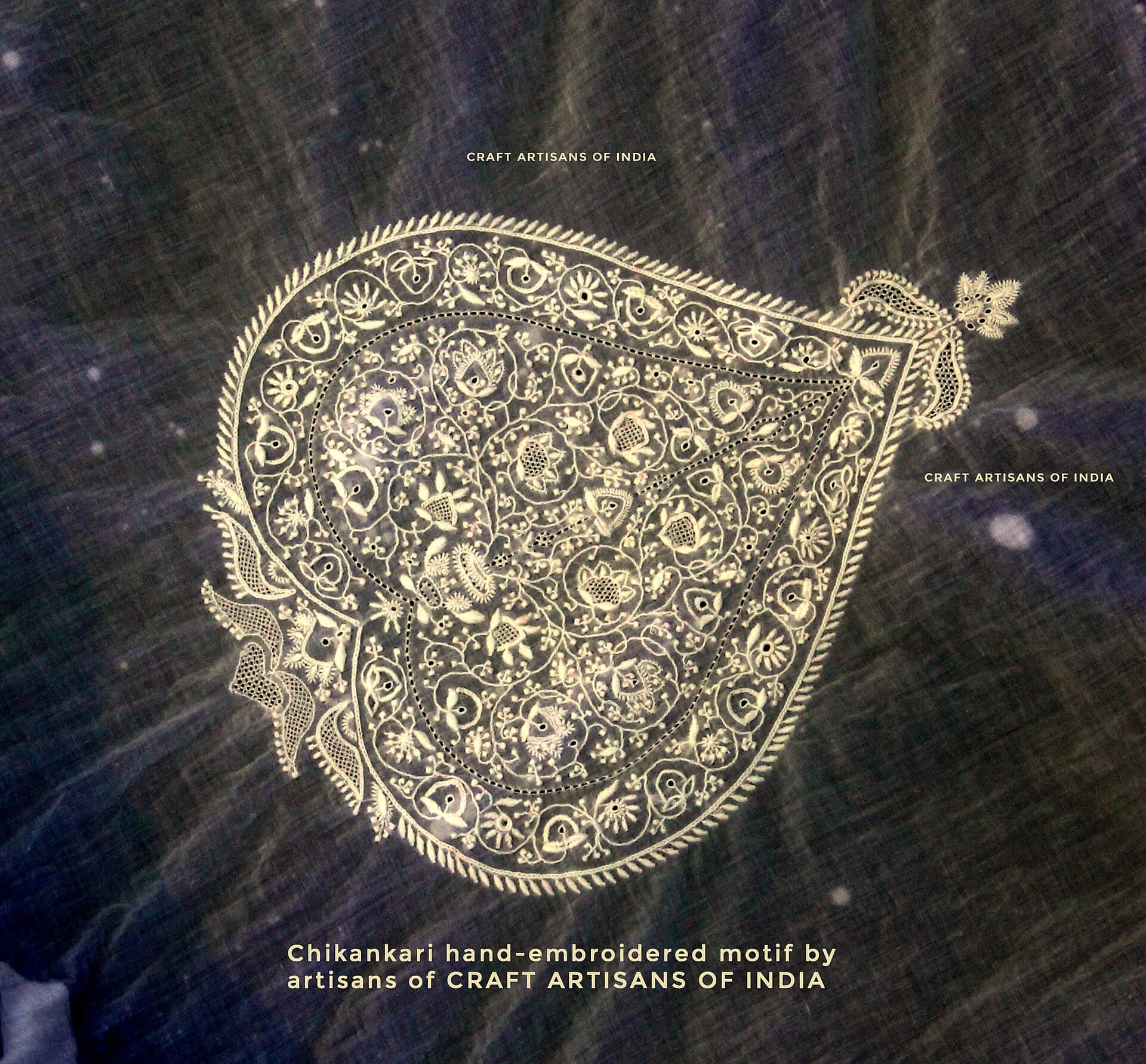
Chikankari kurta set
₹1,500–6,000
 Traditional
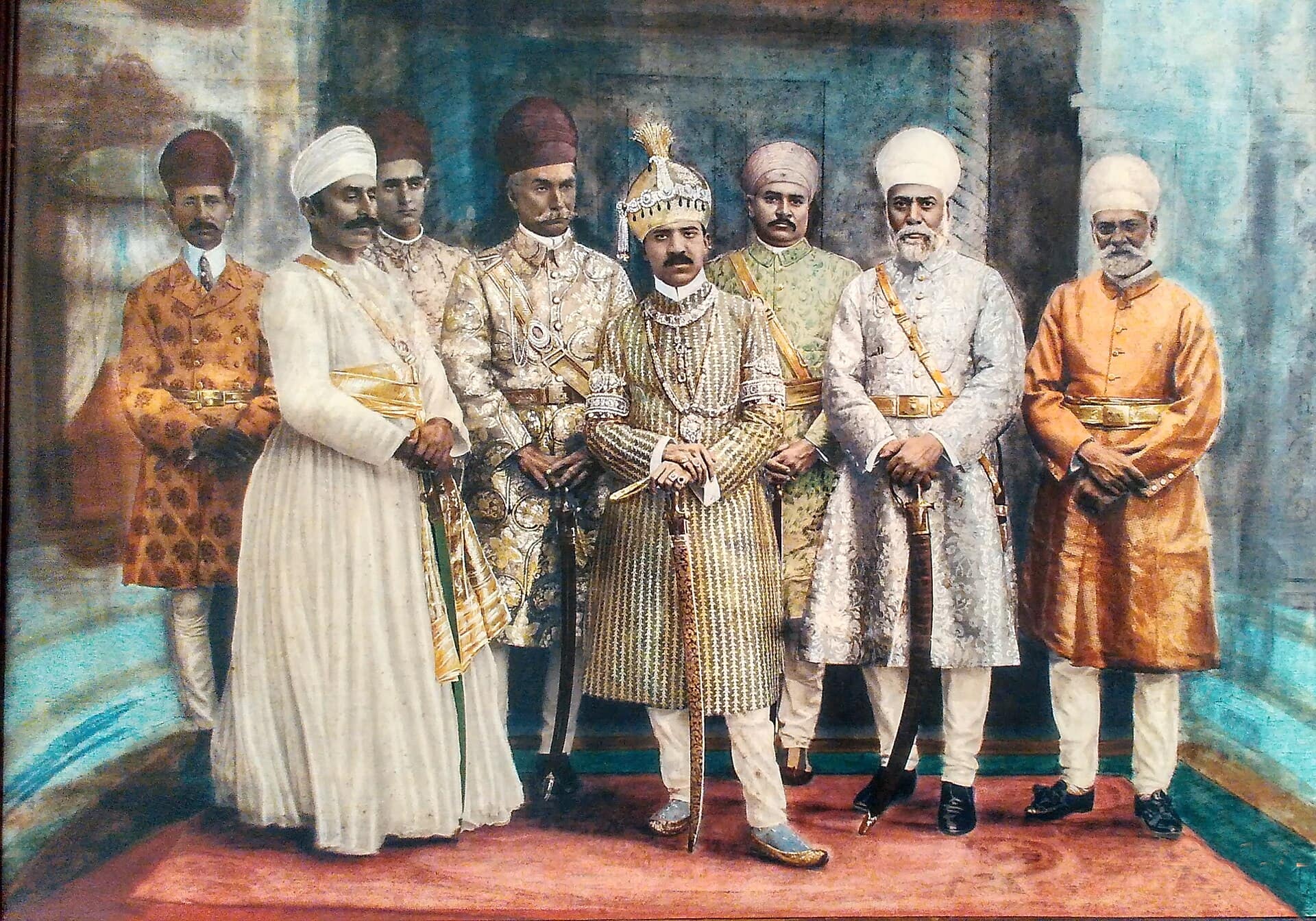
Mughal-style sherwani
₹2,500–12,000 (rent from ₹1,000)
Zari Zardozi Embroidery
₹200 / metre for borders; ₹1,500–25,000 for garments
Chintamani Parshwanath Shwetamber Jain Temple
Agra's Mughal buildings get the attention, but the city has a Jain community that is far older than any of them, and this temple is its centrepiece. Local accounts date the shrine to the twelfth century, which would put its foundation roughly five hundred years before Shah Jahan laid out the Taj — a useful correction to the assumption that Agra's history begins with the Mughals.
It is a Shwetamber temple (the 'white-clad' branch of Jainism), built in white marble, and dedicated to Lord Parshwanath, the twenty-third Tirthankara, recognisable in Jain iconography by the serpent canopy over his head. The name Chintamani — the wish-fulfilling jewel — is a common epithet for Parshwanath idols.
🕒 Timings and entry
Jain temples typically split the day around rituals, closing for periods in the middle, and this one is no exception. Entry is free. Published hours for this temple are inconsistent across sources, so treat any specific timetable as approximate and confirm with the temple before a dedicated trip. The reliable windows are early morning and late afternoon.
🛕 Rules that are specific to Jain temples
These differ from Hindu temple practice and are worth knowing before you go, because they are enforced:
- No leather whatsoever — belts, bags, wallets, shoes or straps. Leave them in the vehicle or at the deposit. This is stricter than most Hindu temples, where only footwear comes off.
- No food, and nothing that has been eaten from, inside the precinct. Do not carry snacks.
- Footwear removed before the entrance.
- Modest dress, shoulders and knees covered.
- Photography is usually prohibited inside the shrine, and in some Jain temples throughout. Ask; do not assume.
- Women are traditionally asked not to enter the inner shrine during menstruation. This is a religious rule of the community, not a legal one, and enforcement varies.
🌸 Mahavir Jayanti
The temple's big day is Mahavir Jayanti, the birth anniversary of Lord Mahavir, the twenty-fourth Tirthankara, which falls in March or April. The idol is decorated, processions run through the Jain neighbourhood, and the temple is at its busiest and most ornate. If you are in Agra then, it is worth the visit purely to see the building dressed for the occasion.
💡 Getting there and what to see
The temple is about 4–5 km from the city centre. The operational metro corridor does not reach it, so plan an auto (₹100–200 from the centre) or an app cab. Look at the marble work: Jain temple carving is a different tradition from Mughal parchin kari, with figural and floral relief rather than stone inlay, and the contrast between the two in one city is genuinely interesting.
No verified coordinates are published for this temple, so no map pin is shown. Ask for 'Chintamani Parshwanath Jain Mandir' — the local Jain community knows it well.
Last verified: 2026. Timings, entry arrangements and any charges are published by the temple itself and do change - confirm them with the temple's own official website or counter before travelling rather than relying on any third-party listing.
Questions
Chintamani Parshwanath Jain Temple — FAQ
Who is Chintamani Parshwanath Jain Temple dedicated to?
Chintamani Parshwanath Jain Temple in Agra is dedicated to Lord Parshwanath, the 23rd Jain Tirthankara.
Who can enter Chintamani Parshwanath Jain Temple?
Free entry, open to visitors of all faiths. No ticket or registration. Expect the leather and food rules to be enforced at the entrance rather than treated as advisory, and expect to deposit bags. The temple is a working religious site with a small community; behave as a guest.
What is the dress code at Chintamani Parshwanath Jain Temple?
Modest dress — shoulders and knees covered for men and women. More important here than at a Hindu temple is the leather rule: no leather items of any kind inside the precinct, including belts, bags and straps. Deposit them or leave them in your vehicle.
Do I have to take my shoes off at Chintamani Parshwanath Jain Temple?
Footwear must be removed before the entrance and left at the deposit. Socks are generally acceptable inside. Leather footwear is deposited along with any other leather items.
Can I take photos inside Chintamani Parshwanath Jain Temple?
Photography is usually prohibited inside the shrine, and in some Jain temples throughout the building. Always ask at the entrance before taking a camera in. Do not photograph the idol or worshippers without permission.
What prasadam is offered at Chintamani Parshwanath Jain Temple?
Prasad at a Jain temple is strictly vegetarian and, in Shwetamber practice, typically excludes root vegetables such as onion, garlic and potato. What is offered is usually dry fruit, sugar crystals or a sweet. Accept with the right hand. Nothing containing root vegetables will be offered or allowed inside.
Is Chintamani Parshwanath Jain Temple wheelchair accessible?
Approach from the road is level. There are usually steps at the shrine entrance, so the inner sanctum is not step-free. Marble floors are smooth and can be slippery; you will be barefoot or in socks.
Checked, not remembered
Sources
Every rule and timing above traces back to one of these.