
Temple in Agra
Shri Mankameshwar Mandir
Agra, Uttar Pradesh
Agra's oldest Shiva temple, in Rawatpara a few hundred metres from Agra Fort station. The lingam is sheathed in silver and the temple is named for granting wishes — manokamna. It is also an Agra Metro station, so it is the easiest temple in the city to reach.
Overview
Who it's to, and what's expected
Deity
Lord Shiva as Mankameshwar Mahadev — a silver-clad Swayambhu lingam
Tradition
Shiva temple
- Entry
Free entry, open to all visitors, no ticket or registration. Non-Hindus are welcome in the complex but are expected to observe the dress code at the sanctum. You descend a short flight of stairs to reach the lingam, and the sanctum is small, so darshan is brief. Bags may be checked.
- Footwear
Shoes must be removed before the temple precinct. Use the footwear deposit at the entrance rather than leaving them in the open, and expect to pay a few rupees. Leather items are commonly asked to be deposited with your footwear.
- Access
The sanctum is reached by descending a flight of stairs, so it is not step-free and wheelchair access to the inner shrine is limited. The outer courtyard is level. Stone floors are smooth and slippery when wet, and you will be barefoot — in summer afternoons the stone gets hot, so come early or in the evening. Confirm with the temple office if mobility is a concern.
- Prasadam
Prasad is distributed, usually a small sweet. Accept it with the right hand. You are not obliged to bring an offering — if you want to make one, buy flowers or prasad inside the complex at normal prices rather than from the tray sellers at the gate. Rudrabhishek and special pujas can be arranged through the temple office; agree the amount in advance.
Usually visited with
Time your visit
The darshan clock
A single opening-hours line cannot express a midday closure or an evening ceremony.
Around 5:00 AM
Mangal Aarti
The opening aarti, before general darshan begins.
Around 6:00 AM
Abhishek Aarti
Ritual bathing of the lingam with milk, water and honey. The most devotional moment of the morning.
From about 6:30 AM
Mangala and Shringar darshan
The deity is dressed and adorned; darshan windows are published by the temple and shift slightly between summer and winter.
11:30 AM – 12:00 PM
Raj Bhog darshan
Midday offering. The temple then closes for the afternoon break.
Around 5:00 PM
Utthapan
Reopening of the sanctum after the afternoon closure.
Around 7:00 – 8:30 PM
Sandhya Aarti
Evening aarti with lamps and bells. The best time to visit if you want the temple at its most alive.
Rules, timings and fees change — confirm locally before you rely on this.
How long this takes
Ways in
The difference between a twenty-minute visit and a three-hour one.
General darshan
- Free and continuous while open
- Moves quickly on weekdays; the sanctum is small so you get a few seconds at the railing
Monday and Shravan
- Sawan Mondays from July to August bring long queues of devotees carrying Yamuna water
- Add an hour to any plan
Mahashivratri
- Night-long worship and the heaviest crowds of the year
- The surrounding lanes are congested and vehicles cannot get close
At the gate
Before you go in
What gets refused, and what you cannot take past the door.
What to wear
Traditional Indian dress is expected to enter the sanctum — dhoti, kurta-pyjama or saree. Shorts, short skirts and sleeveless tops are stopped at the stairs. This is stricter than most temples in Agra, so plan for it: a shawl or dupatta is not enough on its own here. The temple office will tell you what is acceptable if you are unsure.
Phones and cameras
Photography is not permitted inside the sanctum. The courtyard and outer shrines can generally be photographed, but follow posted signage and the attendants rather than assuming. Phones are best kept away while you are in the darshan queue.
Rules, timings and fees change — confirm locally before you rely on this.
When not to come — unless you mean to
Festival windows
These follow lunar calendars and move by weeks each year, so the windows are months, not dates.
Mahashivratri
Shravan (Sawan)
Navratri
Diwali
Practicalities
The things that go wrong
Book through official channels, and treat anyone promising a guaranteed slot as a warning sign.
What to watch for
- Flower and prasad sellers at the gate press a tray into your hands and then name a price several times the local rate
- You are not required to carry an offering in
- Decline, or buy inside
- Self-appointed guides and 'temple assistants' attach themselves at the entrance, explain the deity, and then ask for a fee
- The temple does not employ third parties
- A polite no is enough
- Donation receipts offered by individuals outside the temple are not the temple's
- Give only at an official counter and take a receipt
- Auto and e-rickshaw drivers offer to wait and take you to a marble shop afterwards
- The shop is where they earn; decline before you get in, not after
One place, many temples
Other temples in Agra
Balkeshwar Mahadev Mandir
Shiva templeLord Shiva as Balkeshwar Mahadev
Chintamani Parshwanath Jain Temple
Jain templeLord Parshwanath, the 23rd Jain Tirthankara
Dayal Bagh (Radha Soami Samadhi)
Not a deity shrine — the marble samadhi of Shiv Dayal Singh (Soamiji Maharaj), founder of the Radha Soami faith
5.5 km away
View guideKailash Mandir
Shiva templeLord Shiva as Kailashnath
Prithvinath Mahadev Temple
Shiva templeLord Shiva as Prithvinath Mahadev
4.5 km away
View guideGeneral guidance
Planning the visit
Customary practice and what Agra's climate means for a barefoot visit — not rules posted at this temple. Anything specific to Shri Mankameshwar Mandir is above.
Circling the shrine
At most Shaiva temples the circuit around the sanctum is not completed in a full circle — the channel draining the abhishekam is not crossed. Walk to it, turn, and come back the way you came. Watching what the queue in front of you does is the reliable guide.
Come in winter
Winter is when Agra is most comfortable to walk around, which matters here because a temple visit is done on foot and barefoot. Locally the window is given as october to march.
Stone gets hot — go early
You will be barefoot from the shoe rack onwards, often across an open courtyard. Between late morning and mid-afternoon in the hot months that stone is genuinely painful to stand on. Socks help, and are permitted almost everywhere shoes are not.
Metro, then walk
Agra has a metro, and it is usually the fastest way to get near a busy temple — the streets immediately around one are often closed to vehicles or jammed with them.
Outfit guide
What to wear at Shri Mankameshwar Mandir
Cover shoulders and knees — the rules above win over anything here.
Trending wear for this spot
Popular modern looks travellers are wearing across Agra.


Traditional wear for this spot
Timeless, cultural outfits worn across Agra.
Agra Leather Jutti & Footwear
₹400–3,000 for jutti; ₹800–5,000 for bags
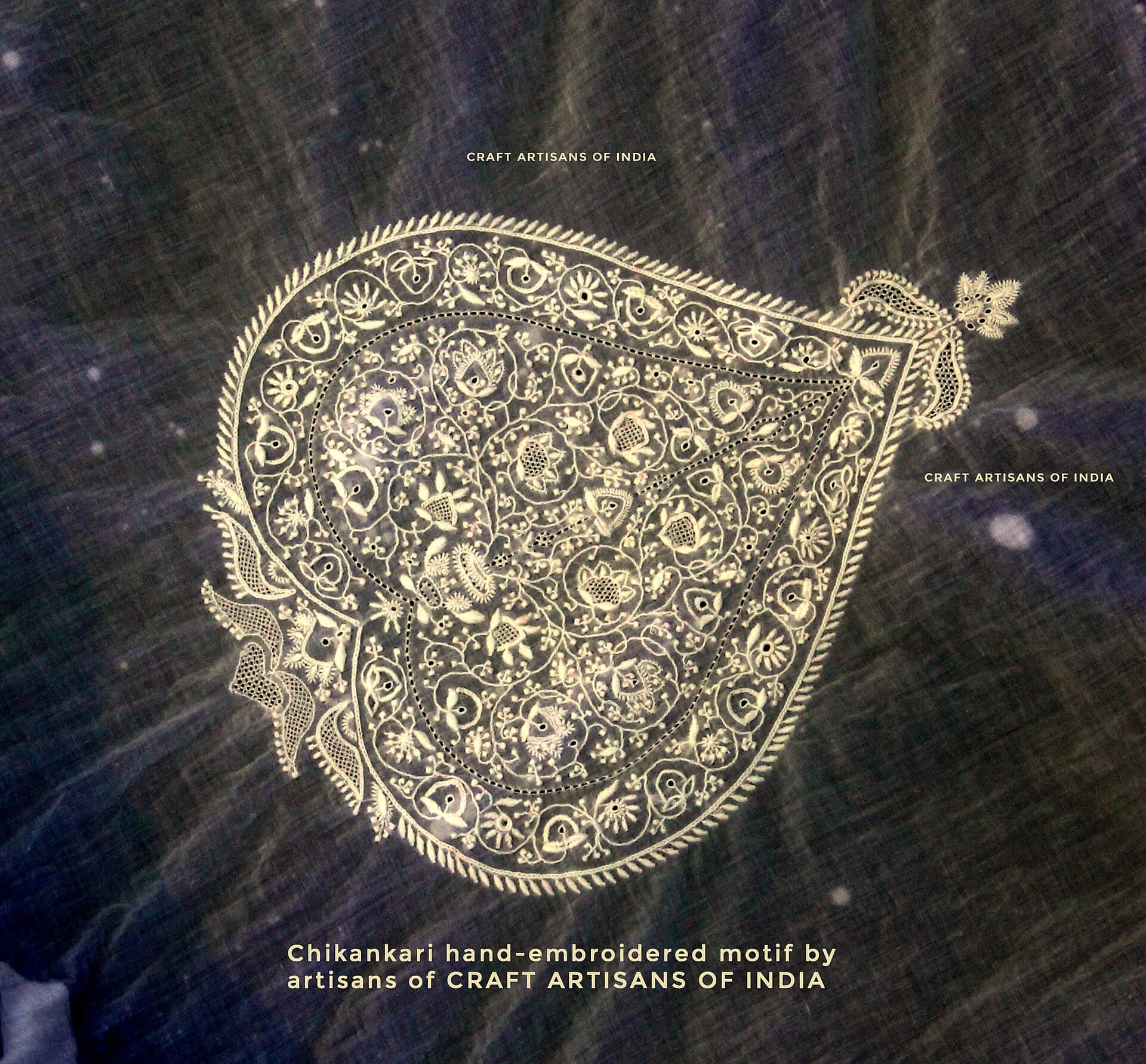 Traditional
Chikankari kurta set
₹1,500–6,000
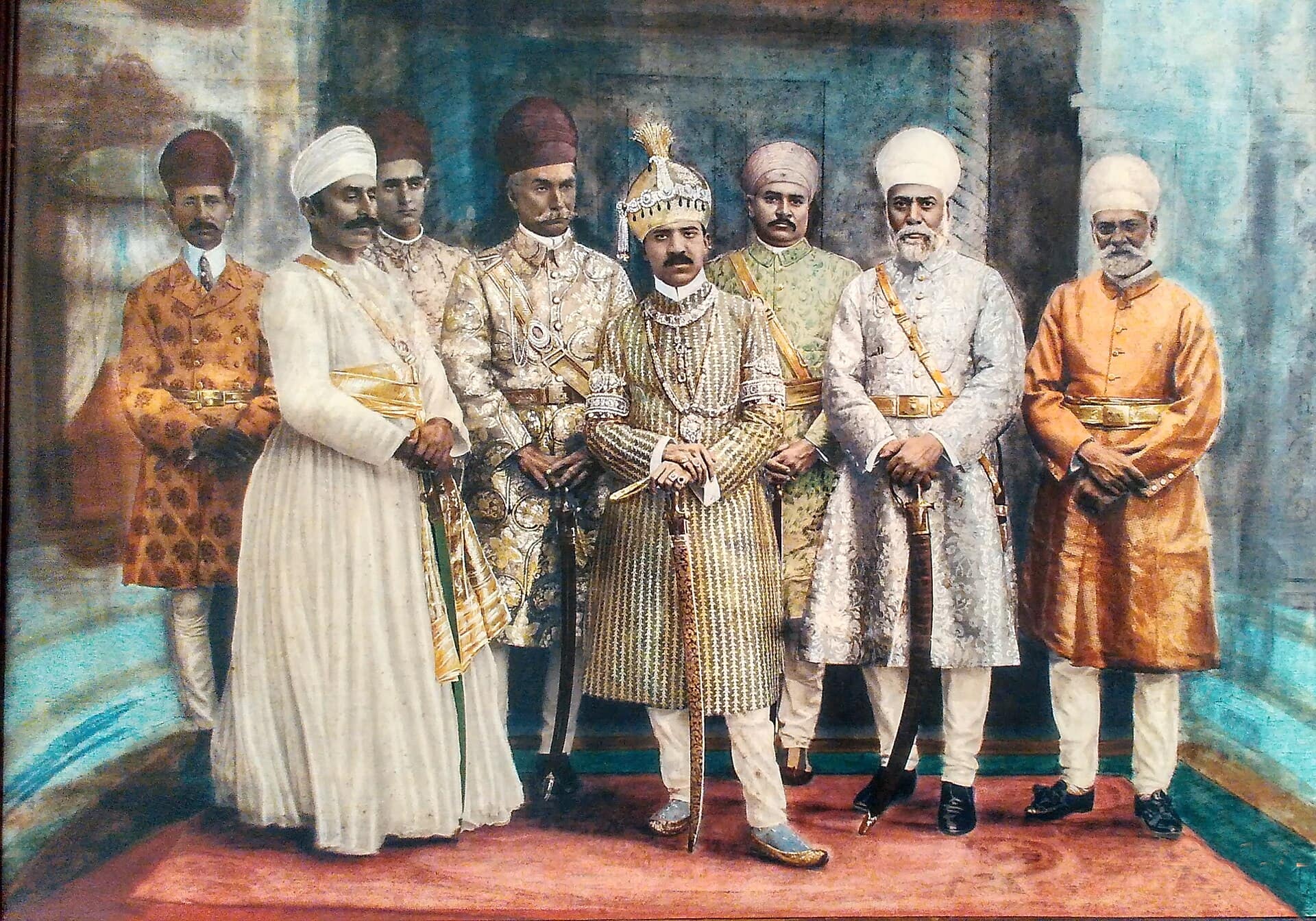 Traditional
Mughal-style sherwani
₹2,500–12,000 (rent from ₹1,000)
Zari Zardozi Embroidery
₹200 / metre for borders; ₹1,500–25,000 for garments
Shri Mankameshwar Mandir
Mankameshwar is the temple locals actually come to, and it sits in Rawatpara only a few hundred metres from Agra Fort railway station — close enough that you can walk it into a morning around the fort and the old-city bazaars. Tradition holds that the lingam is Swayambhu, self-manifested, and dates from the Dwapara Yuga, which would make this the oldest sacred site in Agra. It is sheathed in silver. The name comes from manka ki iccha — the wish of the heart — and the temple's whole reputation rests on the belief that a sincere prayer here is answered.
⛰️ Getting there
The Agra Metro stops here. Mankameshwar Temple is one of the six underground stations on the operational priority corridor, which makes this the only temple in Agra you can reach by metro for ₹10–30. From the Taj Mahal station it is a two-stop ride. Agra Fort railway station is about 500 m to 1 km away, and Kinari Bazaar and Jama Masjid are within walking distance.
🕉️ Timings and rituals
- Open daily 5:00–5:15 AM to 12:00 PM, then 4:00 PM to 10:00 PM. Mondays often run later, to about 11:00 PM.
- Mangal Aarti around 5:00 AM, Abhishek Aarti around 6:00 AM.
- Sandhya (evening) darshan roughly 7:00–9:00 PM; the evening aarti is the best time to be here if you want bells, lamps and a crowd.
- No entry fee.
The sanctum is reached by descending a short flight of stairs, and it is small — darshan moves in a queue and you may only get a few seconds at the railing. That is normal.
👘 Dress and conduct
Traditional Indian dress is expected to enter the sanctum — a dhoti, kurta-pyjama or saree. This is stricter than most Agra temples and visitors in shorts or sleeveless tops are stopped at the stairs. If you are dressed for a monument visit, carry a shawl or change; the temple office can tell you what will be accepted.
Photography is not permitted inside the sanctum. Shoes come off before the precinct. Leather items are commonly asked to be left at the deposit along with footwear.
🏮 The complex
Mankameshwar is not a single shrine. The complex holds smaller temples to Ganga, Gayatri, Hanuman, Saraswati, Kaila Devi, Krishna, Rama and Narasimha, so a visit takes longer than the Shiva darshan alone. The architecture is a blend of Mughal and Hindu forms — carved arches and domes in a city where that mixture is the whole story.
🌸 When it is busiest
Mahashivratri is the big one, with night-long worship. Shravan (Sawan) Mondays in July and August draw continuous queues of devotees carrying water from the Yamuna for jalabhishek. Navratri and Diwali are also heavy. On those days expect crowds, a slower queue, and a city-wide lift in traffic around Rawatpara. If you want a quiet visit, come on a weekday morning between 6:30 and 8:00 AM.
💡 Practical notes
Offerings. Prasad is distributed, usually sweets. Accept it with the right hand. You are not required to buy anything — decline the tray sellers outside politely and buy inside if you want to make an offering, where prices are normal.
Rudrabhishek can be booked at the temple office if you want a priest to perform an abhishek in your name. Agree the amount beforehand.
Pair it with Agra Fort and Jama Masjid in the morning, then Kinari Bazaar, which is right behind the mosque. Itimad-ud-Daulah is a short ride east across the river.
Last verified: 2026. Timings, entry arrangements and any charges are published by the temple itself and do change - confirm them with the temple's own official website or counter before travelling rather than relying on any third-party listing.
Questions
Shri Mankameshwar Mandir — FAQ
Who is Shri Mankameshwar Mandir dedicated to?
Shri Mankameshwar Mandir in Agra is dedicated to Lord Shiva as Mankameshwar Mahadev — a silver-clad Swayambhu lingam.
Who can enter Shri Mankameshwar Mandir?
Free entry, open to all visitors, no ticket or registration. Non-Hindus are welcome in the complex but are expected to observe the dress code at the sanctum. You descend a short flight of stairs to reach the lingam, and the sanctum is small, so darshan is brief. Bags may be checked.
What is the dress code at Shri Mankameshwar Mandir?
Traditional Indian dress is expected to enter the sanctum — dhoti, kurta-pyjama or saree. Shorts, short skirts and sleeveless tops are stopped at the stairs. This is stricter than most temples in Agra, so plan for it: a shawl or dupatta is not enough on its own here. The temple office will tell you what is acceptable if you are unsure.
Do I have to take my shoes off at Shri Mankameshwar Mandir?
Shoes must be removed before the temple precinct. Use the footwear deposit at the entrance rather than leaving them in the open, and expect to pay a few rupees. Leather items are commonly asked to be deposited with your footwear.
Can I take photos inside Shri Mankameshwar Mandir?
Photography is not permitted inside the sanctum. The courtyard and outer shrines can generally be photographed, but follow posted signage and the attendants rather than assuming. Phones are best kept away while you are in the darshan queue.
What prasadam is offered at Shri Mankameshwar Mandir?
Prasad is distributed, usually a small sweet. Accept it with the right hand. You are not obliged to bring an offering — if you want to make one, buy flowers or prasad inside the complex at normal prices rather than from the tray sellers at the gate. Rudrabhishek and special pujas can be arranged through the temple office; agree the amount in advance.
Is Shri Mankameshwar Mandir wheelchair accessible?
The sanctum is reached by descending a flight of stairs, so it is not step-free and wheelchair access to the inner shrine is limited. The outer courtyard is level. Stone floors are smooth and slippery when wet, and you will be barefoot — in summer afternoons the stone gets hot, so come early or in the evening. Confirm with the temple office if mobility is a concern.
Checked, not remembered
Sources
Every rule and timing above traces back to one of these.