
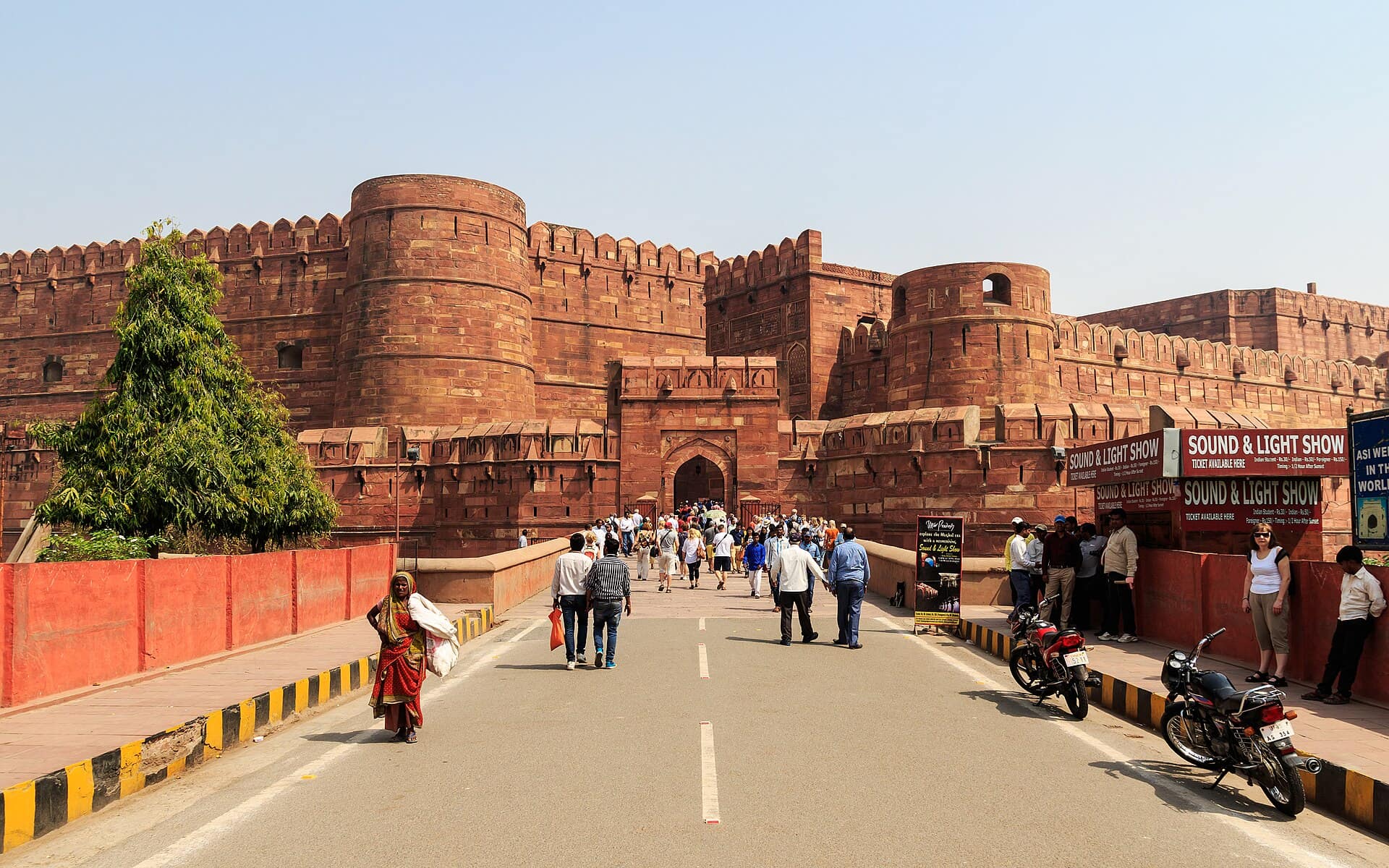
Photo spot in Agra
Agra Fort
Agra, Uttar Pradesh
A vast red-sandstone Mughal fort and UNESCO site of palaces, audience halls and marble pavilions, with a distant view of the Taj across the river.
Best time
Late afternoon, when the red sandstone warms to orange and the Taj glows down the river; early morning for soft light and empty courtyards.
Best angle
Stand in the Diwan-i-Am and take a photo through a row of scalloped arches towards the throne alcove, then walk to the Musamman Burj terrace to zoom in on the Taj.
Entry fee
₹50 (Indian) / ₹650 (foreign)
Opening hours
6:00 AM – 6:00 PM
Crowd level
Medium
Best outfit colors
Overview
Best time to visit Agra Fort
Best times to shoot
6:00 – 8:00 AM
Empty courtyards, cool stone, soft directional light raking across the red sandstone carvings. The only uncrowded window, and the Jahangiri Mahal courtyard is yours.
4:00 – 5:45 PM
The sandstone turns deep orange and the Taj is lit warmly down the river, which is the shot from the Musamman Burj terrace — the view Shah Jahan is said to have had from his confinement.
Poses & angles
Photo tips for Agra Fort
Stand in the Diwan-i-Am and take a photo through a row of scalloped arches towards the throne alcove, then walk to the Musamman Burj terrace to zoom in on the Taj. Work a few of the pose ideas below, shoot wide for context and tight for detail, and give yourself a couple of extra minutes to get the frame right.
Framed in a Mughal arch
On the ramparts with the Taj in the distance
Outfit guide
What to wear at Agra Fort
For photos at Agra Fort, white, emerald and mustard work beautifully — they stand out against the setting without fighting it. Pick one hero colour and keep the rest of the look calm so you stay the subject of the frame.
Best outfit colors for photos
Trending wear for this spot
Modern, camera-ready looks picked for Agra Fort.

Traditional wear for this spot
Timeless, cultural looks that suit Agra Fort.
Eat nearby
Food near Agra Fort
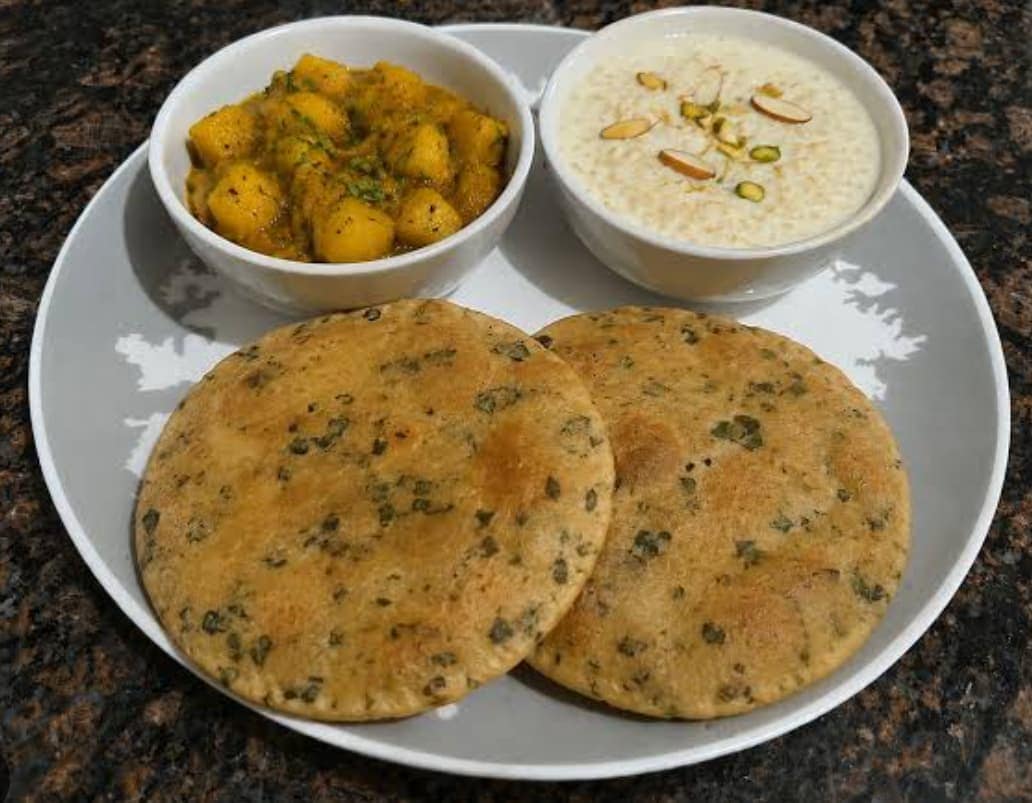
Round out the visit with something to eat. Look for bedai with aloo sabzi nearby, or settle in at one of the 2 restaurants close by.
Special dishes to try
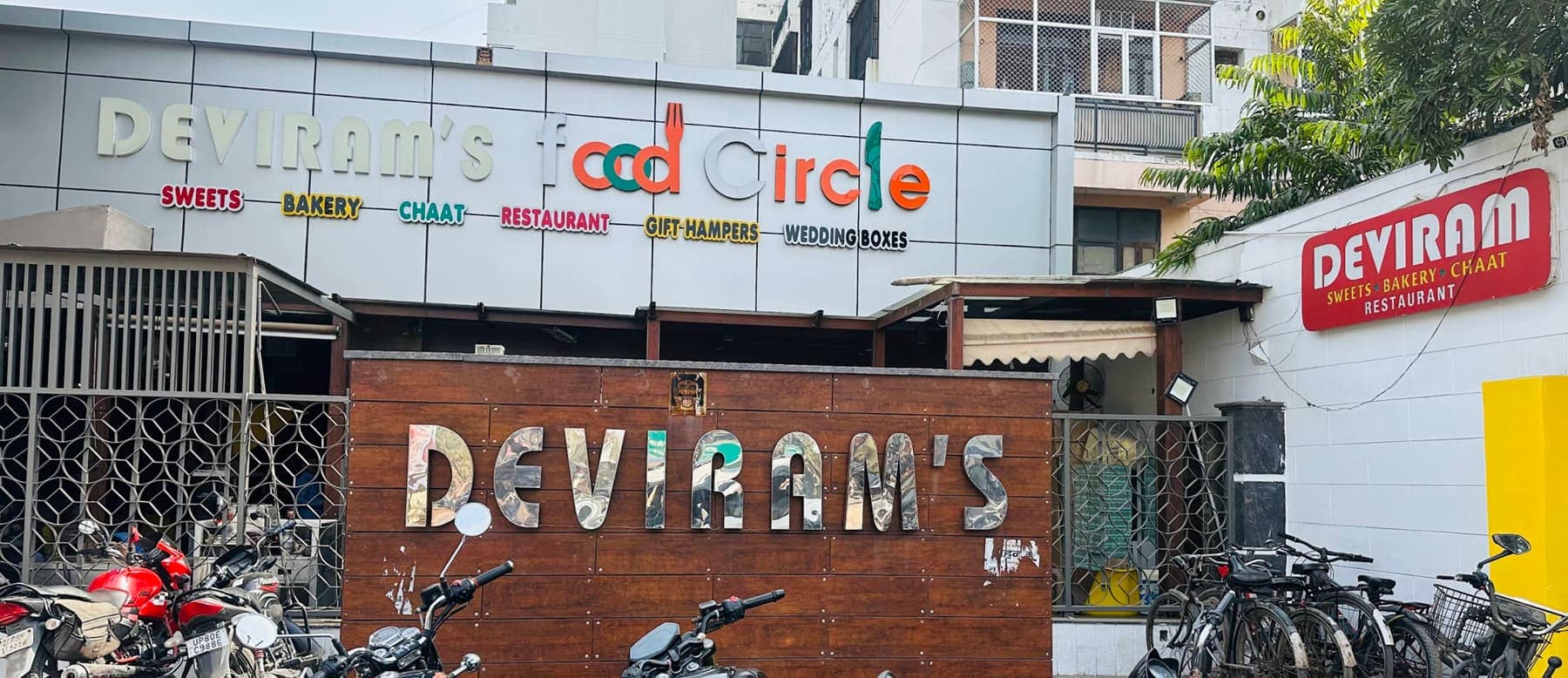
Restaurants & food places nearby
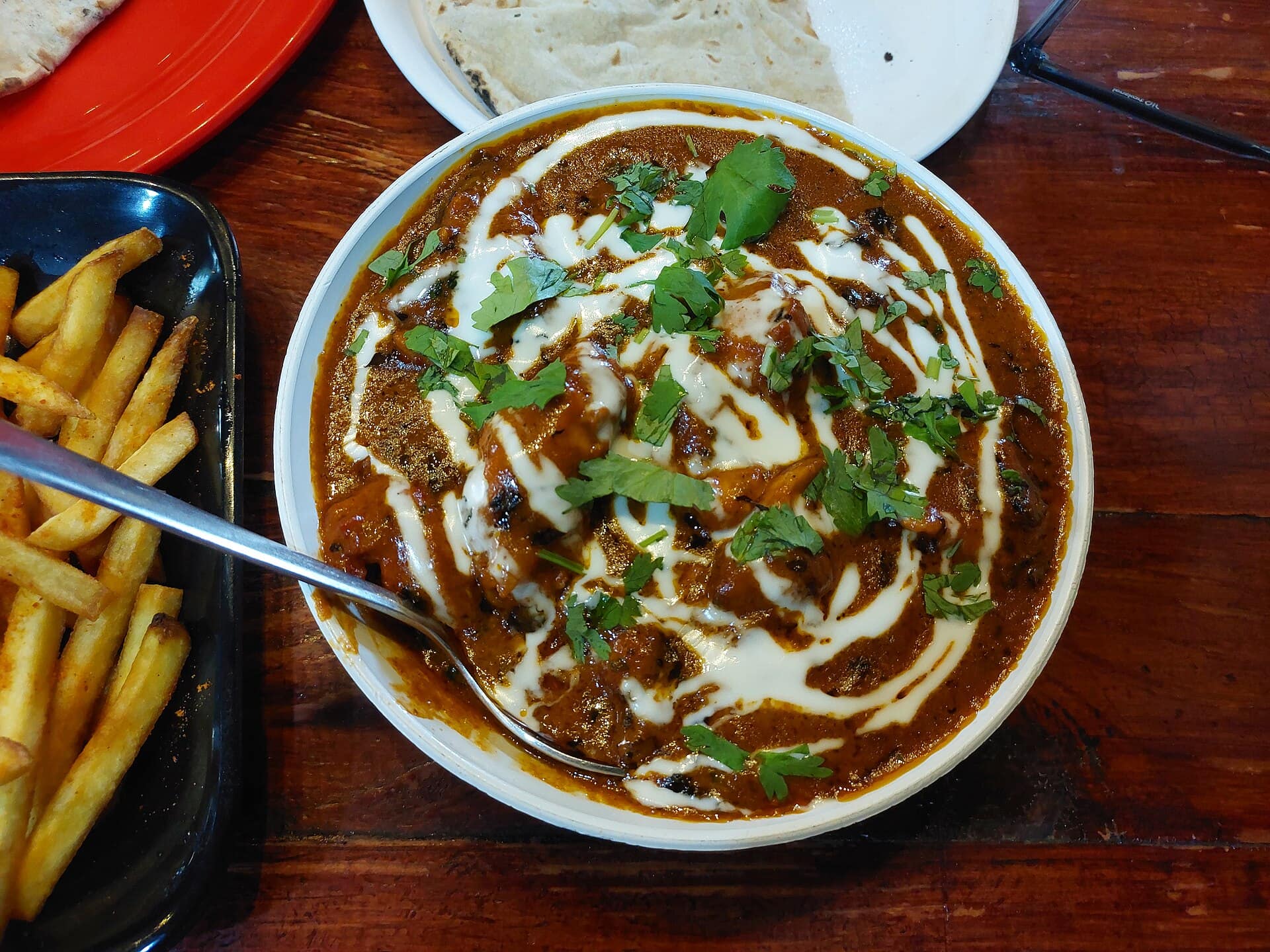
Search food by craving
Good to know
Local tips
Enter through the Amar Singh Gate, which is the only public entrance.
Visit on a Friday, when the Taj is closed and your day would otherwise be empty.
Allow at least two hours, and three if you want to see every open palace.
Head to the terraces near the Musamman Burj for the view of the Taj down the river.
Bring a small pair of binoculars or a zoom lens, because the Taj is about 2.5 km away.
Wear shoes with grip, as the ramp up from the gate and some marble floors get slippery.
Walk across to the Jama Masjid and Kinari Bazaar afterwards, which are just outside the fort.
A city inside red walls
Akbar began rebuilding the fort in red sandstone in 1565, on the right bank of the Yamuna. Its walls run for about 2.5 km in a rough half-moon and rise about 21 metres above a moat. Three generations of emperors lived here. Akbar's sandstone palaces stand next to Shah Jahan's white marble halls, and the change in style is easy to see as you walk through.
Getting in and what is closed
Visitors enter through the Amar Singh Gate on the south side. A large part of the fort, including the Delhi Gate on the west, is still used by the Indian Army and is closed to the public. The Moti Masjid and the Sheesh Mahal are usually closed as well. You can still see plenty in two hours.
What to see
The Jahangiri Mahal, built by Akbar, is the largest palace still standing, with carved brackets and a big central courtyard. The Diwan-i-Am, the hall of public audience, has rows of scalloped arches around the emperor's throne alcove. The Diwan-i-Khas, the hall of private audience, has marble columns inlaid with flowers. The Khas Mahal and its garden, the Anguri Bagh, sit above the river.
Shah Jahan's last view
After his son Aurangzeb deposed him in 1658, Shah Jahan was held in the fort until his death in 1666. Tradition says he spent those years in the octagonal Musamman Burj, looking down the river at the Taj Mahal, where his wife was buried. From the terraces beside the tower you can still see the Taj about 2.5 km downstream.
Planning the visit
The fort is open every day, including Fridays, when the Taj is closed. Late afternoon is the best time for light and for comfort. Agra Fort railway station and the Jama Masjid are just outside, across the road from the fort's west side. The underground Agra Fort metro station is nearby too.
Questions
Agra Fort — FAQ
What is the best time to visit Agra Fort?
Agra Fort is worth two different windows. 6:00 – 8:00 AM — empty courtyards, cool stone, soft directional light raking across the red sandstone carvings. The only uncrowded window, and the Jahangiri Mahal courtyard is yours. 4:00 – 5:45 PM — the sandstone turns deep orange and the Taj is lit warmly down the river, which is the shot from the Musamman Burj terrace — the view Shah Jahan is said to have had from his confinement. Stand in the Diwan-i-Am and take a photo through a row of scalloped arches towards the throne alcove, then walk to the Musamman Burj terrace to zoom in on the Taj.
Is there an entry fee at Agra Fort?
Entry to Agra Fort costs ₹50 (Indian) / ₹650 (foreign). Prices change, so treat that as a guide and confirm at the counter.
What are the opening hours of Agra Fort?
Agra Fort is open 6:00 AM – 6:00 PM.
What should I wear at Agra Fort?
White, emerald and mustard photograph especially well here. Explore the trending and traditional outfit ideas on this page for full looks.
How crowded does Agra Fort get?
Crowd levels are typically medium. To miss the busiest window: late afternoon, when the red sandstone warms to orange and the Taj glows down the river; early morning for soft light and empty courtyards.
What food should I try near Agra Fort?
Try bedai with aloo sabzi, available at nearby restaurants.
Can you see the Taj Mahal from Agra Fort?
Yes. From the terraces around the Musamman Burj and Khas Mahal you can see the Taj about 2.5 km downstream, the view Shah Jahan is said to have had in his last years.
Is all of Agra Fort open to visitors?
No. A large part, including the Delhi Gate, is used by the Indian Army and is closed. Some buildings, like the Moti Masjid, are also usually shut.
Who built Agra Fort?
Akbar rebuilt it in red sandstone from 1565. His son Jahangir and grandson Shah Jahan added palaces, and Shah Jahan built its white marble halls.
Is Agra Fort open on Fridays?
Yes. Only the Taj Mahal closes on Fridays. The fort is open every day.