
Photo spot in Agra
Akbar's Tomb, Sikandra
Agra, Uttar Pradesh
Emperor Akbar's own mausoleum at Sikandra, built 1600–1613 and unusual among Mughal tombs for having no dome — a five-storey red sandstone pyramid topped with a white marble pavilion. Deer still roam the grounds.
Best time
6:00–7:30 AM for empty courtyards, low raking light on the red sandstone, and deer on the lawns. Late afternoon gives warm stone but more visitors. Avoid 10:00 AM – 3:00 PM: harsh overhead light, heat haze, and the sandstone goes flat.
Best angle
Shoot the Jami Darwaza south gate straight-on from the centre of the approach for the four white minarets in symmetry, then move to a corner for a three-quarter view that shows the gate's depth. For the tomb itself, get distance — from the far end of the garden the five receding terraces read as a pyramid, which is the point of the building. Inside the courtyard, shoot up at the marble chhatris against sky. Deer on the lawn at dawn need a long lens or a phone zoom from a low crouch.
Entry fee
₹30 (Indian) / ₹310 (foreigner)
Opening hours
6:00 AM – 6:00 PM daily
Crowd level
Low
Best outfit colors
Overview
Best time to visit Akbar's Tomb, Sikandra
Best times to shoot
6:00 – 7:30 AM
Opening. Empty courtyards, low raking light on red sandstone, and deer still on the lawns. The only window where all three coincide.
4:30 – 5:45 PM
Warm late light turns the sandstone deep orange and long shadows fall across the garden terraces. More visitors than dawn but the stone looks its best.
Poses & angles
Photo tips for Akbar's Tomb, Sikandra
Shoot the Jami Darwaza south gate straight-on from the centre of the approach for the four white minarets in symmetry, then move to a corner for a three-quarter view that shows the gate's depth. For the tomb itself, get distance — from the far end of the garden the five receding terraces read as a pyramid, which is the point of the building. Inside the courtyard, shoot up at the marble chhatris against sky. Deer on the lawn at dawn need a long lens or a phone zoom from a low crouch. Work a few of the pose ideas below, shoot wide for context and tight for detail, and give yourself a couple of extra minutes to get the frame right.
Small against the Jami Darwaza arch, shot from a distance so the gate's scale reads
Walking the garden axis toward the tomb, photographed from behind
Seated on a garden terrace with the five receding storeys above you
Framed inside one of the red sandstone arches of the courtyard cloisters
Outfit guide
What to wear at Akbar's Tomb, Sikandra
For photos at Akbar's Tomb, Sikandra, white, mustard, deep green, indigo and terracotta work beautifully — they stand out against the setting without fighting it. Pick one hero colour and keep the rest of the look calm so you stay the subject of the frame.
Best outfit colors for photos
Trending wear for this spot
Popular modern looks travellers are wearing across Agra.


Traditional wear for this spot
Timeless, cultural outfits worn across Agra.
Agra Leather Jutti & Footwear
₹400–3,000 for jutti; ₹800–5,000 for bags
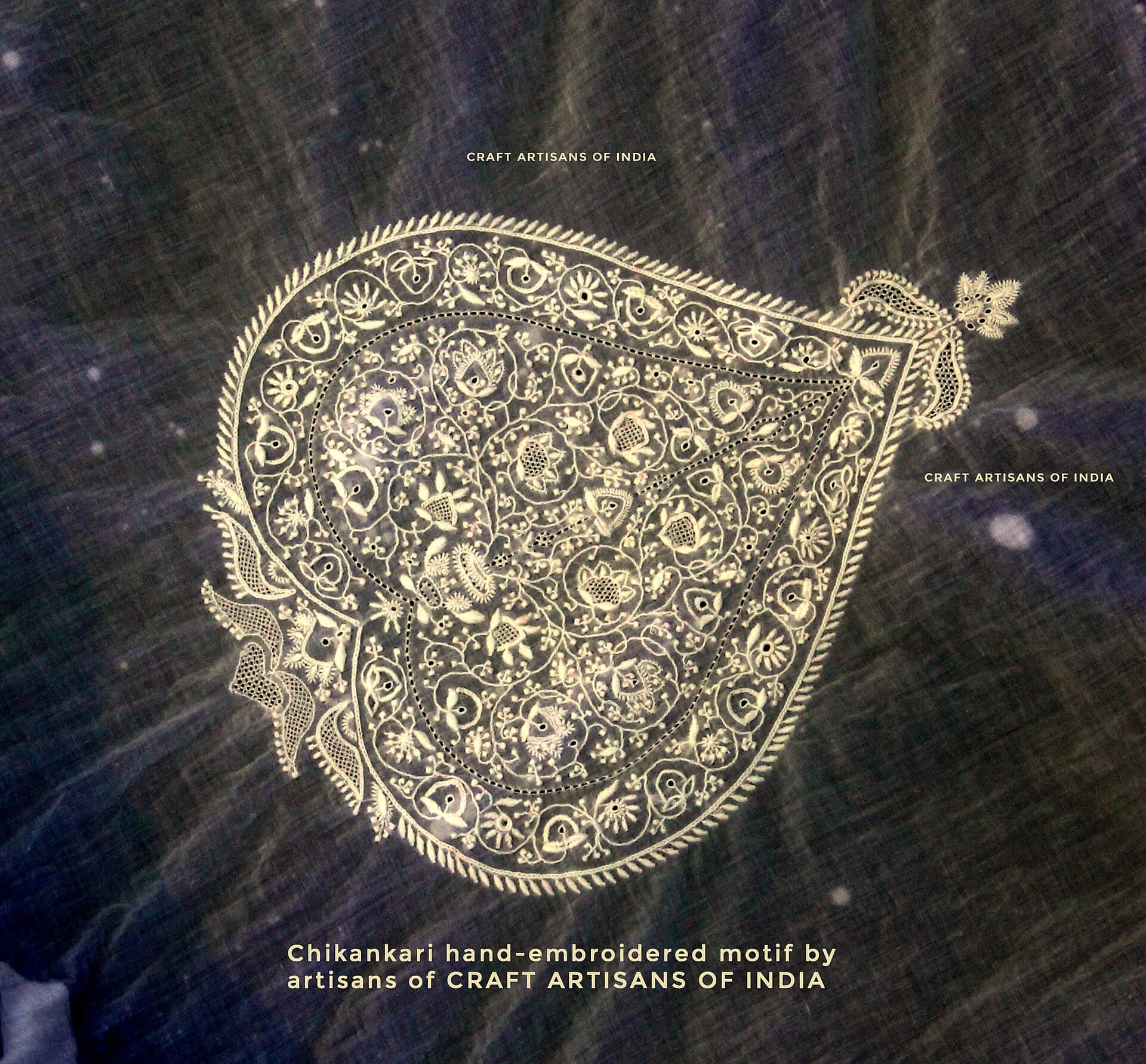 Traditional
Chikankari kurta set
₹1,500–6,000
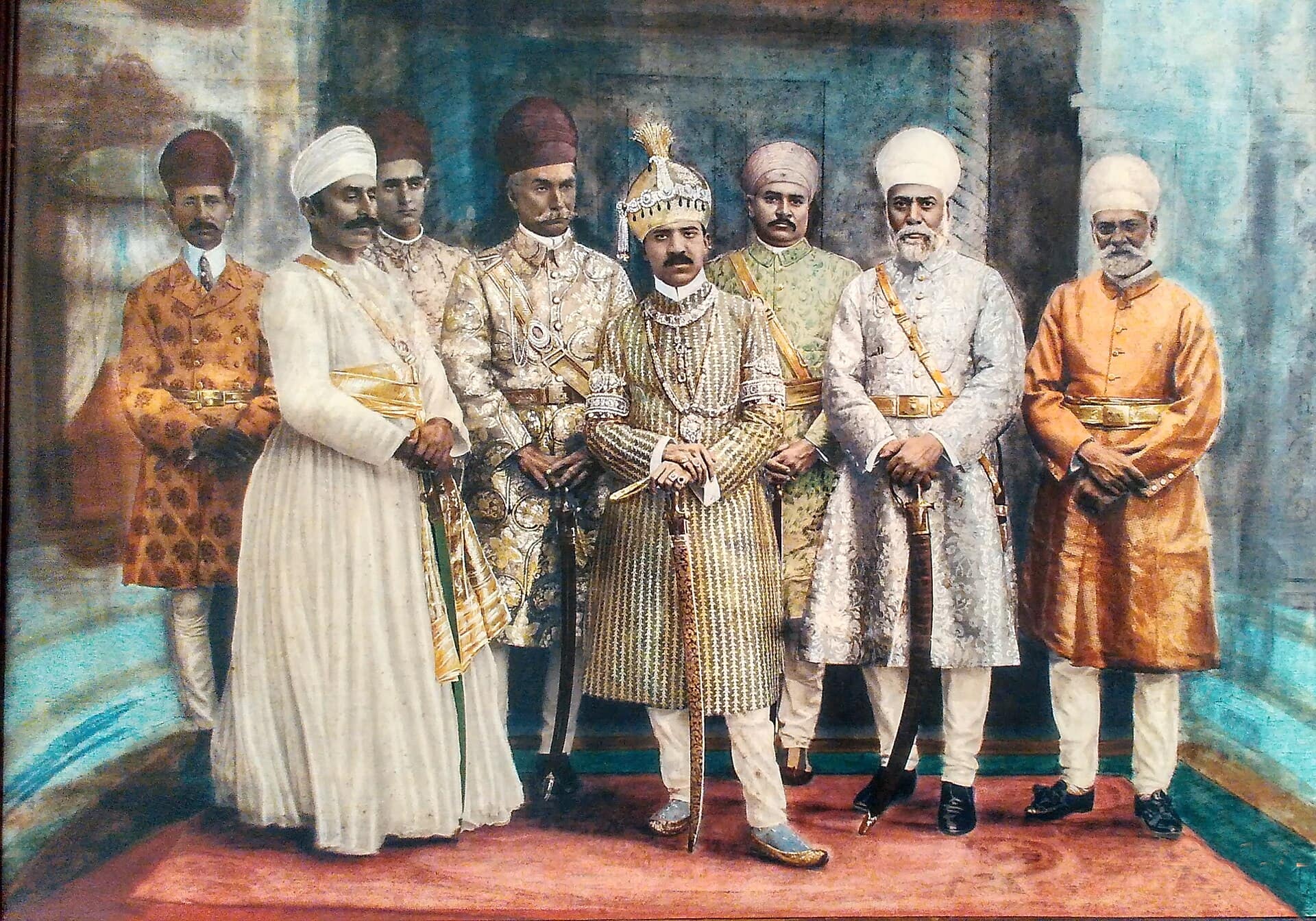 Traditional
Mughal-style sherwani
₹2,500–12,000 (rent from ₹1,000)
Zari Zardozi Embroidery
₹200 / metre for borders; ₹1,500–25,000 for garments
Eat nearby
Food near Akbar's Tomb, Sikandra
Hungry after the shoot? Search the Agra food guide by craving to find something good nearby.
Search food by craving
Good to know
Local tips
Come at 6:00 AM. The deer on the lawns and the empty courtyards are the whole reason this site beats a midday visit, and almost no tour group is here before 9:00.
Do not skip the basement burial chamber under the marble pavilion. Most visitors walk the terraces, photograph the gate and leave without seeing the actual grave.
Friday is the day to come — the Taj Mahal is closed to general visitors, and Sikandra is open, discounted, and quiet.
The Delhi road between Sikandra and the city is lined with marble inlay workshops and drivers are paid to stop at them. Refuse before you set out, not in the moment.
Carry water and wear shoes you can take off quickly. There is very little shade on the terraces and the plinth gets hot by mid-morning.
Akbar's Tomb, Sikandra
Akbar chose this site himself, on the Delhi road about 10 km north-west of the Taj, and began building his own mausoleum while he was alive. He died in 1605 and the tomb was completed by his son Jahangir around 1613. It is the least visited of Agra's major Mughal monuments and, for the money and the crowds, arguably the best one.
🏛️ Why it is architecturally odd
There is no dome. Almost every Mughal tomb you know — Humayun's, Itimad-ud-Daulah, the Taj — is organised around a dome. Akbar's is a five-storey pyramidal structure in red sandstone, each terrace smaller than the one below, crowned by a white marble pavilion instead of a cupola. Scholars still argue about whether the design was Akbar's own intent or a change made after his death, and whether it reflects a deliberate syncretism — the emperor who founded the Din-i-Ilahi and hosted Hindu, Muslim, Jain, Zoroastrian and Christian debates — or simply an unfinished plan. Either way it is the only major Mughal tomb in India that looks like this.
The south gate, the Jami Darwaza, is the showpiece: a monumental red sandstone arch flanked by four white marble minarets, each topped with a chhatri. It is the entrance you actually use, and it is more impressive than the tomb it leads to. Note the geometric inlay patterns on the minarets — an early stage of the marble work that would peak at the Taj a generation later.
🦌 The deer
Akbar laid this out as a garden tomb inside a preserved hunting ground, and wild deer and blackbuck still live in the grounds. They are the reason to come at opening: at 6:00 AM the courtyards are empty, the light is low and raking across the sandstone, and there are usually deer on the lawns. By 9:00 AM both are gone. This is genuinely one of the best early-morning monument experiences in north India and almost nobody does it.
💡 Visiting
- ₹30 Indian / ₹310 foreign, discounted to ₹25 / ₹300 if you have visited the Taj or come on a Friday. Under-15s free.
- 6:00 AM – 6:00 PM daily, open on Friday.
- Allow 60–90 minutes for the tomb and the grounds.
- Shoes off on the marble plinth and in the burial chamber; there is a deposit at the gate.
- The actual grave is in a basement chamber below the marble pavilion, reached by a dim staircase — do not miss it, and note that photography inside is not permitted.
- Mariam's Tomb, the mausoleum of Akbar's wife and Jahangir's mother, is a short distance away and usually deserted.
🚕 Getting there
Sikandra is on the Delhi road, 10 km from the Taj and about 12 km from Agra Cantt. The Agra Metro does not reach it — the operational corridor runs from Taj East Gate to Mankameshwar in the city centre, with the full Line 1 extension to Sikandra due in late 2026. Until then: auto ₹250–350 from the Taj area, Uber or Ola similar, or a taxi from Idgah bus stand. Guru ka Taal is essentially next door and free, with a langar kitchen — the two make a natural pair, and Dayal Bagh and Kailash Mandir are a few minutes further.
⚠️ Watch for
Unofficial guides at the gate offering guiding. Sikandra does not have the Taj's licensed-guide economy, but it does have men who will walk with you, narrate loosely and then ask for several hundred rupees. Decline at the entrance. Marble and inlay workshops line the Delhi road between here and the city and drivers are paid to stop at them — say no before you leave your hotel.
Questions
Akbar's Tomb, Sikandra — FAQ
What is the best time to visit Akbar's Tomb, Sikandra?
Akbar's Tomb, Sikandra is worth two different windows. 6:00 – 7:30 AM — opening. Empty courtyards, low raking light on red sandstone, and deer still on the lawns. The only window where all three coincide. 4:30 – 5:45 PM — warm late light turns the sandstone deep orange and long shadows fall across the garden terraces. More visitors than dawn but the stone looks its best. Shoot the Jami Darwaza south gate straight-on from the centre of the approach for the four white minarets in symmetry, then move to a corner for a three-quarter view that shows the gate's depth. For the tomb itself, get distance — from the far end of the garden the five receding terraces read as a pyramid, which is the point of the building. Inside the courtyard, shoot up at the marble chhatris against sky. Deer on the lawn at dawn need a long lens or a phone zoom from a low crouch.
Is there an entry fee at Akbar's Tomb, Sikandra?
Entry to Akbar's Tomb, Sikandra costs ₹30 (Indian) / ₹310 (foreigner). Prices change, so treat that as a guide and confirm at the counter.
What are the opening hours of Akbar's Tomb, Sikandra?
Akbar's Tomb, Sikandra is open 6:00 AM – 6:00 PM daily.
What should I wear at Akbar's Tomb, Sikandra?
White, mustard, deep green, indigo and terracotta photograph especially well here. Explore the trending and traditional outfit ideas on this page for full looks.
How crowded does Akbar's Tomb, Sikandra get?
Crowd levels are typically low. To miss the busiest window: 6:00–7:30 AM for empty courtyards, low raking light on the red sandstone, and deer on the lawns. Late afternoon gives warm stone but more visitors. Avoid 10:00 AM – 3:00 PM: harsh overhead light, heat haze, and the sandstone goes flat.