
Photo spot in Agra
Fatehpur Sikri
Agra, Uttar Pradesh
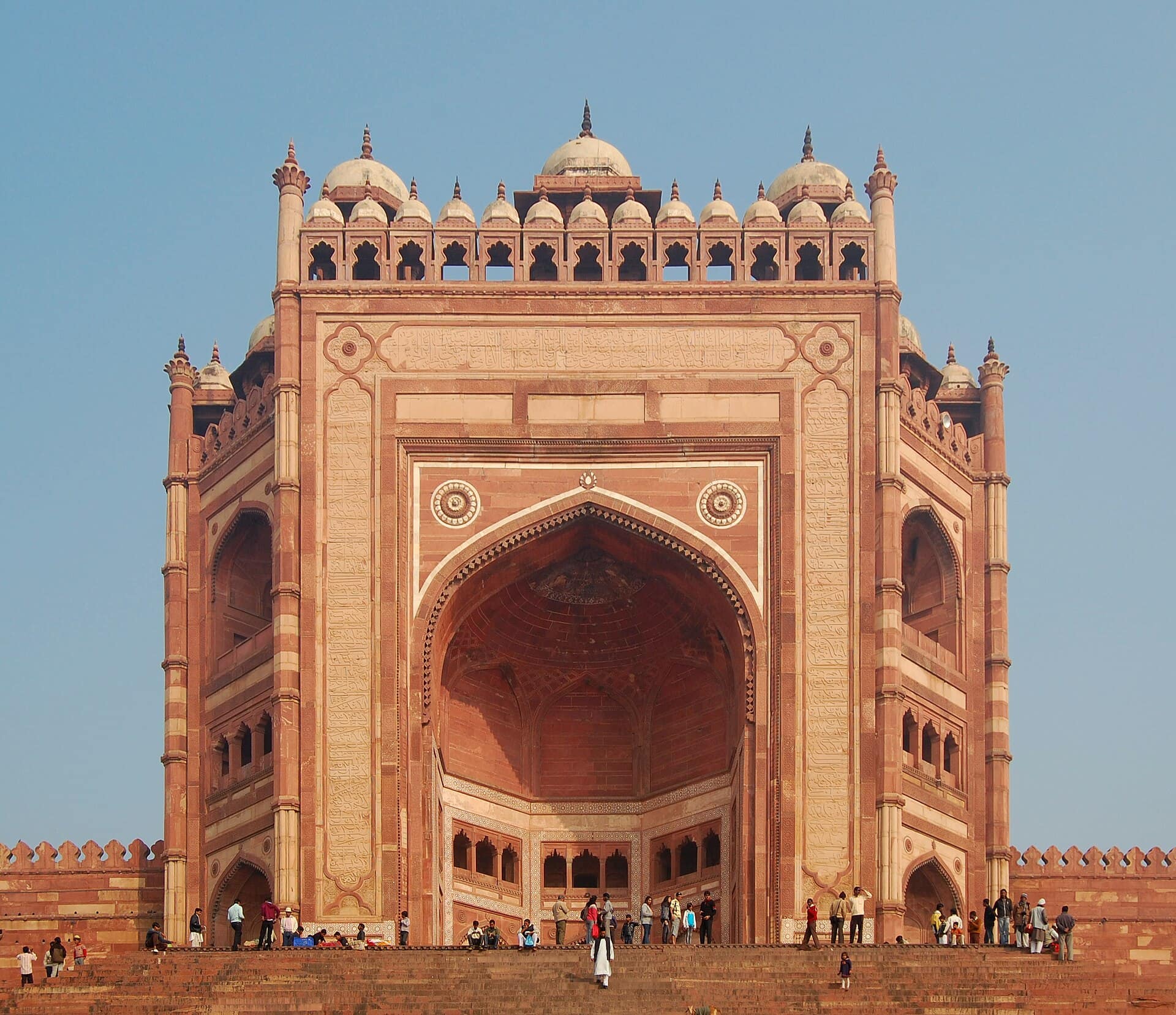
Akbar's magnificent red-sandstone ghost capital 40 km from Agra, crowned by the colossal Buland Darwaza gateway — a UNESCO World Heritage Site.
Best time
Early morning, before the tour coaches arrive, when the light on the sandstone is soft and the courtyards are empty; late afternoon for warm light on the palace pavilions.
Best angle
Stand at the foot of the Buland Darwaza steps and take a low, wide photo looking up so the whole gate fits in, then frame the Panch Mahal from across the Pachisi court.
Entry fee
₹50 (Indian) / ₹610 (foreign)
Opening hours
6:00 AM – 6:00 PM
Crowd level
Medium
Best outfit colors
Overview
Best time to visit Fatehpur Sikri
Best times to shoot
6:30 – 8:30 AM
Low raking light on the red sandstone, empty courtyards, and the Buland Darwaza before the coaches. The single best window at Sikri and the reason to leave Agra at dawn.
4:00 – 5:45 PM
Warm late light turns the sandstone deep orange and long shadows fall through the Panch Mahal's tiers. Hotter and busier than dawn but the colour is at its best.
Poses & angles
Photo tips for Fatehpur Sikri
Stand at the foot of the Buland Darwaza steps and take a low, wide photo looking up so the whole gate fits in, then frame the Panch Mahal from across the Pachisi court. Work a few of the pose ideas below, shoot wide for context and tight for detail, and give yourself a couple of extra minutes to get the frame right.
Dwarfed on the Buland Darwaza steps
Framed in the Diwan-i-Khas courtyard
Outfit guide
What to wear at Fatehpur Sikri
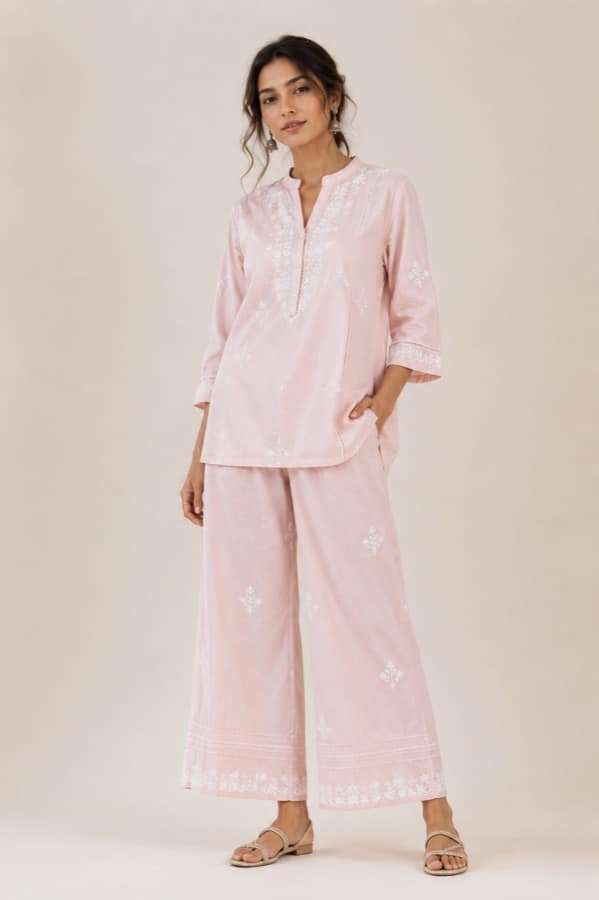
For photos at Fatehpur Sikri, white, rust and indigo work beautifully — they stand out against the setting without fighting it. Pick one hero colour and keep the rest of the look calm so you stay the subject of the frame.
Best outfit colors for photos
Trending wear for this spot
Popular modern looks travellers are wearing across Agra.

Traditional wear for this spot
Timeless, cultural outfits worn across Agra.
Agra Leather Jutti & Footwear
₹400–3,000 for jutti; ₹800–5,000 for bags
 Traditional
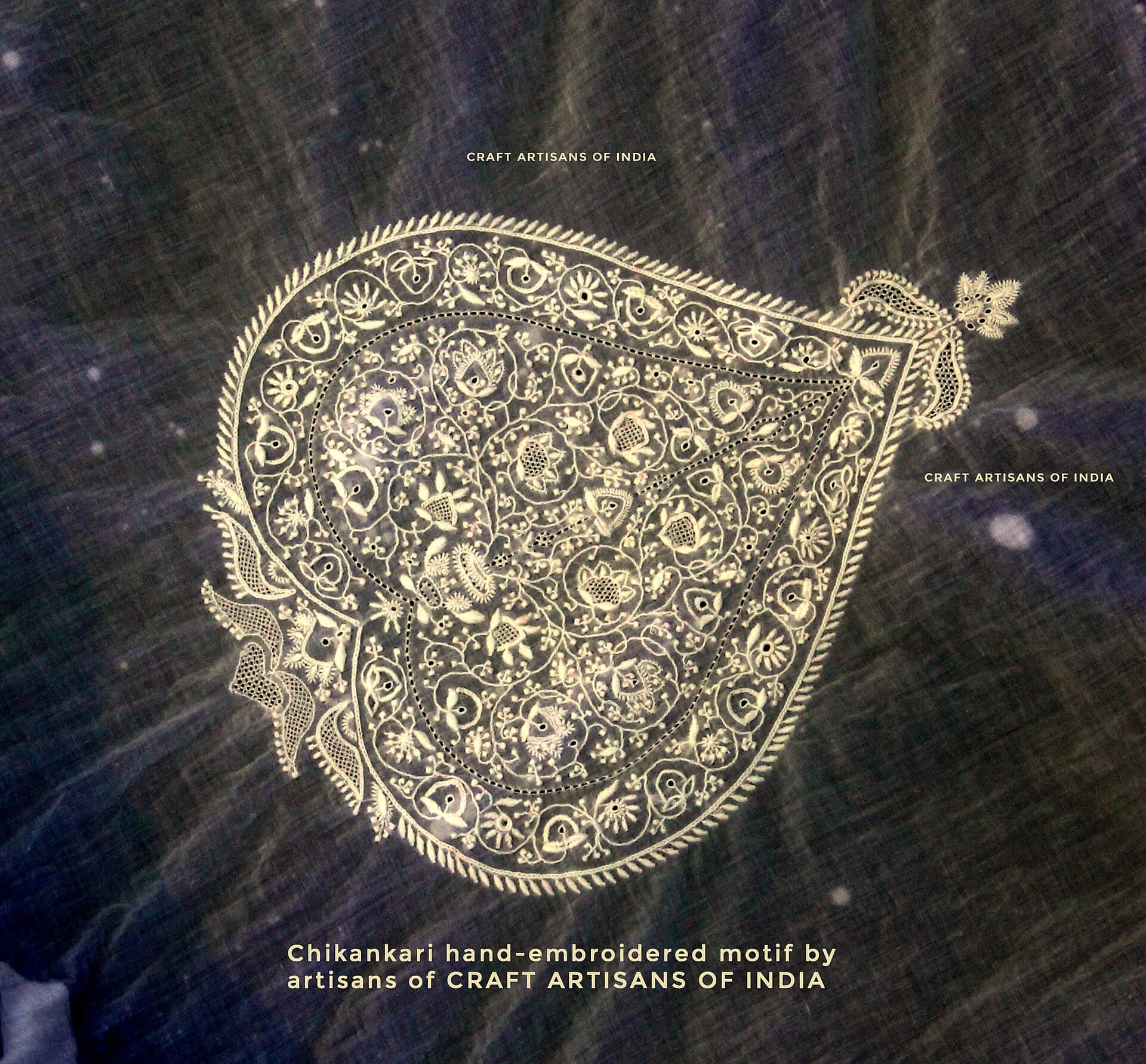
Chikankari kurta set
₹1,500–6,000
 Traditional
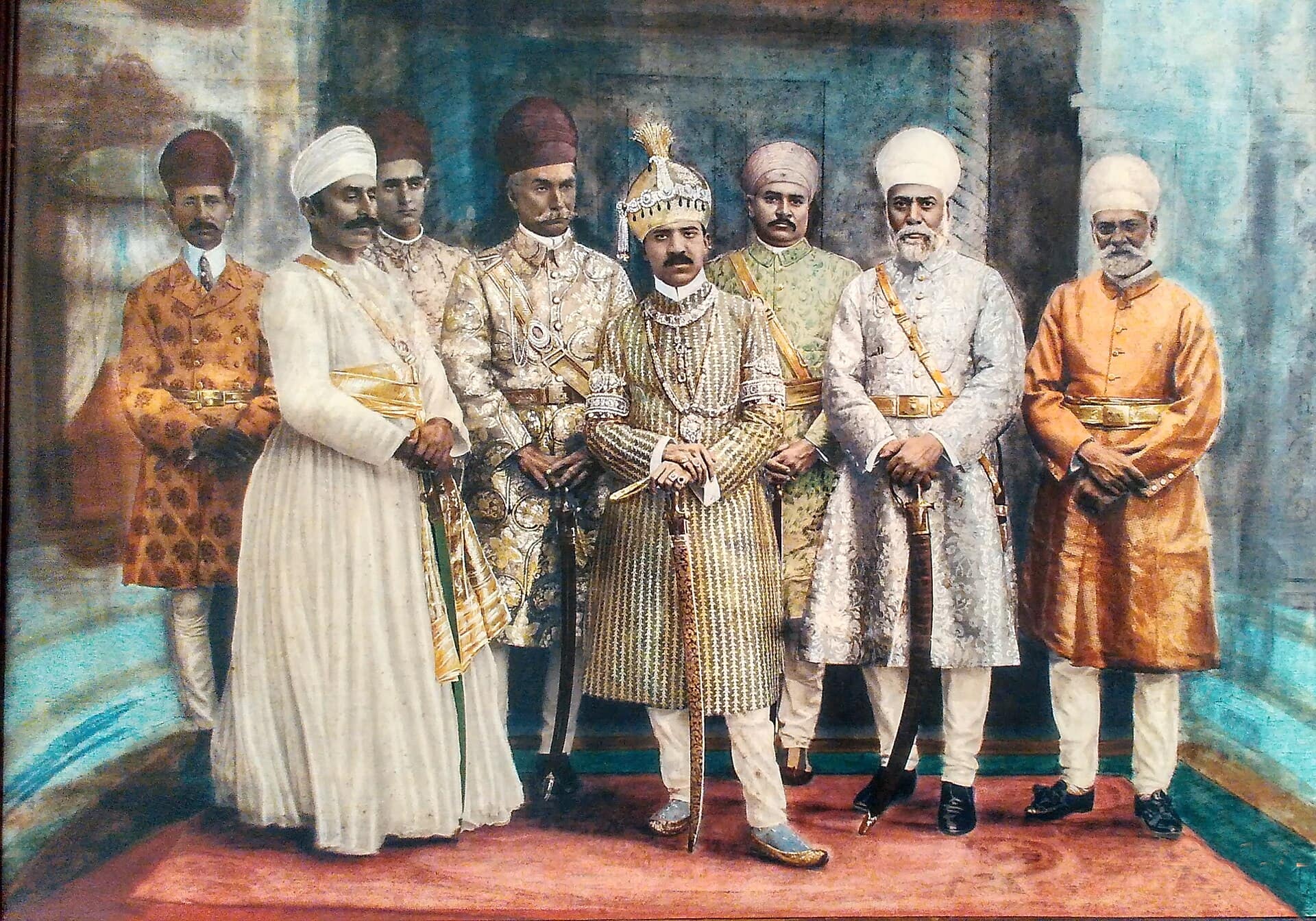
Mughal-style sherwani
₹2,500–12,000 (rent from ₹1,000)
Zari Zardozi Embroidery
₹200 / metre for borders; ₹1,500–25,000 for garments
Eat nearby
Food near Fatehpur Sikri
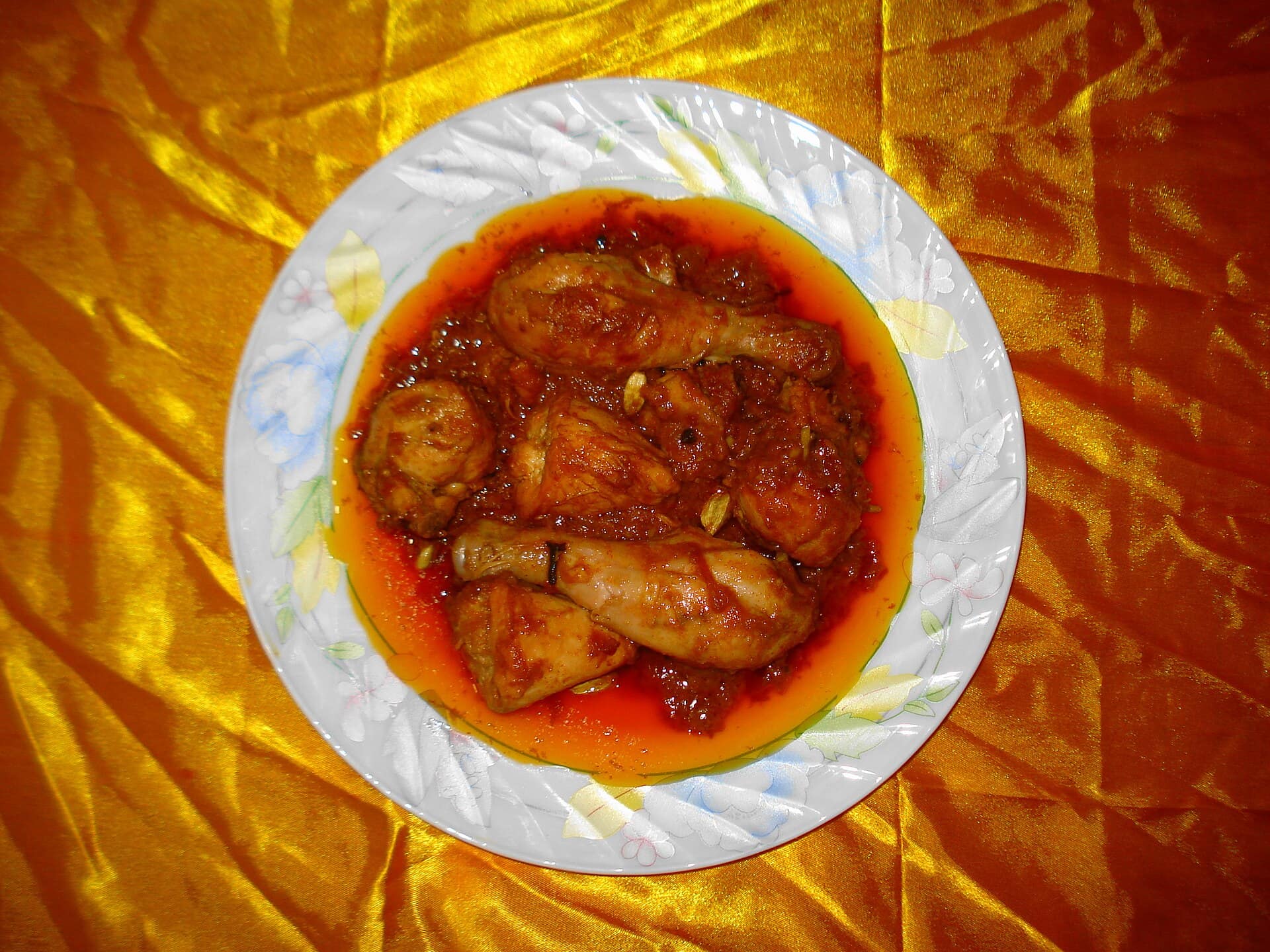
Round out the visit with something to eat. Look for mughlai korma nearby.
Special dishes to try
Search food by craving
Good to know
Local tips
Leave Agra by 7 am to reach the Buland Darwaza before the day-trip coaches arrive.
Visit on a Friday, when the Taj is closed, and be aware that the mosque is busy around midday prayers.
Wear shoes you can slip off easily, because you remove them for the whole mosque courtyard.
Carry socks in summer, as the sandstone courtyard gets too hot for bare feet by late morning.
Buy the palace ticket and hire any guide only at the official counter.
Say no firmly to people offering chadars, threads or tours at the Buland Darwaza steps.
Carry water and snacks, because food options near the monument are basic.
Akbar's city of victory
Akbar had no heir until the Sufi saint Salim Chishti, who lived on this ridge, foretold the birth of a son. When Prince Salim, later the emperor Jahangir, was born in 1569, Akbar began to build a new capital here. The city was founded in 1571 and named Fatehpur, the City of Victory, after his conquest of Gujarat. By 1585 Akbar had left, and the city was soon deserted, probably because of a poor water supply. Because it was abandoned so early, its buildings survive almost as they were built.
Two separate areas
The site has two parts. The mosque area includes the Jama Masjid, the Buland Darwaza and Salim Chishti's tomb. It is a working religious site and is free to enter. You take off your shoes here. The royal palace area is ticketed. It includes the Diwan-i-Khas with its carved central pillar, the five-storey Panch Mahal, Jodha Bai's palace, Birbal's house and the Pachisi court, a giant board game laid out in stone.
The Buland Darwaza
The victory gate stands about 54 metres high from the ground, at the top of a long flight of steps. An inscription in its arch reads: "The world is a bridge, pass over it, but build no houses on it." Horseshoes are nailed to its wooden doors for luck.
Salim Chishti's tomb
The saint's white marble tomb stands in the mosque courtyard, surrounded by carved stone screens. Visitors tie threads to the screens while making a wish. Cover your head before entering.
Getting there and getting around
Fatehpur Sikri is about 40 km west of Agra, around an hour by road. Most visitors come by cab. Near the monuments, vehicles are usually stopped at a parking area, and a shuttle takes you up the ridge. Unofficial guides are persistent here, so decline firmly and hire a guide only at the ticket office. Allow three to four hours.
Questions
Fatehpur Sikri — FAQ
What is the best time to visit Fatehpur Sikri?
Fatehpur Sikri is worth two different windows. 6:30 – 8:30 AM — low raking light on the red sandstone, empty courtyards, and the Buland Darwaza before the coaches. The single best window at Sikri and the reason to leave Agra at dawn. 4:00 – 5:45 PM — warm late light turns the sandstone deep orange and long shadows fall through the Panch Mahal's tiers. Hotter and busier than dawn but the colour is at its best. Stand at the foot of the Buland Darwaza steps and take a low, wide photo looking up so the whole gate fits in, then frame the Panch Mahal from across the Pachisi court.
Is there an entry fee at Fatehpur Sikri?
Entry to Fatehpur Sikri costs ₹50 (Indian) / ₹610 (foreign). Prices change, so treat that as a guide and confirm at the counter.
What are the opening hours of Fatehpur Sikri?
Fatehpur Sikri is open 6:00 AM – 6:00 PM.
What should I wear at Fatehpur Sikri?
White, rust and indigo photograph especially well here. Explore the trending and traditional outfit ideas on this page for full looks.
How crowded does Fatehpur Sikri get?
Crowd levels are typically medium. To miss the busiest window: early morning, before the tour coaches arrive, when the light on the sandstone is soft and the courtyards are empty; late afternoon for warm light on the palace pavilions.
What food should I try near Fatehpur Sikri?
Try mughlai korma at spots close by.
How far is Fatehpur Sikri from Agra?
About 40 km west, which takes around an hour by road. It works as a half-day trip, or as a stop on the drive between Agra and Jaipur.
Is the Buland Darwaza free to visit?
The mosque area, including the Buland Darwaza, the Jama Masjid and Salim Chishti's tomb, is free to enter. The royal palace area has a separate ticket.
Why was Fatehpur Sikri abandoned?
Akbar left in 1585 for a campaign in the Punjab and never moved back. A poor water supply is the reason usually given, though his loss of interest may have played a part.
What is the Panch Mahal?
A five-storey open pavilion in the royal area, each floor smaller than the one below, standing on 176 carved columns. It was probably used by the women of the court to catch the breeze.