
Best Photo Spots in Bhuj
Bhuj gives you two very different kinds of photos within a couple of hours of each other. In town there are royal palaces, from the mirror-lined rooms of Aina Mahal to the Gothic clock tower of Prag Mahal. North of town, the White Rann of Kutch spreads out as a flat white salt desert that turns pink at sunset and silver under a full moon.
Whether you enjoy palaces, desert landscapes, crafts or portraits, these are some of the best photo spots in and around Bhuj.
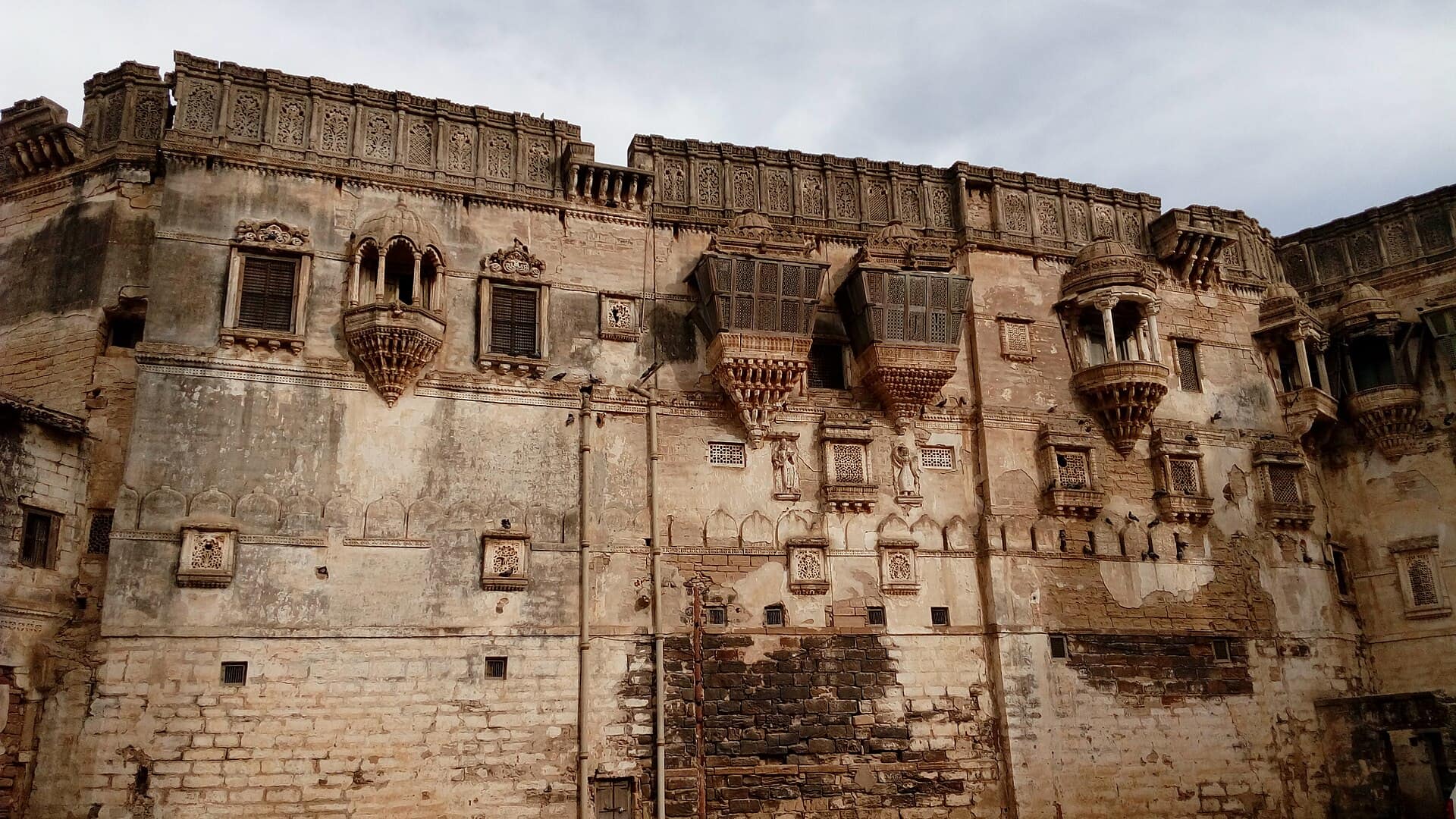 Medium crowd
Entry Ticketed
Aina Mahal
- Best timeMorning, soon after opening, when the rooms are quiet and you can photograph the Hall of Mirrors without a crowd.
- ColorsEmeraldGoldCream
Entry Free
Bhujodi Craft Village
- Best timeMorning, when the weavers are at their looms and soft light from the doorways falls on the threads.
- ColorsIndigoRedOchre
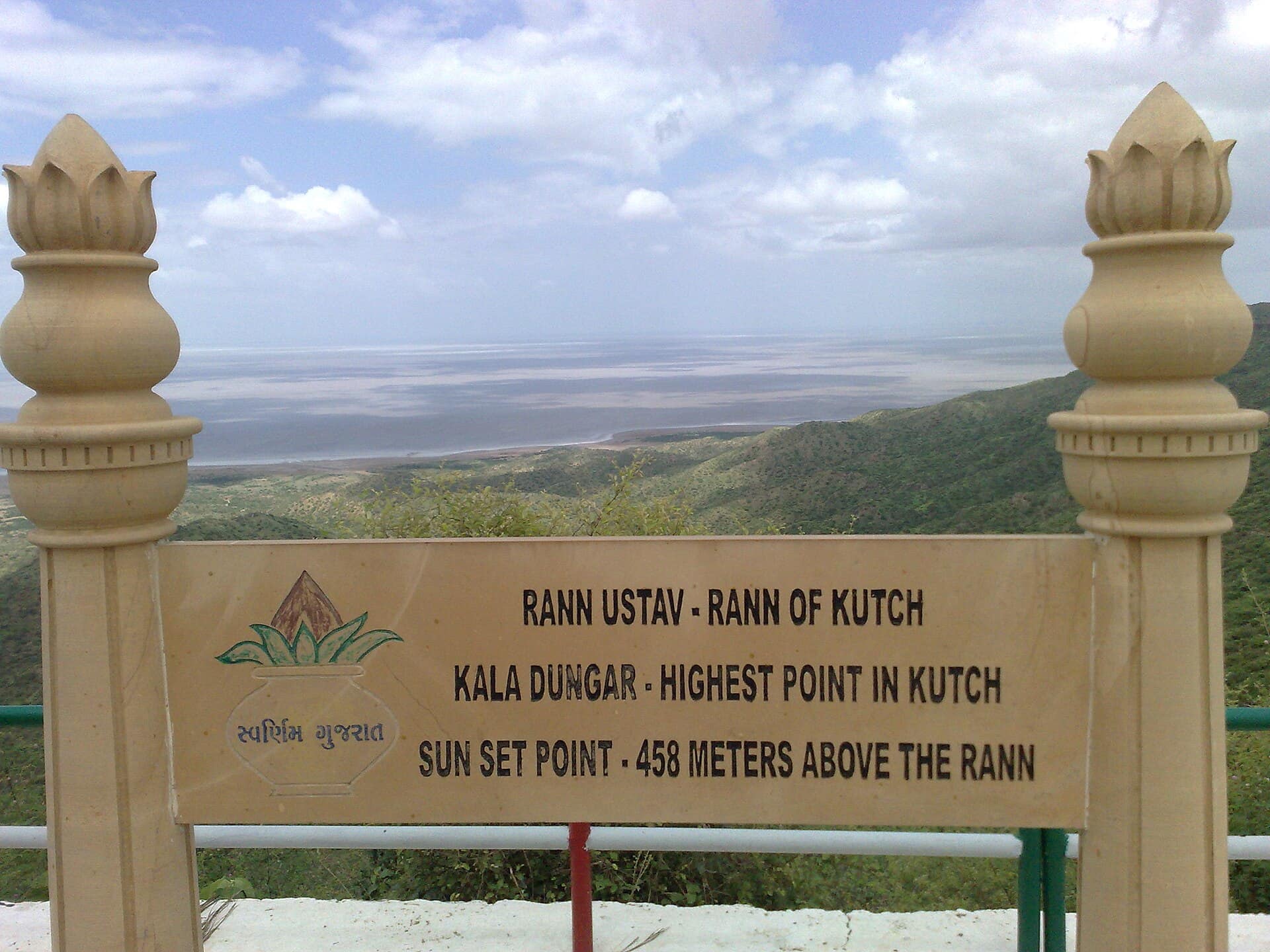 Medium crowd
Entry Free
Kalo Dungar (Black Hill)
- Best timeLate afternoon, when the low sun brings out the white of the Rann below and the evening jackal feeding is close.
- ColorsWhiteRustSaffron
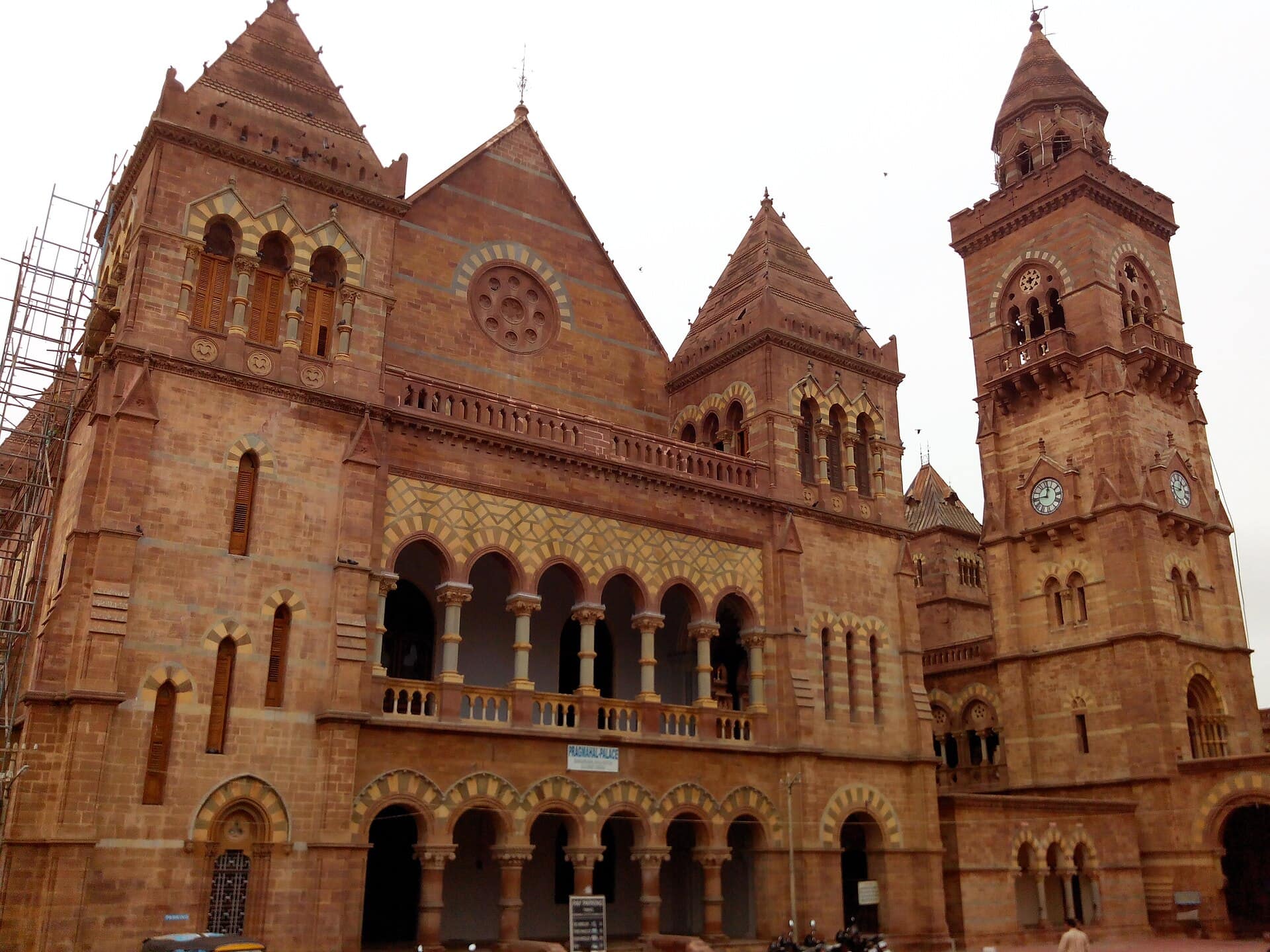 Medium crowd
Entry Ticketed
Prag Mahal
- Best timeMorning, when the tower is quieter to climb and the light over the rooftops of Bhuj is soft and clear.
- ColorsMaroonCreamNavy
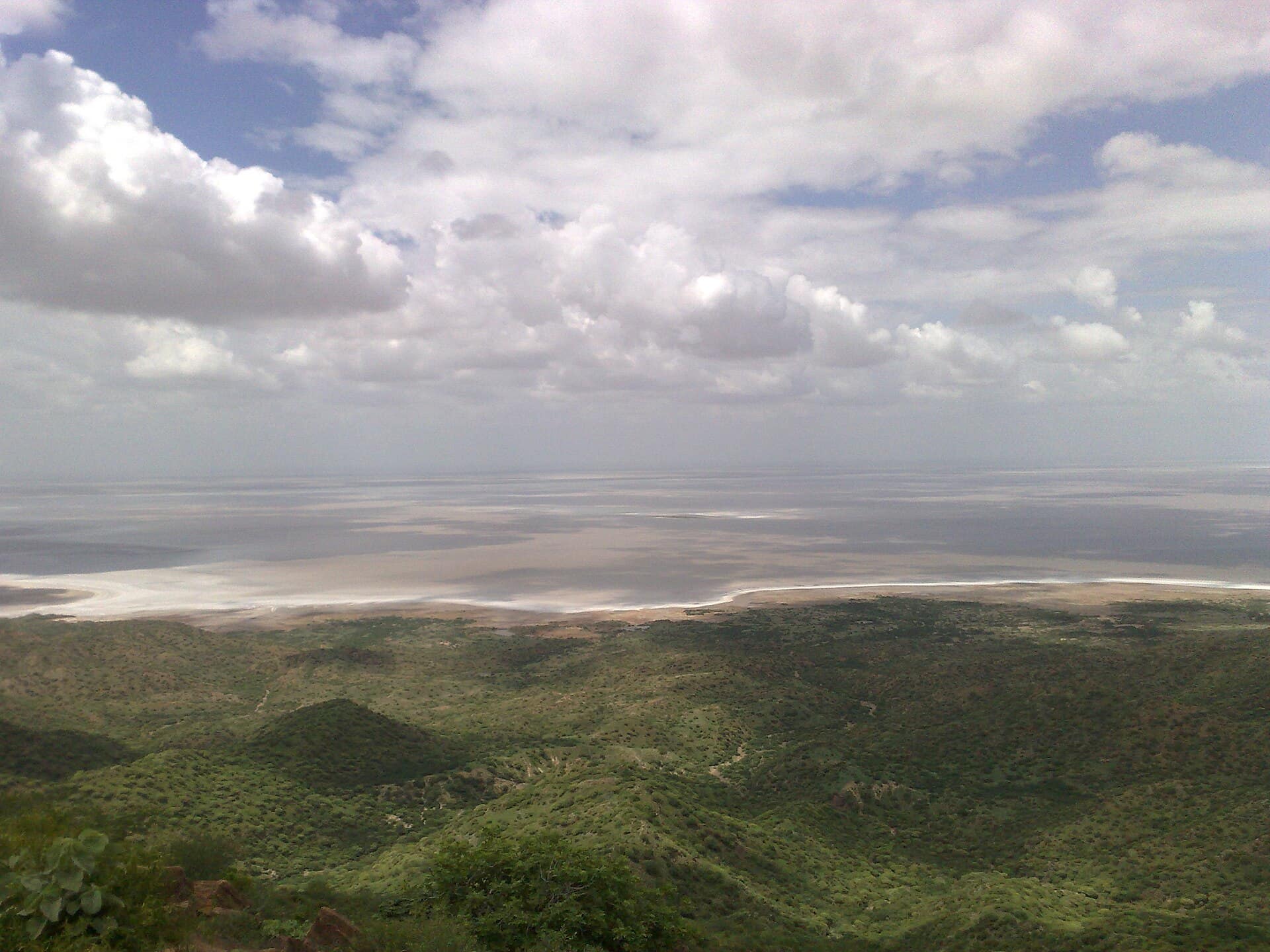 Medium crowd
Entry Permit required
White Rann of Kutch
- Best timeSunset, when the salt turns pink and orange; after moonrise on a full-moon night, when the whole plain glows.
- ColorsRedYellowWhite
Why Bhuj Is Great for Photography
Bhuj puts a royal old town, a salt desert and working craft villages within easy reach of each other. The palaces give you mirrors, gilded frames and a tall stone clock tower, while the Rann and Kalo Dungar give you empty horizons and huge skies. In villages such as Bhujodi, weavers at their looms and walls of colourful shawls make good portraits and close-up shots.
The light in Kutch is strong and clear for most of the year. The white salt reflects so much sun that the middle of the day looks flat and harsh, so the best desert photos come in the first and last hour of daylight, or on a moonlit night.
Photography Tips for Bhuj
- Sort out your permit first: You need a permit for the White Rann and Kalo Dungar, so arrange it before you set off.
- Expose for the salt: The white ground fools phone and camera meters, so lower the exposure a little to keep detail in the salt.
- Bring sunglasses: The glare off the Rann is tiring on the eyes, even in winter.
- Stay for moonrise: On full-moon nights the salt glows long after sunset. Rest your phone on something steady or use a small tripod.
- Ask before photographing people: Artisans in the craft villages are often happy to be photographed at work, but always ask first.
- Respect the border rules: Kalo Dungar has an army post, and photography is not allowed in some directions. Follow what the soldiers tell you.
- Check the palace rules: Aina Mahal and Prag Mahal have usually allowed photography with a camera ticket, but ask at the counter.
Best Time for Photography in Bhuj
November to February is the best season. Skies are clear, it is cool enough to walk around in the middle of the day, and the Rann has dried into a firm white crust. The full-moon nights during the Rann Utsav are the most popular time for photos on the salt.
From April to June the heat and haze soften distant views, and in the monsoon the Rann is under water. Check the permit rules and palace timings before you go, as they can change.
Questions
Bhuj — FAQ
What are the best photo spots in Bhuj?
The best photo spots in and around Bhuj are the White Rann of Kutch, Kalo Dungar, Aina Mahal, Prag Mahal and Bhujodi craft village. Together they cover the salt desert, wide views from the highest point in Kutch, royal palaces and colourful handloom workshops.
What is the best time of day for photos in Bhuj?
Early morning and the last hour before sunset. Midday light is harsh in Kutch, especially on the white salt. The palaces are mostly indoors, so visit them in the morning and save the late afternoon for the Rann or Kalo Dungar.
When is the best time to photograph the White Rann?
Go between November and February, when the salt has dried into a white crust. Sunset and full-moon nights give the best light, and the full moons during the Rann Utsav are the busiest nights. In the monsoon the Rann is flooded and does not look white.
Can I photograph artisans in Bhujodi and other craft villages?
Usually yes, if you ask first. Many weavers and artisans are happy to be photographed at work, especially if you show an interest in what they make. Do not photograph women, children or homes without permission.
Are there places near Bhuj where photography is restricted?
Yes. Kalo Dungar has an army post near the summit, and photography is not allowed in some directions because of the nearby border. Follow the instructions of the army and the Border Security Force. Photo rules inside Aina Mahal and Prag Mahal can also change, so check at the ticket counter.