
Gujarat · India
Bhuj
The gateway to Kutch — a historic walled town of royal palaces and craft villages, on the edge of the vast White Rann salt desert.
Bhuj is Kutch's heart: the Aina and Prag Mahals, mirror-embroidered Kutchi crafts, the White Rann and Rann Utsav, and hearty Kutchi-Gujarati food.
Plan your trip
Bhuj Tour Itineraries
Timed, walkable day plans — plus the best season to go.
Where to shoot
Bhuj Photo Spots
 Medium crowd
Entry Ticketed
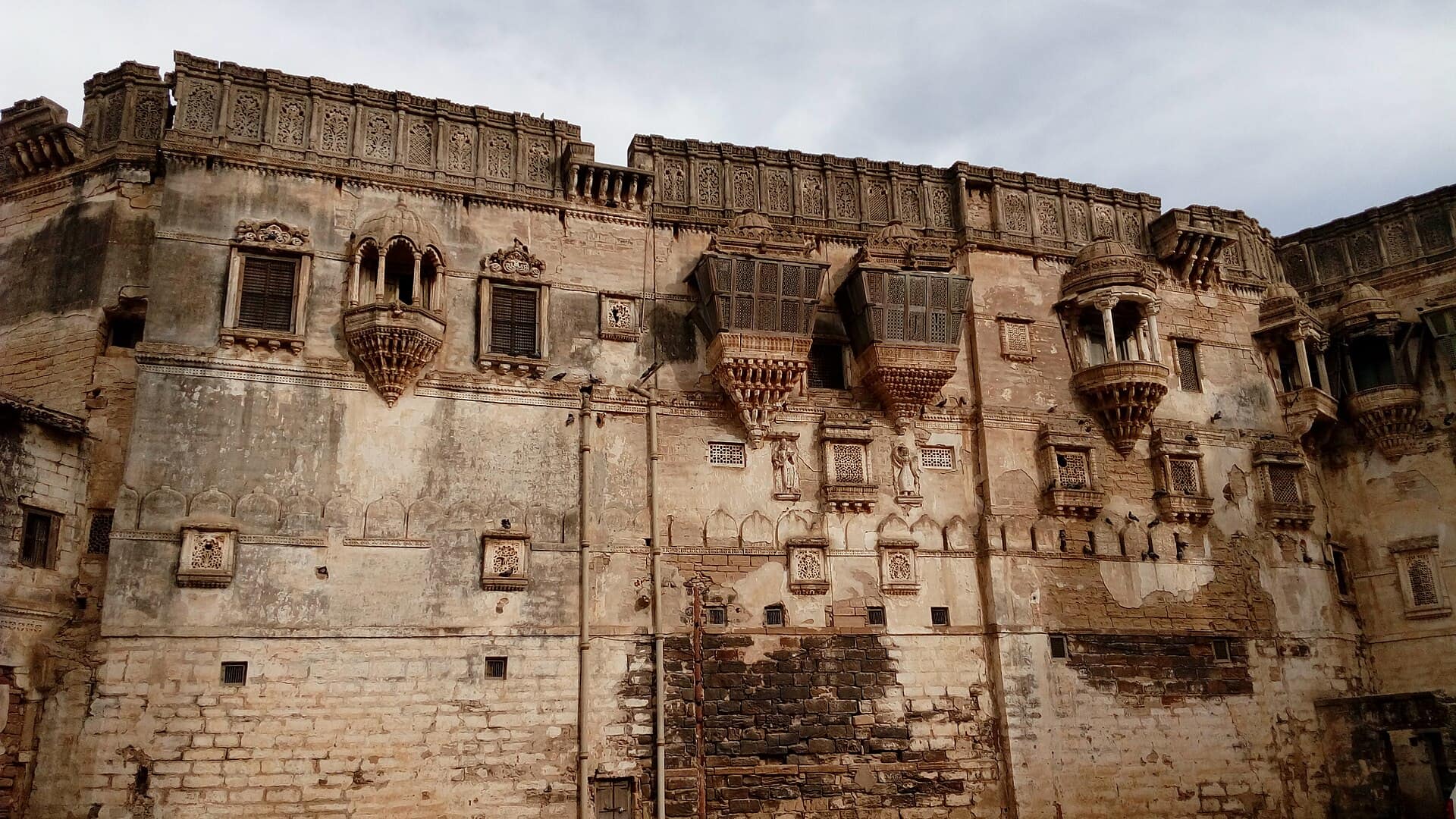
Aina Mahal
- Best timeMorning, soon after opening, when the rooms are quiet and you can photograph the Hall of Mirrors without a crowd.
- ColorsEmeraldGoldCream
Entry Free
Bhujodi Craft Village
- Best timeMorning, when the weavers are at their looms and soft light from the doorways falls on the threads.
- ColorsIndigoRedOchre
 Medium crowd
Entry Free
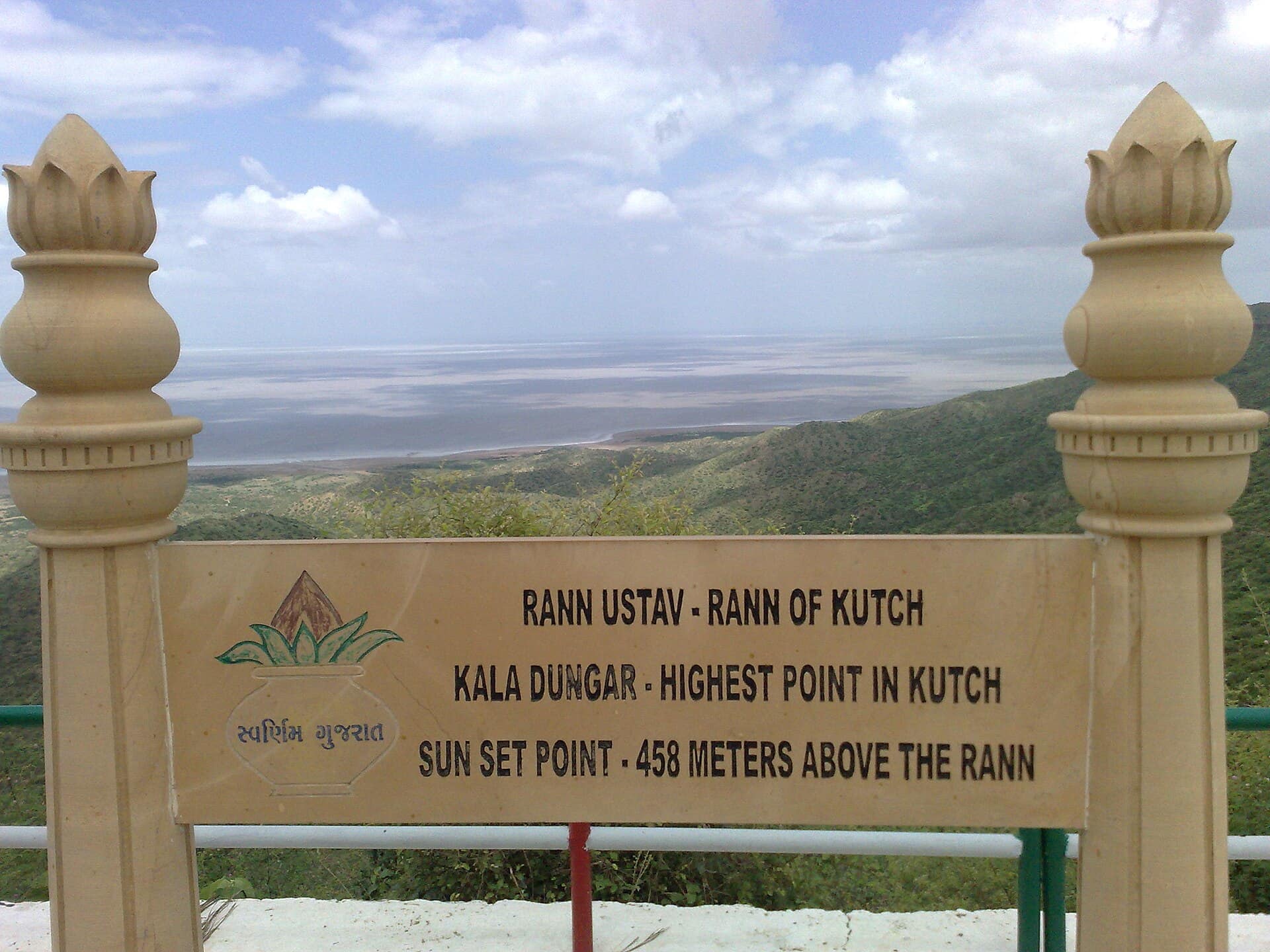
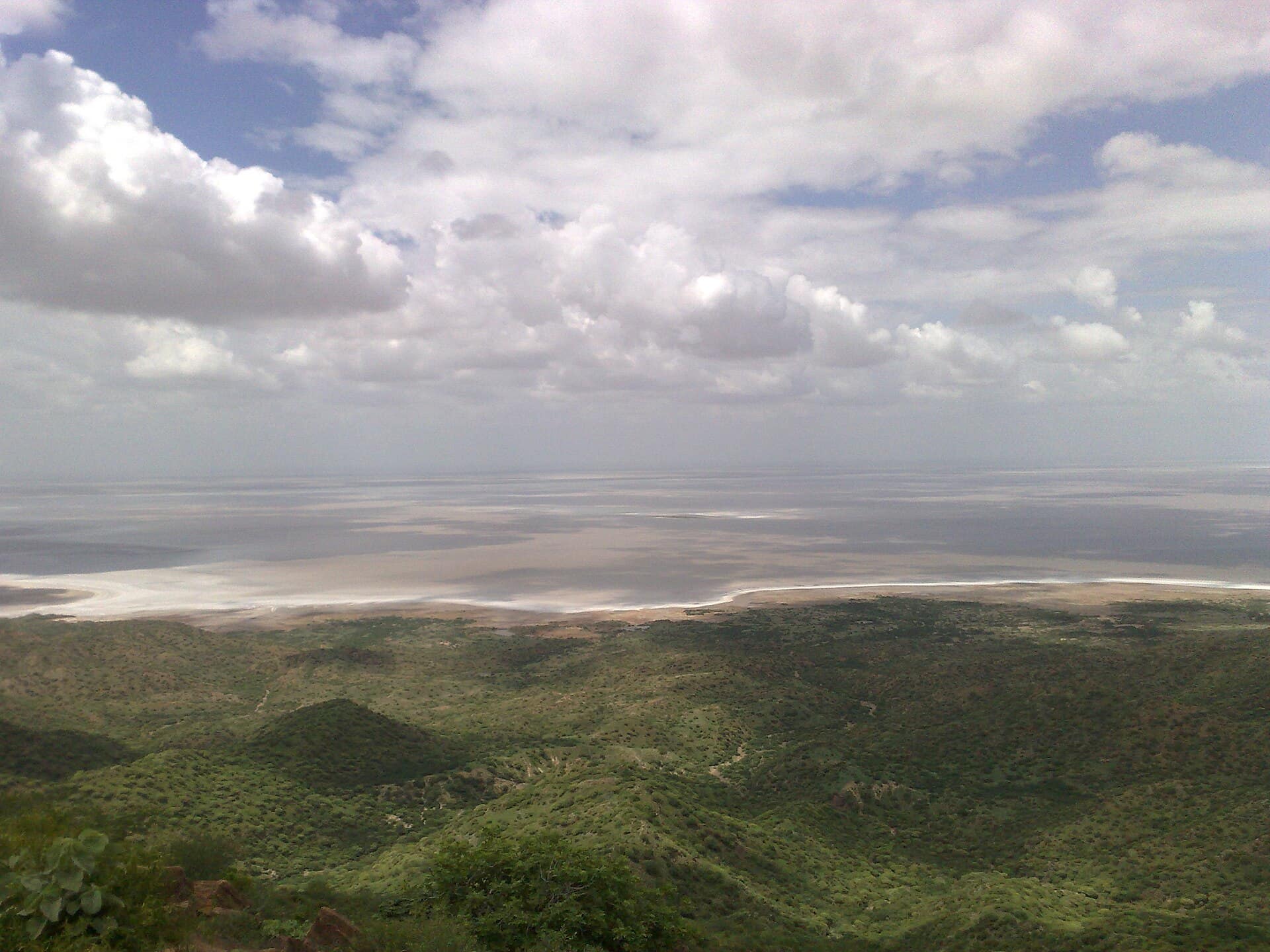
Kalo Dungar (Black Hill)
- Best timeLate afternoon, when the low sun brings out the white of the Rann below and the evening jackal feeding is close.
- ColorsWhiteRustSaffron
 Medium crowd
Entry Ticketed
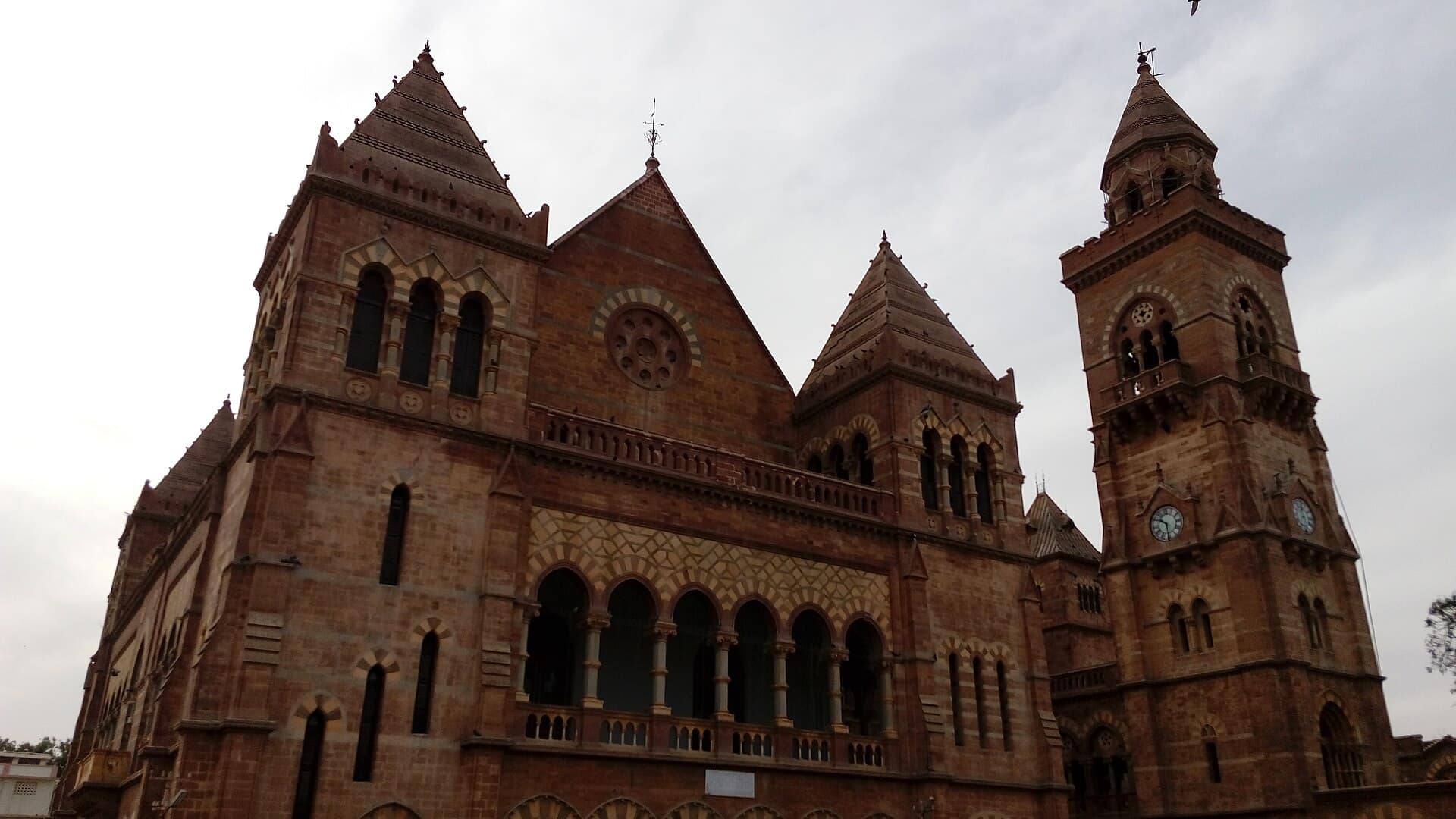
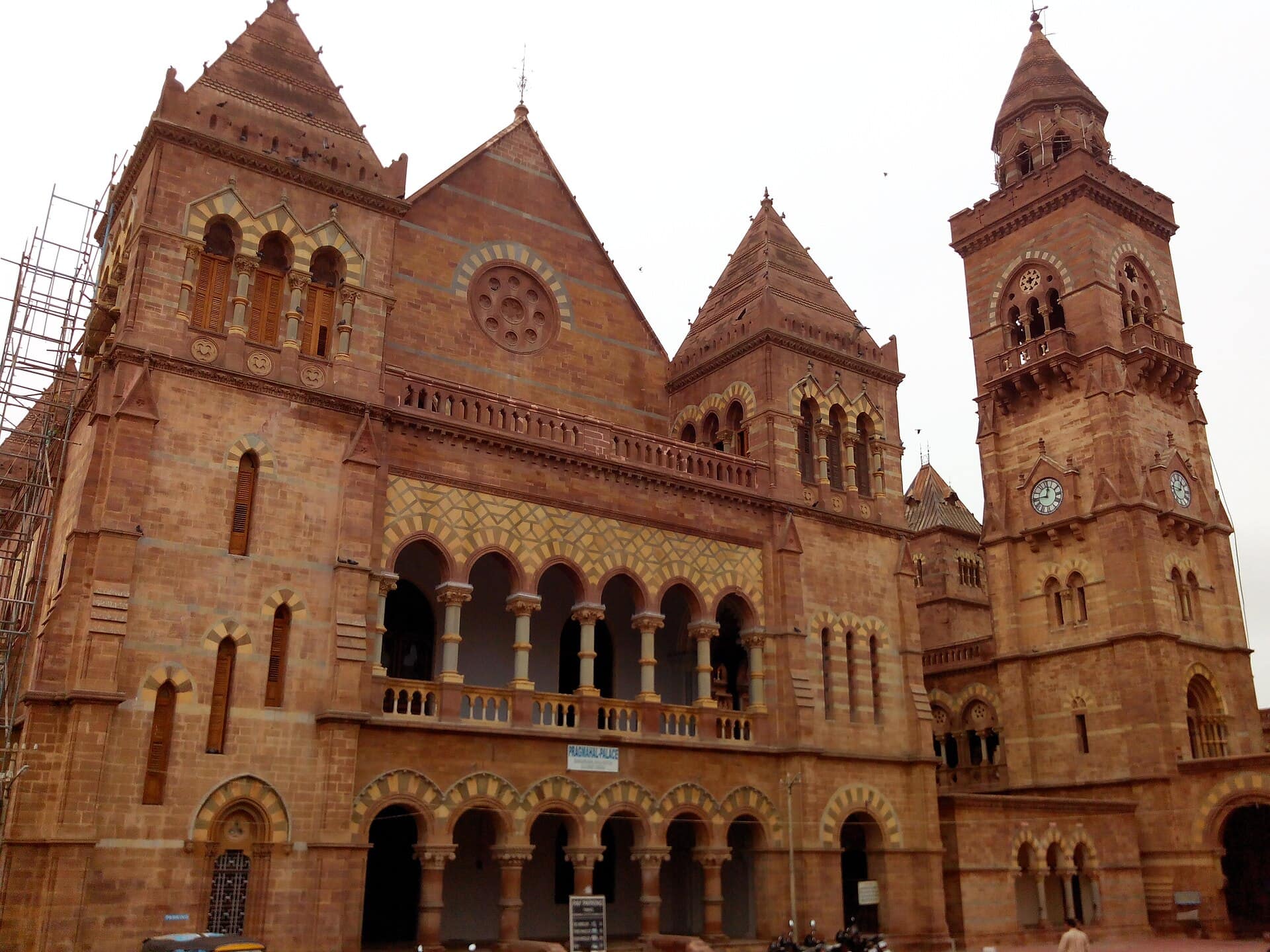
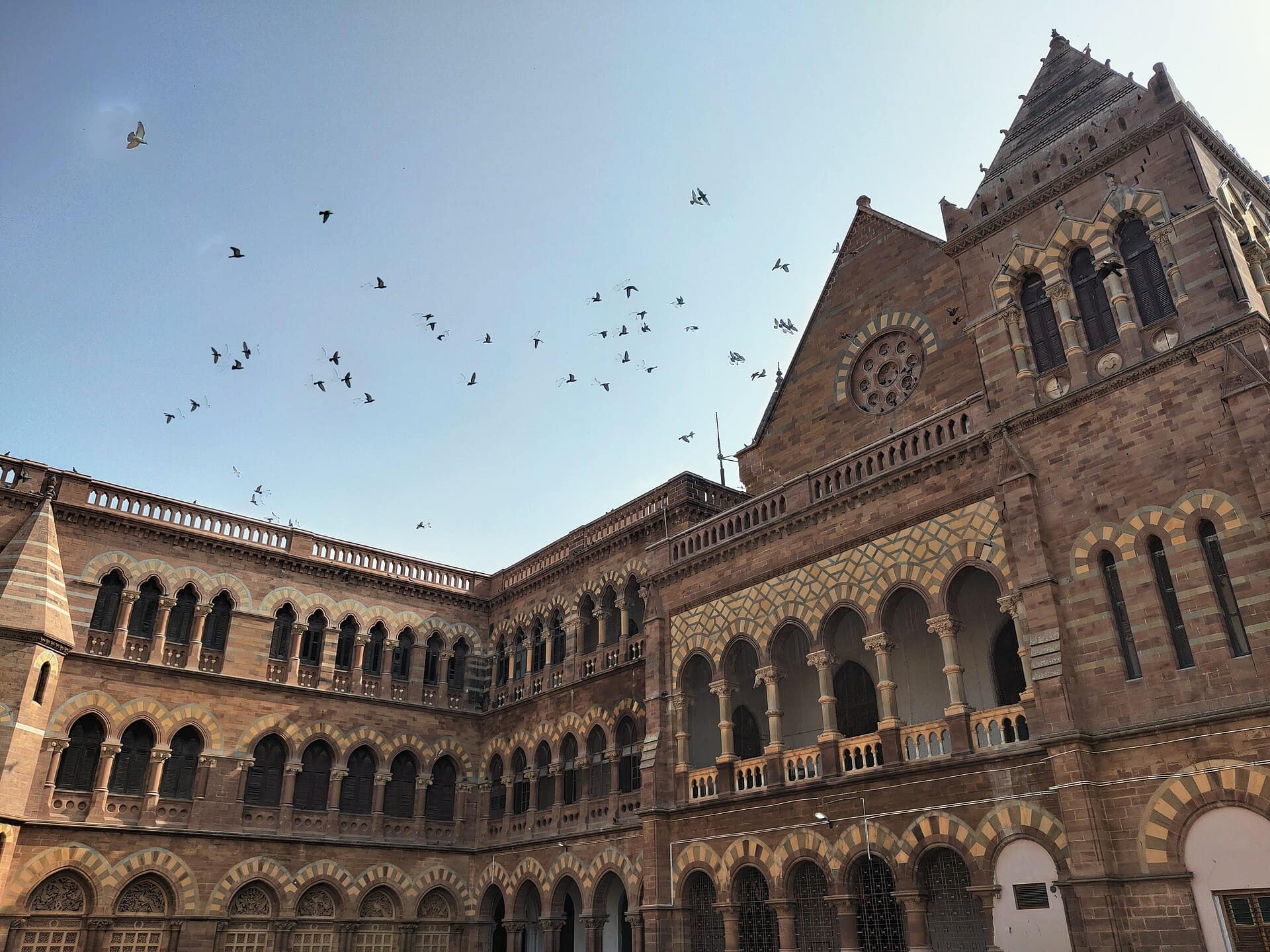
Prag Mahal
- Best timeMorning, when the tower is quieter to climb and the light over the rooftops of Bhuj is soft and clear.
- ColorsMaroonCreamNavy
 Medium crowd
Entry Permit required
White Rann of Kutch
- Best timeSunset, when the salt turns pink and orange; after moonrise on a full-moon night, when the whole plain glows.
- ColorsRedYellowWhite
For the feed
Trending Wear in Bhuj
Modern, Instagram-friendly looks


Rooted in the city
Bhuj Traditional Wear
Local, cultural, handcrafted outfits
Taste the city
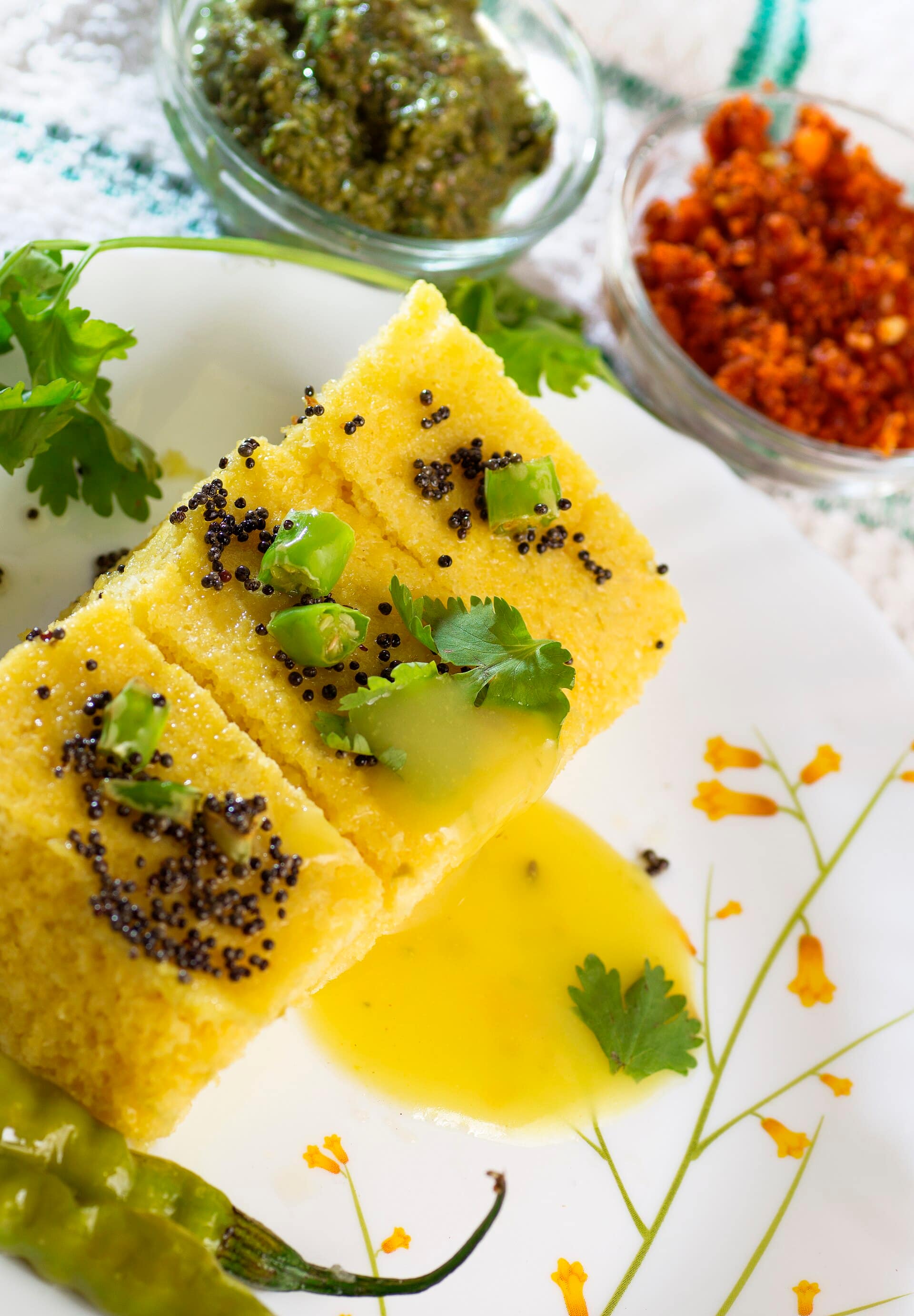
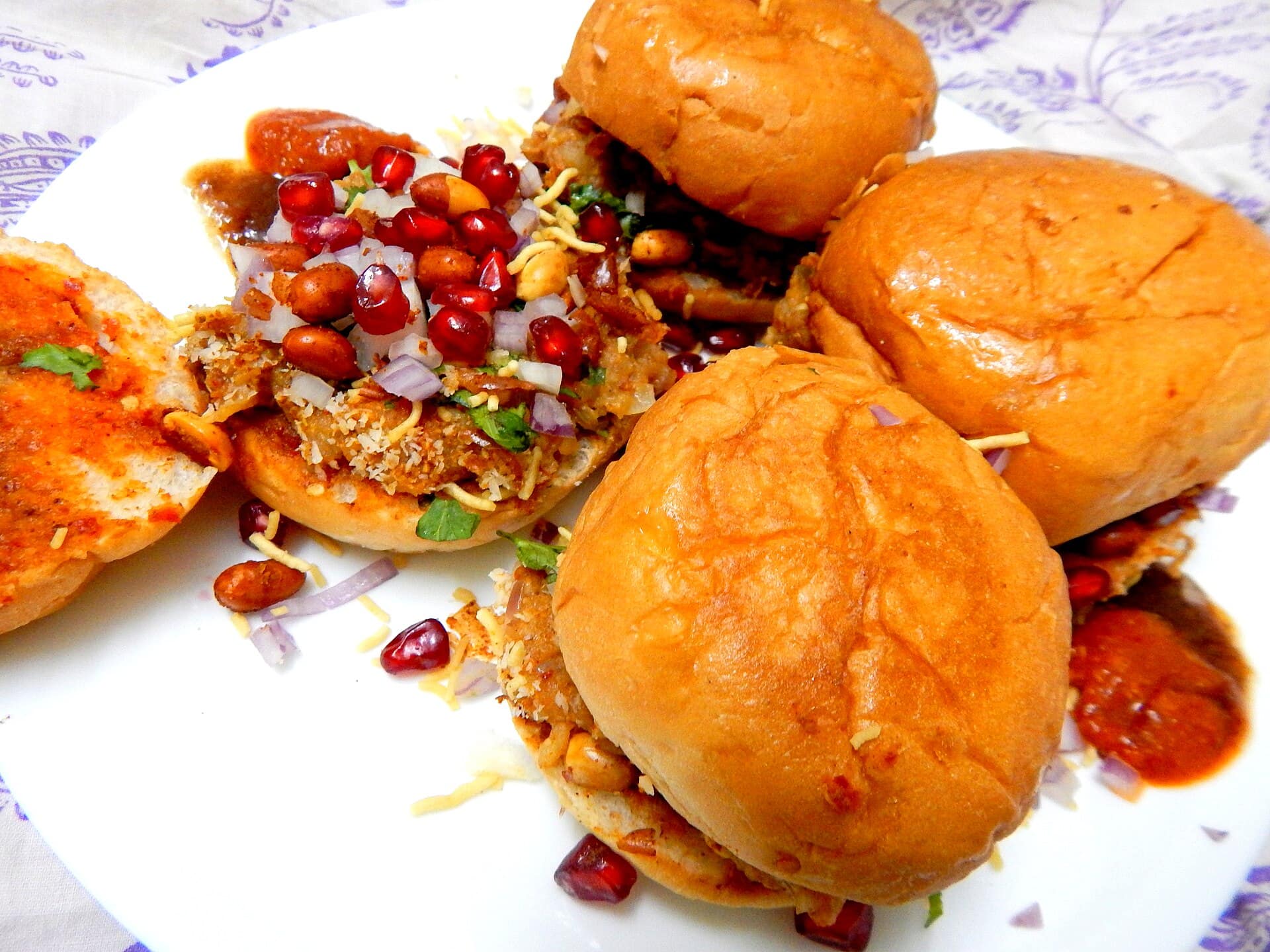
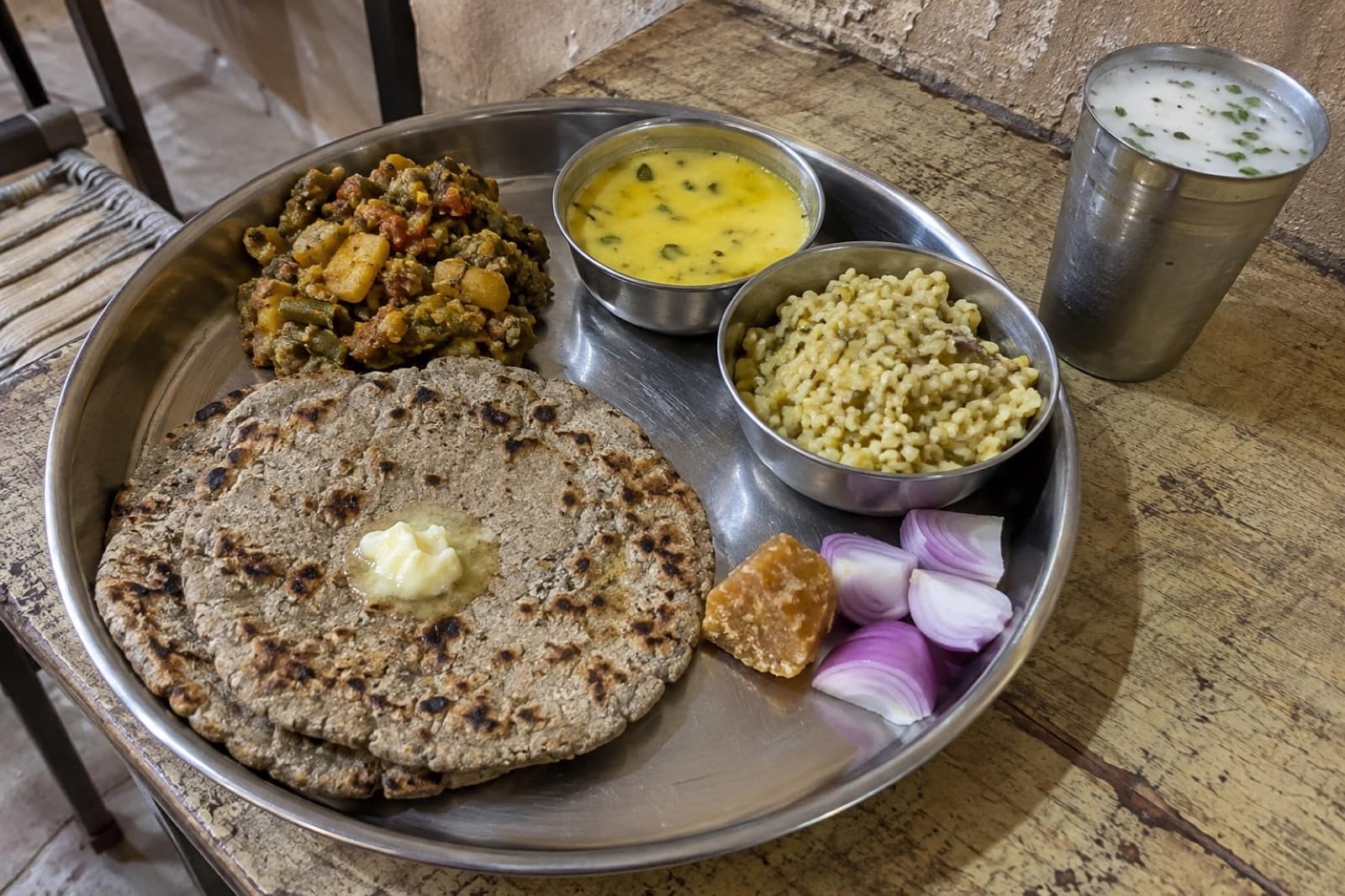
Food to Eat in Bhuj
Trusted tables
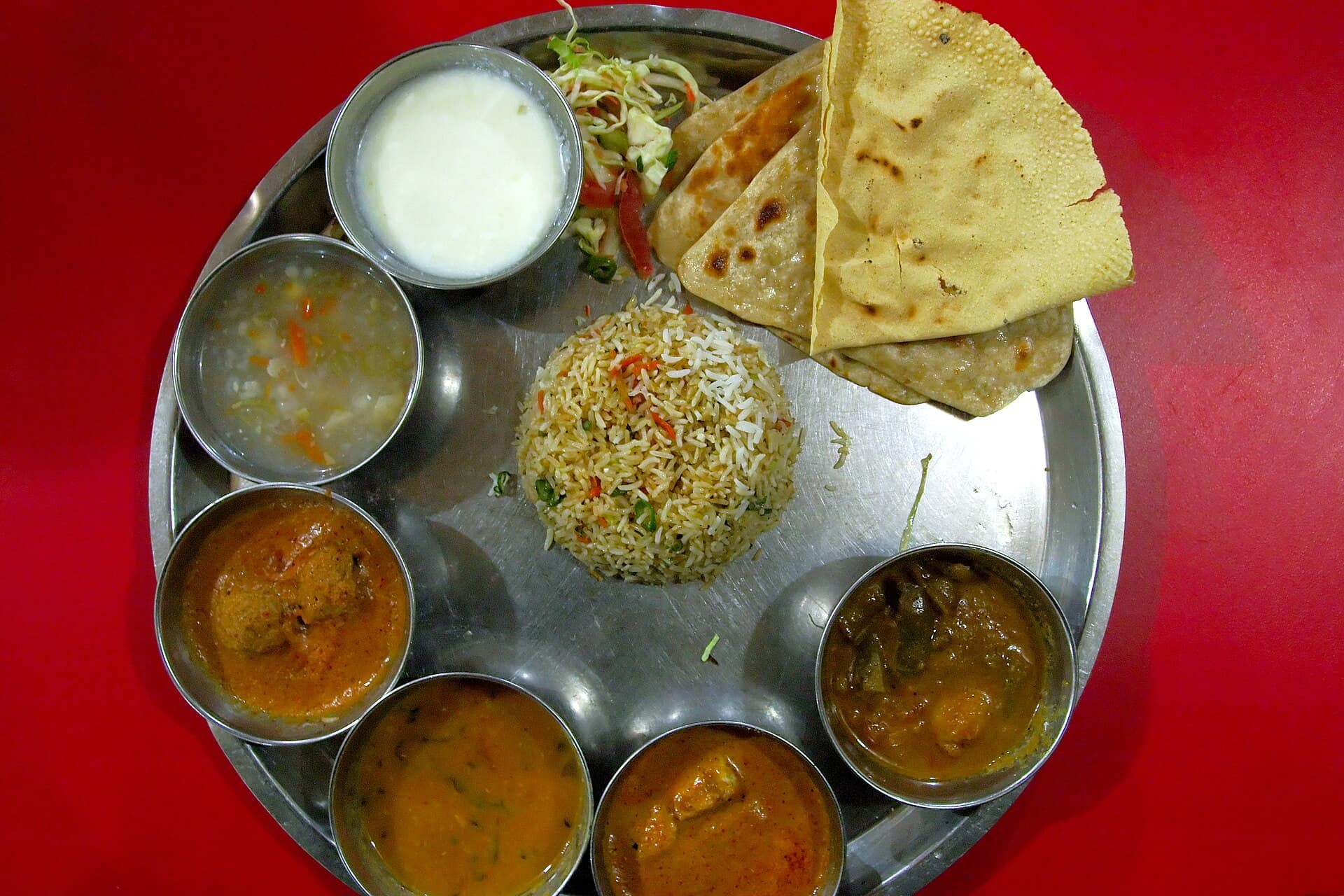
Where to Eat in Bhuj
About Bhuj
Bhuj is the main town of Kutch, the wide, dry district in the far west of Gujarat. Rao Khengarji I made it the capital of the Kutch kingdom in 1549, and it stayed the royal capital until 1947. The town takes its name from Bhujia Hill on its eastern edge, which is topped by the old Bhujia Fort. On 26 January 2001 an earthquake destroyed much of Bhuj. The town has been rebuilt, but the scars are still easy to see, and the Smritivan memorial on Bhujia Hill remembers the people who died.
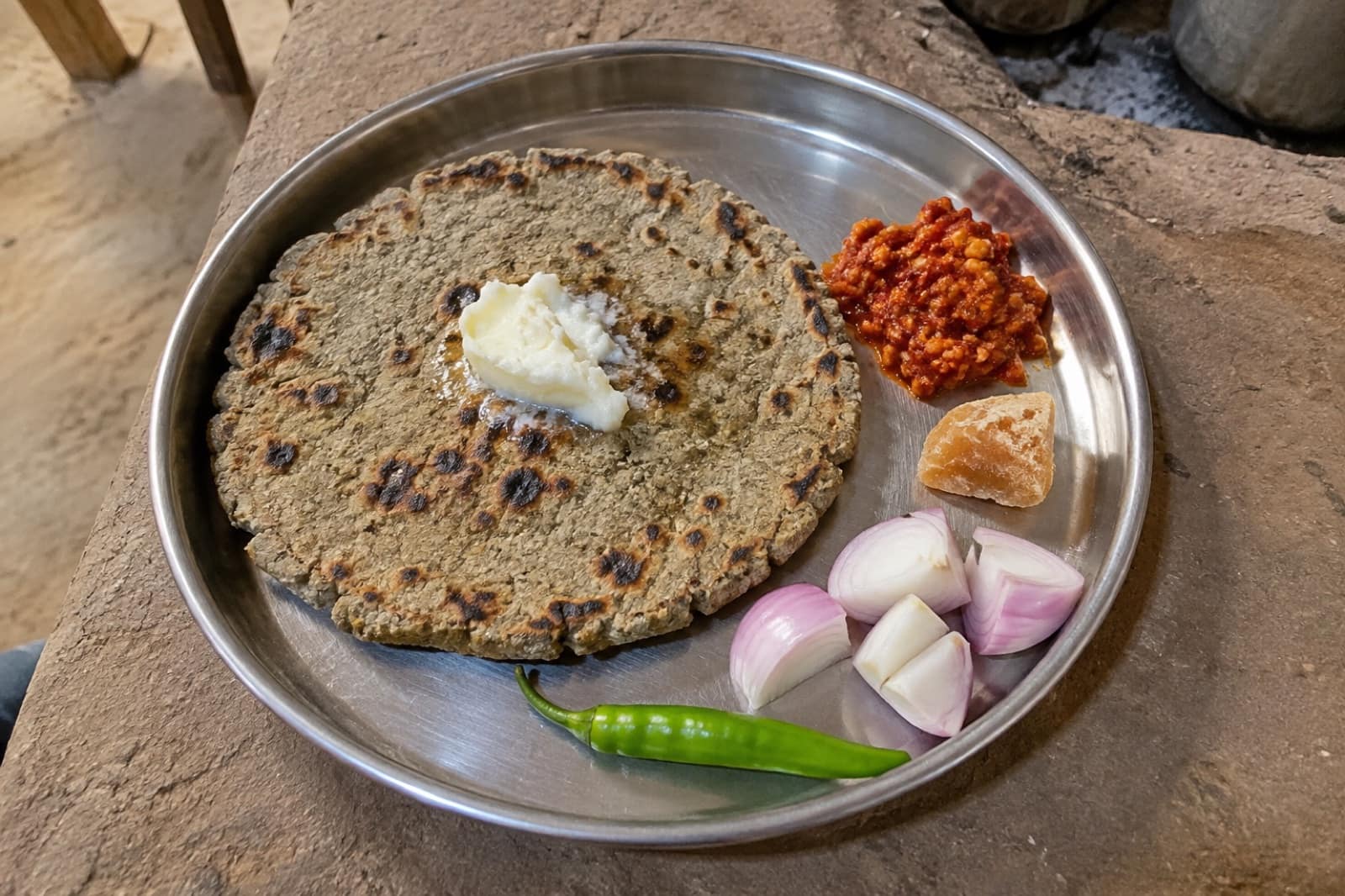
Most visitors use Bhuj as a base for exploring Kutch. Spend a morning in the old town, where Aina Mahal and Prag Mahal stand side by side near Hamirsar Lake, and add the Kutch Museum, the oldest museum in Gujarat. Then head out of town. The White Rann at Dhordo is about 85 km to the north and needs a permit. Kalo Dungar, the highest point in Kutch, looks out over the salt, and the weaving village of Bhujodi is only about 8 km away. In between, eat like a local: Kutchi dabeli from a street stall and bajra rotla with fiery garlic chutney.
Questions
Bhuj — FAQ
What is Bhuj famous for?
Bhuj is famous for its royal palaces, Aina Mahal and Prag Mahal, and as the base for visiting the White Rann of Kutch and the Rann Utsav. It is also known for Kutchi crafts such as mirror-work embroidery, handloom weaving and ajrakh block printing, for Kutchi dabeli, and for how it rebuilt itself after the 2001 earthquake.
How many days are enough for Bhuj?
2–3 days works well. Spend one day on the palaces, the Kutch Museum and Hamirsar Lake, one on the White Rann and Kalo Dungar, and one on craft villages such as Bhujodi and Ajrakhpur. Add more time if you also want to see Mandvi on the coast or the Harappan city of Dholavira.
What is the best time to visit Bhuj?
November to February is the best time. Days are warm and dry, nights are cool, the White Rann has dried into a white crust and the Rann Utsav is on. April to June is very hot, often close to 40 °C, and in the monsoon the Rann fills with water. See the best time to visit Bhuj for a season-by-season guide.
How do I reach Bhuj?
Bhuj has a small airport about 4 km from the centre, with a limited number of flights from Mumbai and Delhi. Trains connect Bhuj with Ahmedabad, Mumbai and Delhi, including the overnight Kutch Express from Mumbai's Bandra Terminus. From Ahmedabad, the fastest trains take about six hours, and buses and taxis also make the trip by road.
Can I visit the White Rann on a day trip from Bhuj?
Yes. Dhordo, the gateway to the White Rann, is about 85 km from Bhuj, or roughly two hours by road. You need a permit: Indian nationals can get it online before the trip or at the Bhirandiyara checkpost on the way, while foreign visitors usually apply in person with their passport and visa. A common plan is to visit Kalo Dungar in the afternoon, watch the sunset on the salt and drive back to Bhuj after dark.