
Best Photo Spots in Bodh Gaya
Bodh Gaya is a quiet town, and the best photos here are quiet ones: a brick spire in the early light, a monk crossing a lawn, a gold roof at dusk. Most spots are within walking distance of each other, but the Mahabodhi Temple has a phone ban that changes how you plan the day.
Entry Free
Dungeshwari Cave Temples
- Best timeEarly morning for soft light on the hillside and cooler air; late afternoon for long shadows over the plain.
- ColorsSaffronOchreMaroon
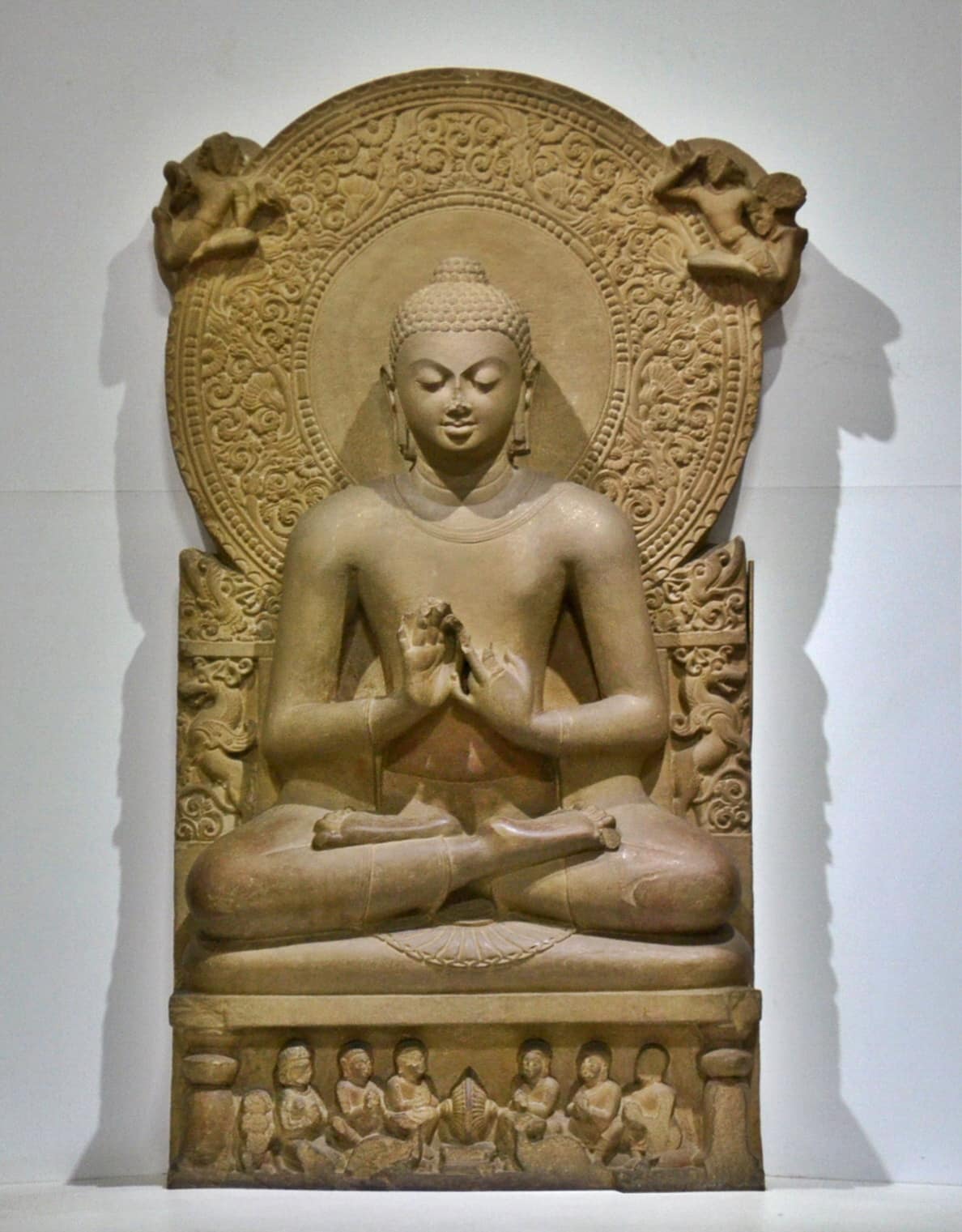 Medium crowd
Entry Nominal
Great Buddha Statue
- Best timeMorning for clear light on the statue and fewer visitors; late afternoon for warm colour on the red stone.
- ColorsSaffronCreamMaroon
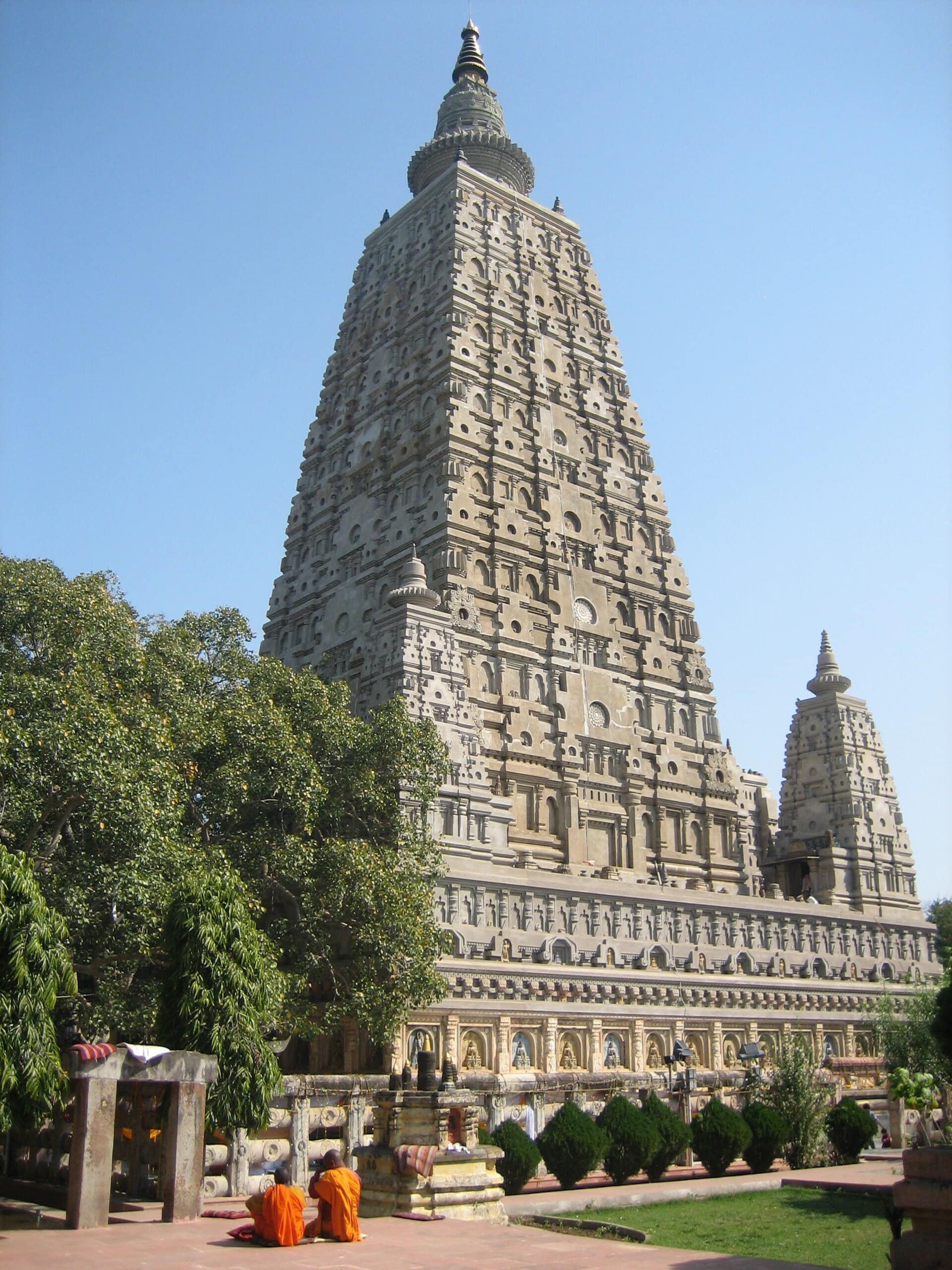 High crowd
Entry Free (camera fee)
Mahabodhi Temple
- Best timeEarly morning for soft light on the spire and quiet paths; evening when the butter lamps are lit and the temple glows.
- ColorsSaffronWhiteMaroon
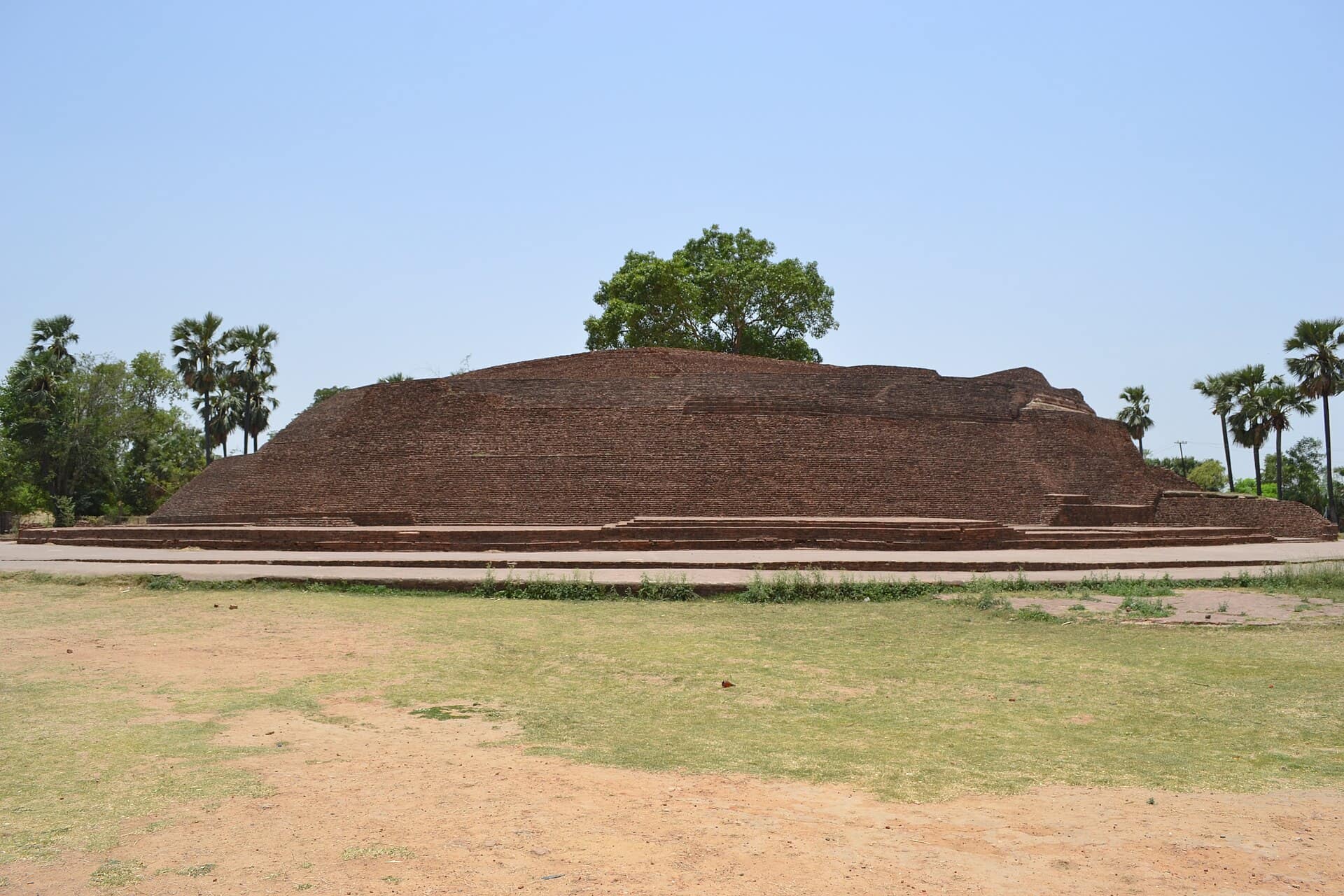 Low crowd
Entry Free
Sujata Stupa
- Best timeLate afternoon for warm light on the brick; early morning for mist over the fields in winter.
- ColorsRustCreamSaffron
Entry Free
Thai Monastery (Wat Thai)
- Best timeLate afternoon for warm light on the gold roof; early morning for calm lawns and no crowds.
- ColorsGoldWhiteSaffron
Start with the phone rule
You cannot take a phone into the Mahabodhi Temple. It goes into a free locker at the entrance. Cameras are allowed with a paid camera ticket from the same counter. So if a phone is all you have, take your temple photos from the plaza outside the gate first, then hand it in and simply enjoy the inside.
A walking loop
Start at the Mahabodhi Temple at dawn, when the chanting begins and the light is soft on the spire. Walk on to the Thai monastery, whose gold-and-red roof is the most colourful building in town. The Great Buddha Statue is a few minutes further, with its avenue of stone disciples leading up to the seated figure. Along the way you pass the Bhutanese and Japanese temples, which are worth a stop for their painted doors and gardens.
Out of town
The Sujata Stupa is across the river in Bakraur village, a short walk or rickshaw ride. It is a big brick mound in open fields, best late in the day. The Dungeshwari caves are about 45 minutes away by car, up a rocky hillside with prayer flags.
Light and season
From October to February the air is often hazy, and in December and January mornings can be foggy. That haze is soft and flattering on the brick spire. From April the sun is harsh by mid-morning, so shoot early and late.
Photographing people
Many of the people you see are monks and pilgrims at prayer. Ask before you take a close portrait, and never photograph someone who is meditating or prostrating.
Questions
Bodh Gaya — FAQ
Can I take my phone inside the Mahabodhi Temple?
No. Phones go into free lockers at the entrance. Cameras are allowed if you buy a camera ticket at the counter.
Which photo spots in Bodh Gaya can I walk between?
The Mahabodhi Temple, the Thai monastery and the Great Buddha Statue are all within an easy walk. Sujata Stupa is across the river, and Dungeshwari needs a car.
Is it all right to photograph monks in Bodh Gaya?
Street photos are usually fine, but ask before a close portrait and do not photograph anyone who is praying or meditating.
When is the light best for photos in Bodh Gaya?
The first hour after sunrise and the last hour before sunset. In summer the midday sun is harsh and the heat is hard going.