
Bihar · India
Bodh Gaya
The most sacred site in Buddhism — where the Buddha attained enlightenment beneath the Bodhi Tree — a tranquil pilgrim town of monasteries from across Asia.
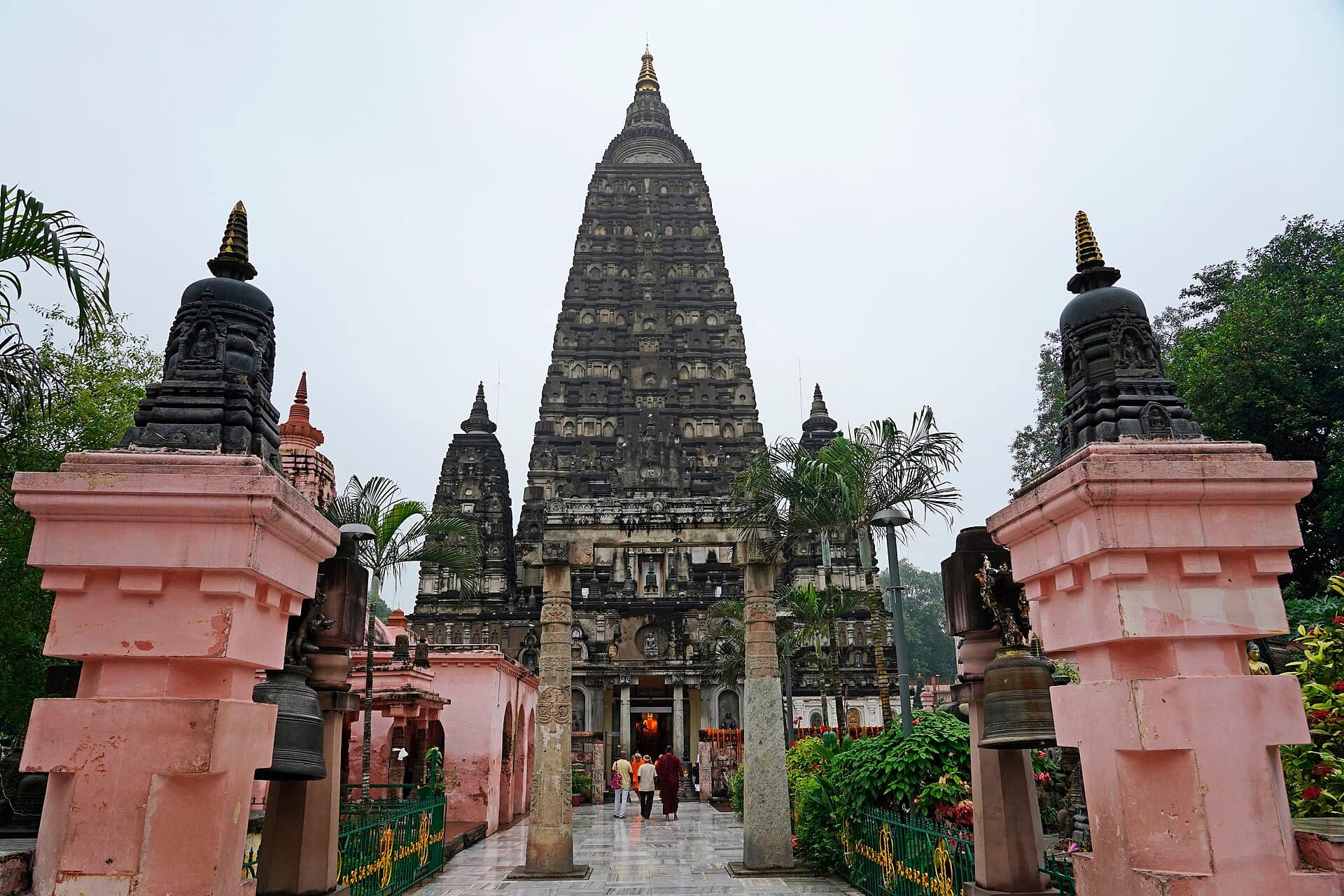
Bodh Gaya is a global Buddhist crossroads: the UNESCO Mahabodhi Temple, meditation under the Bodhi Tree, Tibetan-to-Thai monasteries, saffron robes, and simple Bihari food.
Plan your trip
Bodh Gaya Tour Itineraries
Timed, walkable day plans — plus the best season to go.
Where to shoot
Bodh Gaya Photo Spots
Entry Free
Dungeshwari Cave Temples
- Best timeEarly morning for soft light on the hillside and cooler air; late afternoon for long shadows over the plain.
- ColorsSaffronOchreMaroon
 Medium crowd
Entry Nominal
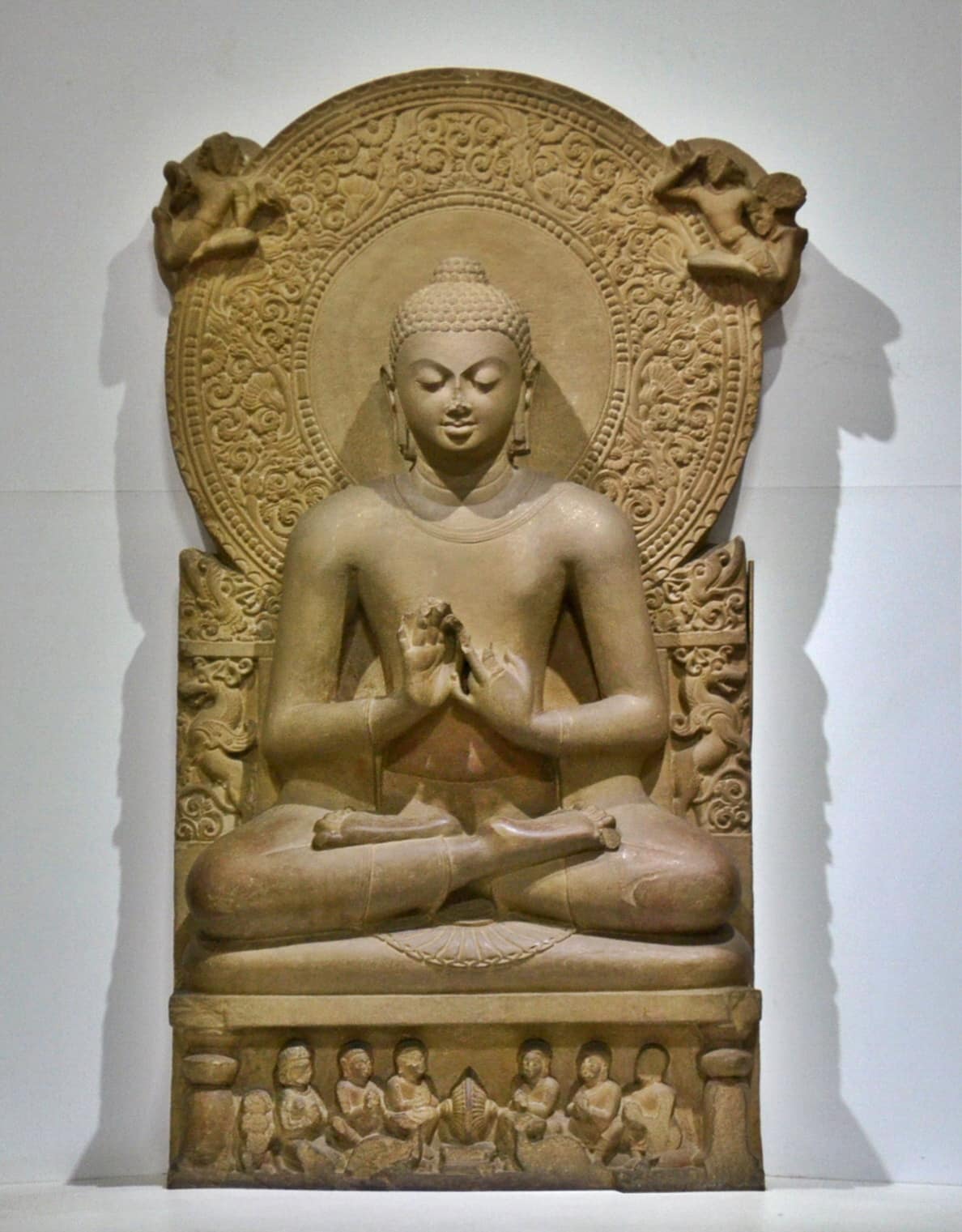
Great Buddha Statue
- Best timeMorning for clear light on the statue and fewer visitors; late afternoon for warm colour on the red stone.
- ColorsSaffronCreamMaroon
 High crowd
Entry Free (camera fee)
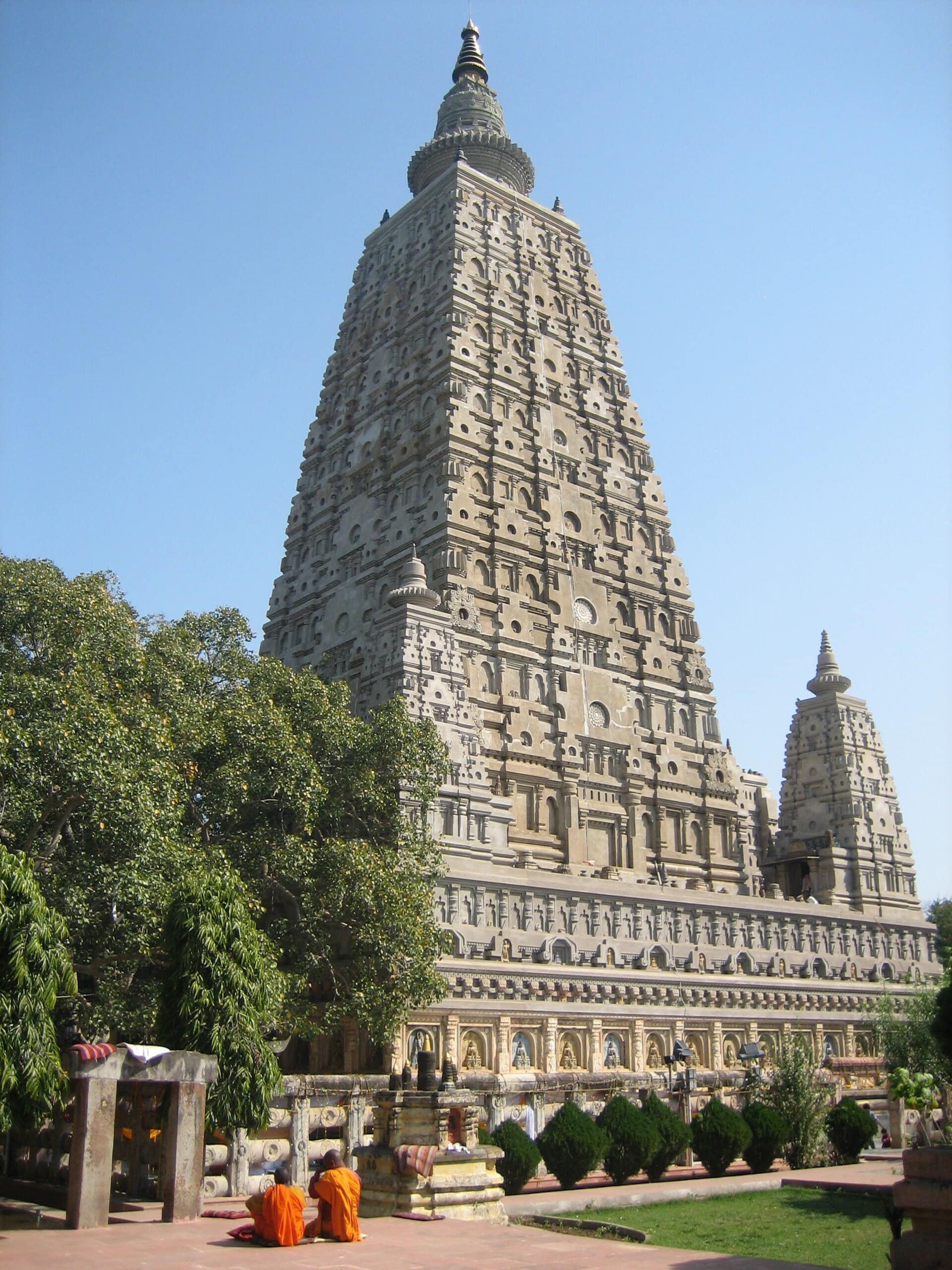
Mahabodhi Temple
- Best timeEarly morning for soft light on the spire and quiet paths; evening when the butter lamps are lit and the temple glows.
- ColorsSaffronWhiteMaroon
 Low crowd
Entry Free
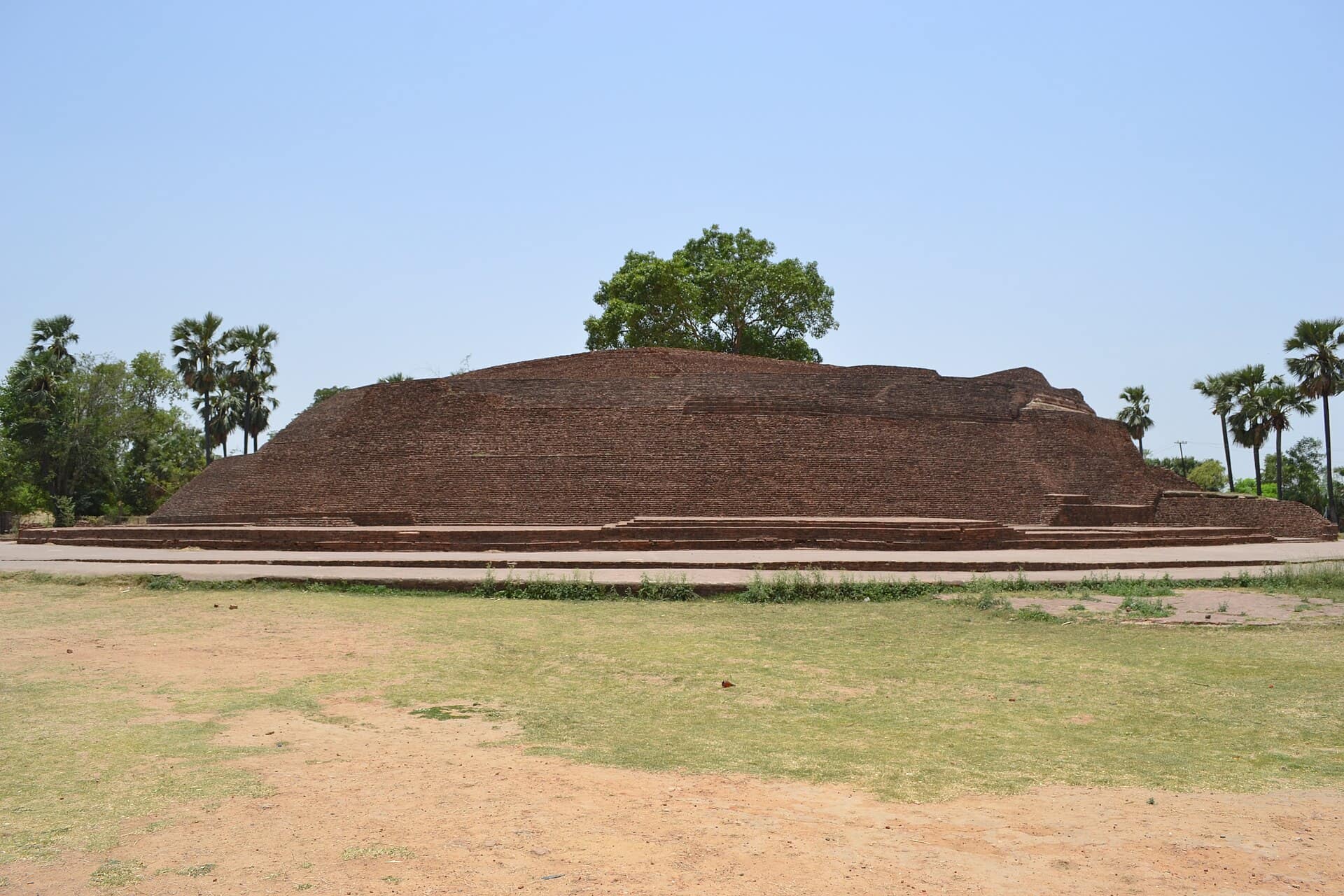
Sujata Stupa
- Best timeLate afternoon for warm light on the brick; early morning for mist over the fields in winter.
- ColorsRustCreamSaffron
Entry Free
Thai Monastery (Wat Thai)
- Best timeLate afternoon for warm light on the gold roof; early morning for calm lawns and no crowds.
- ColorsGoldWhiteSaffron
For the feed
Trending Wear in Bodh Gaya
Modern, Instagram-friendly looks

Rooted in the city
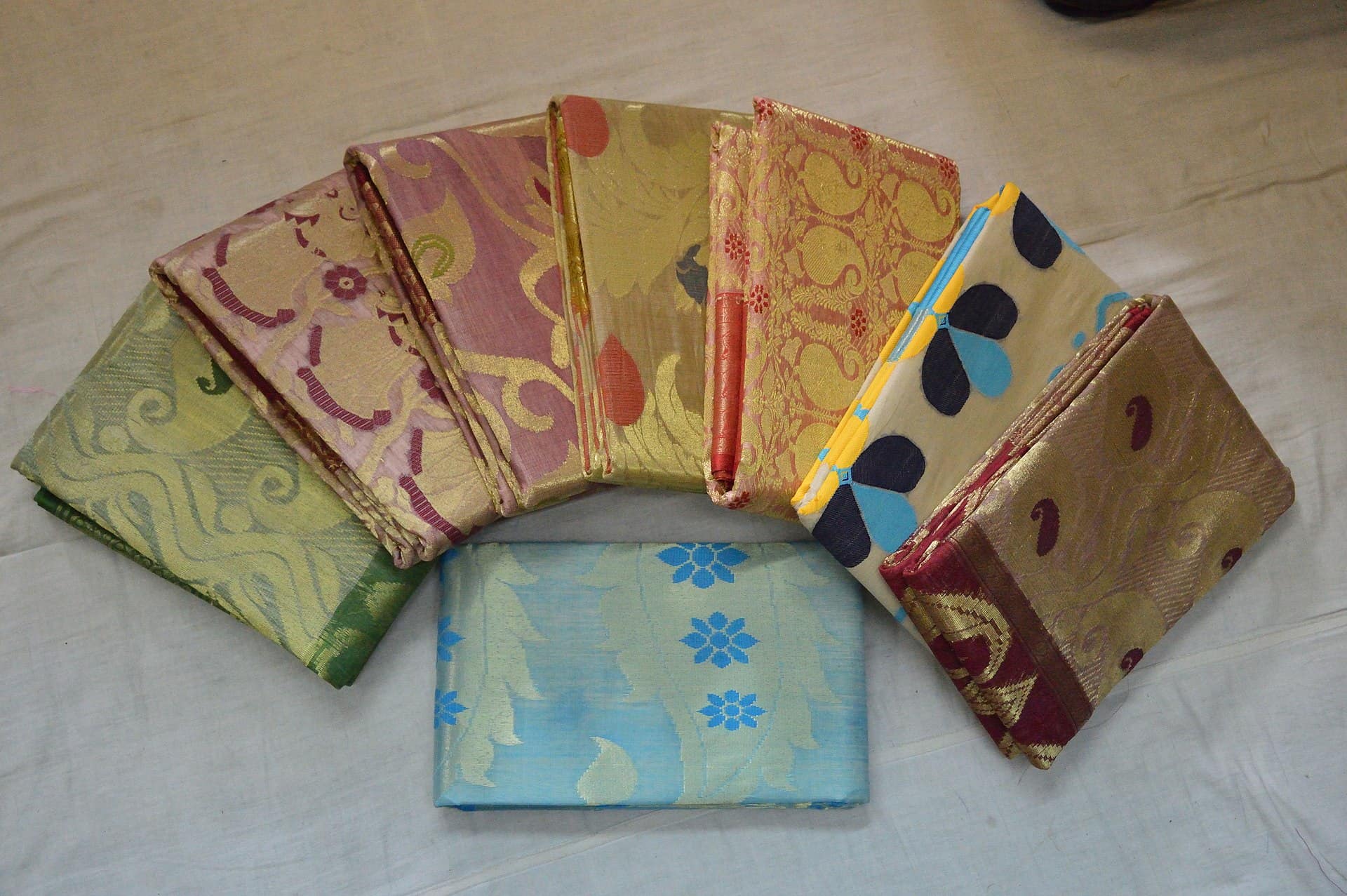
Bodh Gaya Traditional Wear
Local, cultural, handcrafted outfits
Before you go
Temples in Bodh Gaya
Darshan hours, dress codes and what gets refused at the gate
Taste the city
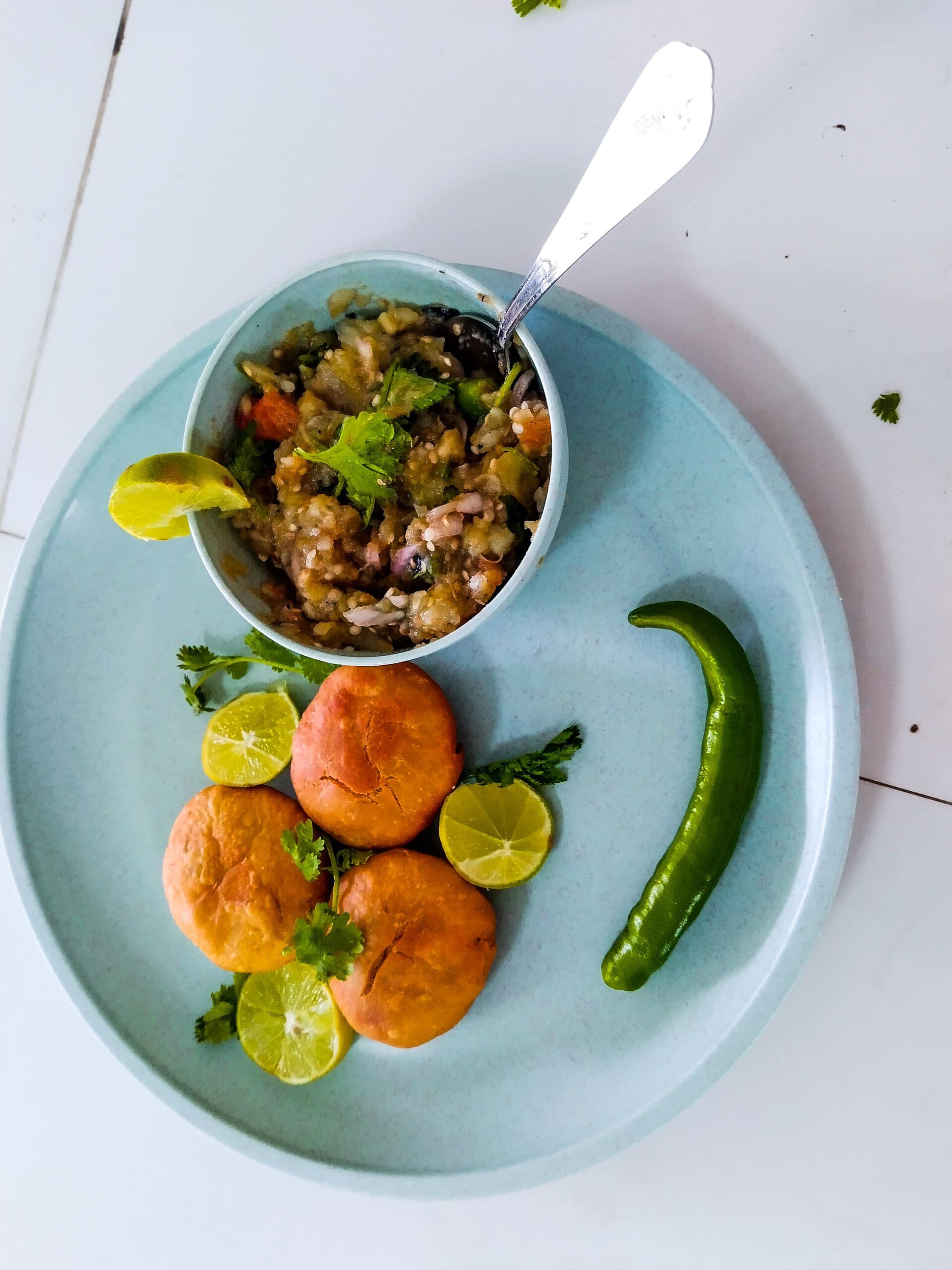
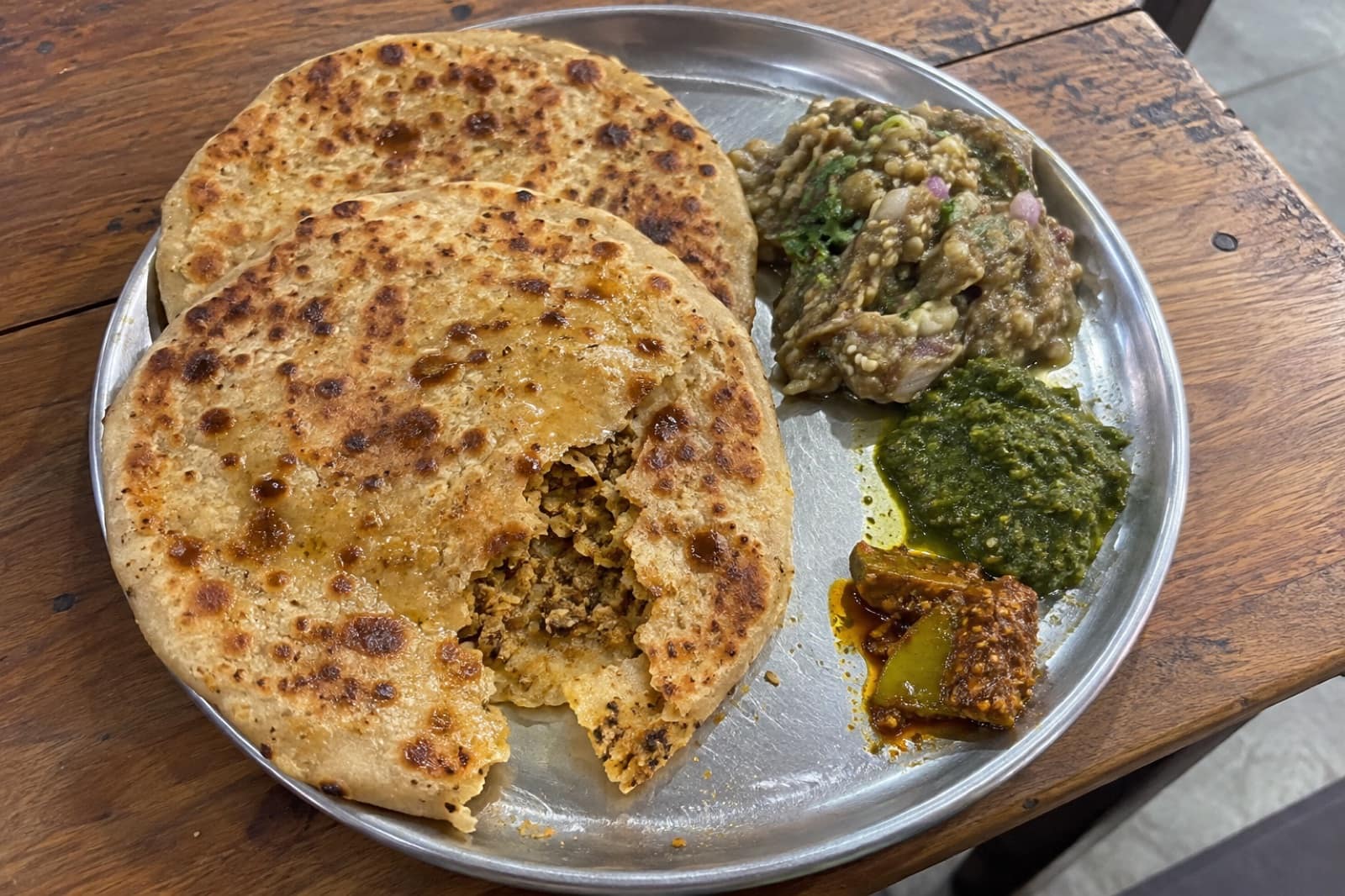
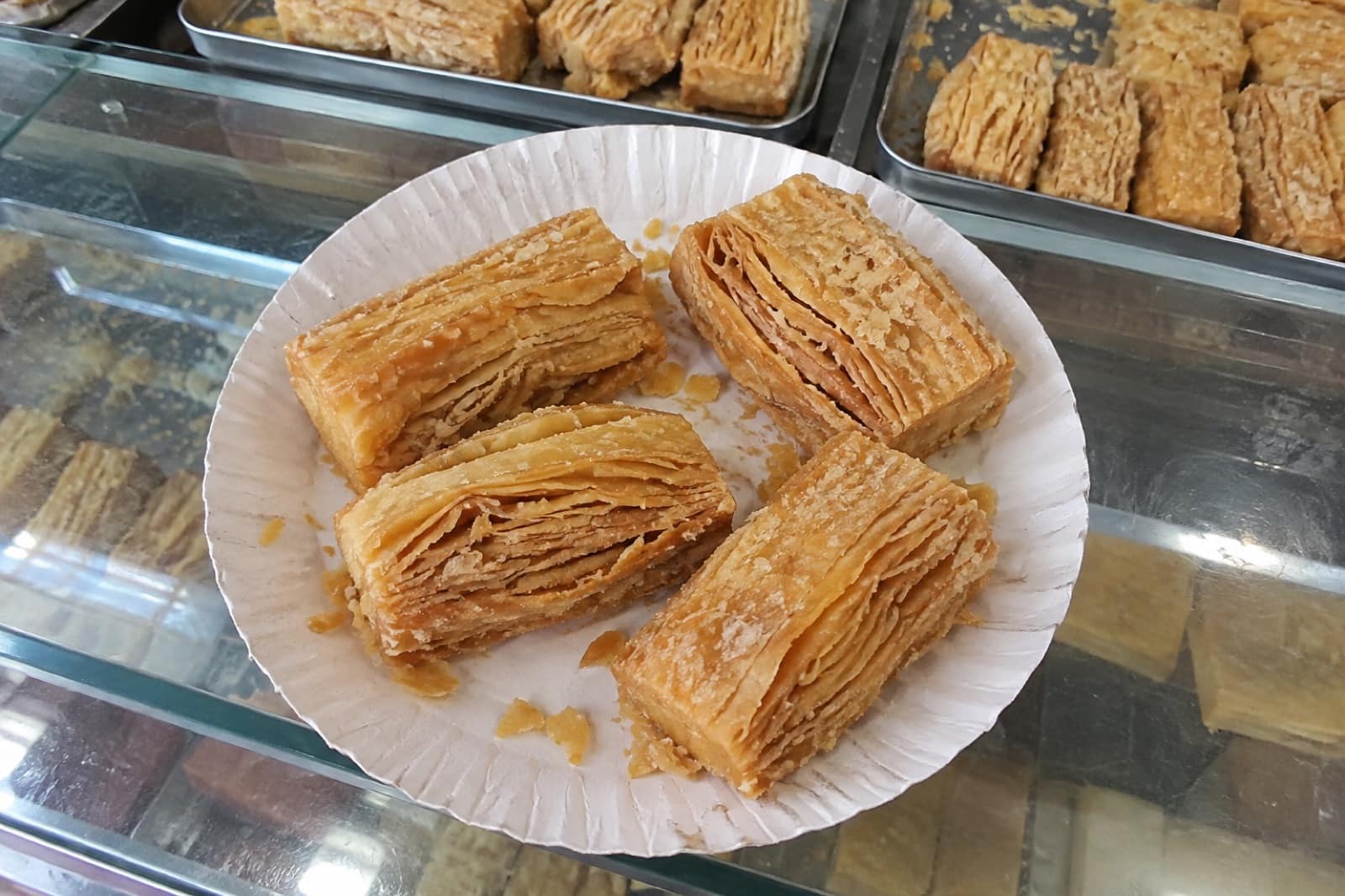
Food to Eat in Bodh Gaya
Trusted tables
Where to Eat in Bodh Gaya
Where the Buddha sat down
Bodh Gaya is a small town about 15 km south of Gaya, and almost everything in it points to one tree. The Mahabodhi Temple stands beside a descendant of the fig under which the Buddha is said to have reached enlightenment, and pilgrims from Sri Lanka, Thailand, Myanmar, Bhutan, Japan, Tibet and Korea come here to sit under it. The temple is a UNESCO World Heritage Site and open to everyone, whatever their faith.
How the town works
The temple sits in the middle, a little below street level. Around it, in a loose ring, are the national monasteries, each built in its own country's style. The Thai monastery was the first of them, and the Great Buddha Statue is a short walk away. Across the river, in Bakraur village, is the Sujata Stupa. The Dungeshwari caves, where the Buddha fasted before he came here, are a drive of about 45 minutes into the hills.
Most of the centre is walkable. Cycle rickshaws and e-rickshaws cover the rest, and a car is easiest for Dungeshwari.
The phone rule
Phones are not allowed inside the Mahabodhi complex. You leave them at the free counters by the entrance, along with bags. Cameras are allowed if you buy a camera ticket at the same window. Shoes come off too, and there is a shoe counter. If you want a photo on your phone, take it from the plaza outside the gate before you hand it in.
When to come
October to March is the comfortable season. December and January are the busiest weeks, when monks arrive for chanting ceremonies and teachings, and rooms fill up well ahead. April to June is very hot; Gaya is often one of the hottest places in Bihar in May. The monsoon runs from about July to September and is warm and sticky, but the gardens are green and the town is quiet.
Getting here
Gaya airport is only about 5 km from the town and has seasonal flights from Buddhist countries in the winter. The nearest railway station is Gaya Junction, about 15 km away. In December and January, dense fog often delays trains across Bihar by several hours, so leave slack in your plans.
Eating
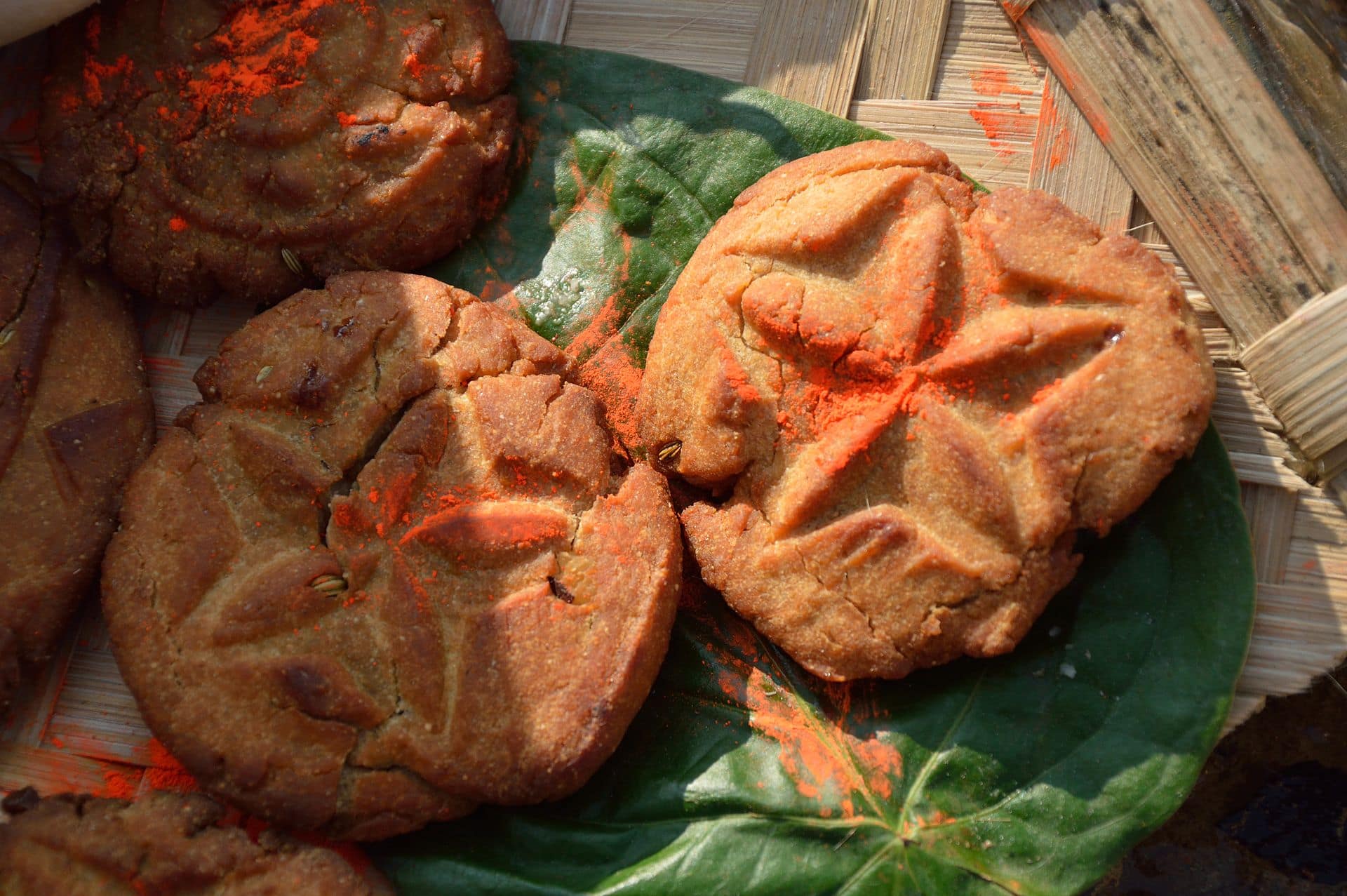
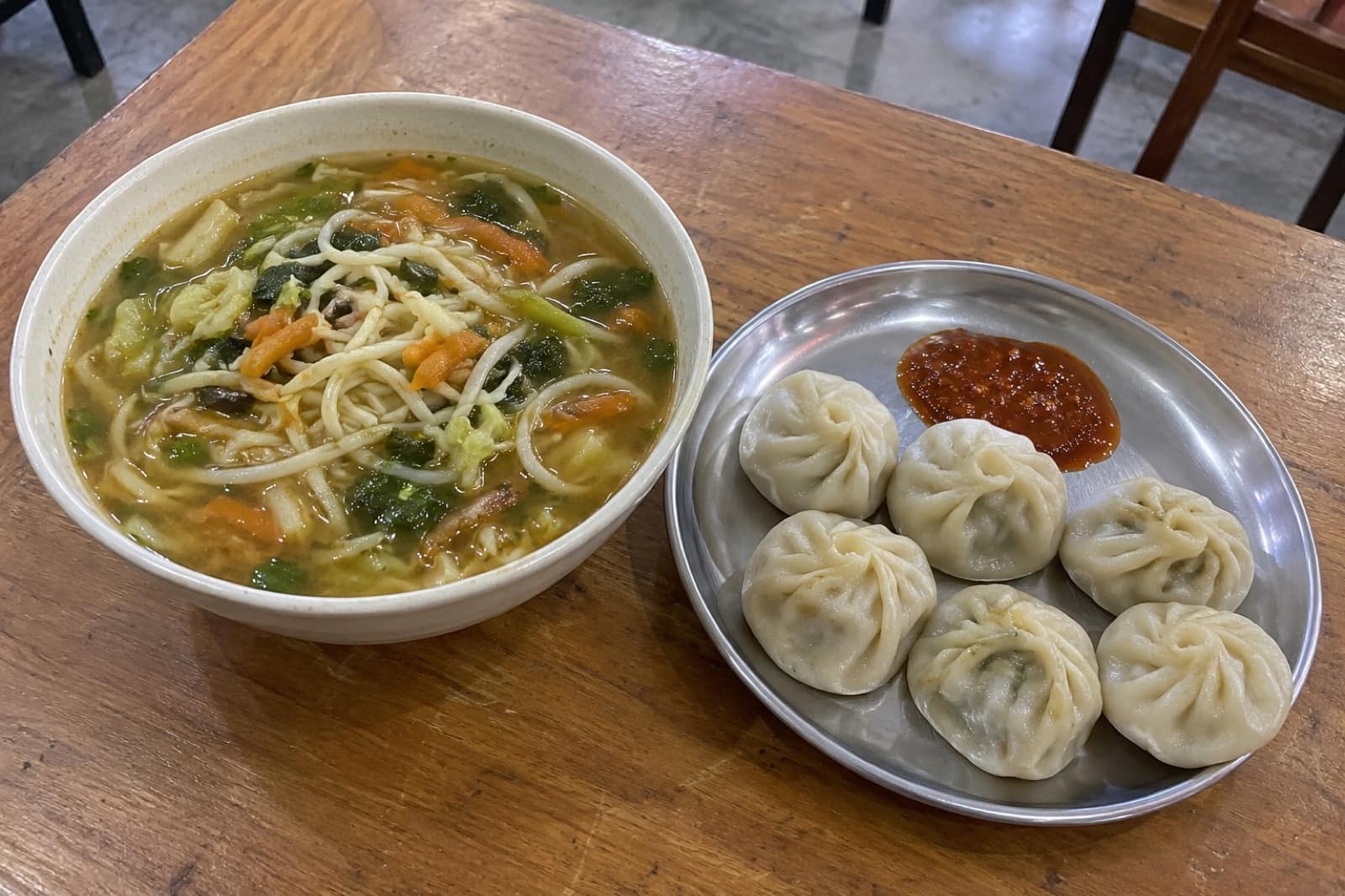
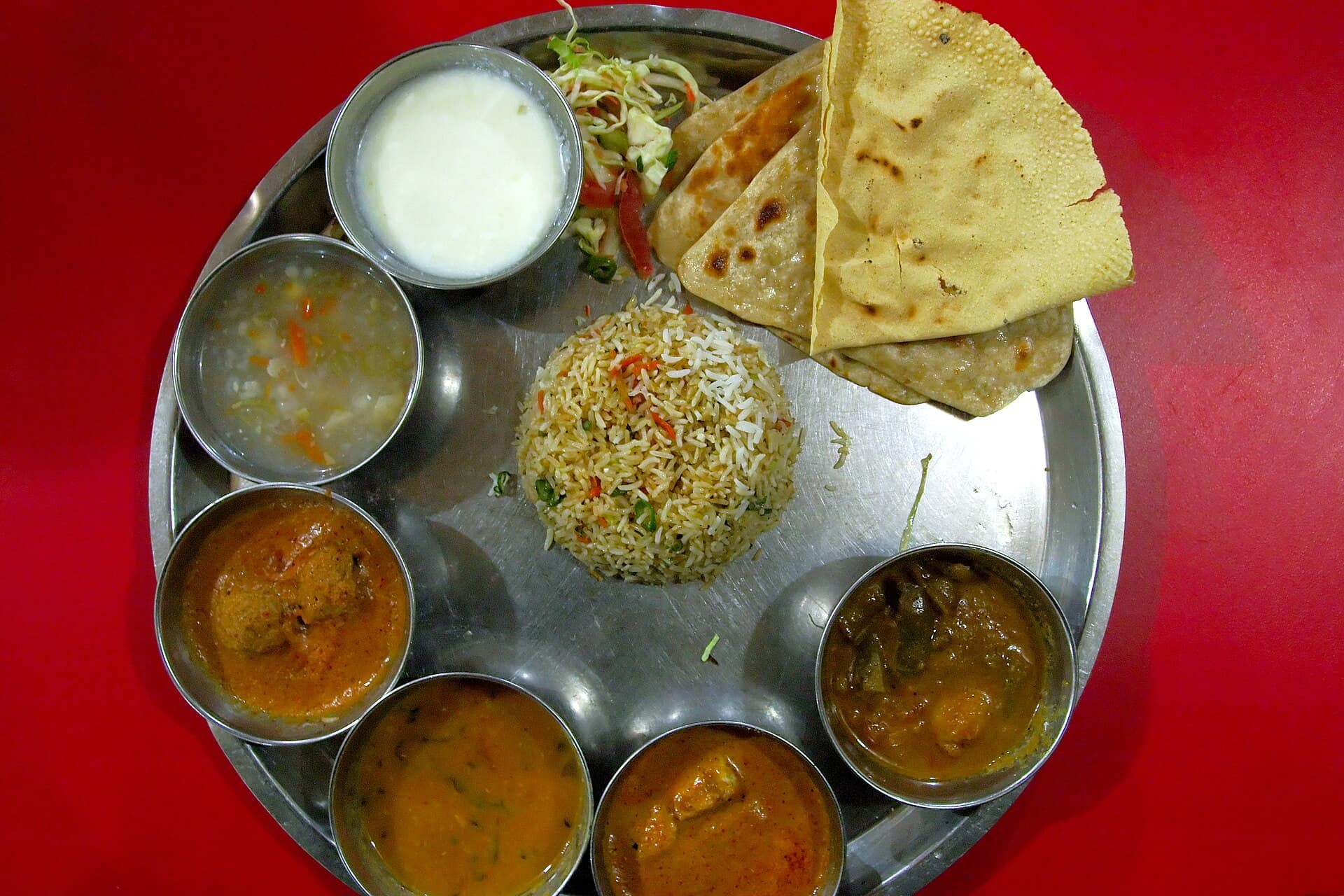
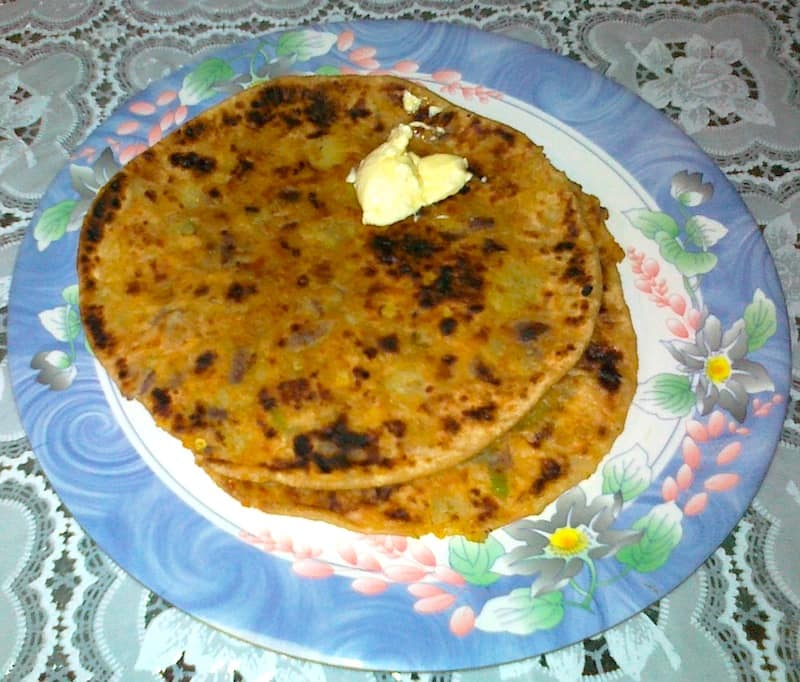
The food is a mix of plain Bihari cooking and Tibetan cafés. Try litti chokha for lunch and thukpa on a cold evening. See where to eat for places near the temple.
Questions
Bodh Gaya — FAQ
Can non-Buddhists enter the Mahabodhi Temple?
Yes. The temple is open to visitors of every faith. Dress modestly, take off your shoes and keep your voice down, as people are meditating.
Is Bodh Gaya the same as Gaya?
No. Gaya is the larger Hindu pilgrimage city with the railway station. Bodh Gaya is a separate town about 15 km south, built around the Mahabodhi Temple.
How many days do I need in Bodh Gaya?
One full day covers the temple, the Great Buddha Statue and a few monasteries. Give it two if you want Dungeshwari, Sujata Stupa and an evening back at the temple.
Can I combine Bodh Gaya with Rajgir and Nalanda?
Yes. Many visitors do Bodh Gaya, Rajgir and Nalanda as one trip, since they sit on the same Buddhist circuit in southern Bihar. Allow a night in Rajgir if you can.
Is Bodh Gaya safe to visit?
It is a calm pilgrim town, and security at the temple is tight, with metal detectors at the gate. Use the usual care with bags in crowds, and agree rickshaw fares before you set off.