
Karnataka · India
Hampi
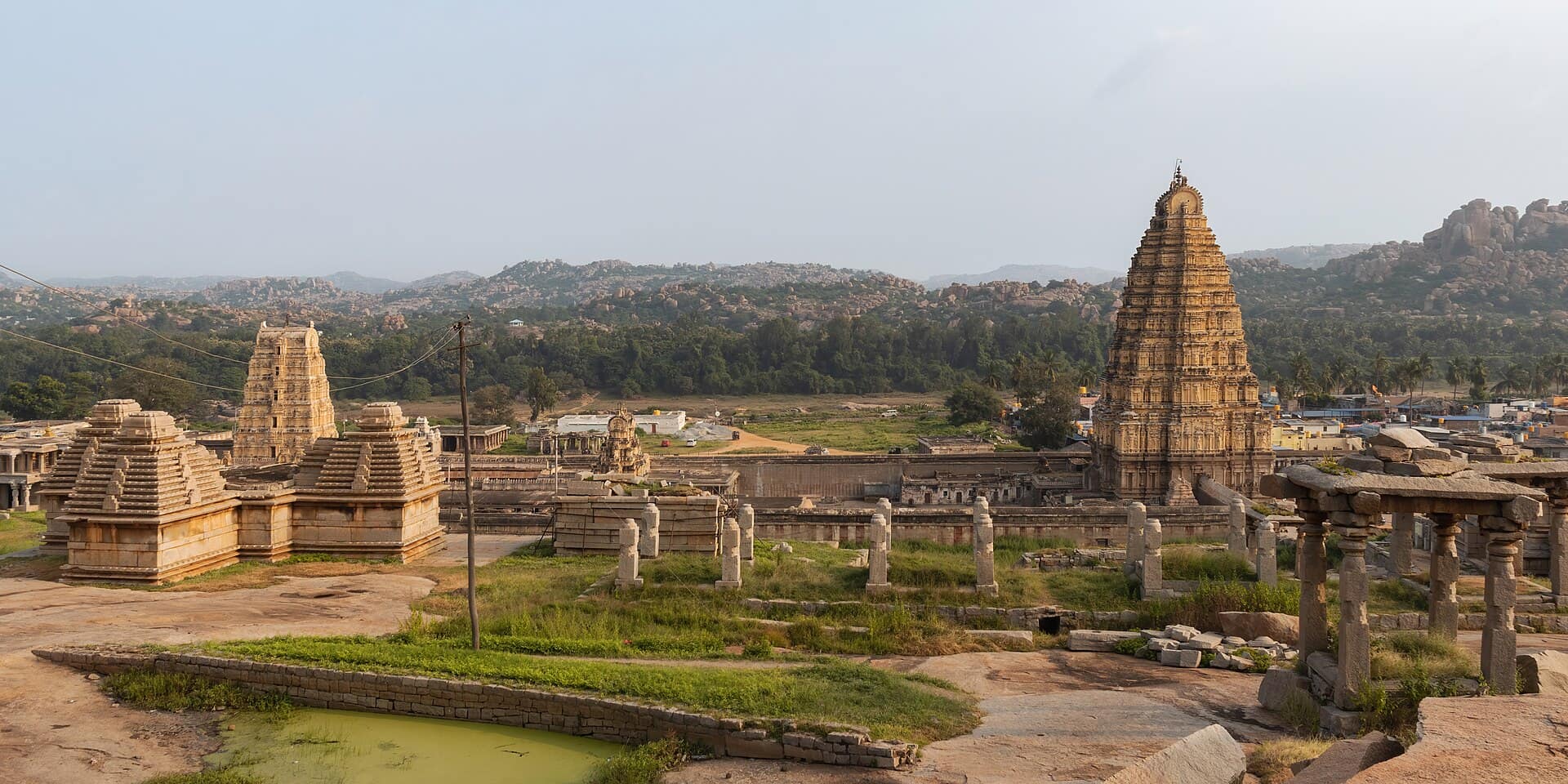
A surreal UNESCO landscape of Vijayanagara ruins scattered among giant boulders and paddy fields on the Tungabhadra — a photographer's dream.
Hampi's ruins span temples, bazaars and royal enclosures of the 14th–16th-century Vijayanagara empire; the vibe is laid-back and backpacker-South Indian.
Plan your trip
Hampi Tour Itineraries
Timed, walkable day plans — plus the best season to go.
Where to shoot
Hampi Photo Spots
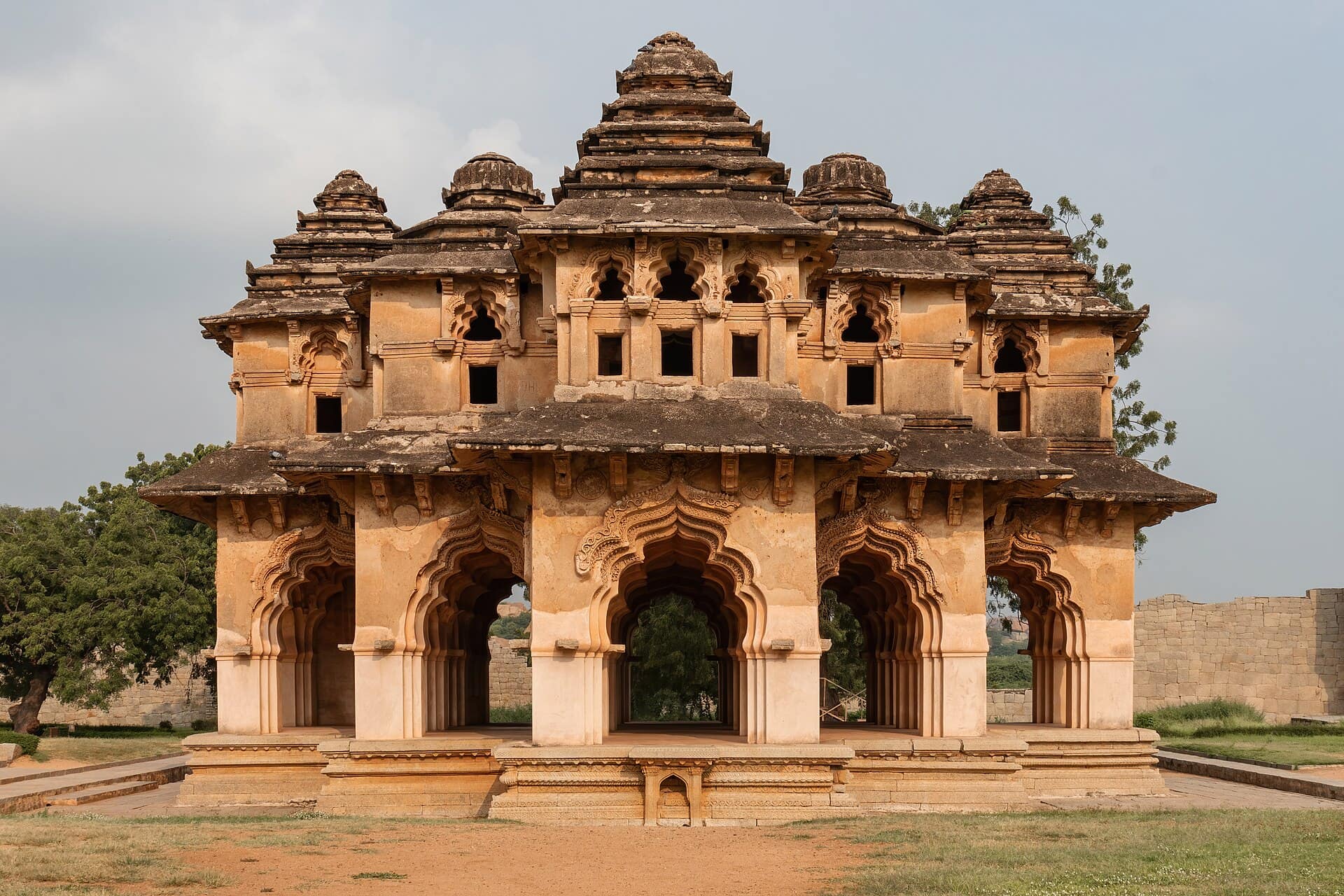 Medium crowd
Entry ₹40 (Indian) / ₹600 (foreign, combined)
Lotus Mahal
- Best timeMorning, when soft side light shows the shape of the arches and the enclosure is still quiet.
- ColorsWhiteSageTerracotta
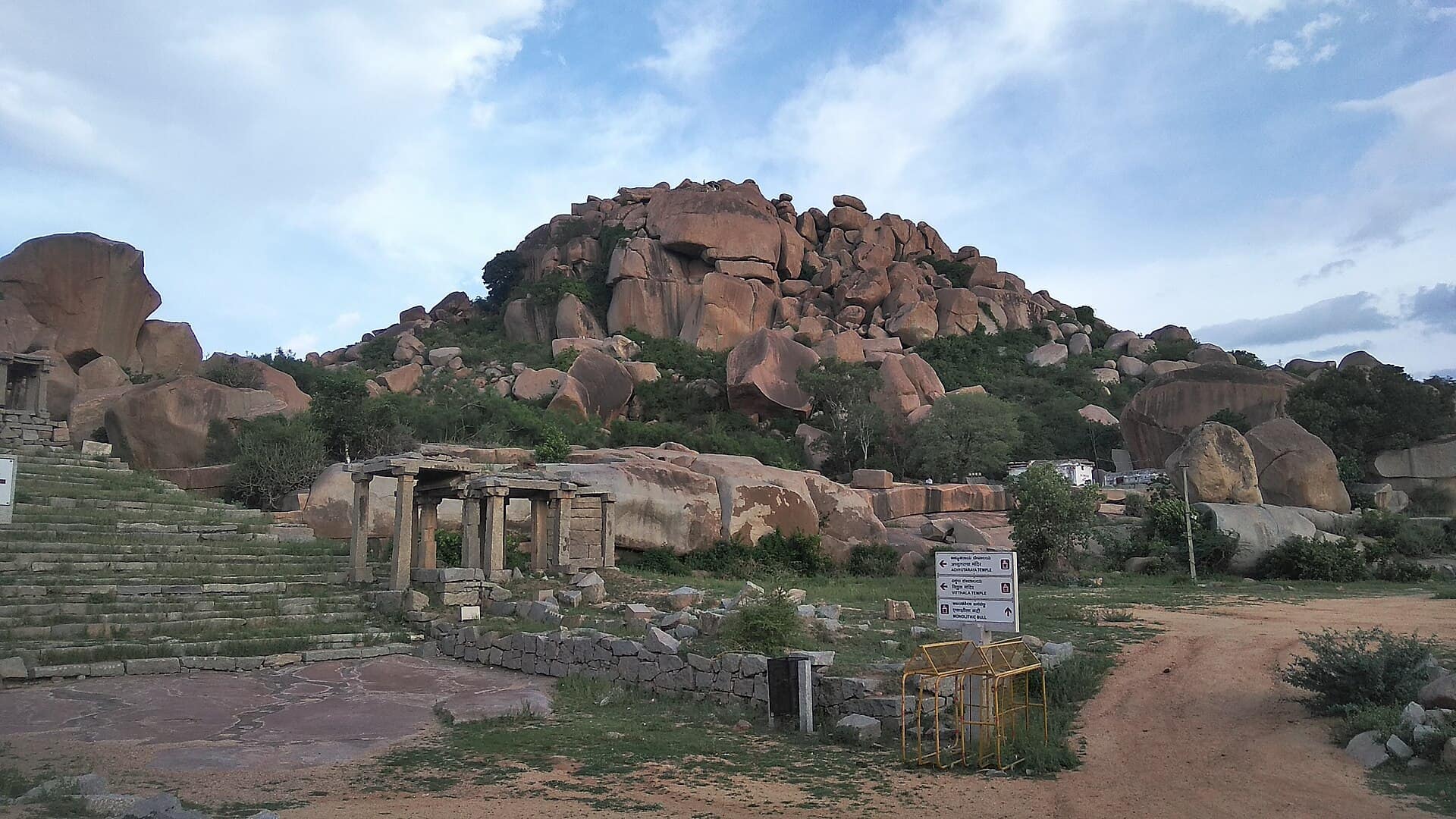 Medium crowd
Entry Free
Matanga Hill
- Best timeSunrise, when first light spreads over the boulders and temple towers; sunset for a warm glow across the ruins.
- ColorsEarth tonesRustWhite
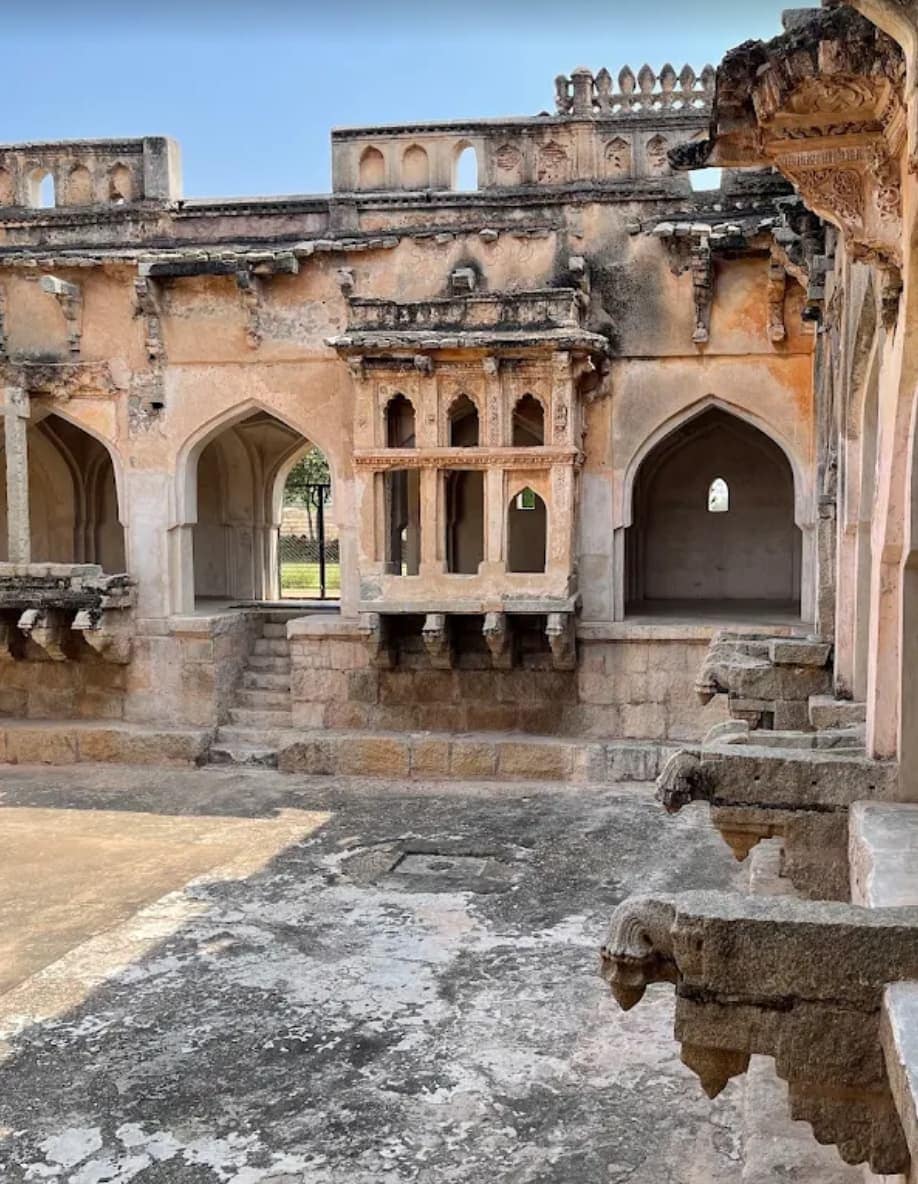 Low crowd
Entry Free
Queen's Bath
- Best timeLate morning to midday, when the sun reaches down into the open pool and lights up the arches around it.
- ColorsEarth tonesWhiteRust
 High crowd
Entry Free (small camera fee)
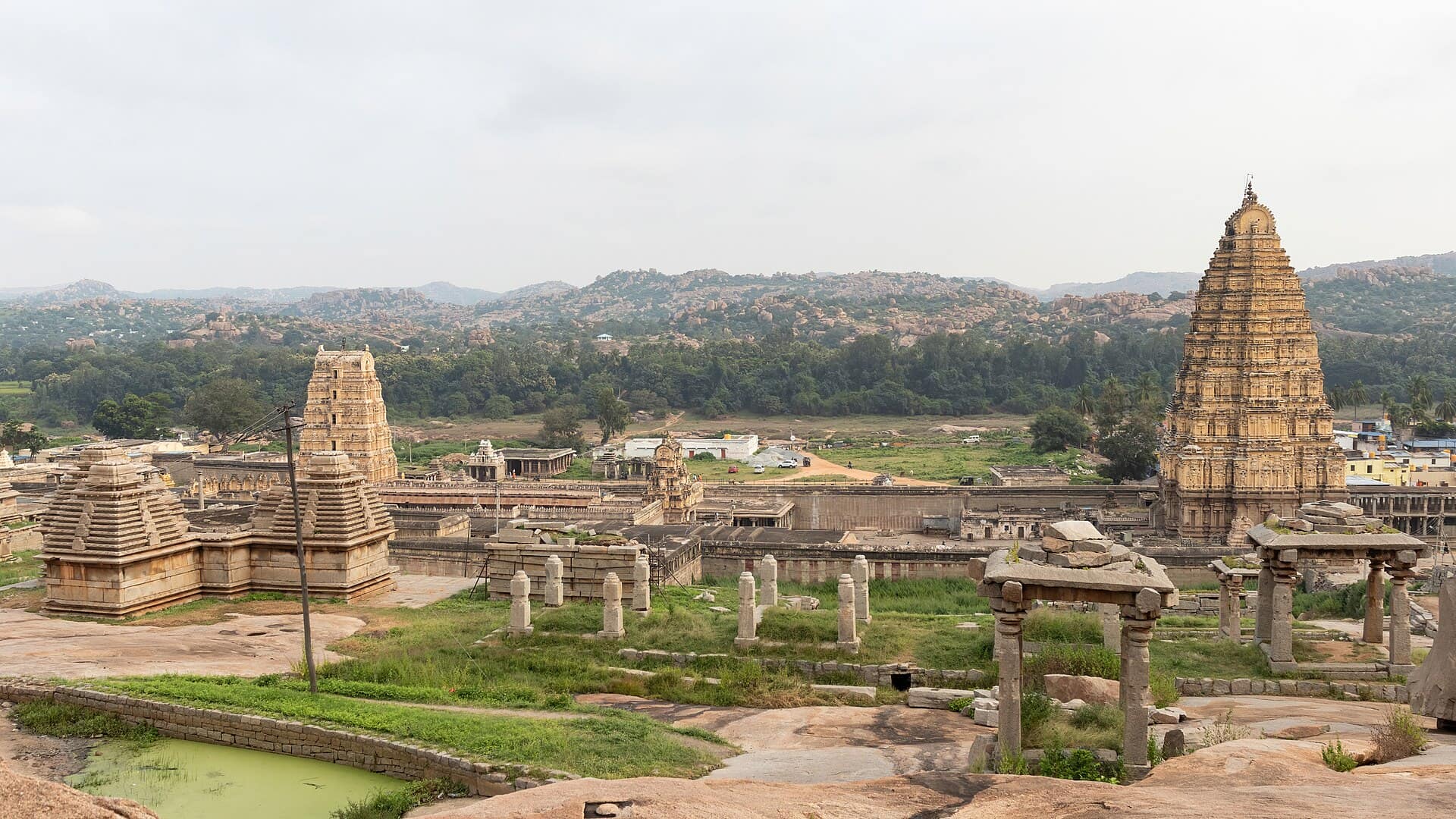
Virupaksha Temple
- Best timeEarly morning, when the sun lights the gopuram and the bazaar is still quiet; late afternoon from Hemakuta Hill for warm light.
- ColorsOchreSaffronWhite
 High crowd
Entry ₹40 (Indian) / ₹600 (foreign, combined)
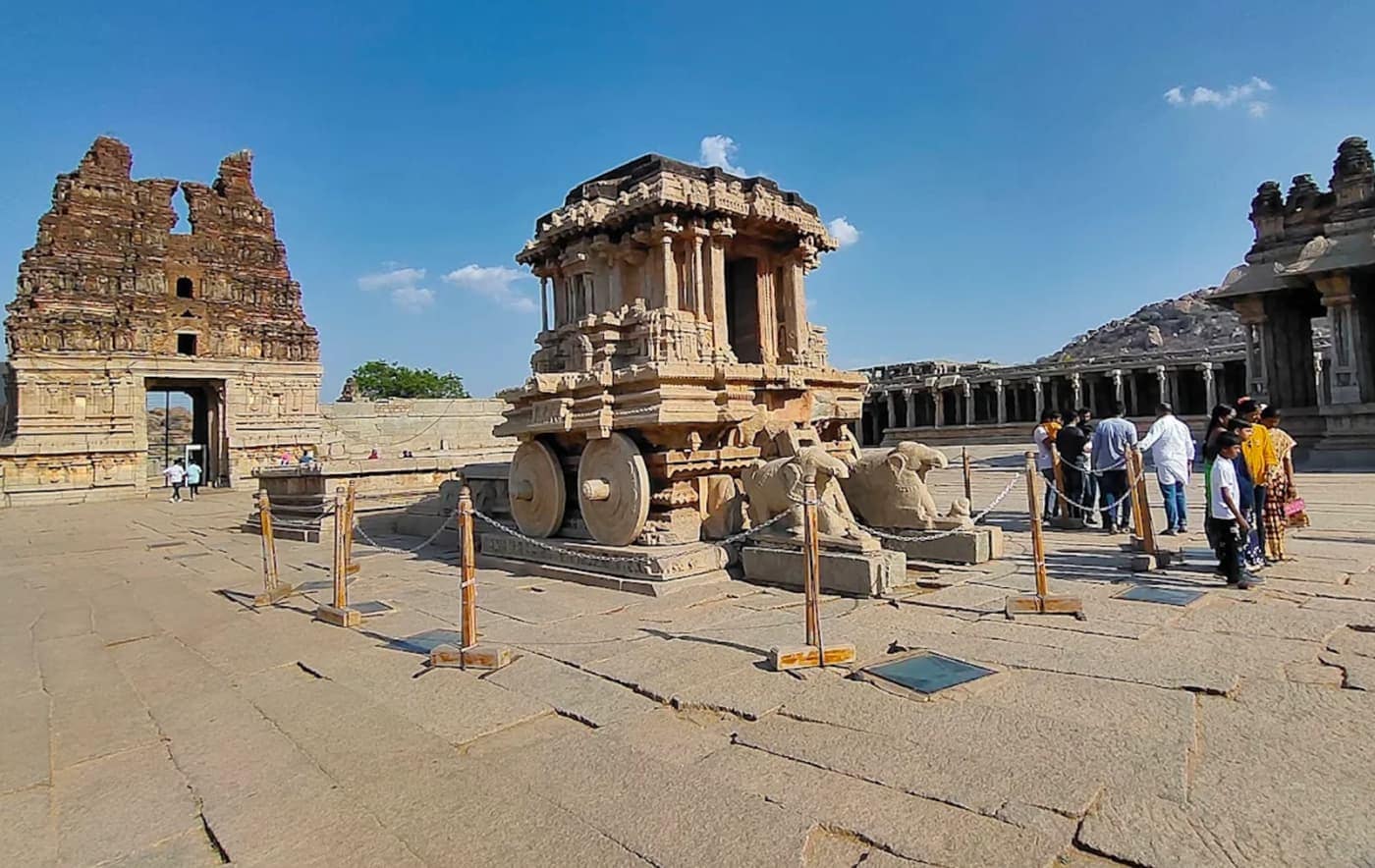
Vittala Temple
- Best timeMorning at opening time, before tour groups fill the courtyard; late afternoon for warmer light on the stone chariot.
- ColorsOchreWhiteIndigo
For the feed
Trending Wear in Hampi
Modern, Instagram-friendly looks


Rooted in the city
Hampi Traditional Wear
Local, cultural, handcrafted outfits
Before you go
Temples in Hampi
Darshan hours, dress codes and what gets refused at the gate
Taste the city
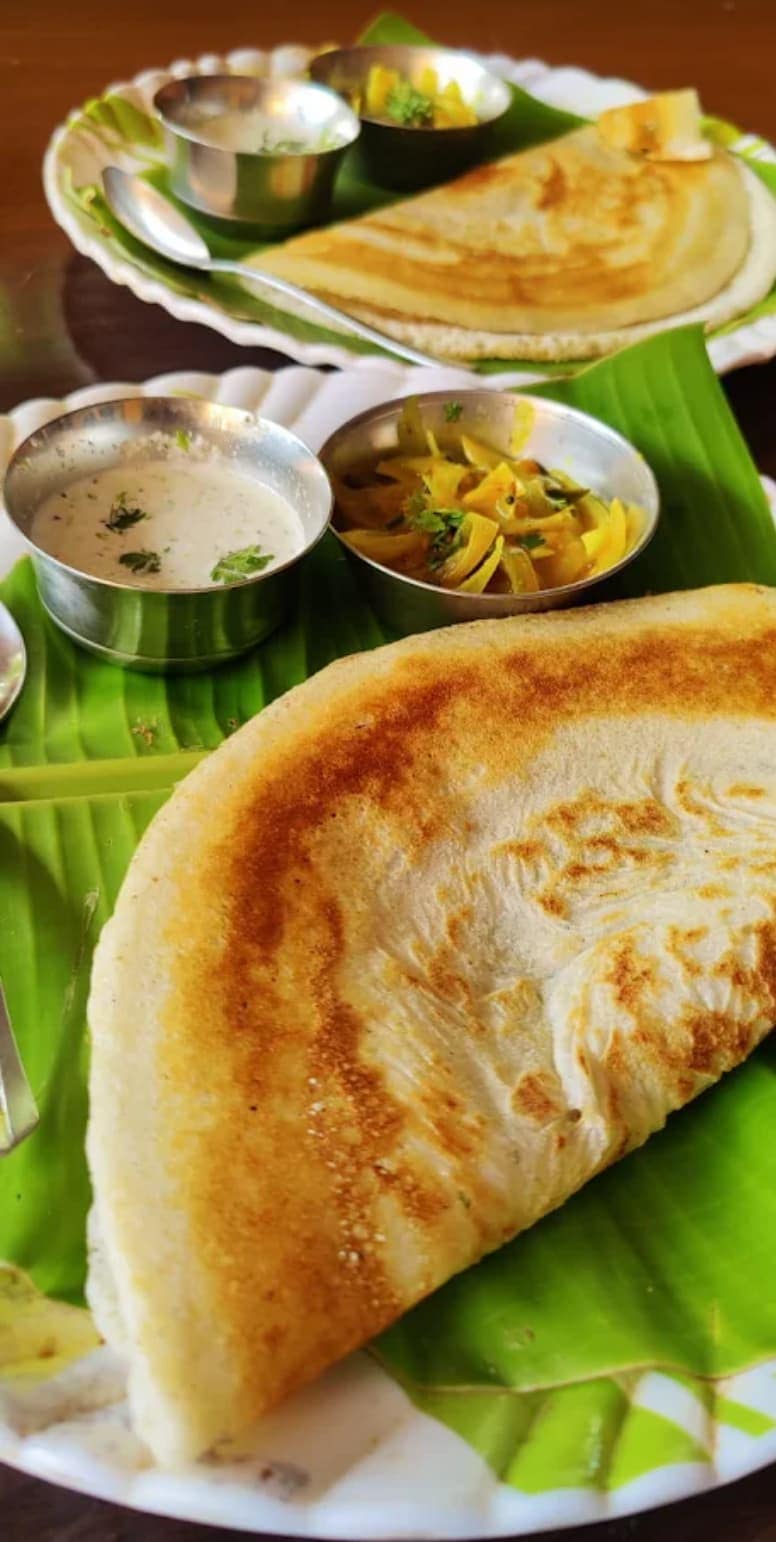
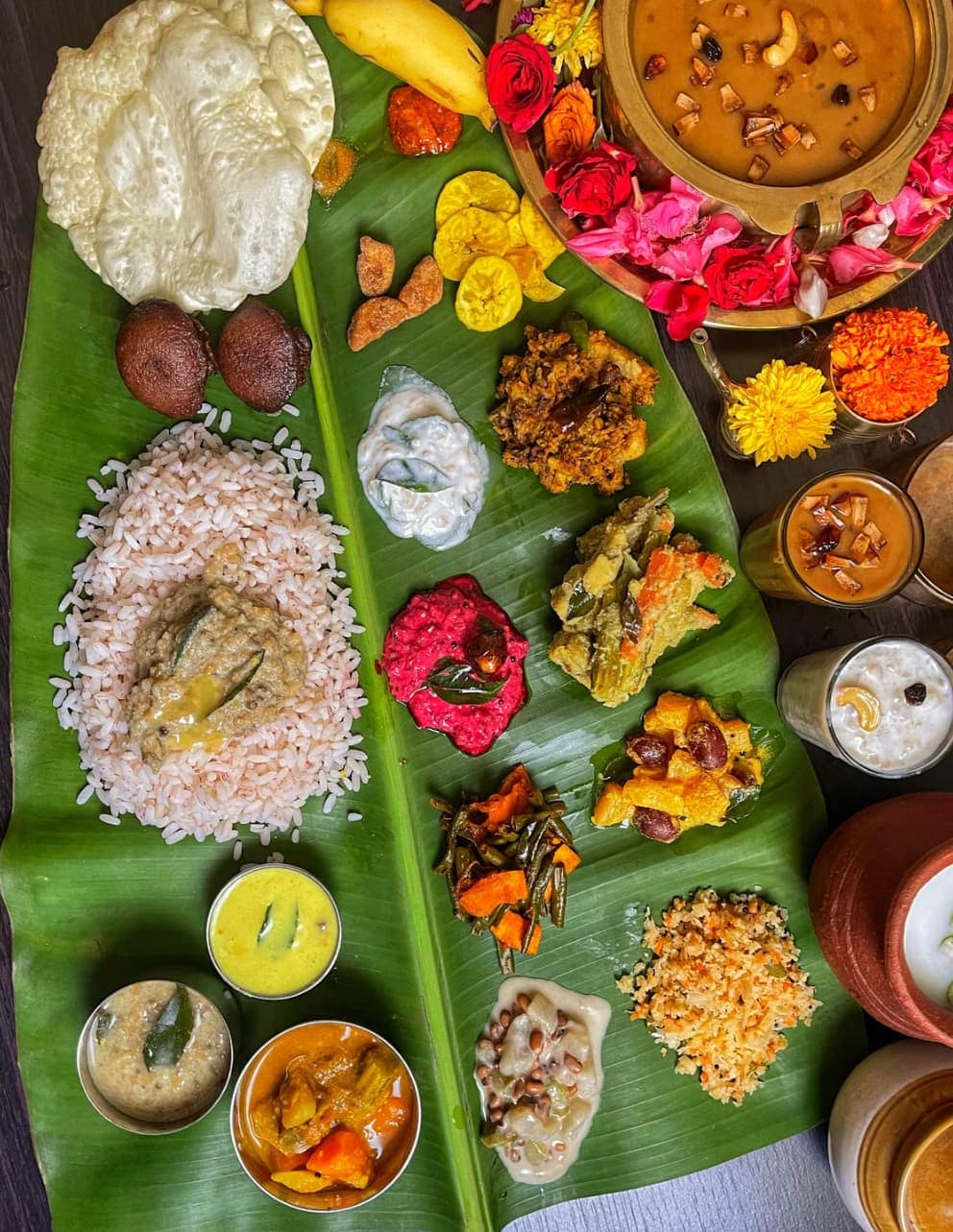
Food to Eat in Hampi

Trusted tables
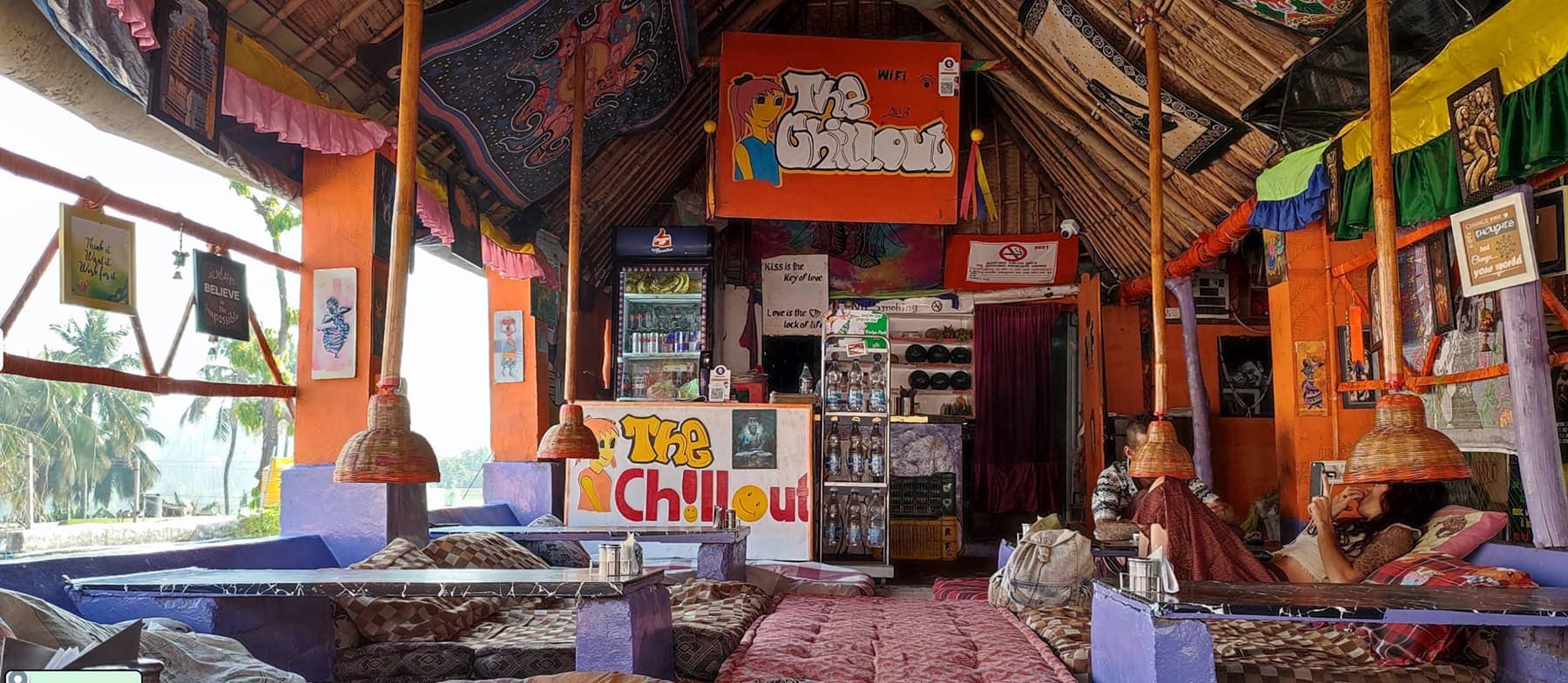
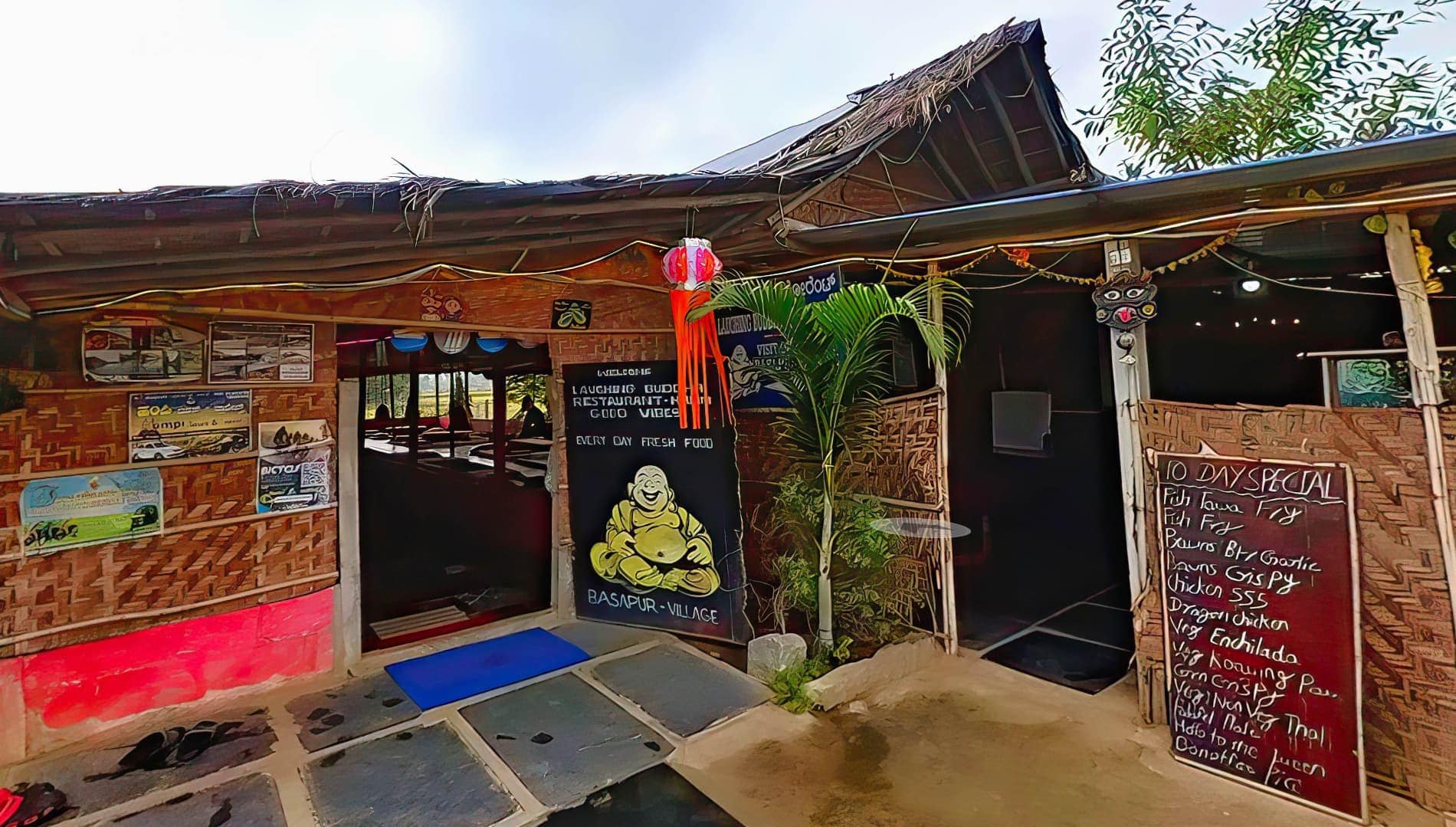
Where to Eat in Hampi
About Hampi
Hampi, in central Karnataka, was the capital of the Vijayanagara empire from the 14th to the 16th century, and its ruins are now protected as the Group of Monuments at Hampi, a UNESCO World Heritage Site. Temples, royal baths, pavilions and old market streets are spread across a wide landscape of granite boulders, banana plantations and paddy fields along the Tungabhadra river.
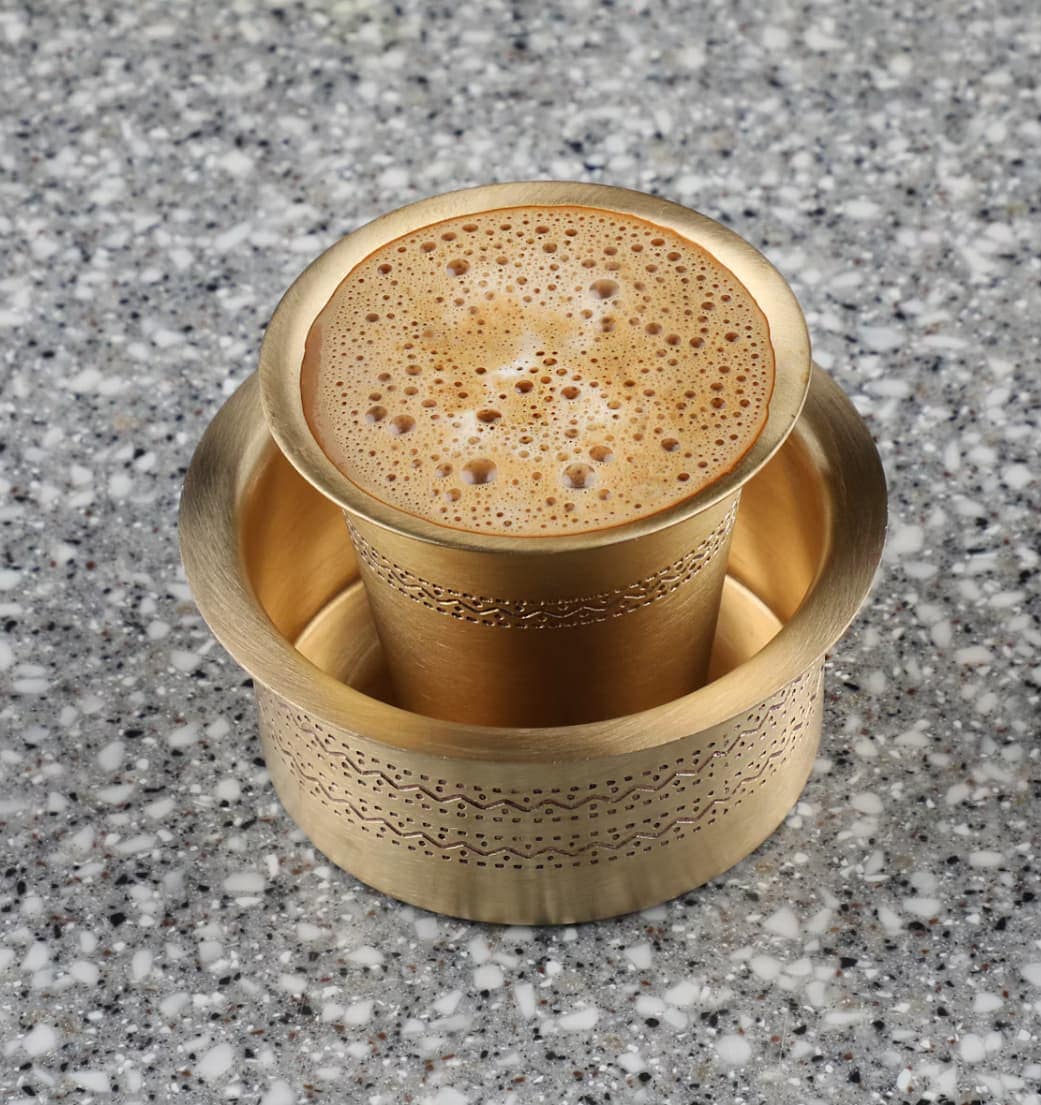
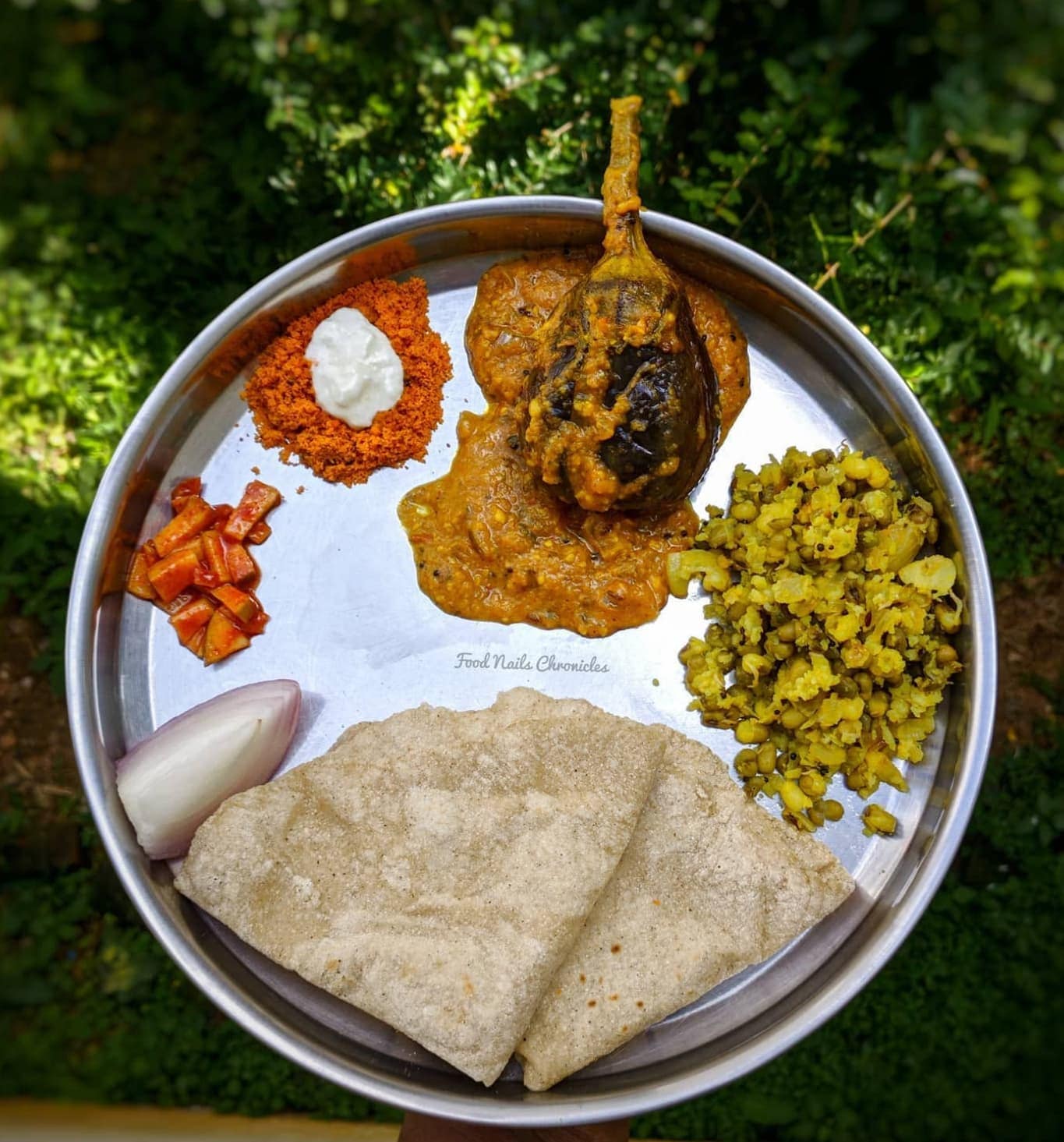
The site is too big to see on foot in one go, so most visitors split it into two areas: the Sacred Centre around Virupaksha Temple, Hampi Bazaar and the river, and the Royal Centre with Lotus Mahal, the Elephant Stables and Queen's Bath. Start early, rest through the hot afternoon, and finish on a hilltop such as Matanga Hill or Hemakuta Hill for sunset. Food here is simple and vegetarian, from masala dosa and filter coffee in the morning to a jolada rotti meal at lunch.
Questions
Hampi — FAQ
What is Hampi famous for?
Hampi is famous for the ruins of the Vijayanagara empire, a UNESCO World Heritage Site. The best-known sights are the stone chariot at Vittala Temple, the still-active Virupaksha Temple, Lotus Mahal and the boulder landscape along the Tungabhadra river.
How many days are enough for Hampi?
2–3 days is enough for the Sacred Centre, the Royal Centre and Vittala Temple, with a sunrise or sunset from a hilltop. Add a day if you want to cross the river to Virupapur Gaddi and Anegundi.
What is the best time to visit Hampi?
October to February is the most comfortable time, with dry weather and cooler mornings. April and May are very hot, and the monsoon months bring rain and can stop the river crossings. See the best time to visit Hampi for a month-by-month guide.
How do I reach Hampi?
The nearest railway station is Hosapete (Hospet), about 13 km away, with buses and autos to Hampi. The closest airport is Jindal Vijayanagar near Toranagallu, about 40 km away, but it has few flights. Many visitors fly to Hubballi or Bengaluru and continue by train or road.
How do I get around the ruins in Hampi?
The ruins are spread over several kilometres, so most visitors hire an auto for the day, rent a bicycle or scooter, or walk between nearby groups of monuments. The riverside path from Hampi Bazaar to Vittala Temple is a good walk in the cool morning.