
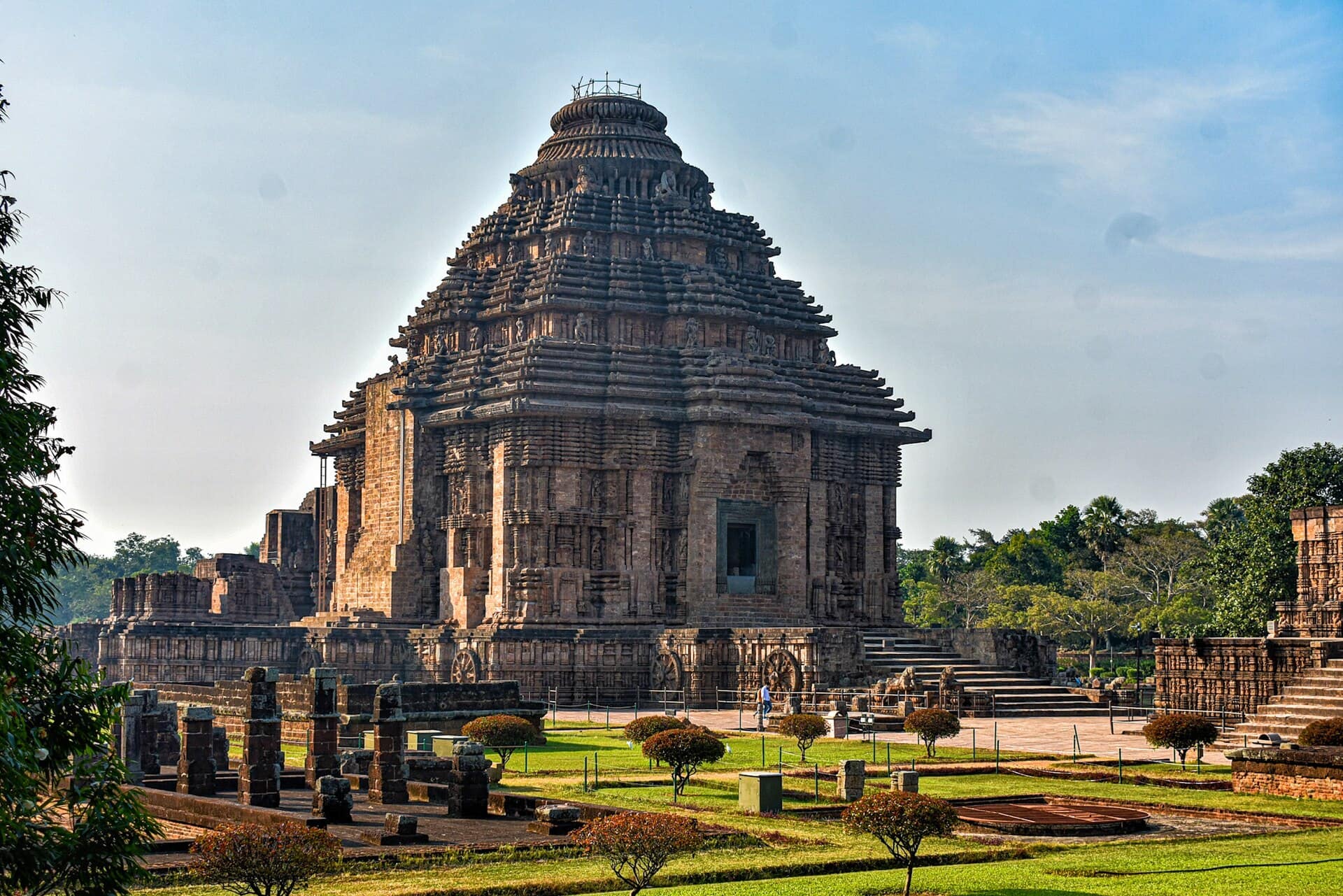
Odisha · India
Konark
A small coastal town holding one of India's greatest monuments — the 13th-century Sun Temple, a colossal stone chariot of the sun god Surya, a UNESCO World Heritage Site beside the golden Chandrabhaga beach.
Konark is temple-and-coast Odisha: the Sun Temple's chariot wheels and erotic-and-celestial carvings, the Chandrabhaga beach, the Konark Dance Festival, Odissi traditions, and Odia food.
Plan your trip
Konark Tour Itineraries
Timed, walkable day plans — plus the best season to go.
Where to shoot
Konark Photo Spots
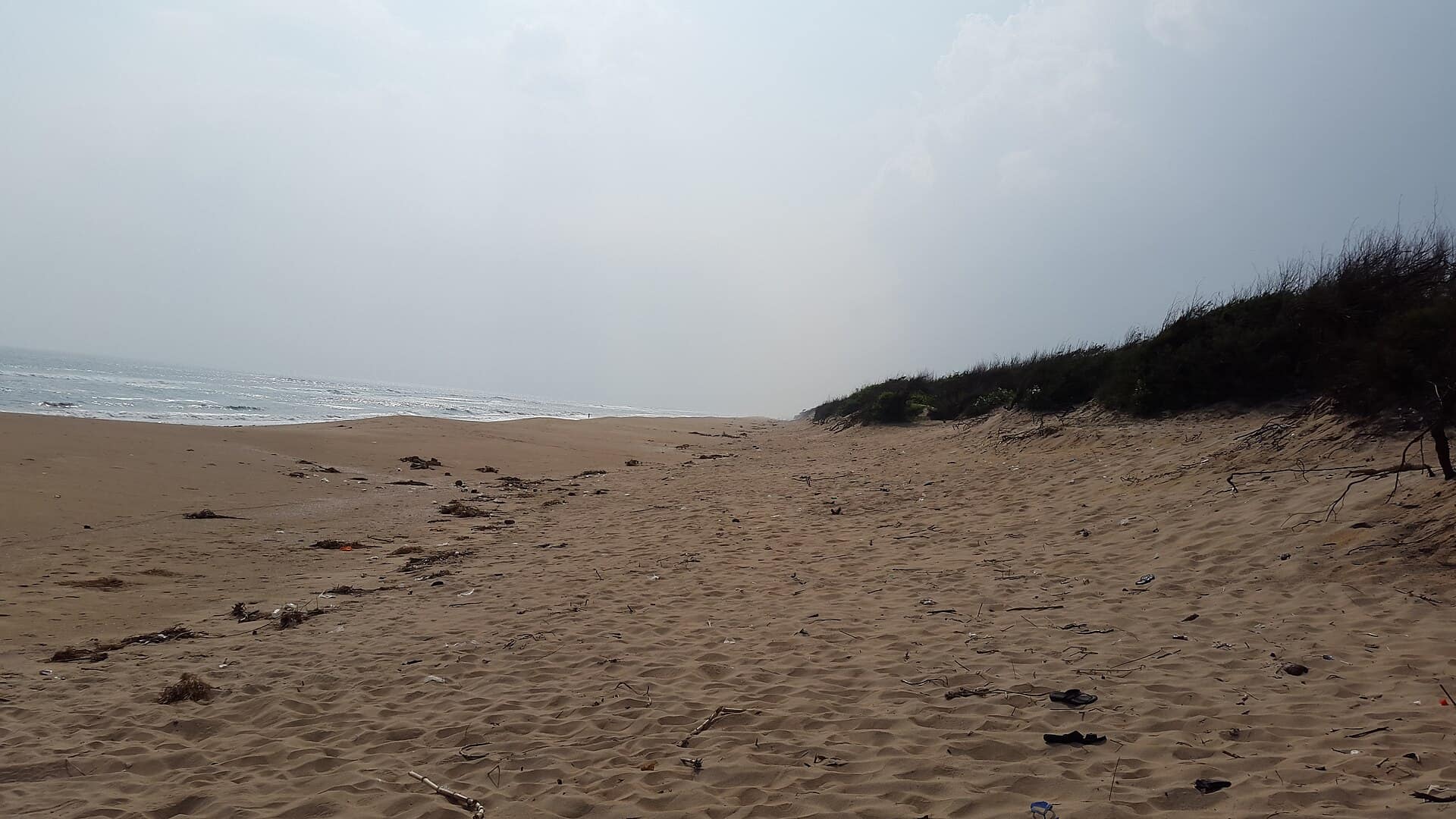 Medium crowd
Entry Free
Chandrabhaga Beach
- Best timeSunrise for the sun lifting out of the sea; early morning for fishing boats on the sand before the heat.
- ColorsWhiteCoralTeal
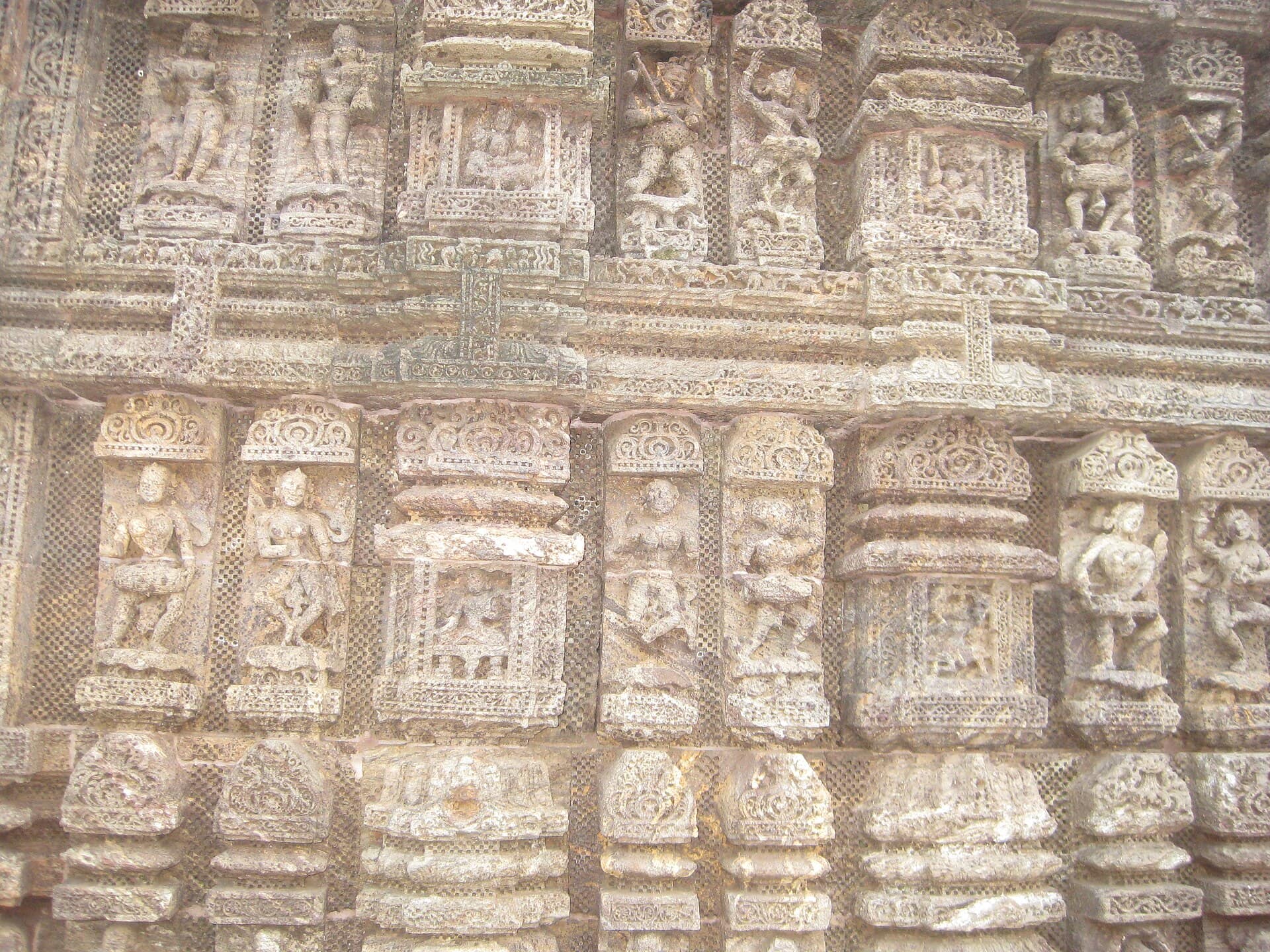 Low crowd
Entry Nominal
Konark ASI Museum
- Best timeMidday, when the galleries are quiet and the temple outside is too bright to shoot; ask first about photo rules.
- ColorsCreamOchreMaroon
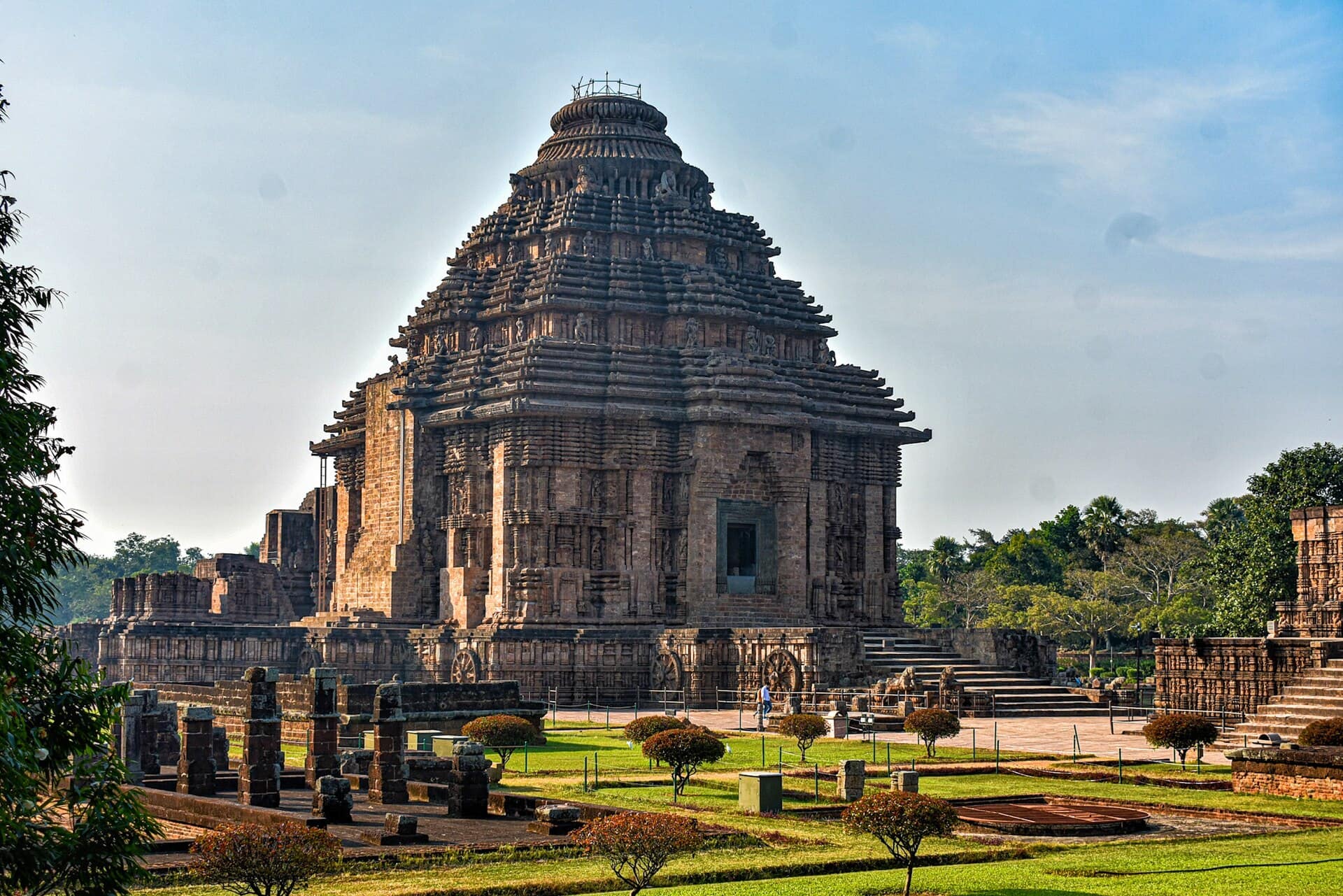 High crowd
Entry Ticketed (ASI)
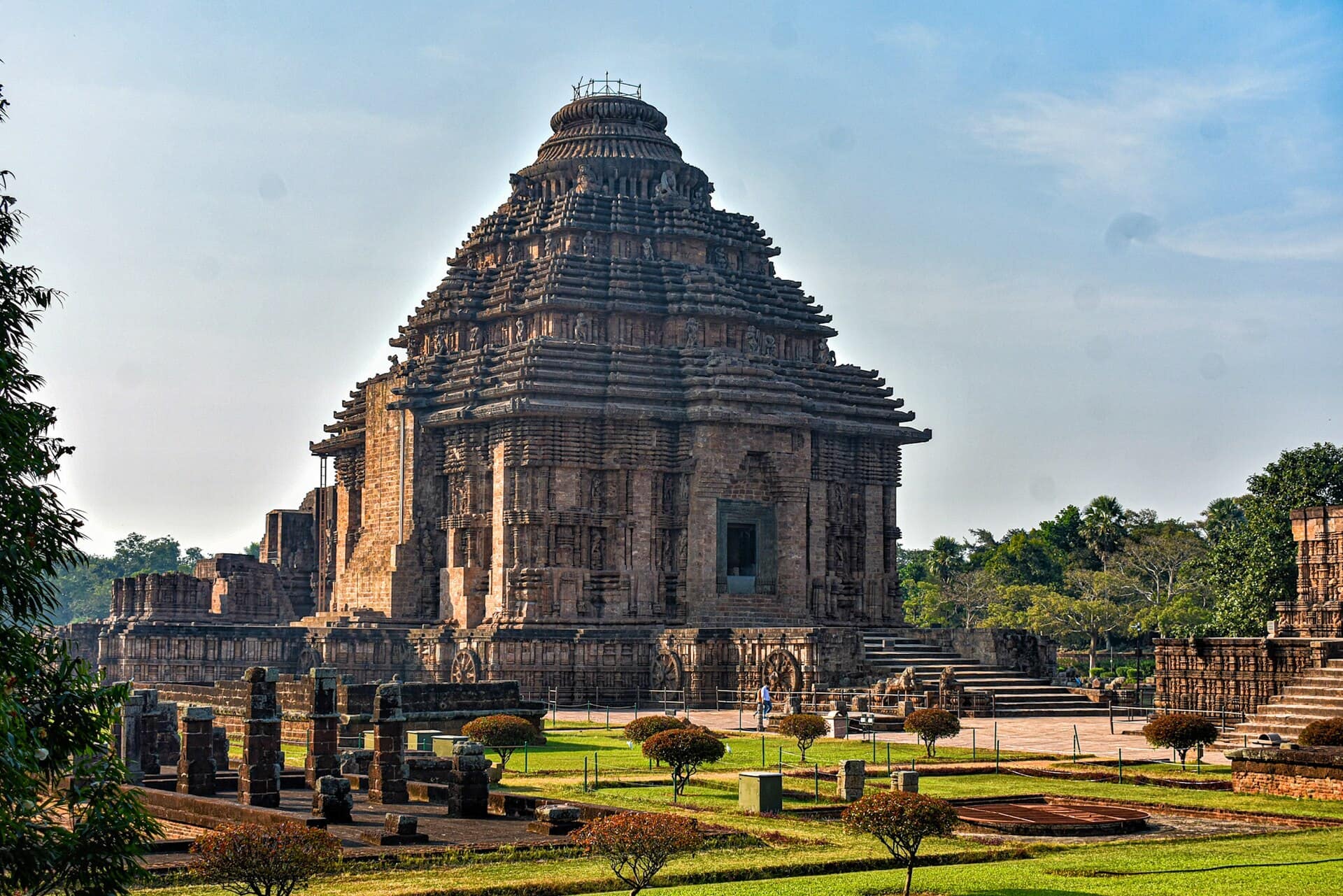
Konark Sun Temple
- Best timeEarly morning, when low sun lights the east front and the horses; late afternoon for warm tones on the west side.
- ColorsCreamMaroonOchre
 Low crowd
Entry Free
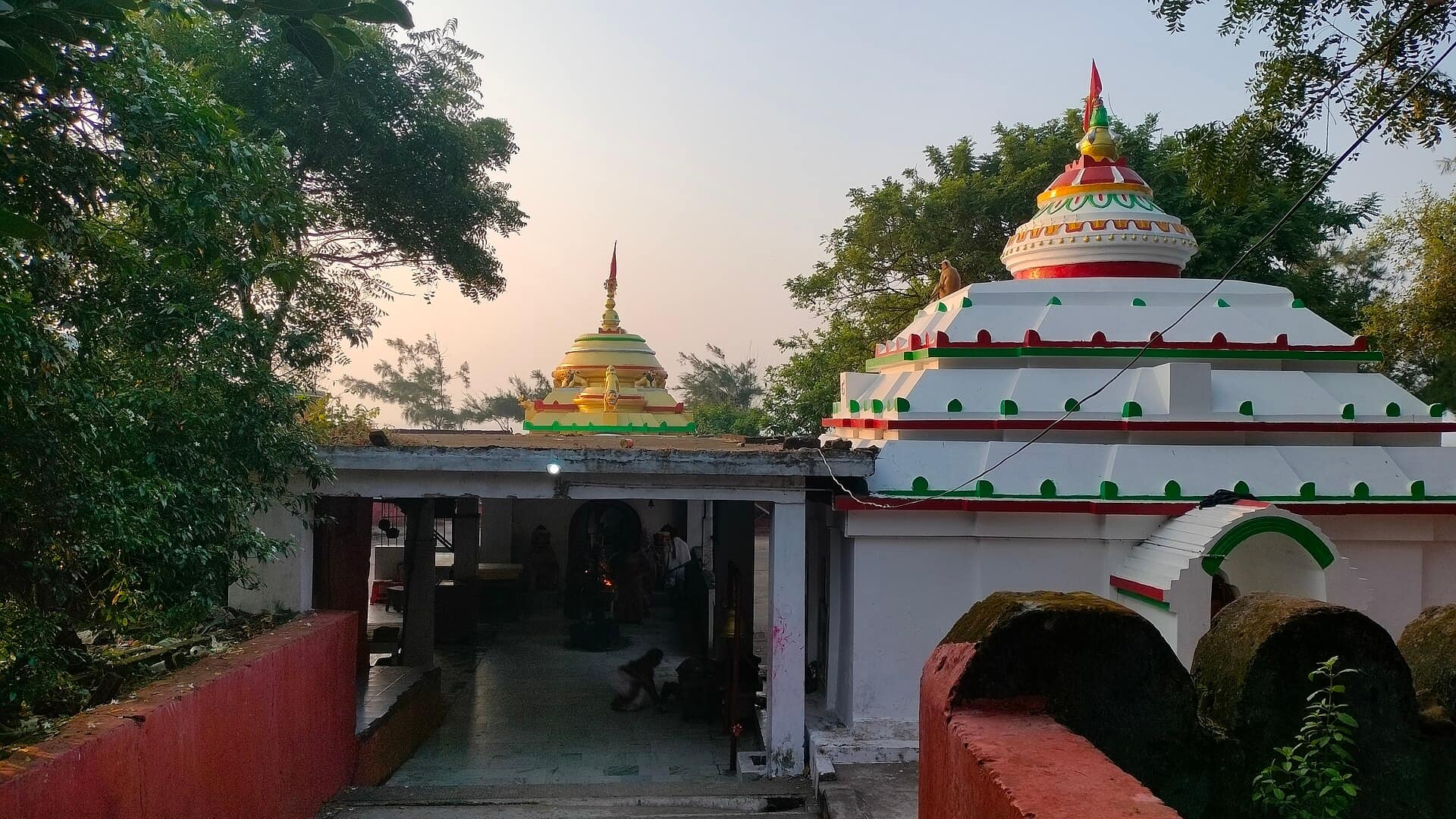
Ramchandi Temple
- Best timeAfternoon, when the sun lights the temple and the river mouth from the west; weekday mornings for an empty beach.
- ColorsSaffronCreamTeal
 High crowd
Entry Temple ticket
The Konark Wheel
- Best timeMorning for side light on the south wheels; late afternoon for a warm glow on the carved rims.
- ColorsCreamOchreMaroon
For the feed
Trending Wear in Konark
Modern, Instagram-friendly looks
Rooted in the city
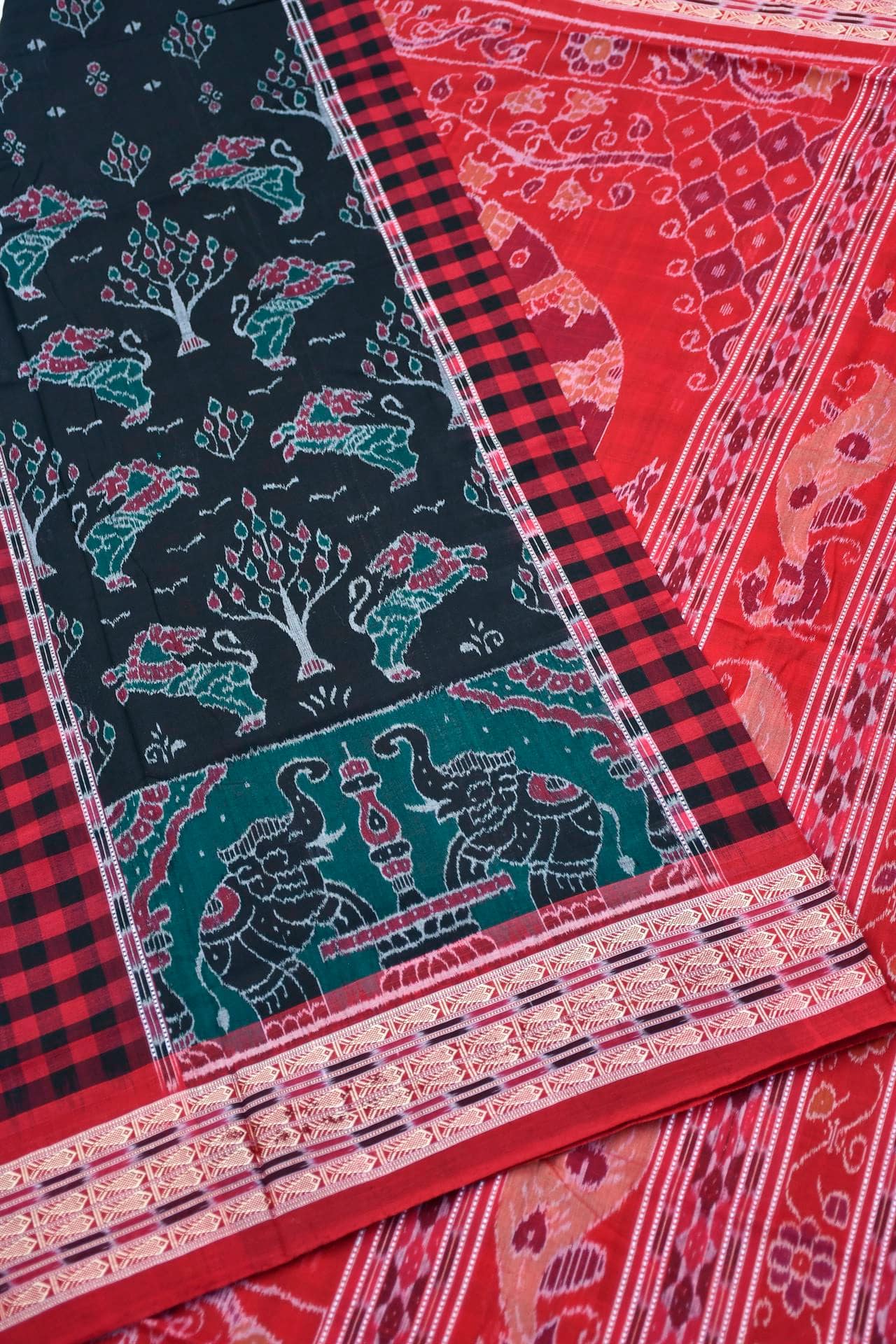
Konark Traditional Wear
Local, cultural, handcrafted outfits
Before you go
Temples in Konark
Darshan hours, dress codes and what gets refused at the gate
Taste the city
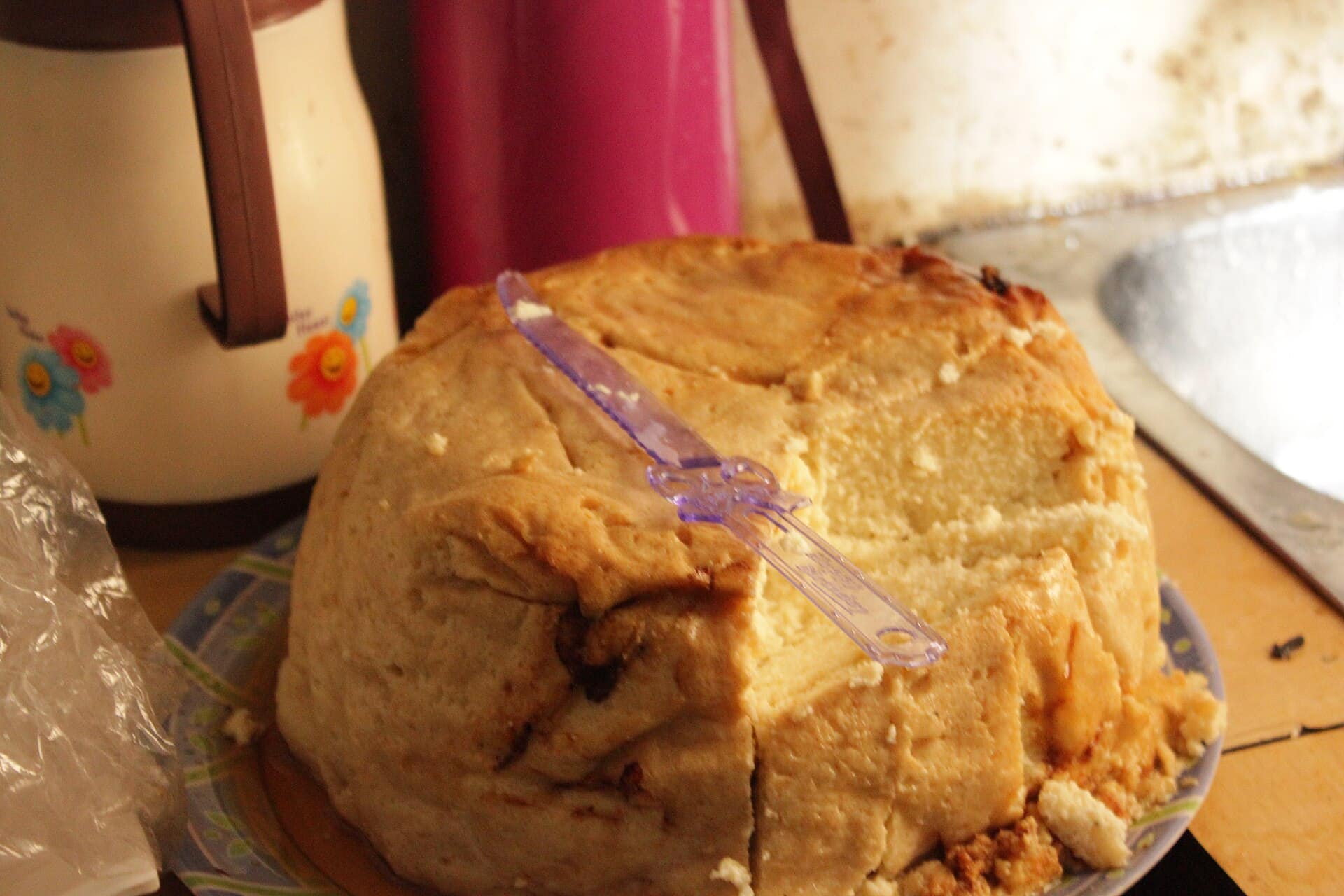
Food to Eat in Konark
Trusted tables
Where to Eat in Konark
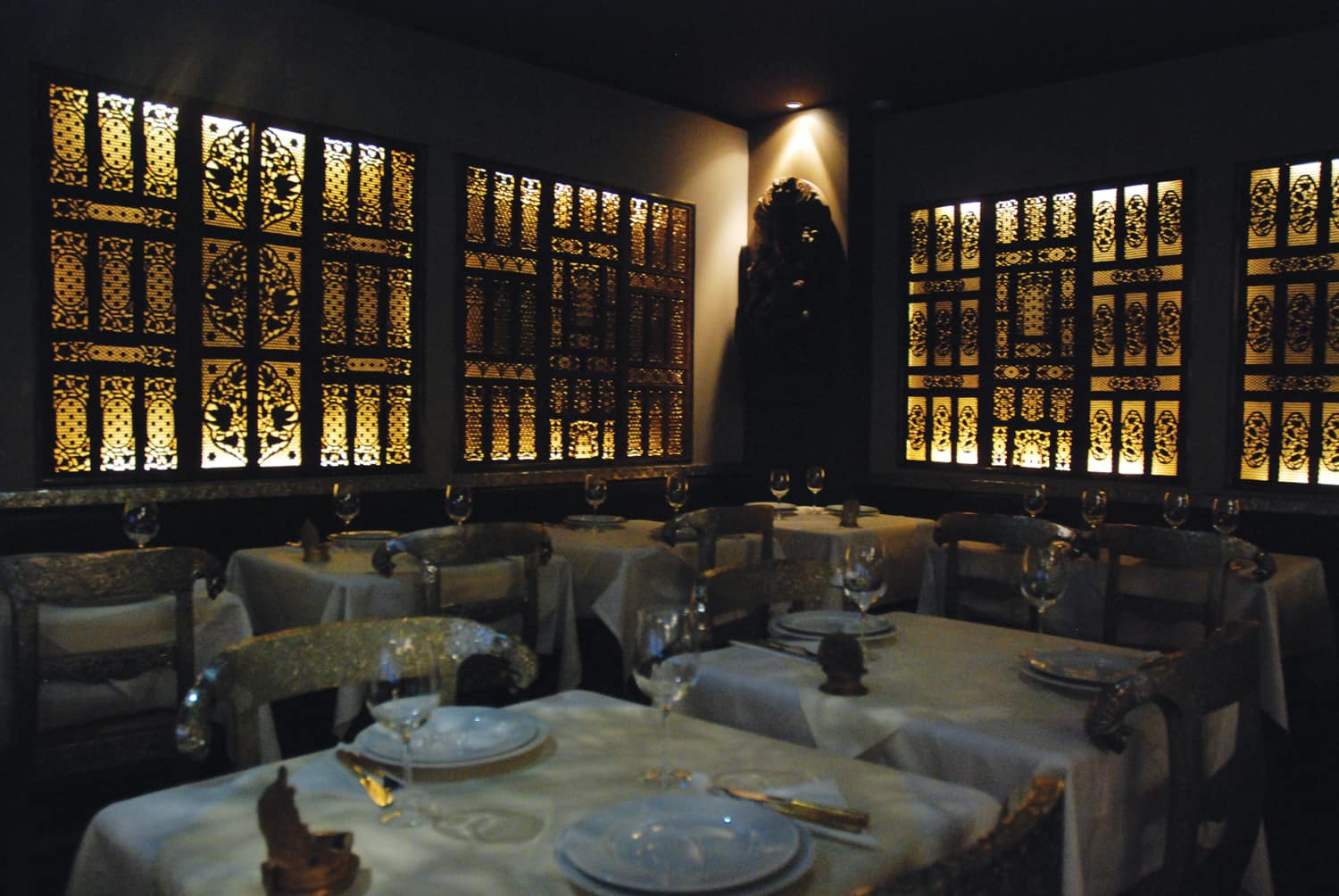 Representative photo
Chandrabhaga Beach Shacks
Chandrabhaga
Representative photoGeetanjali Restaurant
Konark
Representative photoOdia Sweet House
Konark
Representative photoSun Temple Hotel Restaurant
Konark
A village with a world monument
Konark is small: a few streets of guesthouses, stone-carving workshops and snack stalls around one of the greatest buildings in India. The Sun Temple was built around 1250 by King Narasimhadeva I of the Eastern Ganga dynasty as a chariot for Surya, the sun god, and it has been a UNESCO World Heritage Site since 1984. European sailors used its dark tower as a landmark and called it the Black Pagoda.
Why stay the night
Most people see Konark in a rushed half-day from Puri or Bhubaneswar and leave by lunch. Staying changes the visit. You can be at the gate when it opens, have the courtyard almost to yourself, rest through the heat, and come back for the evening light and sound show. Sunrise at Chandrabhaga beach, about 3 km away, is quieter than anything in Puri.
What is there to see
- The temple: 24 carved wheels, seven stone horses and walls covered with dancers, musicians, animals and couples. The main tower fell long ago; the great audience hall still stands.
- The wheels: several work as sundials, and the design is on the brown 10-rupee note.
- The ASI museum: sculptures that fell from the temple, seen up close. Closed on Fridays.
- Ramchandi: a goddess temple where a river meets the sea, about 7 km towards Puri.
Work in progress
In 2026 the Archaeological Survey of India began removing the sand that British engineers packed into the audience hall in 1903 to stop it collapsing. Expect scaffolding on part of the structure, and check whether any new areas have opened.
Food
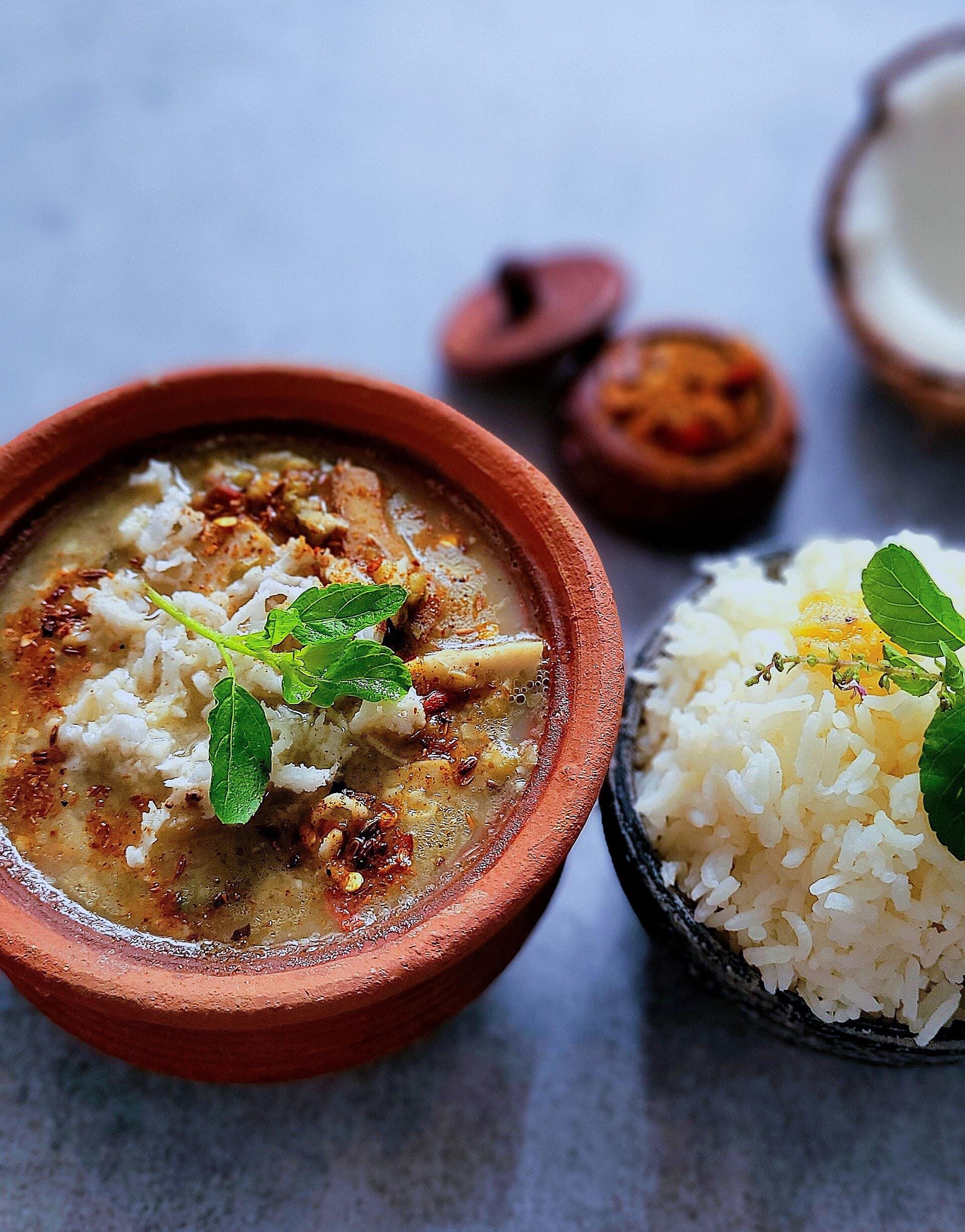
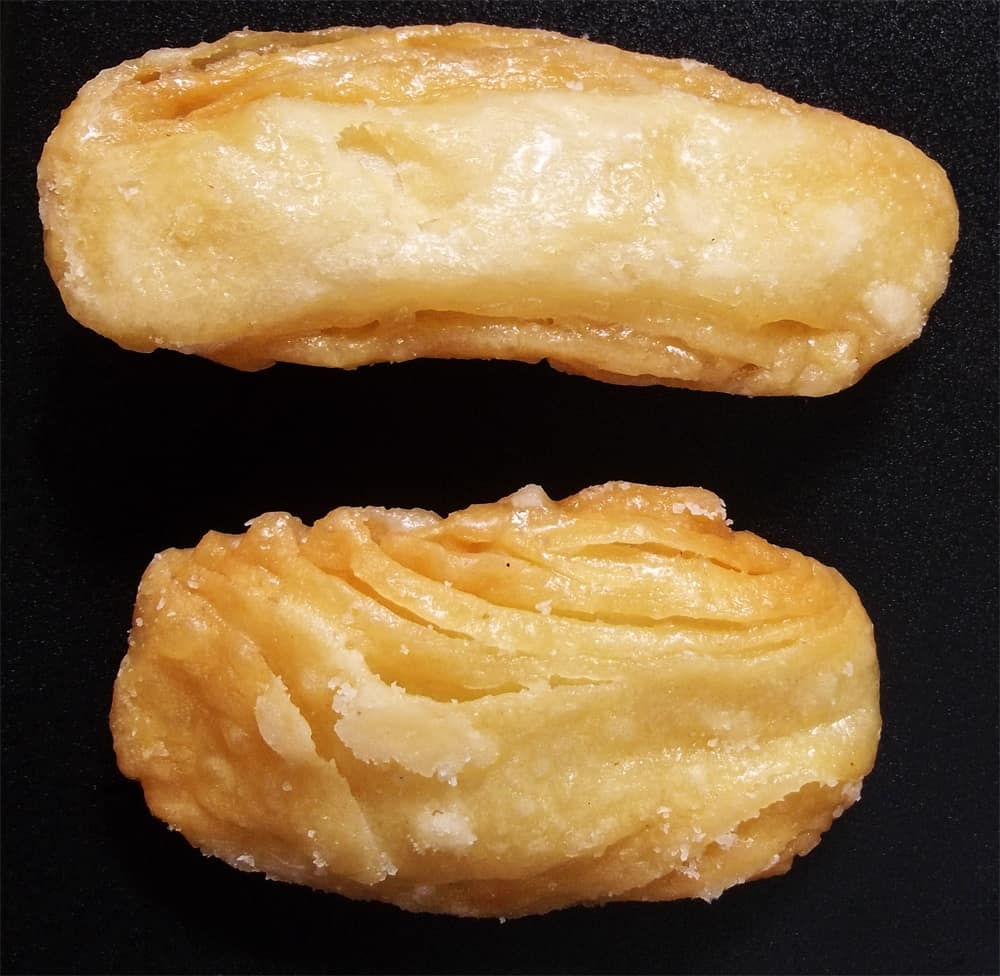
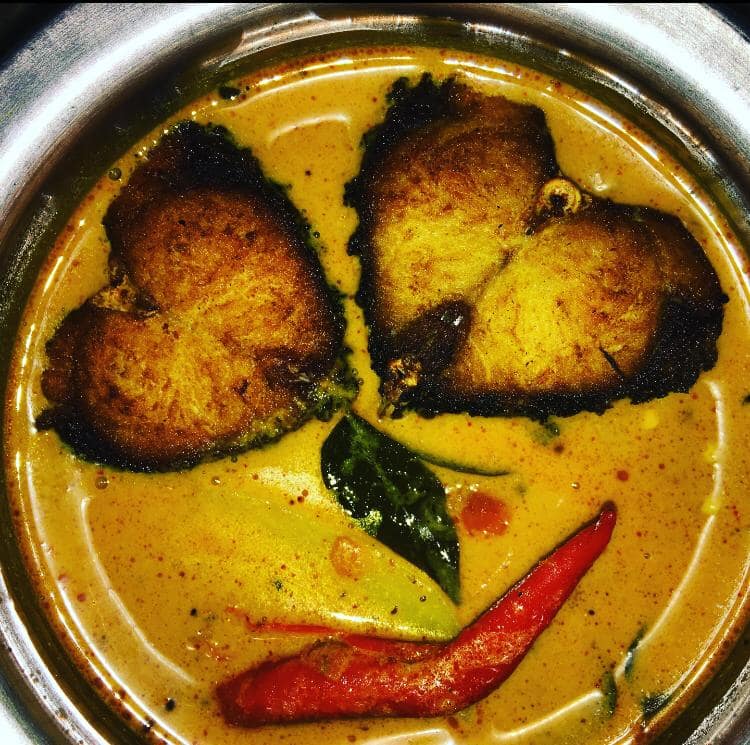
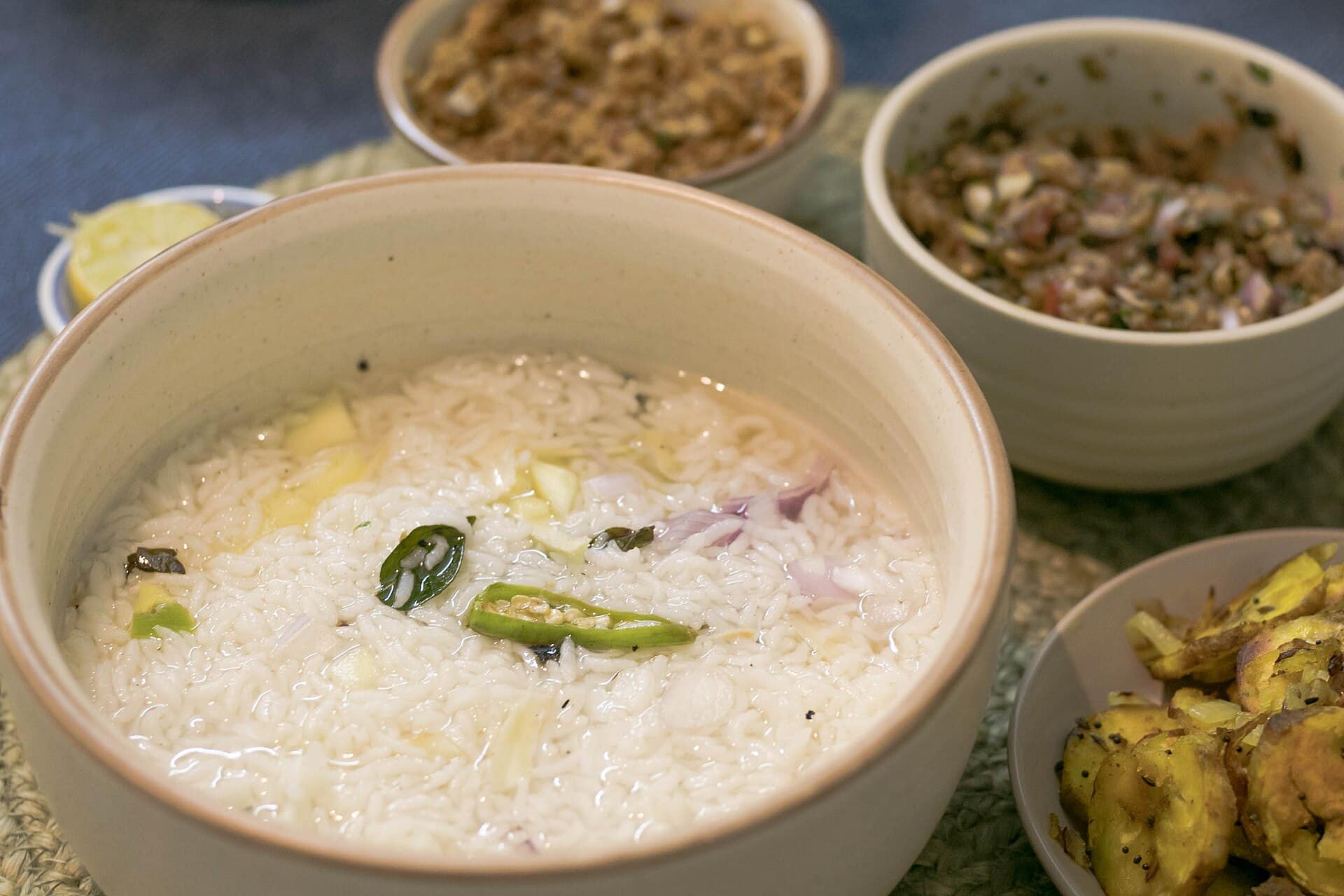
Konark eats simply. Geetanjali near the temple does Odia thalis with dalma and fish. Odia Sweet House sells chhena poda and khaja. The shacks at Chandrabhaga cook fish curry by the sea.
Seasons and festivals
November to February is the time to come. The Konark Festival of classical dance runs from 1 to 5 December, with an international sand art contest on Chandrabhaga beach the same week. On Magha Saptami, in January or February, pilgrims bathe at Chandrabhaga at dawn. The monsoon usually arrives by mid-June, and October and November can bring cyclone warnings.
Questions
Konark — FAQ
Is it worth staying overnight in Konark?
Yes, if you want the temple at opening time without crowds, the evening light and sound show and a quiet sunrise at Chandrabhaga. Half a day is enough only for a quick look.
Is the Konark Sun Temple still a working temple?
No. There is no worship in the main temple, which is a protected monument run by the ASI. Ramchandi, nearby, is a living temple.
Why is Konark called the Black Pagoda?
European sailors used the temple's dark tower as a navigation mark from the sea and gave it that name. Puri's Jagannath temple was the White Pagoda.
How do I get to Konark?
By road: about 35 km from Puri along the Marine Drive and about 65 km from Bhubaneswar. The nearest airport and main railway station are in Bhubaneswar and Puri.
What is being done inside the Konark temple?
The ASI started removing sand from inside the audience hall in 2026, more than a century after it was filled. Parts of the monument may be under scaffolding.