
Madhya Pradesh · India
Pachmarhi
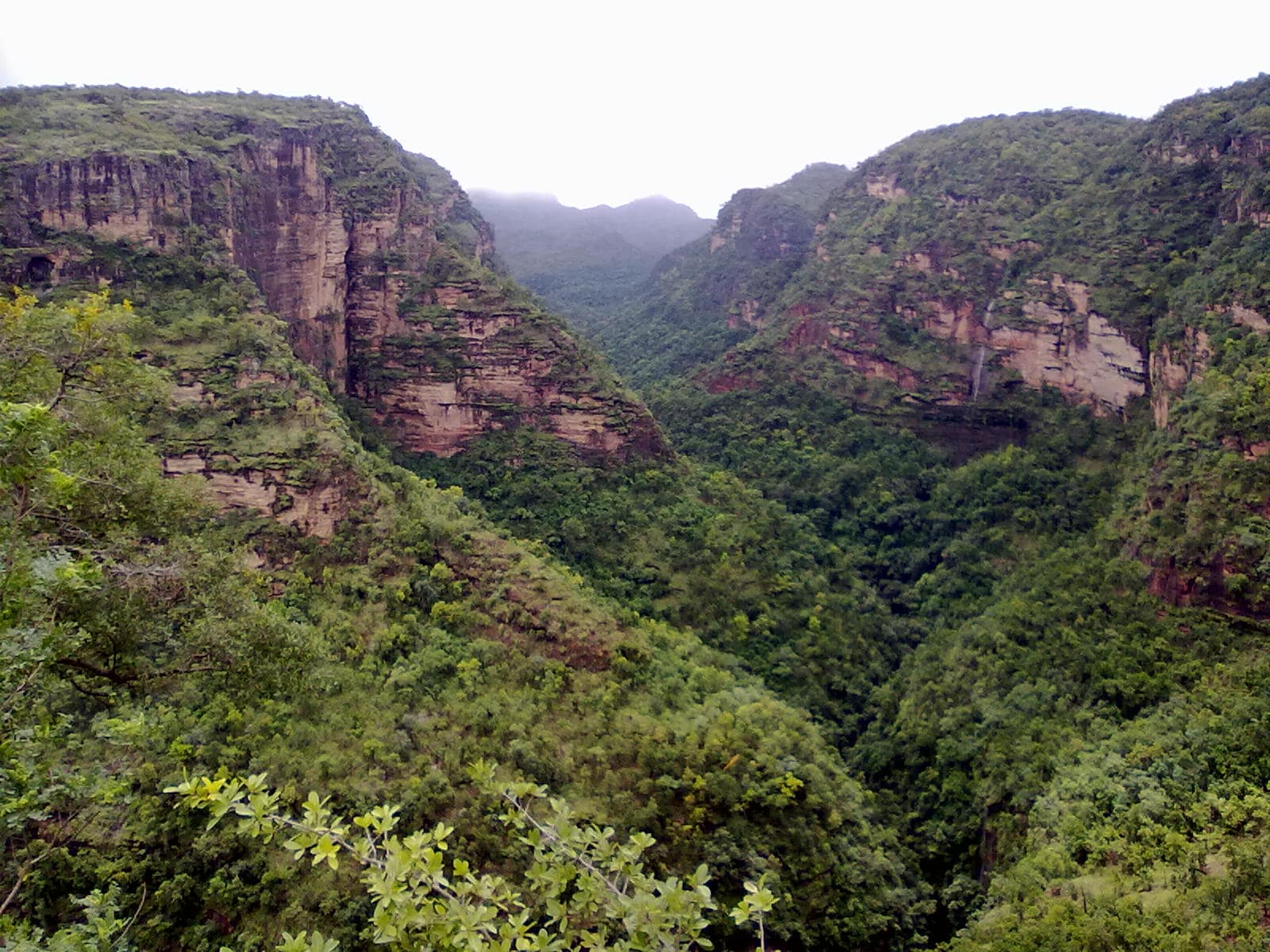
Madhya Pradesh's only hill station — a Satpura plateau of waterfalls, ancient cave shrines, forest viewpoints and the state's highest peak, Dhupgarh.
Pachmarhi is misty Satpura country: Pandava caves, Bee Falls and Dhupgarh sunsets, a biosphere reserve of sal forest, and simple Madhya Pradesh food.
Plan your trip
Pachmarhi Tour Itineraries
Timed, walkable day plans — plus the best season to go.
Where to shoot
Pachmarhi Photo Spots
Entry Nominal
Bee Falls (Jamuna Prapat)
- Best timeMorning, before the crowds arrive, when the light on the water is soft and the pool is quiet.
- ColorsYellowWhiteTeal
 Medium crowd
Entry Nominal
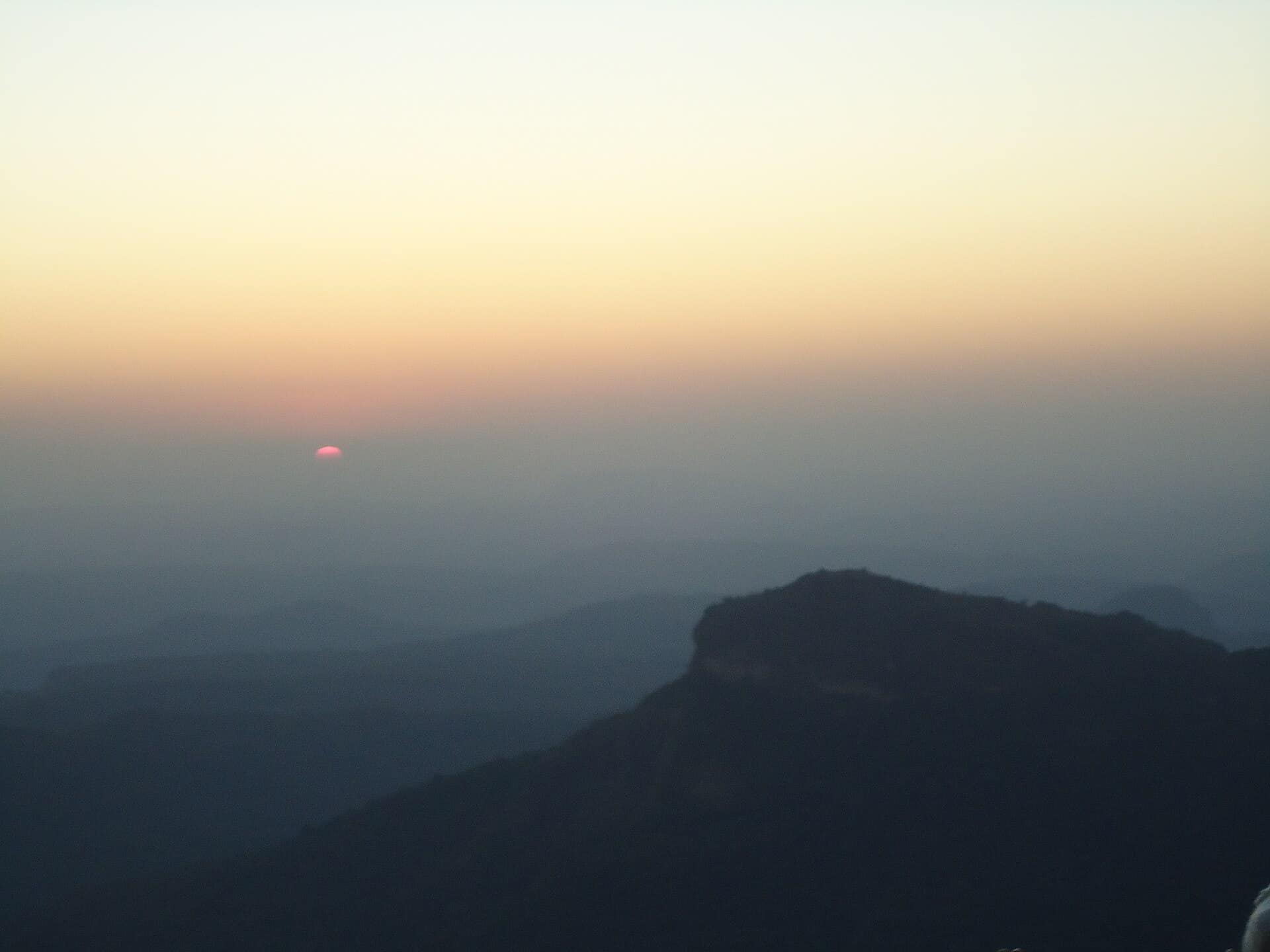
Dhupgarh
- Best timeSunset, when the layered Satpura ridges turn gold and then fade into a soft blue haze.
- ColorsRustCreamForest green
Entry Nominal
Handi Khoh
- Best timeMorning, when the light is soft and mist sometimes hangs over the forest in the gorge.
- ColorsForest greenRustWhite
Entry Free
Jata Shankar
- Best timeLate morning, when sunlight reaches down into the shaded ravine and lights up the huge boulders.
- ColorsSaffronWhiteRust
Entry Nominal
Pandava Caves
- Best timeMorning, soon after opening, for soft light and an empty garden; late afternoon for warm light on the sandstone.
- ColorsRustCreamOchre
For the feed
Trending Wear in Pachmarhi
Modern, Instagram-friendly looks
Rooted in the city
Pachmarhi Traditional Wear
Local, cultural, handcrafted outfits
Taste the city
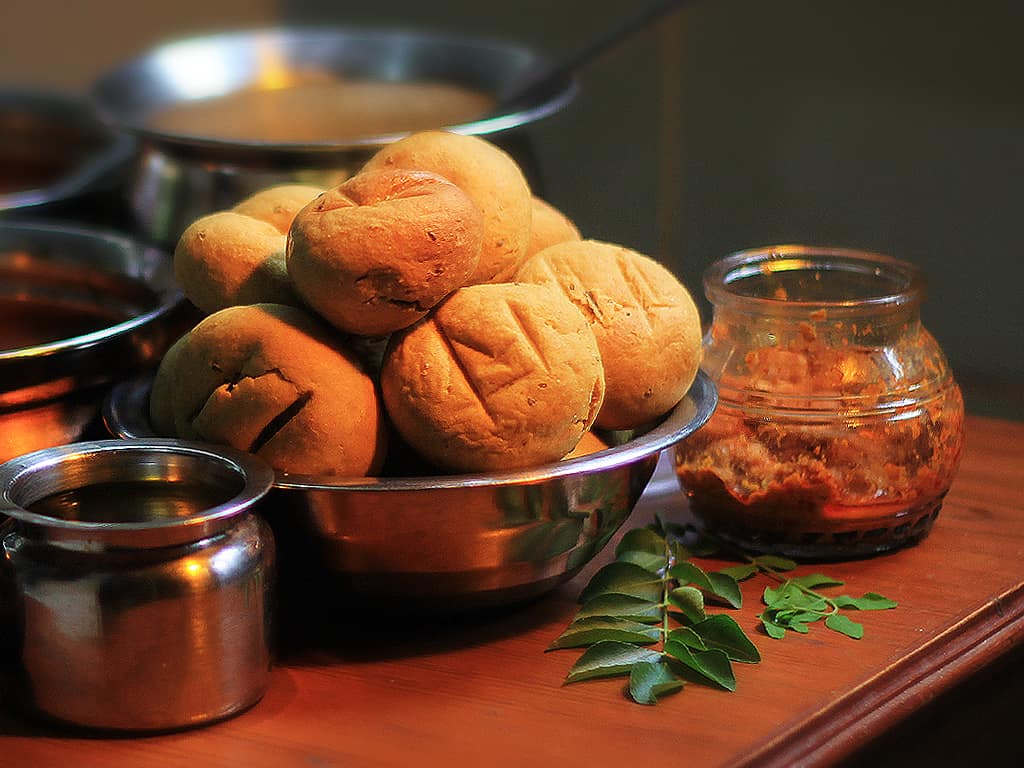
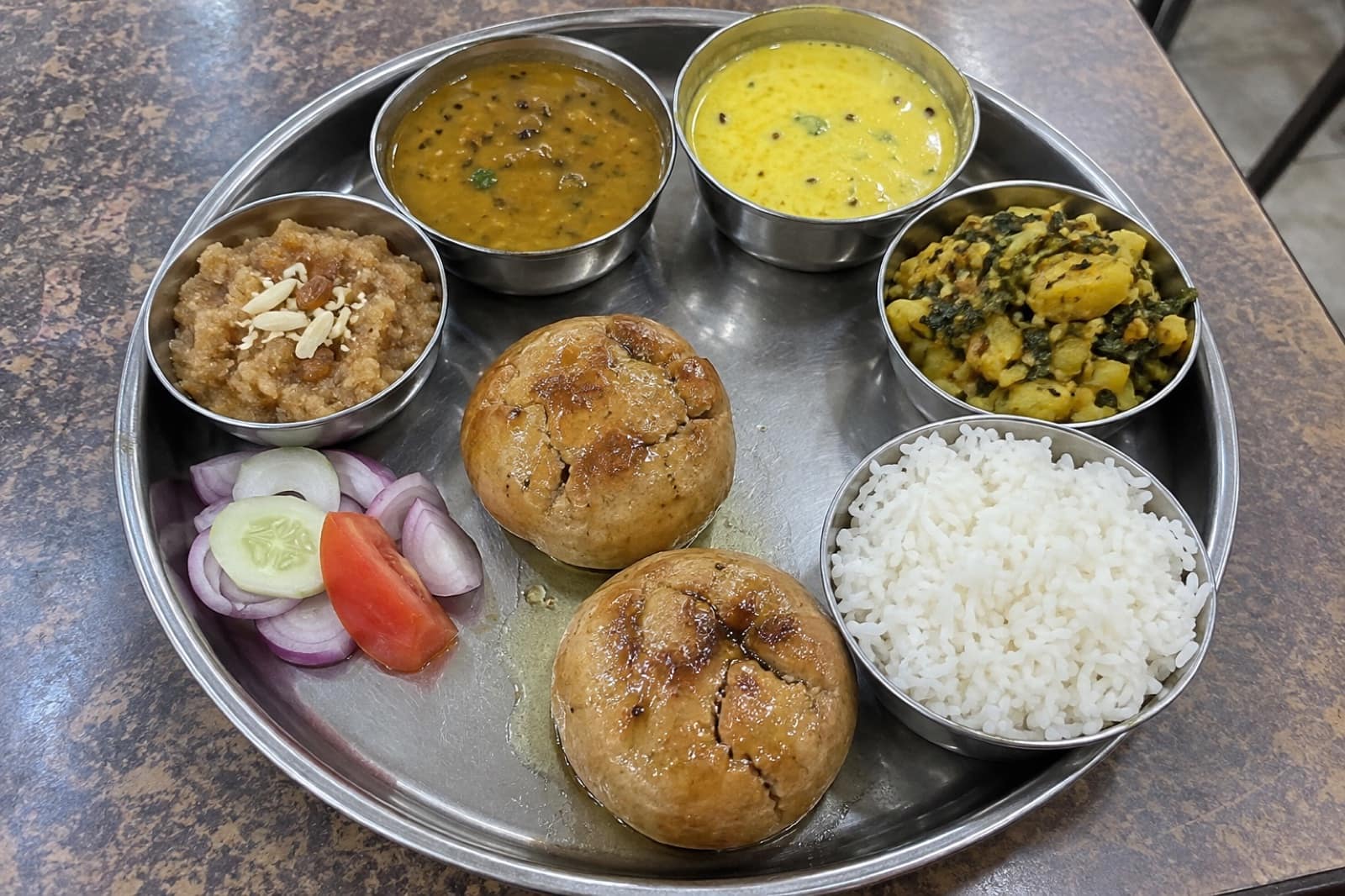
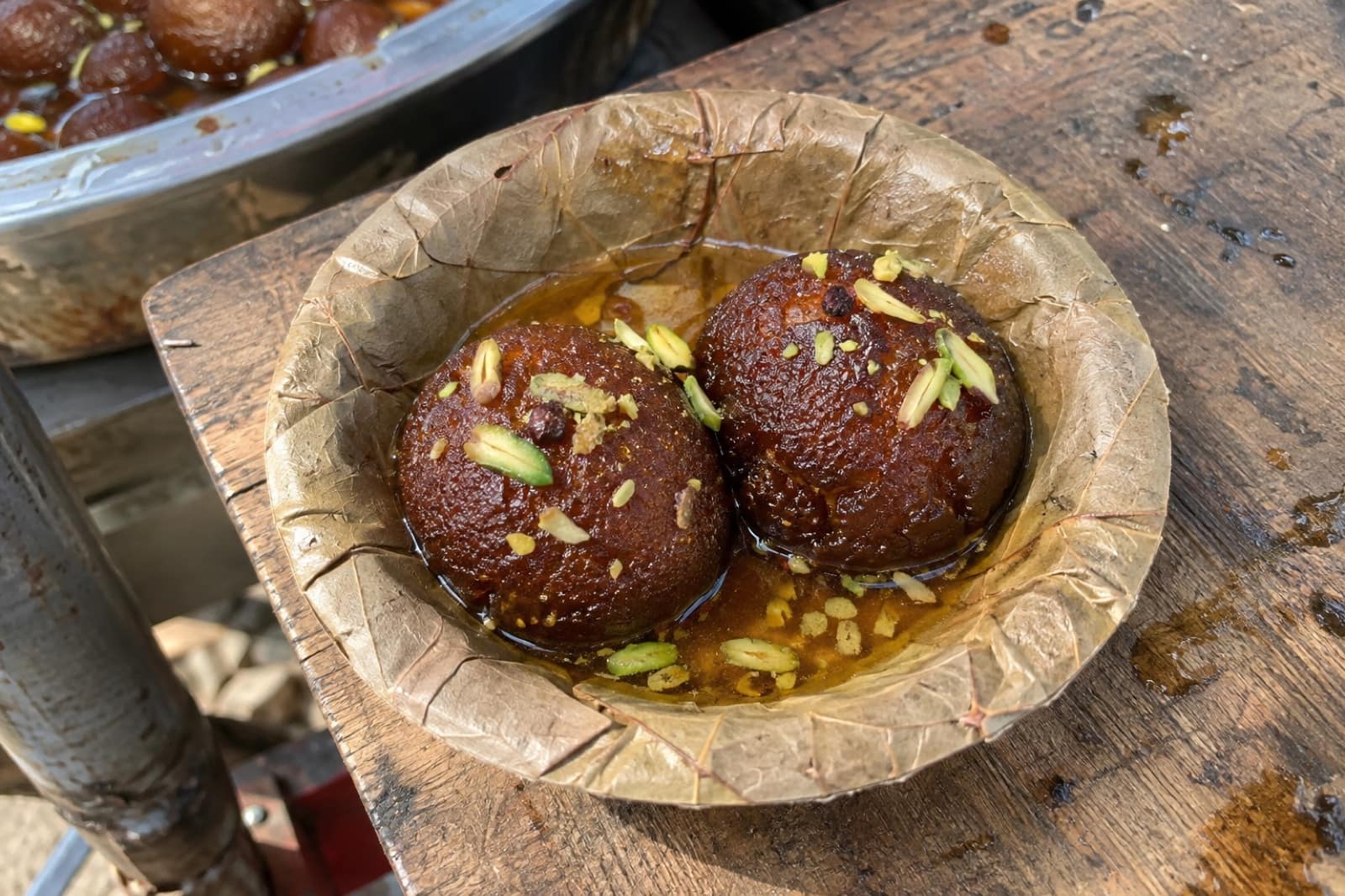
Food to Eat in Pachmarhi


Trusted tables
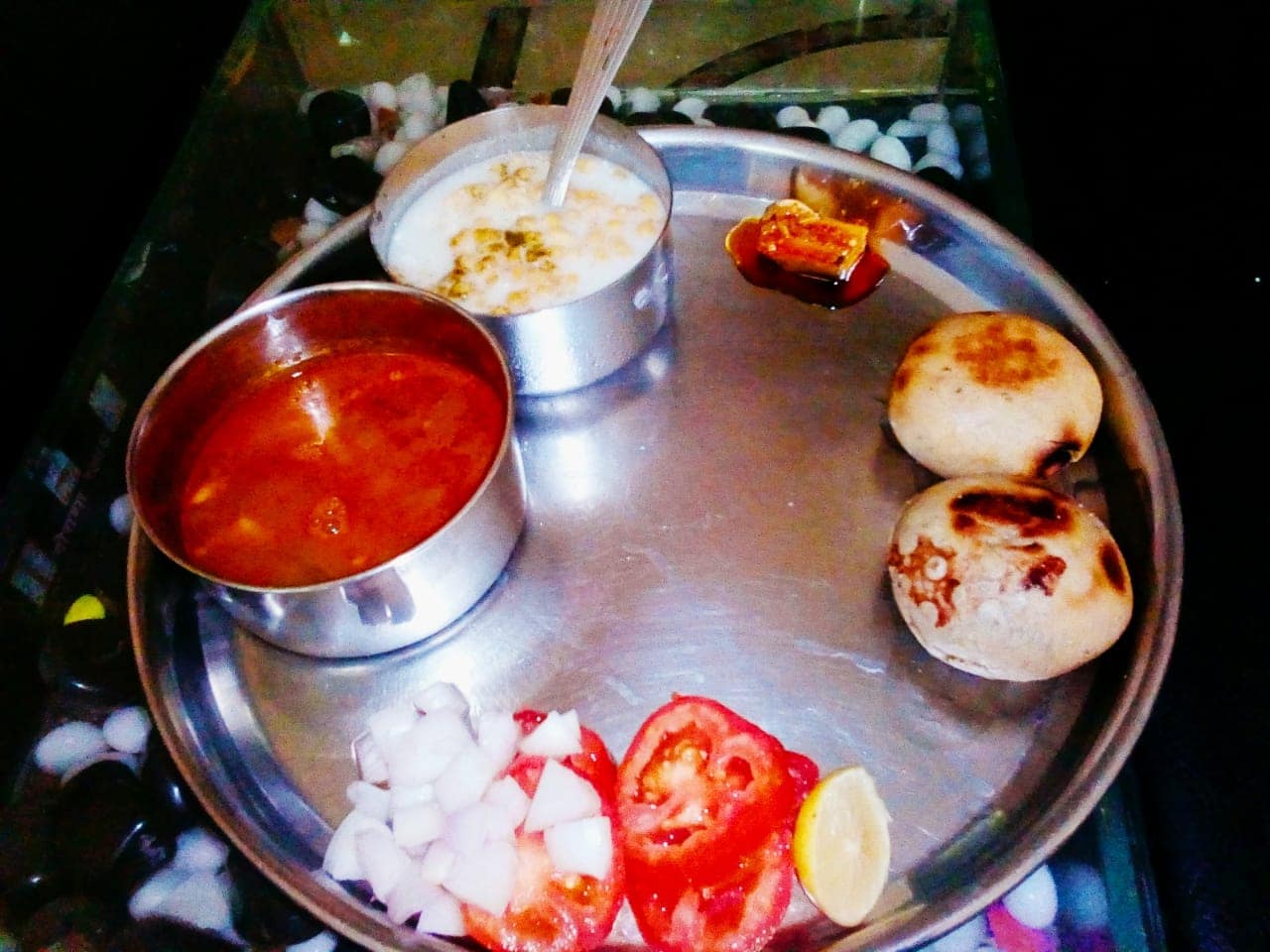
Where to Eat in Pachmarhi

About Pachmarhi
Pachmarhi is Madhya Pradesh's only hill station, set at about 1,100 m on a plateau in the Satpura Range, in Narmadapuram district. Captain James Forsyth of the British Army came across the plateau in 1857, and it soon grew into a hill station and sanatorium for British troops. Much of the town is still an army cantonment, and Bison Lodge and Christ Church date from those early years. The name is usually explained as 'five caves', after the Pandava Caves on a low hill in town.
Pachmarhi lies inside the Satpura Tiger Reserve and the Pachmarhi Biosphere Reserve, which UNESCO recognised in 2009, so most sightseeing happens on forest routes in Gypsies (open jeeps) with a day permit. Spend a morning at Bee Falls and the other waterfalls, an afternoon at Handi Khoh and Priyadarshini Point, and an evening at Dhupgarh, the highest point in the state, for sunset over the Satpura hills. Keep another day for Jata Shankar, the Pandava Caves and the cave shrines of Bada Mahadev and Gupt Mahadev, with Madhya Pradesh favourites like poha jalebi and dal bafla in between.
Questions
Pachmarhi — FAQ
What is Pachmarhi famous for?
Pachmarhi is famous as Madhya Pradesh's only hill station, often called Satpura ki Rani, the Queen of the Satpuras. It is known for sunsets at Dhupgarh, the highest point in the state, and for Bee Falls, the Pandava Caves, the cave shrines of Jata Shankar and Bada Mahadev, and the forests of the Satpura Tiger Reserve.
How many days are enough for Pachmarhi?
2–3 days is enough for most visitors. Sightseeing runs on Gypsy trips, so plan one day for the waterfalls, Handi Khoh and the sunset at Dhupgarh, and another for Jata Shankar, the Pandava Caves and the cave shrines of Bada Mahadev and Gupt Mahadev. Add a third day if you want to climb to Chauragarh.
What is the best time to visit Pachmarhi?
October to April is the most comfortable time, with pleasant days and clear skies, and cold nights from December to February. May and June are hot by afternoon, though still cooler than the plains, and July to September brings heavy rain, mist and full waterfalls. See the best time to visit Pachmarhi for a season-by-season guide.
How do I reach Pachmarhi?
The nearest railway station is Pipariya, about 50 km away on the main line between Itarsi and Jabalpur, and buses and taxis run up to Pachmarhi from there. The nearest airport is Bhopal, about 200 km away, and buses from Bhopal take around 5–6 hours. Jabalpur airport is another option.
Do I need a permit for sightseeing in Pachmarhi?
For most of the forest points, yes. Places such as Bee Falls, Dhupgarh and Handi Khoh are inside the Satpura Tiger Reserve, so you need a day permit from the forest counter at Bison Lodge and a registered Gypsy, usually with a guide. Outside cars are not allowed on these routes, and in peak season it is worth booking a day ahead.