
Madhya Pradesh · India
Sanchi
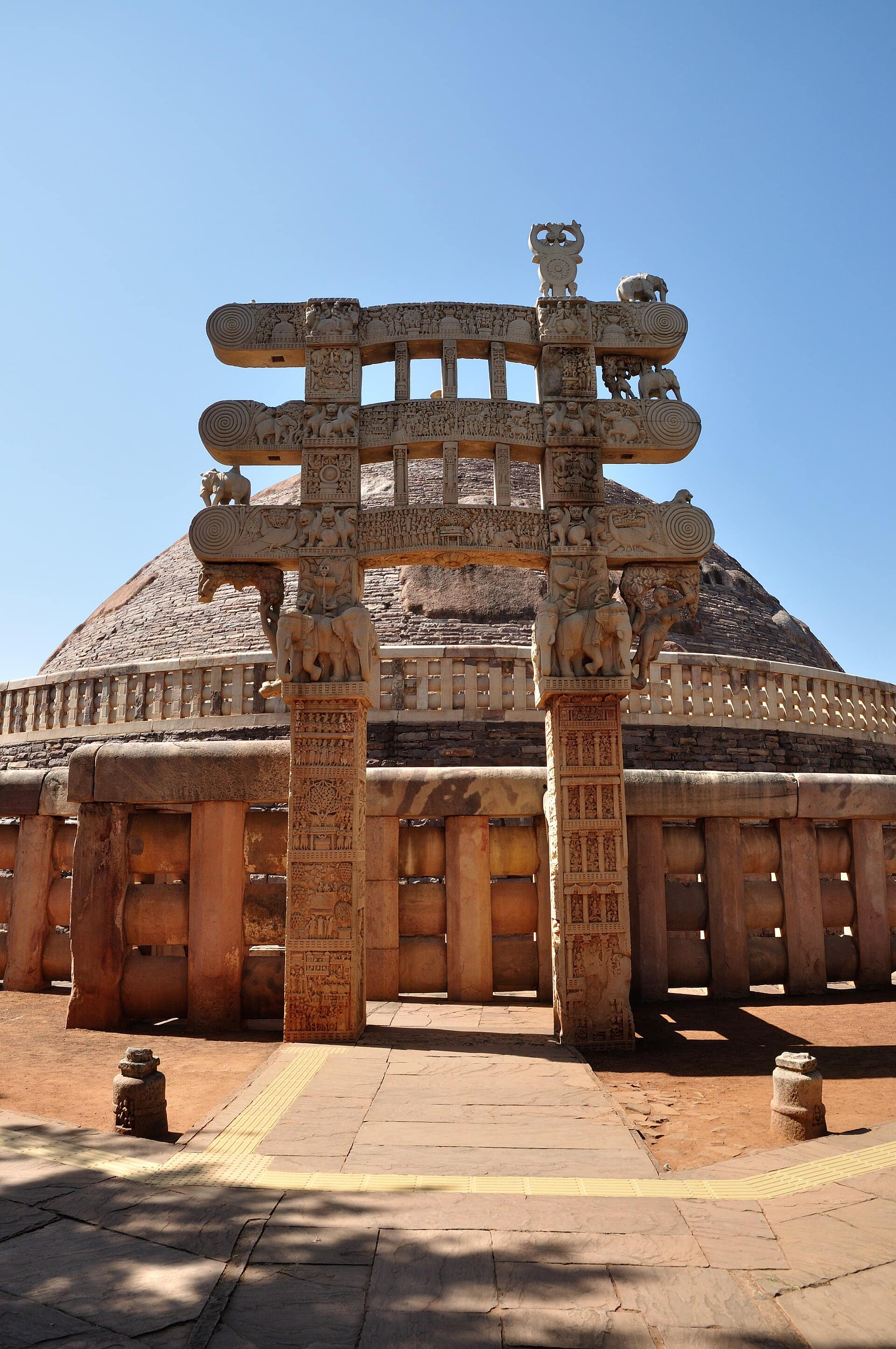
A UNESCO hilltop of the earliest Buddhist monuments in India — Ashoka's Great Stupa, its intricately carved gateways (toranas), pillars and monasteries, serene above the Malwa plain.
Sanchi is where Buddhist art began: the 3rd-century-BCE Great Stupa, the story-carved toranas, an Ashoka pillar, and the nearby Udayagiri caves — set in quiet Madhya Pradesh countryside.
Plan your trip
Sanchi Tour Itineraries
Timed, walkable day plans — plus the best season to go.
Where to shoot
Sanchi Photo Spots
 Medium crowd
Entry Included
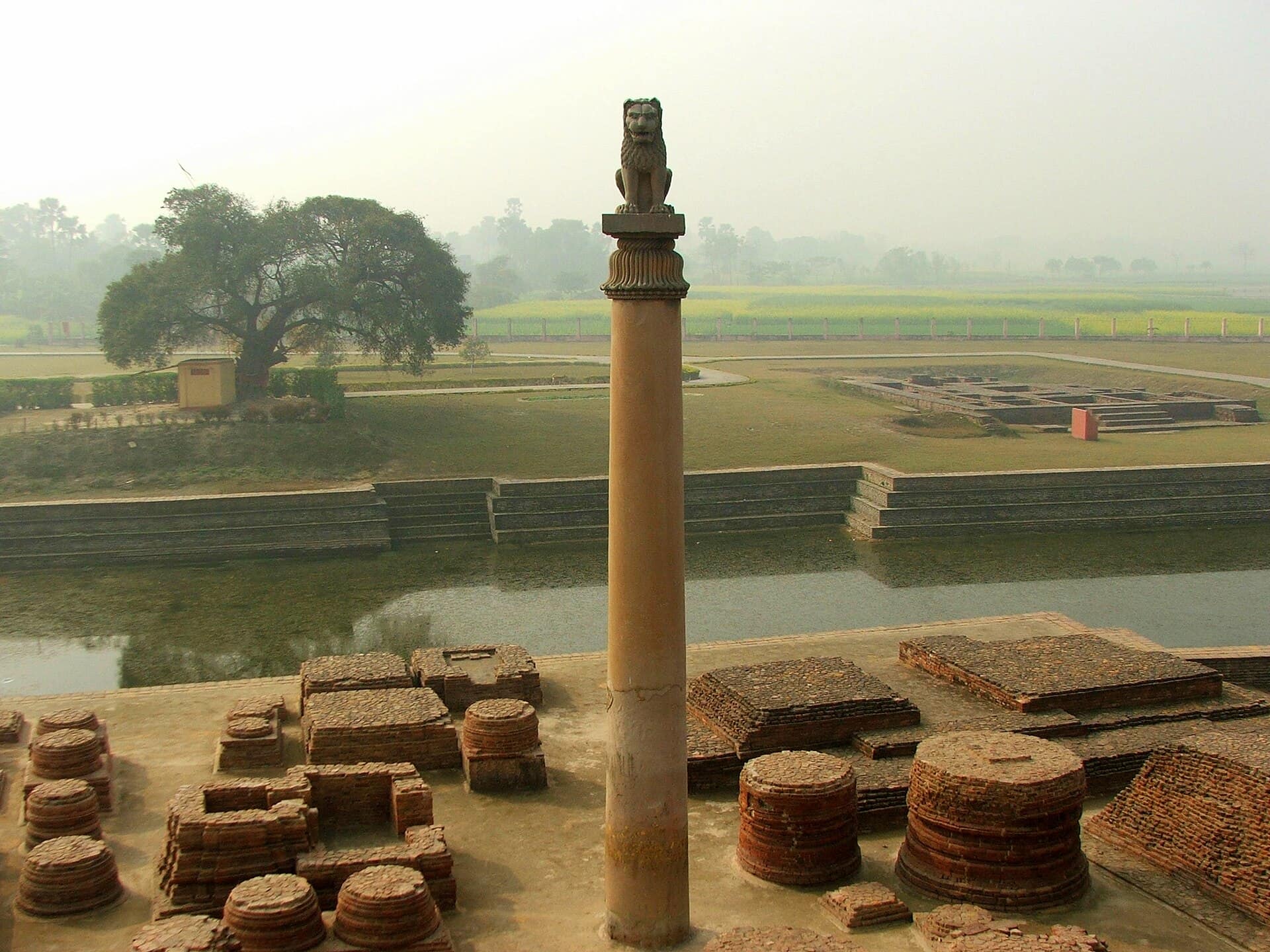
Ashoka Pillar
- Best timeMorning, when soft, low light shows the old polish on the stone and few people are around.
- ColorsCreamOchreSaffron
 Medium crowd
Entry Ticketed
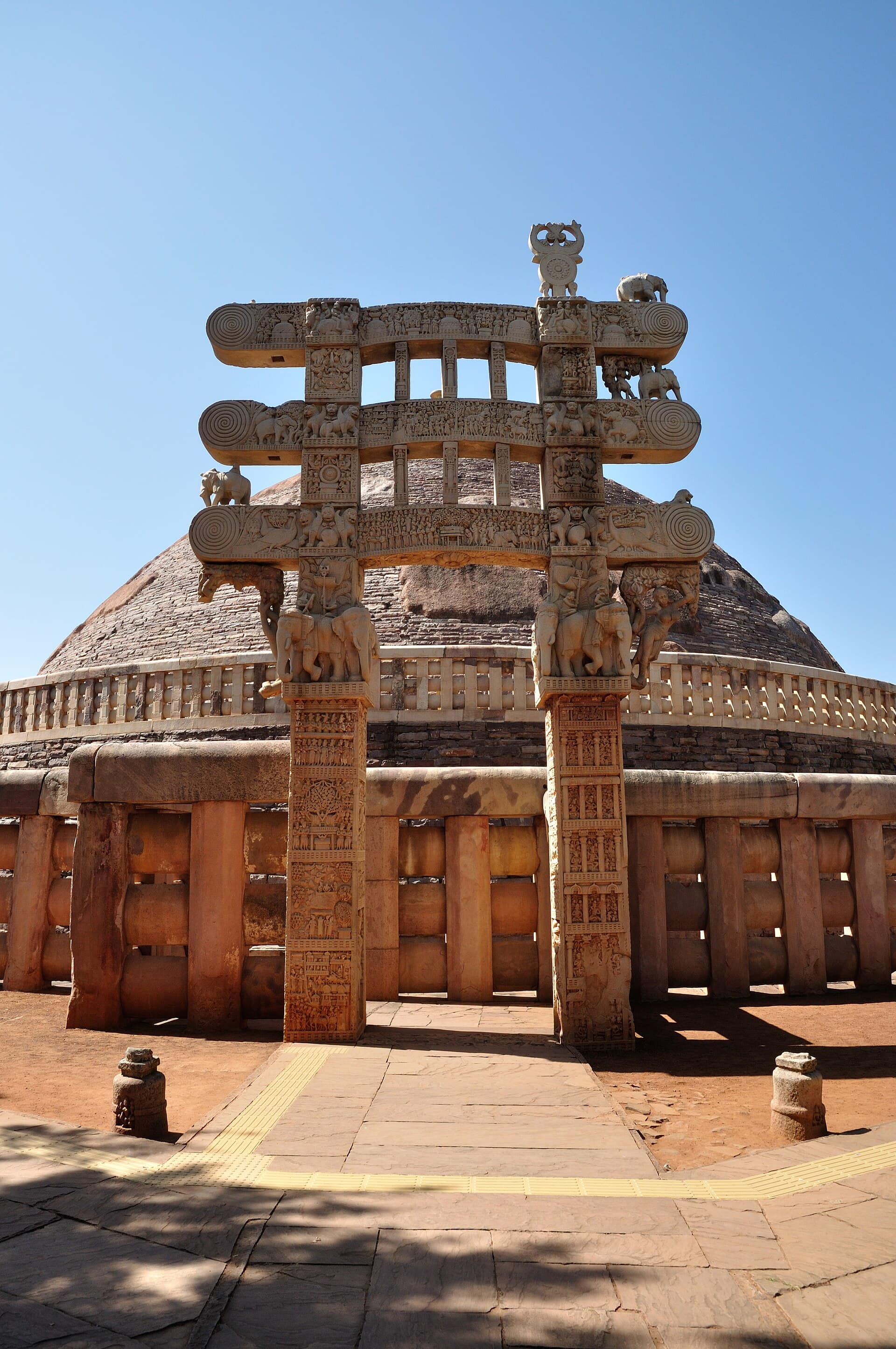
Great Stupa (Stupa No. 1)
- Best timeEarly morning for soft light and an empty path around the dome; late afternoon for warm, golden light on the stone.
- ColorsSaffronCreamOchre
 Low crowd
Entry Nominal
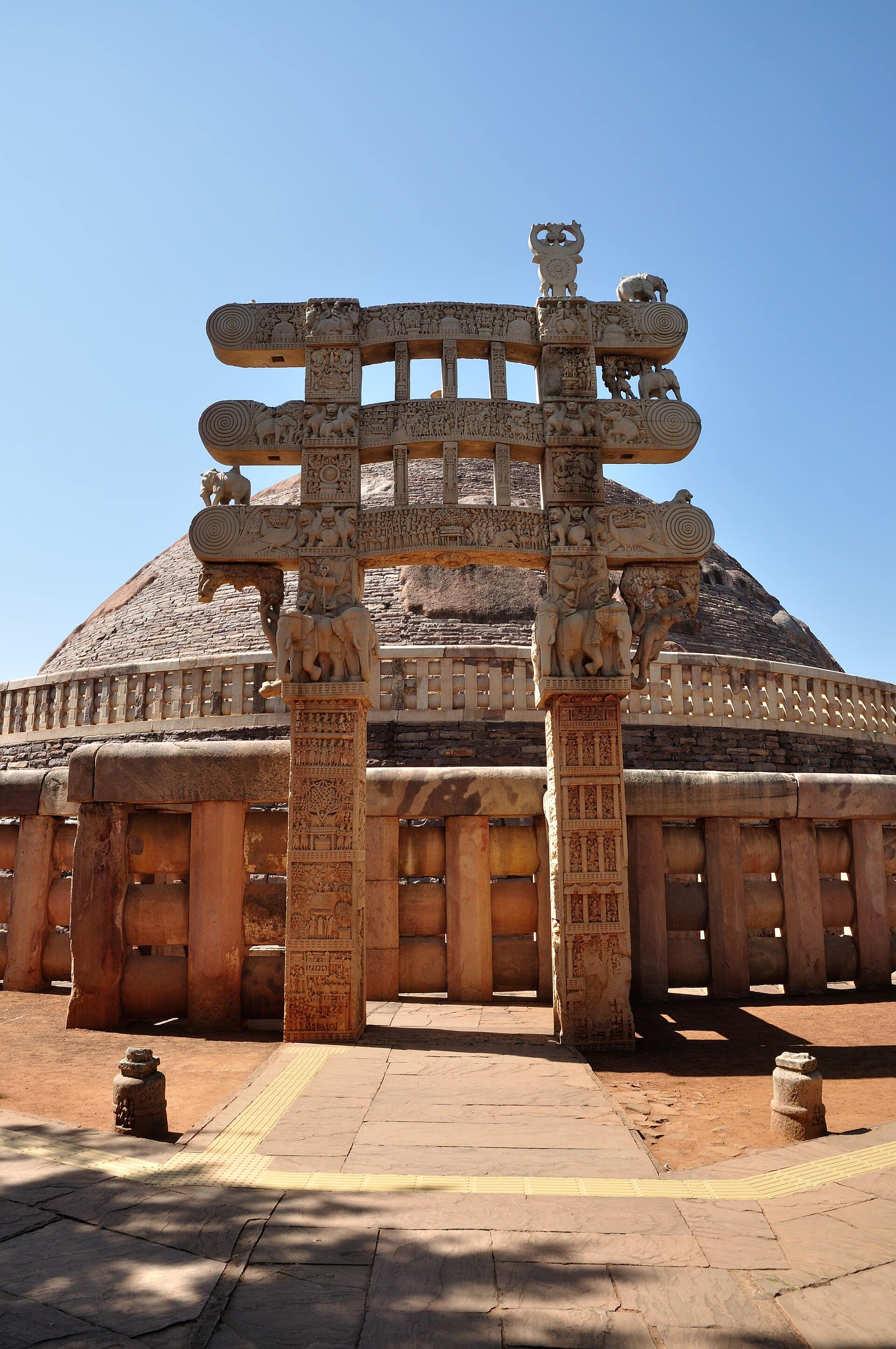
Sanchi Archaeological Museum
- Best timeMorning, soon after opening, when the galleries are quiet and you can study the lion capital without a crowd.
- ColorsCreamRustMaroon
 Medium crowd
Entry Included
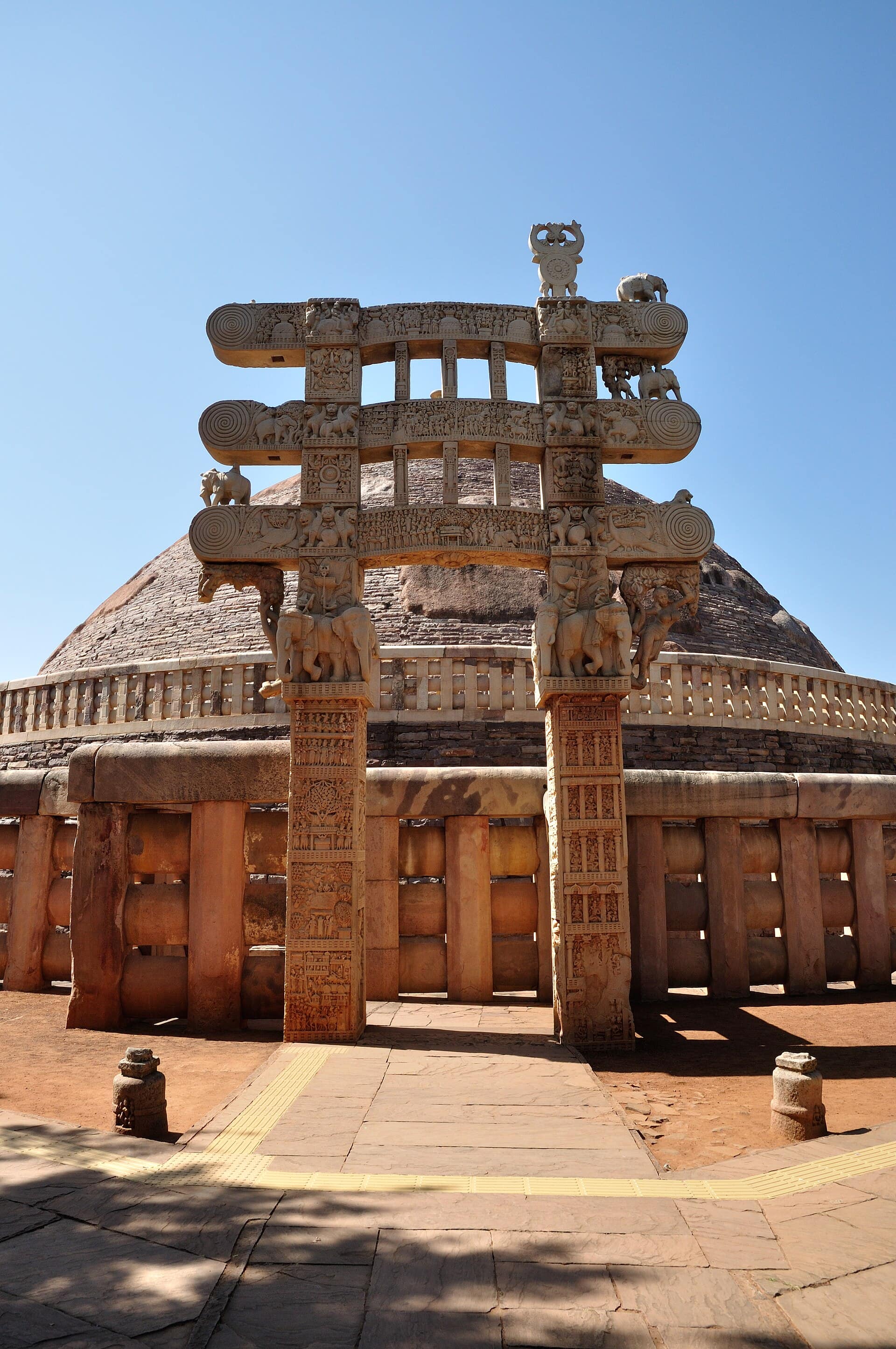
The Toranas (Gateways)
- Best timeMorning for the East Gateway and late afternoon for the West Gateway, when low sun picks out the depth of the carvings.
- ColorsRustOchreCream
 Low crowd
Entry Nominal
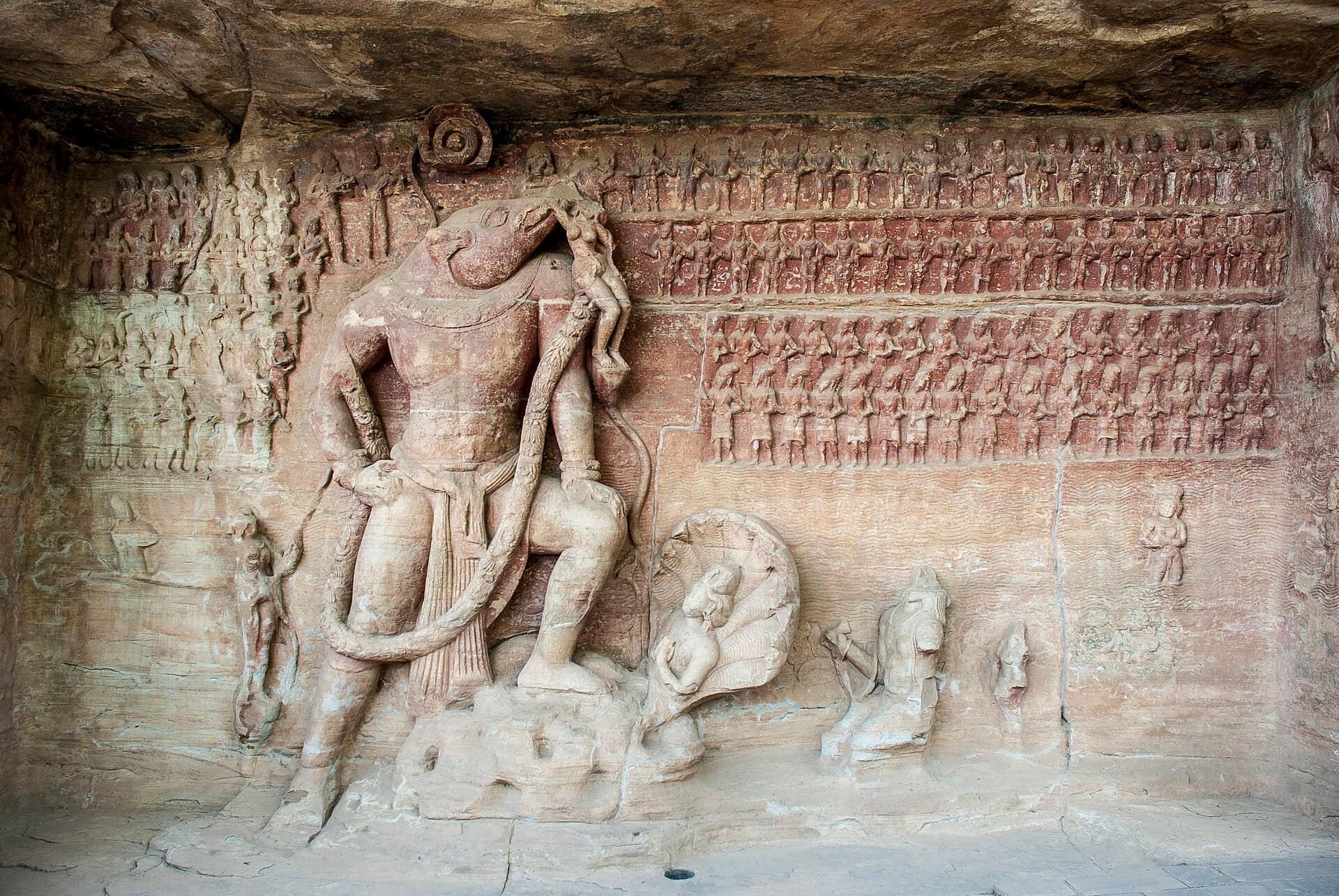
Udayagiri Caves
- Best timeMorning or late afternoon, when the light is softer and the rock and steps are cooler underfoot.
- ColorsRustOchreCream
For the feed
Trending Wear in Sanchi
Modern, Instagram-friendly looks


Rooted in the city
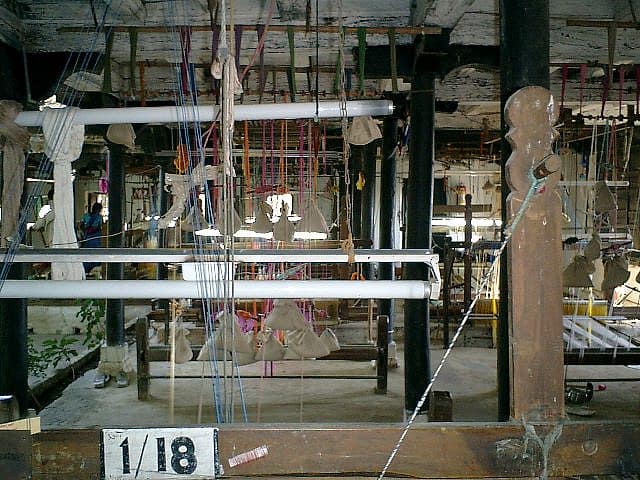
Sanchi Traditional Wear
Local, cultural, handcrafted outfits
Before you go
Temples in Sanchi
Darshan hours, dress codes and what gets refused at the gate
Taste the city
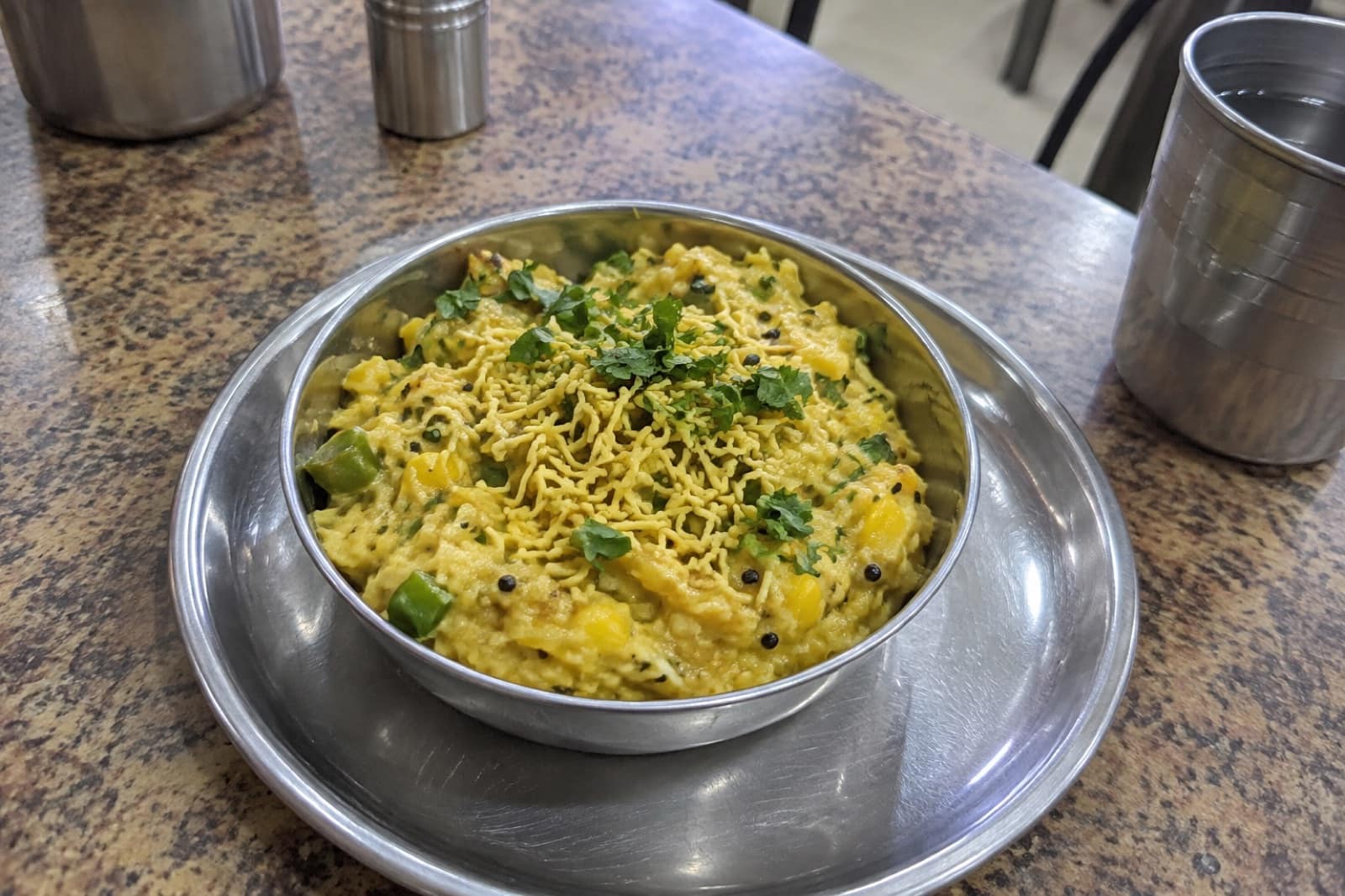
Food to Eat in Sanchi
Trusted tables
Where to Eat in Sanchi

About Sanchi
Sanchi is a small village in the Raisen district of Madhya Pradesh, about 46 km north-east of Bhopal and about 10 km from Vidisha. On the low hill above it stand the Buddhist Monuments at Sanchi, a UNESCO World Heritage Site since 1989 and one of the oldest surviving Buddhist sanctuaries in the world. Emperor Ashoka built the first stupa here in the 3rd century BCE, and Sanchi stayed an active Buddhist centre until about the 12th century. Around 50 monuments survive, from the Great Stupa and its carved gateways to temples, pillars and the ruins of monasteries.
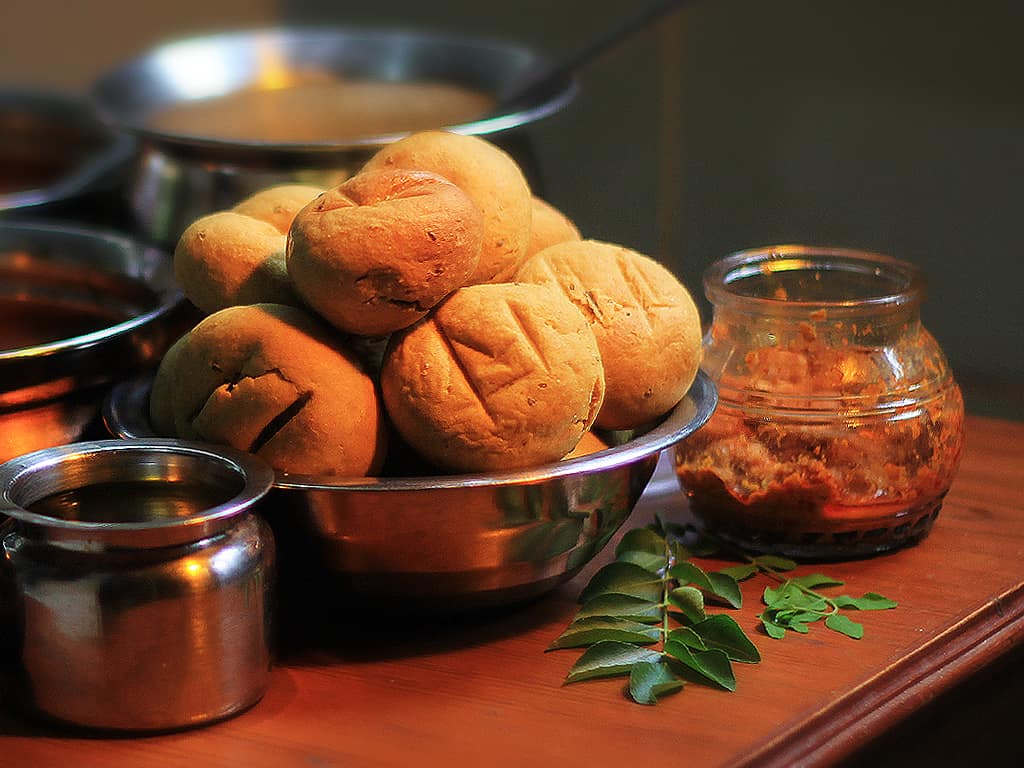
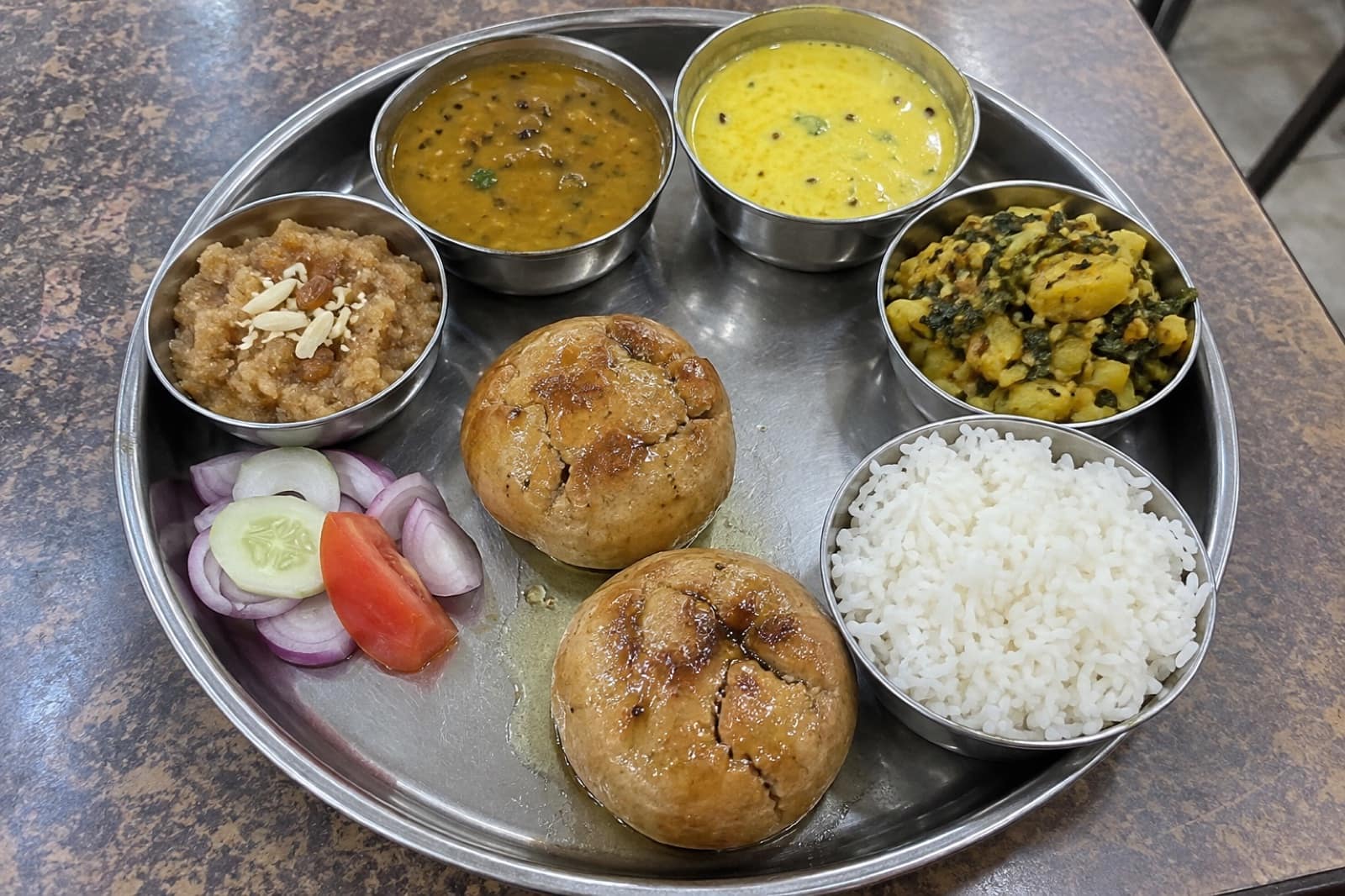
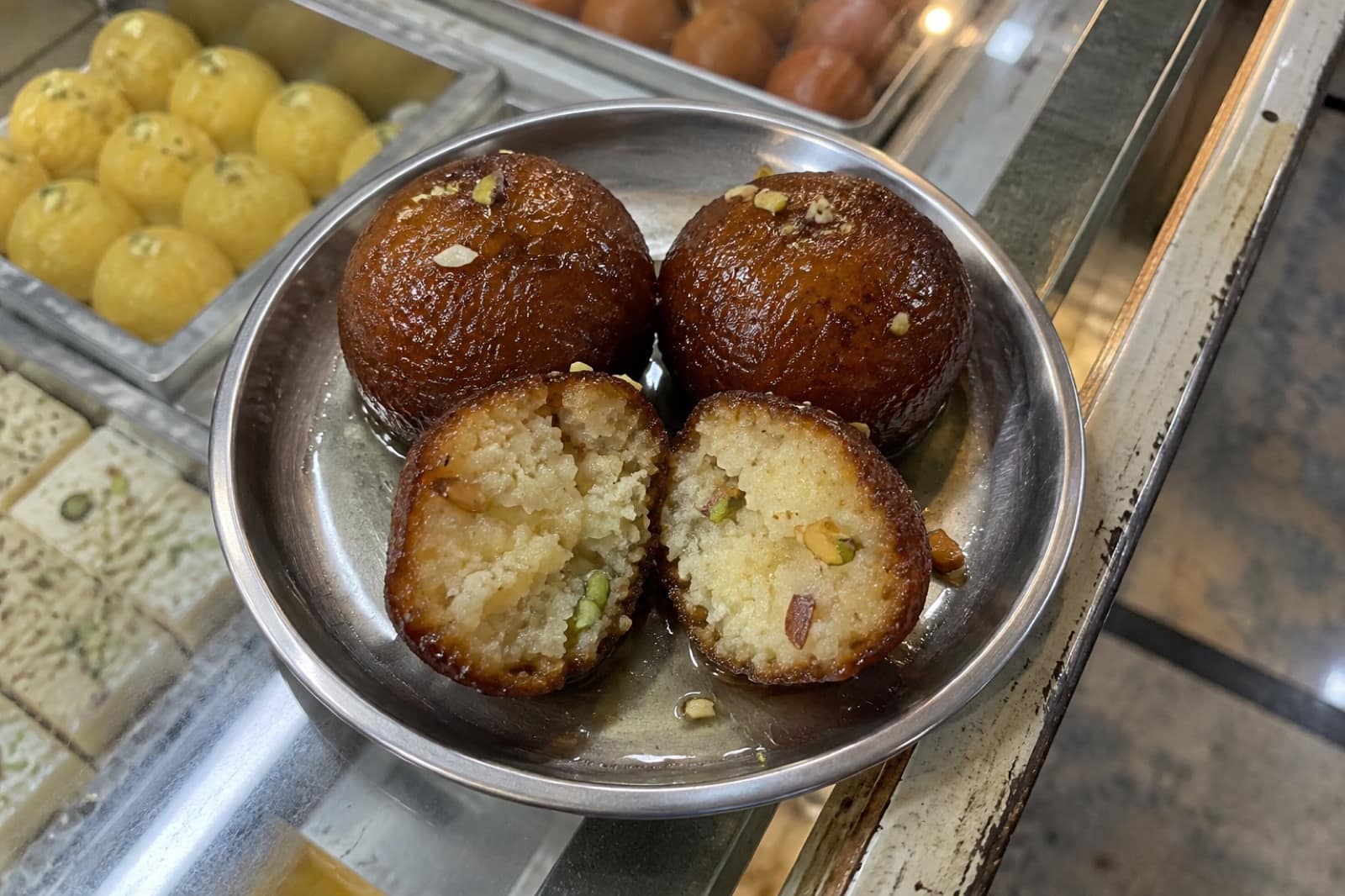
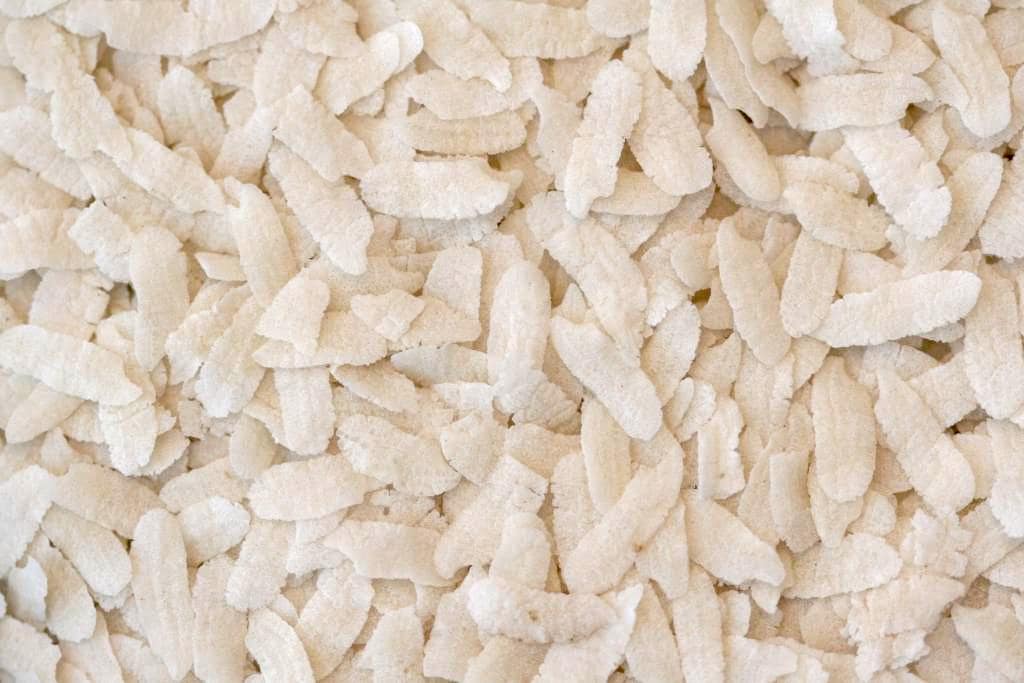
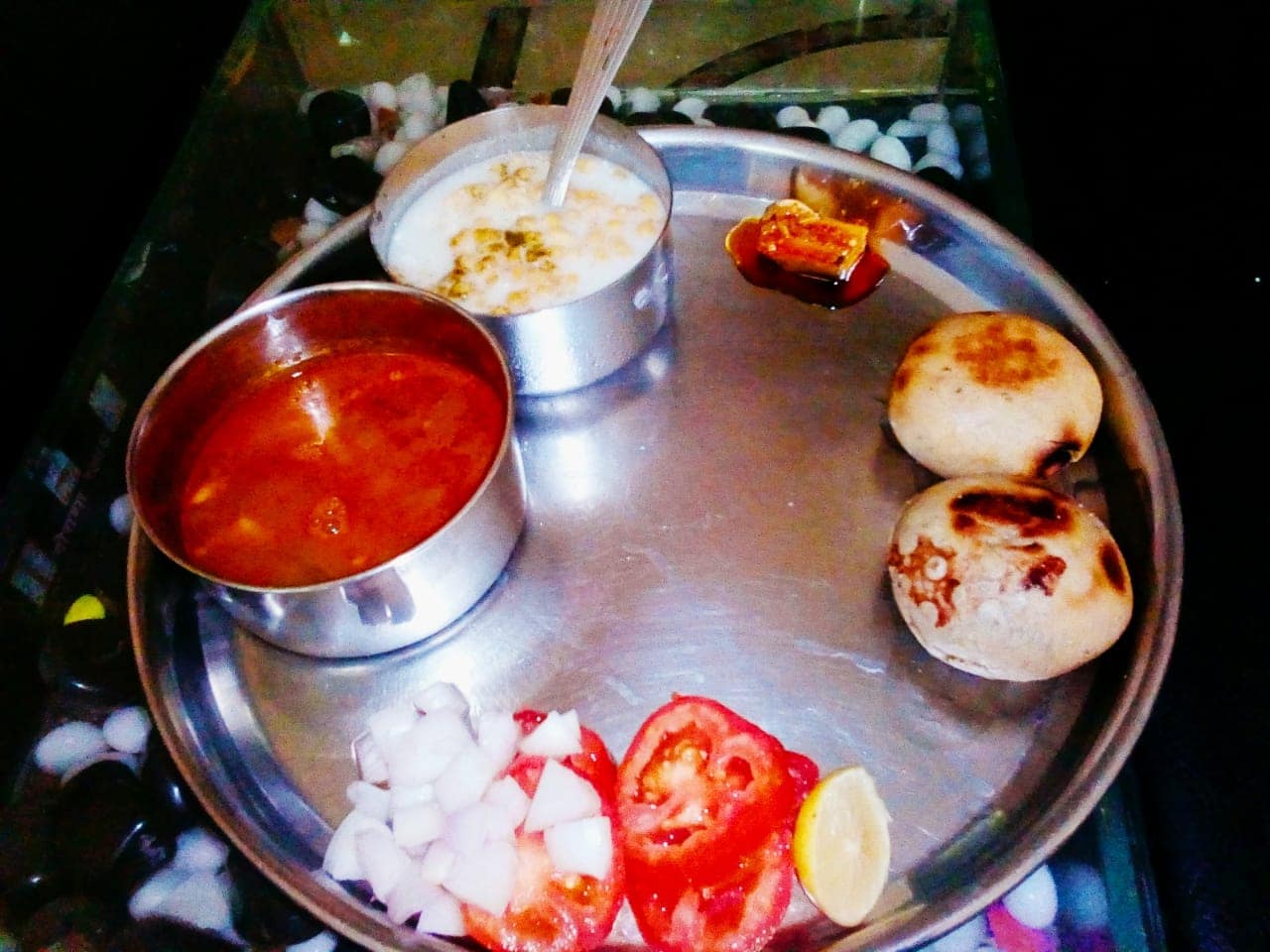
The hilltop is compact and best explored on foot. Start early at the Great Stupa and walk around its four toranas to read the stories carved on them. Then see the Ashoka Pillar, Temple 17 and Stupa 3, and walk down to the museum at the foot of the hill, where the pillar's lion capital is kept. With half a day more, add the Gupta-era Udayagiri Caves and the Heliodorus Pillar near Vidisha, and leave room for local food like poha jalebi and dal bafla. Sanchi is an easy day trip from Bhopal, but staying overnight lets you see the stupas in the quiet early-morning light.
Questions
Sanchi — FAQ
What is Sanchi famous for?
Sanchi is famous for the Great Stupa, begun by Emperor Ashoka in the 3rd century BCE. Its four carved stone gateways are among the best-known works of early Buddhist art in India. The Buddhist monuments on the hill are a UNESCO World Heritage Site, and the site museum holds the lion capital from Sanchi's Ashoka Pillar.
How many days are enough for Sanchi?
One day is enough for the Great Stupa, the gateways, the other monuments on the hill and the museum. Add half a day for the Udayagiri Caves and the Heliodorus Pillar near Vidisha, or combine Sanchi with a stay in Bhopal.
What is the best time to visit Sanchi?
October to March is the best time, with sunny days and cool mornings. December and January are the coolest months. April to June is very hot, often above 40 °C, while July to September brings monsoon rain and green countryside. Our guide to the best time to visit Sanchi covers each season in detail.
How do I reach Sanchi?
Most visitors come from Bhopal, about 46 km away, which has the nearest airport and the main railway stations. The drive takes about 1–1.5 hours by taxi or bus. Only a few trains stop at Sanchi's small station, but Vidisha, about 10 km away, has many more, and autos and buses run between Vidisha and Sanchi.
Did the Buddha ever visit Sanchi?
No. The Buddha never came to Sanchi. The hill became sacred because Emperor Ashoka built a stupa here in the 3rd century BCE. It later held relics of two of the Buddha's chief disciples, Sariputta and Mahamoggallana.