
Best Photo Spots in Spiti Valley
Spiti Valley looks unlike anywhere else in India. Bare ochre mountains, whitewashed monasteries, prayer flags and a deep blue sky make almost every stop worth a photo. From Key Monastery stacked on its hill to the still water of Chandratal, the valley gives you big, clean frames with very little clutter.
Whether you shoot landscapes, monasteries, village life or night skies, these are some of the best photo spots in Spiti Valley.
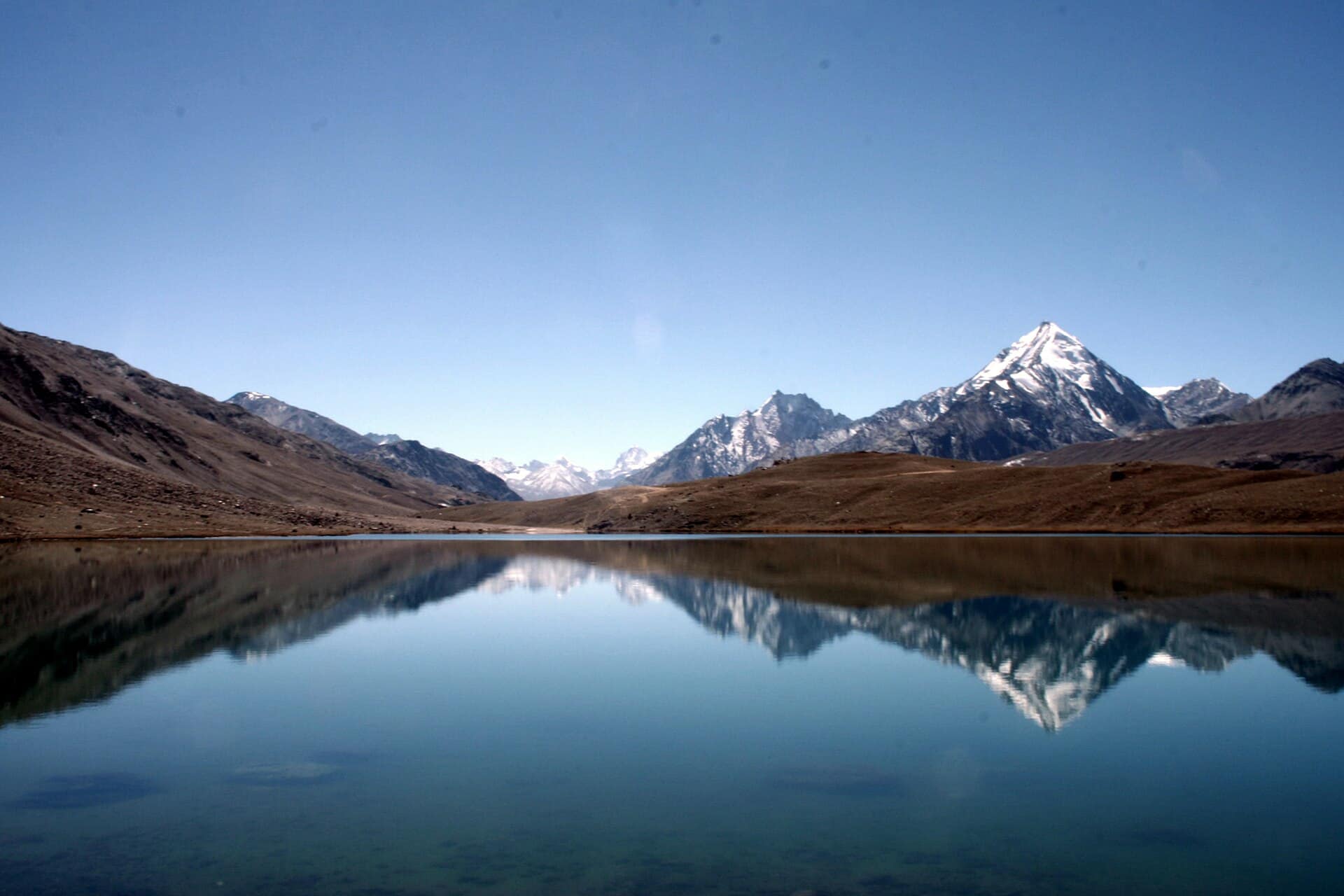 Medium crowd
Entry Nominal
Chandra Taal
- Best timeEarly morning, when the wind is still and the lake reflects the peaks.
- ColorsRedBlackWhite
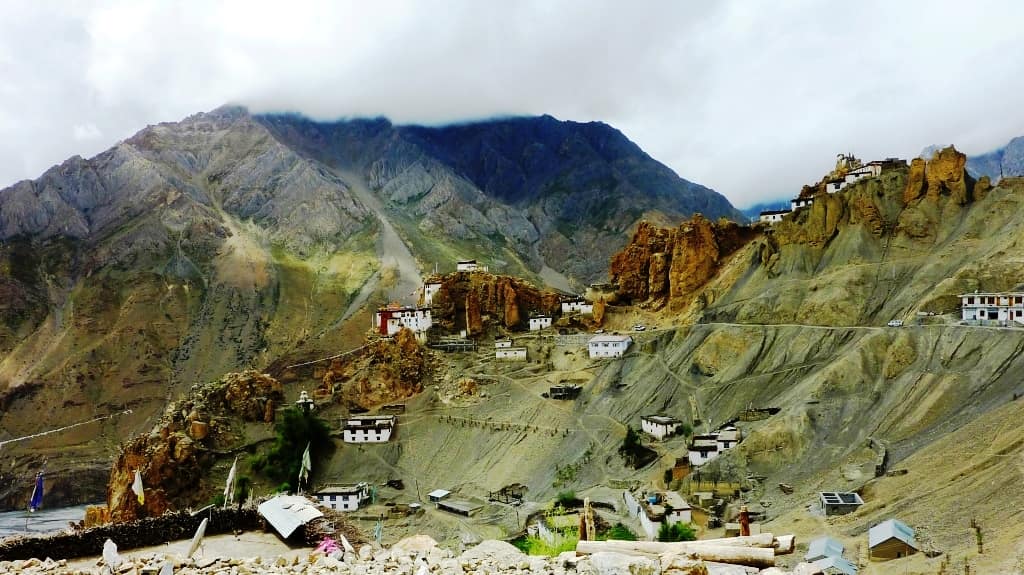 Low crowd
Entry Free (donation)
Dhankar Monastery
- Best timeMorning, when the light is soft on the monastery and the valley below is clear.
- ColorsMaroonOchreWhite
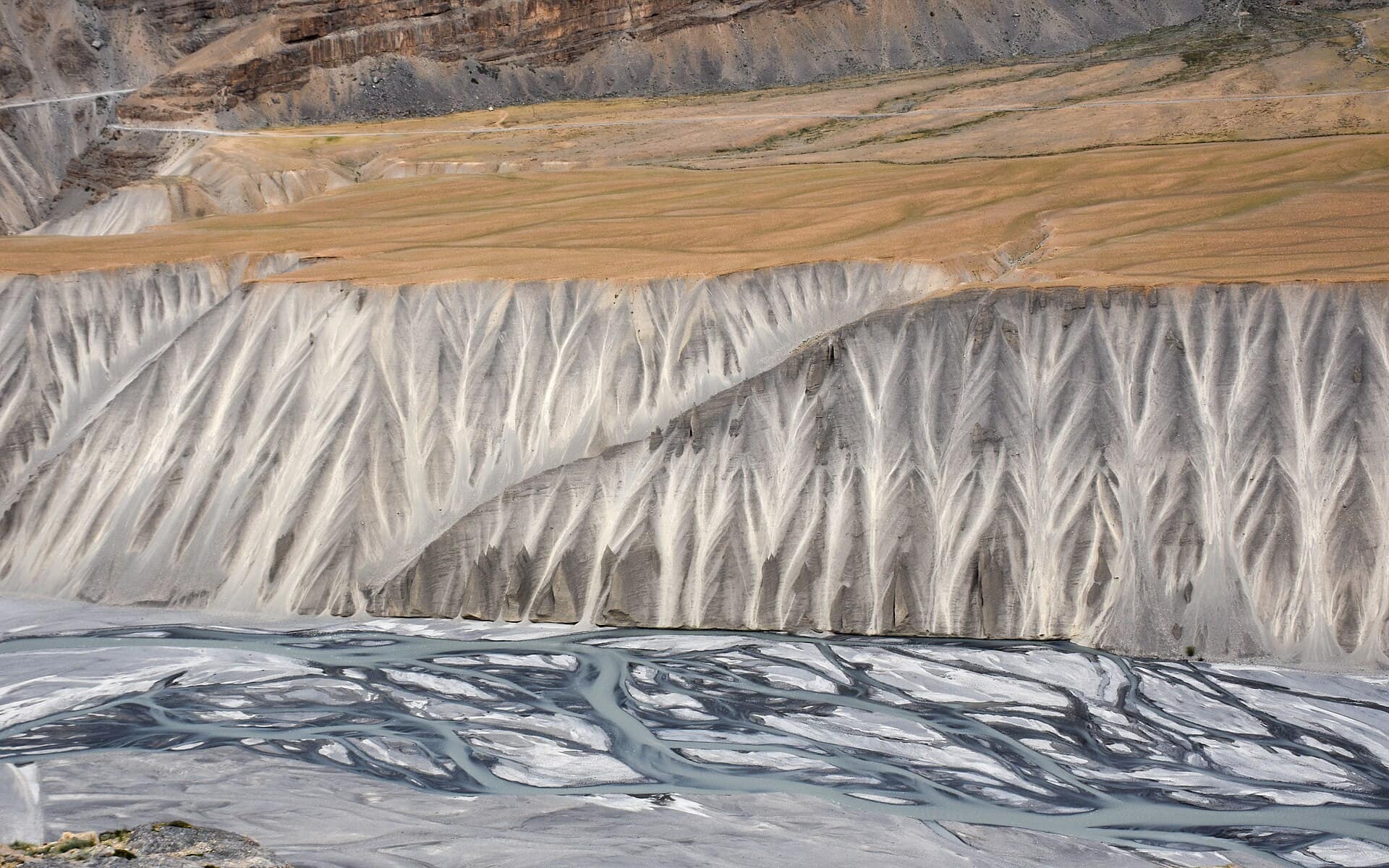 Medium crowd
Entry Free
Kaza
- Best timeLate afternoon, when warm light falls on the ochre mountains around the town.
- ColorsMaroonRustCream
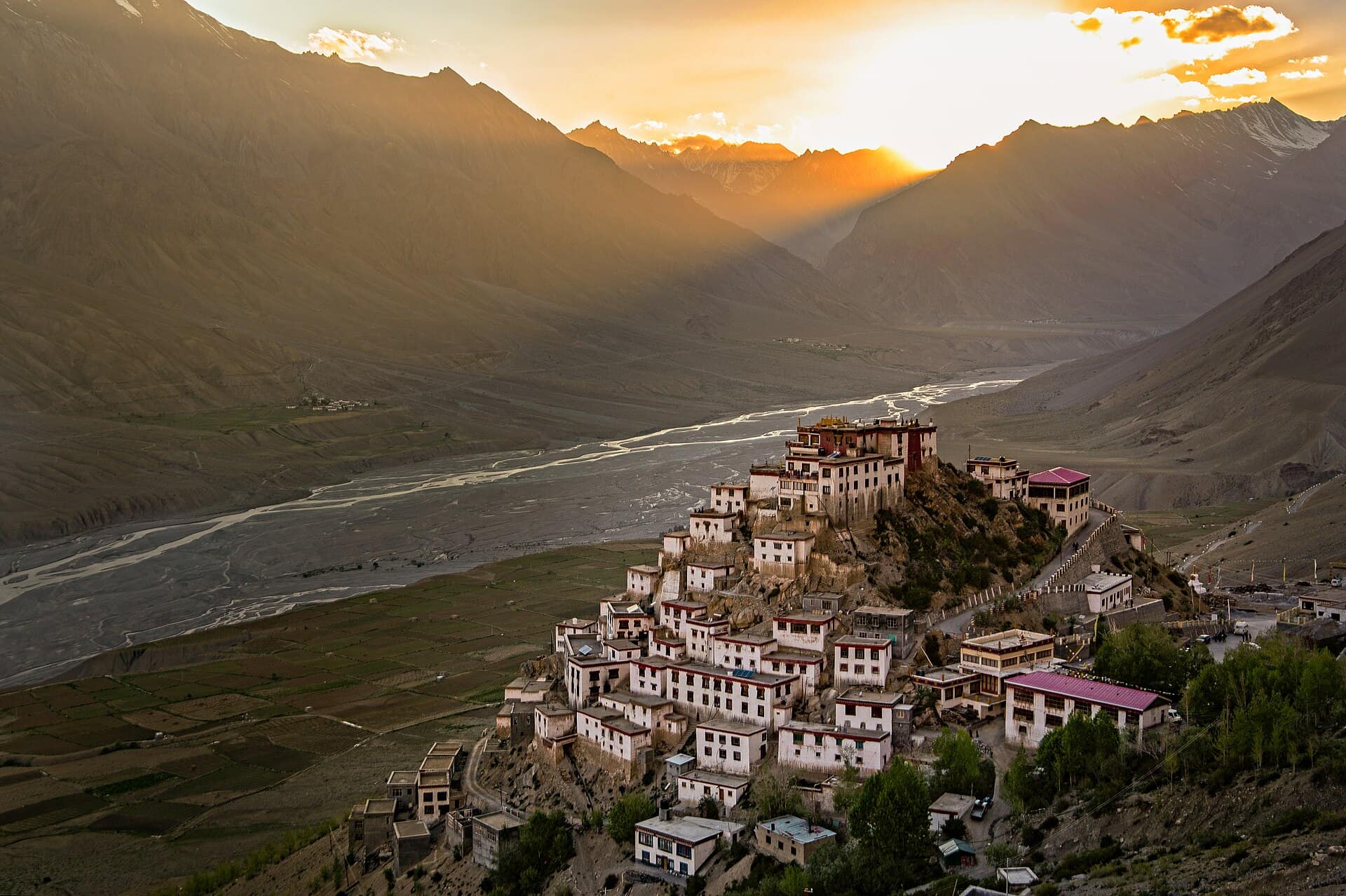 Medium crowd
Entry Free (donation)
Key Monastery
- Best timeMorning for clear skies; late afternoon for warm light on the white walls.
- ColorsMaroonGoldWhite
 Low crowd
Entry Nominal (park)
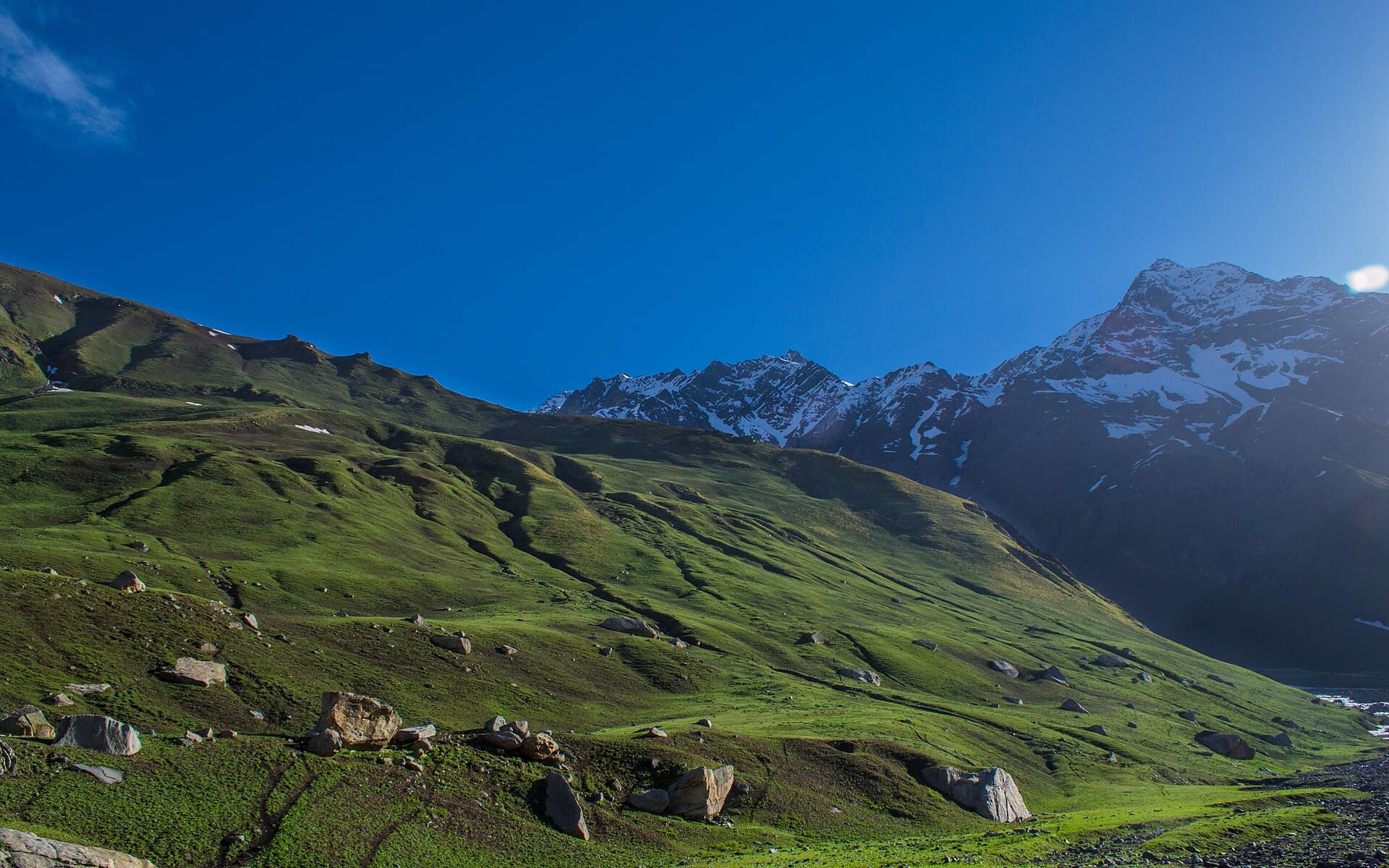
Pin Valley
- Best timeMorning, when the light is soft and the green fields stand out against the bare hills.
- ColorsRedOchreForest green
Why Spiti Valley Is Great for Photography
Spiti is a high cold desert, so there are few trees, little haze and long views. The landscape is made of simple shapes: a monastery on a ridge, a river braiding across a wide valley, a line of peaks behind a village. That makes strong compositions easy to find.
The air is thin and clear, which gives sharp detail and very dark night skies. It also means harsh light in the middle of the day, when the colours flatten out and shadows turn black.
Photography Tips for Spiti Valley
- Shoot early and late: Morning and late-afternoon light brings out the colours in the mountains. Midday light is hard and flat.
- Try the night sky: With little light pollution, Spiti is good for stars. Carry a small tripod and pick a clear, moonless night.
- Ask before photographing monks and villagers: Many people are happy to be photographed, but always ask first.
- Follow the rules inside monasteries: Photography is often not allowed in prayer halls, so check before you raise your camera.
- Keep batteries warm: Cold drains batteries fast, and charging can be unreliable. Carry spares and a power bank.
- Move slowly: At this altitude, even a short climb to a viewpoint is tiring. Walk slowly and rest often.
- Protect your gear from dust: Wind carries fine dust, so change lenses with care.
Best Time for Photography in Spiti Valley
June to September is the main season, with clear skies, open roads and access to Chandratal. Late September and early October bring golden light, fewer visitors and the first snow on the peaks, but the nights are very cold. Winter turns the valley white, but many roads close and only the Shimla side stays reachable.
Before you plan a shoot, check the best time to visit Spiti Valley, as road openings change from year to year.
Questions
Spiti Valley — FAQ
What are the best photo spots in Spiti Valley?
The best-known photo spots are Key Monastery, Dhankar Monastery, Chandratal lake, the Pin Valley and Kaza. Between them they cover monasteries, lakes, villages and wide desert-mountain views.
What is the best time of day for photos in Spiti Valley?
Early morning and the last two hours before sunset give the warmest colour on the mountains and monasteries. Midday light is very strong and flat, so use it for travel and save your shooting for the ends of the day.
Is Spiti Valley good for star photography?
Yes. The dry air, high altitude and low light pollution make the night skies very clear. Chandratal and the villages around Kaza are popular spots. Bring a tripod and warm clothes, as nights are cold even in summer.
Can I fly a drone in Spiti Valley?
Spiti lies near a sensitive border area, so drone rules can be strict. Check the current government rules before you fly, and do not fly over monasteries or military areas.
Can I take photos inside Spiti monasteries?
Photography is often not allowed inside prayer halls and around old murals. You can usually photograph the outside and the views. Ask a monk if you are unsure.