
Himachal Pradesh · India
Spiti Valley
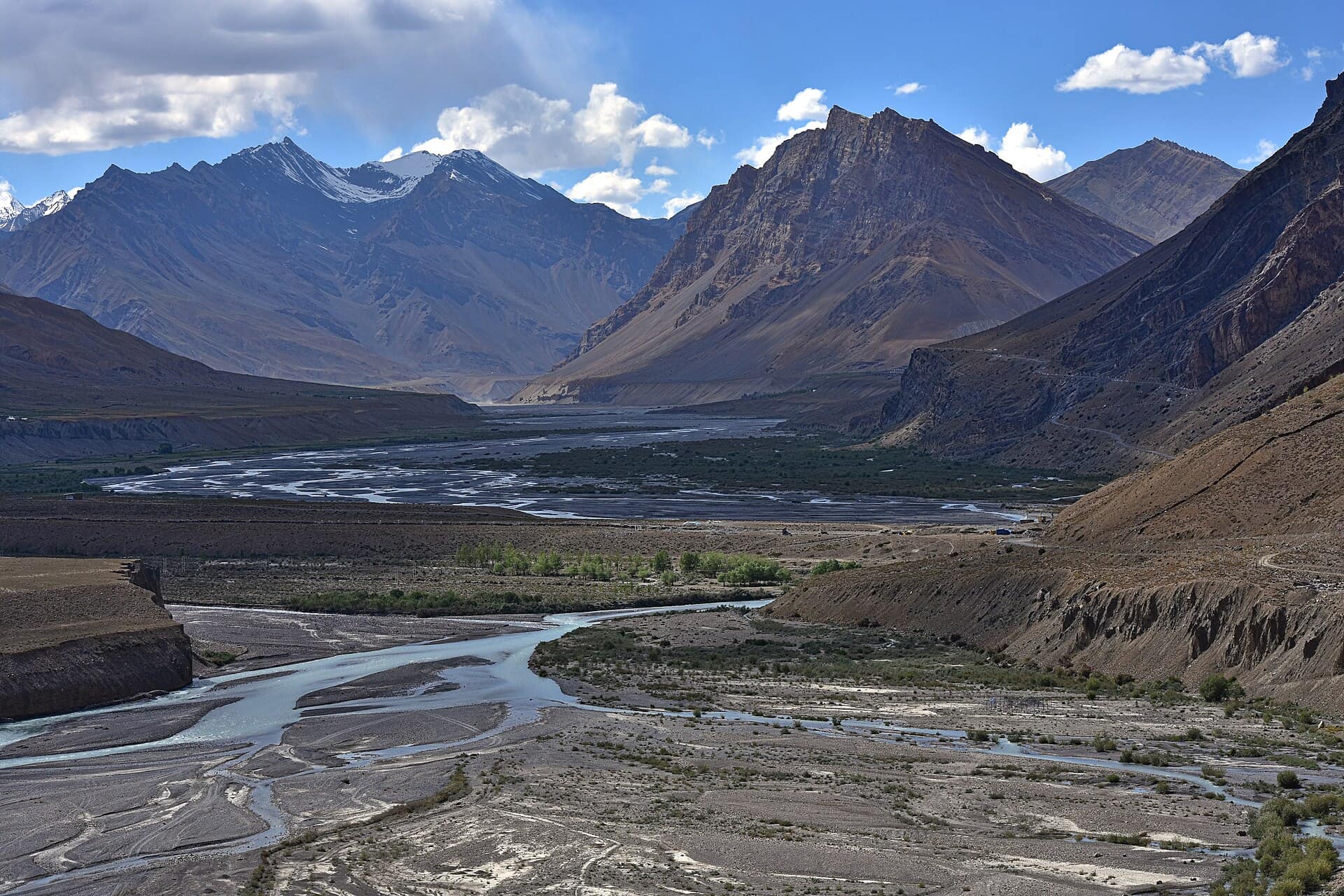
A stark, high-altitude cold desert in the trans-Himalaya — a moonscape of ochre mountains, ancient cliff-top monasteries, the world's highest villages, and the mirror lake of Chandratal.
Spiti is 'little Tibet': the cliff-hugging Key Monastery, Kaza the valley hub, Dhankar's fortress gompa, the Pin Valley, Chandratal lake, Buddhist prayer flags, and thukpa and butter tea.
Plan your trip
Spiti Valley Tour Itineraries
Timed, walkable day plans — plus the best season to go.
Where to shoot
Spiti Valley Photo Spots
 Medium crowd
Entry Nominal
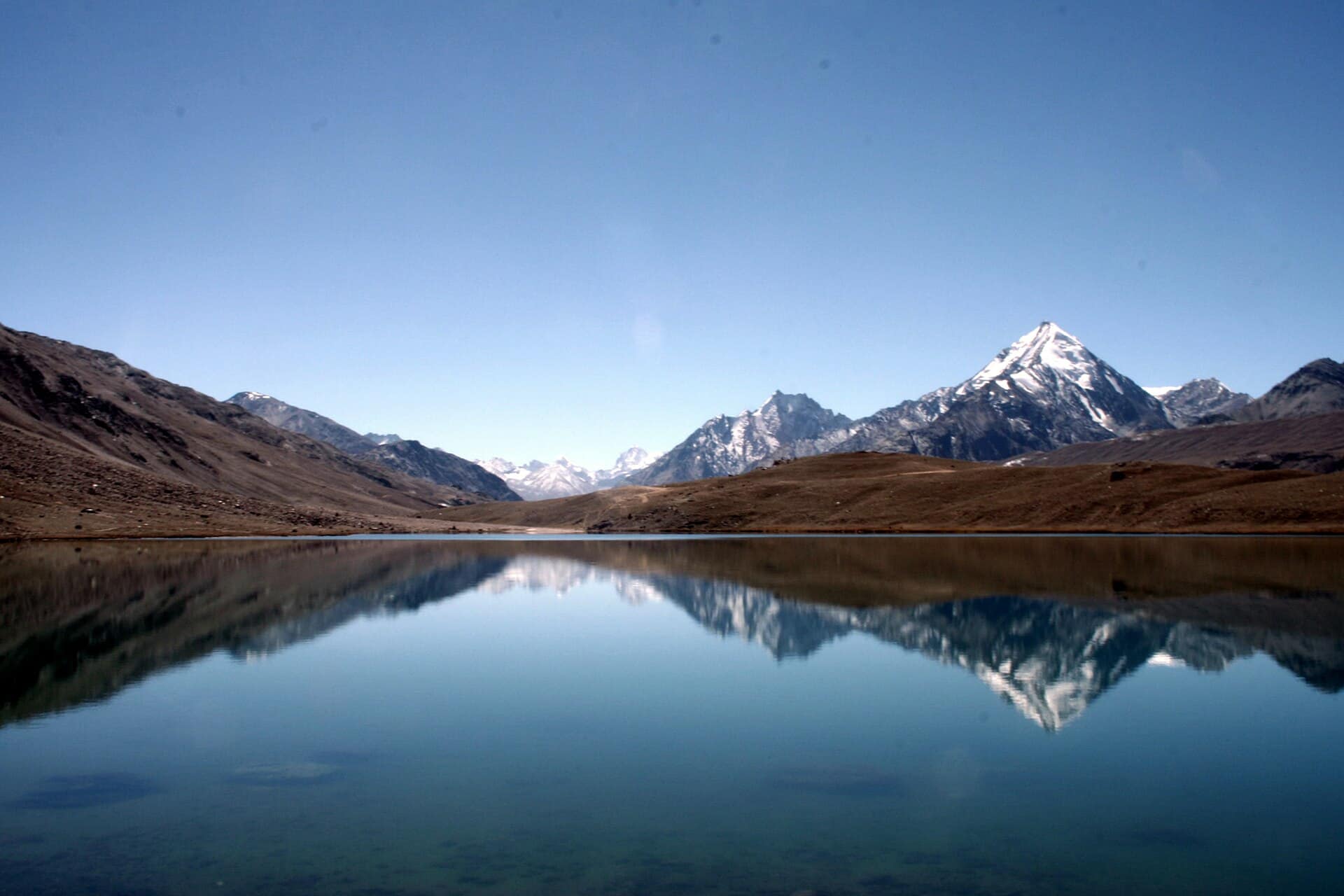
Chandra Taal
- Best timeEarly morning, when the wind is still and the lake reflects the peaks.
- ColorsRedBlackWhite
 Low crowd
Entry Free (donation)
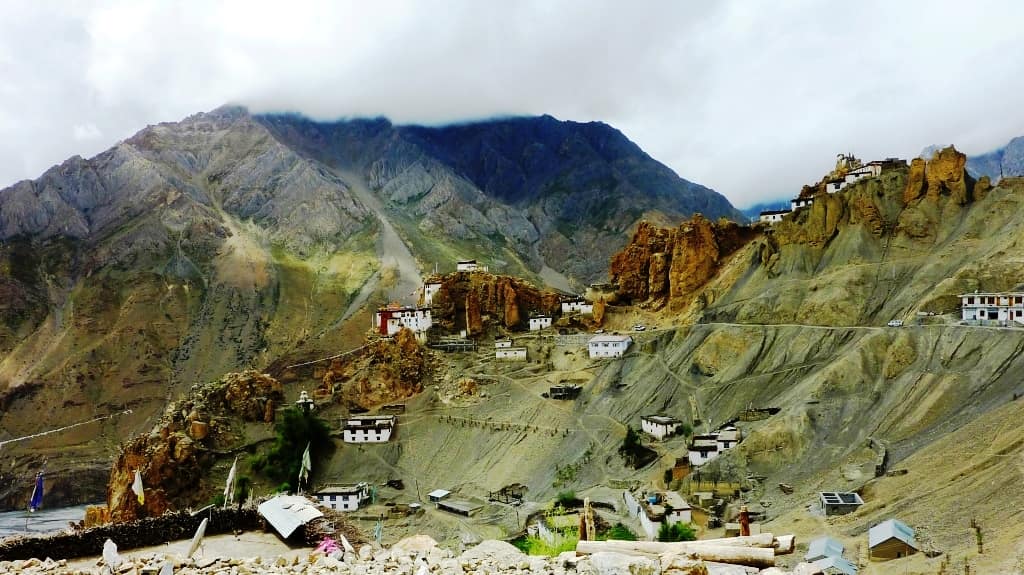
Dhankar Monastery
- Best timeMorning, when the light is soft on the monastery and the valley below is clear.
- ColorsMaroonOchreWhite
 Medium crowd
Entry Free
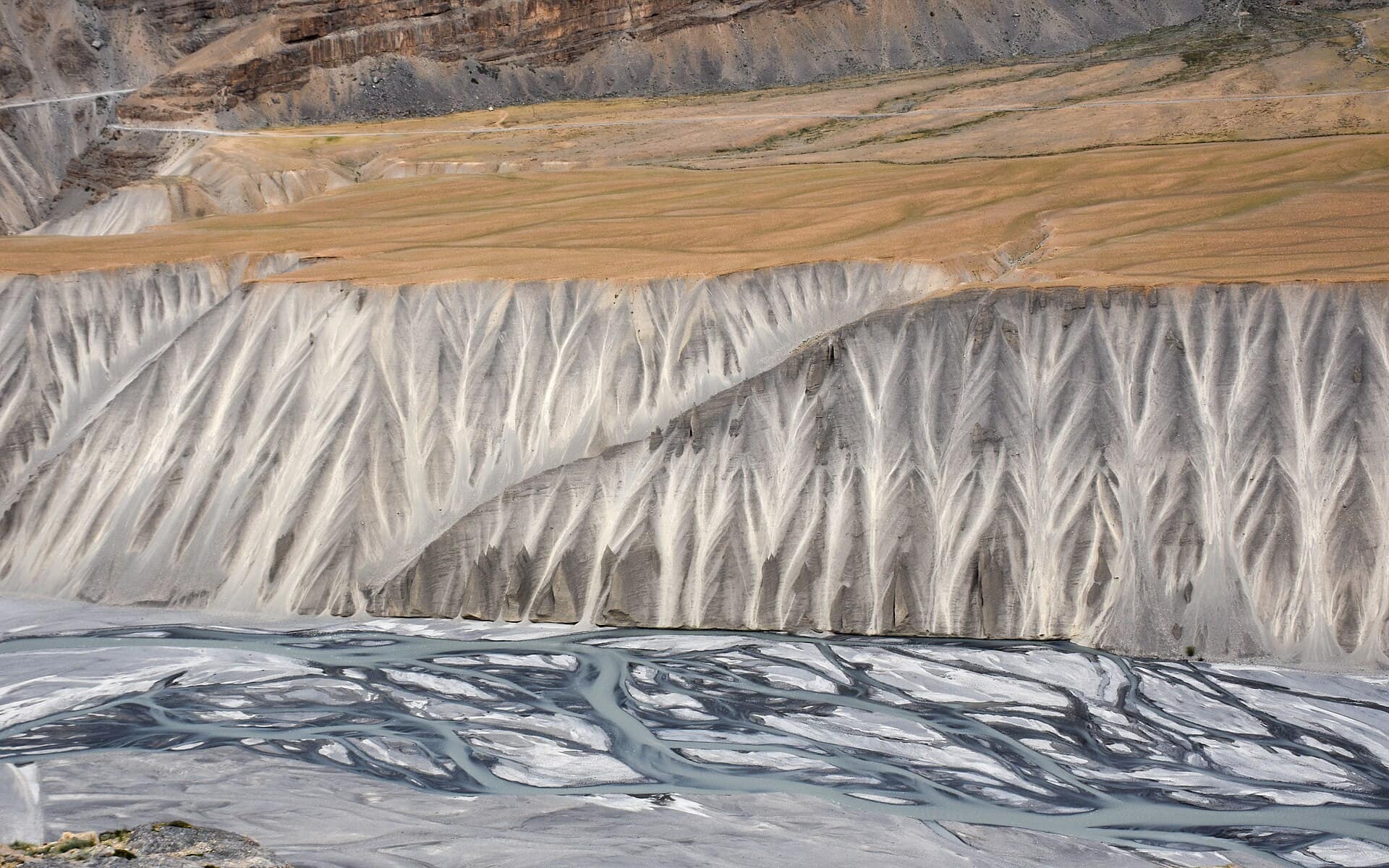
Kaza
- Best timeLate afternoon, when warm light falls on the ochre mountains around the town.
- ColorsMaroonRustCream
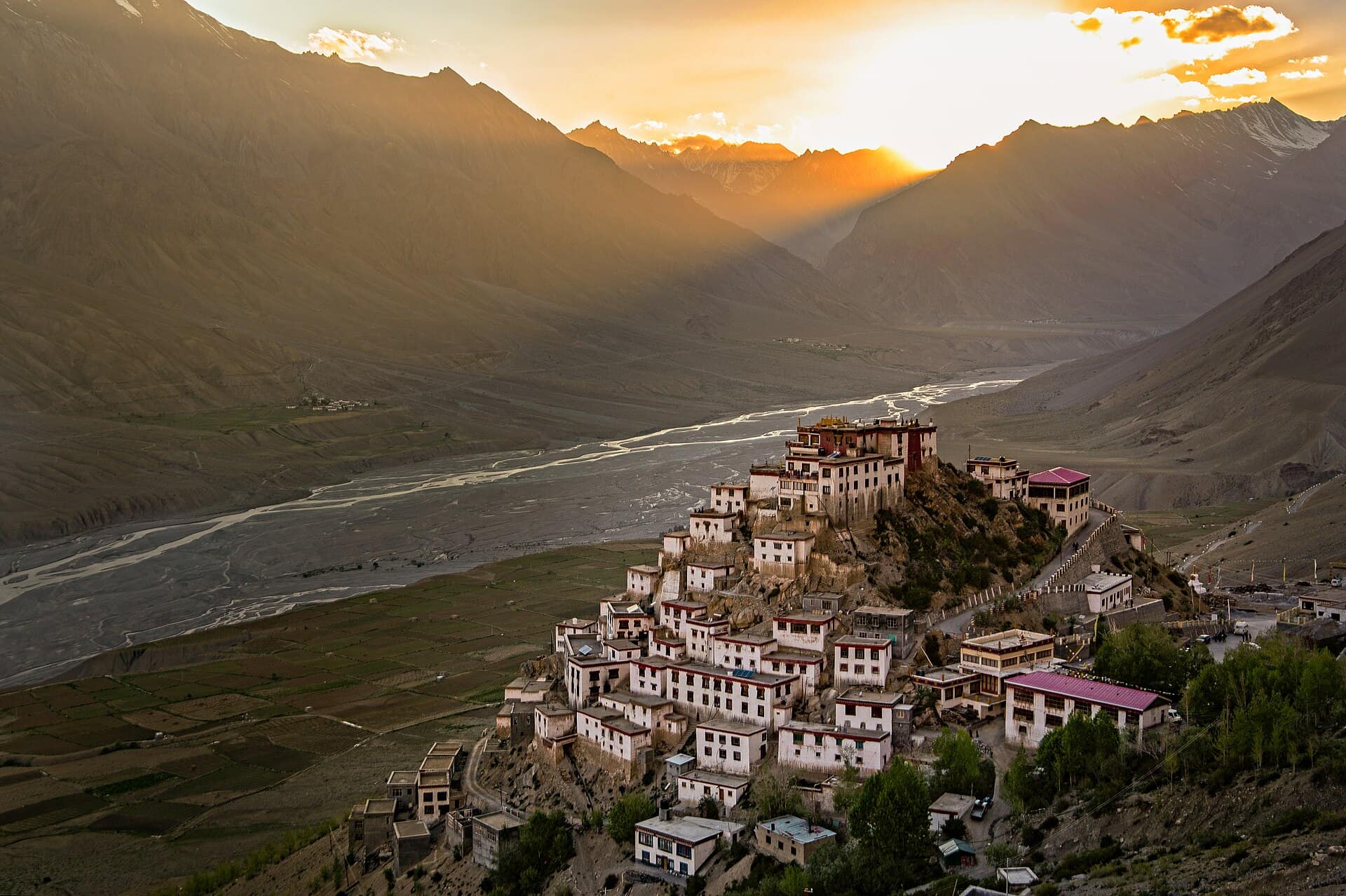 Medium crowd
Entry Free (donation)
Key Monastery
- Best timeMorning for clear skies; late afternoon for warm light on the white walls.
- ColorsMaroonGoldWhite
 Low crowd
Entry Nominal (park)
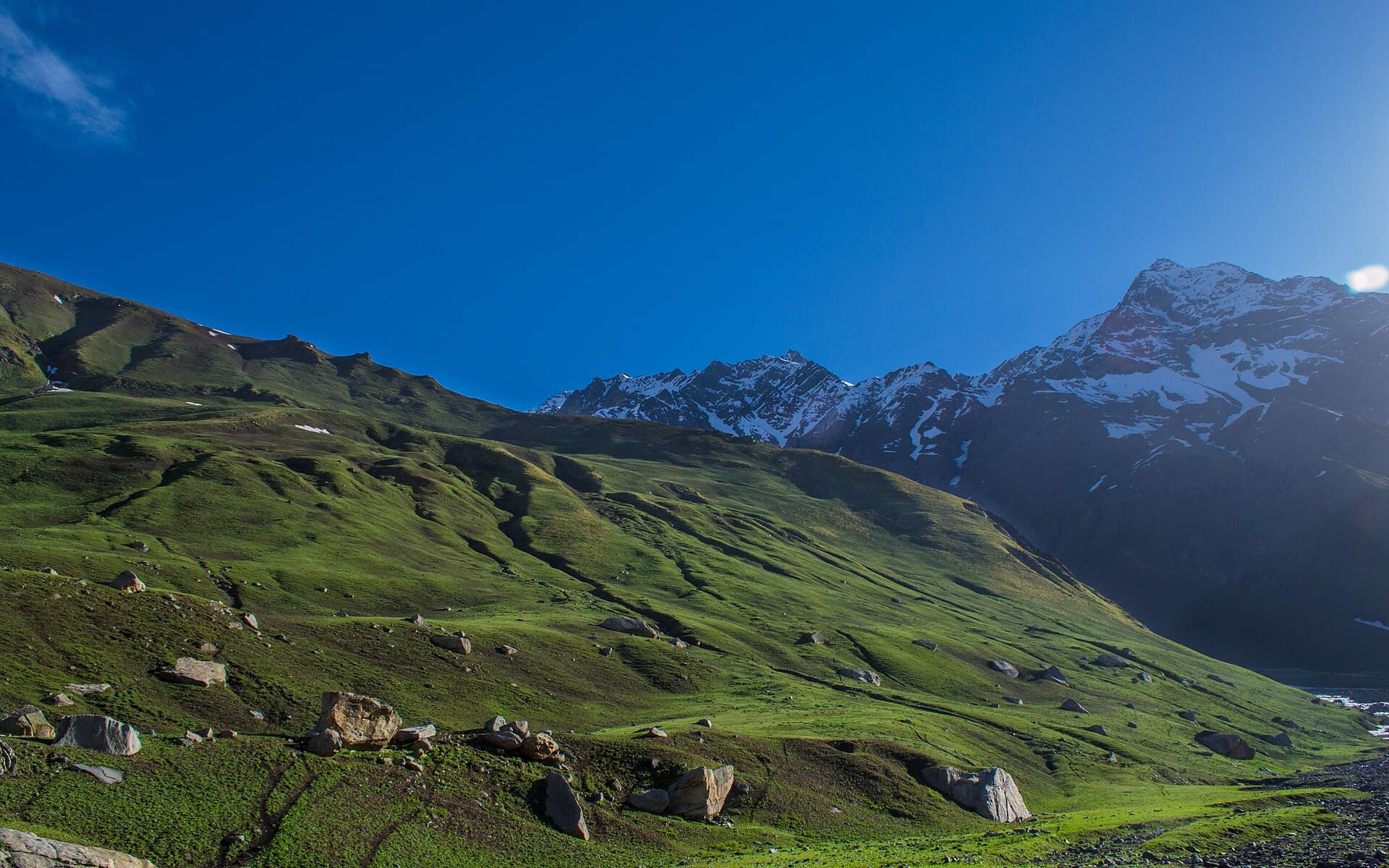
Pin Valley
- Best timeMorning, when the light is soft and the green fields stand out against the bare hills.
- ColorsRedOchreForest green
For the feed
Trending Wear in Spiti Valley
Modern, Instagram-friendly looks

Rooted in the city
Spiti Valley Traditional Wear
Local, cultural, handcrafted outfits
Before you go
Temples in Spiti Valley
Darshan hours, dress codes and what gets refused at the gate
Taste the city
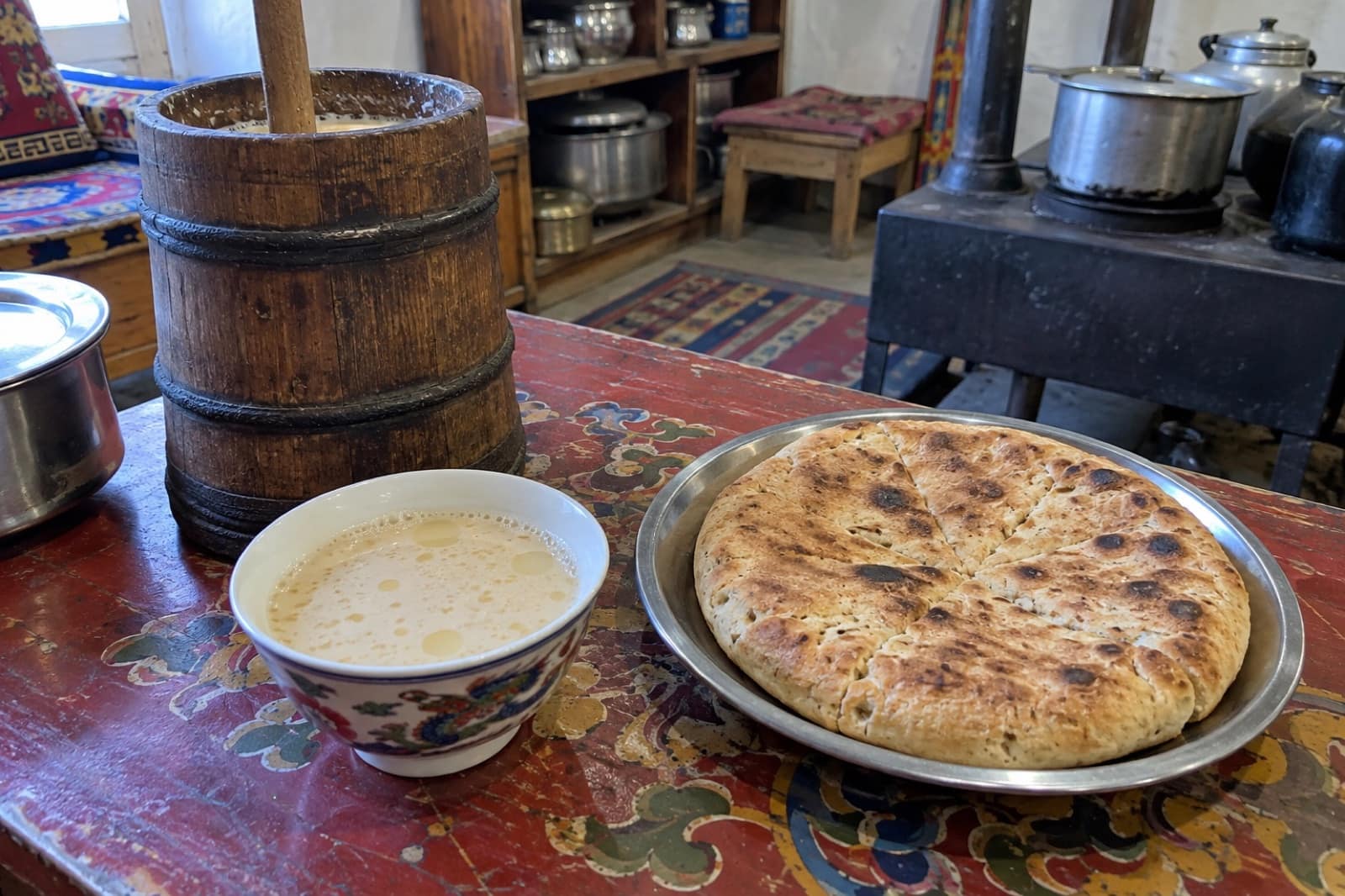
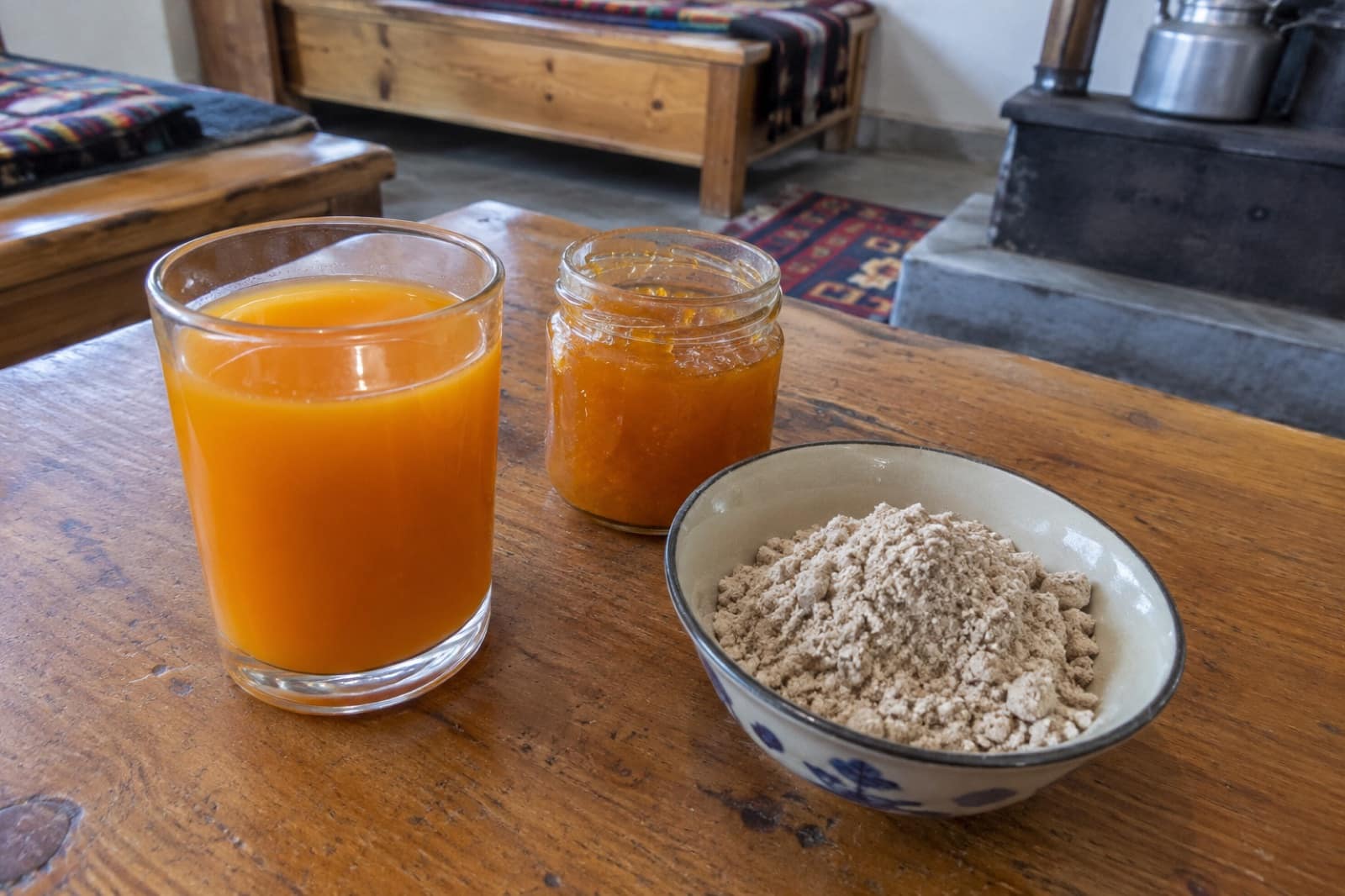
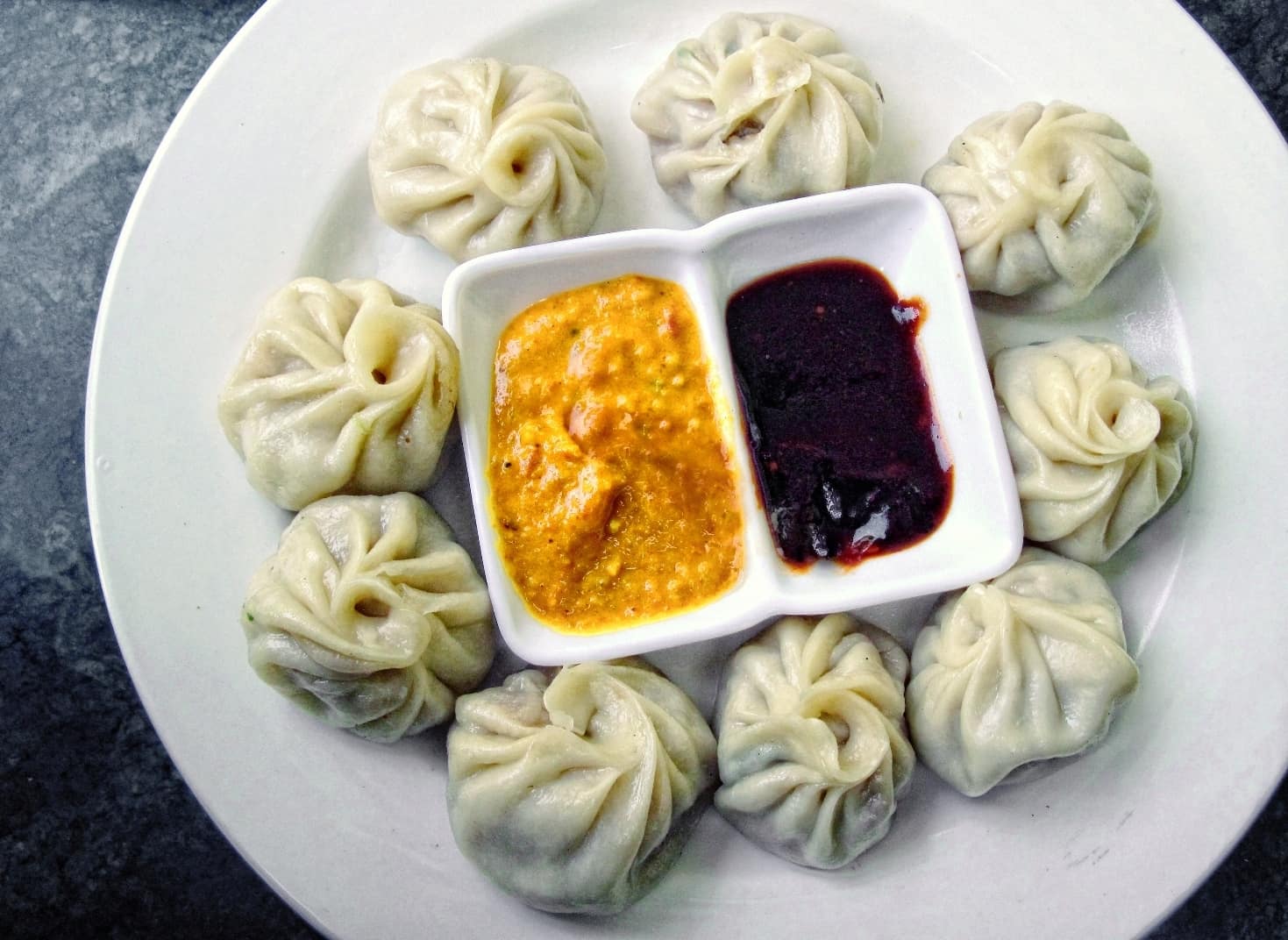
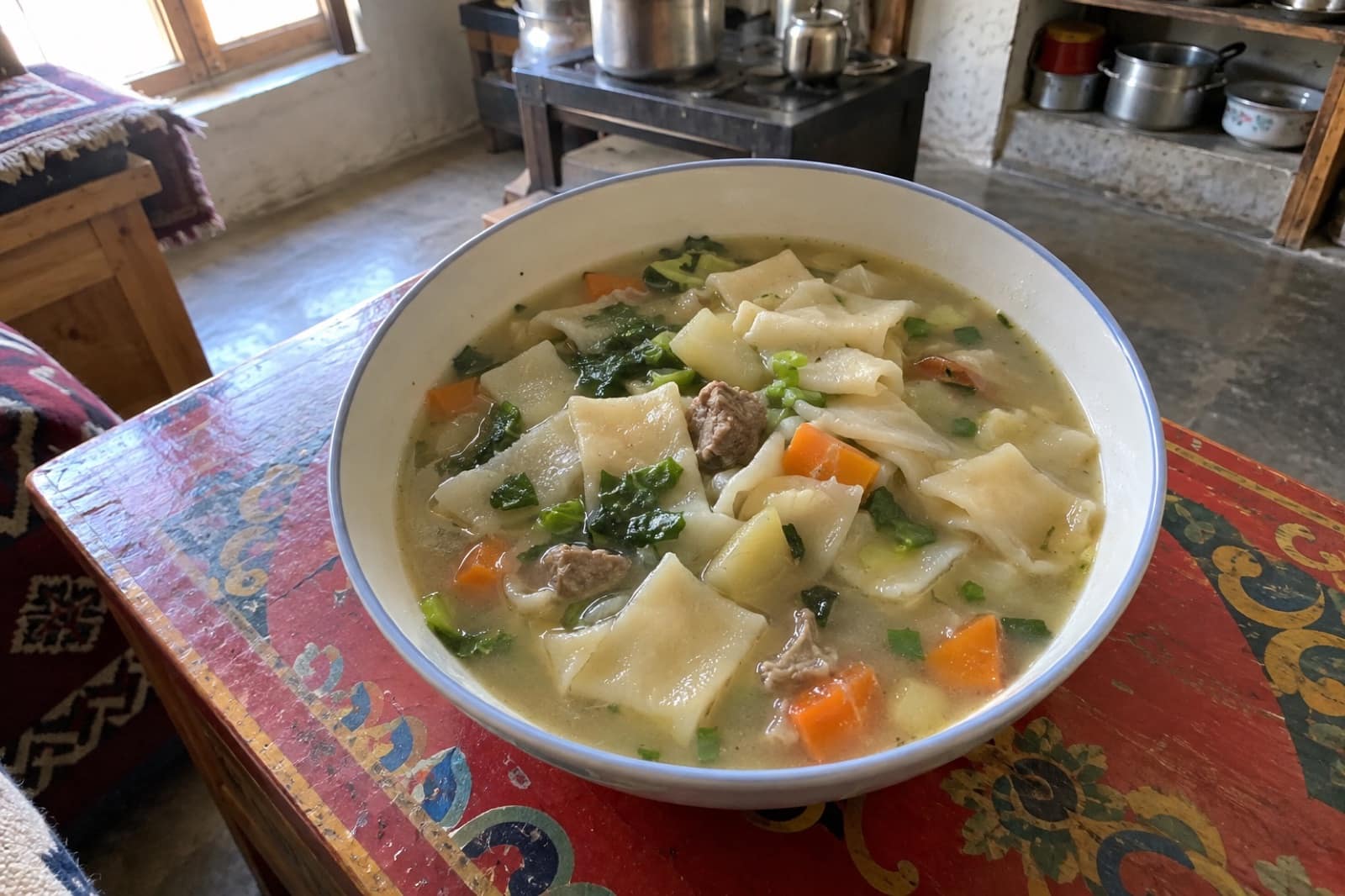
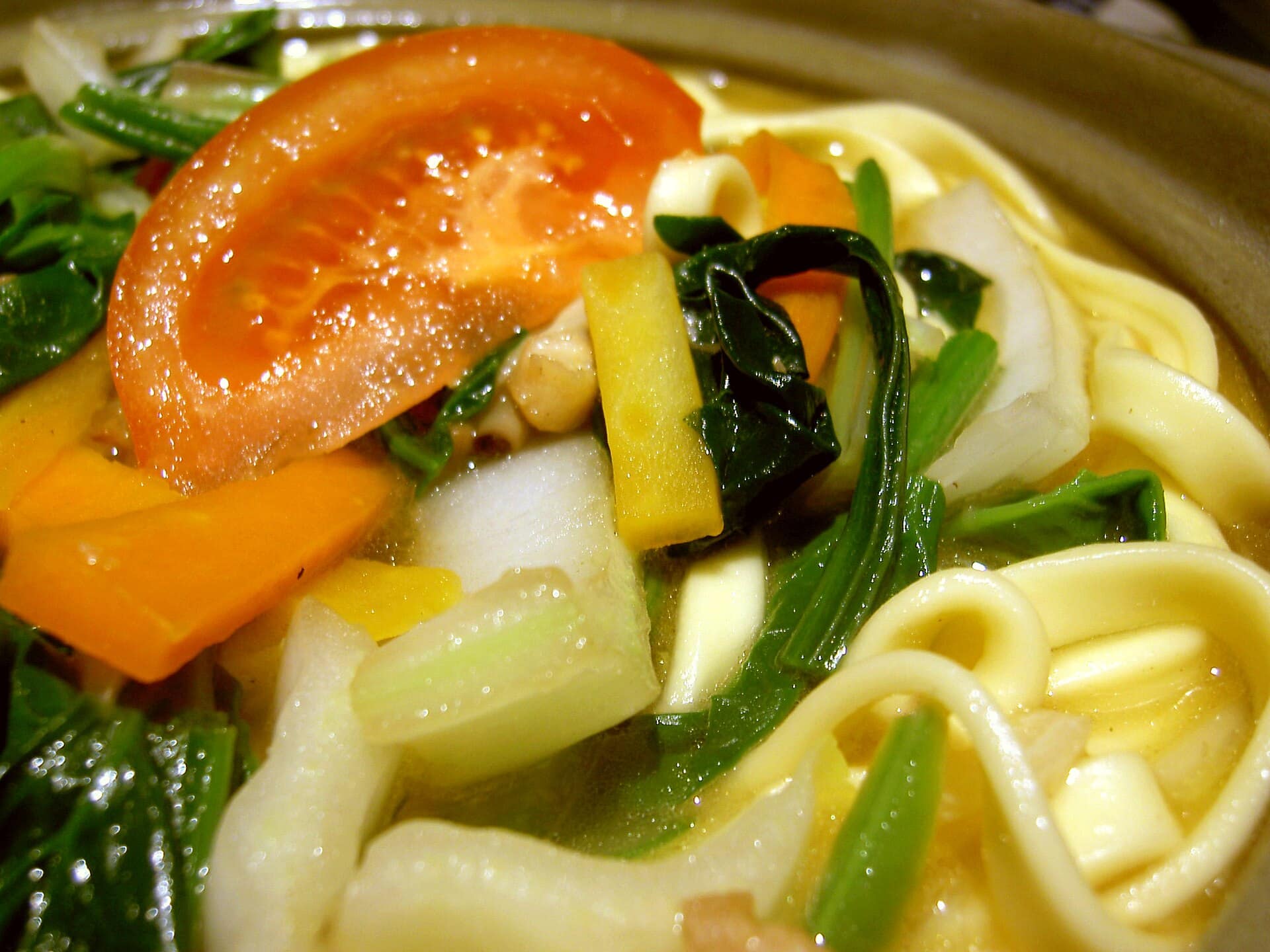
Food to Eat in Spiti Valley
Trusted tables
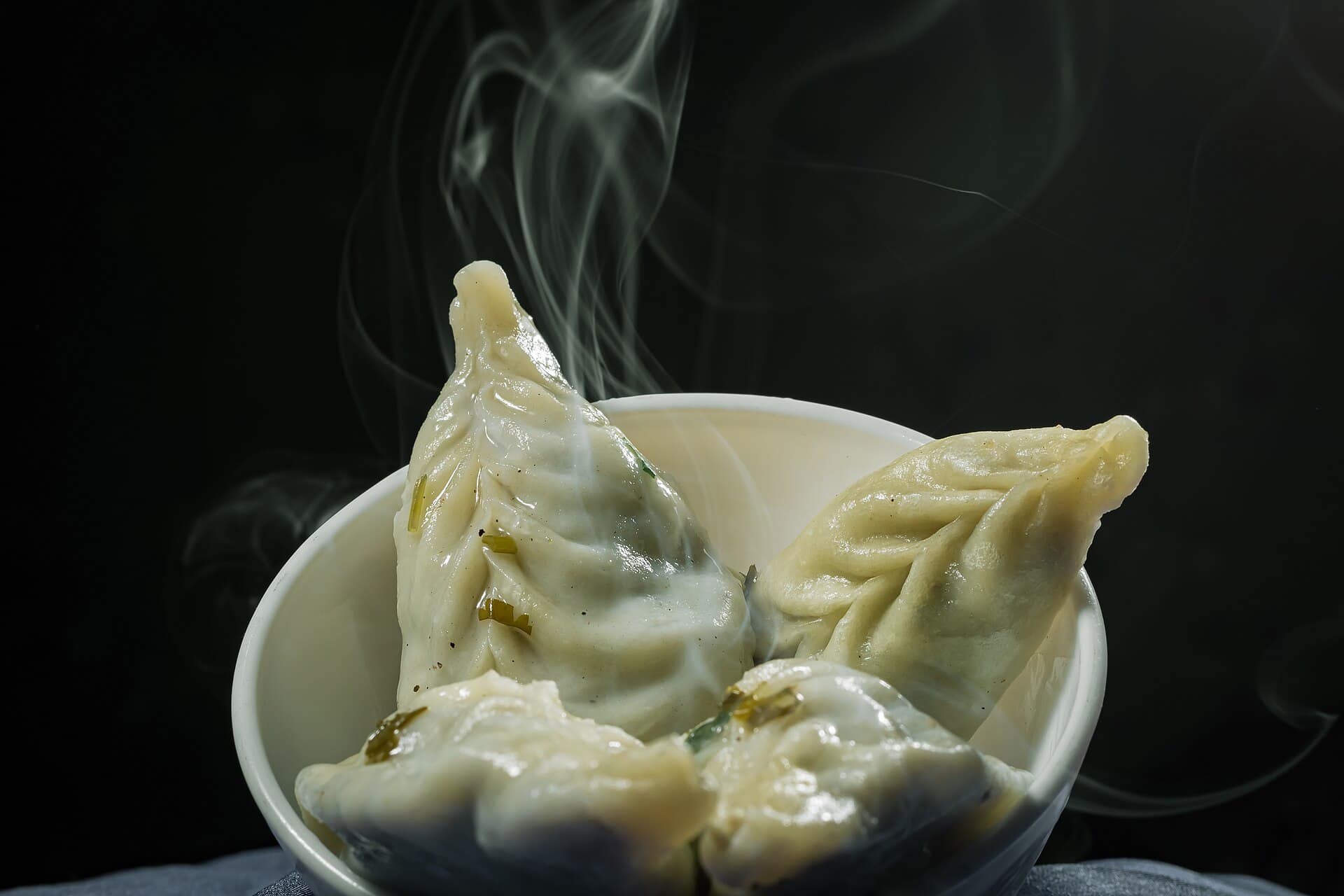
Where to Eat in Spiti Valley
About Spiti Valley
Spiti Valley is a high, dry mountain valley in the Lahaul and Spiti district of Himachal Pradesh, close to the border with Tibet. It sits in the rain shadow of the Himalayas, so instead of pine forests you find bare ochre slopes, wide riverbeds and small whitewashed villages. Kaza, the main town, is at about 3,800 m, and most of the valley is higher still. Buddhism shapes daily life here, and old monasteries such as Key and Dhankar sit on hilltops and cliffs above the Spiti river.
Spiti is a road trip rather than a quick holiday. You reach it either from Shimla through Kinnaur or from Manali over the Kunzum Pass, and both routes are long mountain drives. Use Kaza as your base: visit Key Monastery and the high villages around it, drive down to Dhankar and the Pin Valley, and, when the Kunzum road is open, go on to Chandratal lake. Leave time to acclimatise, and warm up with thukpa, momos and butter tea along the way.
Questions
Spiti Valley — FAQ
What is Spiti Valley famous for?
Spiti Valley is famous for its cold-desert landscape, old Buddhist monasteries such as Key and Dhankar, high villages, the Pin Valley and Chandratal lake. It is often called "little Tibet" because of its Tibetan Buddhist culture and food.
How many days do I need for Spiti Valley?
Plan for at least 7–10 days including the drive in and out. The roads are slow, and you need rest days to adjust to the altitude. Two or three nights in Kaza let you see Key Monastery, Dhankar and the Pin Valley without rushing.
How do I reach Spiti Valley?
There are two road routes. The Shimla–Kinnaur route reaches Kaza after about 400 km and usually stays open for most of the year, with closures after heavy snow. The Manali route over the Kunzum Pass is shorter, about 180–200 km, but is normally open only from around late May or June to October.
Do I need a permit to visit Spiti Valley?
Indian citizens do not need a permit, but should carry photo ID for registration at checkposts. Foreign nationals need a Protected Area Permit for the border areas of Kinnaur and Spiti. Check the current rules before you travel, as they can change.
Is altitude sickness a problem in Spiti Valley?
It can be. Kaza is at about 3,800 m and many places are higher. Go up slowly, rest on your first day, drink plenty of water and avoid alcohol. If you get a bad headache, feel sick or breathless, rest and go lower if it does not improve. See is Spiti Valley safe for more.