
Tamil Nadu · India
Vellore
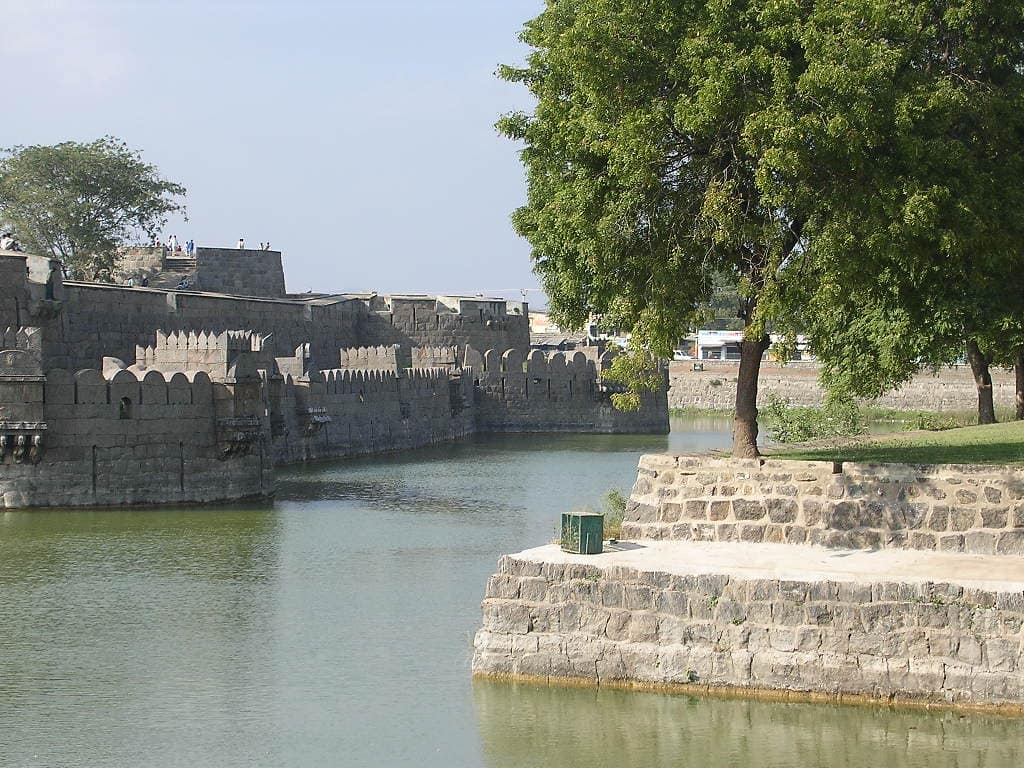
A historic garrison city on the Palar river, ringed by a superb moated 16th-century fort, home to the temple-inside-the-fort of Jalakandeswarar, the dazzling Sripuram golden temple, and the famous Ambur-style biryani.
Vellore is fort-and-temple Tamil Nadu: the star-shaped Vellore Fort and its Jalakandeswarar temple, the gold-clad Sripuram Lakshmi Narayani temple, a renowned medical college, and Ambur-Vellore biryani.
Plan your trip
Vellore Tour Itineraries
Timed, walkable day plans — plus the best season to go.
Where to shoot
Vellore Photo Spots
 Medium crowd
Entry Nominal
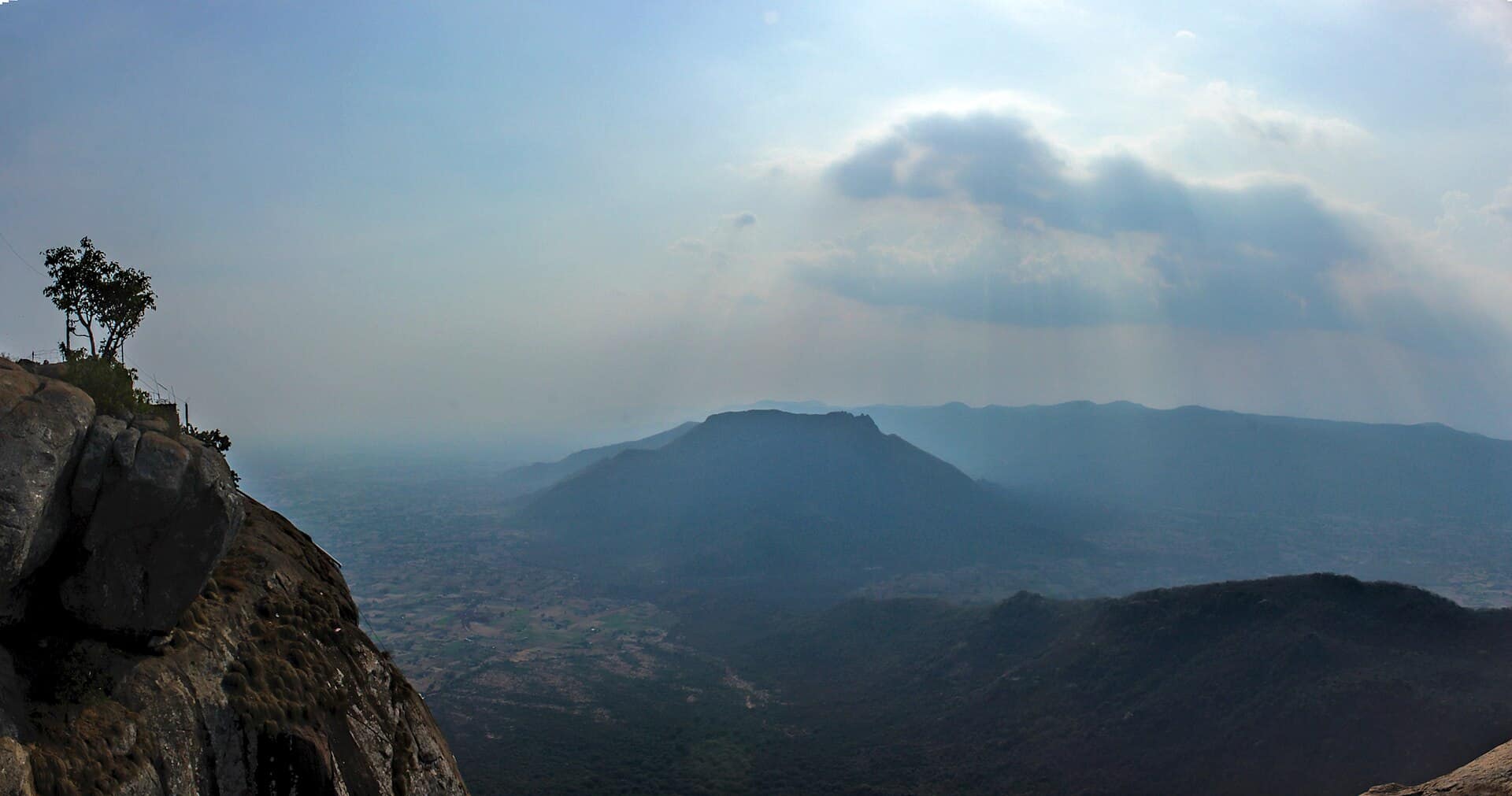
Amirthi Falls & Zoo
- Best timeMorning, when the forest is cool and quiet and soft light filters through the trees; come after the rains for water in the falls.
- ColorsForest greenRustCream
 Low crowd
Entry Nominal
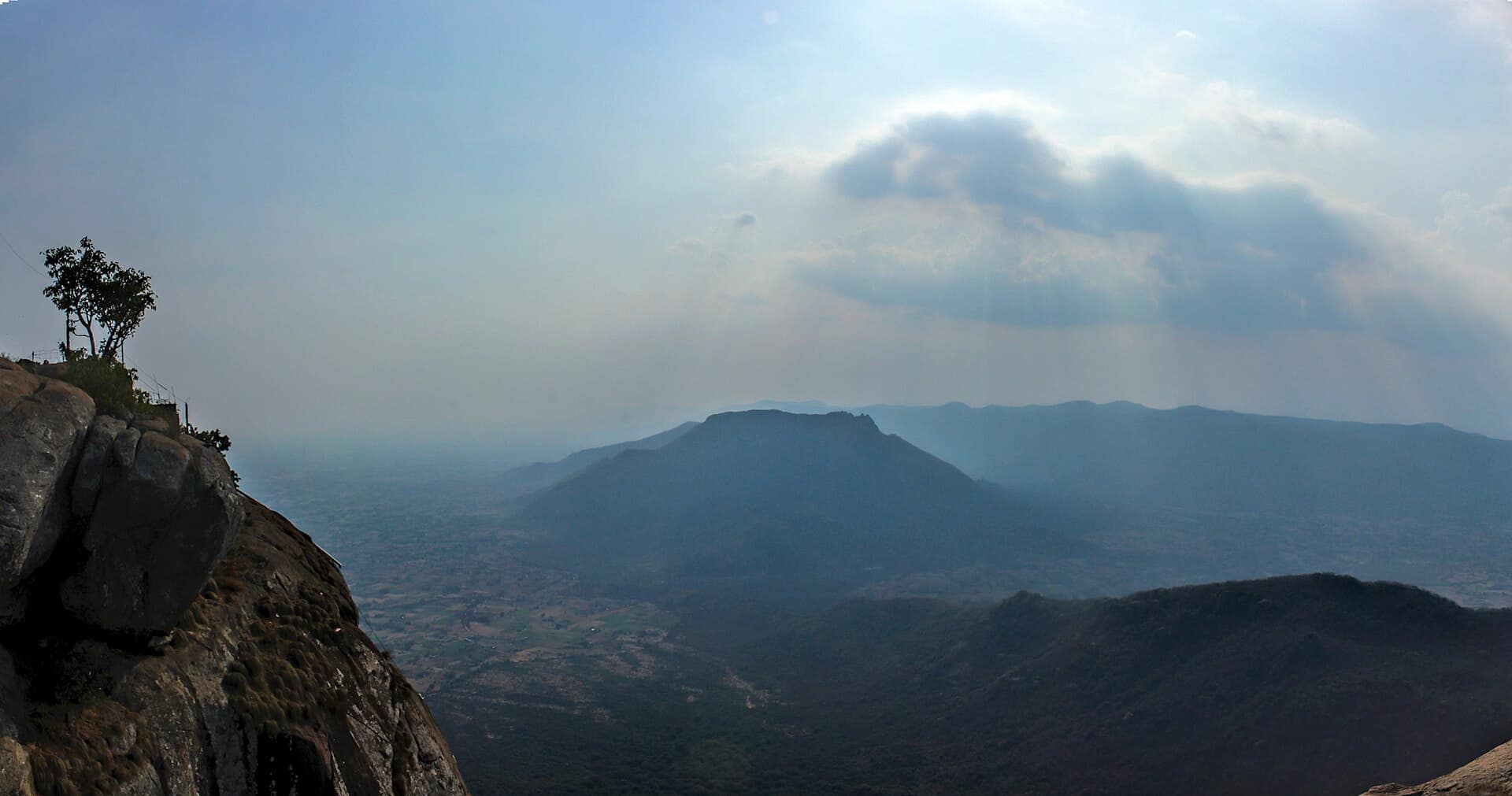
Government Museum
- Best timeMid-morning, soon after opening, when the galleries are quiet and the light outside is still soft.
- ColorsCreamOliveMaroon
 Medium crowd
Entry Free
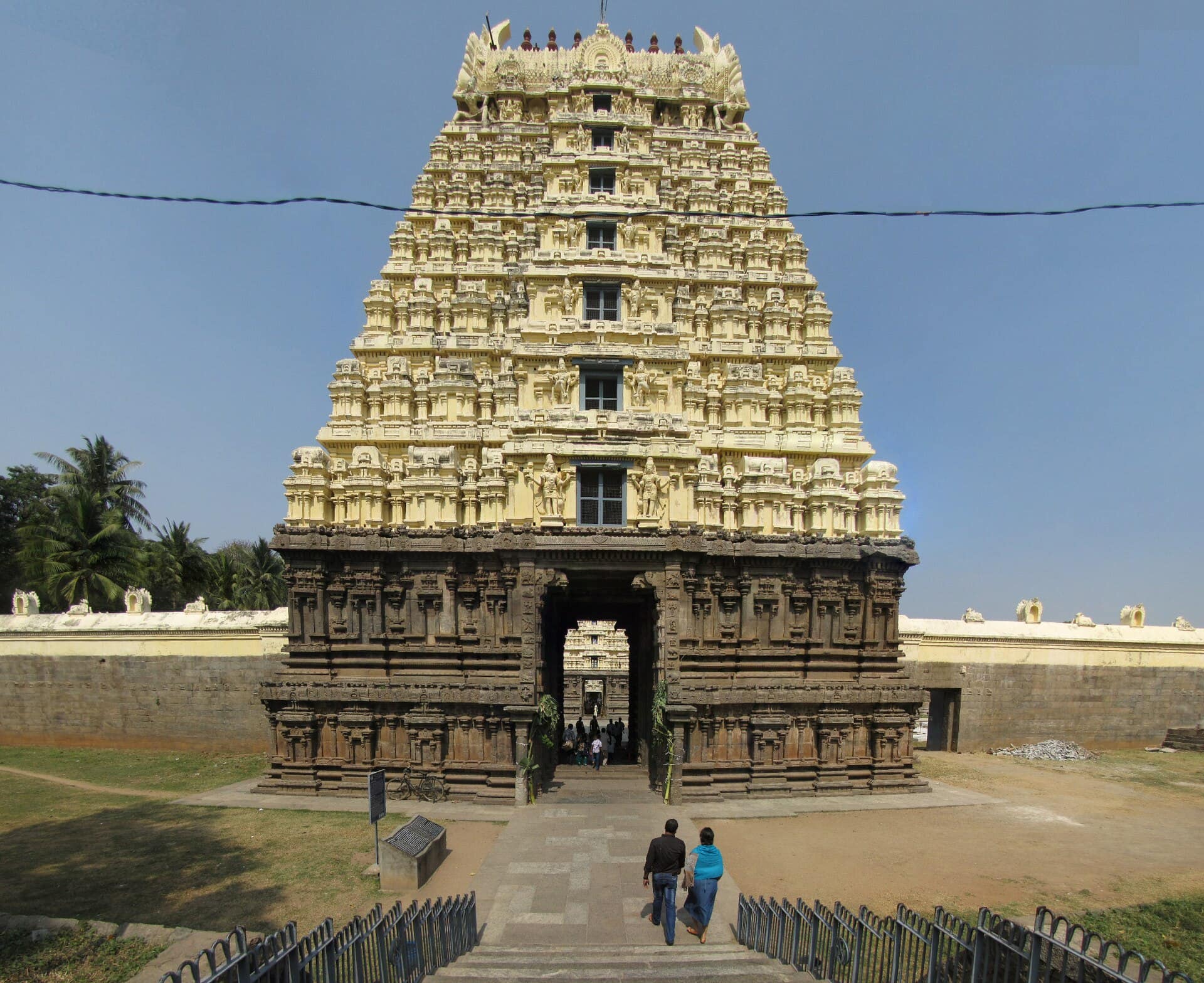
Jalakandeswarar Temple
- Best timeEarly morning, soon after the temple opens, for soft light on the gopuram and a quieter courtyard.
- ColorsSaffronCreamMaroon
 High crowd
Entry Free (entry passes)
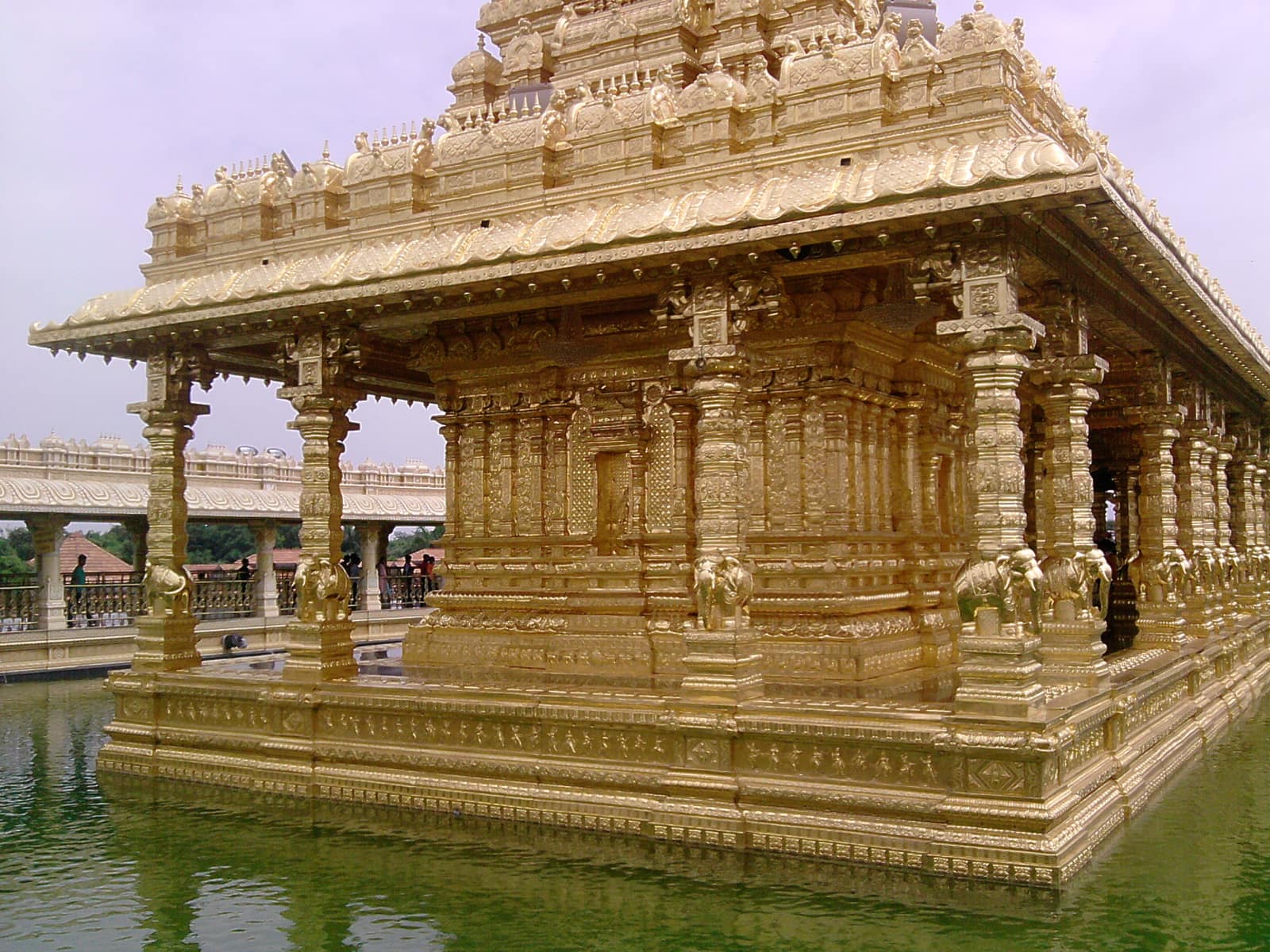
Sripuram Golden Temple
- Best timeLate afternoon, before you deposit your phone, for soft light at the entrance; the shrine itself is lit up at dusk but cannot be photographed.
- ColorsGoldCreamMaroon
 Medium crowd
Entry Free (museum extra)
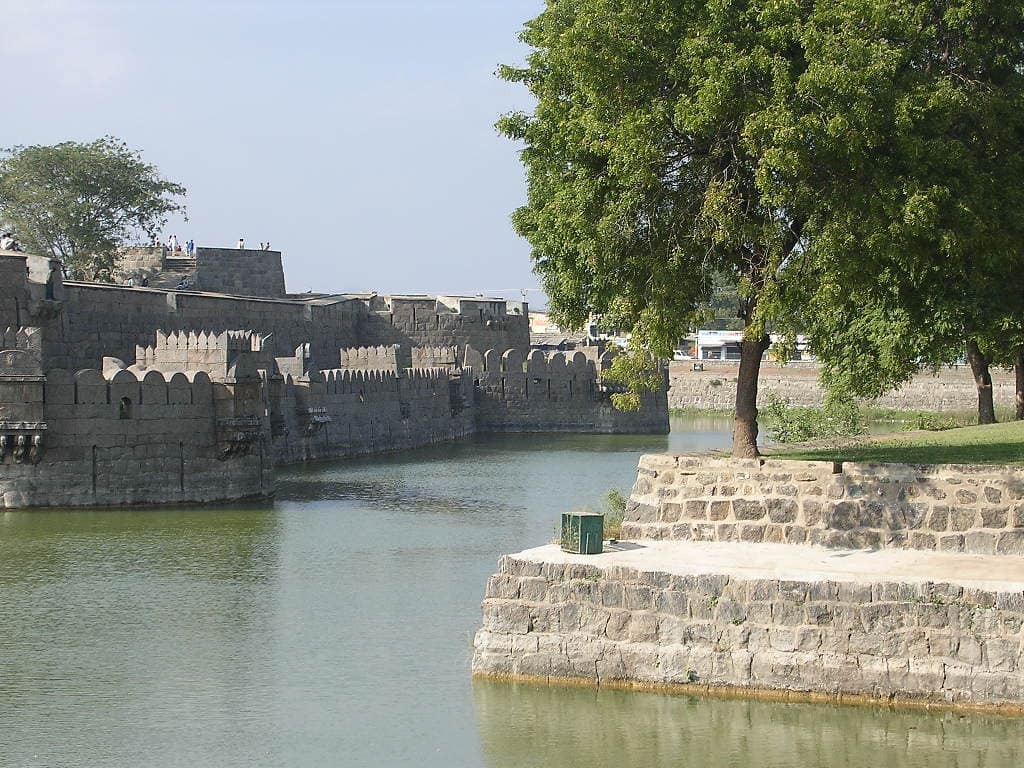
Vellore Fort
- Best timeEarly morning, when the moat is still and the granite walls catch soft light; late afternoon for warm colour on the ramparts.
- ColorsCreamRustOlive
For the feed
Trending Wear in Vellore
Modern, Instagram-friendly looks
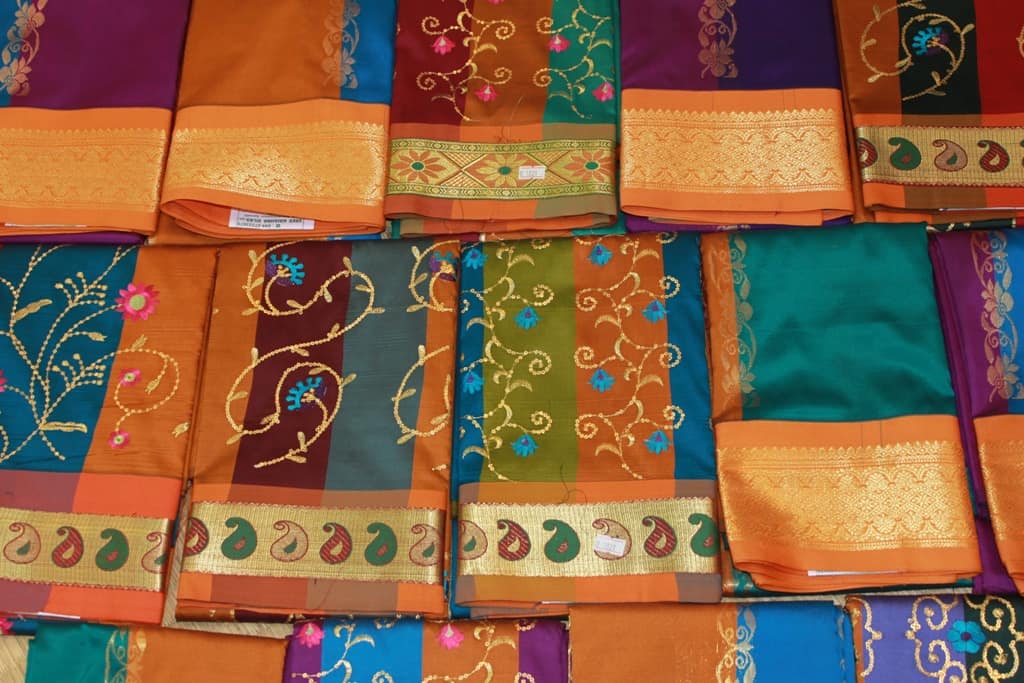
Rooted in the city
Vellore Traditional Wear
Local, cultural, handcrafted outfits
Before you go
Temples in Vellore
Darshan hours, dress codes and what gets refused at the gate
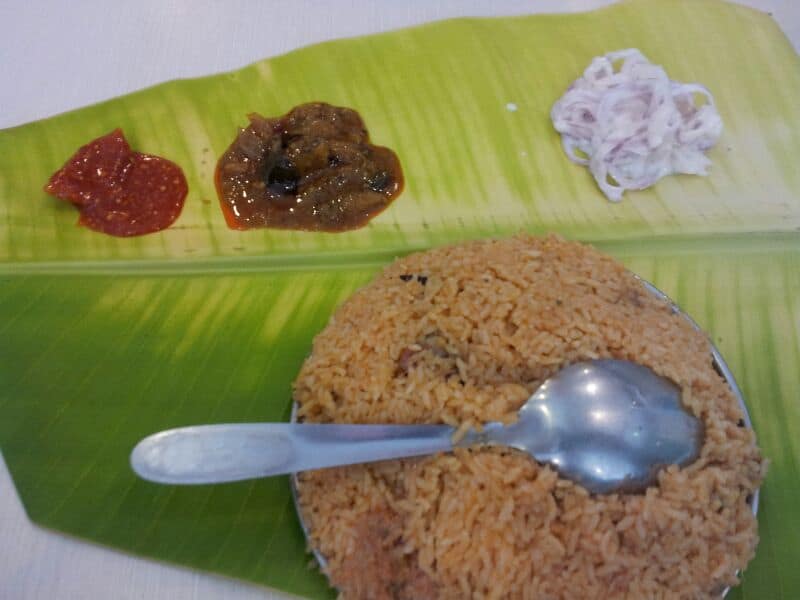
Taste the city
Food to Eat in Vellore
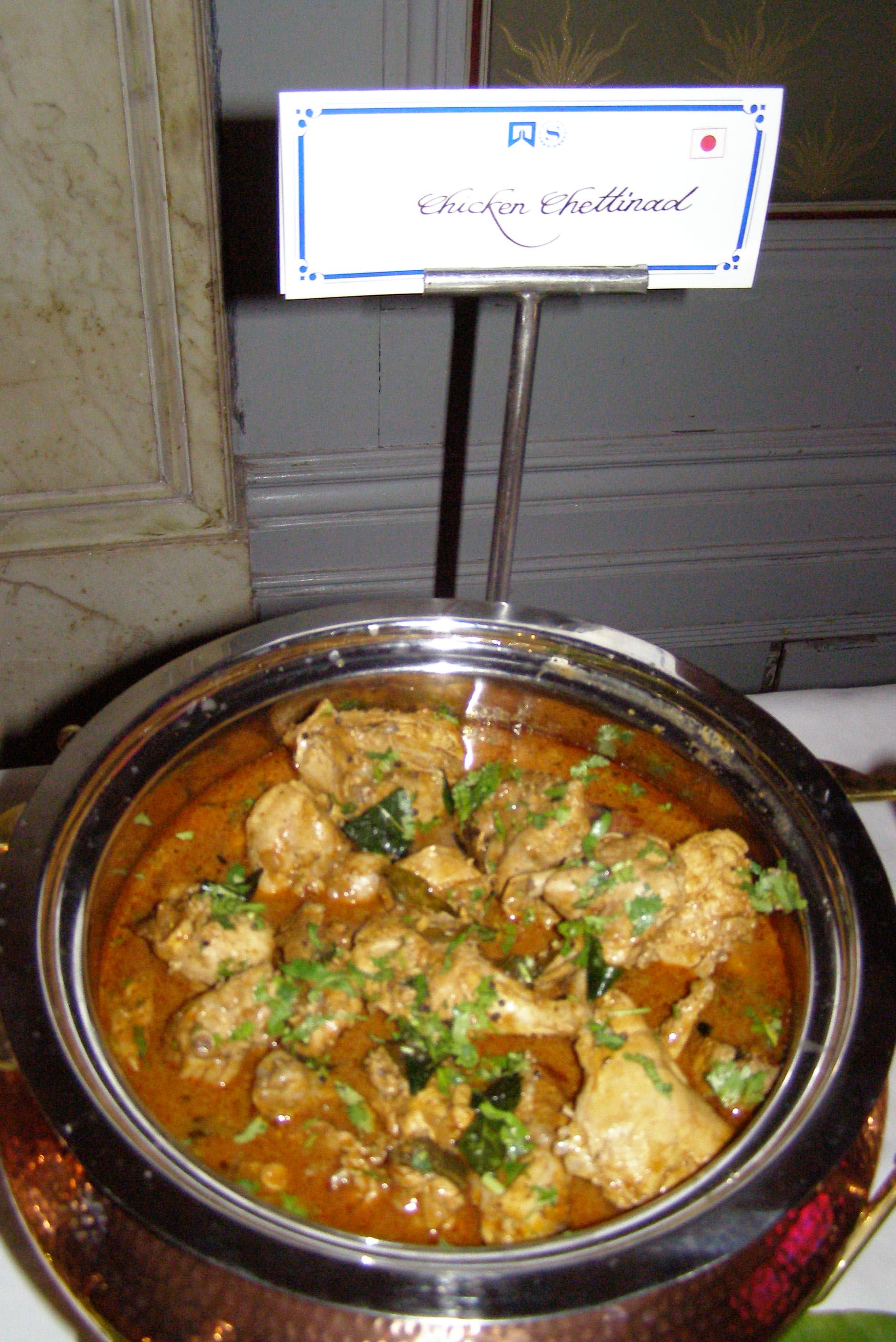
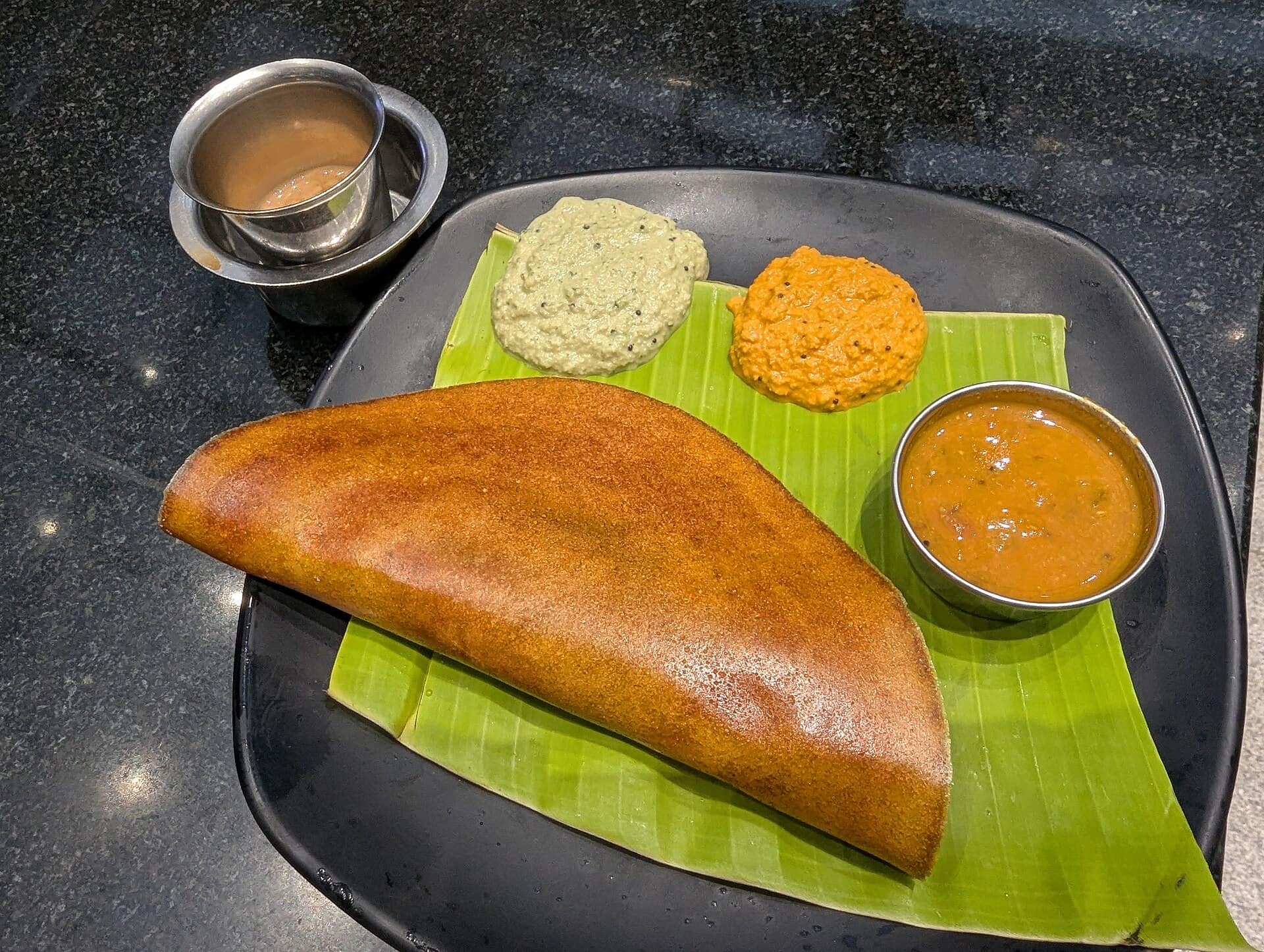

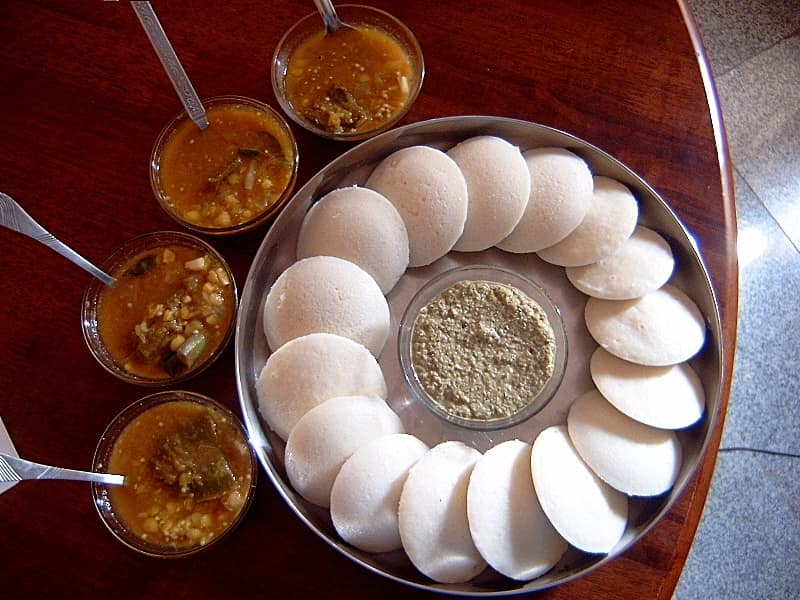
Trusted tables
Where to Eat in Vellore
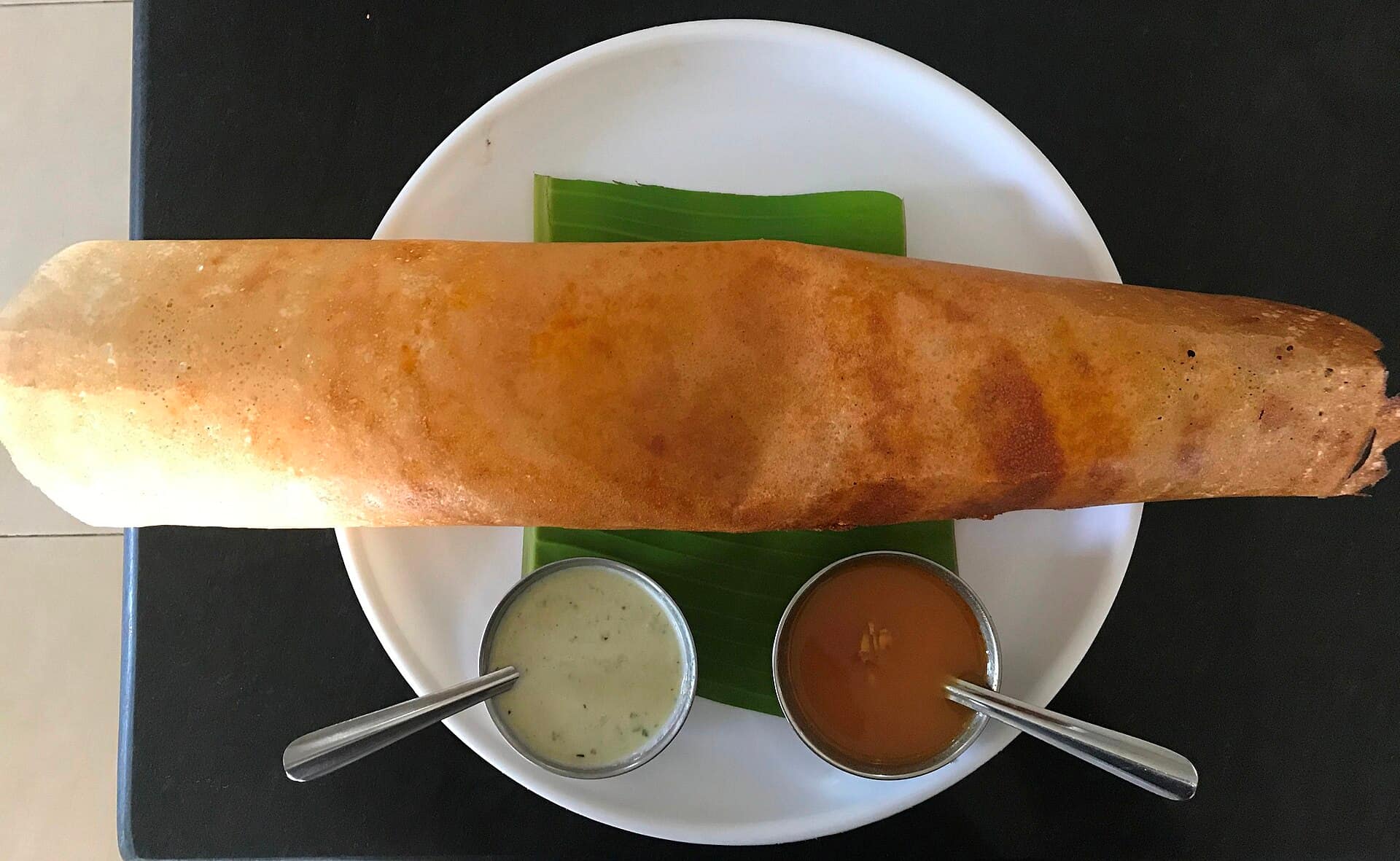
About Vellore
Vellore is a busy fort city on the Palar river in northern Tamil Nadu, about 140 km west of Chennai. At its centre stands Vellore Fort, a 16th-century granite fort built under the Vijayanagara empire and ringed by a wide moat. Inside its walls are the Jalakandeswarar Temple, a church, a mosque and a museum. The fort is also where the Vellore Mutiny broke out on 10 July 1806, half a century before the 1857 uprising. Today the city is just as well known for the Christian Medical College (CMC) hospital and for VIT university, which bring people here from all over India.
A day in Vellore works best if you start early at the fort and the temple, before the heat builds. Spend the late afternoon at the Sripuram Golden Temple, about 10 km south of the city, where the gold-covered shrine is lit up after dark. With another half day, head out to the forest at Amirthi for the small zoo and a seasonal waterfall. In between, eat Ambur biryani, a plate of idli or dosa and a strong filter coffee.
Questions
Vellore — FAQ
What is Vellore famous for?
Vellore is famous for Vellore Fort with its moat, the Jalakandeswarar Temple inside it, the gold-covered Sripuram Golden Temple and the 1806 Vellore Mutiny. It is also known for the CMC hospital, VIT university and Ambur-style biryani.
How many days are enough for Vellore?
1–2 days is enough. One day covers the fort, the museum, Jalakandeswarar Temple and an evening at Sripuram. Add a second morning for Amirthi Zoological Park and its seasonal waterfall.
What is the best time to visit Vellore?
December to February is the most comfortable time, with warm days and cooler mornings. April to June is very hot, often close to 40 °C, and August to November brings most of the year's rain. See the best time to visit Vellore for a month-by-month guide.
How do I reach Vellore?
Vellore is about 140 km from Chennai by road, and Chennai is the nearest major airport. The main railway station is Katpadi Junction, about 8 km from the town centre, on the Chennai–Bengaluru line. Buses run often from Chennai, Bengaluru and nearby towns.
What was the Vellore Mutiny?
On 10 July 1806, Indian sepoys at Vellore Fort rose against the East India Company, partly over new rules on uniforms, beards and religious marks. The revolt was put down within a day by troops from Arcot. It is often remembered as one of the earliest large revolts against British rule.