
Kerala · India
Wayanad
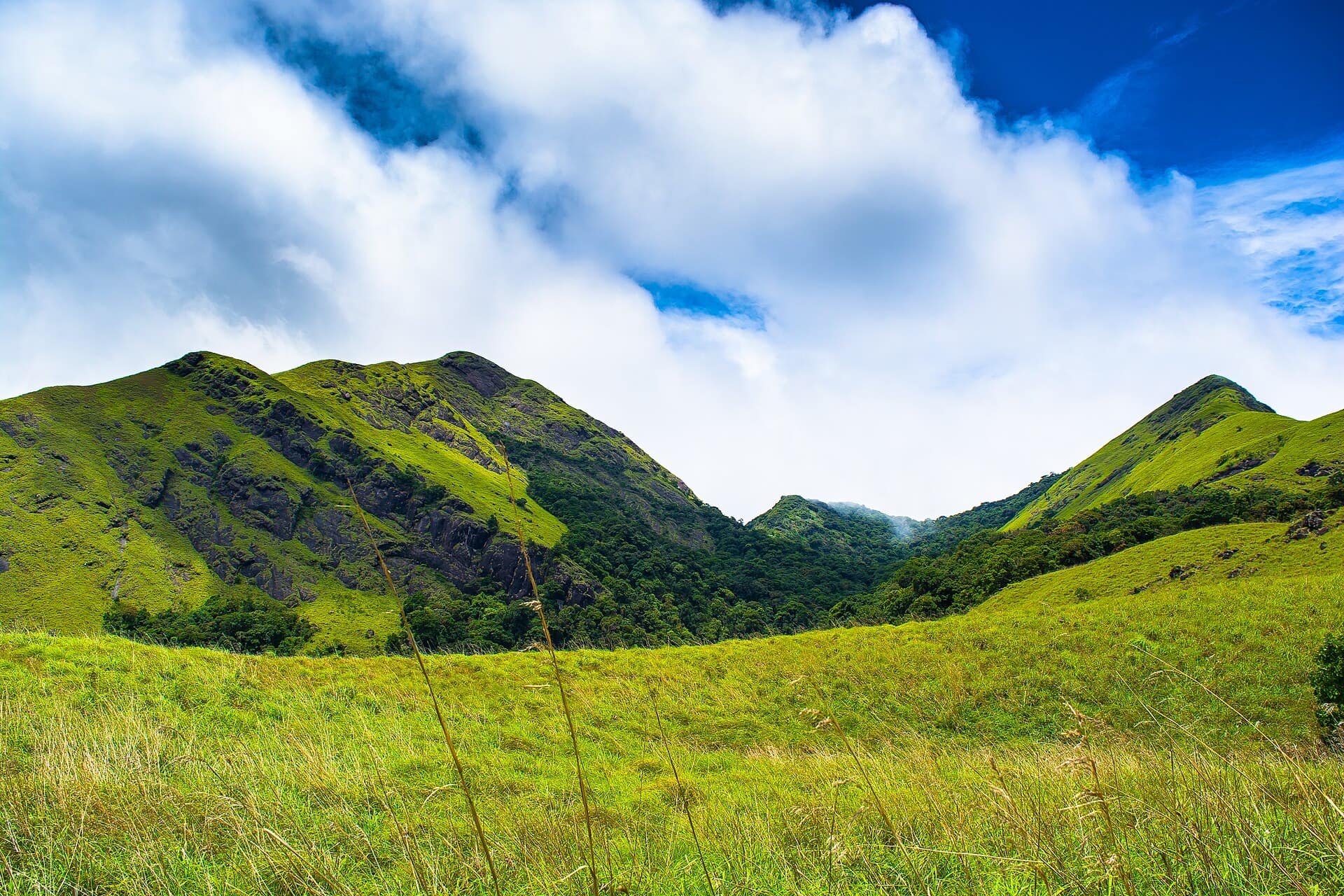
A misty Western-Ghats highland of Kerala — spice and coffee plantations, ancient Edakkal petroglyph caves, heart-shaped Chembra lake, waterfalls and wildlife.
Wayanad is plantation-and-forest Kerala: Edakkal's Stone-Age carvings, Chembra Peak treks, Banasura dam, tribal heritage, Malabar spice food and biryani.
Plan your trip
Wayanad Tour Itineraries
Timed, walkable day plans — plus the best season to go.
Where to shoot
Wayanad Photo Spots
 Medium crowd
Entry Nominal (boating extra)
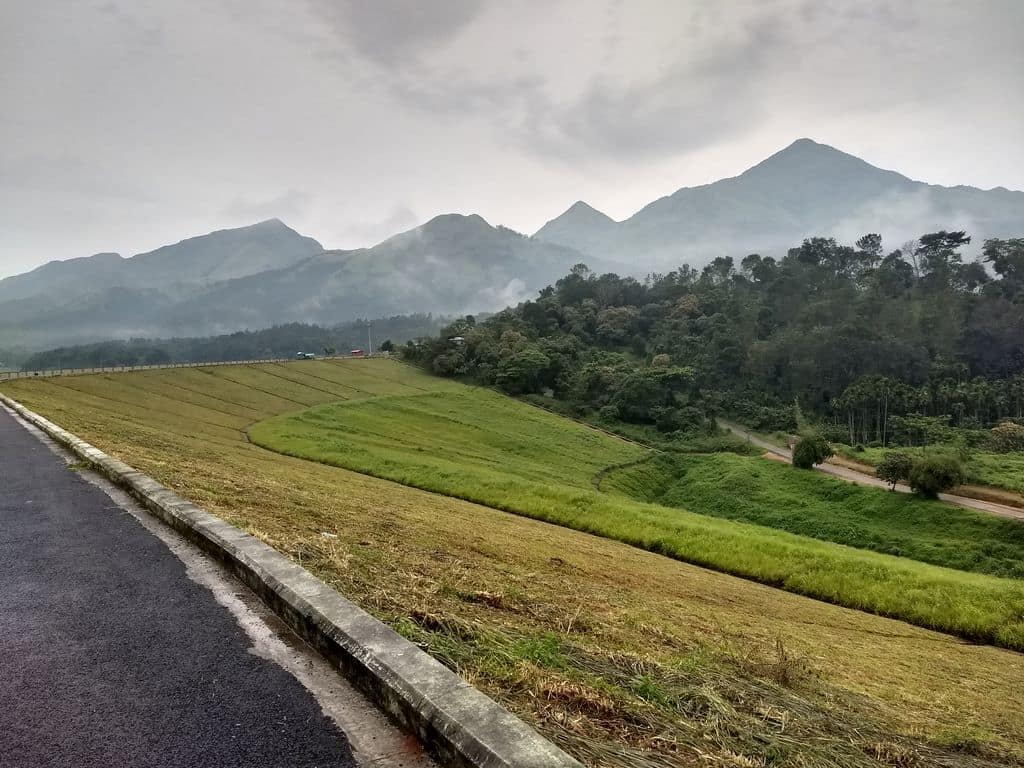
Banasura Sagar Dam
- Best timeEarly morning, when mist sits on the water around the islands; late afternoon for warm light on the hills.
- ColorsWhiteTealRust
 Medium crowd
Entry Trek permit
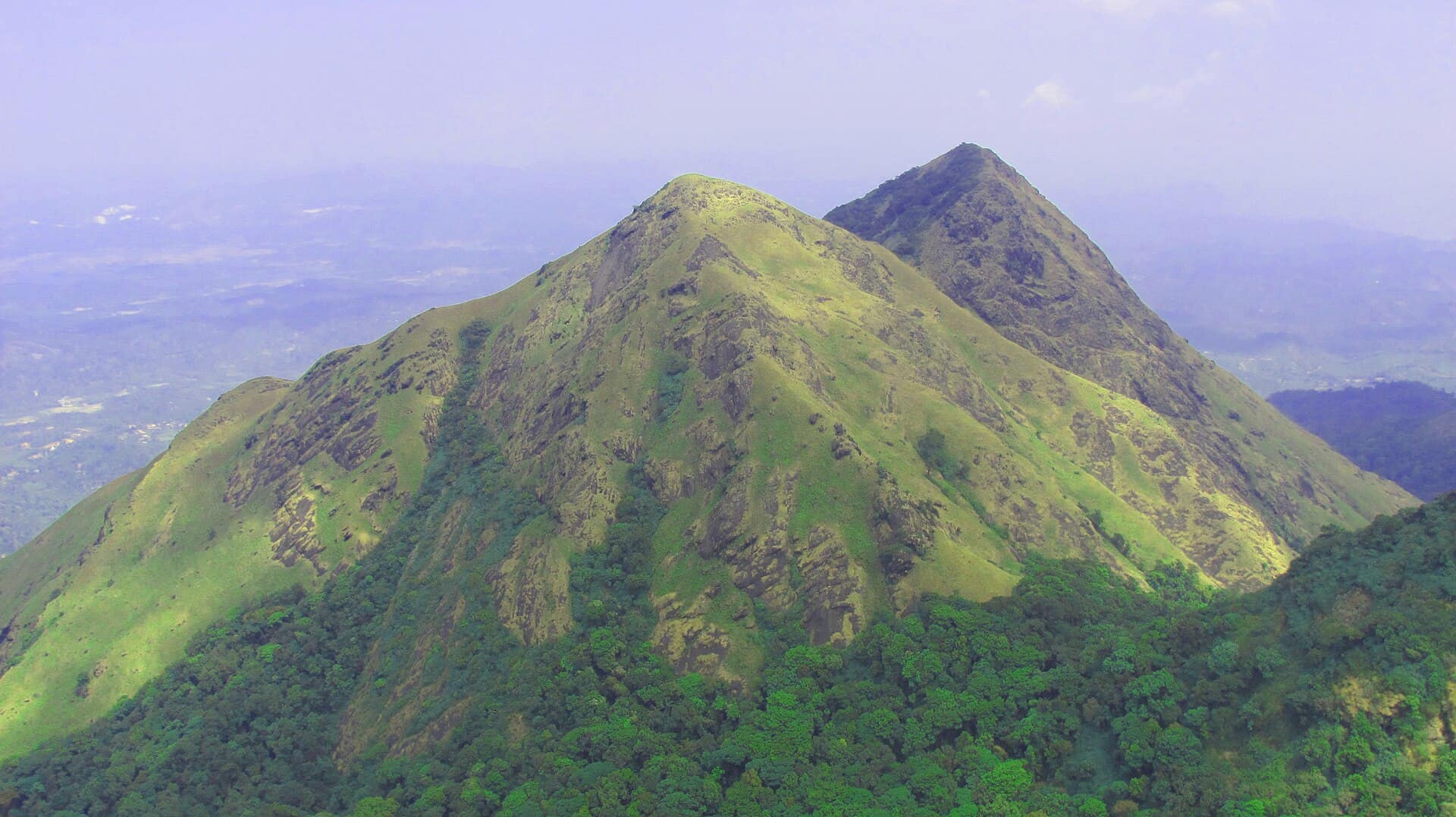
Chembra Peak
- Best timeMorning, when the air is clear and the heart-shaped lake stands out against the green slopes before clouds build up.
- ColorsRedWhiteForest green
 Medium crowd
Entry Nominal
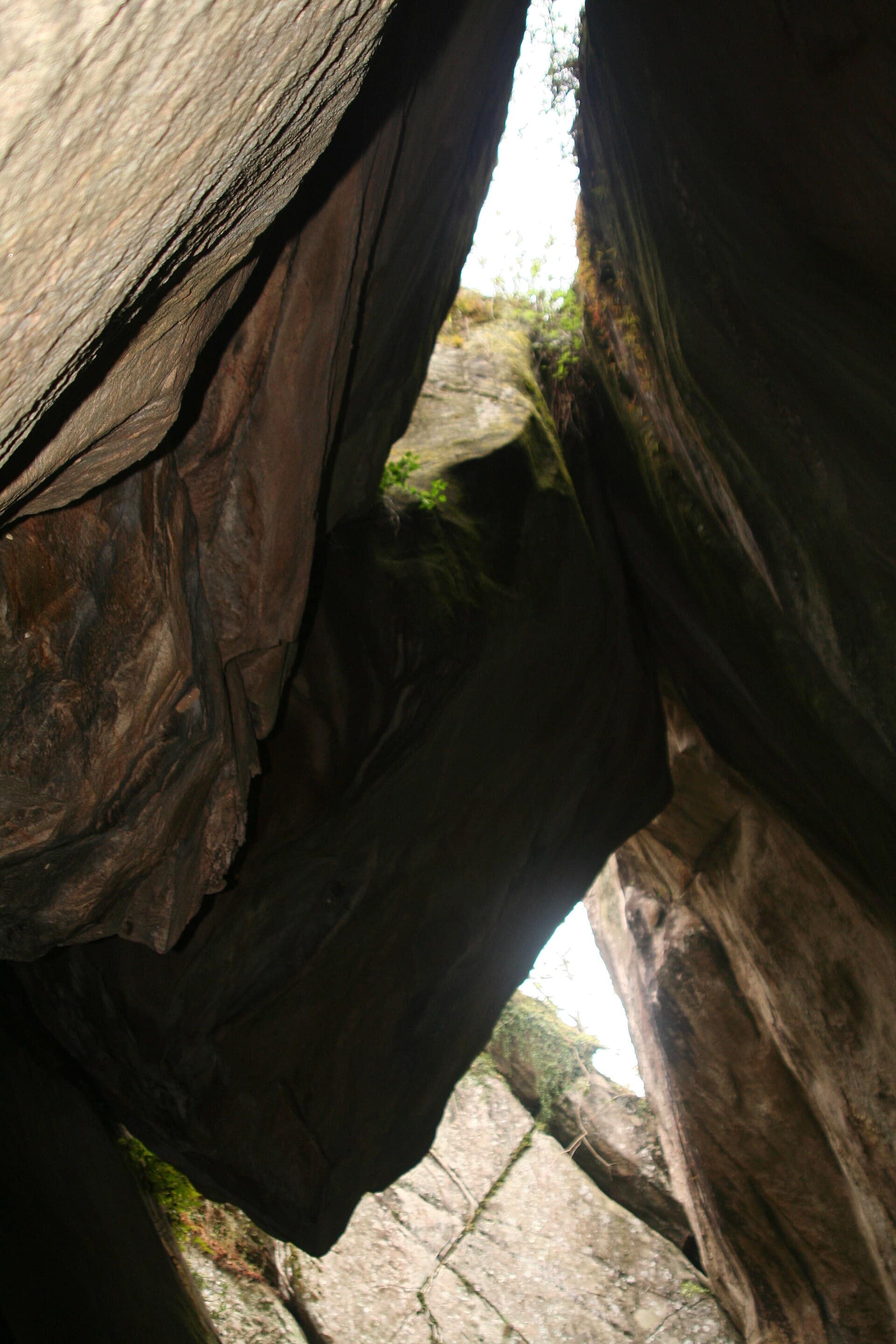
Edakkal Caves
- Best timeEarly morning, for soft light on the hills from the top and fewer people in front of the carvings.
- ColorsRustWhiteForest green
Entry Nominal (boating extra)
Pookode Lake
- Best timeEarly morning, when the water is still and mist hangs over the forest around the lake.
- ColorsWhiteTealRust
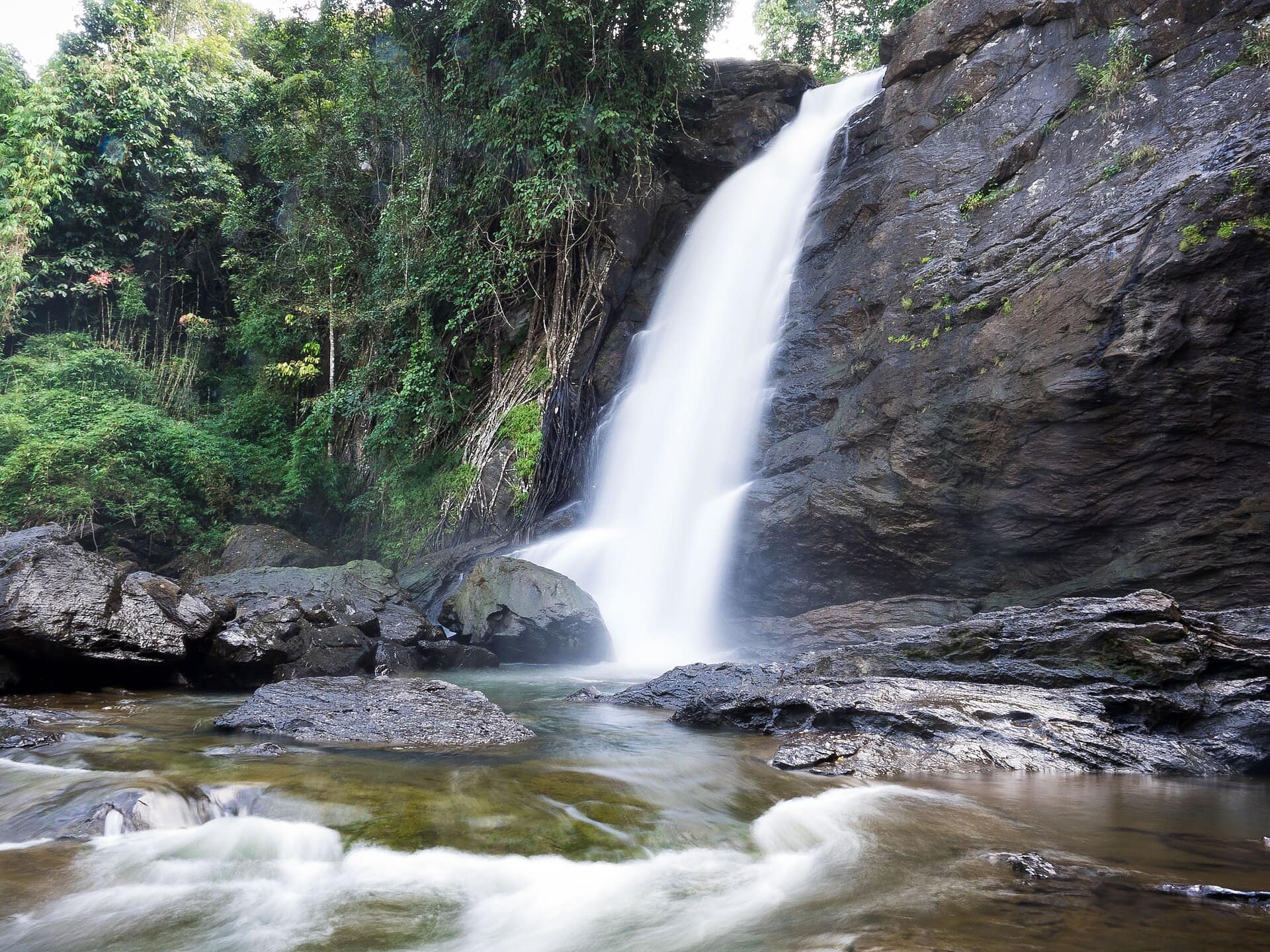 Medium crowd
Entry Nominal
Soochipara Falls
- Best timeMorning, when the forest is quiet and the falls are in soft light; best in October and November, just after the monsoon.
- ColorsYellowWhiteForest green
For the feed
Trending Wear in Wayanad
Modern, Instagram-friendly looks

Rooted in the city
Wayanad Traditional Wear
Local, cultural, handcrafted outfits
Taste the city
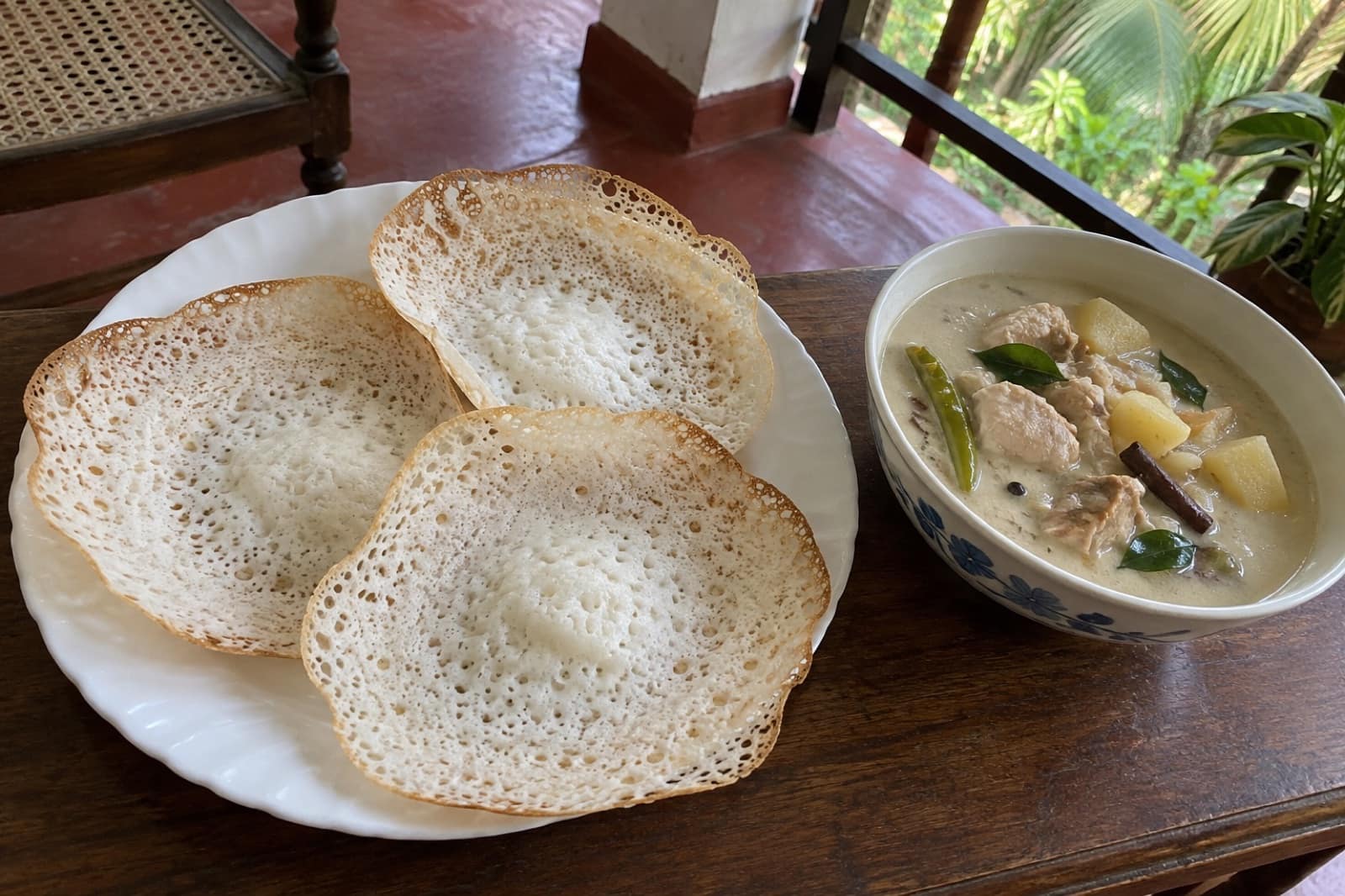
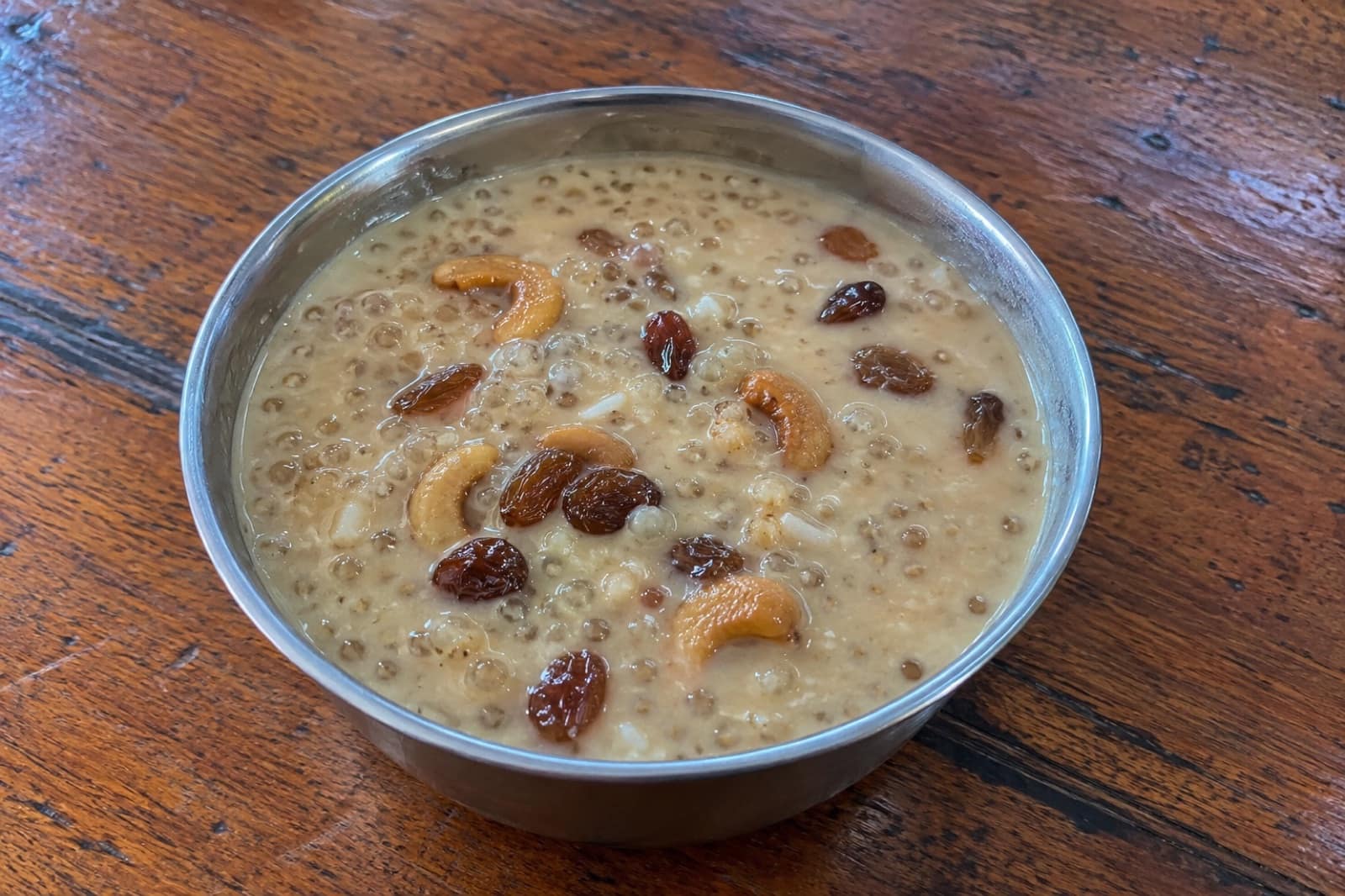
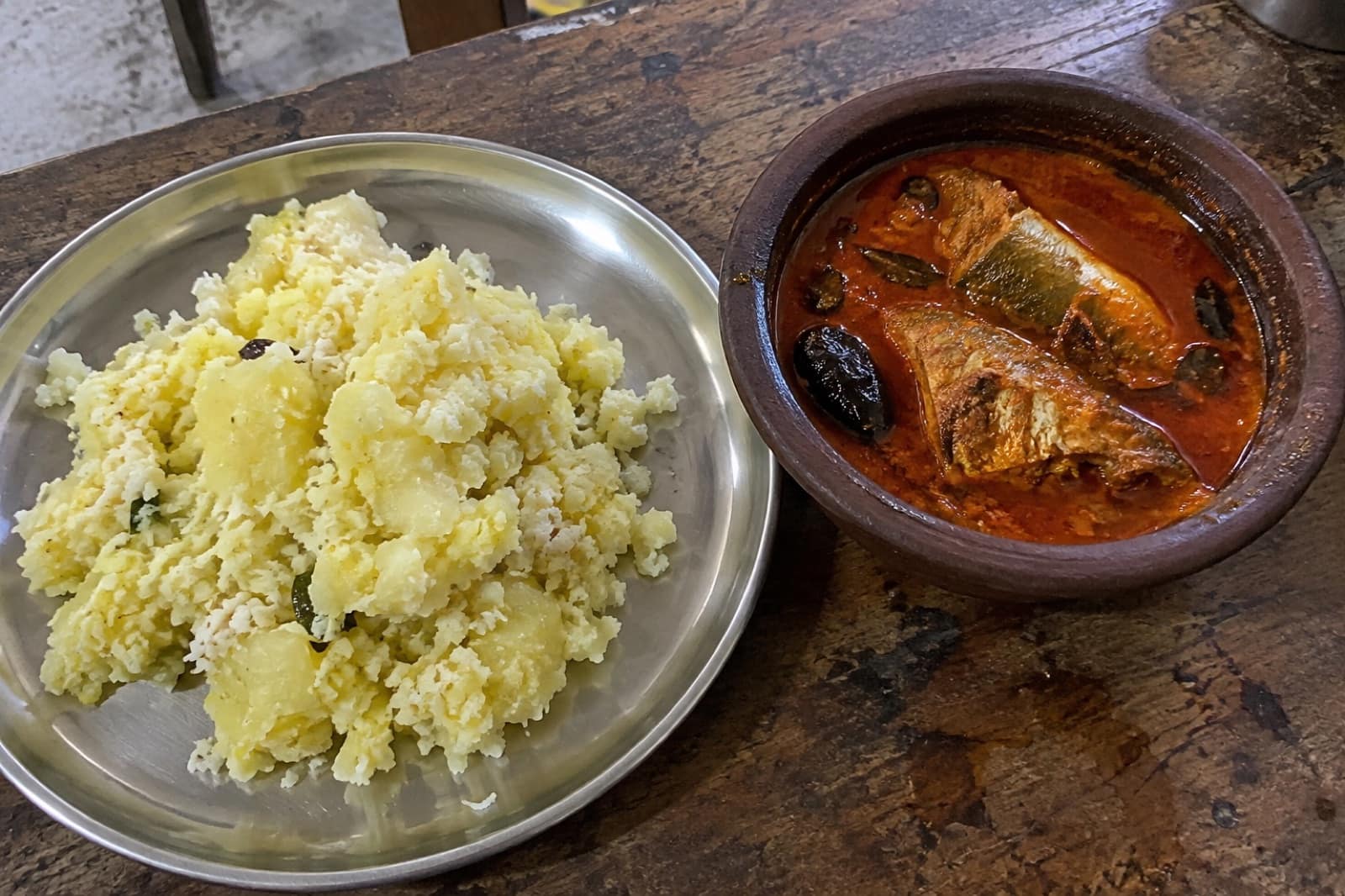
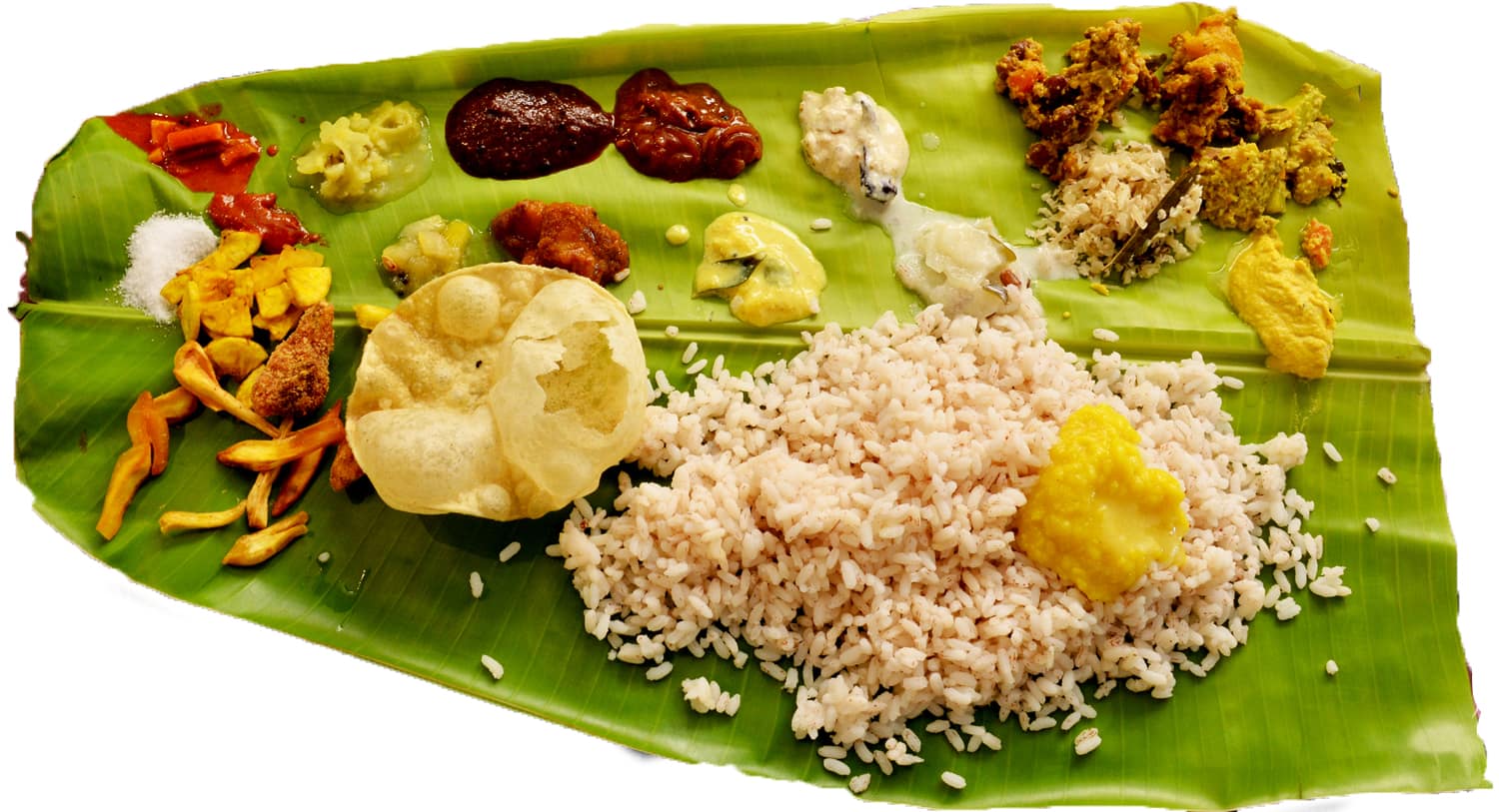
Food to Eat in Wayanad

Trusted tables
Where to Eat in Wayanad
About Wayanad
Wayanad is a hill district in north-east Kerala, not a single town. It sits on a high plateau of the Western Ghats, roughly between 700 m and just over 2,000 m, and borders Karnataka and Tamil Nadu. Most visitors base themselves in or around one of its three main towns — Kalpetta, Sultan Bathery or Mananthavady — and drive out to the sights, which are spread across coffee, tea and pepper estates, forest and paddy fields.
Plan your days by area. The south, around Vythiri and Meppadi, has Pookode Lake, Chembra Peak and Soochipara Falls. Banasura Sagar Dam lies west of Kalpetta, Edakkal Caves and the Jain temple are near Sultan Bathery, and Thirunelli Temple is in the forested north beyond Mananthavady. Between sights, try Malabar biryani, kappa with fish curry and dishes made with bamboo rice, a grain gathered from the district's forests.
Questions
Wayanad — FAQ
What is Wayanad famous for?
Wayanad is famous for its coffee, tea and spice plantations, the Stone Age carvings in Edakkal Caves, the heart-shaped lake on the Chembra Peak trail, Banasura Sagar Dam, waterfalls and wildlife forests. It is also known for its tribal communities and for Malabar food.
How many days are enough for Wayanad?
3 days is a comfortable minimum. The sights are spread across the district, and drives between them often take an hour or more. Spend one day in the south (Pookode Lake, Chembra, Soochipara), one around Sultan Bathery and Edakkal, and one at Banasura Sagar Dam or Thirunelli. Add a day if you want a wildlife safari.
What is the best time to visit Wayanad?
October to May is the main season, with October to February the most pleasant for treks and sightseeing. June to September brings very heavy rain, and treks can be suspended during rain alerts. See the best time to visit Wayanad for a month-by-month guide.
How do I reach Wayanad?
Kozhikode is the usual gateway. Its railway station is the nearest major one, and Kalpetta is about 75 km away by road over the Thamarassery Ghat, which has nine hairpin bends. Kozhikode and Kannur airports are the nearest for flights. From Bengaluru, the drive via Mysuru passes through forest reserves where night traffic is restricted, so plan to drive in daylight.
Is it safe to visit Wayanad after the 2024 landslides?
Yes. The landslides of July 2024 hit a small area around Mundakkai and Chooralmala in Meppadi, and most of Wayanad was not affected. Parts of that area have been restricted zones since then, and entry is controlled during heavy rain. Do not treat it as a sightseeing stop, and during the monsoon check district alerts before you travel, as treks and adventure activities can be suspended.