
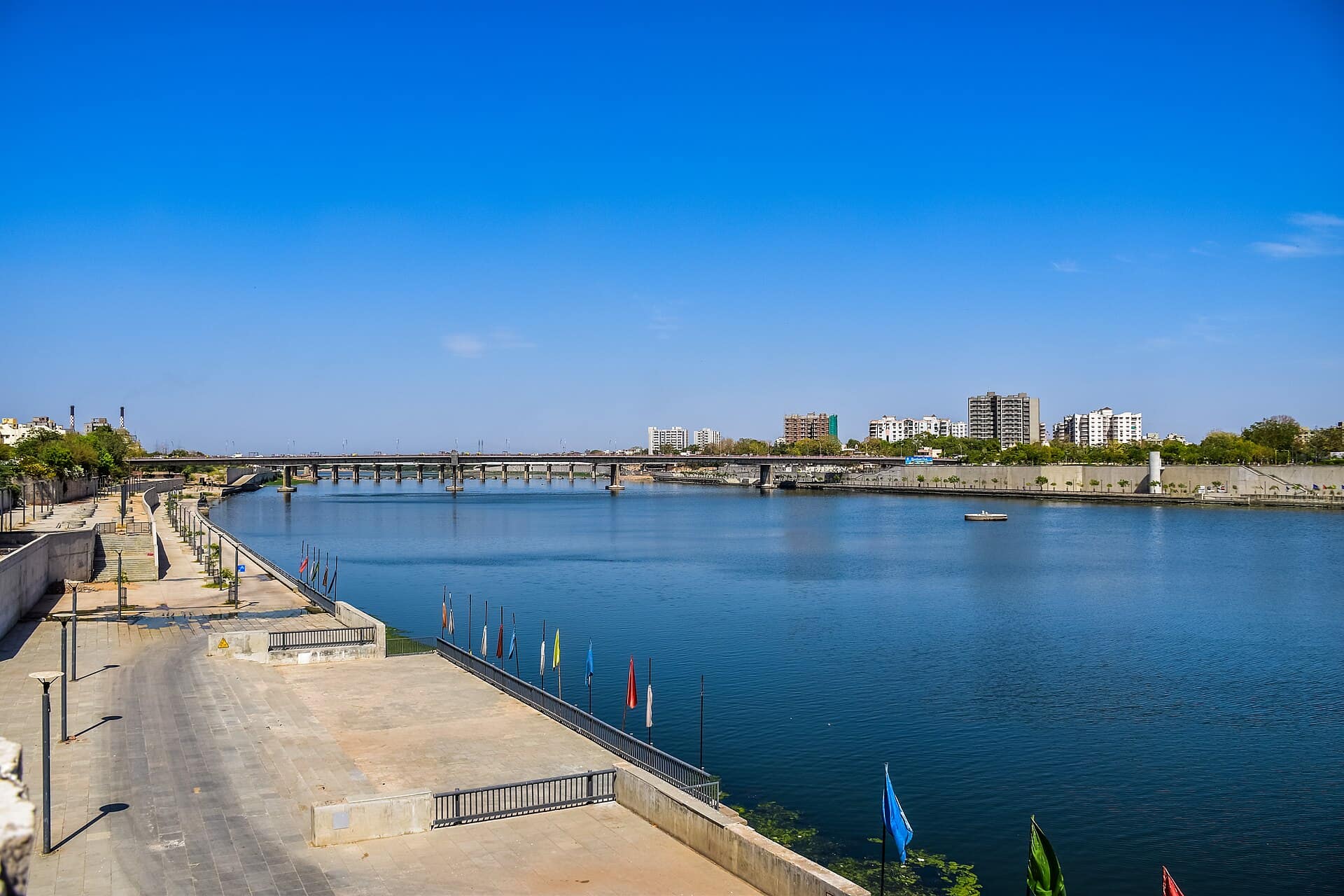
Gujarat · India
Ahmedabad
India's first UNESCO World Heritage City — a 600-year-old walled town of carved wooden havelis, stepwells and mosques, wrapped around a buzzing vegetarian street-food scene.
Ahmedabad is a hub for Gujarati textiles — bandhani, block-print and Patola double-ikat from nearby Patan — and of Navratri's mirror-worked chaniya cholis. The old city's pols (heritage lanes) are a photographer's maze.
Plan your trip
Ahmedabad Tour Itineraries
Timed, walkable day plans — plus the best season to go.
Where to shoot
Ahmedabad Photo Spots
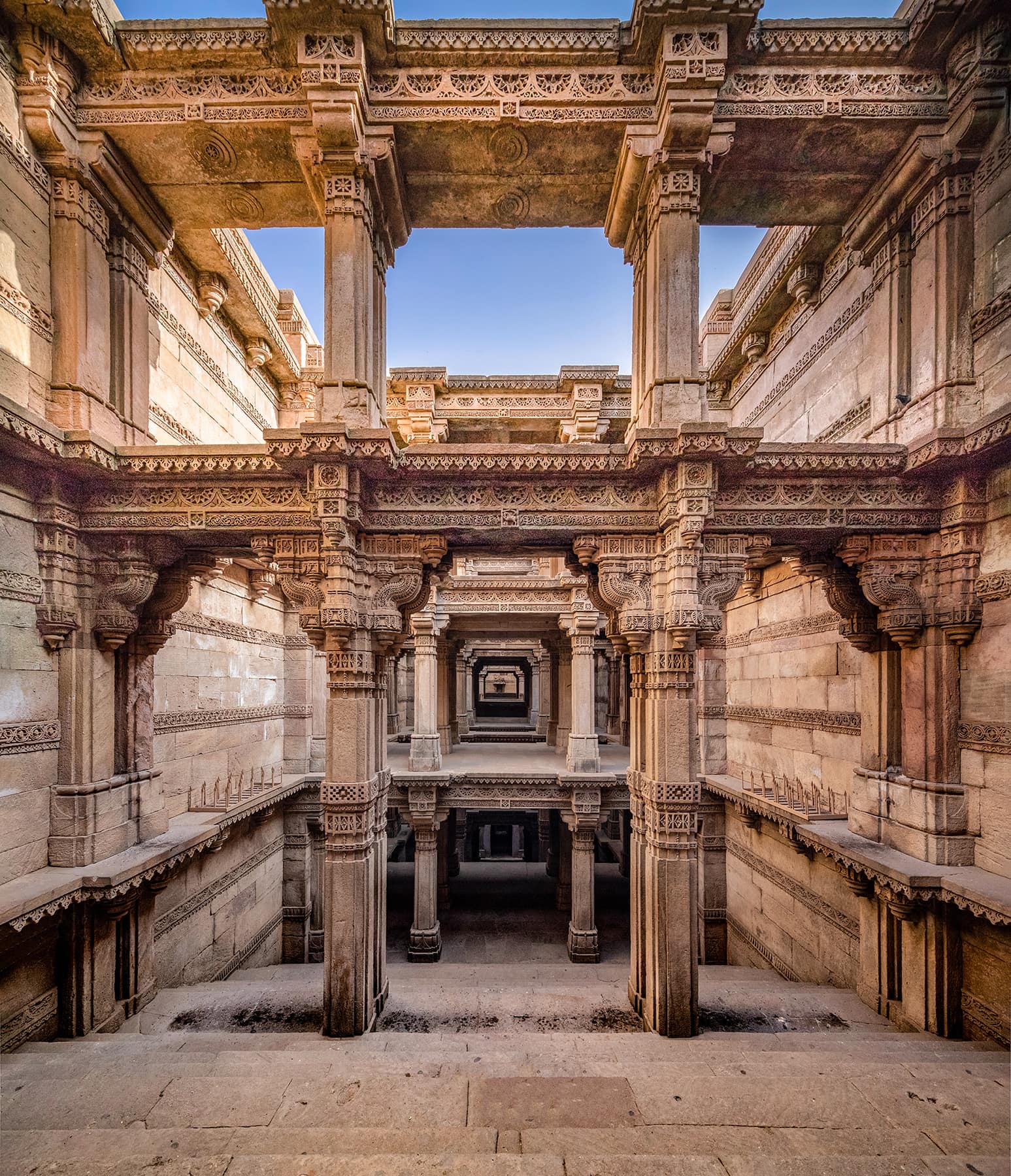 Medium crowd
Entry Free
Adalaj Stepwell
- Best timeLate morning, when the sun is high enough to send light down the shaft and onto the carvings; early morning if you want the steps quiet.
- ColorsWhiteYellowRed
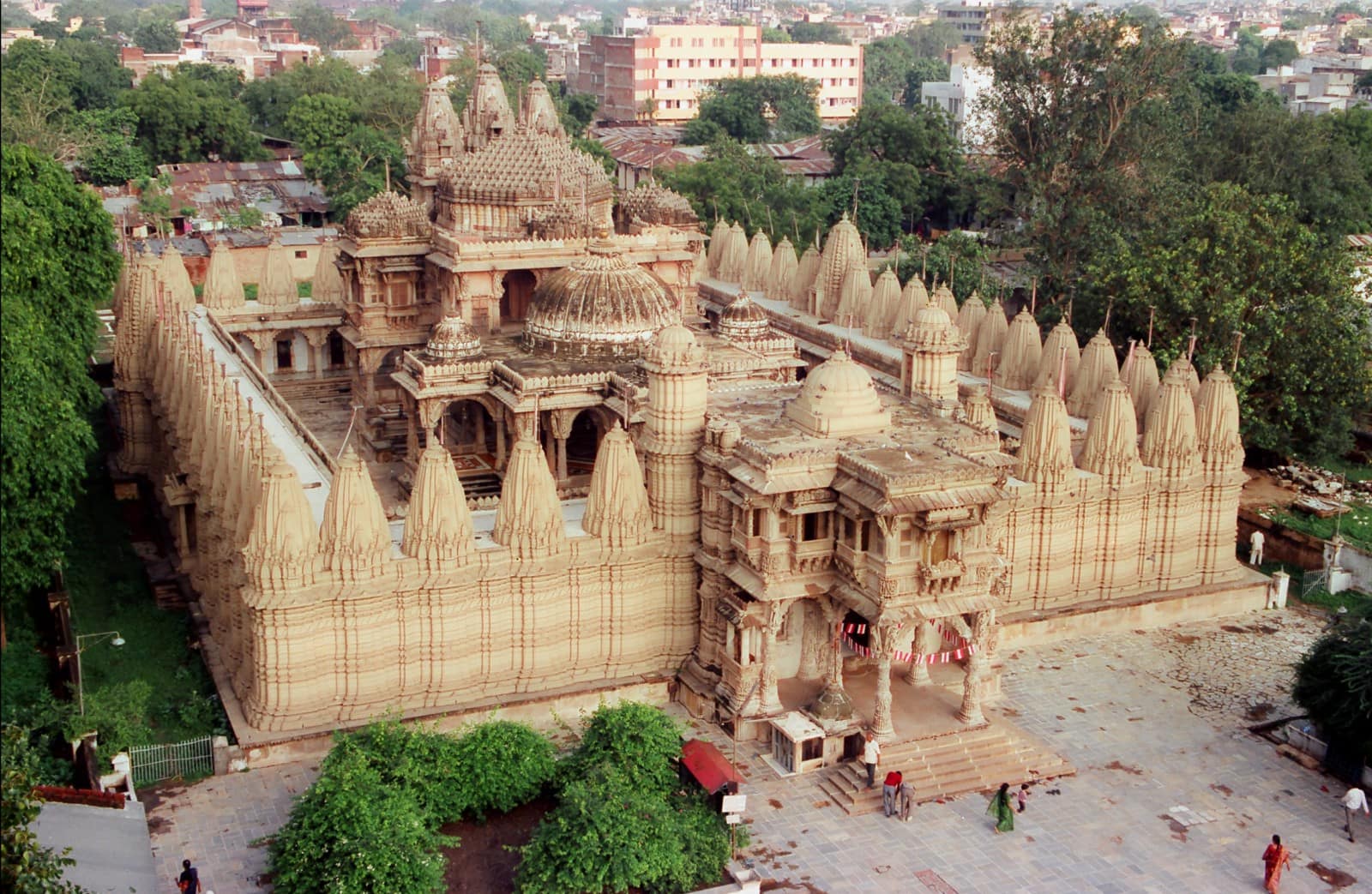 Low crowd
Entry Free
Hutheesing Jain Temple
- Best timeMorning, when soft light falls on the white marble and the courtyard is still quiet.
- ColorsWhitePastelSoft pink
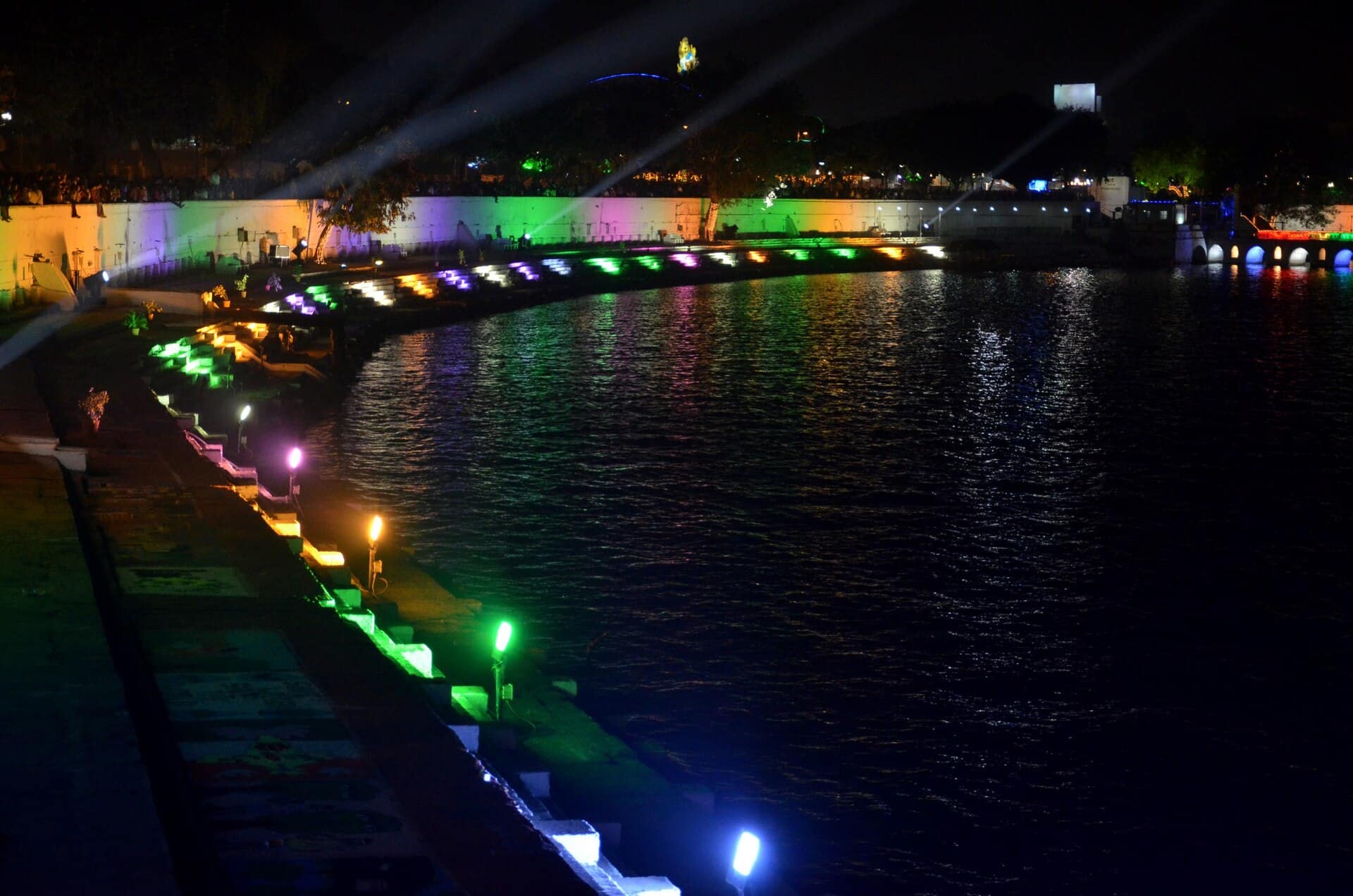 High crowd
Entry ₹25
Kankaria Lake
- Best timeSunset, when the sky colours the water; stay into the evening for the lakefront lights.
- ColorsCheerful brightsYellowTurquoise
 Medium crowd
Entry Free
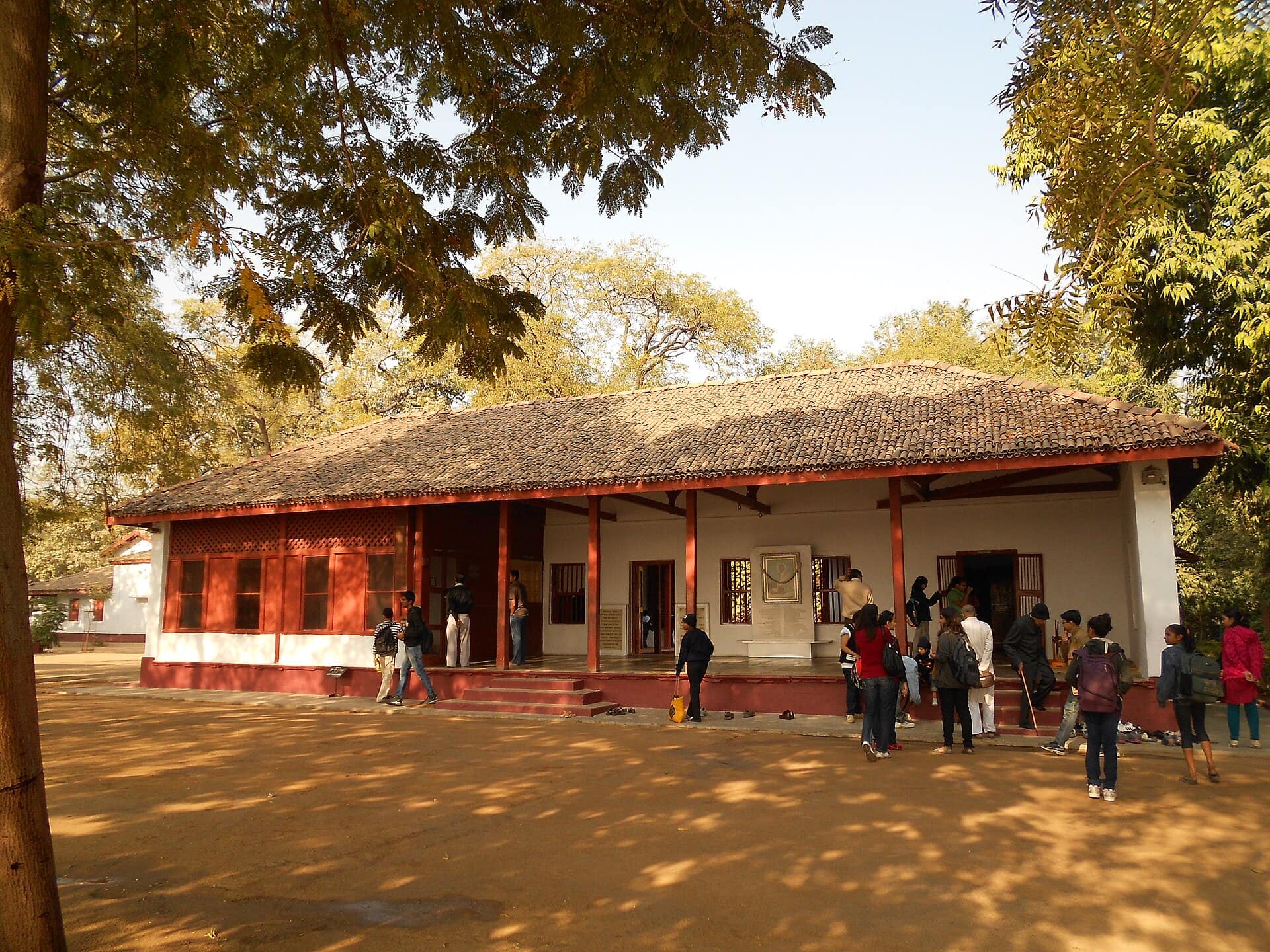
Sabarmati Ashram
- Best timeMorning, soon after opening, when the grounds are quiet and the light on the river is soft.
- ColorsWhiteKhadi tonesEarthy beige
 High crowd
Entry Riverfront free; Atal Bridge ₹30
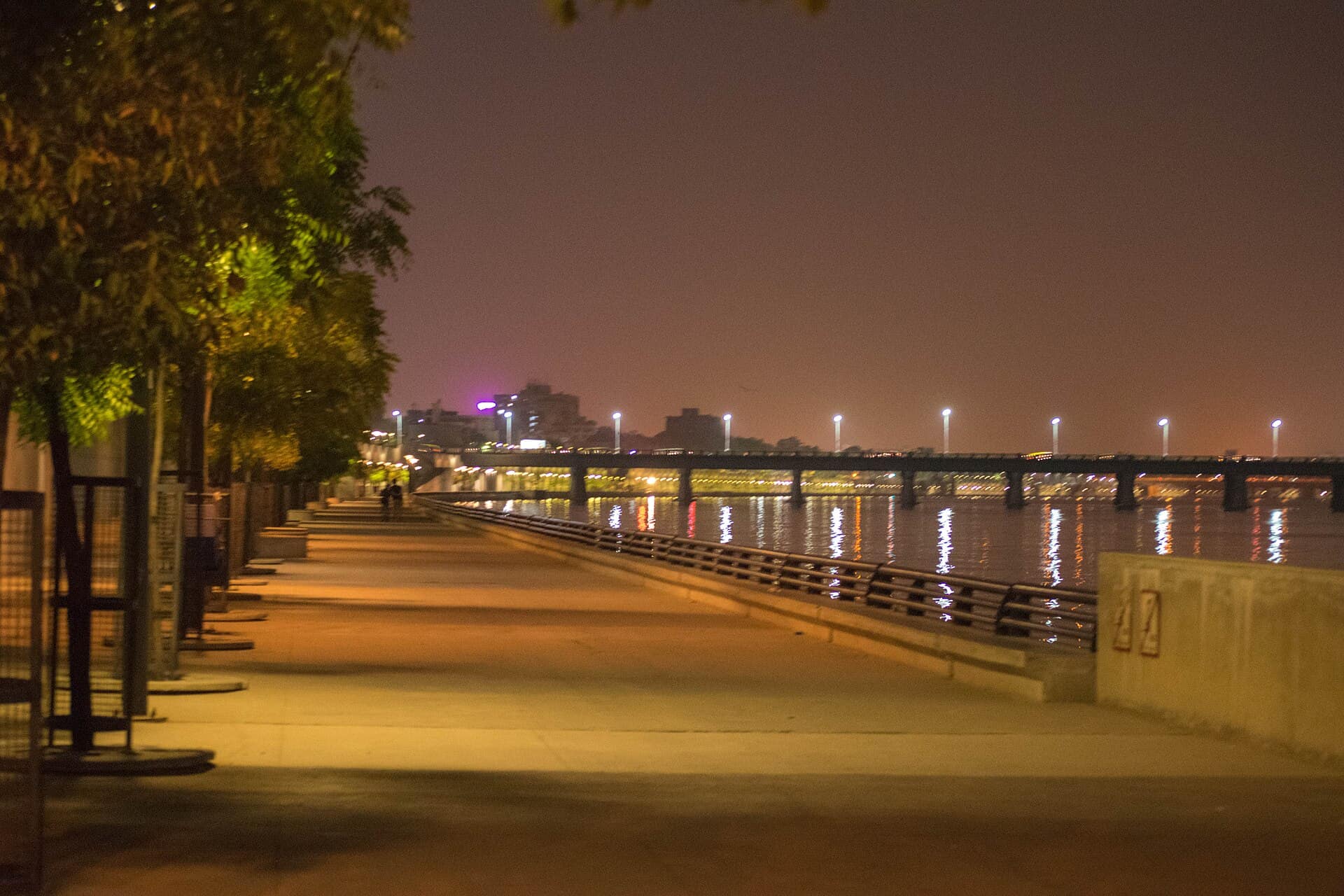
Sabarmati Riverfront & Atal Bridge
- Best timeBlue hour, just after sunset, when the bridge lights come on and the sky still has colour.
- ColorsBold solidsCobaltWhite
 Medium crowd
Entry Free
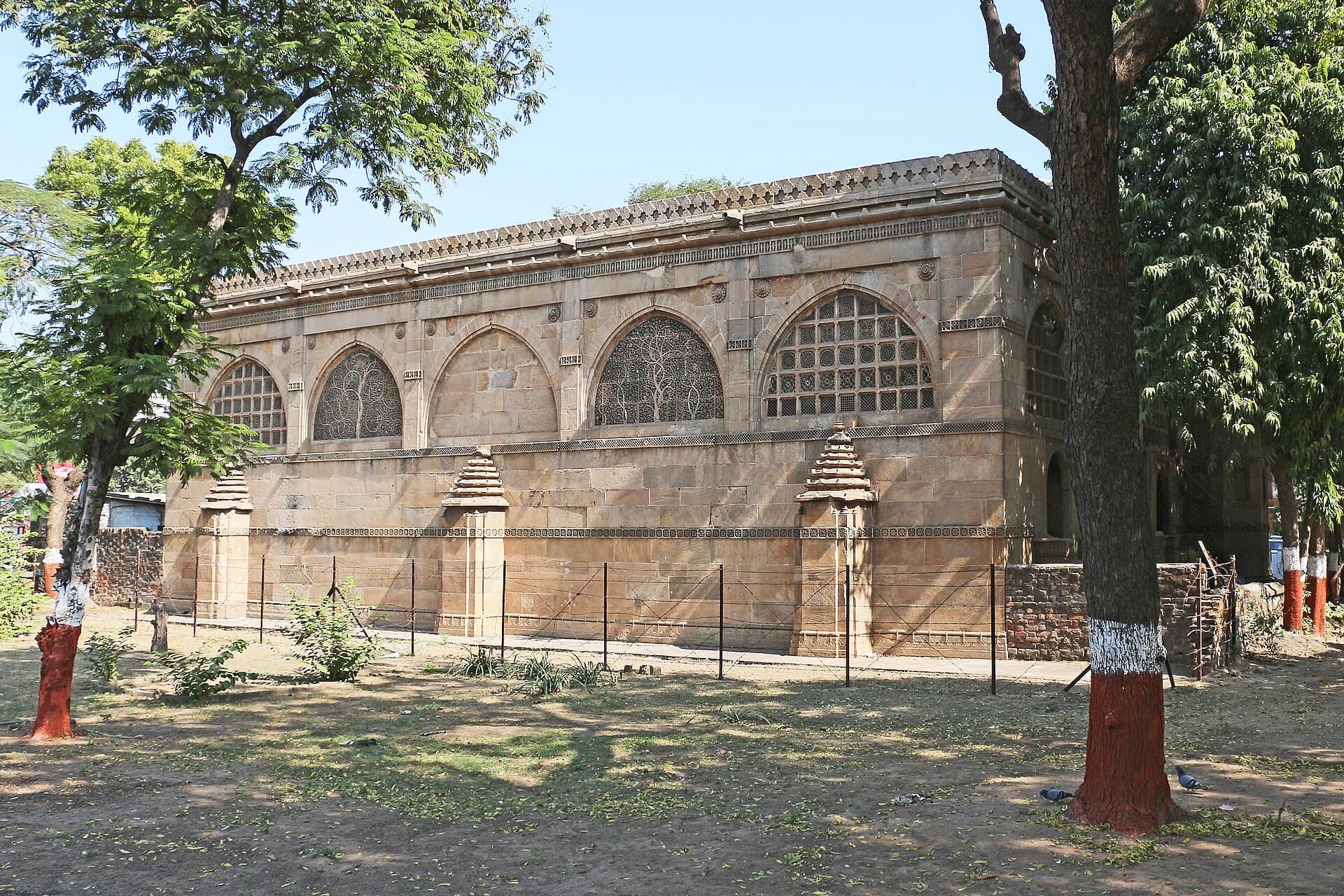
Sidi Saiyyed Mosque
- Best timeLate afternoon, when the low sun lights up the carved stone of the tree-of-life jali.
- ColorsSolid brightsEmeraldMaroon
For the feed
Trending Wear in Ahmedabad
Modern, Instagram-friendly looks


Rooted in the city
Ahmedabad Traditional Wear
Local, cultural, handcrafted outfits

Before you go
Temples in Ahmedabad
Darshan hours, dress codes and what gets refused at the gate
Taste the city
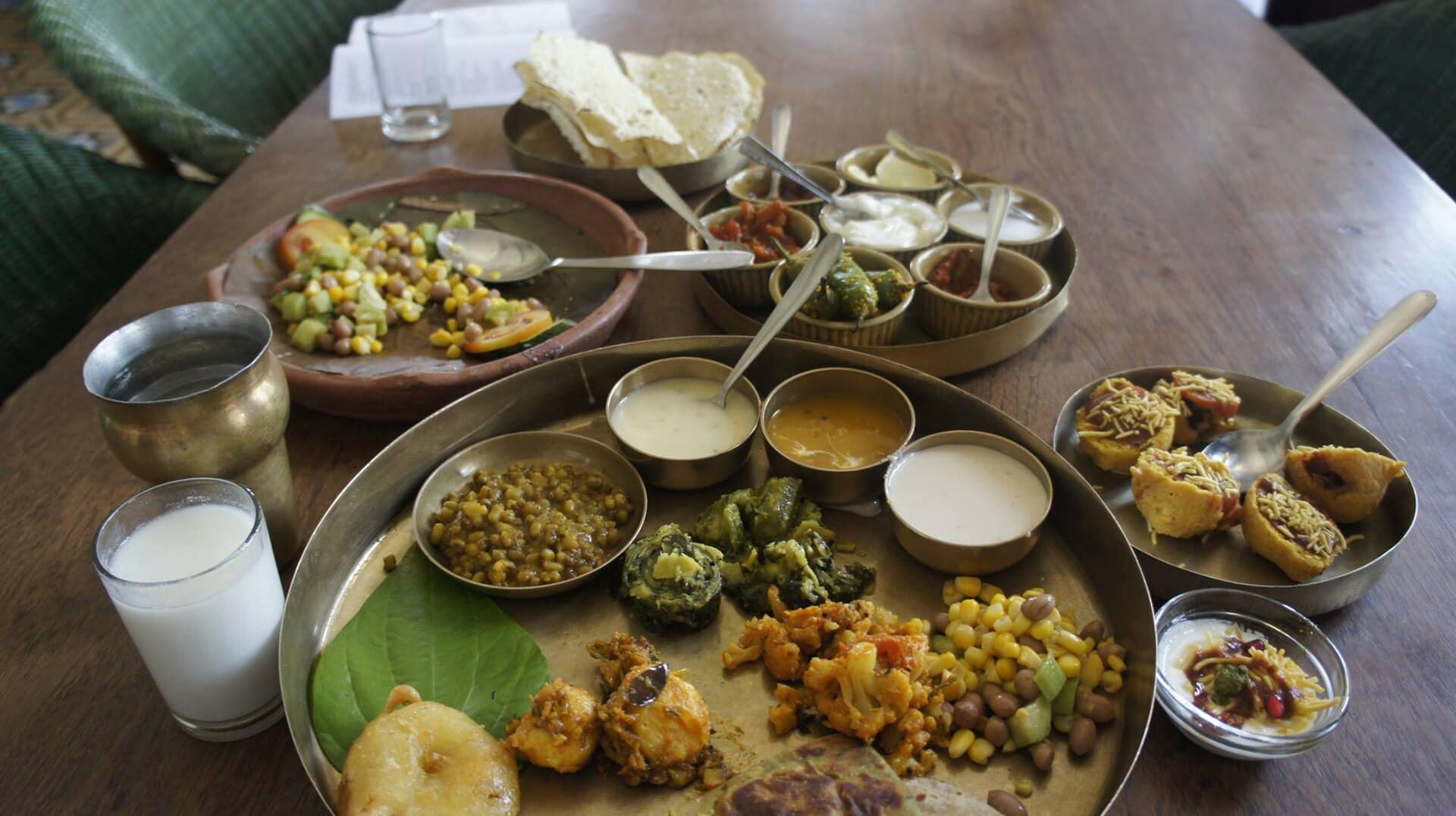
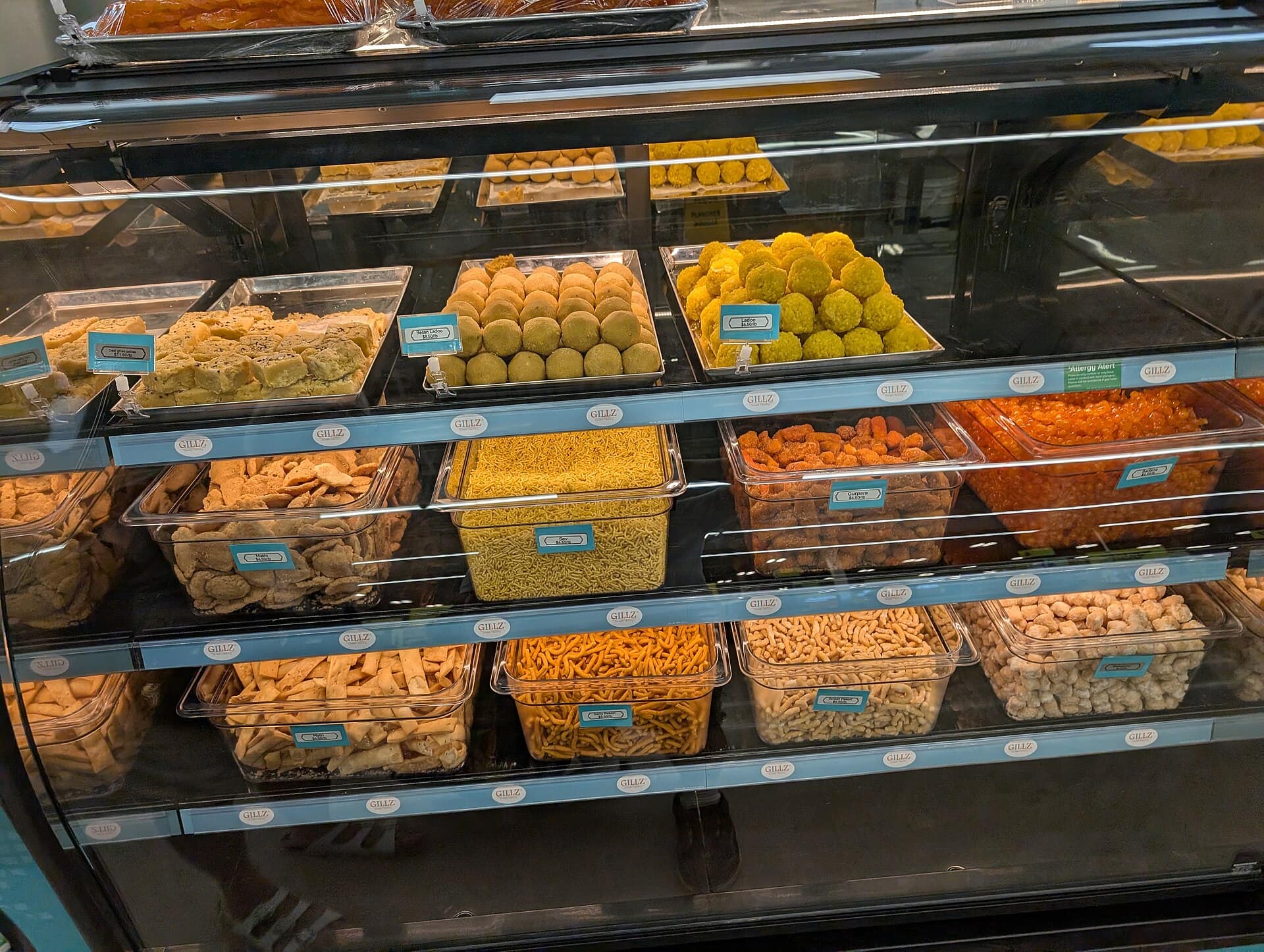
Food to Eat in Ahmedabad


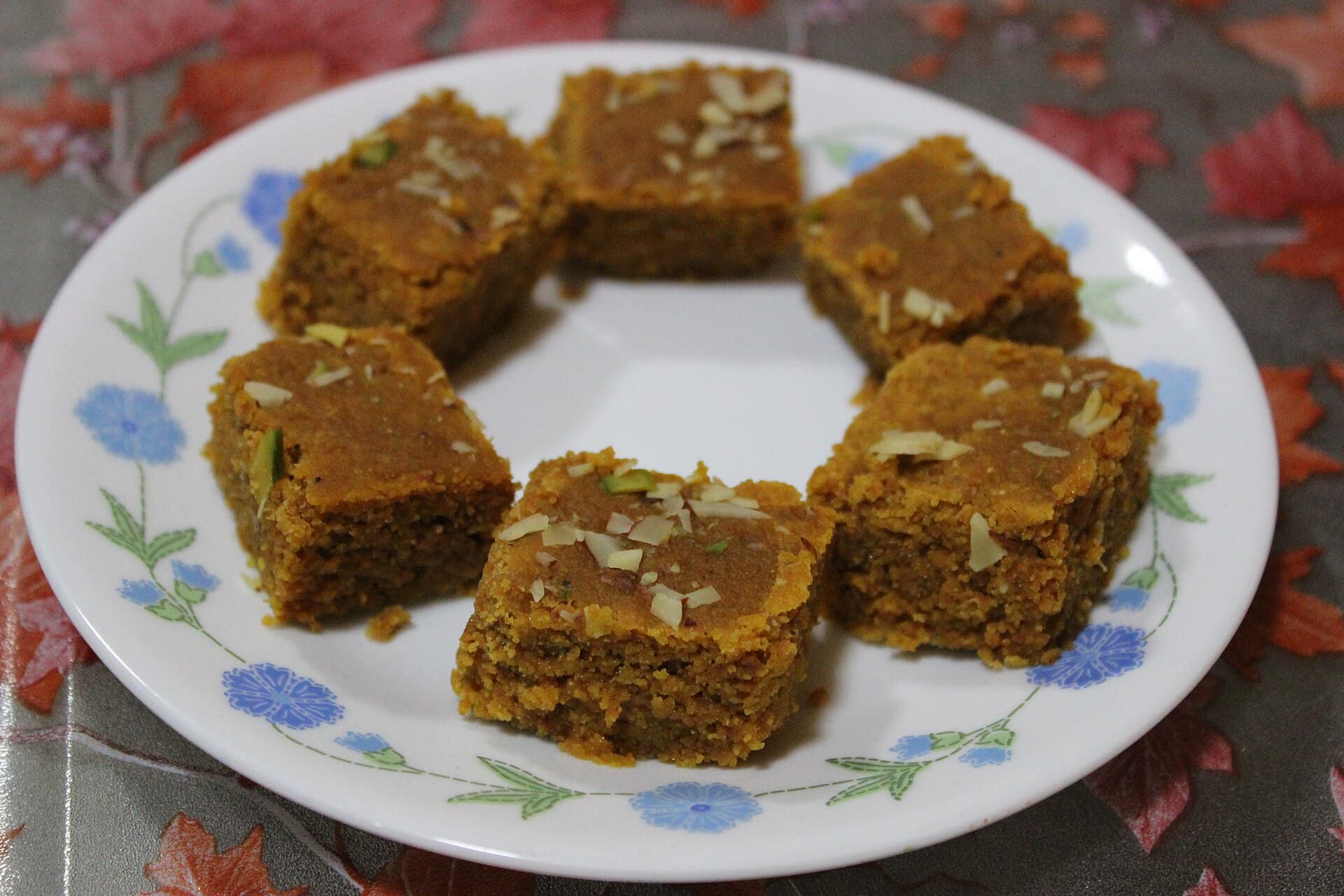
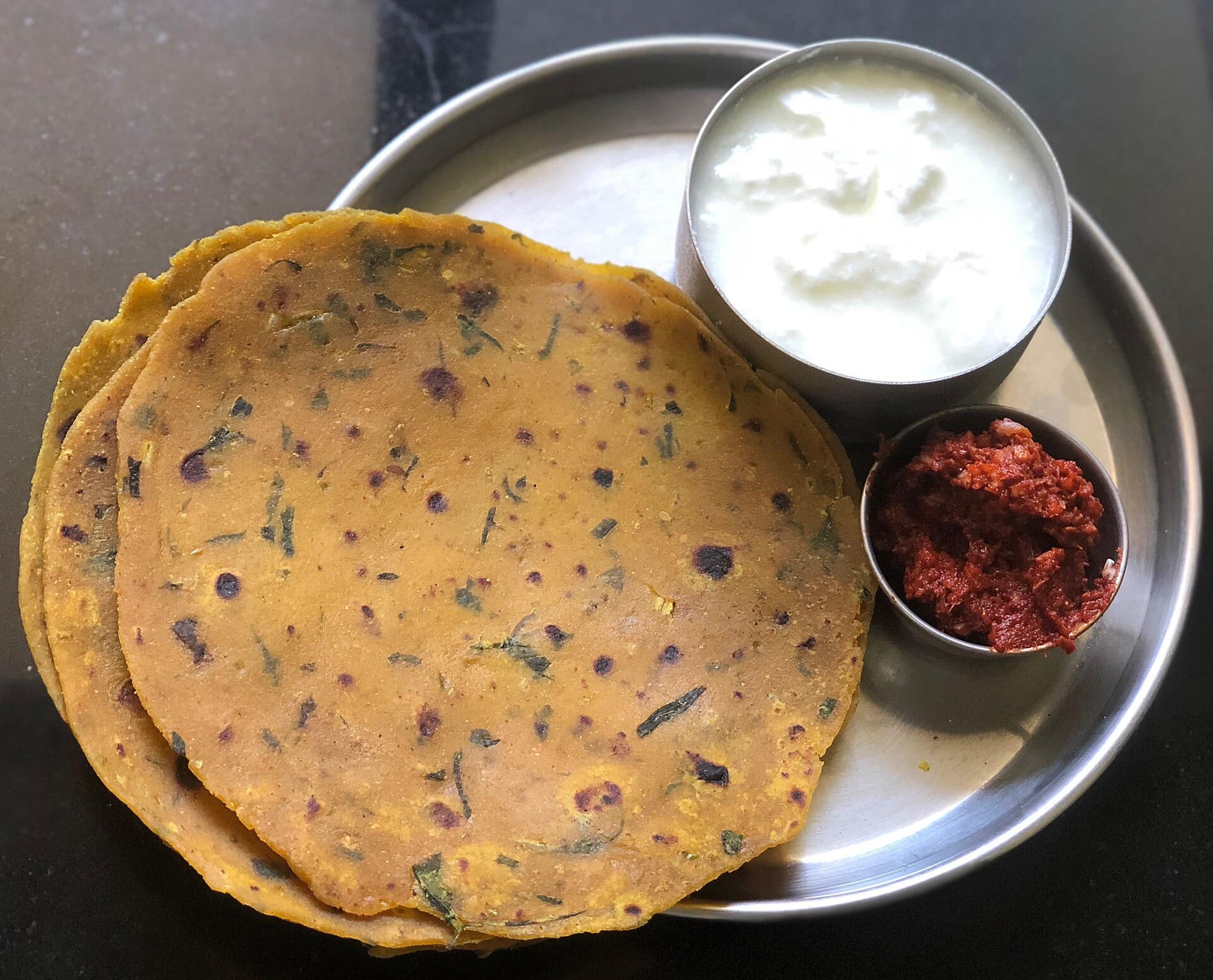
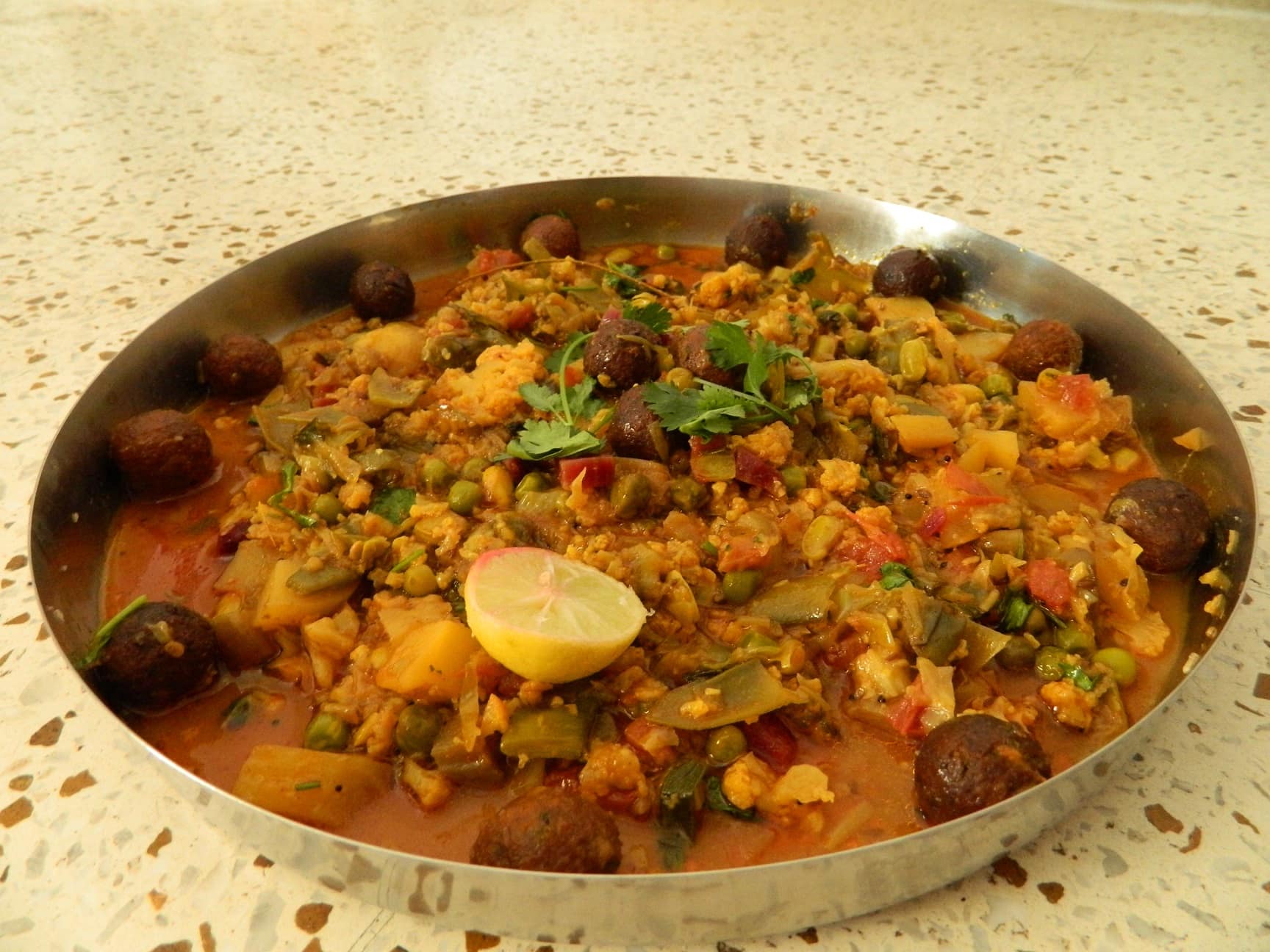
Trusted tables
Where to Eat in Ahmedabad
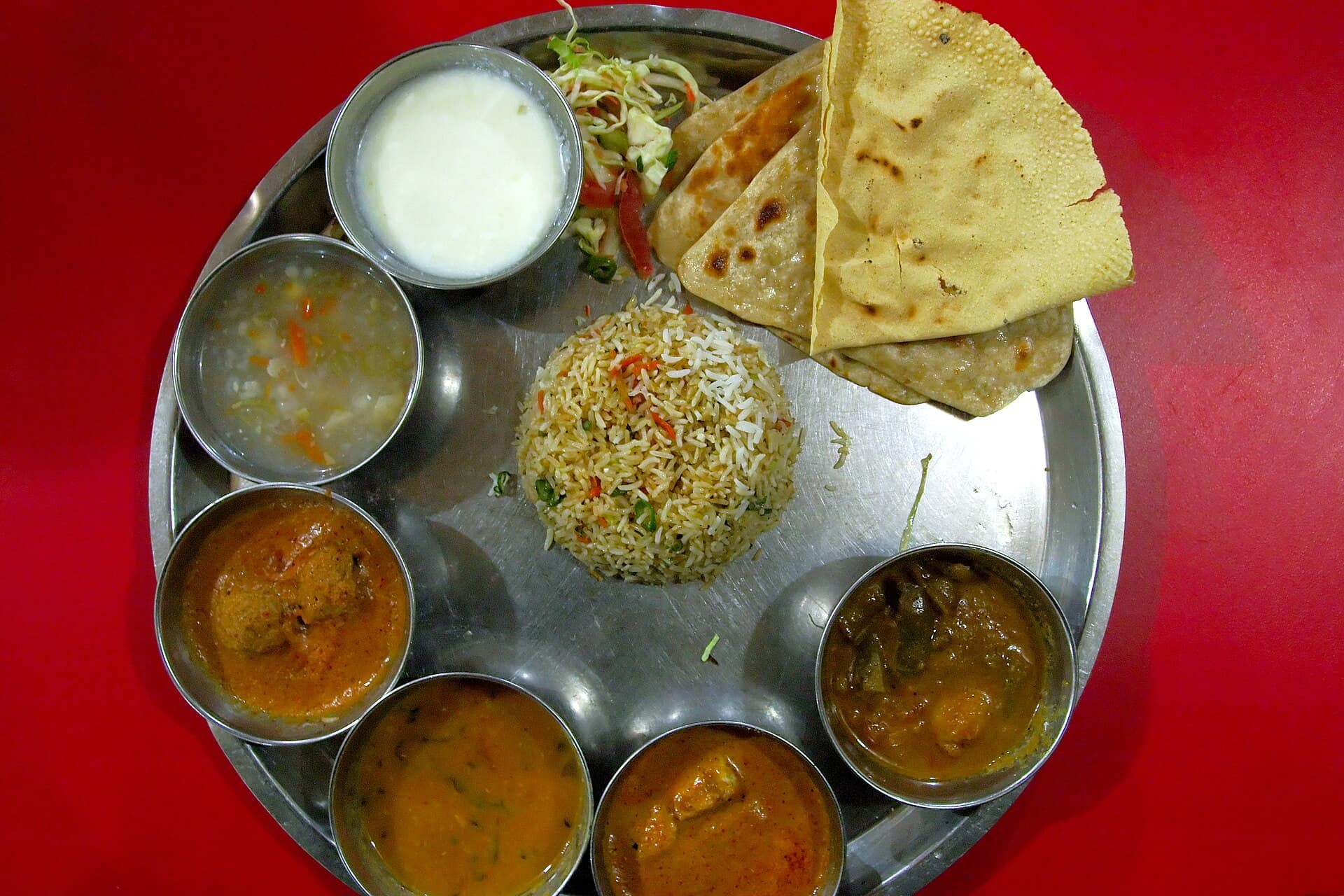 Representative photo
Agashiye
Lal Darwaja
 Representative photo
Chandravilas
Gandhi Road
Representative photoGordhan Thal
Sarkhej-Gandhinagar Highway
Jassi De Parathe
Vastrapur
Representative photoVishalla
Vasna
About Ahmedabad
Ahmedabad, the largest city in Gujarat, was founded in 1411 by Sultan Ahmad Shah on the east bank of the Sabarmati River. In 2017 its old walled city became India's first UNESCO World Heritage City, for its sultanate-era mosques and tombs, its Hindu and Jain temples and its pols: gated neighbourhoods of carved wooden houses, shared wells and tall bird feeders called chabutros. The city later grew rich on cotton mills, which earned it the nickname "the Manchester of India", and it was here that Mahatma Gandhi lived at the Sabarmati Ashram from 1917 to 1930.
Start your days early, because Ahmedabad is hot for much of the year. Join the morning heritage walk through the pols, see the carved stone jali of the Sidi Saiyyed Mosque and the marble Hutheesing Jain Temple, and spend the hottest hours over a long Gujarati thali lunch. Give the Sabarmati Ashram an unhurried morning of its own, and keep your evenings for the Sabarmati Riverfront, the Atal Bridge and Kankaria Lake. The Adalaj Stepwell makes an easy half-day trip north of the city. If you can, time your visit for Uttarayan in January, when the rooftops fill with kite flyers, or for the nine nights of Navratri garba.
Questions
Ahmedabad — FAQ
What is Ahmedabad famous for?
Ahmedabad is famous for its old walled city, India's first UNESCO World Heritage City, with its pols, carved wooden houses, mosques and temples. It is also known for the Sabarmati Ashram, where Gandhi lived, the stone jali of the Sidi Saiyyed Mosque, the Adalaj Stepwell, vegetarian Gujarati food and the Uttarayan kite festival.
How many days are enough for Ahmedabad?
2–3 days is enough for the heritage walk, the main monuments, the Sabarmati Ashram, an evening at the riverfront and a half-day trip to the Adalaj Stepwell. Stay longer if you are in town for Uttarayan or Navratri, when the celebrations take over the city.
What is the best time to visit Ahmedabad?
November to February is the most comfortable time, with warm, dry days and cool mornings. April to June is very hot, often above 40 °C, and July to September brings humid weather and heavy showers. See the best time to visit Ahmedabad for a month-by-month guide.
How do I reach Ahmedabad?
Sardar Vallabhbhai Patel International Airport has flights from across India and some international routes. Ahmedabad Junction, also called Kalupur station, is one of western India's main railway stations, and the Vande Bharat Express from Mumbai takes around 6 hours. Within the city, the metro, BRTS buses, auto-rickshaws and ride-hailing cabs are the easiest ways to get around.
What is the Ahmedabad Heritage Walk?
It is a guided morning walk through the old walled city, run by the Ahmedabad Municipal Corporation. It usually starts at about 7:45 am at the Swaminarayan Temple in Kalupur and ends at the Jama Masjid at about 10:30 am, passing through the pols and Manek Chowk on the way. Book ahead and check the current timing before you go.