
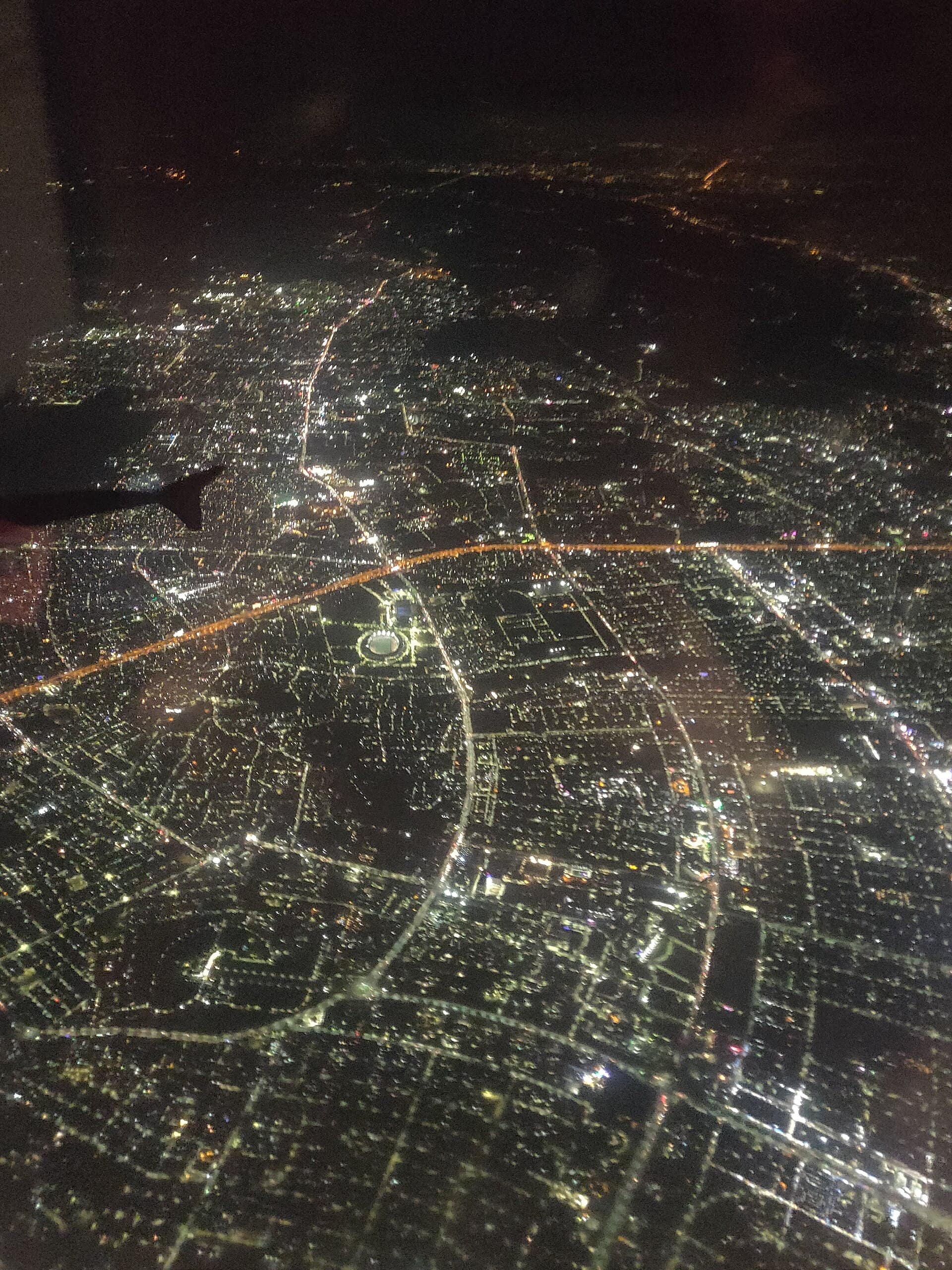
Odisha · India
Bhubaneswar
The Temple City of India — Odisha's capital, dense with exquisitely carved Kalinga-style sandstone temples alongside a modern planned city.
Bhubaneswar is famed for its Kalinga temple architecture, Odissi dance, Sambalpuri and Bomkai weaves, and an earthy Odia cuisine of dalma and pakhala.
Plan your trip
Bhubaneswar Tour Itineraries
Timed, walkable day plans — plus the best season to go.
Where to shoot
Bhubaneswar Photo Spots
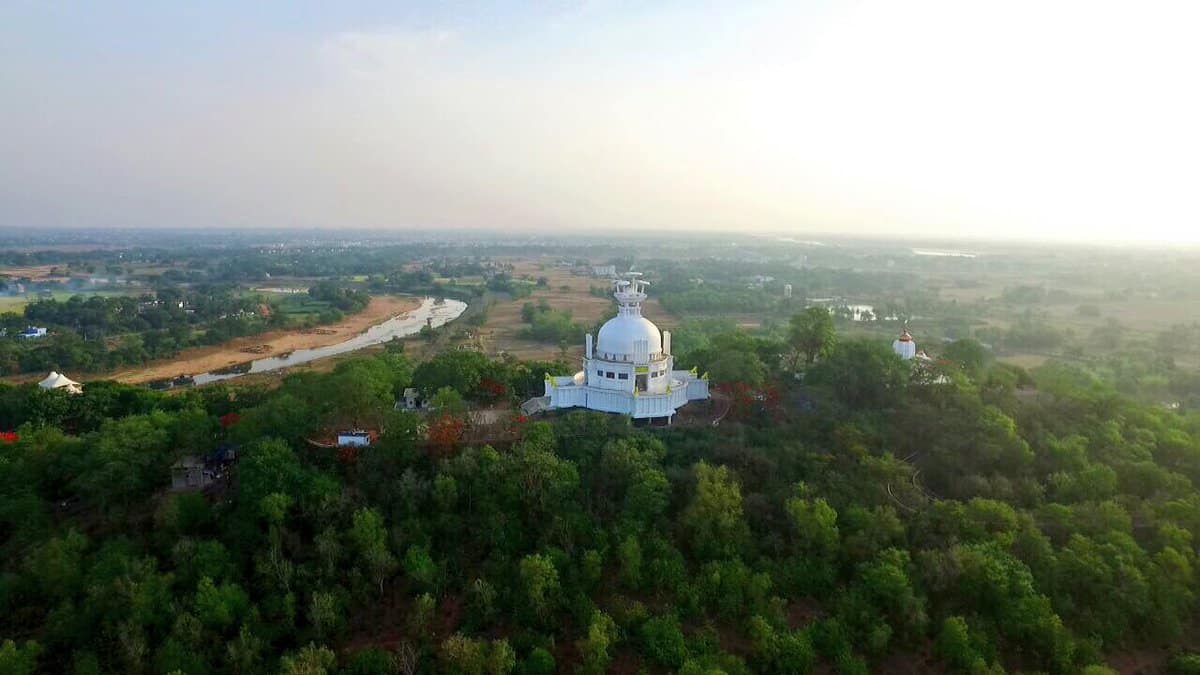 Medium crowd
Entry Free
Dhauli (Shanti Stupa)
- Best timeLate afternoon for golden light on the white stupa; sunrise for mist over the paddy fields.
- ColorsWhiteSaffronGreen
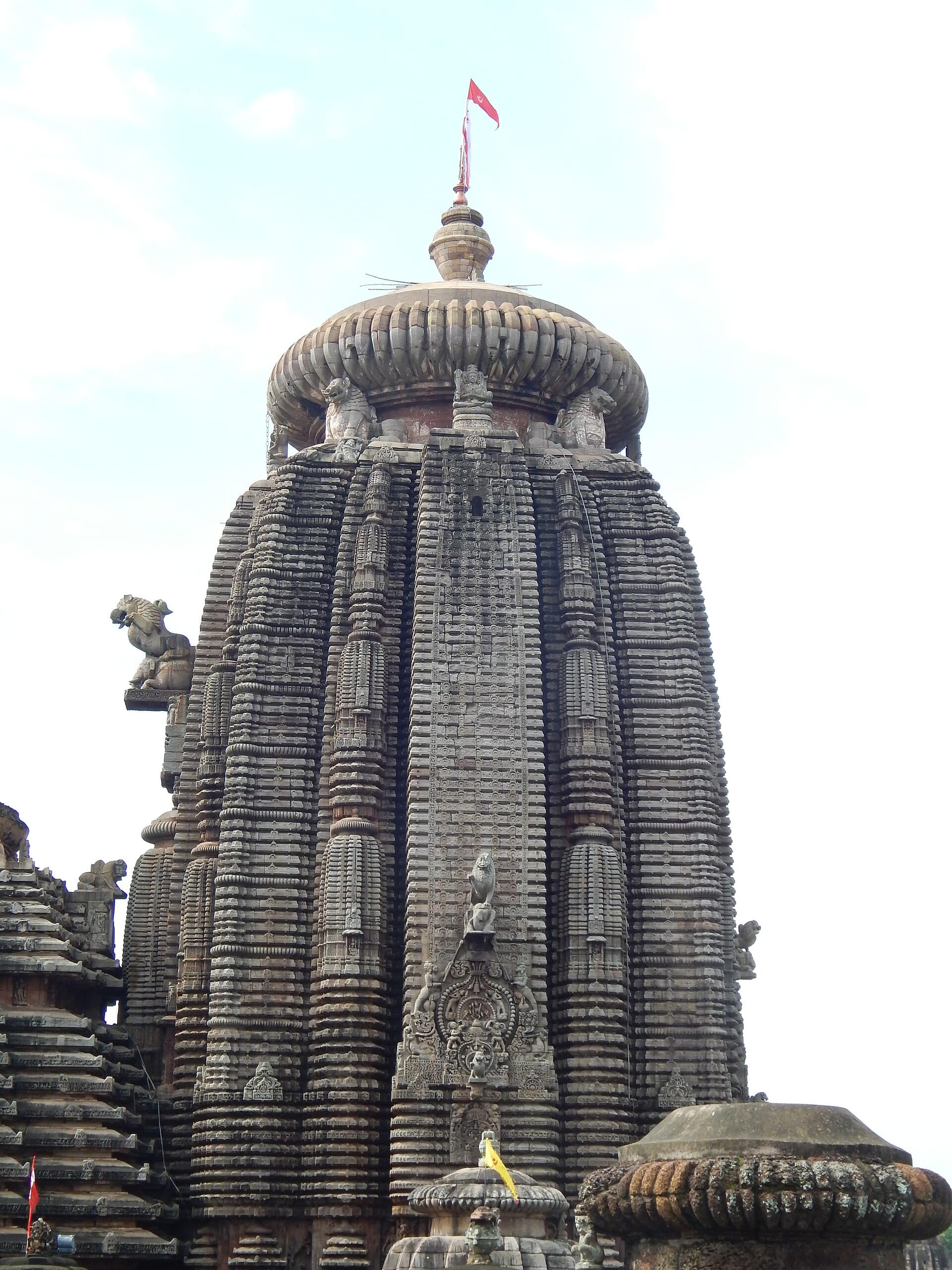 High crowd
Entry Free (non-Hindus view from a platform)
Lingaraj Temple
- Best timeMorning for clean light on the tower and a quieter platform; late afternoon for a warmer tone on the stone.
- ColorsSaffronRedWhite
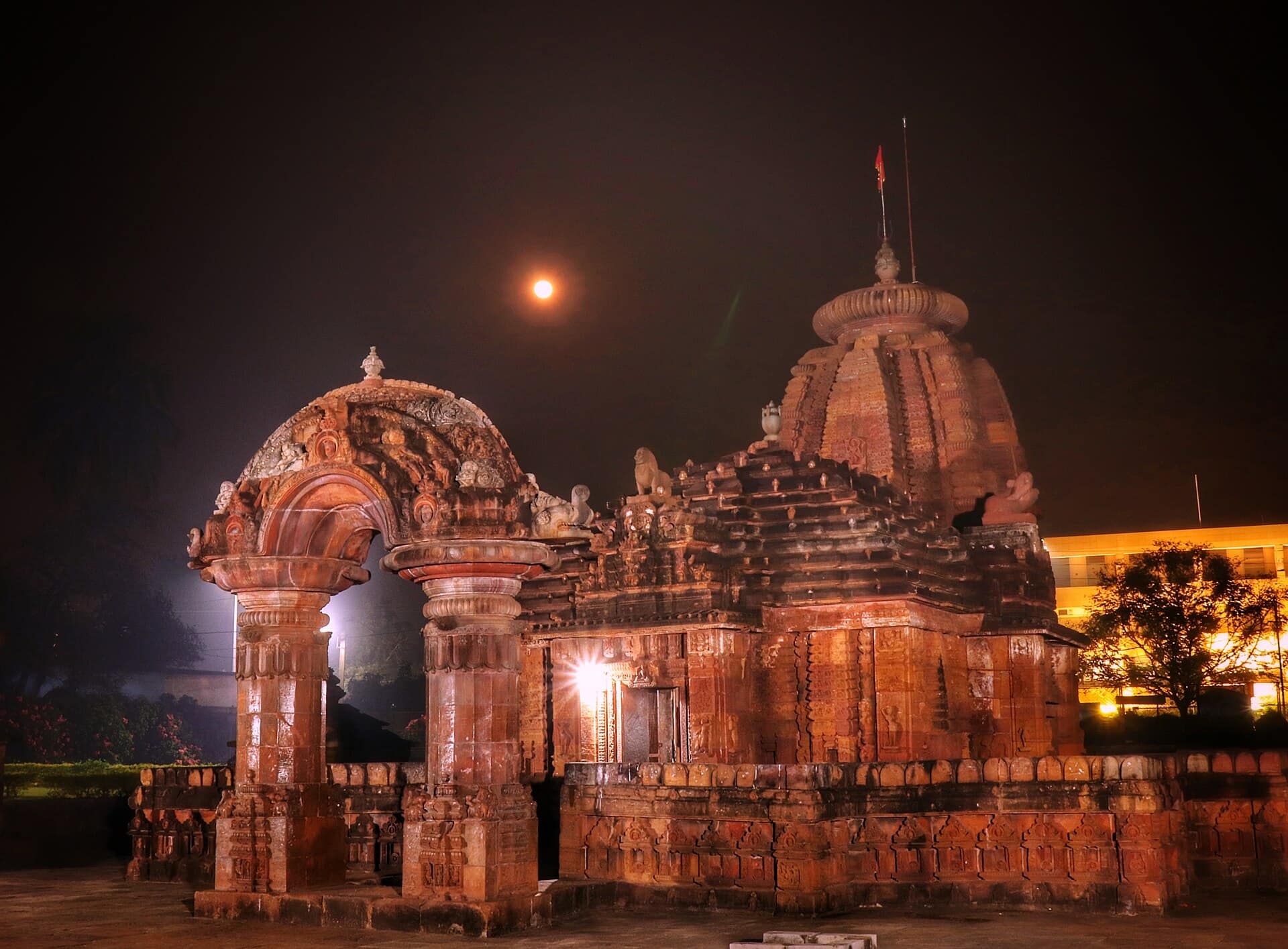 Medium crowd
Entry Free
Mukteshwar Temple
- Best timeEarly morning for soft light on the carved arch and an empty courtyard; evening in January if the dance festival is on.
- ColorsOchreCreamSaffron
 Low crowd
Entry ₹25 (Indian) / ₹300 (foreign)
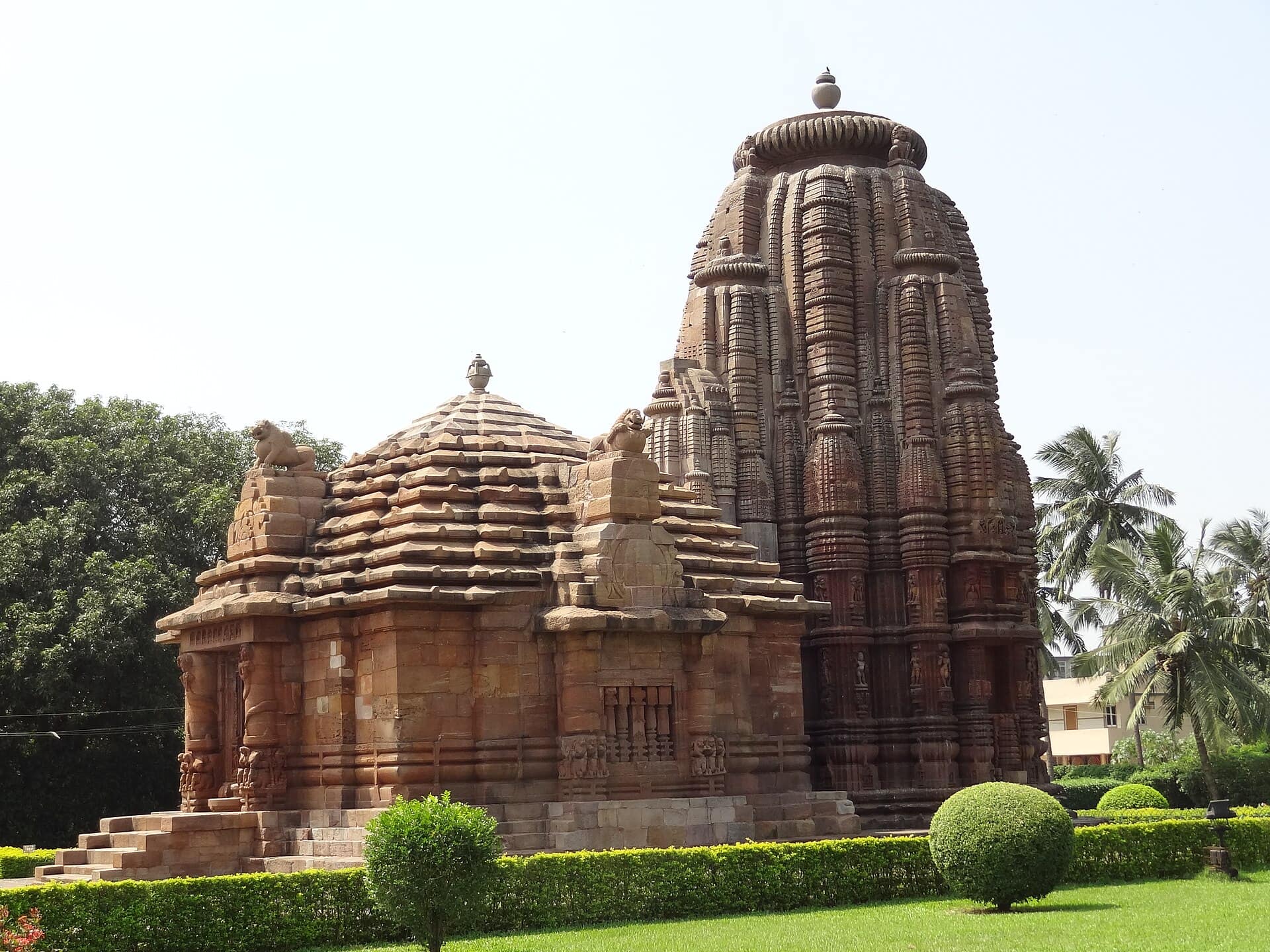
Rajarani Temple
- Best timeLate afternoon, when low sun turns the sandstone red-gold; early morning for an empty garden.
- ColorsRustCreamGold
 Medium crowd
Entry ₹25 (Indian) / ₹300 (foreign)
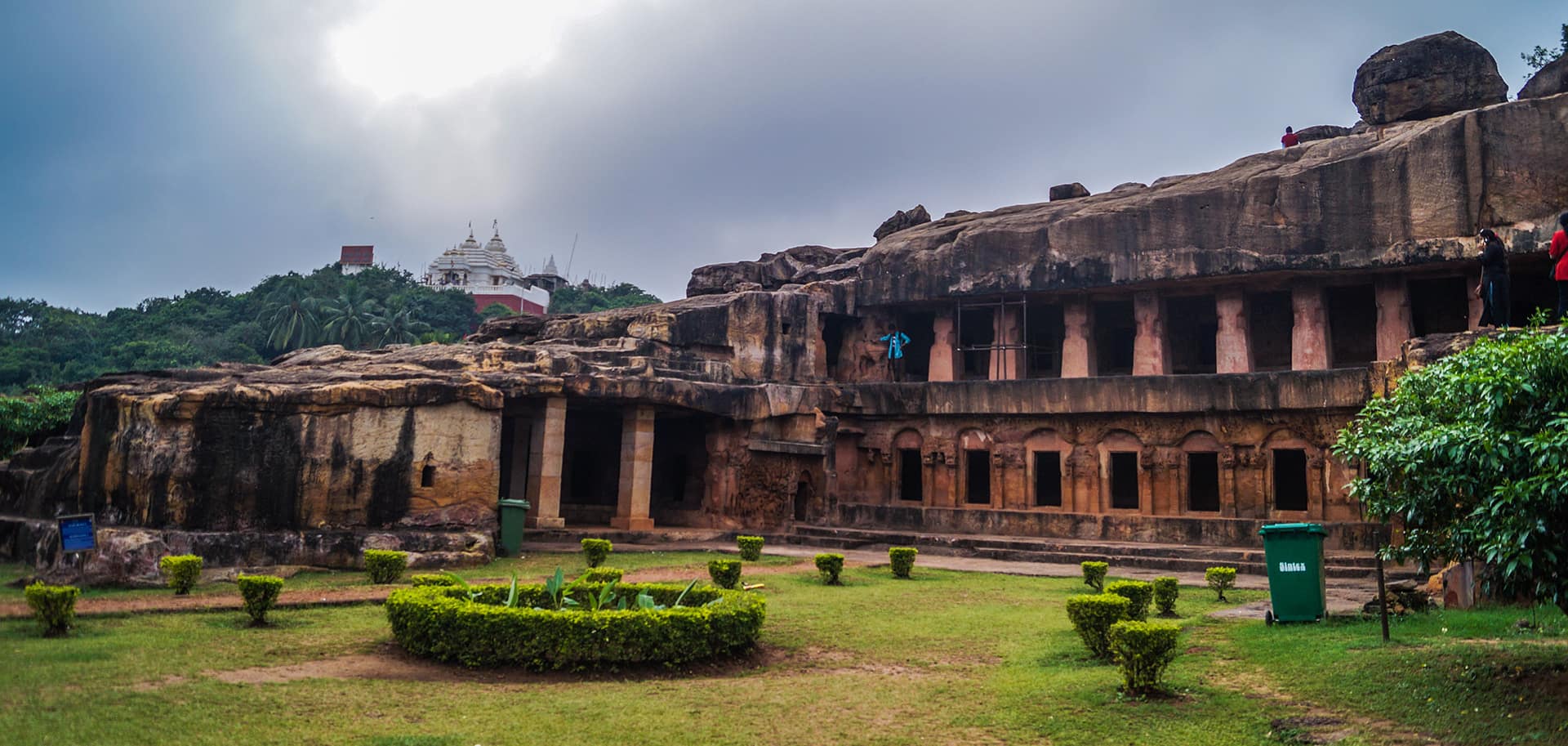
Udayagiri & Khandagiri Caves
- Best timeEarly morning, when the sun reaches into the carved verandas; late afternoon for the view from Khandagiri's top.
- ColorsOchreWhiteRust
For the feed
Trending Wear in Bhubaneswar
Modern, Instagram-friendly looks


Rooted in the city
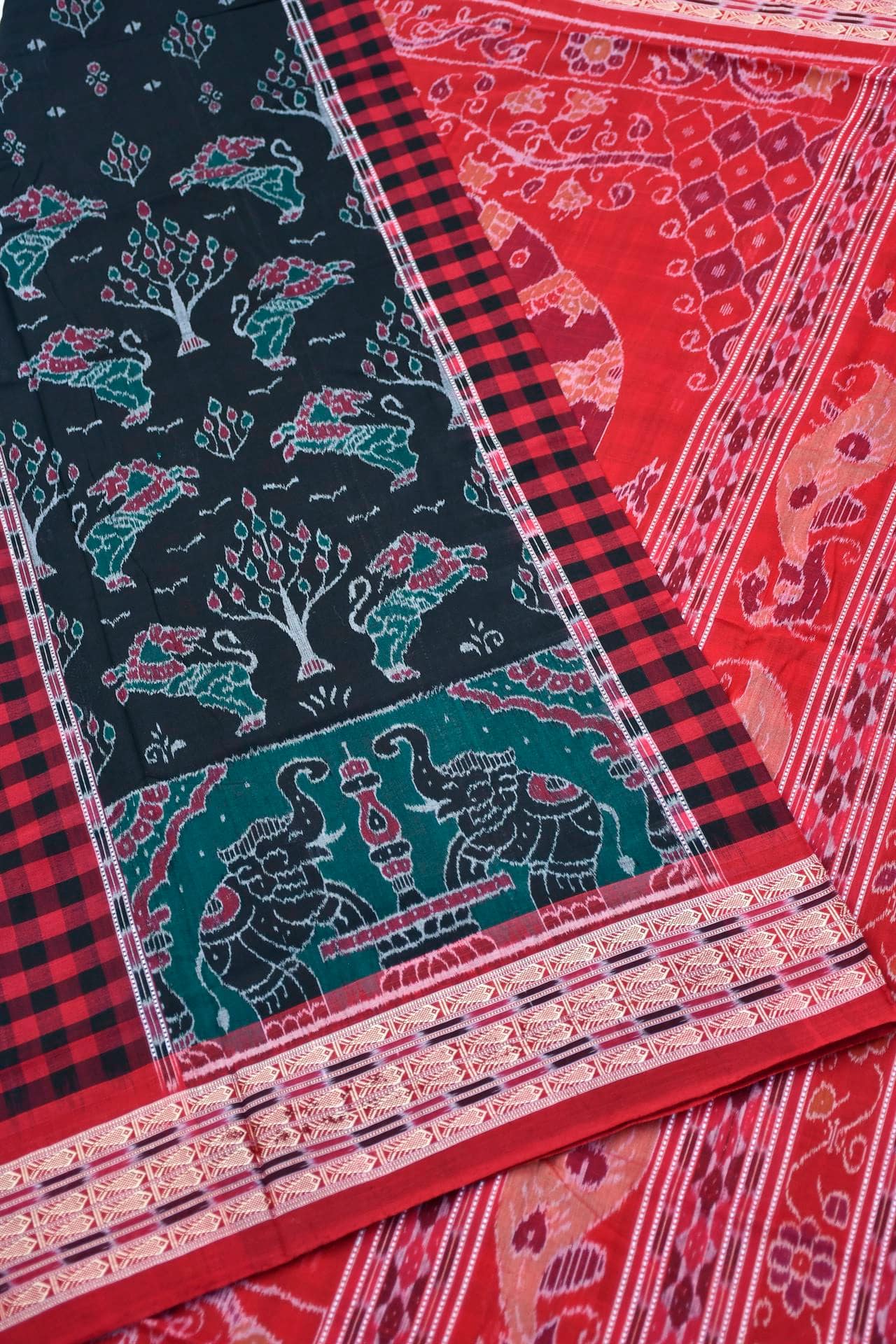
Bhubaneswar Traditional Wear
Local, cultural, handcrafted outfits
Before you go
Temples in Bhubaneswar
Darshan hours, dress codes and what gets refused at the gate
Taste the city
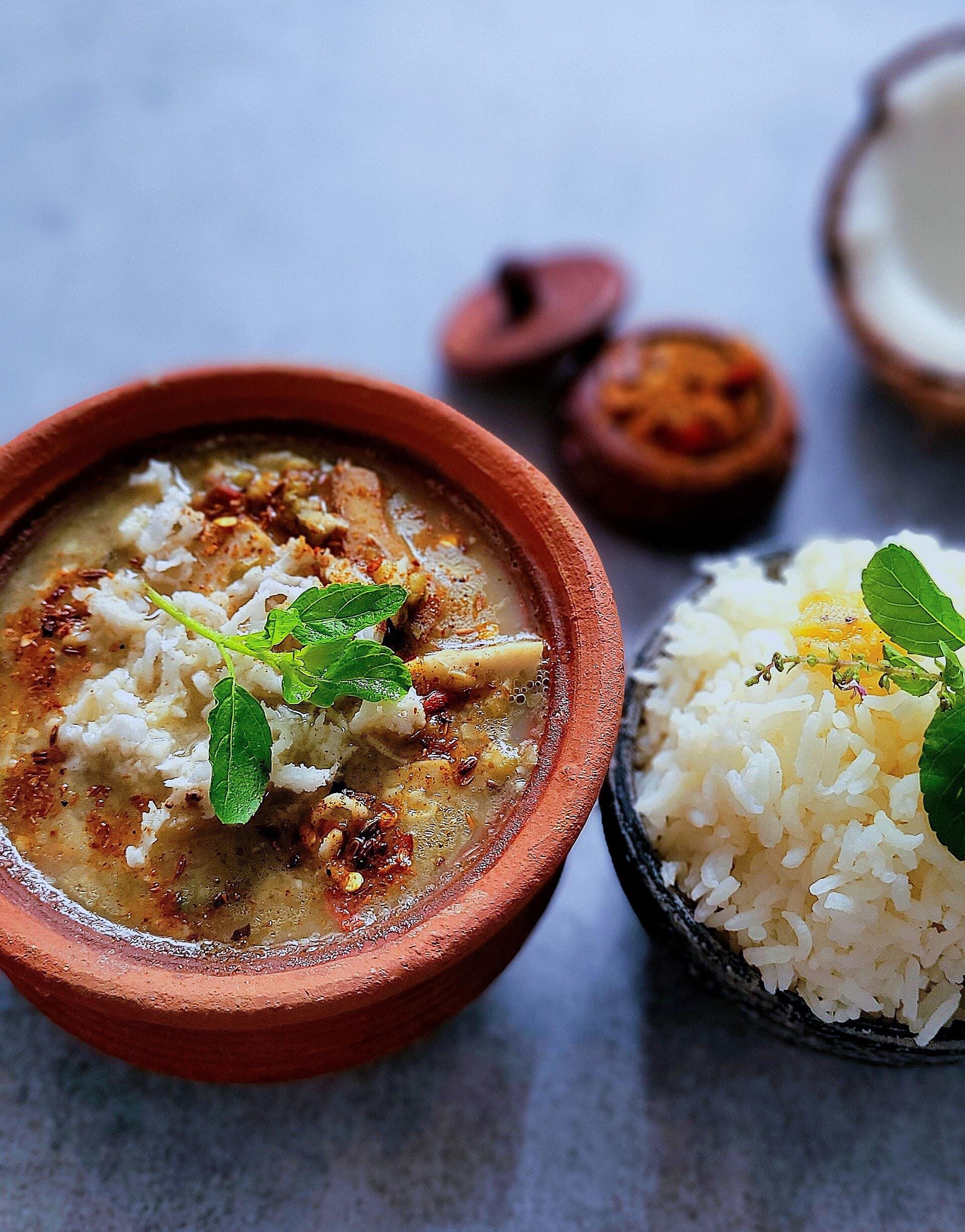
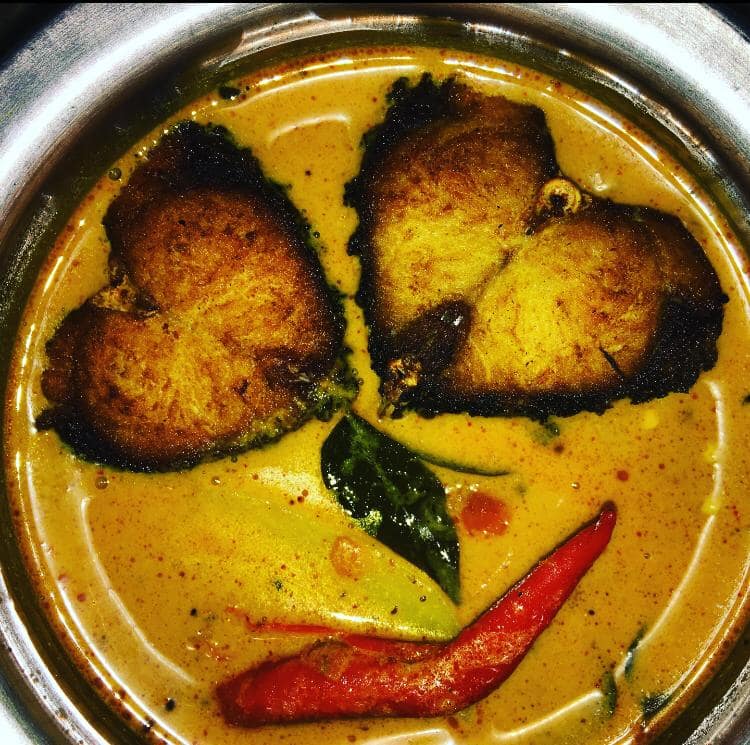
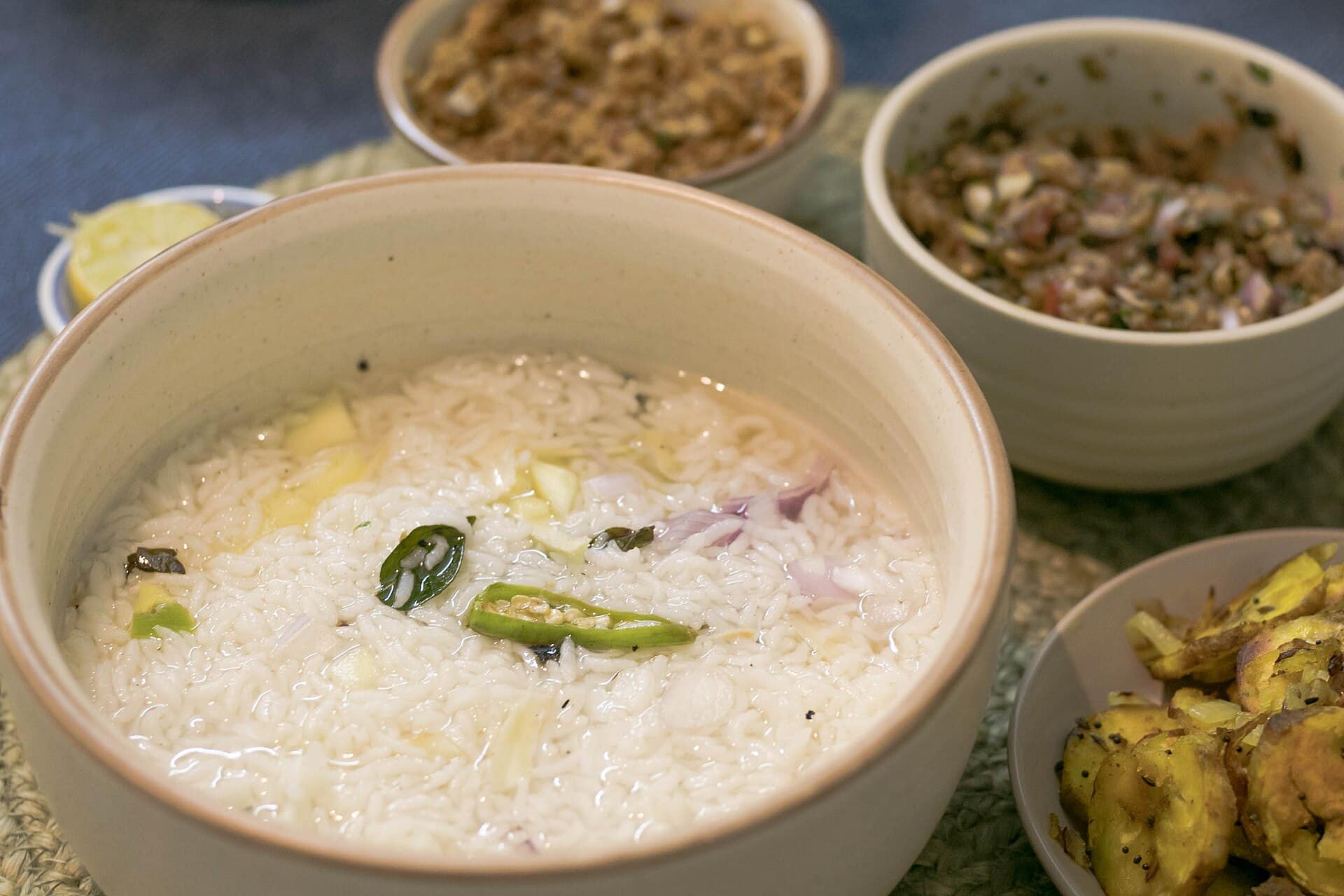
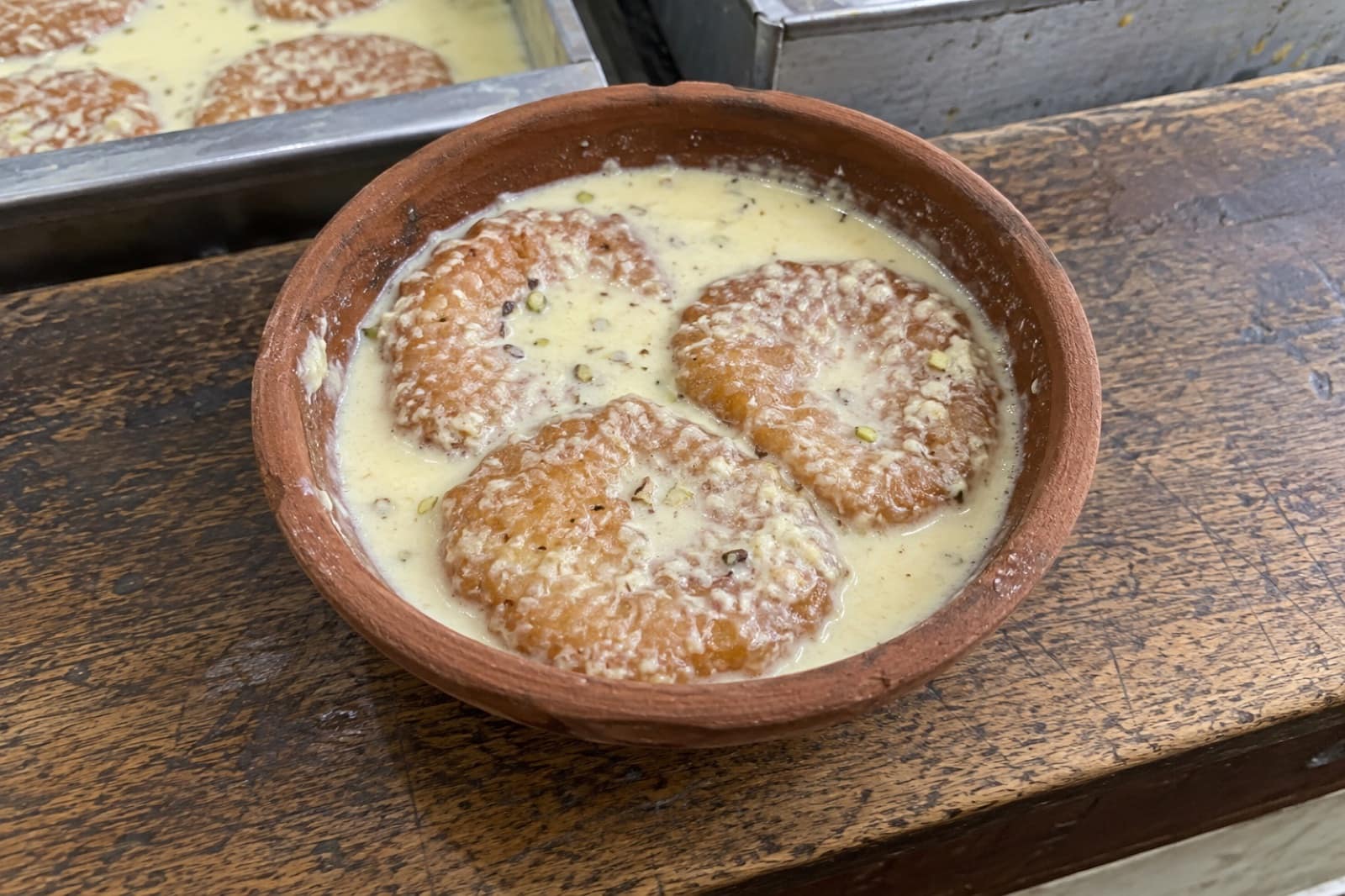
Food to Eat in Bhubaneswar
Trusted tables
Where to Eat in Bhubaneswar
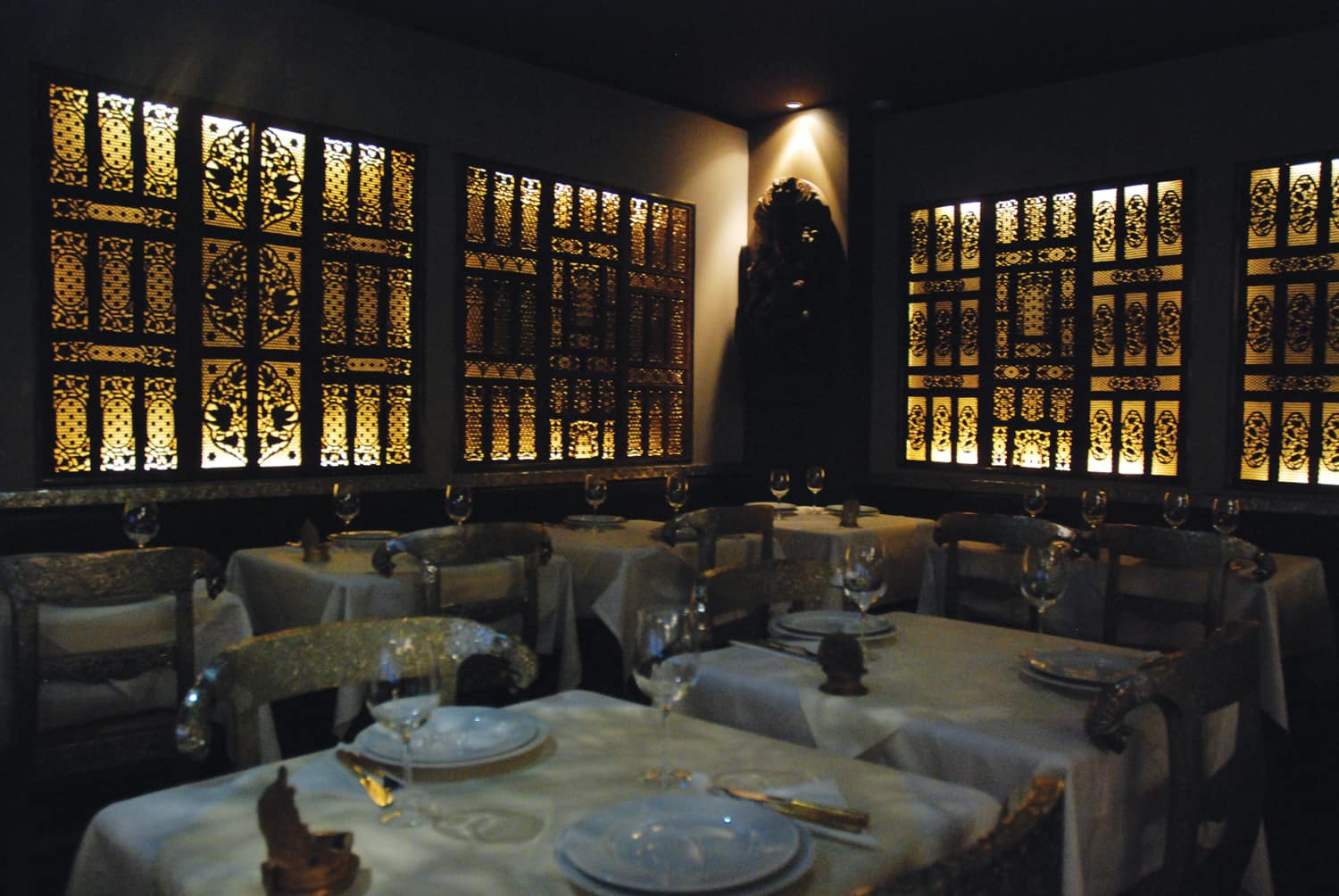 Representative photo
Dalma
Nayapalli
Representative photoKanika
Jaydev Vihar
Representative photoOdisha Hotel
Old Town
The 99 Restaurant
Patia
Representative photoTruptee Restaurant
Saheed Nagar
A capital built around an old temple town
Bhubaneswar is two cities sharing one name. The planned capital, laid out after Independence, has wide roads, government blocks and the new shopping streets of Saheed Nagar and Jaydev Vihar. South of it lies the Old Town, the Ekamra Kshetra, where hundreds of sandstone temples once stood around the Bindu Sagar tank. Dozens survive, and a handful of them explain why Odisha's temple style has its own name: Kalinga architecture, with a tall curved tower (the deul) and a squat, pyramid-roofed hall in front of it.
The temples worth your first morning
Start in the Old Town while the stone is still cool. Mukteshwar is small and free, and its carved arched gateway is the most photographed piece of stone in the city. Rajarani, a short walk away, is a ticketed monument with no deity inside and a garden around it. Lingaraj is the working heart of the Old Town and open only to Hindus. Everyone else can look over the wall from a viewing platform on its north side.
Older than the temples
Two sites take the story back more than two thousand years. At Dhauli, about 8 km south, Emperor Ashoka carved his edicts after the Kalinga war, and a white peace pagoda now crowns the hill. At Udayagiri and Khandagiri, on the western edge of the city, Jain monks lived in cells cut into two sandstone hills, and King Kharavela left a long inscription above one of them.
Eating Odia food properly
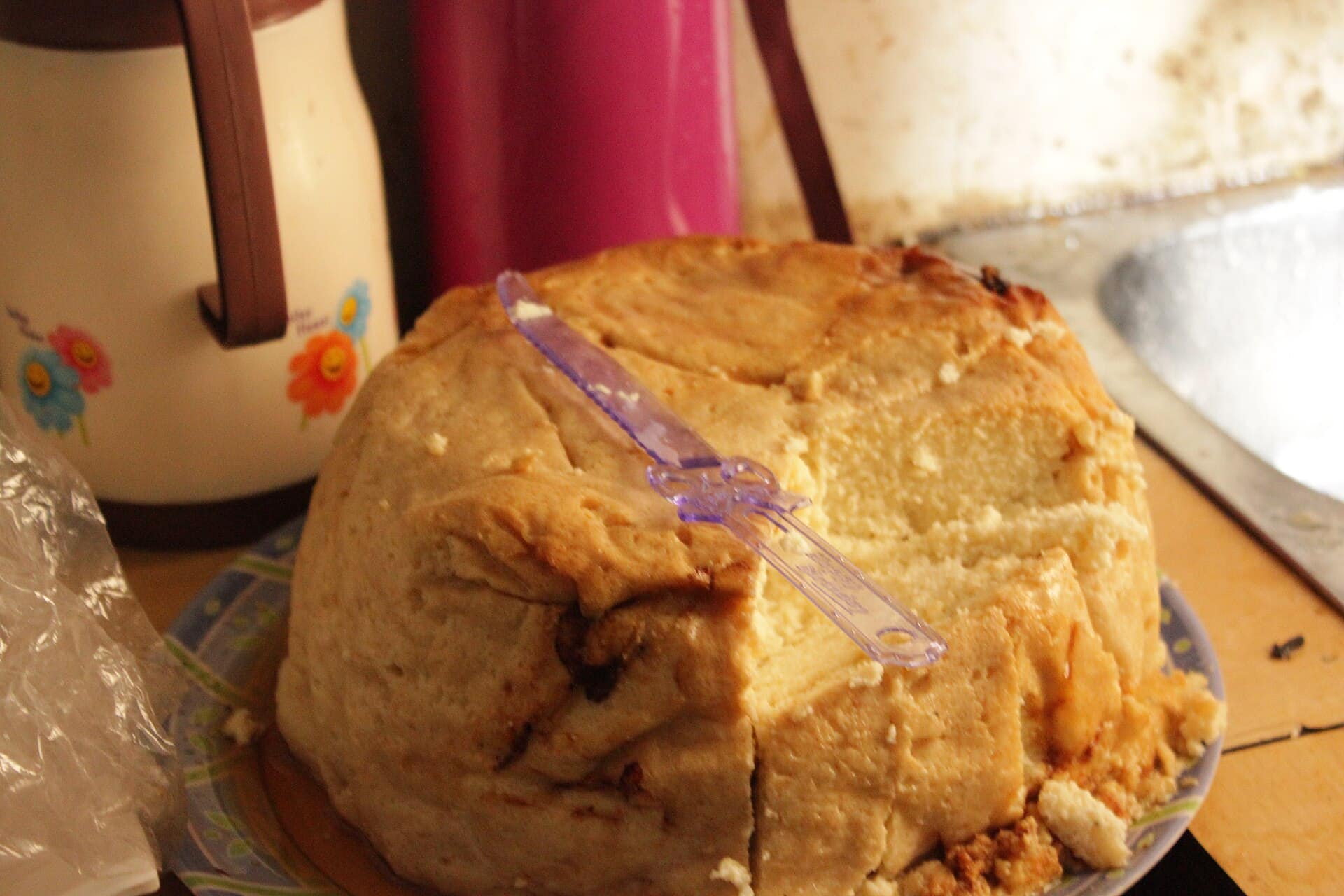
Odia cooking is milder and more lentil-and-vegetable led than visitors expect. Try dalma and a pakhala thali at Dalma in Nayapalli, a plain home-style meal at Odisha Hotel in the Old Town, and chhena poda or rasabali at Truptee in Saheed Nagar. The food page covers what each dish is.
How it fits a trip
Most visitors use Bhubaneswar as the first corner of a triangle with Puri (about 60 km) and Konark (about 65 km). Two full days here is enough for the temples, the caves and Dhauli, with an evening at Ekamra Haat for handloom. The airport sits close to the Old Town, so even a long layover can take in Mukteshwar and Rajarani.
Weather to plan around
November to February is dry and comfortable. From April the city is hot and sticky, the monsoon usually arrives in mid-June, and October and November can bring cyclone warnings along this coast. Check the best time to visit page before you book.
Questions
Bhubaneswar — FAQ
Can non-Hindus see Lingaraj Temple?
Not from inside. Entry is for Hindus only, but a raised viewing platform outside the north wall lets anyone look across the courtyard at the main tower and take photos.
How many days do I need in Bhubaneswar?
Two days covers the Old Town temples, the Udayagiri and Khandagiri caves, Dhauli and a good Odia meal. Add a third if you want the state museum or a slow evening at Ekamra Haat.
Is Bhubaneswar a good base for Puri and Konark?
It works for day trips, but Puri is about 60 km away, so the drive eats into the day. Many people spend two nights here and then move to Puri for the coast.
Why is Bhubaneswar called the Temple City?
The Old Town once held hundreds of temples around the Bindu Sagar tank, built between roughly the 7th and 13th centuries. Many still stand, and several are still in daily worship.
What should I buy in Bhubaneswar?
Handloom is the thing: Sambalpuri ikat and Bomkai sarees, cotton stoles and dhotis. Ekamra Haat and the state handloom showrooms are the easiest places to start.