
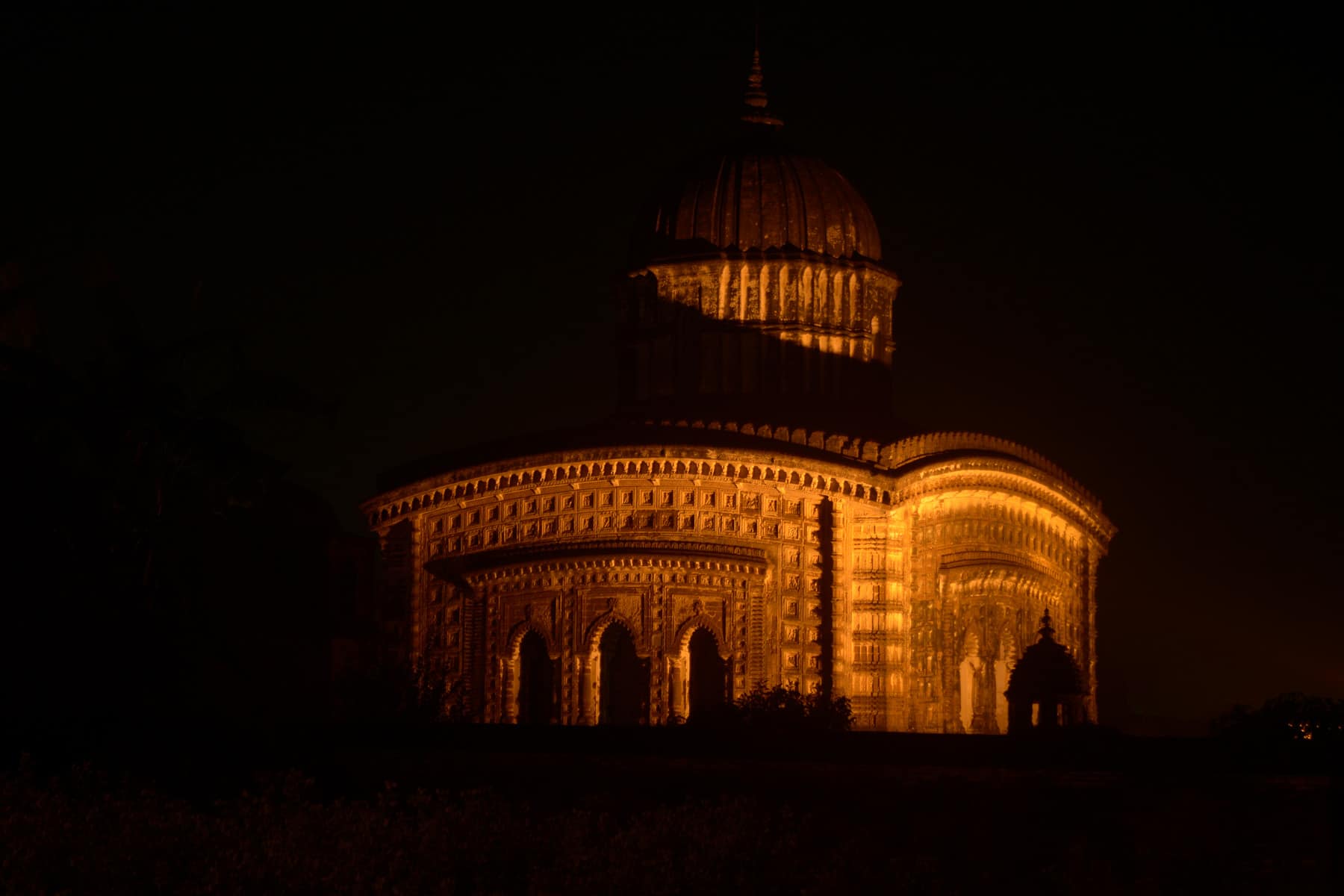
West Bengal · India
Bishnupur
The old Malla-dynasty capital of Bengal, famed for its exquisite terracotta temples — brick shrines covered in intricate clay panels — plus Baluchari silk sarees and classical music.
Bishnupur is terracotta-temple Bengal: the Rasmancha and Jor Bangla shrines, the Malla kings' brick temple art, the Dalmadal cannon, the woven Baluchari saree, and the Bishnupur gharana of music.
Plan your trip
Bishnupur Tour Itineraries
Timed, walkable day plans — plus the best season to go.
Where to shoot
Bishnupur Photo Spots
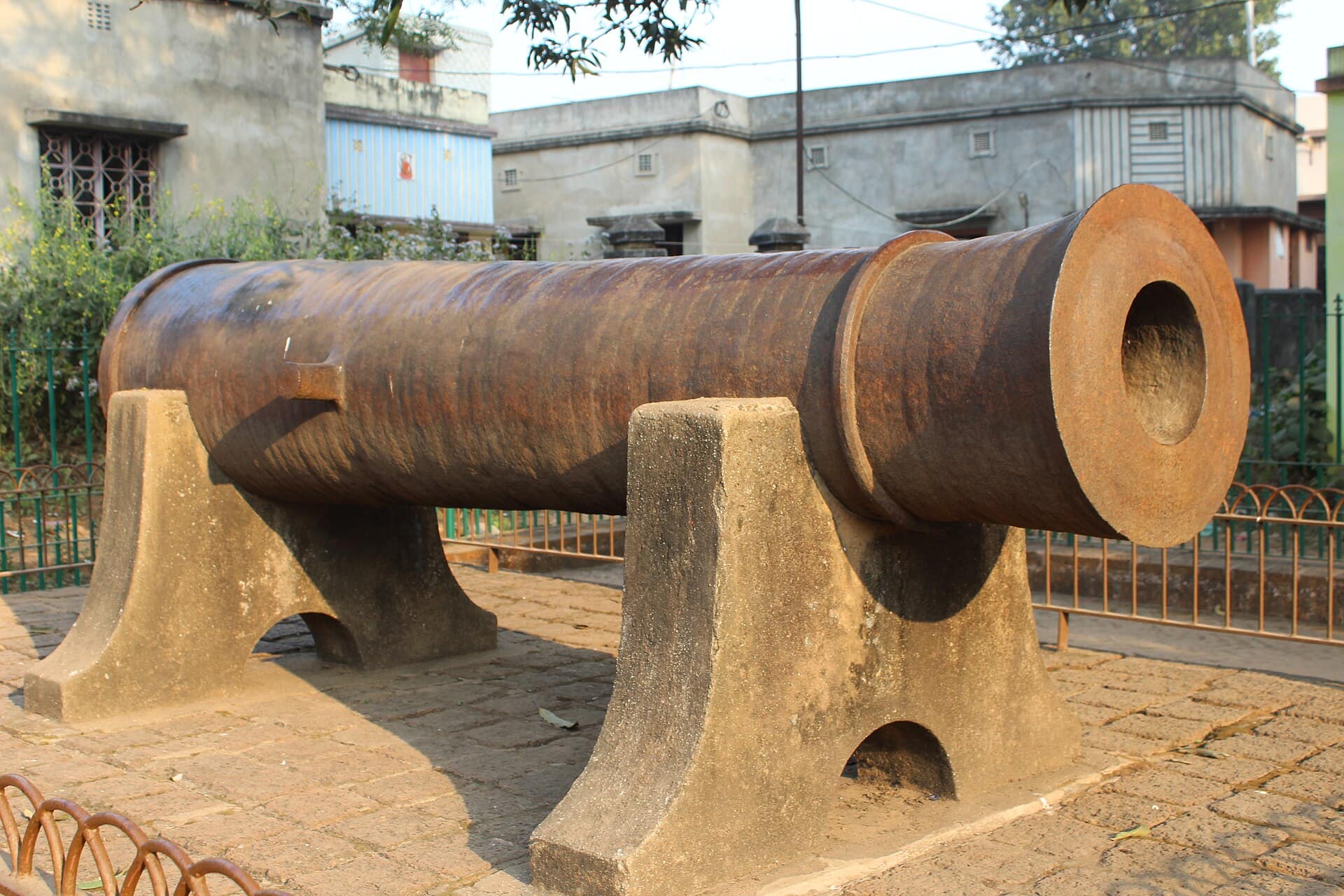 Medium crowd
Entry Free
Dalmadal Cannon
- Best timeLate afternoon, when warm side light shows the rings along the barrel; early morning for soft light and no one else in the enclosure.
- ColorsRustCreamMaroon
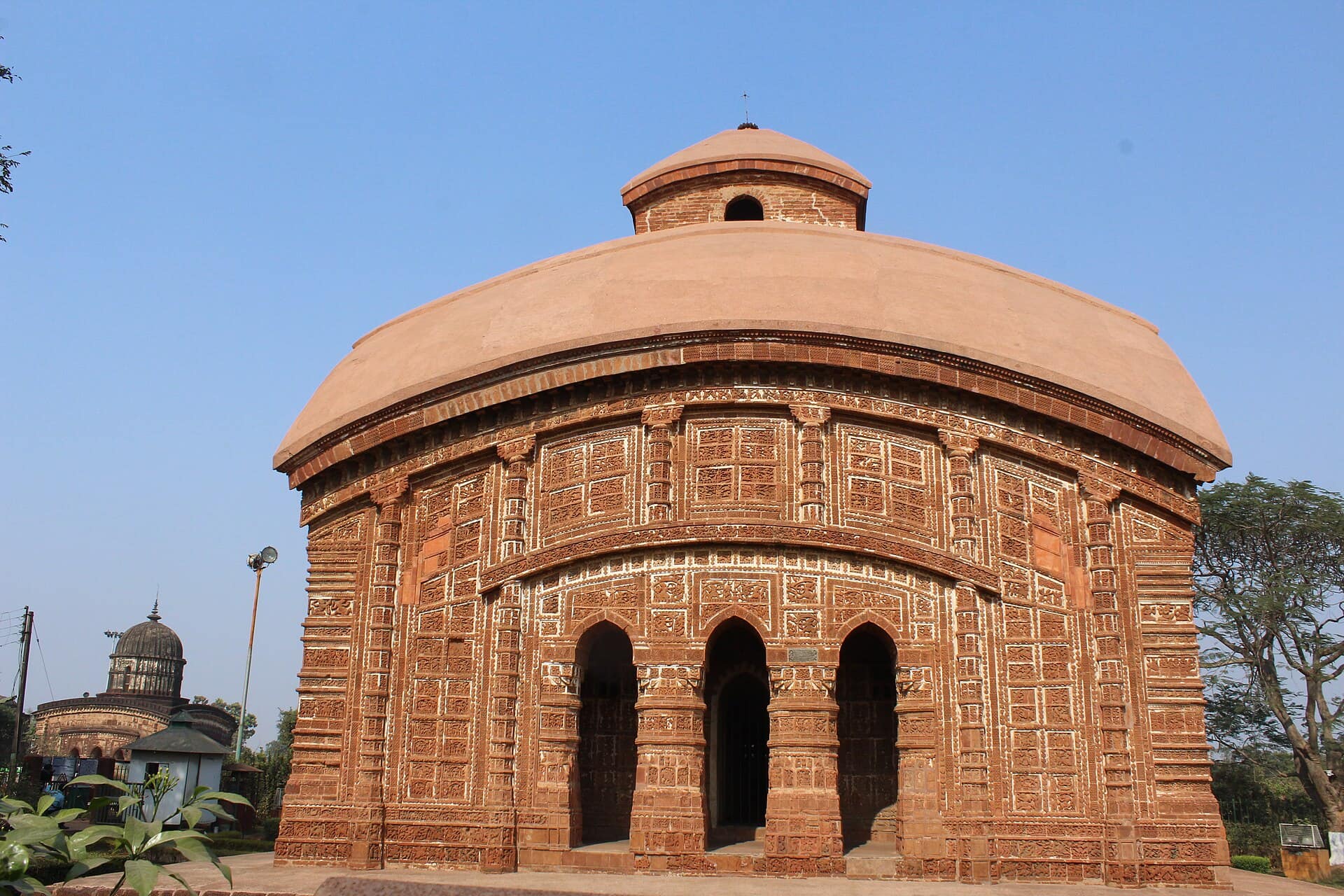 Medium crowd
Entry Ticketed (combo)
Jor Bangla Temple
- Best timeMorning, when soft side light brings out the depth of the panels; the last hour before sunset for a deep rust colour on the brick.
- ColorsRustOchreMaroon
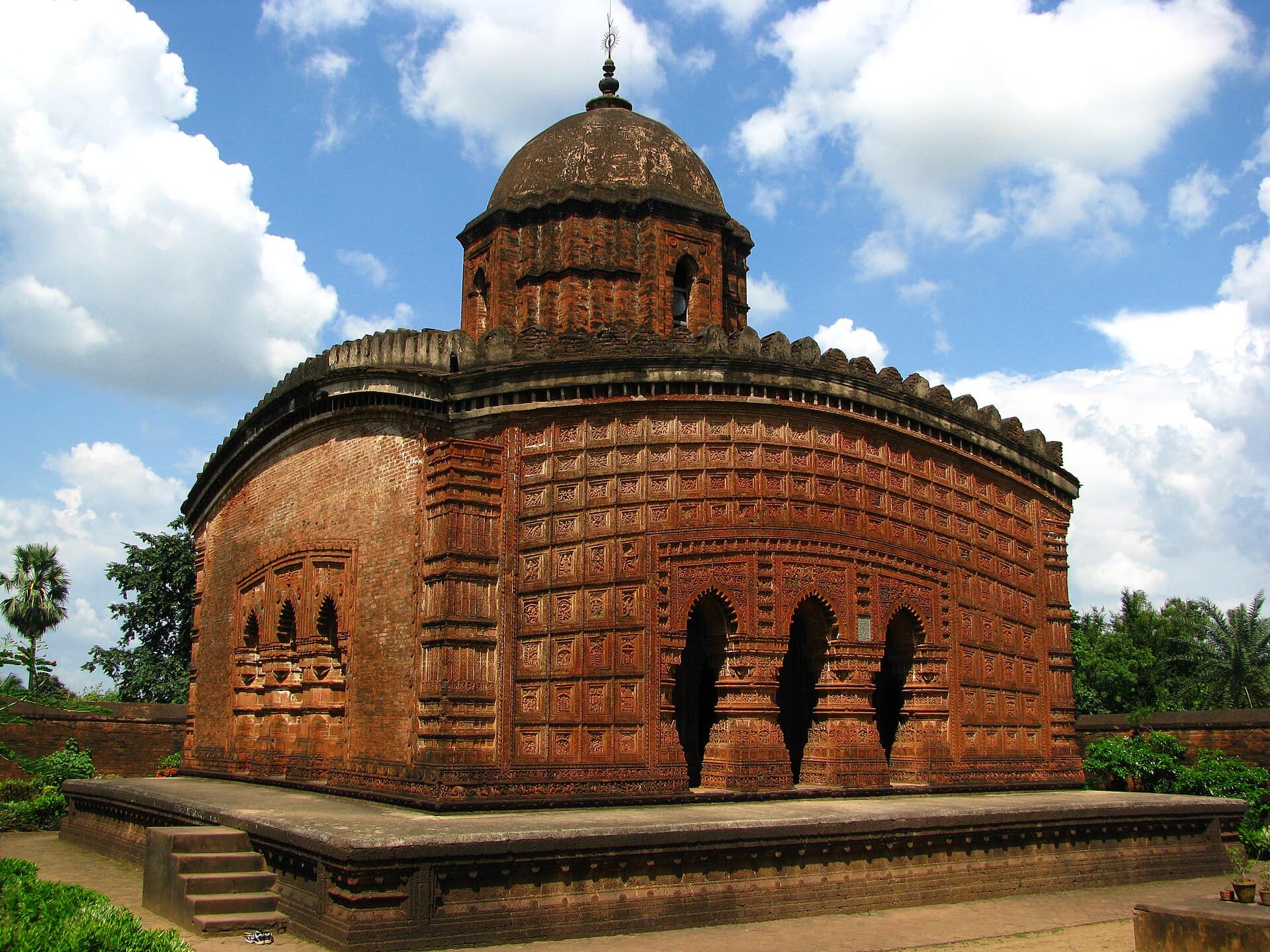 Medium crowd
Entry Free
Madan Mohan Temple
- Best timeMorning, when worship is on and soft light falls on the carved front; late afternoon for warm colour and a quieter compound.
- ColorsWhiteCreamSaffron
 Medium crowd
Entry Ticketed (site combo)
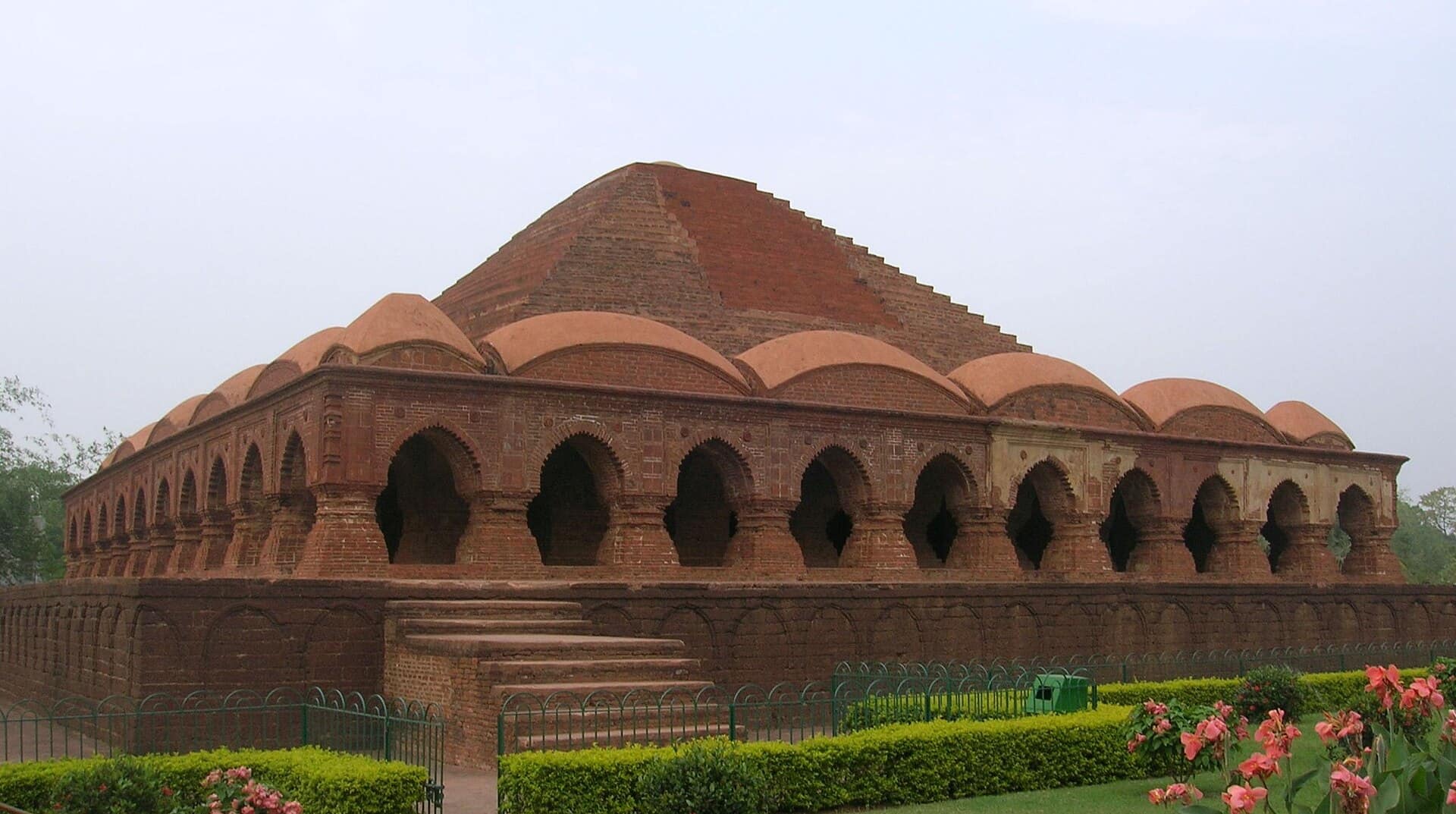
Rasmancha
- Best timeEarly morning, when low sun fills the arches and the lawns are empty; late afternoon for warm colour on the brick.
- ColorsRustCreamOchre
 Medium crowd
Entry Ticketed (combo)
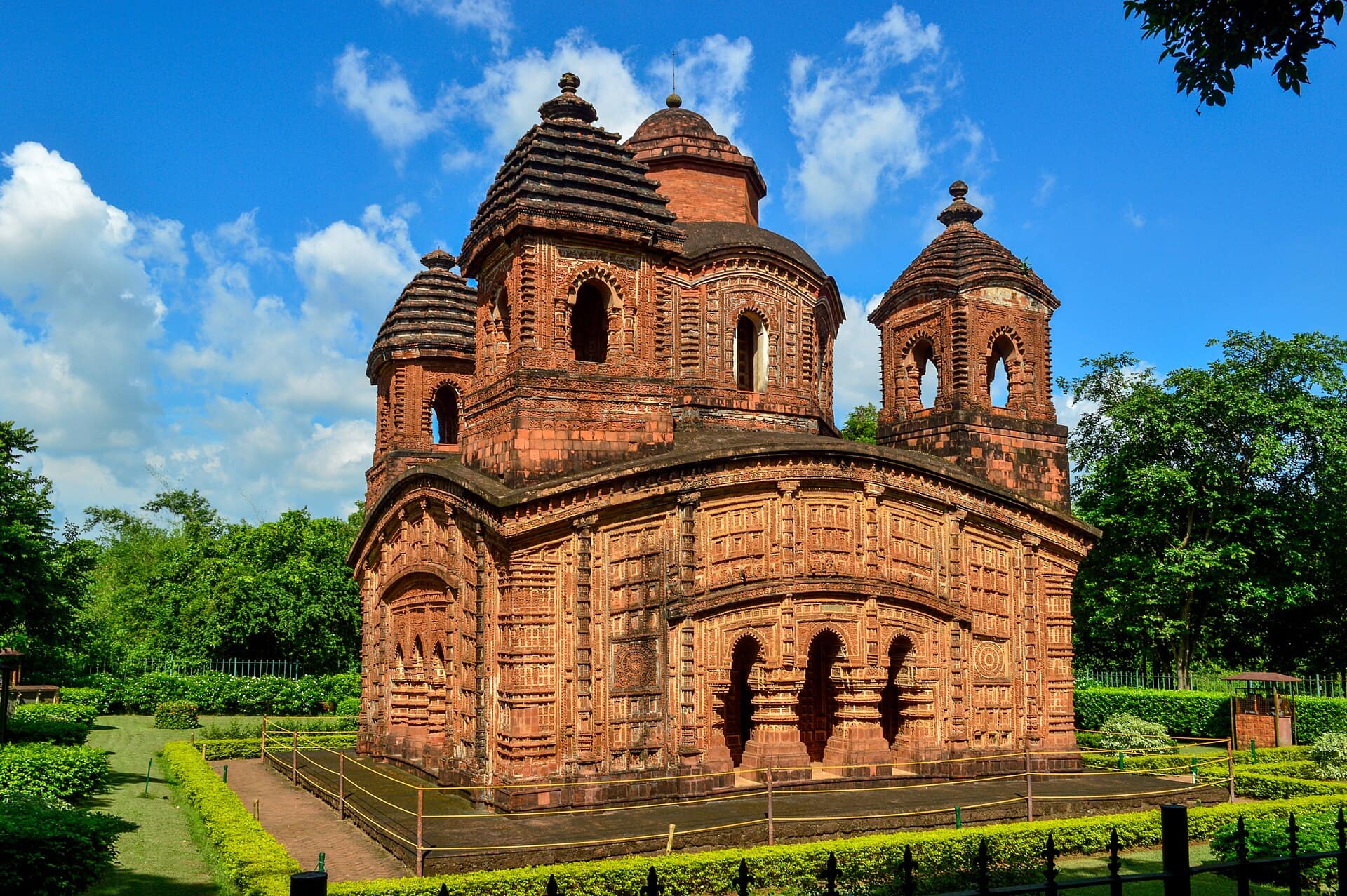
Shyam Rai Temple
- Best timeEarly morning, when soft light falls on the east face and the lawns are quiet; late afternoon for warm light on the west face.
- ColorsRustCreamOchre
For the feed
Trending Wear in Bishnupur
Modern, Instagram-friendly looks
Rooted in the city
Bishnupur Traditional Wear
Local, cultural, handcrafted outfits
Before you go
Temples in Bishnupur
Darshan hours, dress codes and what gets refused at the gate
Taste the city
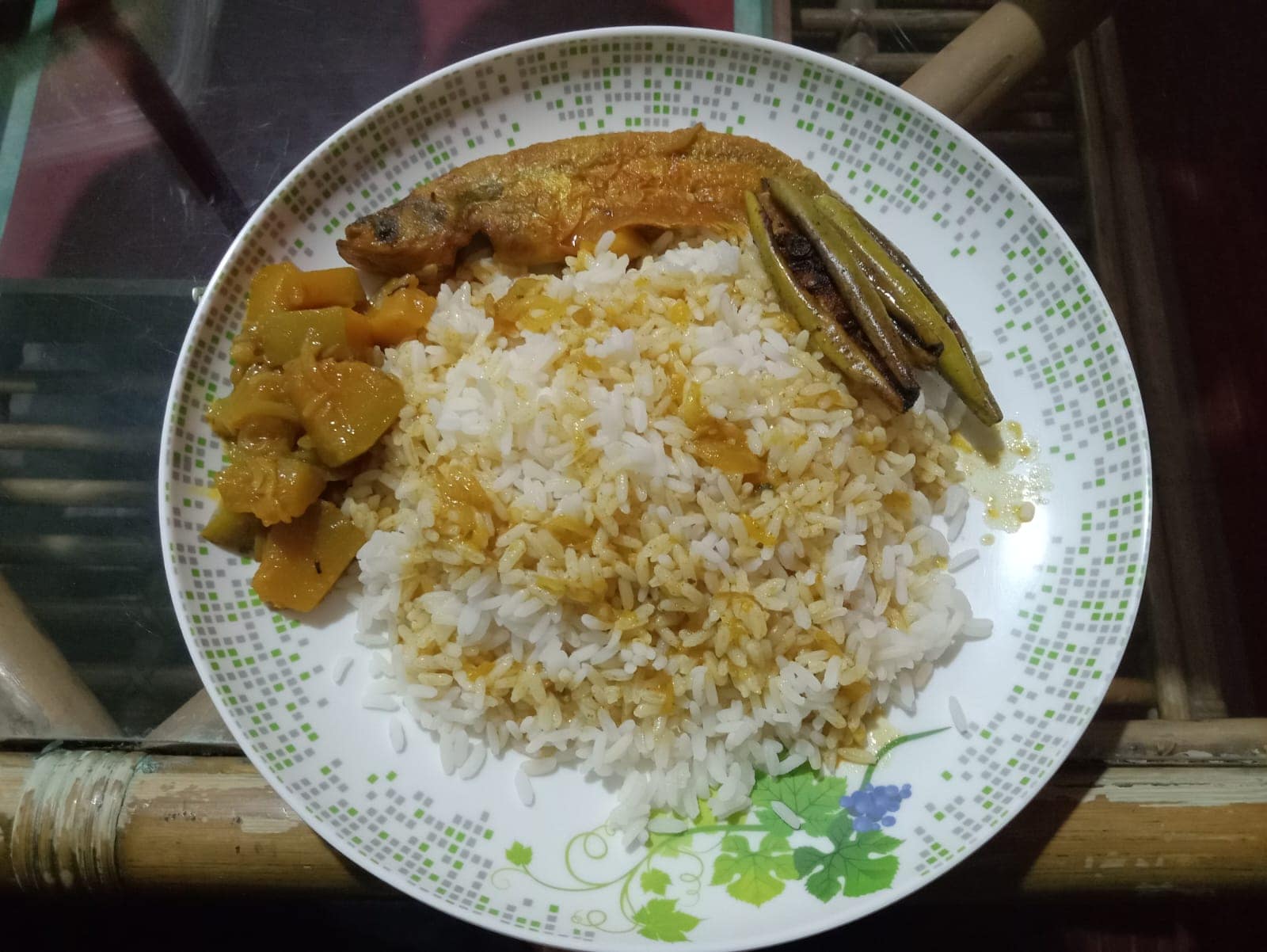
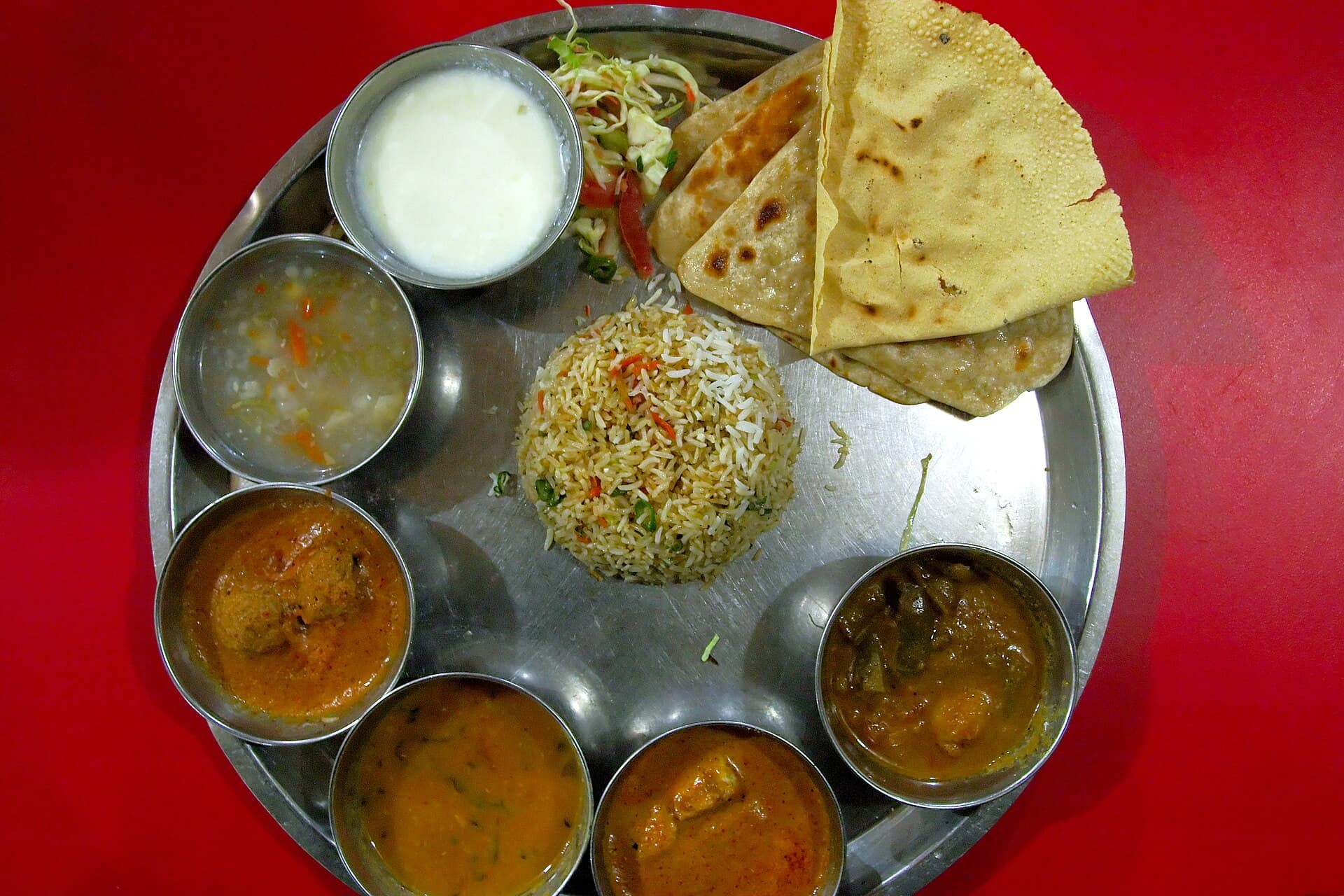
Food to Eat in Bishnupur
Trusted tables
Where to Eat in Bishnupur
A Malla capital built in brick
Bishnupur, in Bankura district of West Bengal, was the seat of the Malla kings of Mallabhum for close to a thousand years. Its fame rests on what they built in the 1600s and 1700s: Krishna temples of brick and laterite, their walls covered in panels of fired clay. The western Bengal plain had little good building stone, so builders turned brick and terracotta into an art of their own. The temples went onto UNESCO's tentative list for World Heritage status in the late 1990s.
The temples, and how to see them
The monuments are spread across town rather than gathered in one compound. Start at Rasmancha, the pyramid-roofed pavilion of 1600, where the ASI ticket counter sits. One ticket covers the protected temples, and it can also be booked online. From there it is a short ride to Jor Bangla, the twin-hut temple of 1655 with the town's best-known panels, and to the five-towered Shyam Rai of 1643. Madan Mohan, built in 1694, is still a working temple. Most visitors hire a cycle-rickshaw or a toto (battery rickshaw) for a few hours and let the driver link the sites. The monuments usually open from sunrise to sunset.
Beyond the big four
Smaller temples fill the gaps: Lalji, Radha Shyam, Madan Gopal, the Jor Mandir group and the laterite Malleswar Shiva temple. The Mrinmoyee temple keeps a Durga Puja that local tradition dates back more than a thousand years. The stone gateways of the old fort, the Pathar Darwaja, still stand, and the great iron Dalmadal cannon rests on a platform beside the Chhinnamasta temple. Lalbandh, one of the reservoirs dug under the Malla kings, is a quiet place at dusk.
Crafts to look for
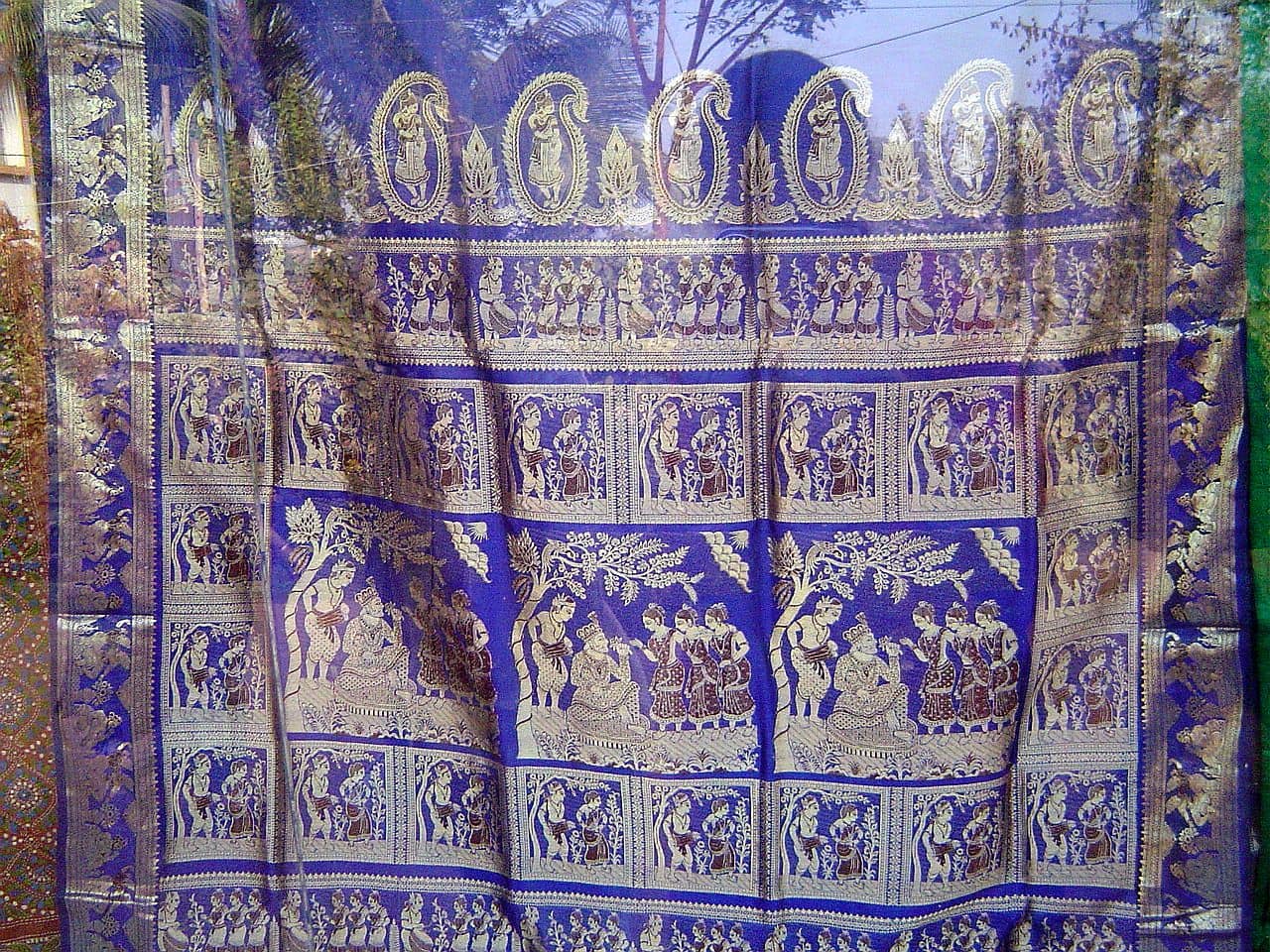
Bishnupur is where the Baluchari silk saree is woven today, its pallu filled with scenes from the Ramayana and Mahabharata. The town also sells terracotta horses in the Bankura style, bell-metal ware and dashavatar playing cards painted with the ten avatars of Vishnu. The Bishnupur gharana, a school of Hindustani classical music, grew up under the Malla court. The what to wear page explains how to buy a Baluchari.
Getting there and when to come
Bishnupur has its own railway station on the line through Kharagpur and Bankura, with trains from Howrah and Santragachi. The nearest major airport is Kolkata's, a little over 200 km away. October to March is the comfortable window. April to June is fiercely hot, and the brick and laterite hold the heat well into the evening. The Bishnupur Mela, a crafts and music fair, usually runs in the last week of December. Read the best time to visit and what to eat before you plan.
Questions
Bishnupur — FAQ
How many days do I need in Bishnupur?
One full day covers the main temples and the Dalmadal cannon. Stay a night if you can, so you see the terracotta in both morning and late-afternoon light and have time to visit a Baluchari weaver.
Can I visit Bishnupur as a day trip from Kolkata?
Yes, but it is a long day. Trains from Howrah usually take around four hours each way, so take an early one and leave the temples by late afternoon. Check the current timetable before you go.
Do I need a separate ticket for each temple?
No. The Archaeological Survey of India sells one combined ticket at Rasmancha that covers the protected temples. Keep it with you, as it is checked at each gate. It can also be booked online.
Is Bishnupur a UNESCO World Heritage Site?
Not yet. The temples of Bishnupur have been on UNESCO's tentative list since the late 1990s, which means they have been proposed but not inscribed.
Where can I buy a genuine Baluchari saree in Bishnupur?
Buy from weavers' workshops and established silk shops in town rather than roadside stalls. Ask to see the loom if you can. The Baluchari has held a Geographical Indication tag for West Bengal since 2011.