Eat in Jaipur

What to Eat in Jaipur Today?

Search Jaipur dishes by craving — bajra roti with lehsun chutney, dal baati churma, gatte ki sabzi and more.

Jaipur food comes from the desert kitchen of Rajasthan. Dishes were built to last in the heat with little water, so you will find plenty of ghee, lentils, gram flour, dried beans and slow-cooked spices. Most of the classics are vegetarian, and the old city is full of sweet shops that have been running for generations.

If you are wondering what to eat in Jaipur, start with dal baati churma for lunch, a hot pyaaz kachori for breakfast and ghewar for dessert.

Popular cravings


17 dishes

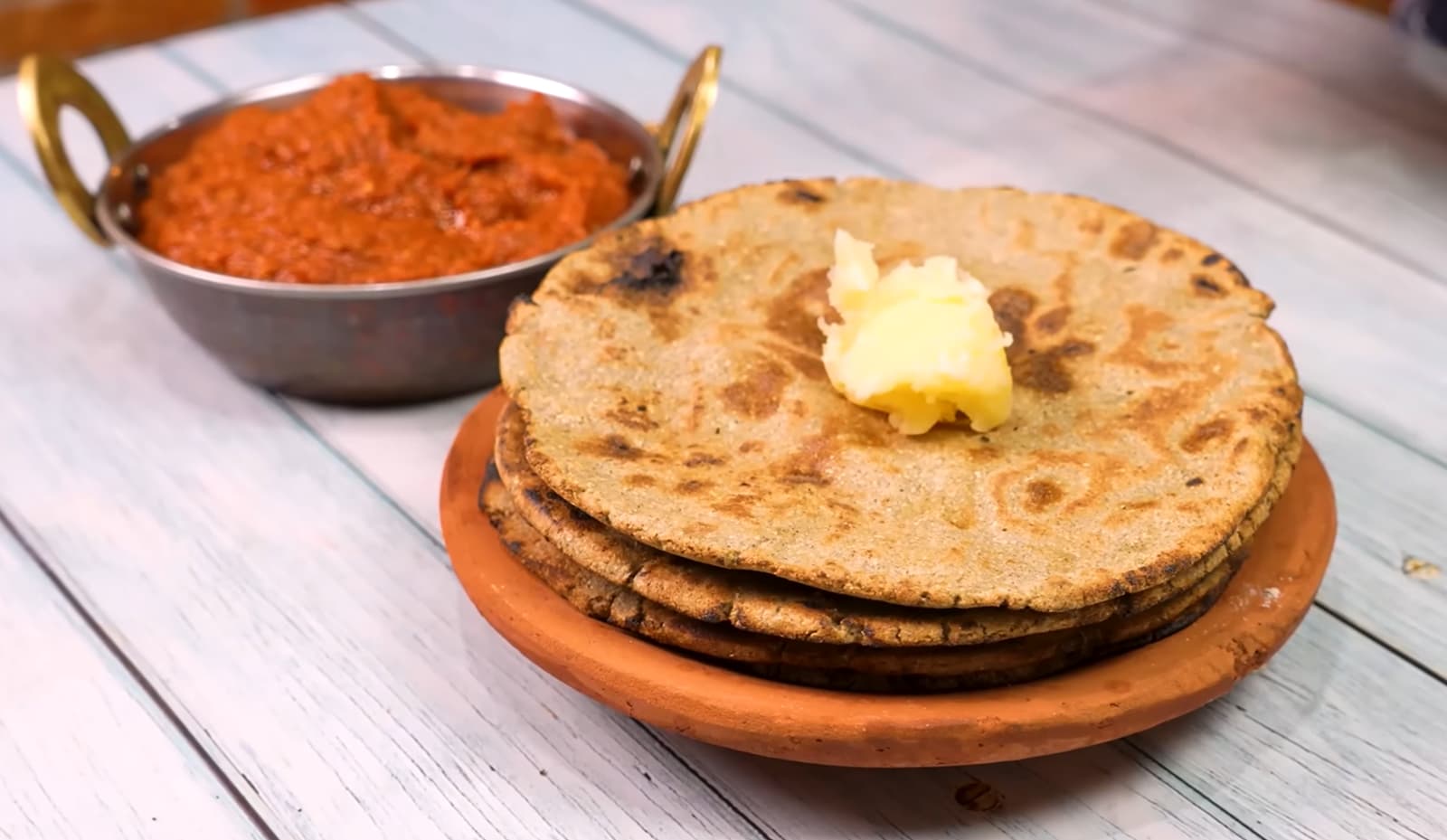
Bajra Roti with Lehsun Chutney — vegetarian Jaipur dishHot

Bajra Roti with Lehsun Chutney

Veg

Pearl-millet bread, hand-patted rather than rolled because the dough will not hold a rolling pin, served hot with white butter or ghee and a pounding-hot garlic-and-red-chilli chutney. This is Rajasthan's winter staple and the most honest food in the state: coarse, earthy, sustaining, and designed for cold mornings in a desert where temperatures genuinely drop at night. It is seasonal — you will struggle to find it in May. Chokhi Dhani serves it reliably through the winter as part of its thali.

₹60–180

View Bajra Roti with Lehsun Chutney
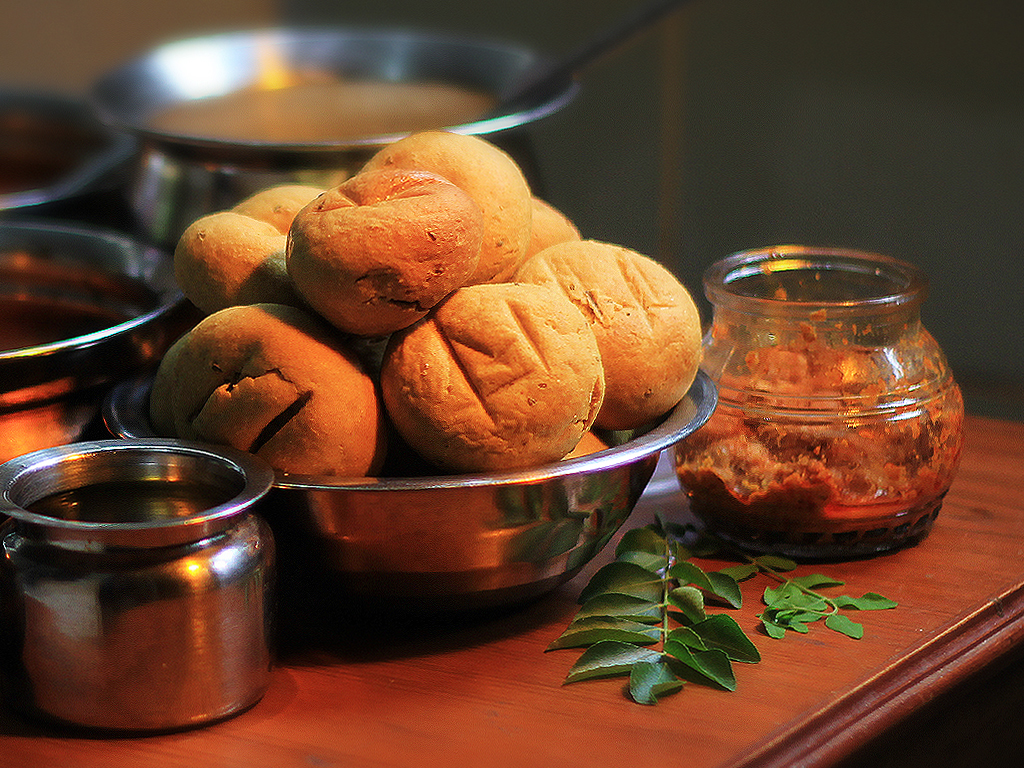
Dal Baati Churma — vegetarian Jaipur dishMedium spice

Dal Baati Churma

Veg

Baked baati served with dal, ghee and sweet churma.

₹150–350

Best around: Tonk Road (outskirts) and Johari Bazaar

View Dal Baati Churma
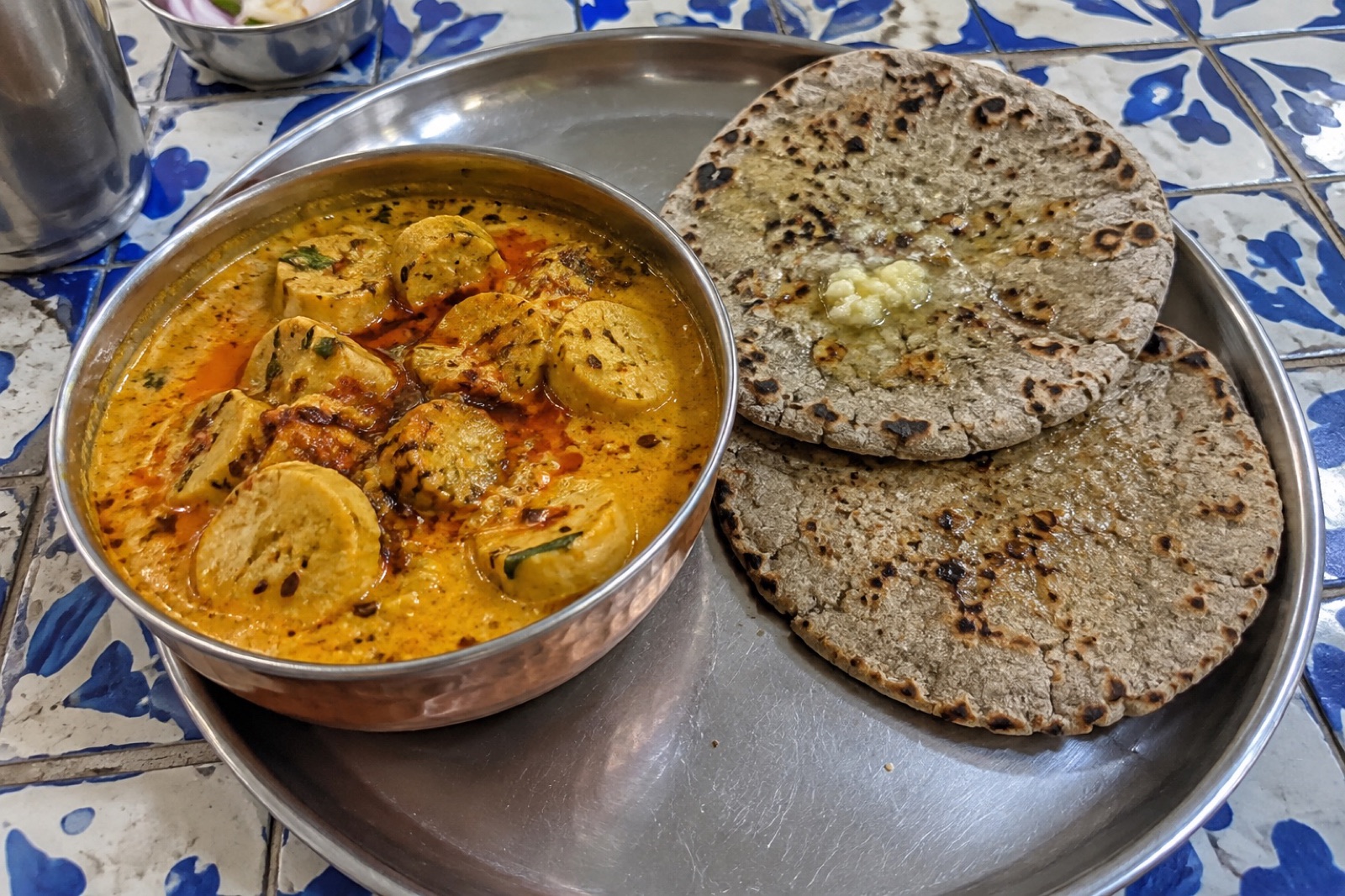
Gatte ki Sabzi — vegetarian Jaipur dishMedium spice

Gatte ki Sabzi

Veg

Gram-flour dumplings simmered in a spiced yoghurt gravy, and one of the three dishes that define Rajasthani cooking. The gatte are made by cooking besan into a stiff dough, rolling it into logs, boiling them, then slicing into rounds; the gravy is yoghurt thickened with besan and sharpened with mustard seeds, cumin, turmeric and red chilli. It was devised for a landscape where fresh vegetables and water are both scarce, which is why it keeps well and travels well. Expect it on every Rajasthani thali. In Jaipur the reliable versions are at Chokhi Dhani, LMB in Johari Bazaar, Spice Court in Civil Lines and 1135 AD inside Amber Fort.

₹120–280

View Gatte ki Sabzi
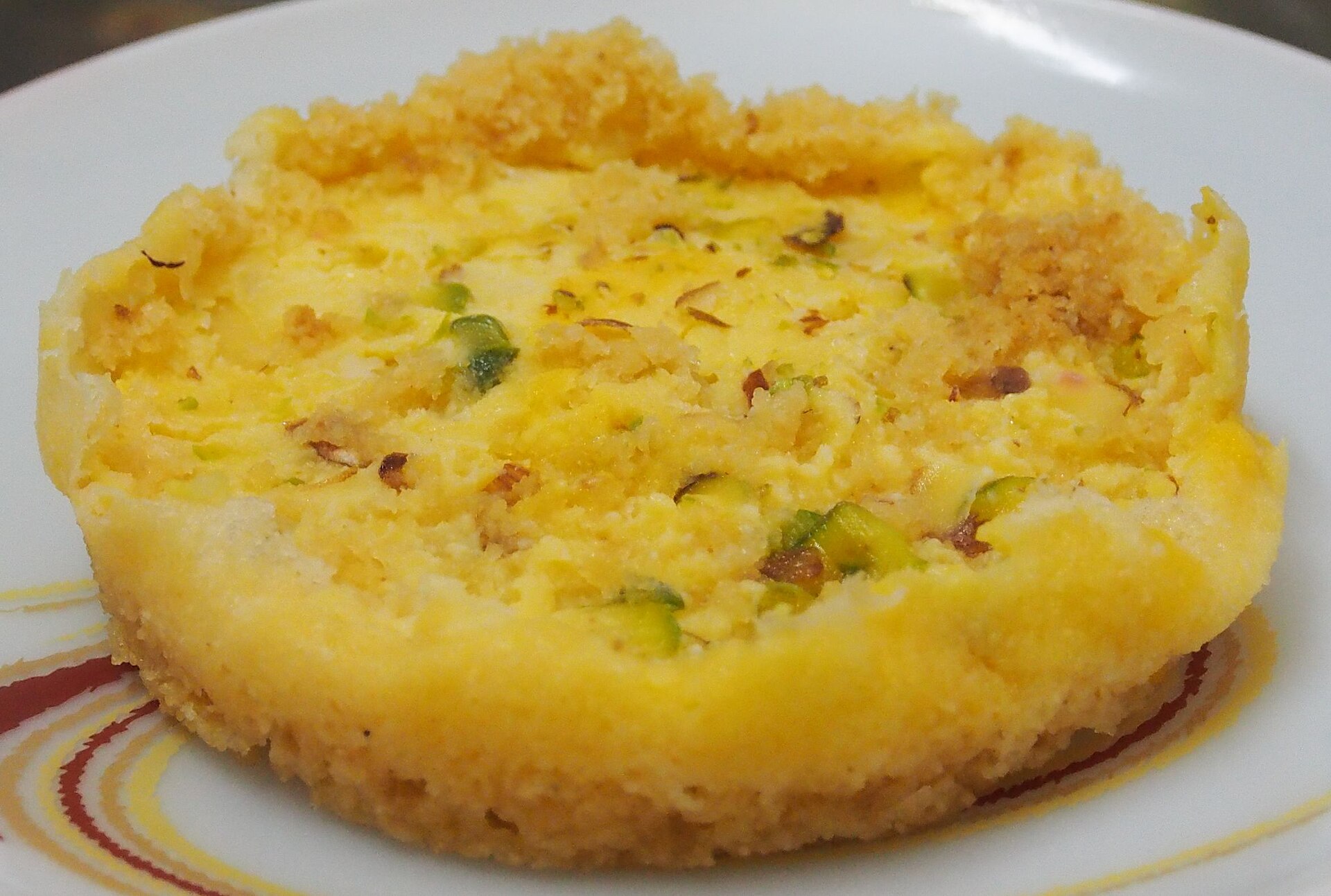
Ghewar — vegetarian Jaipur dish

Ghewar

Veg

A crisp honeycomb sweet soaked in syrup and topped with rabri.

₹300–600 / kg

Best around: Johari Bazaar

View Ghewar
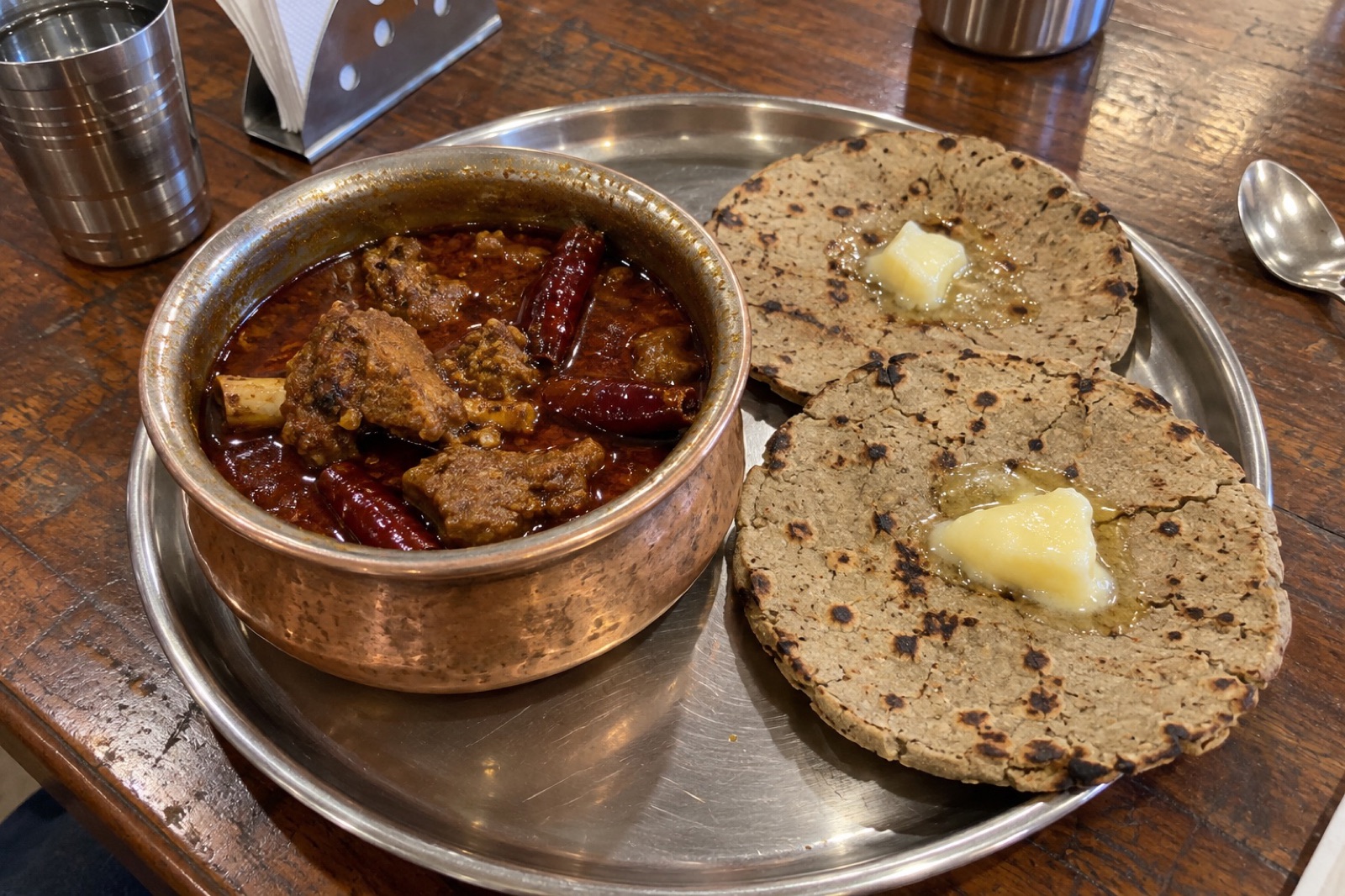
Junglee Maas — non-vegetarian Jaipur dishExtra hot

Junglee Maas

Non-veg

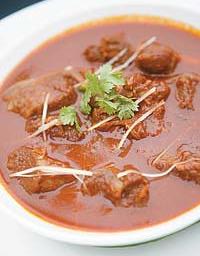
Mutton cooked with little more than ghee, salt and dried red chillies. Simpler and hotter than laal maas, with no yoghurt or tomato.

₹400–800

Best around: MI Road

View Junglee Maas
Kalakand — vegetarian Jaipur dish

Kalakand

Veg

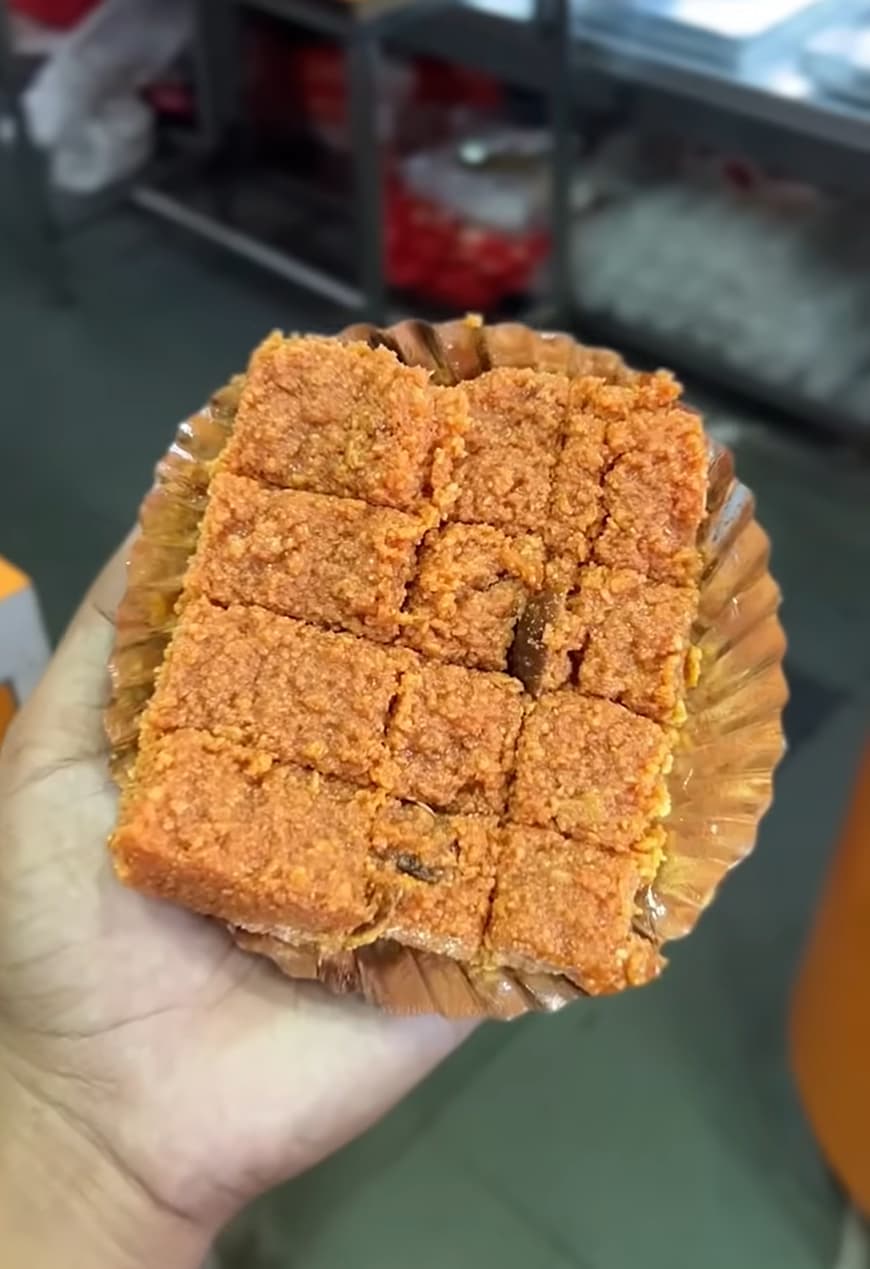
A soft set milk sweet made by reducing milk and curdling it lightly, then cooking the curds with sugar until they hold a fudge-like grain. It is cut into squares, sometimes topped with silver leaf or a pistachio, and eaten at room temperature. Alongside ghewar, mawa kachori and mishri mawa, kalakand is one of the sweets Jaipur's old sweet shops are actually known for — LMB in Johari Bazaar and Rawat on Station Road are the two names locals give first. It is sold by weight, so buy a small quantity and eat it the same day.

₹400–900 / kg

View Kalakand
Kalmi Vada — vegetarian Jaipur dishMedium spice

Kalmi Vada

Veg

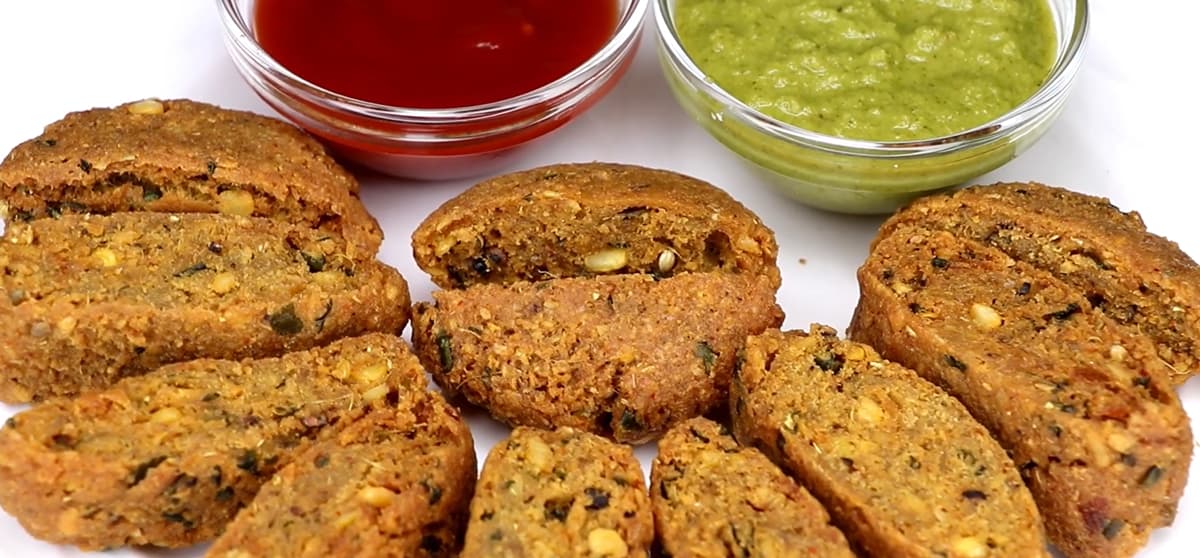
A fritter made from coarsely ground split chana dal mixed with onion, ginger, green chilli and fennel, shaped loosely and deep-fried hard. It is crunchier and grainier than a smooth vada, with a distinctly savoury rather than spicy flavour, and the fennel is what makes it recognisable. Across Rajasthan kalmi vada is the monsoon snack — eaten with masala chai while it rains — and it is a tea-time item rather than a meal. Available at sweet shops and snack counters in Jaipur, including Rawat and LMB, and at street stalls in the late afternoon.

₹20–60

View Kalmi Vada
Ker Sangri — vegetarian Jaipur dishMedium spice

Ker Sangri

Veg

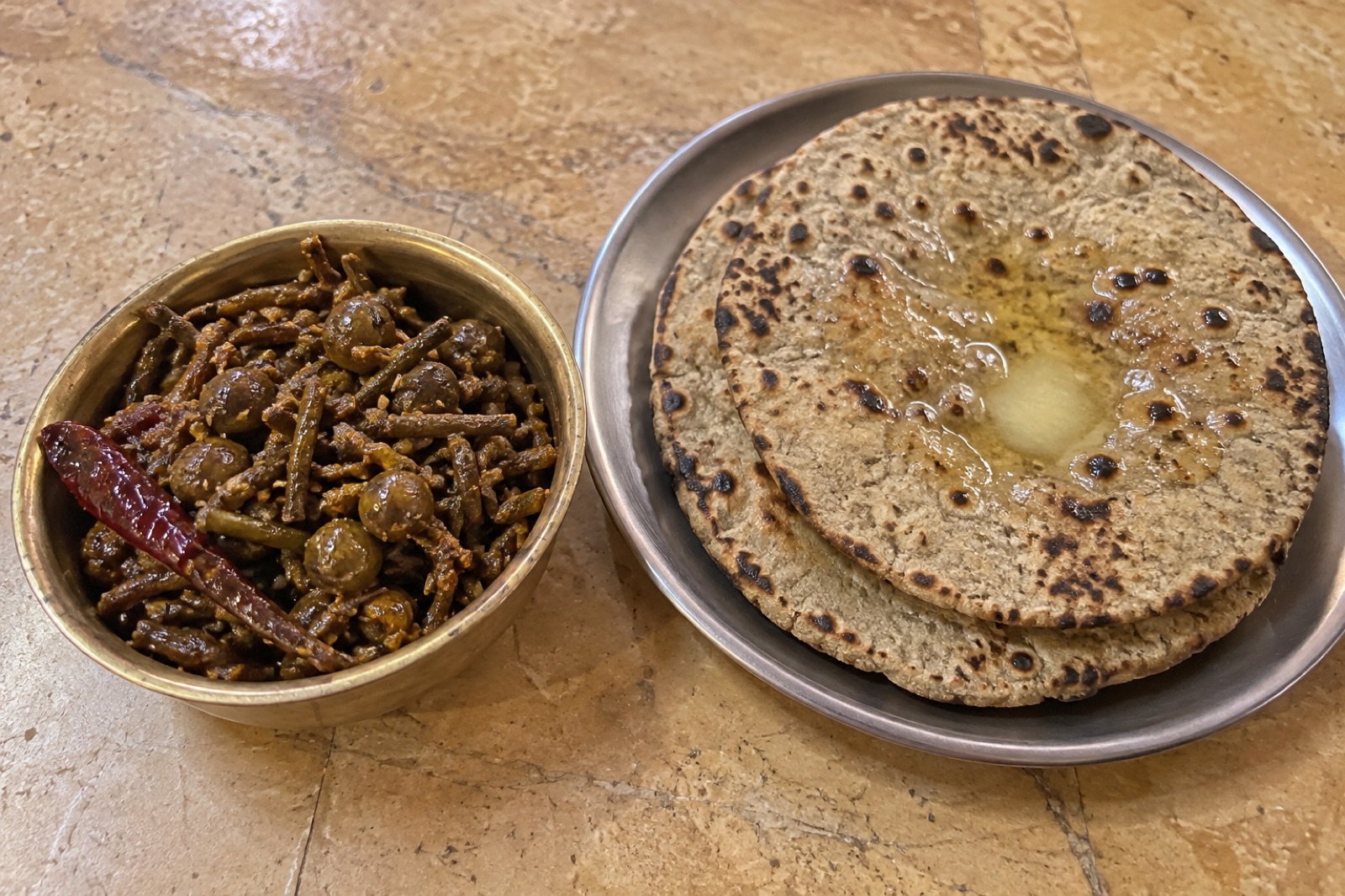
A desert preparation of two things that grow where nothing else will: ker, the small tart wild berry of the ker tree, and sangri, the dried bean of the khejri tree, which is Rajasthan's state tree. Both are sun-dried, soaked, then cooked with a heavy hand of spice, oil and sometimes amchur or jaggery. The result is dark, chewy, sour-salty and unlike anything most travellers have eaten. It is an acquired taste and the most genuinely regional dish on a Jaipur menu — find it at Chokhi Dhani, LMB and most places serving a full Rajasthani thali.

₹120–300

View Ker Sangri
Laal Maas — non-vegetarian Jaipur dishExtra hot

Laal Maas

Non-veg

A fiery Rajasthani mutton curry made with Mathania red chillies.

₹350–700

Best around: MI Road

View Laal Maas

Malai Lassi

Veg

Thick sweetened yoghurt drink topped with a disc of fresh cream, served in a tall glass or a clay kulhad. It is not a drink you sip politely — it is eaten with a spoon or drunk standing up, and a single glass replaces a snack. Jaipur's version is associated above all with Lassiwala on MI Road, the shop that made malai lassi famous and where the queue is part of the experience. Also widely available at Rawat, LMB and most sweet shops across the old city.

₹40–90

View Malai Lassi
Mawa Kachori — vegetarian Jaipur dish

Mawa Kachori

Veg

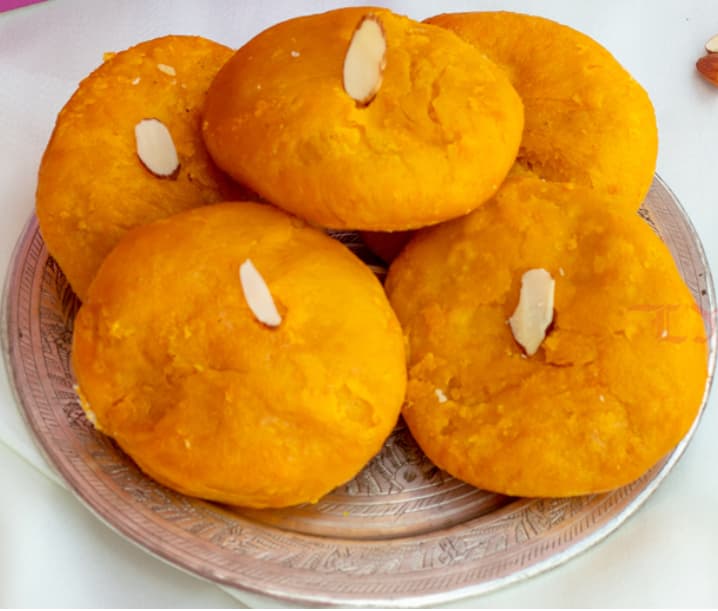
A rich kachori filled with mawa and dry fruits, dipped in sugar syrup.

₹40–80

Best around: Station Road

View Mawa Kachori
Hot

Mirchi Bada

Veg

A large green chilli, slit and stuffed with spiced potato masala, dipped in gram-flour batter and deep-fried until the coating cracks. It is the other half of Jaipur's street food alongside pyaaz kachori, and it appears on essentially every Jaipur street-food list. Cheap, filling and genuinely hot — the chilli is eaten whole, not as a garnish. Best bought from a stall frying to order, and best eaten standing up within a minute of leaving the oil.

₹20–50

View Mirchi Bada
Mild

Missi Roti

Veg

A flatbread made from a mix of gram flour and wholemeal, with chopped onion, green chilli, coriander and ajwain worked into the dough, then cooked on a tawa and usually finished with ghee. It is more savoury and more substantial than a plain roti, and it is the standard partner for laal maas and gatte ki sabzi in Jaipur. You will find it on almost every thali and in most restaurants serving Rajasthani food; LMB, Chokhi Dhani and Handi all make it well.

₹30–80

View Missi Roti
Poha Jalebi — vegetarian Jaipur dishMild

Poha Jalebi

Veg

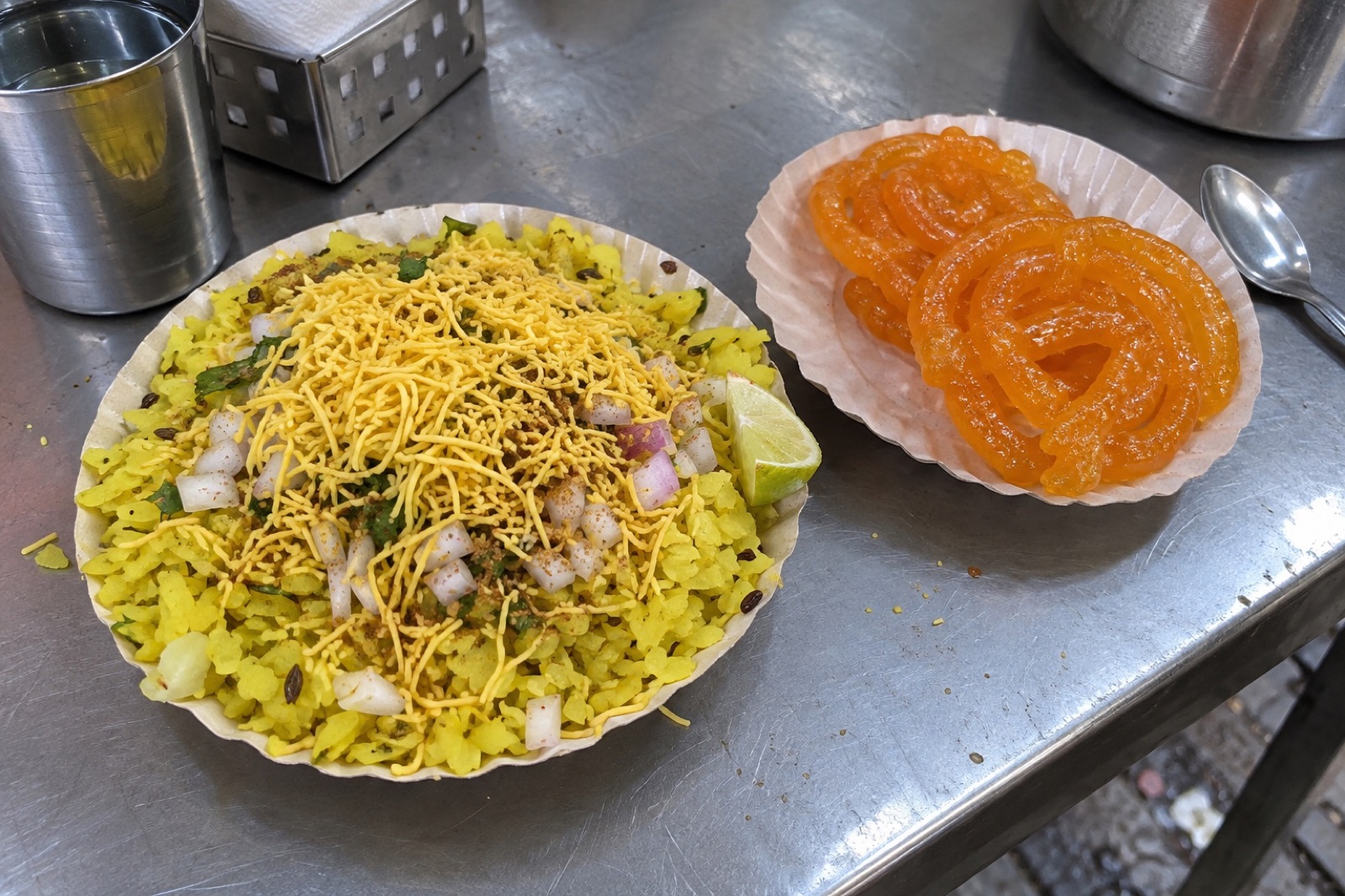
The everyday Rajasthani breakfast, and a completely different thing from the kachori a visitor expects. Flattened rice cooked soft with turmeric, mustard seed, onion and peanuts, topped with sev, coriander and lemon, served alongside two or three hot jalebi. You eat them together — a bite of savoury poha, then a bite of syrup-sweet jalebi — and the combination is the point. Cheaper and lighter than pyaaz kachori, and what most Jaipur households actually eat in the morning. Widely available at sweet shops and breakfast stalls, including Rawat and LMB.

₹40–100

View Poha Jalebi
Pyaaz Kachori — vegetarian Jaipur dishMedium spice

Pyaaz Kachori

Veg

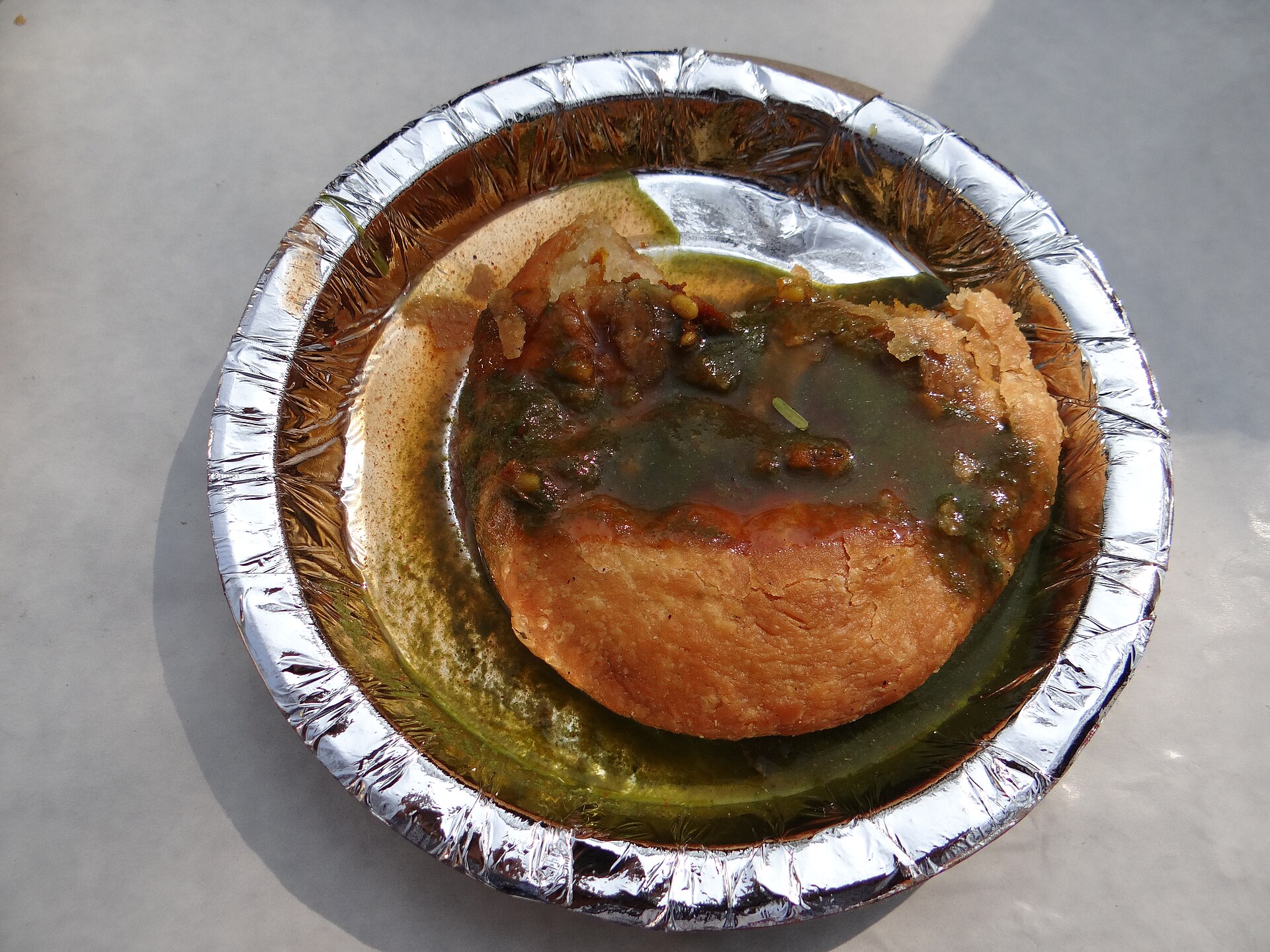
A flaky pastry filled with Jaipur-style spiced onion.

₹30–60

Best around: Johari Bazaar and Station Road

View Pyaaz Kachori
Rajasthani Thali — vegetarian Jaipur dishMedium spice

Rajasthani Thali

Veg

A full platter of dal baati, gatte ki sabzi, ker sangri and more.

₹250–600

Best around: Tonk Road (outskirts) and Johari Bazaar

View Rajasthani Thali
Mild

Safed Maas

Non-veg

The pale, creamy counterpart to laal maas: mutton slow-cooked in a gravy of yoghurt, cream, cashew and almond paste, perfumed with cardamom and white pepper rather than chilli. 'Safed' simply means white. It is a royal-court dish, rarer than laal maas and considerably milder, and it is interesting precisely because it upends the expectation that Rajasthani meat cooking is all heat. Order it where laal maas is done properly — Handi on MI Road, Niros on MI Road, Spice Court in Civil Lines, or 1135 AD inside Amber Fort.

₹450–900

View Safed Maas

Famous Food to Eat in Jaipur

Rajasthani food is rich, filling and full of flavour. These are the dishes to look for in Jaipur.

Dal Baati Churma

Hard wheat rolls (baati) baked until crisp, broken open and soaked in ghee, then eaten with spiced dal and sweet crumbled churma. It is the signature meal of Rajasthan and makes a heavy lunch.

Laal Maas

A fiery mutton curry coloured deep red by Mathania chillies. It is the best-known non-vegetarian dish in Rajasthan, so ask for it milder if you are not used to heat.

Pyaaz Kachori

A flaky fried pastry filled with spiced onion, usually eaten hot for breakfast with tamarind or mint chutney. The popular shops often sell out by late morning.

Mawa Kachori

A sweet kachori filled with mawa (reduced milk) and dry fruits, then dipped in sugar syrup. It is very rich, so one is usually enough.

Rajasthani Thali

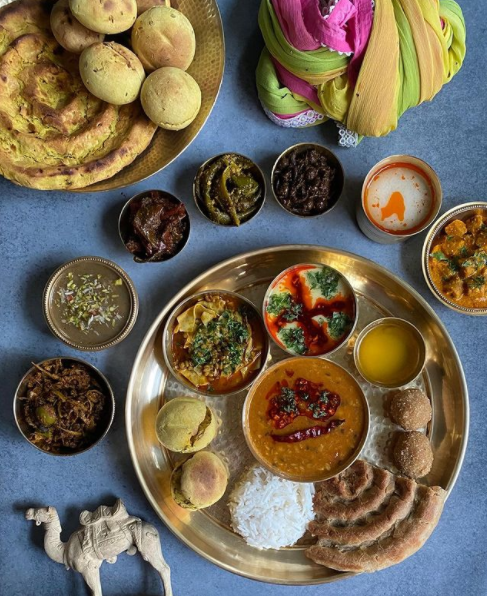
A full platter with dal baati, gatte ki sabzi (gram-flour dumplings in curry), ker sangri (desert beans and berries), bajra roti and sweets. It is the easiest way to taste several dishes in one meal.

Sweets and Snacks in Jaipur

Jaipur's sweet shops are part of the city's life. Ghewar, a round, honeycomb-like sweet soaked in syrup and often topped with rabri, is the one to try, especially around Teej and the monsoon, when every shop in Johari Bazaar stacks it high. For breakfast, head to Station Road for hot kachoris straight from the pan.

Food Tips for Travellers in Jaipur

  • Go early for kachoris, as the best batches sell out by mid-morning.
  • Dal baati churma is heavy, so have it for lunch rather than before a fort climb.
  • Laal maas is very spicy; ask for less chilli if you need to.
  • Most classic dishes are vegetarian, and many old sweet shops are pure vegetarian.
  • Drink plenty of water, as rich food and dry heat together can be tiring.
  • Eat at busy stalls where food is cooked fresh and served hot.

Questions

Jaipur — FAQ

What is ghewar and when can I find it in Jaipur?

Ghewar is a round, crisp, honeycomb-shaped sweet made from flour and ghee, soaked in syrup and often topped with rabri. It is sold all year, but it is most popular in the monsoon around Teej and Raksha Bandhan.

Is Jaipur food very spicy?

Some dishes, like laal maas, are very hot. Most vegetarian dishes are medium, and sweets like ghewar and mawa kachori balance things out. You can ask for less chilli at most restaurants.

What is the best breakfast in Jaipur?

A hot pyaaz kachori with chutney, followed by a mawa kachori or a glass of lassi, is the classic Jaipur breakfast. Station Road is the best-known area for it.

Is dal baati churma vegetarian?

Yes. Dal baati churma is made with wheat, lentils, ghee and sugar, so it is vegetarian, though it is not vegan because of the ghee.