
Madhya Pradesh · India
Khajuraho
A UNESCO village of exquisitely carved 10th-century temples — masterpieces of Chandela-era sculpture set among quiet Bundelkhand fields.
Khajuraho's Nagara-style temples are famed for their intricate sculpture; the region offers Bundelkhandi food and the Chanderi and Maheshwari textiles of Madhya Pradesh.
Plan your trip
Khajuraho Tour Itineraries
Timed, walkable day plans — plus the best season to go.
Where to shoot
Khajuraho Photo Spots
Entry Covered by Western Group ticket
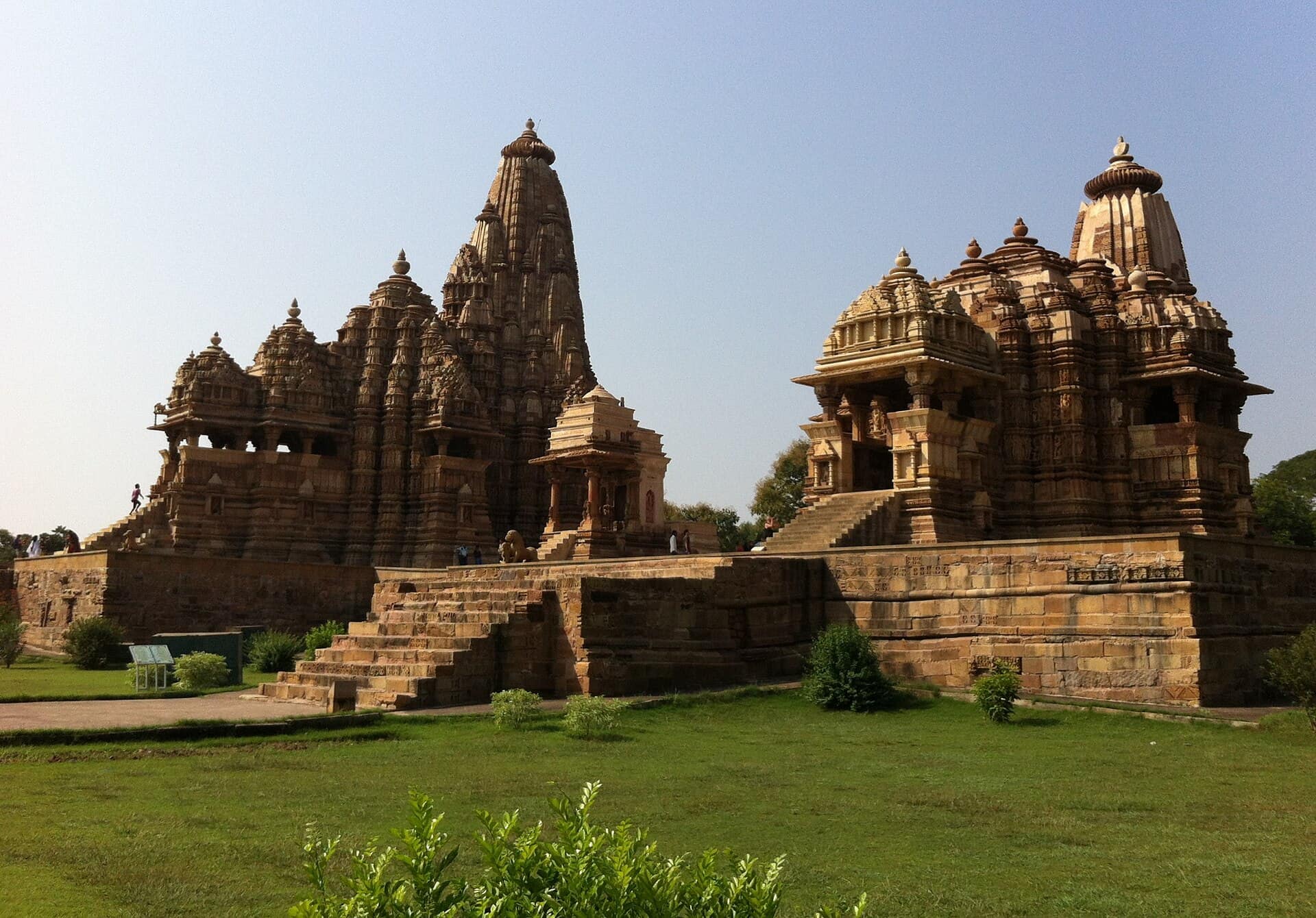
Devi Jagadambi Temple
- Best timeMorning, when soft light falls on the east-facing front and brings out the three bands of carving.
- ColorsOchreCreamTeal
 Medium crowd
Entry ₹40 (Indian) / ₹600 (foreign, Western Group)
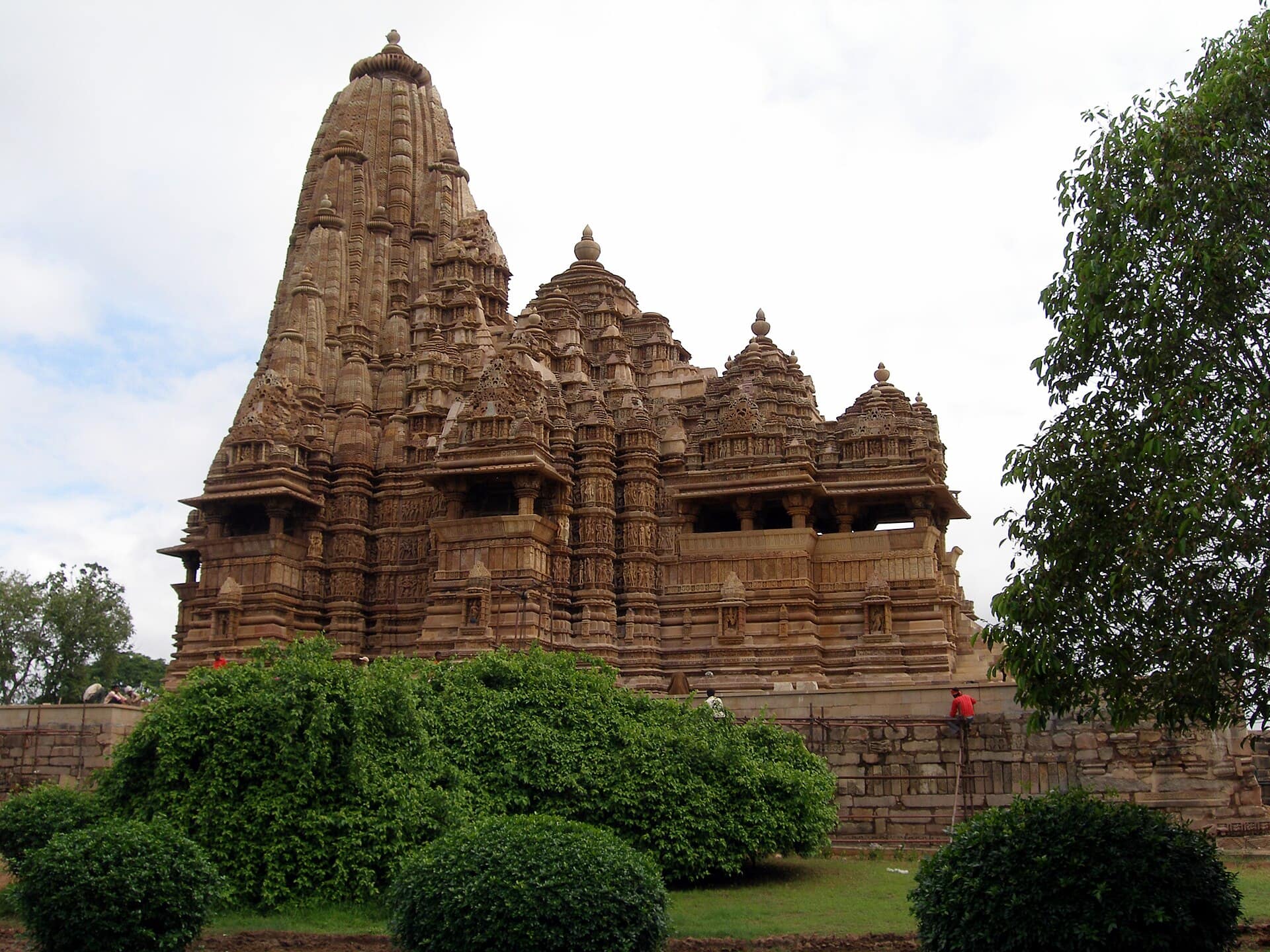
Kandariya Mahadeva Temple
- Best timeLate afternoon, when the low sun turns the sandstone tower a warm gold; early morning for soft light on the front steps and fewer people.
- ColorsOchreCreamRust
 Medium crowd
Entry Covered by Western Group ticket
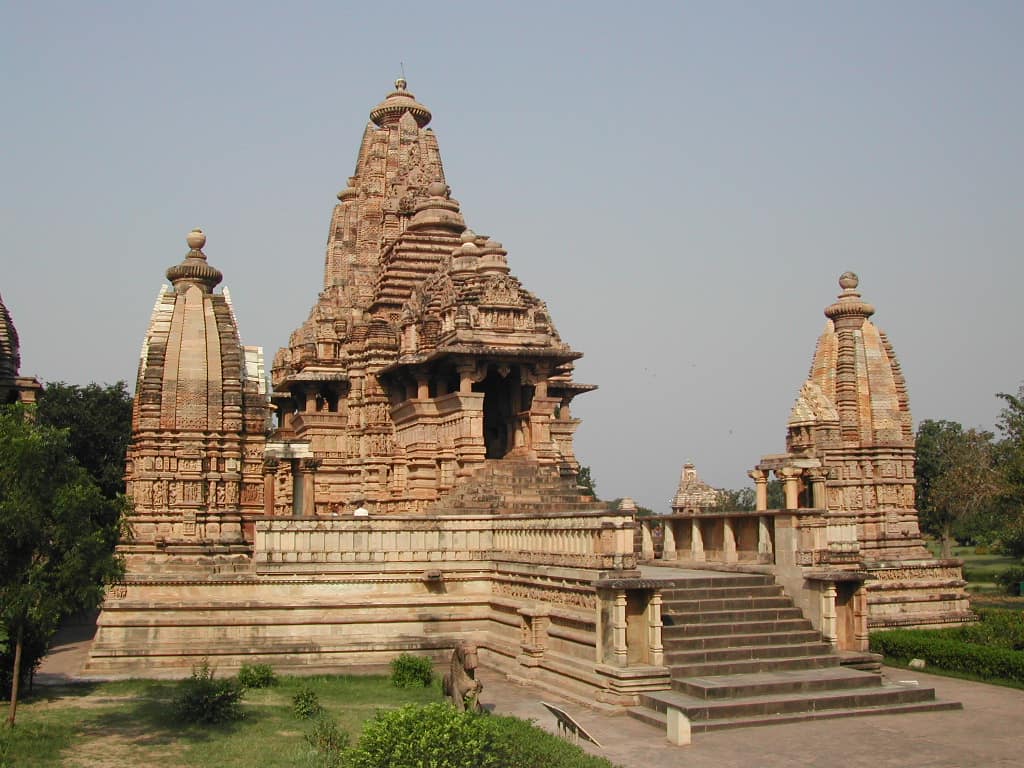
Lakshmana Temple
- Best timeEarly morning, when the sun lights the east-facing front and the carved base frieze; late afternoon for warm light on the side walls.
- ColorsOchreWhiteSage
Entry Free
Matangeshwara Temple
- Best timeEarly morning, when the light is soft on the plain stone tower and the temple is at its calmest.
- ColorsOchreSaffronWhite
 Low crowd
Entry Free (Eastern Group)
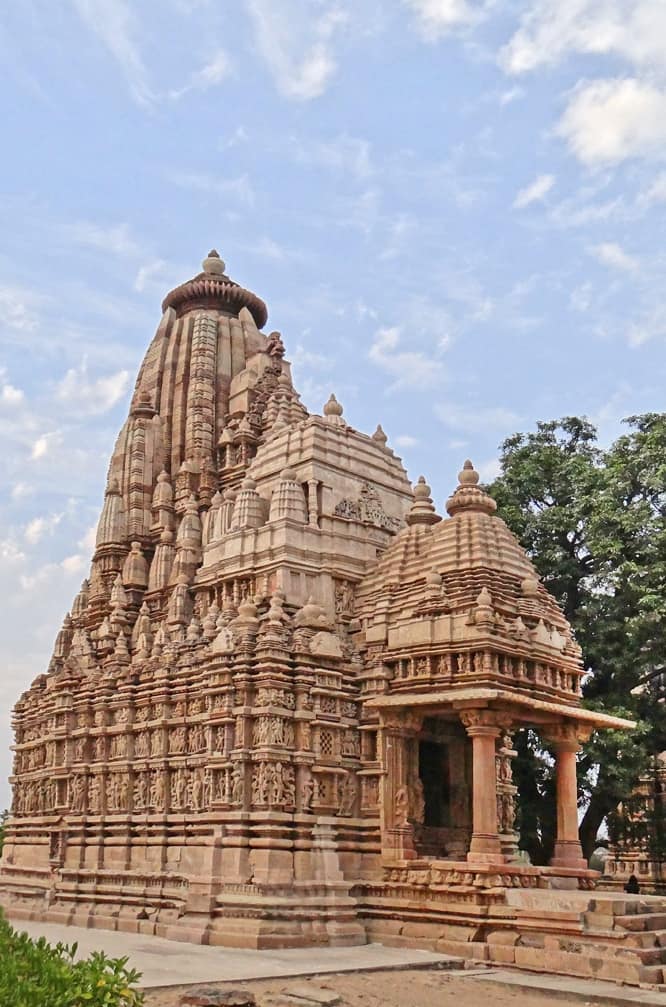
Parsvanath Temple
- Best timeMorning, when soft light falls on the carved walls and the Jain complex is at its quietest.
- ColorsOchreCreamMaroon
For the feed
Trending Wear in Khajuraho
Modern, Instagram-friendly looks


Rooted in the city
Khajuraho Traditional Wear
Local, cultural, handcrafted outfits
Before you go
Temples in Khajuraho
Darshan hours, dress codes and what gets refused at the gate
Taste the city
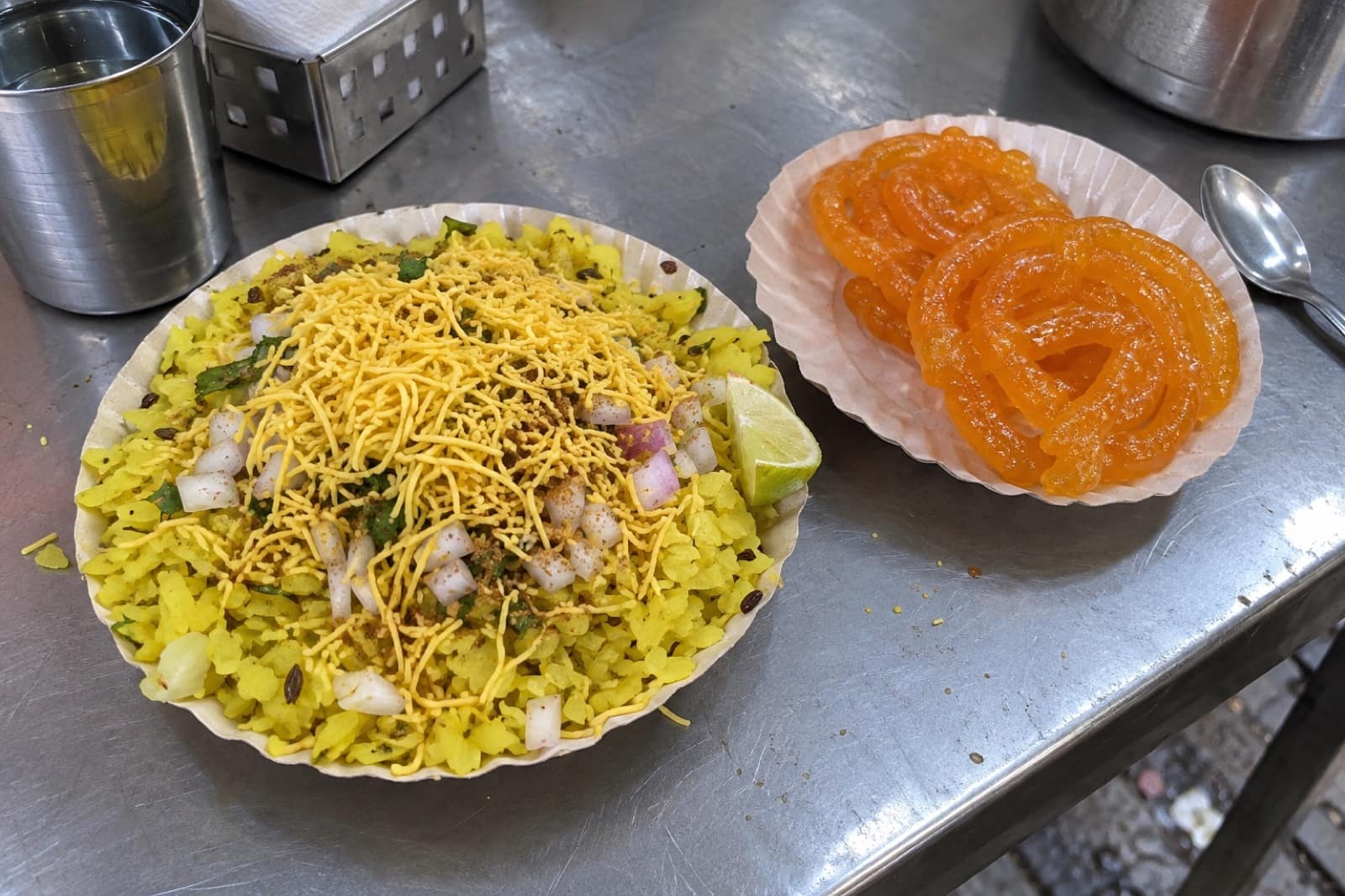
Food to Eat in Khajuraho
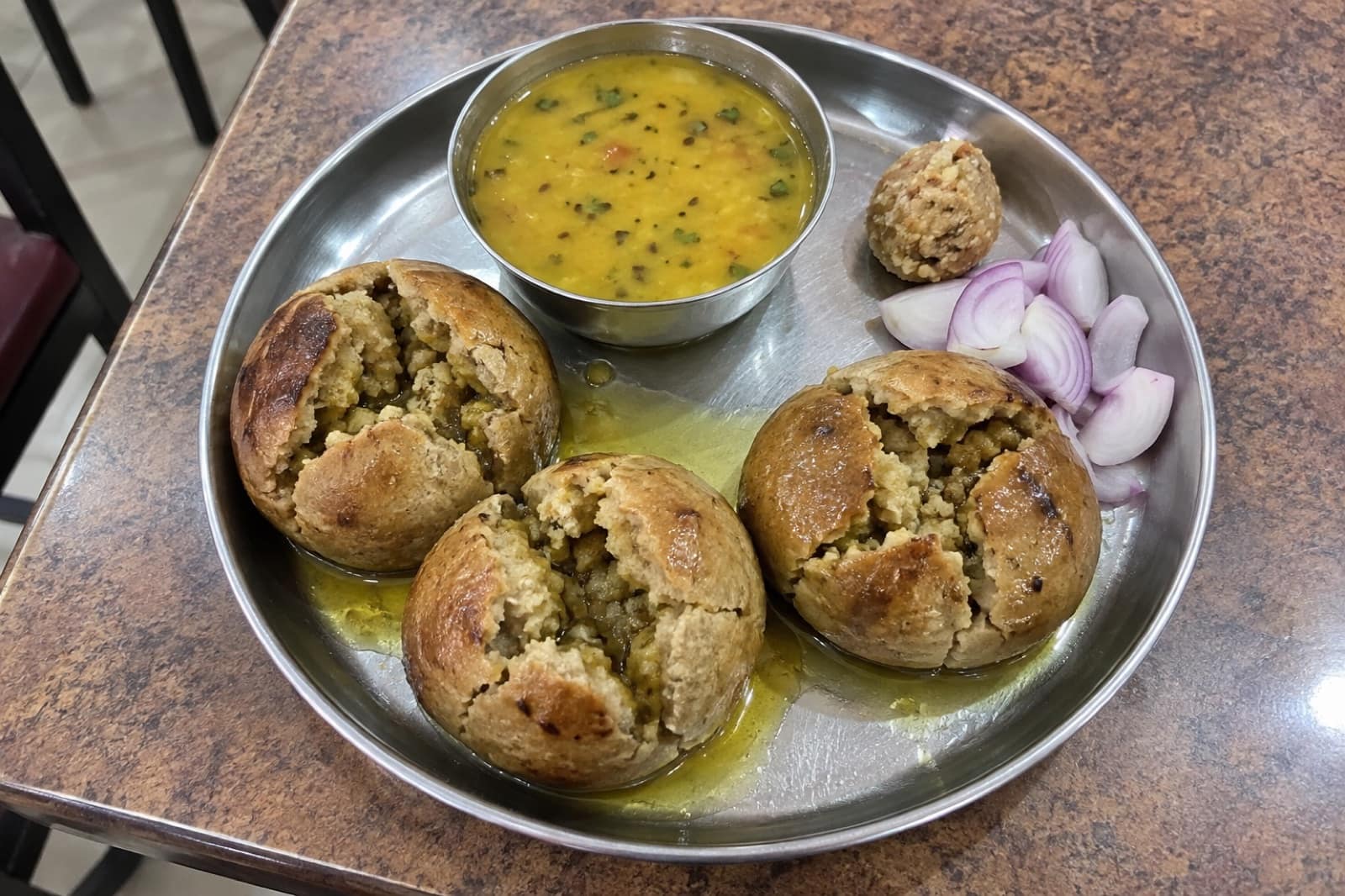
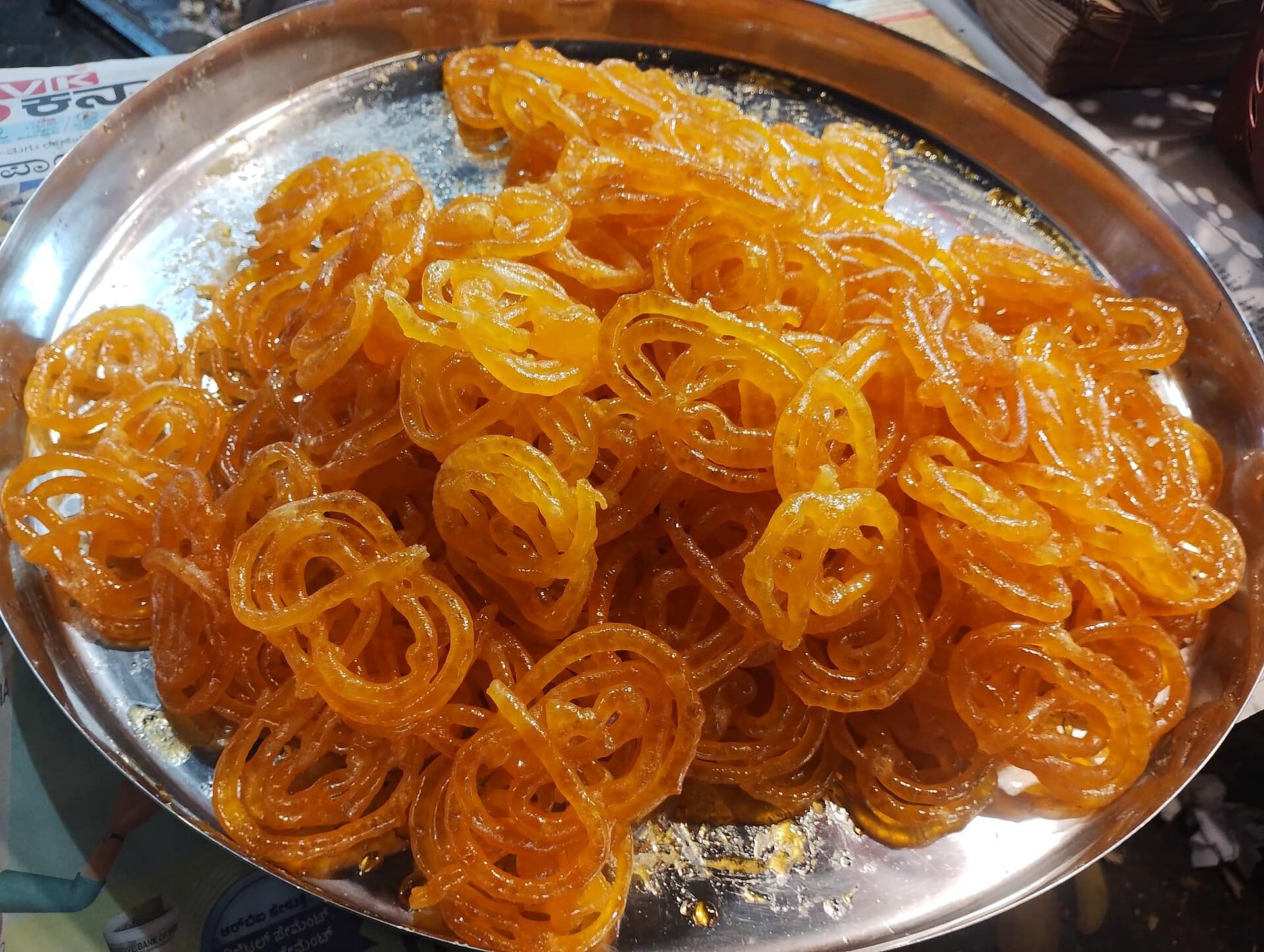
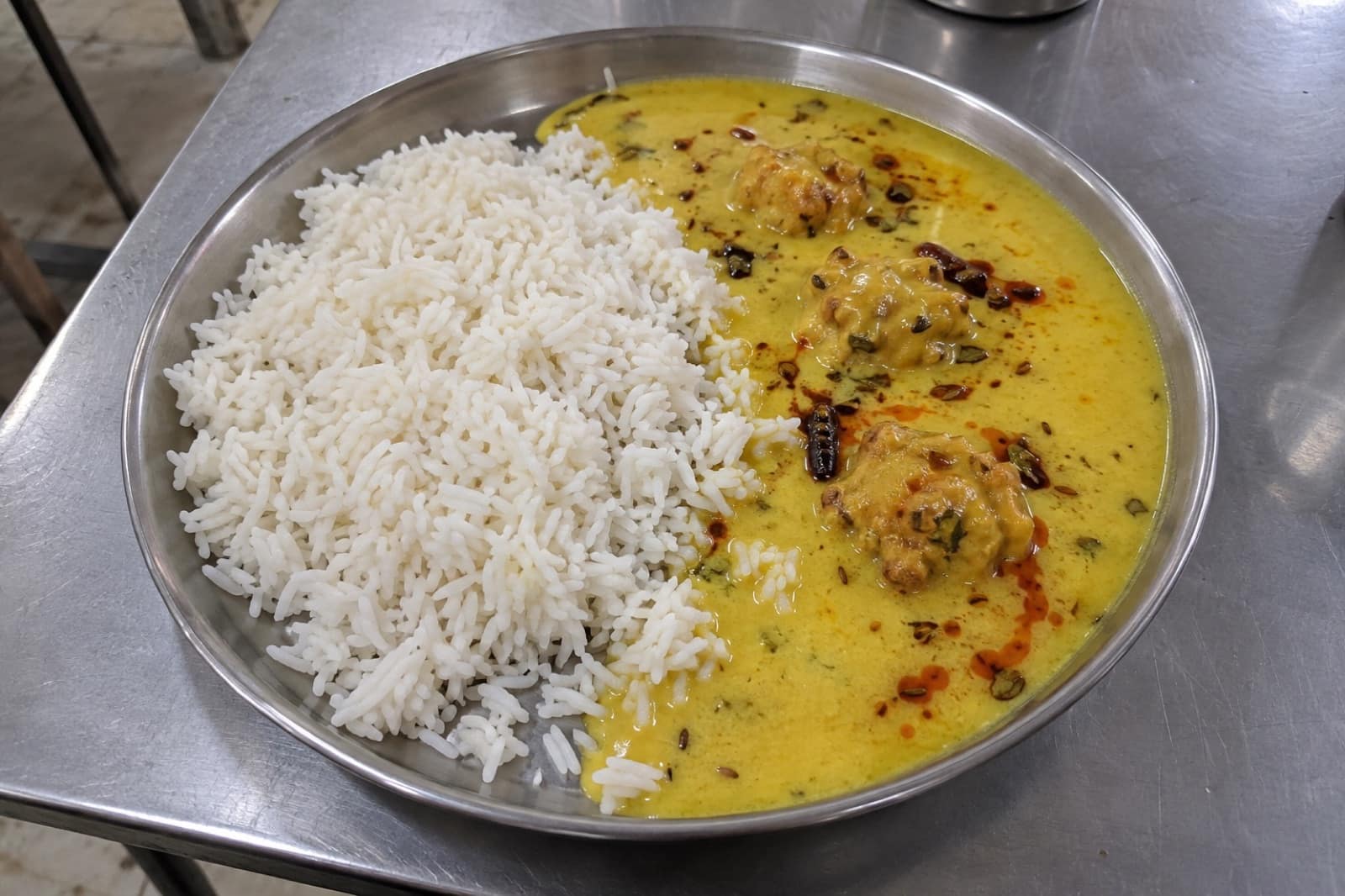
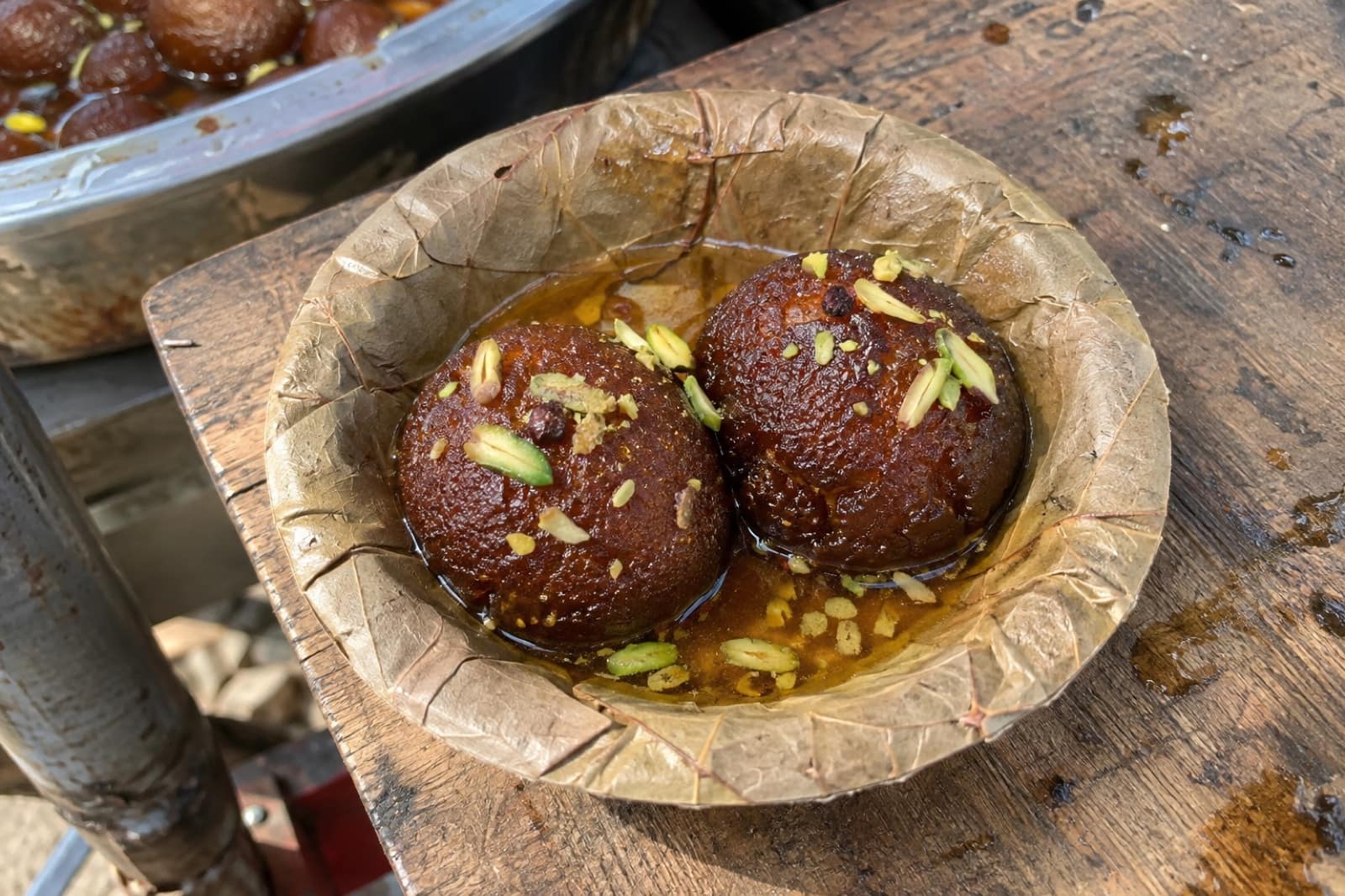
Trusted tables
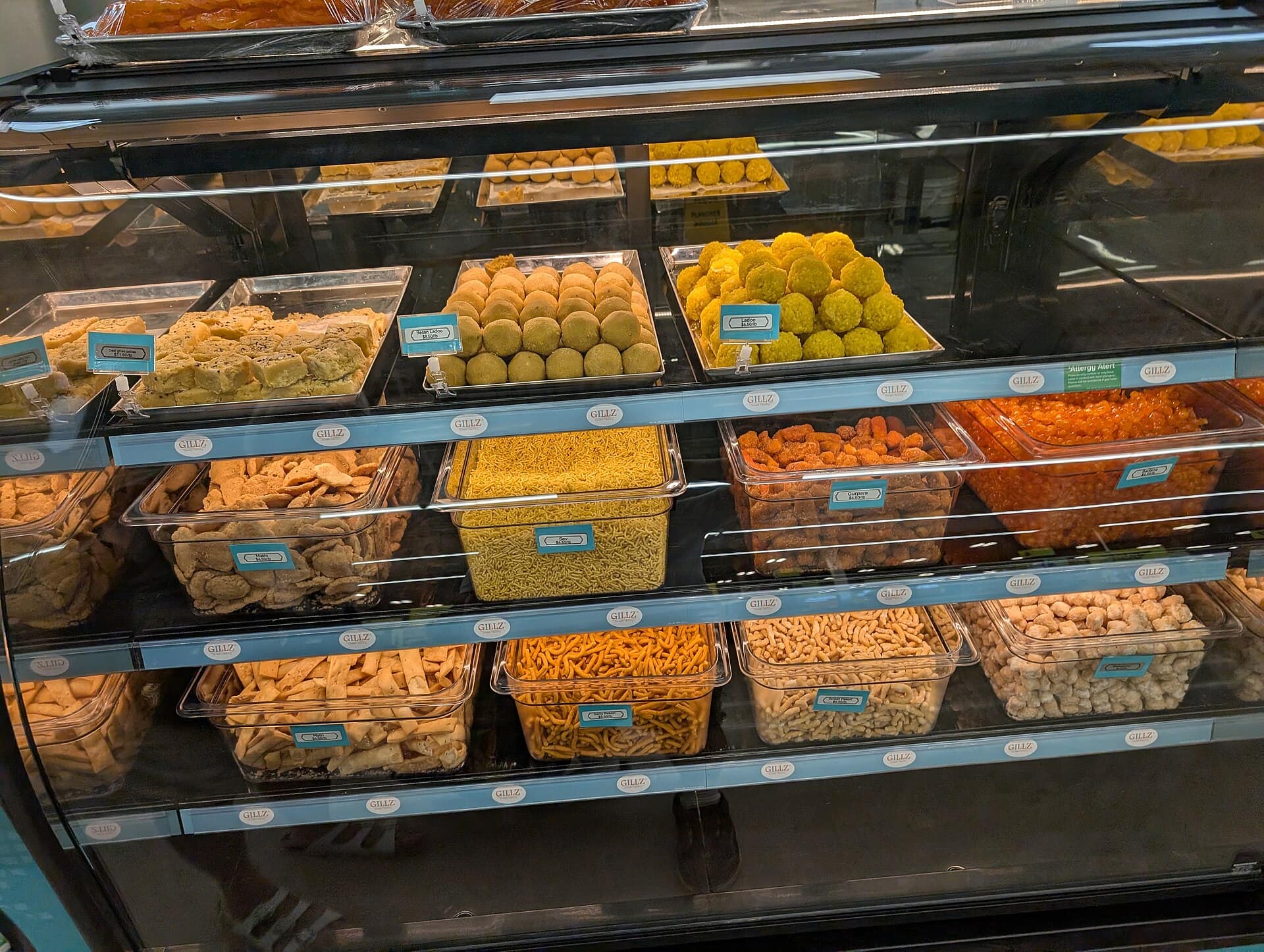
Where to Eat in Khajuraho
About Khajuraho
Khajuraho is a small town in the Chhatarpur district of Madhya Pradesh, in the Bundelkhand region of central India. The Chandela kings built around 85 temples here, mostly in the 10th and 11th centuries, and about 25 of them survive. Together they form the Khajuraho Group of Monuments, a UNESCO World Heritage Site since 1986. The temples are Hindu and Jain, built of sandstone, and almost every wall is carved with gods and goddesses, celestial women, dancers, musicians, soldiers, animals and scenes of daily life. Only a small number of the carvings are erotic, though these are what Khajuraho is best known for.
The temples fall into three groups. The Western Group, set in open lawns, holds the largest of them, including Kandariya Mahadeva and Lakshmana, and hosts the evening light and sound show. Next to it stands Matangeshwara, the only one of the old Hindu temples still in daily worship. The Eastern Group, about 2 km away, includes the Jain temples around Parsvanath, and the Southern Group has Duladeo and Chaturbhuj. The town is small and flat, so you can walk or cycle between most sights and end the day with a local meal of dal bafla or kadhi bhaat.
Questions
Khajuraho — FAQ
What is Khajuraho famous for?
Khajuraho is famous for its Hindu and Jain temples, built by the Chandela kings in the 10th and 11th centuries and now a UNESCO World Heritage Site. The temples are known for their detailed sandstone sculpture, including the erotic carvings, and the town hosts the Khajuraho Dance Festival every February.
How many days are enough for Khajuraho?
2 days is enough to see the Western, Eastern and Southern Groups at a relaxed pace and catch the light and sound show one evening. If you are short of time, one full day covers the main temples. Add a day for Raneh Falls, about 20 km away, or a safari in Panna Tiger Reserve.
What is the best time to visit Khajuraho?
October to March is the best time, with warm days and cool mornings for walking around the temples. April to June is very hot, often above 40 °C, and July to September brings humid weather and heavy showers. See the best time to visit Khajuraho for a month-by-month guide.
How do I reach Khajuraho?
Khajuraho has its own airport just outside the town, with flights mainly from Delhi and Varanasi. Trains run direct from Delhi, including a Vande Bharat Express via Agra, Gwalior and Jhansi, and there is also a Vande Bharat from Varanasi. By road, Jhansi is about 175 km away and Satna about 115 km.
Are all the carvings at Khajuraho erotic?
No. Erotic scenes make up less than a tenth of the sculpture. Most carvings show gods and goddesses, celestial women, musicians, dancers, soldiers, animals and everyday life. Historians link the erotic panels to ideas such as kama, or desire, one of the four accepted goals of life in Hinduism. A guide can explain what the different panels show.