
Sikkim · India
Lachung
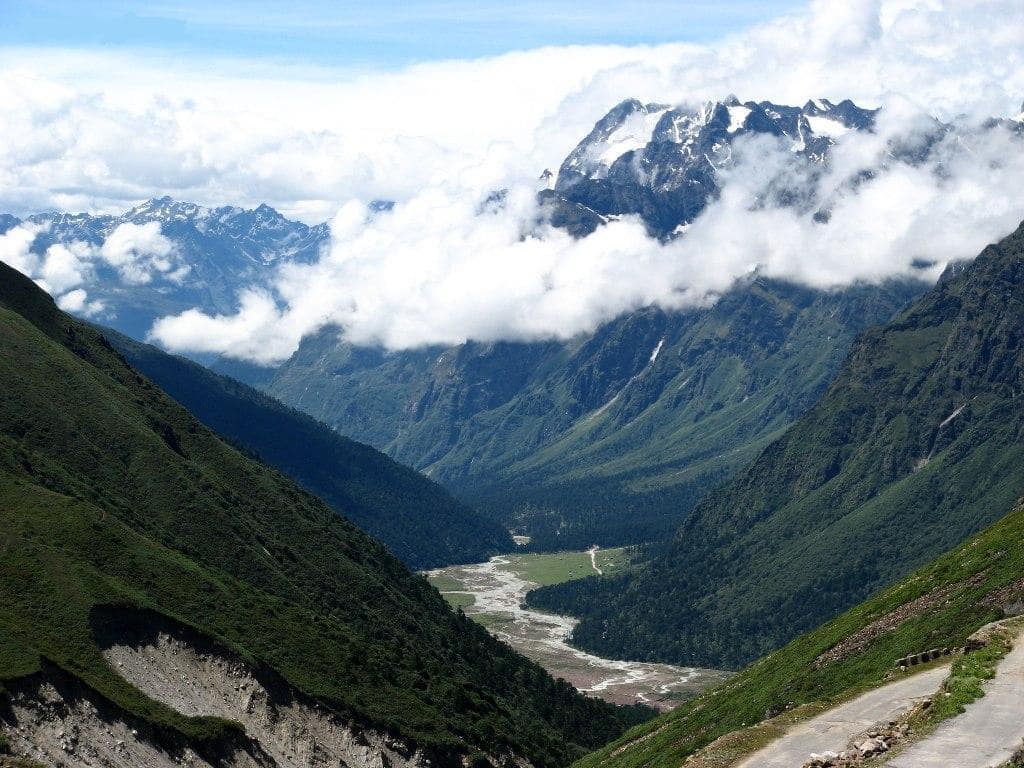
A picturesque North Sikkim mountain village at ~2,700 m where the Lachung and Lachen rivers meet — the gateway to the flower-carpeted Yumthang Valley, snowbound Zero Point and a handsome old monastery.
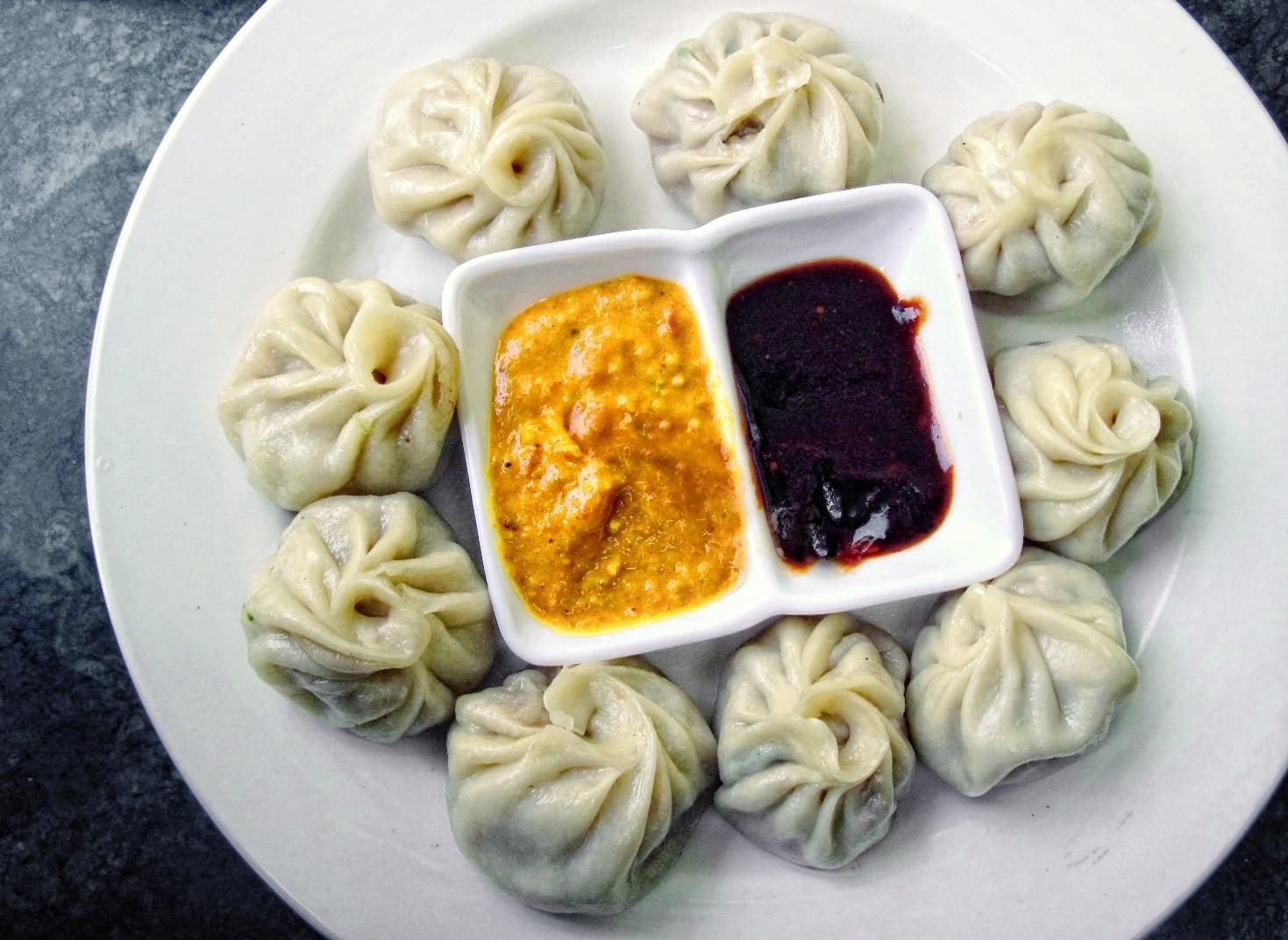
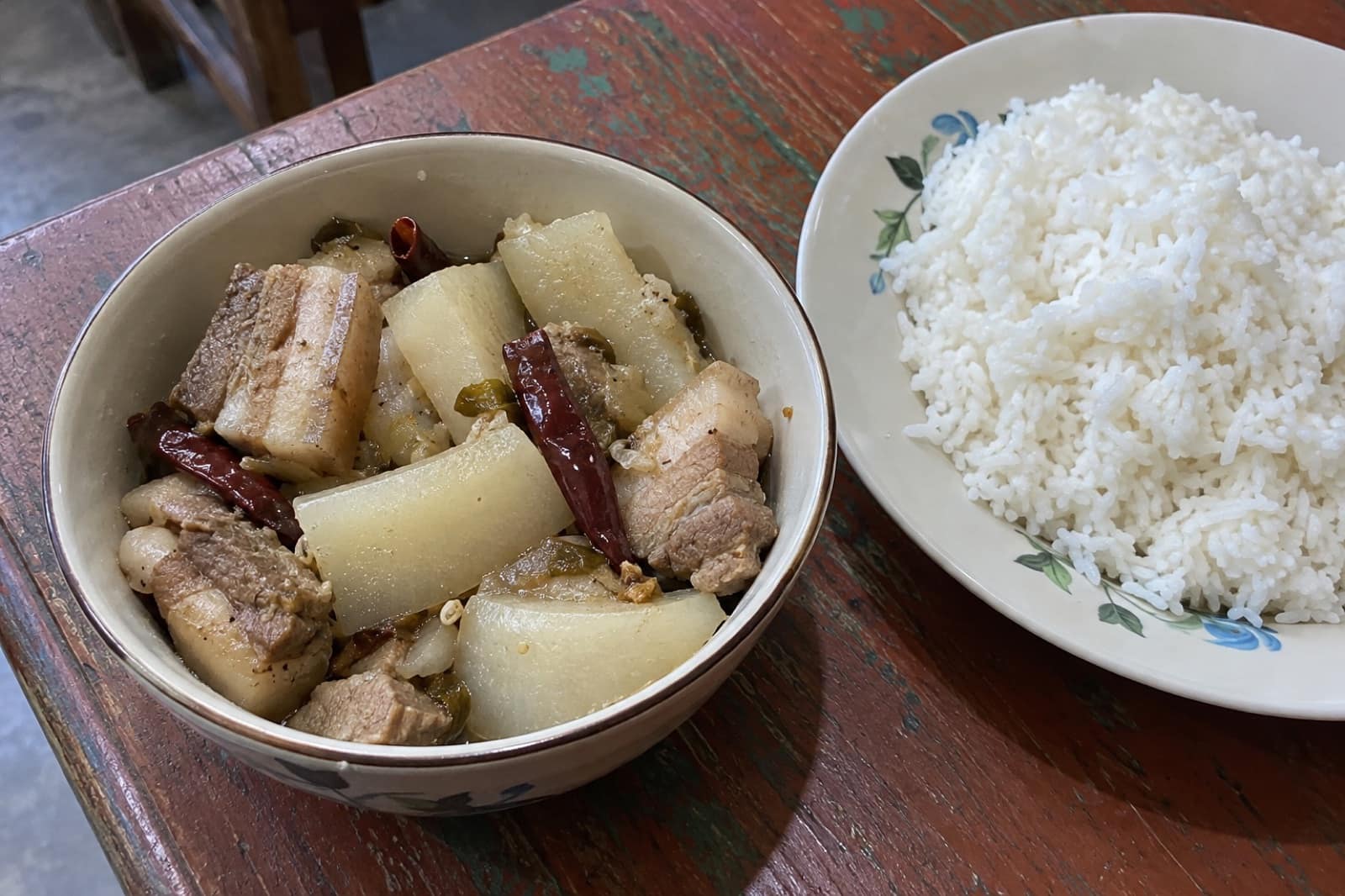
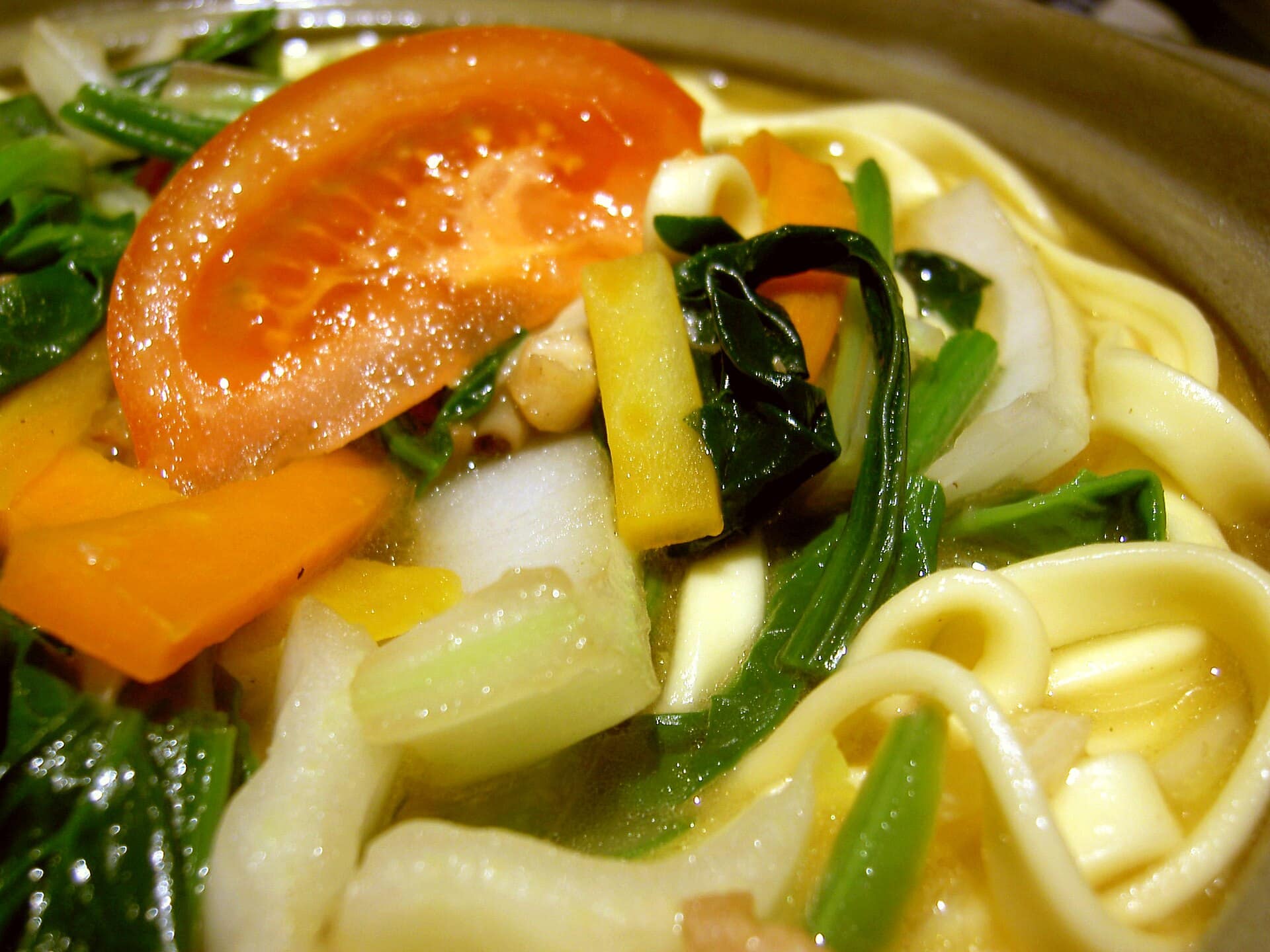
Lachung is high-Himalayan Sikkim: the Yumthang 'Valley of Flowers', the snows of Zero Point, the Lachung Monastery, the Shingba rhododendron sanctuary, hot springs, Bhutia-Lepcha culture and momos-and-thukpa food.
Plan your trip
Lachung Tour Itineraries
Timed, walkable day plans — plus the best season to go.
Where to shoot
Lachung Photo Spots
 Low crowd
Entry Free
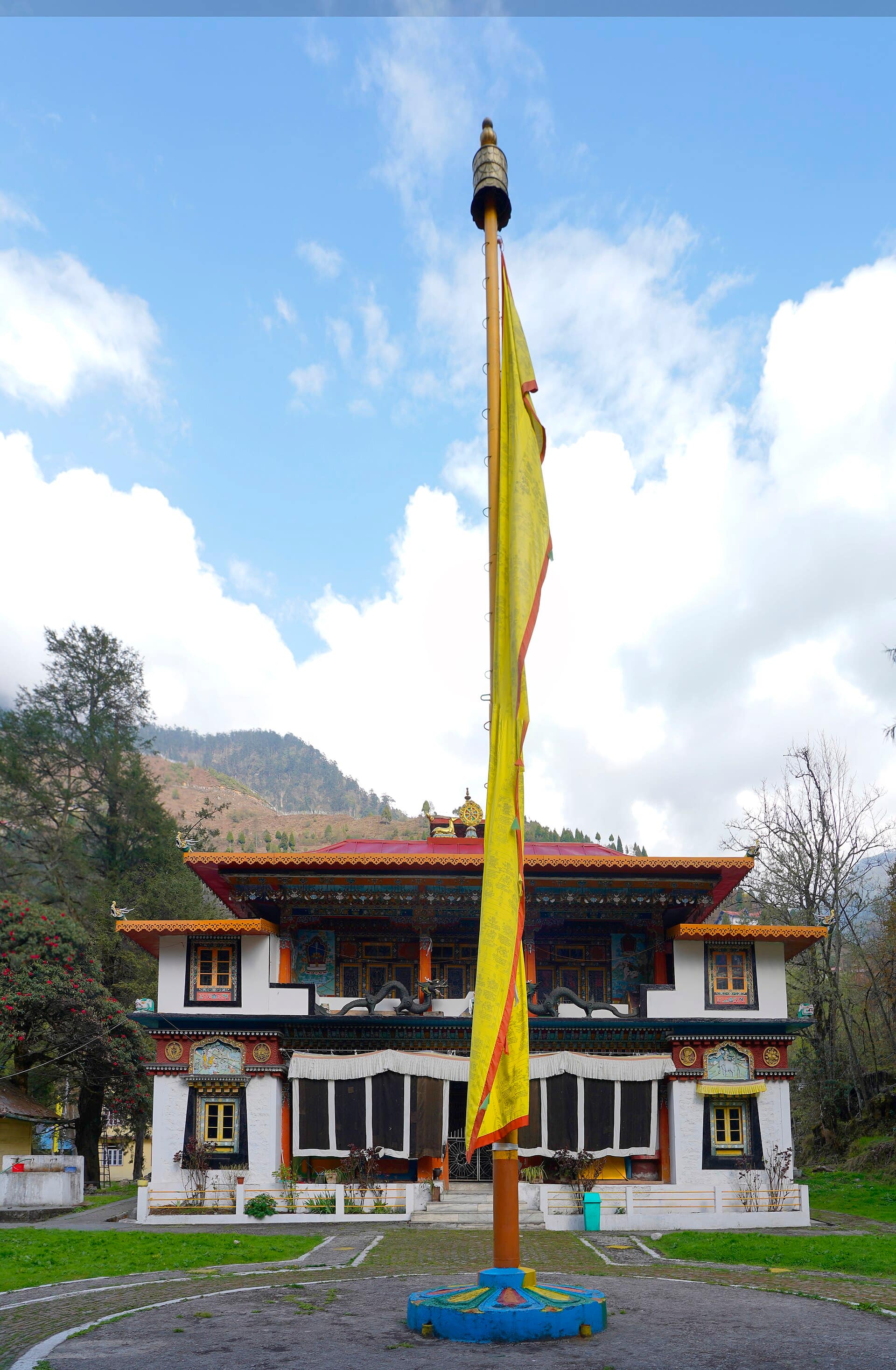
Lachung Monastery
- Best timeEarly morning, when the prayer flags catch the first sun; late afternoon for soft light over the valley below.
- ColorsMaroonSaffronCream
 Low crowd
Entry Permit (via tour)
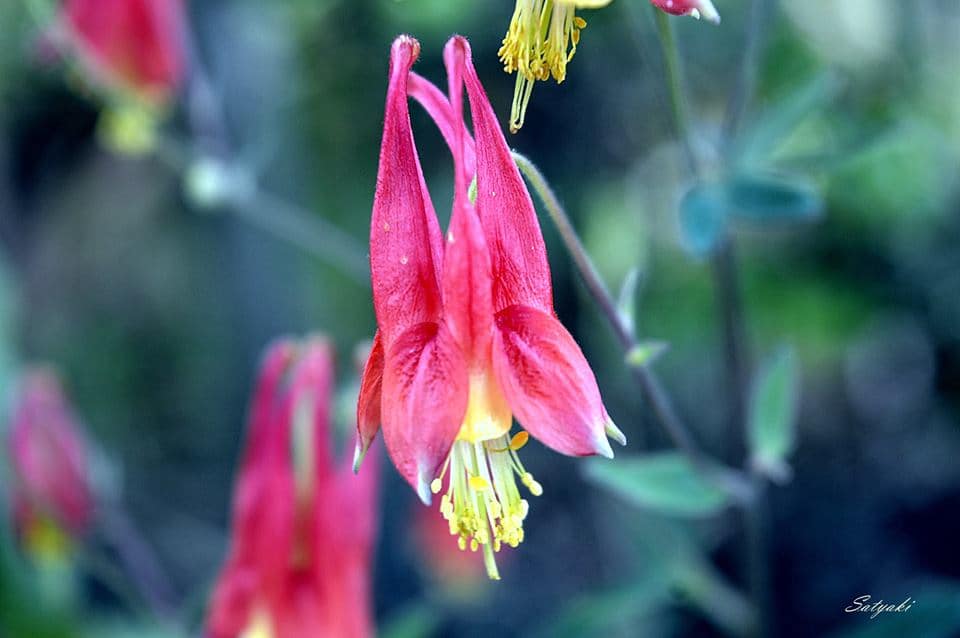
Shingba Rhododendron Sanctuary
- Best timeMid-morning on the way back from Yumthang, when the sun reaches the slopes; late April to mid-May for the most flowers.
- ColorsRedCreamForest green
 Medium crowd
Entry Permit (via tour)
Yumthang Hot Springs
- Best timeEarly morning, when the cold air makes the steam easy to see; late morning for sun on the river and the footbridge.
- ColorsRedCreamTeal
 Medium crowd
Entry Permit (via tour)
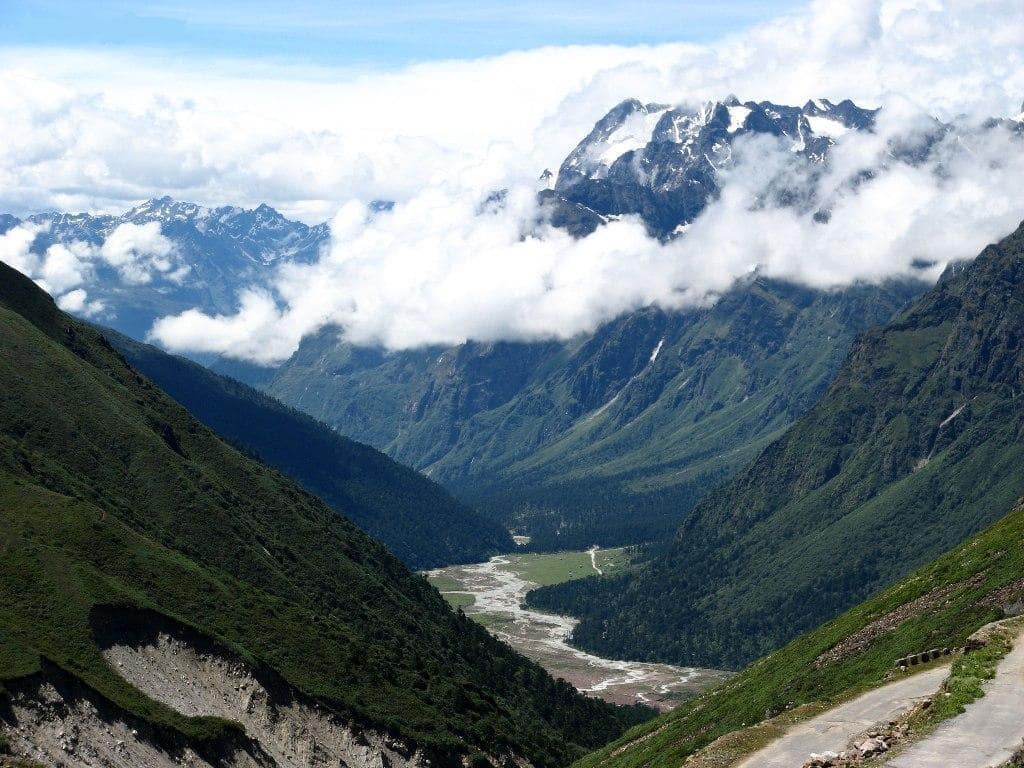
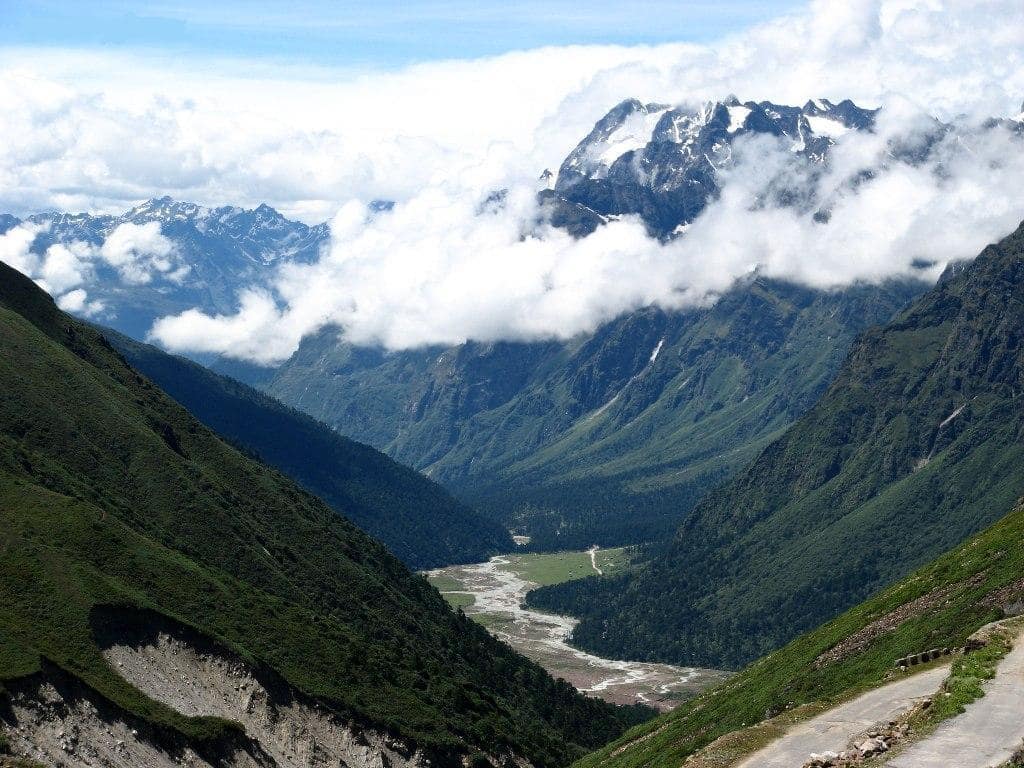
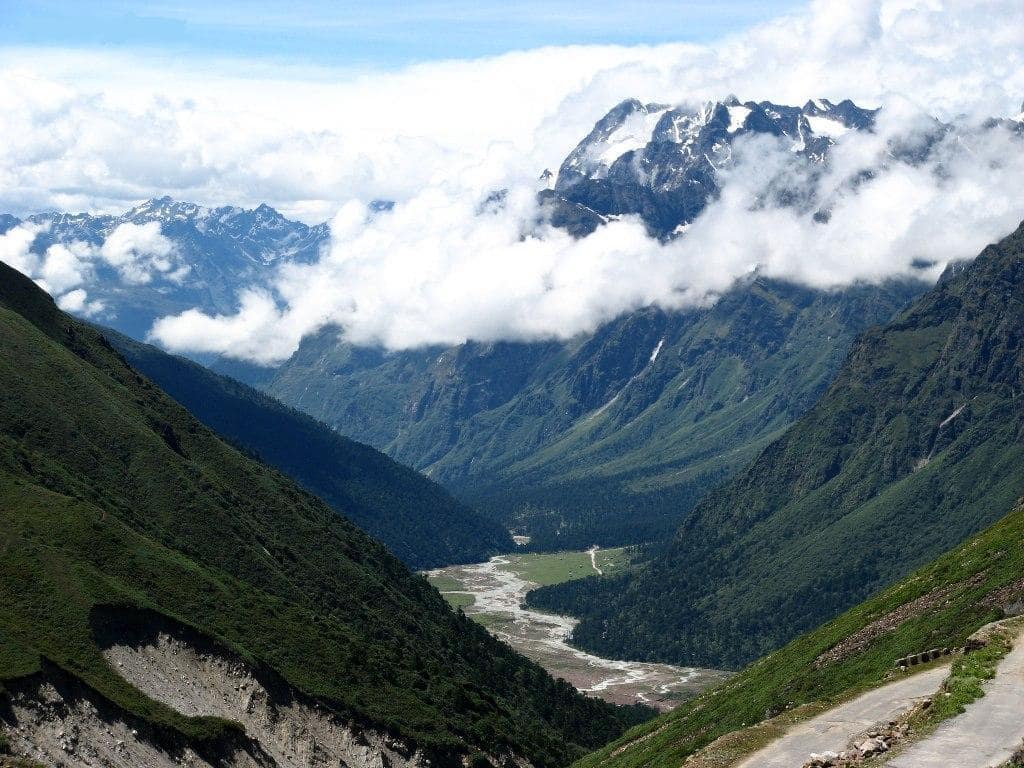
Yumthang Valley
- Best timeEarly morning, before cloud builds over the peaks; late April to mid-May for the rhododendrons in flower.
- ColorsRedCreamForest green
 Medium crowd
Entry Permit (via tour)
Zero Point
- Best timeEarly morning, when the sky is clearest and the snow is still clean; mid-morning at the latest, before cloud rolls in over the peaks.
- ColorsRedBlackWhite
For the feed
Trending Wear in Lachung
Modern, Instagram-friendly looks
Rooted in the city
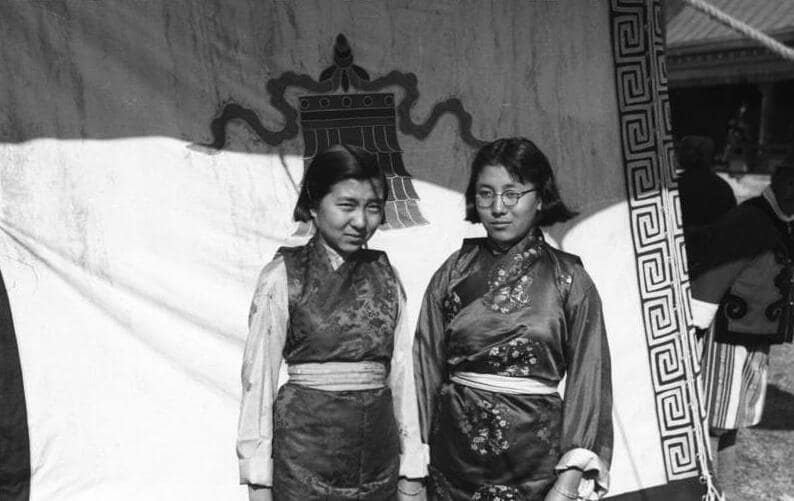
Lachung Traditional Wear
Local, cultural, handcrafted outfits
Taste the city
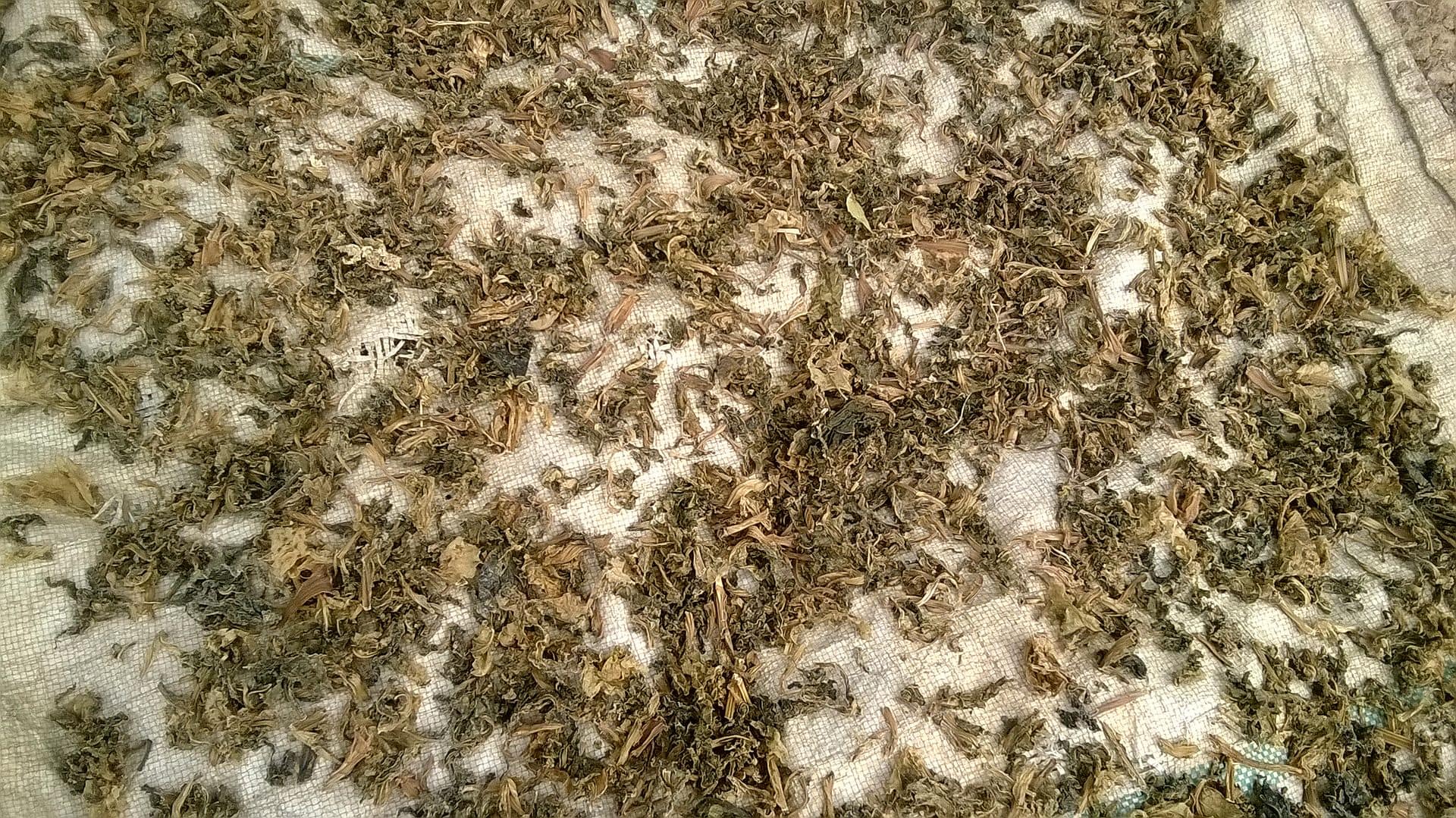
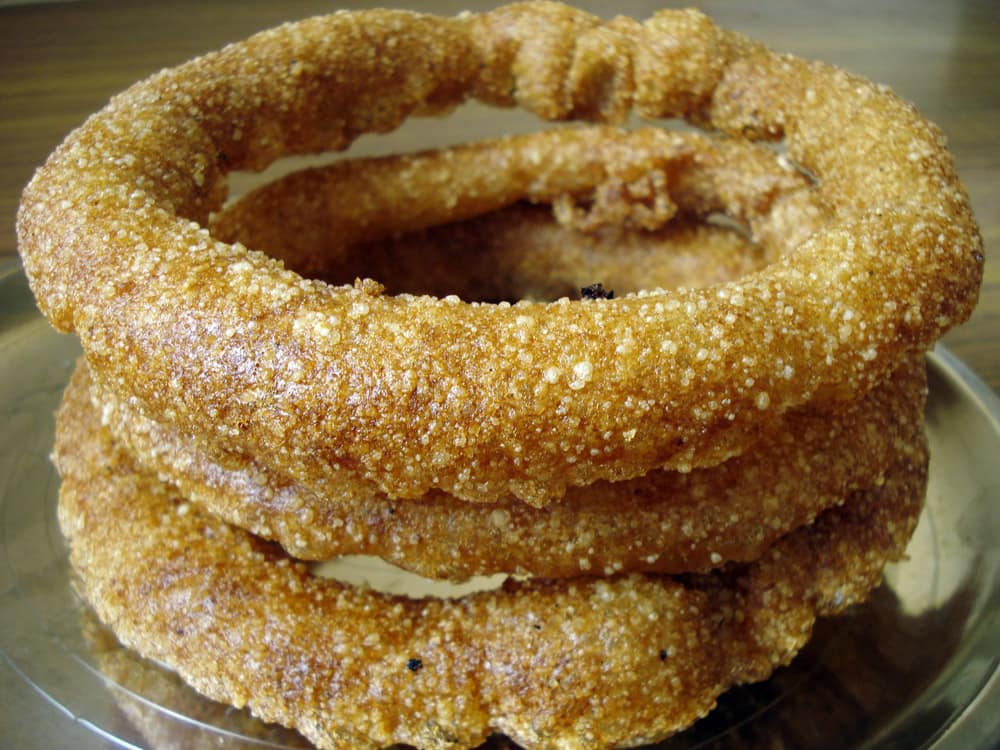
Food to Eat in Lachung
Trusted tables
Where to Eat in Lachung
 Representative photo
Lachung Village Kitchen
Lachung
Representative photoSnow Lion Restaurant
Lachung
Representative photoThe Fern Denzong Kitchen
Lachung
Representative photoYarlam Resort Restaurant
Lachung
A village at the head of the valley
Lachung sits at about 2,700 m on the banks of the Lachung Chu in Sikkim's Mangan district (formerly North Sikkim), roughly 125 km from Gangtok. The drive usually takes most of a day, through Mangan and Chungthang, where the Lachung and Lachen rivers join to form the Teesta. Wooden houses spread up both sides of the river, and Lachung Monastery looks down from the slope. The botanist Joseph Hooker, who travelled through Sikkim in the 1840s, called it the most picturesque village in the state.
Most visitors spend one or two nights here. The usual pattern is to arrive in the late afternoon, sleep, and leave before dawn for Yumthang Valley and, for Indian nationals, Zero Point.
You cannot come on your own
North Sikkim is a protected area close to the border with Tibet. Permits are issued only through a registered Sikkim tour operator, and solo or self-drive trips are not allowed. Your operator arranges the permit, the vehicle and driver, and the hotel together, usually as a two- or three-day package from Gangtok. Indian nationals need photo ID. Foreign nationals need the Sikkim entry permit as well as a Protected Area Permit, and may go as far as Yumthang but not to Zero Point. Checkposts on the road have fixed cut-off times, so the day's schedule is set by them.
Roads and weather
Landslides are the real risk here. The Teesta flood of October 2023 badly damaged Chungthang, and in 2025 North Sikkim was closed to tourists for about four months after monsoon landslides, reopening in September. Roads can shut at short notice at any time of year, and no permit overrides a closure. Ask your operator for the road status the day before, and leave a spare day at the end of the trip.
The year in Lachung
January nights fall to around −10°C and the village is often under snow. Spring arrives in late March, and the rhododendrons around Yumthang flower from about April into May. June to September is the wettest stretch and the riskiest on the road. October and November bring clear skies and yellow and red leaves on the maples and larches. See the best time to visit for month-by-month detail.
Before you arrive
Lachung does not allow packaged drinking water in plastic bottles. Hotels and homestays provide filtered water, so bring a reusable bottle. There is a State Bank of India branch in the village, but carry enough cash from Gangtok. Lachung itself is at a moderate height, while the day trip climbs much higher; take the ascent slowly if you have been unwell at altitude before.
Questions
Lachung — FAQ
Can I visit Lachung without a tour operator?
No. North Sikkim permits are issued only through registered Sikkim tour operators, and self-drive and solo trips are not allowed. Book the package before you reach Gangtok so the permit can be processed in time.
Can foreign tourists visit Lachung?
Yes, with the Sikkim entry permit and a Protected Area Permit arranged by an operator. Foreigners can go to Lachung and Yumthang Valley but not to Zero Point, which is open to Indian nationals only. Rules change, so confirm with your operator.
How many nights should I spend in Lachung?
One night is the minimum, because Yumthang is a dawn start from the village. Two nights give you a spare morning if the road or weather turns, and time to see the monastery without rushing.
Should I choose Lachung or Lachen?
They sit in two different valleys. Lachung is the base for Yumthang and Zero Point; Lachen is the base for Gurudongmar Lake. Many packages cover both over three days, but permits for each valley open and close separately.
Why can I not buy bottled water in Lachung?
The village, along with Lachen and Chungthang, stopped the use of packaged drinking water to cut plastic waste. Hotels and homestays give filtered water, so carry a steel or other reusable bottle and refill it.