
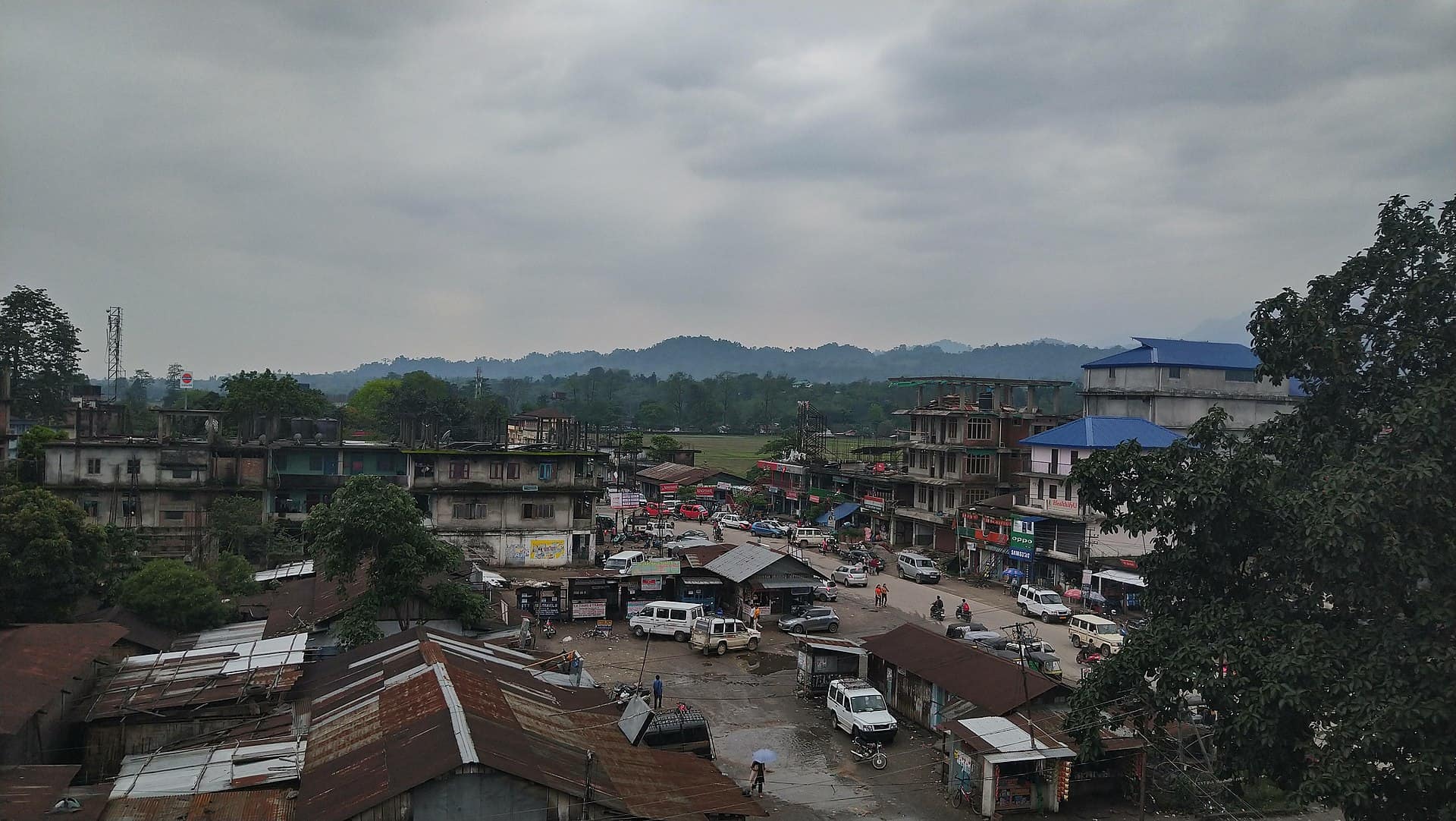
Arunachal Pradesh · India
Pasighat
The oldest town in Arunachal, on the banks of the Siang, the river that becomes the Brahmaputra downstream in Assam — a green Adi river town of riverside sands and the gateway to rafting in the Siang valley.
Pasighat is Siang-river Arunachal: the broad braided river, the Daying Ering island sanctuary, Adi culture and the Solung and Aran festivals, white-water rafting, orange orchards, and Adi food.
Plan your trip
Pasighat Tour Itineraries
Timed, walkable day plans — plus the best season to go.
Where to shoot
Pasighat Photo Spots
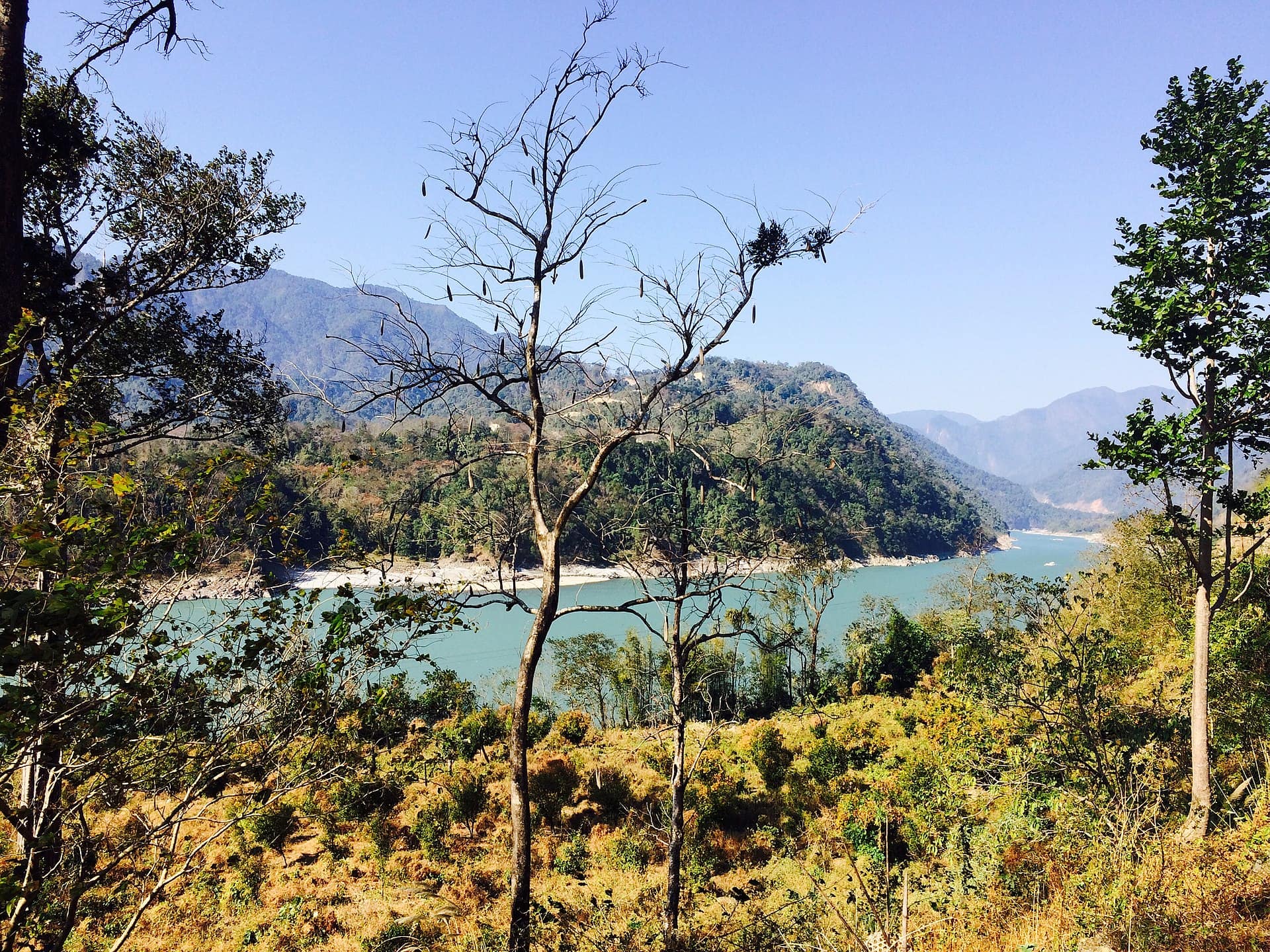 Low crowd
Entry Permit & boat
Daying Ering Sanctuary
- Best timeEarly morning — soft light on the grass and water and the most bird activity; late afternoon for warm light on the sandbanks.
- ColorsOliveCreamTeal
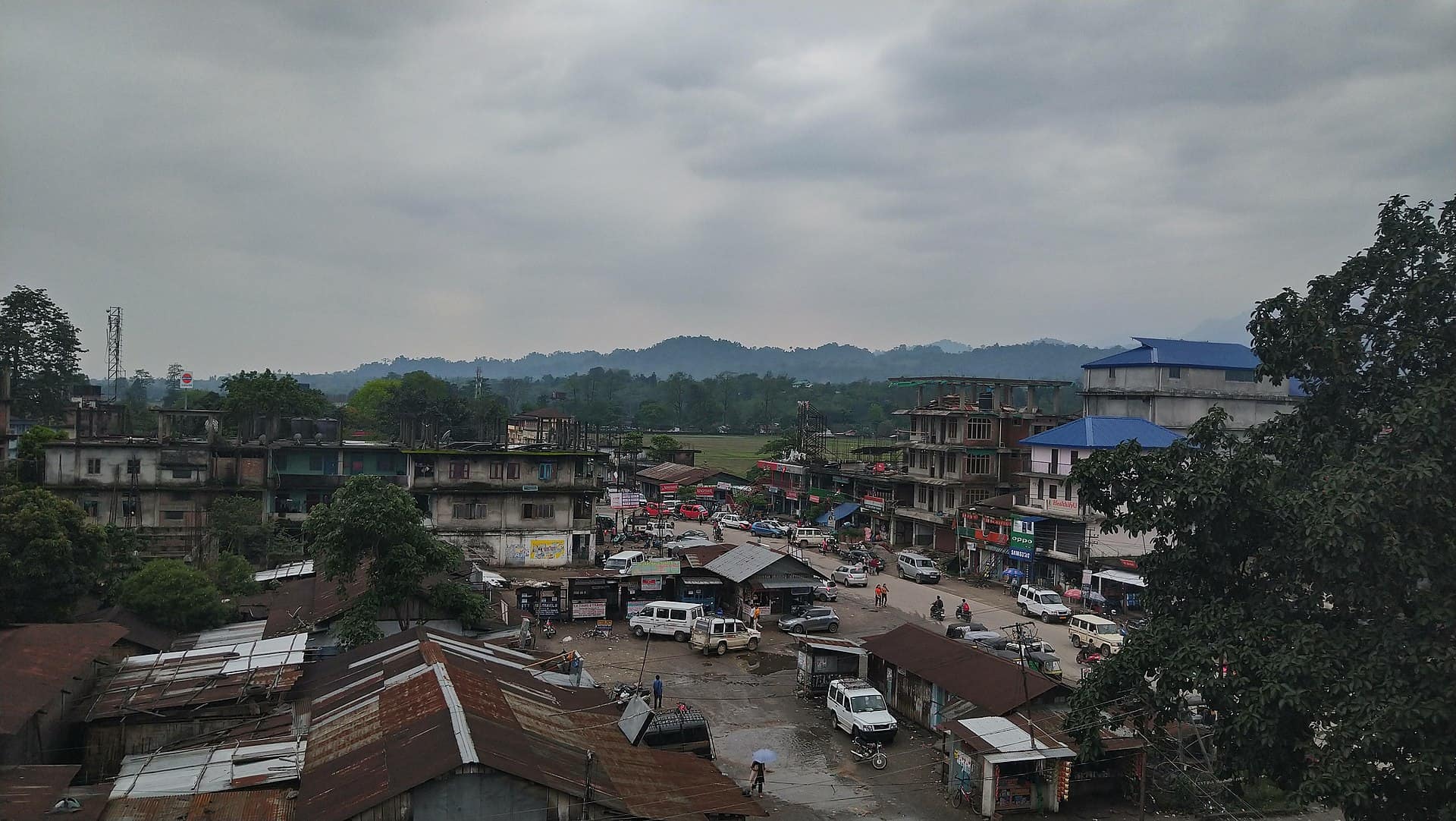 Low crowd
Entry Free
Kekar Monying
- Best timeMorning — clear air over the valley and softer light on the dark rock; late afternoon for warm light along the river.
- ColorsRustCreamForest green
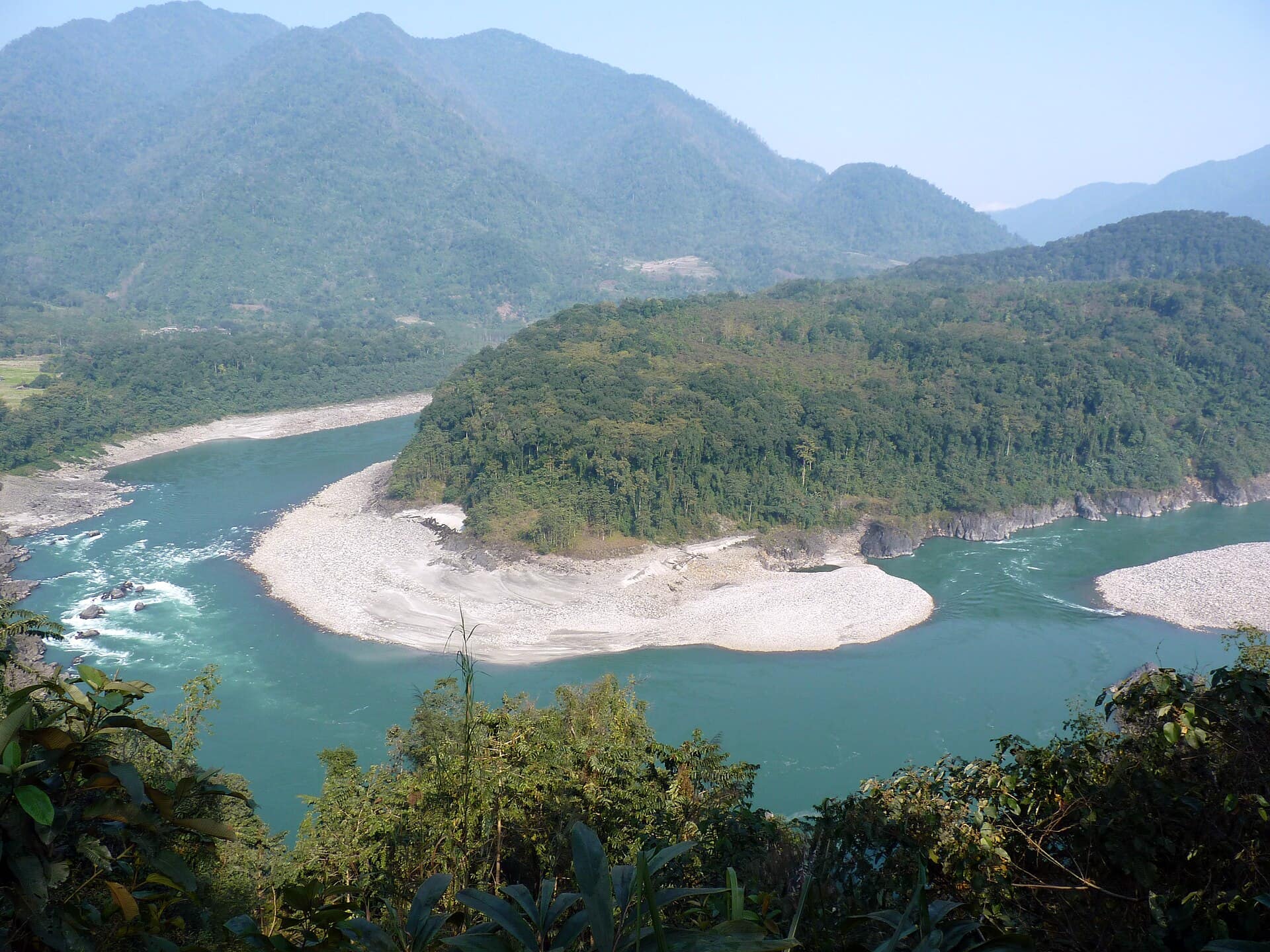 Low crowd
Entry Free
Pangin Confluence
- Best timeMorning for clear light and the strongest river colours; late afternoon for warm light on the forested hills.
- ColorsTealForest greenCream
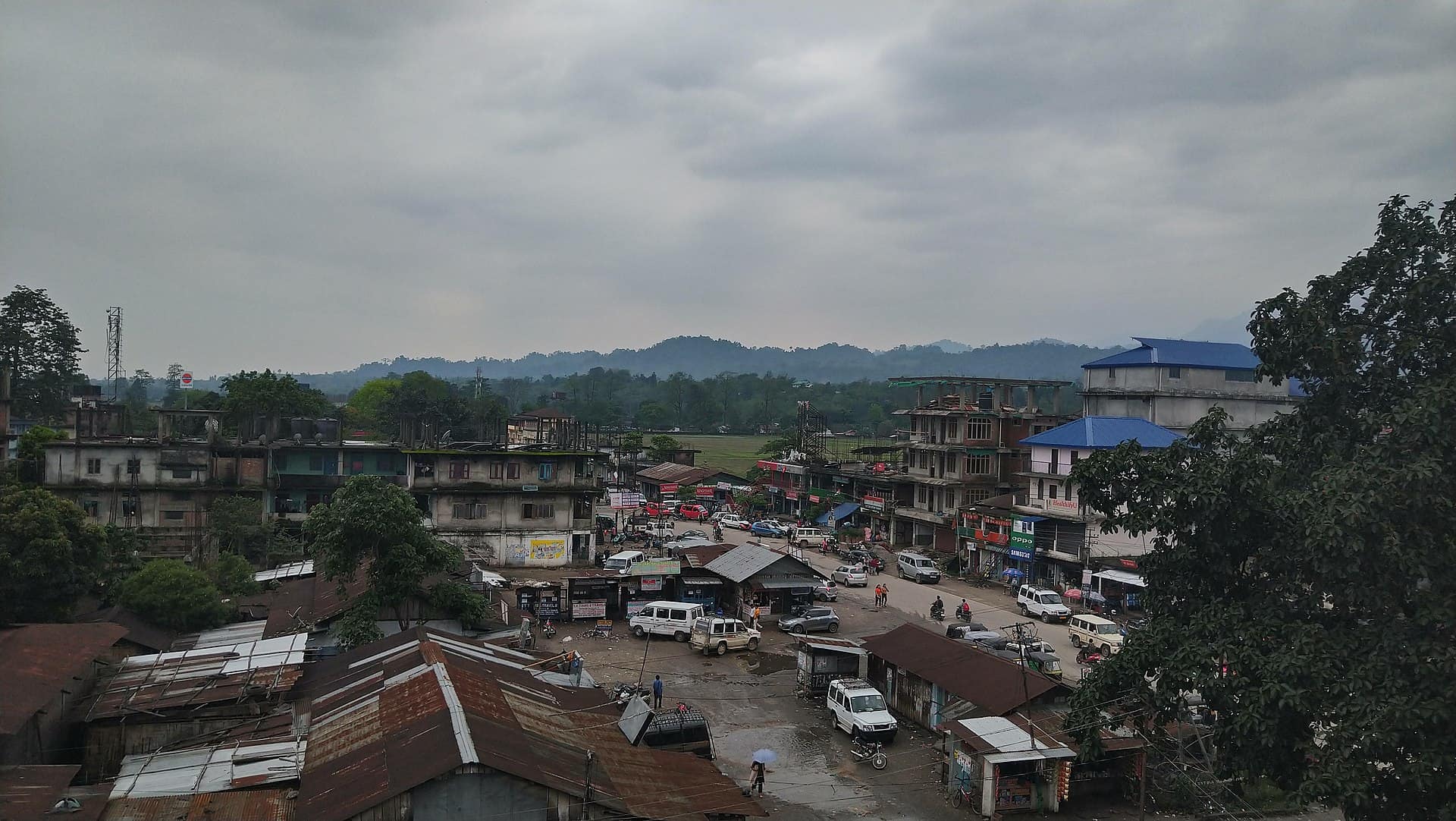 Medium crowd
Entry Free
Pasighat Riverfront
- Best timeEvening — warm sunset light over the water and people out walking; early morning for calm, misty views.
- ColorsTealCreamRust
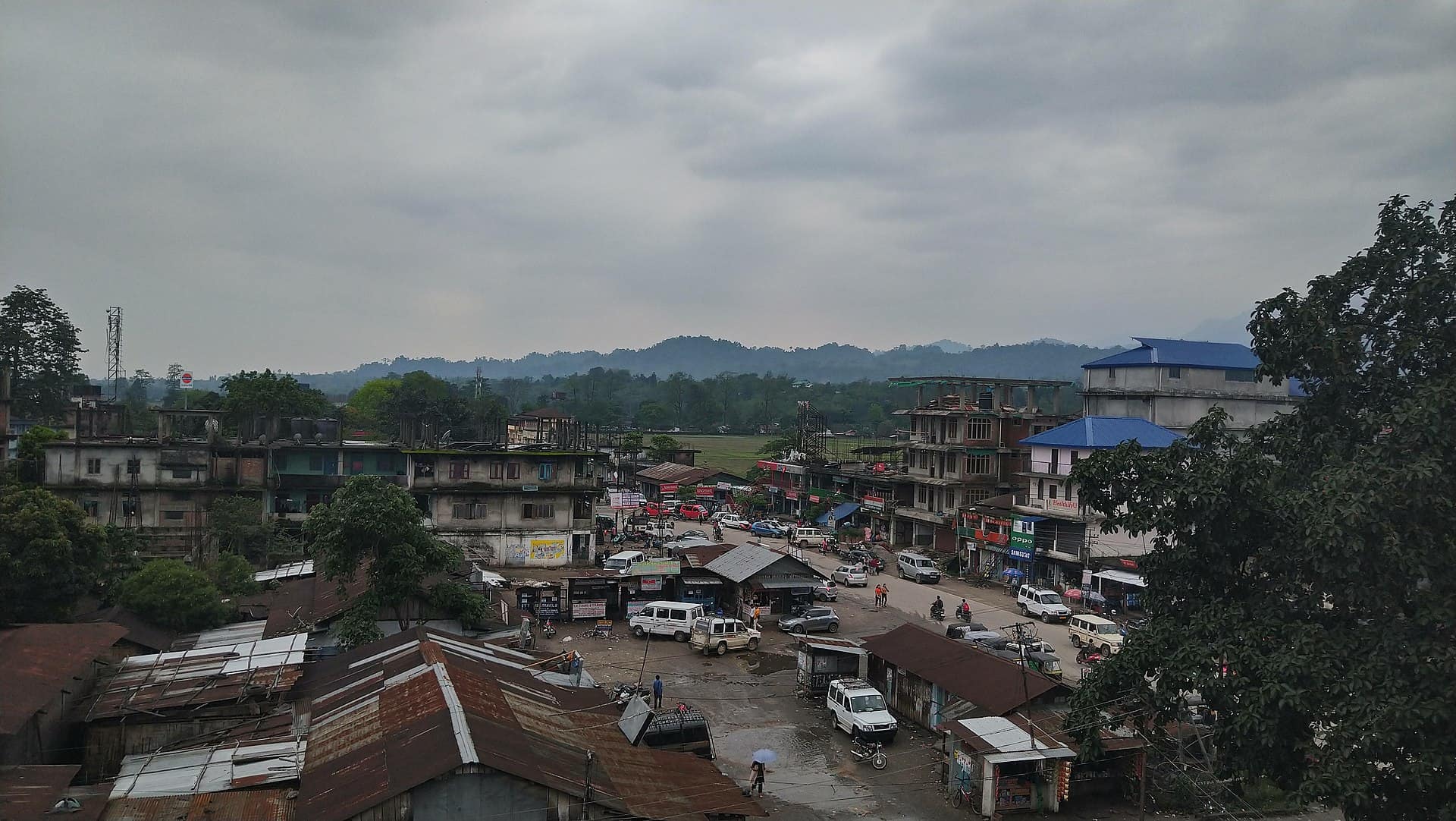 Medium crowd
Entry Free (rafting extra)
Siang River
- Best timeEvening for sunset colour across the braided channels; early morning for mist over the water and calm light.
- ColorsTealCreamRust
For the feed
Trending Wear in Pasighat
Modern, Instagram-friendly looks
Rooted in the city
Pasighat Traditional Wear
Local, cultural, handcrafted outfits
Taste the city
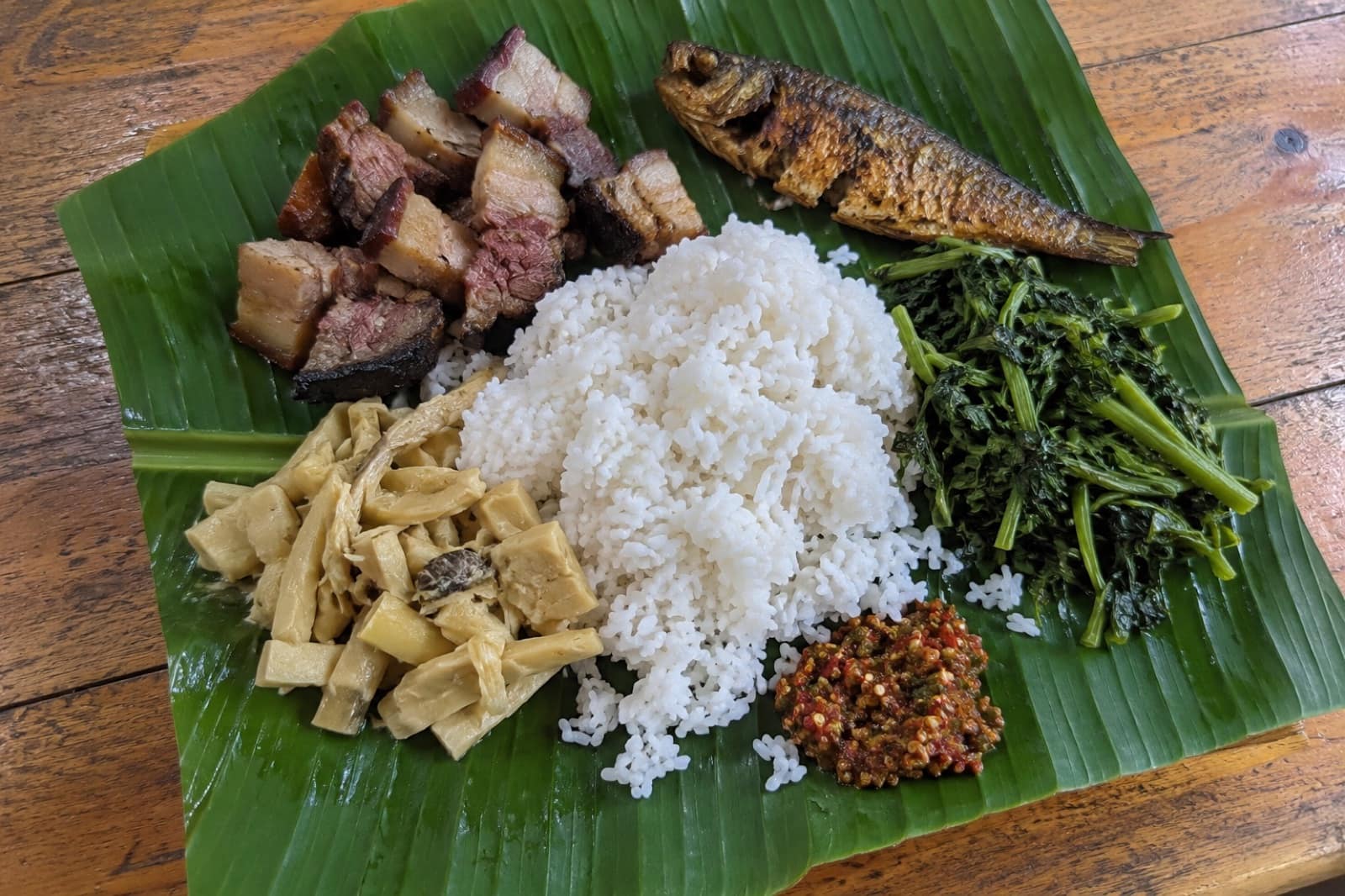
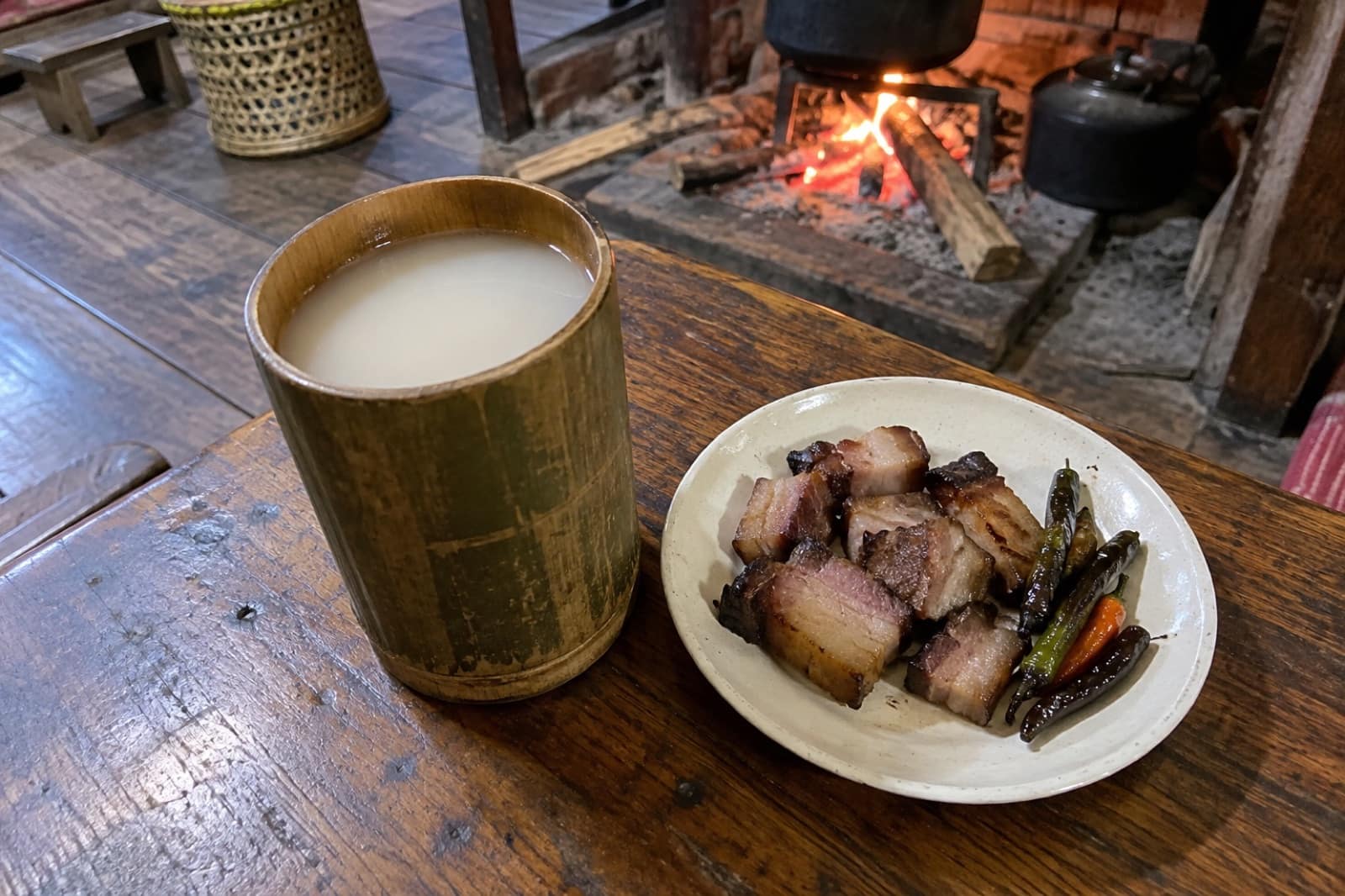
Food to Eat in Pasighat
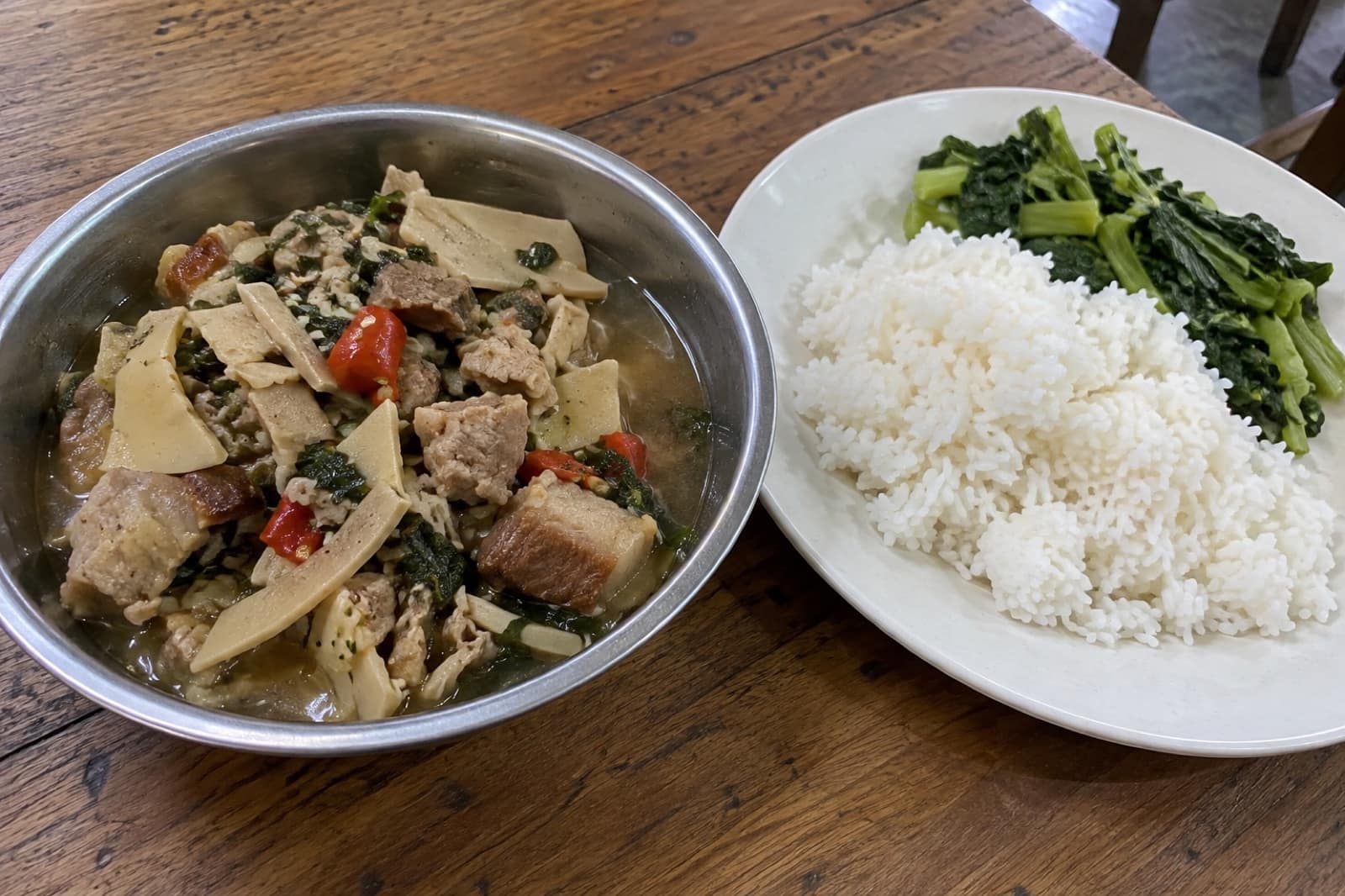
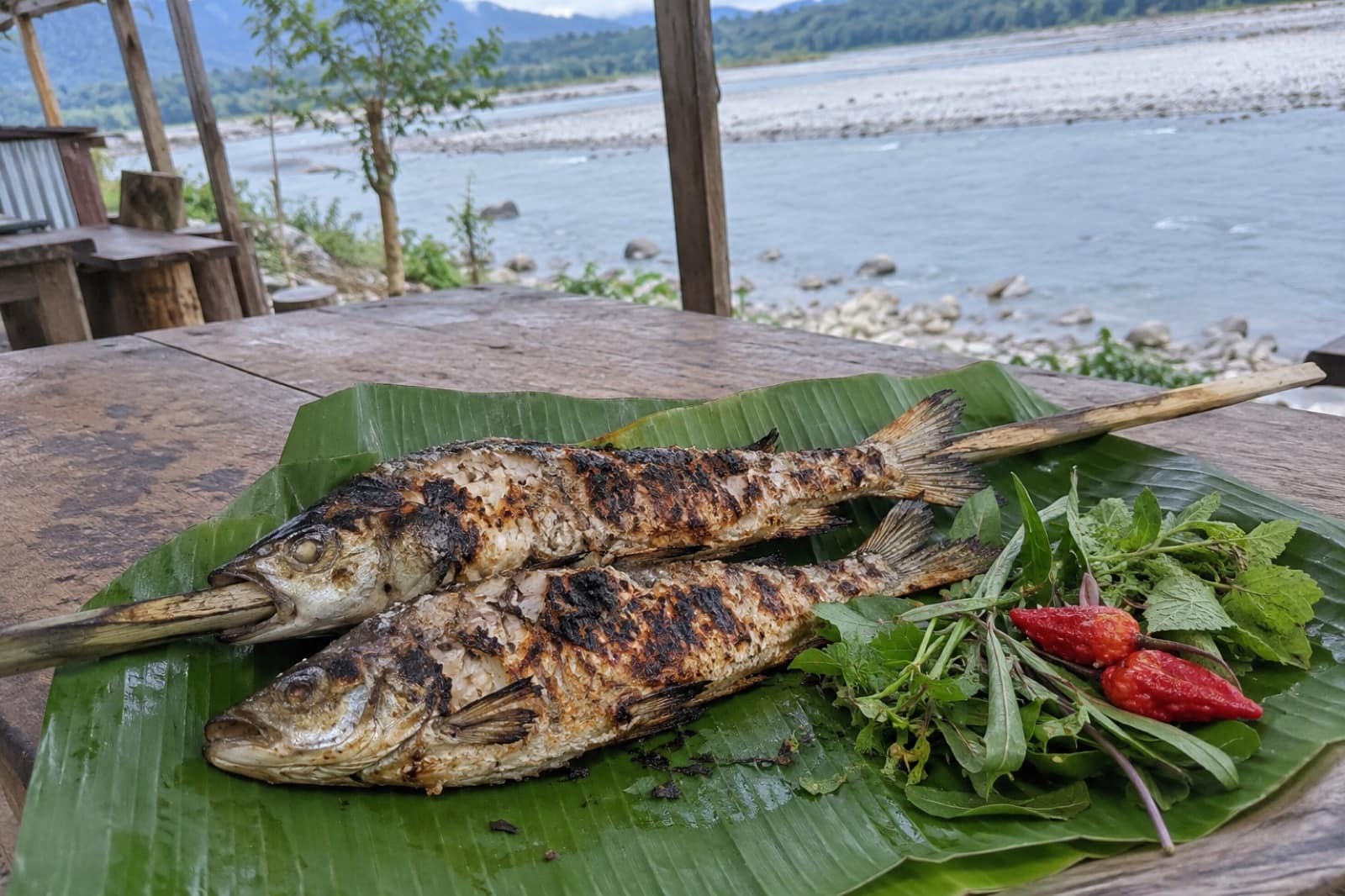
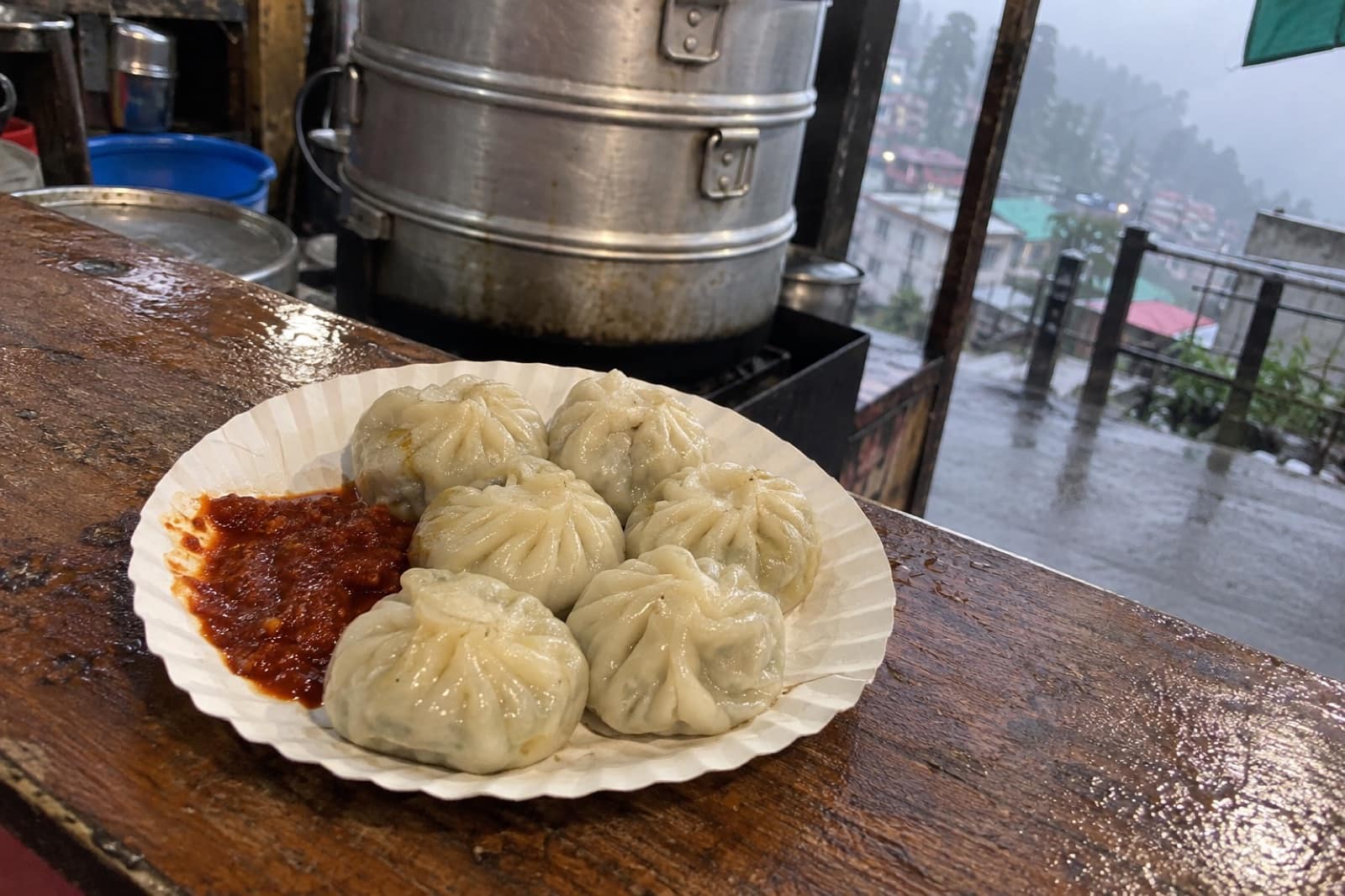
Trusted tables
Where to Eat in Pasighat
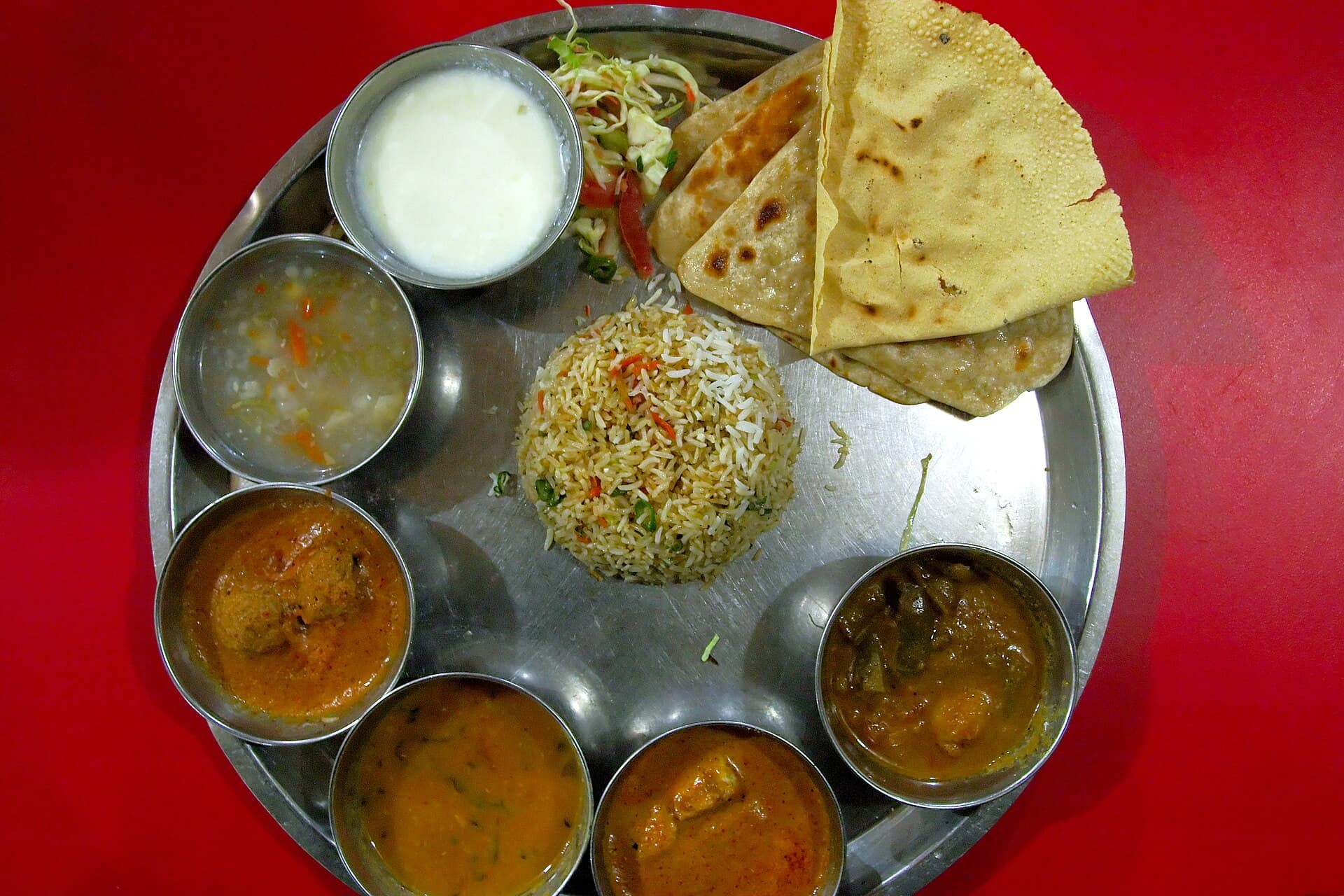 Representative photo
Adi Kitchen
Pasighat
 Representative photo
Riverfront Café
Pasighat
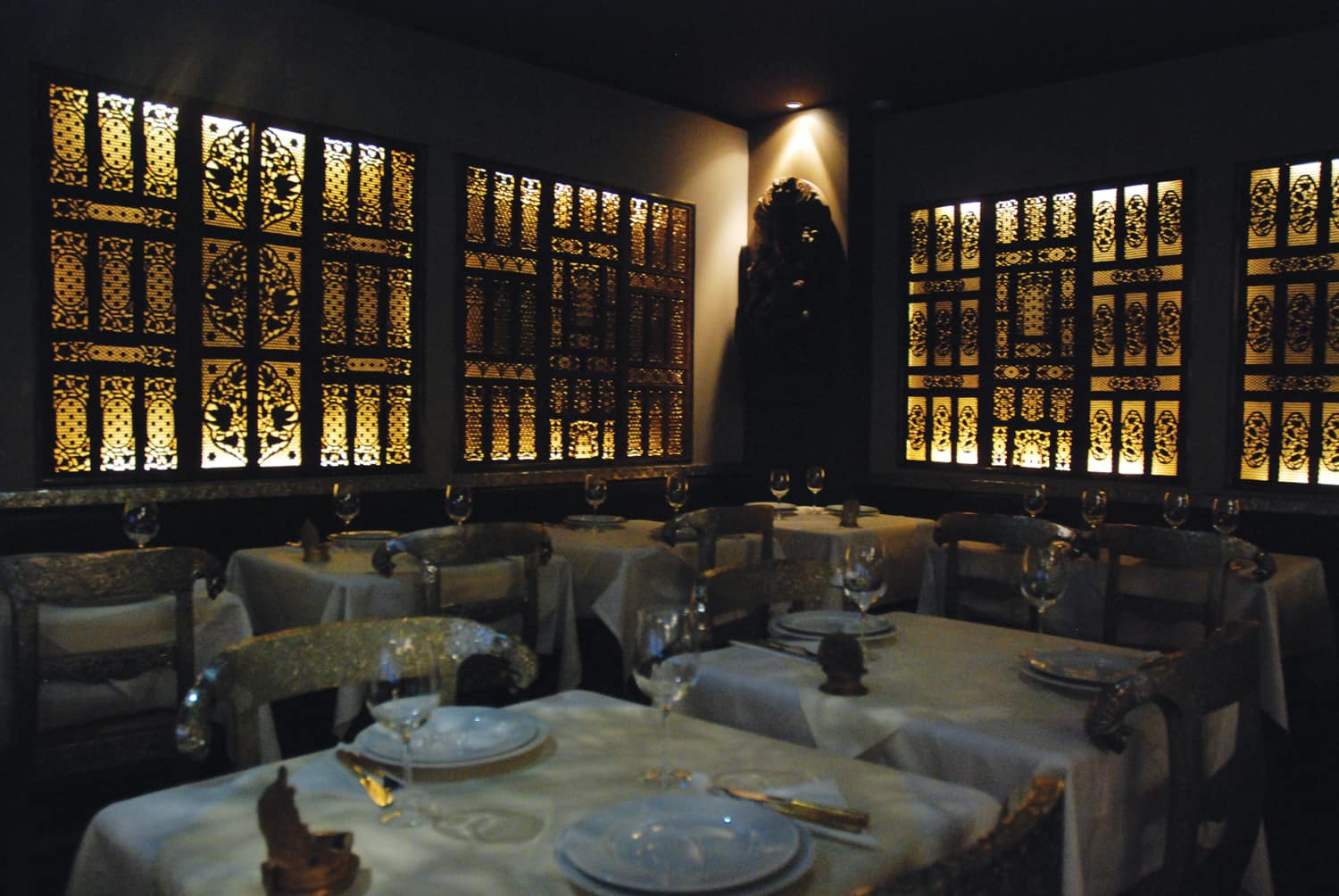 Representative photo
Siang Rafting Camp Kitchen
Pangin
Representative photoSiang View Restaurant
Pasighat
Arunachal's oldest town
Pasighat was set up as an administrative post in 1911, which makes it the oldest town in Arunachal Pradesh. It sits low, at about 150 metres, where the Siang river leaves the mountains and spreads out across a wide plain of gravel bars and channels. It is the headquarters of East Siang district and the heartland of the Adi people. The town is green, relaxed and warm, with a university, a busy market and the river always close by.
The Siang
The Siang is the same river that flows across Tibet as the Yarlung Tsangpo. It cuts through the Himalaya in deep gorges and emerges at Pasighat, then joins the Dibang and Lohit in Assam to become the Brahmaputra. At Pasighat it is broad and fast, braided into many channels around sandbanks and islands. Sunsets over the water are the town's everyday show. The river is powerful and cold; do not swim unless you are with a rafting outfit that knows the water.
Permits and getting here
Indian visitors need an Inner Line Permit, applied for online as an e-ILP; foreign nationals need a Protected Area Permit through a registered tour operator. Permits are checked at the Ruksin gate on the road from Assam. The nearest railway station is Murkongselek in Assam, about 30 km away. Dibrugarh has the nearest busy airport, a few hours' drive via the Bogibeel bridge. Pasighat has its own small airport, but flights have come and gone, so check the current schedule.
What to do
Two or three days is plenty. Walk the riverfront at sunset. Take a boat into Daying Ering Wildlife Sanctuary in winter for birds and river islands. Drive north to Kekar Monying, where the Adi resisted a British expedition in 1911, and on to the Pangin confluence. Spend time in an Adi village if you can.
Adi culture
The Adi follow their own Donyi-Polo faith, honouring the sun and moon, and many are also Christian. Solung, the harvest festival in early September, and Aran in March are the big events. Villages are welcoming, but ask before photographing people or entering homes.
When to come
October to April is dry and pleasant. From May to September it is hot, humid and very wet, and floods and landslides can cut roads.
Questions
Pasighat — FAQ
Why is Pasighat called the oldest town in Arunachal?
It was set up as an administrative post in 1911, earlier than any other town in the state.
Is the Siang at Pasighat the Brahmaputra?
It is the river that becomes the Brahmaputra. The Siang flows out of Tibet, where it is called the Yarlung Tsangpo, and joins the Dibang and Lohit in Assam to form the Brahmaputra.
Do I need a permit for Pasighat?
Yes. Travellers from elsewhere in India apply online for an e-ILP before the trip, while foreign nationals get a Protected Area Permit through a registered operator. Both are checked at the Ruksin gate on the road in from Assam.
How do I get to Pasighat?
Most people come by road from Dibrugarh or from the railway station at Murkongselek, about 30 km away. Pasighat has a small airport, but check whether flights are currently running.
Is it safe to swim in the Siang at Pasighat?
No. The river is fast, cold and has strong currents even where it looks calm. Only go in the water with a rafting outfit and full safety gear.