
Rajasthan · India
Jodhpur
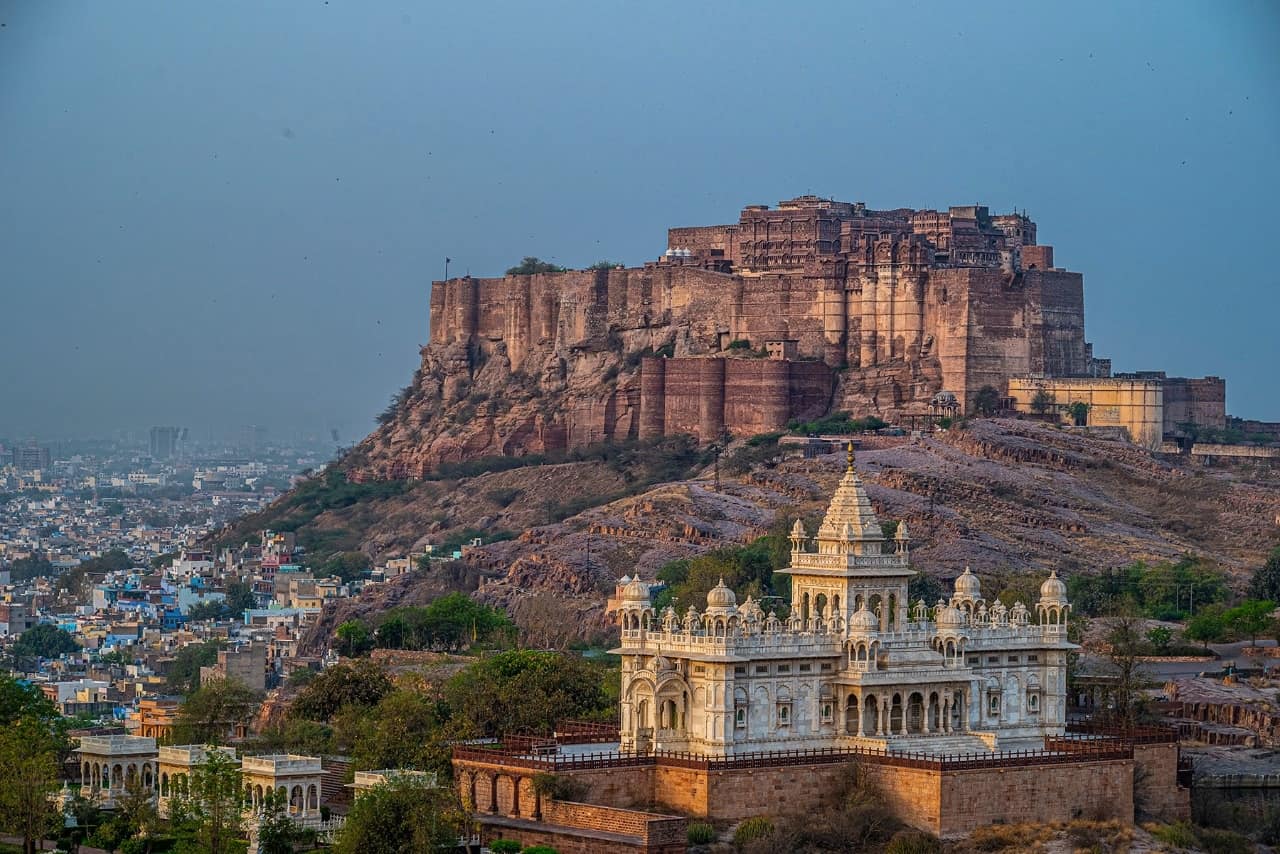
The Blue City — a maze of indigo-washed houses beneath the mighty Mehrangarh Fort, on the edge of the Thar desert.
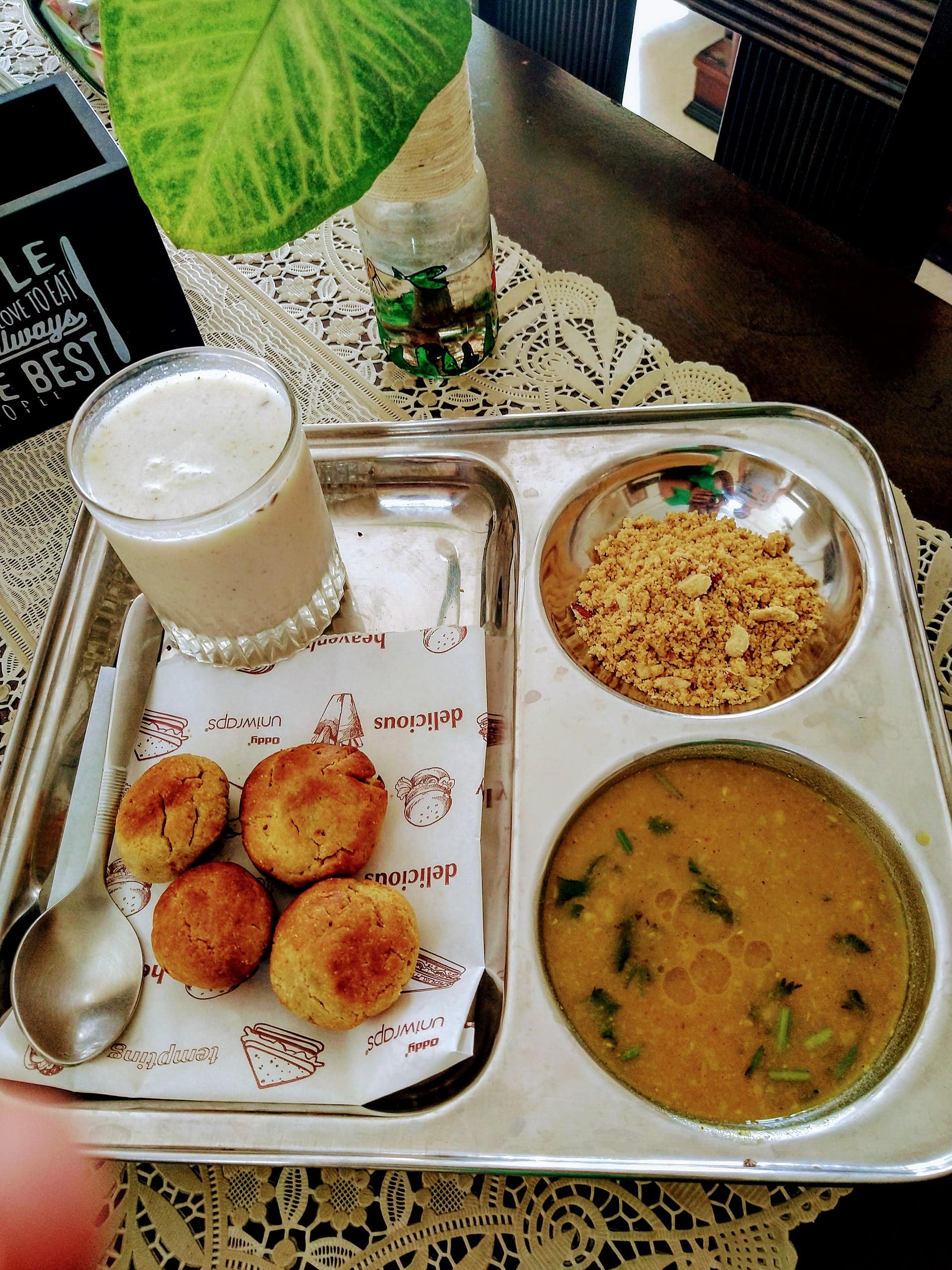
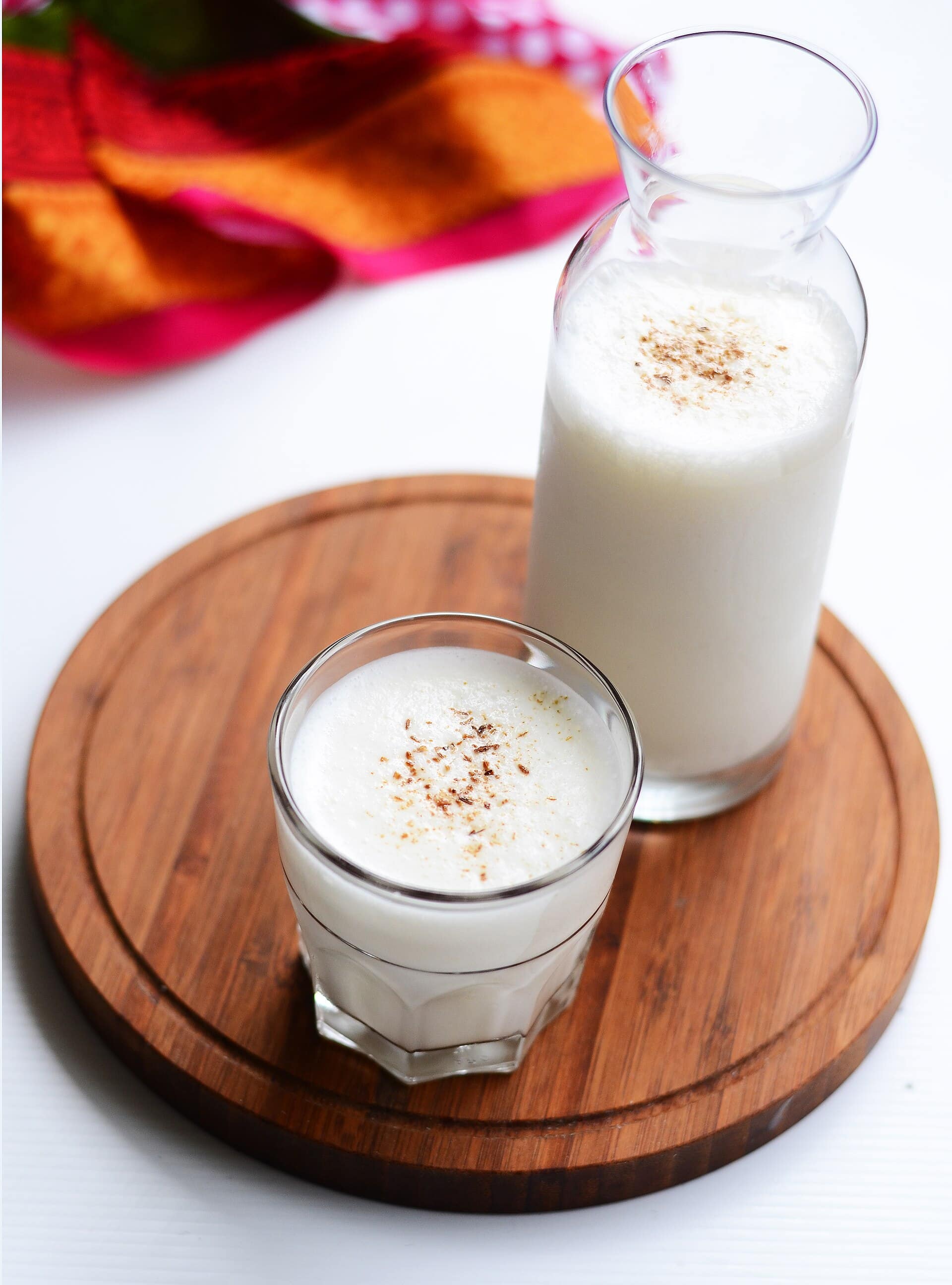
Jodhpur is known for bandhej tie-dye, the tailored Jodhpuri bandhgala suit, and hearty Marwari food from mirchi vada to makhaniya lassi.
Plan your trip
Jodhpur Tour Itineraries
Timed, walkable day plans — plus the best season to go.
Where to shoot
Jodhpur Photo Spots
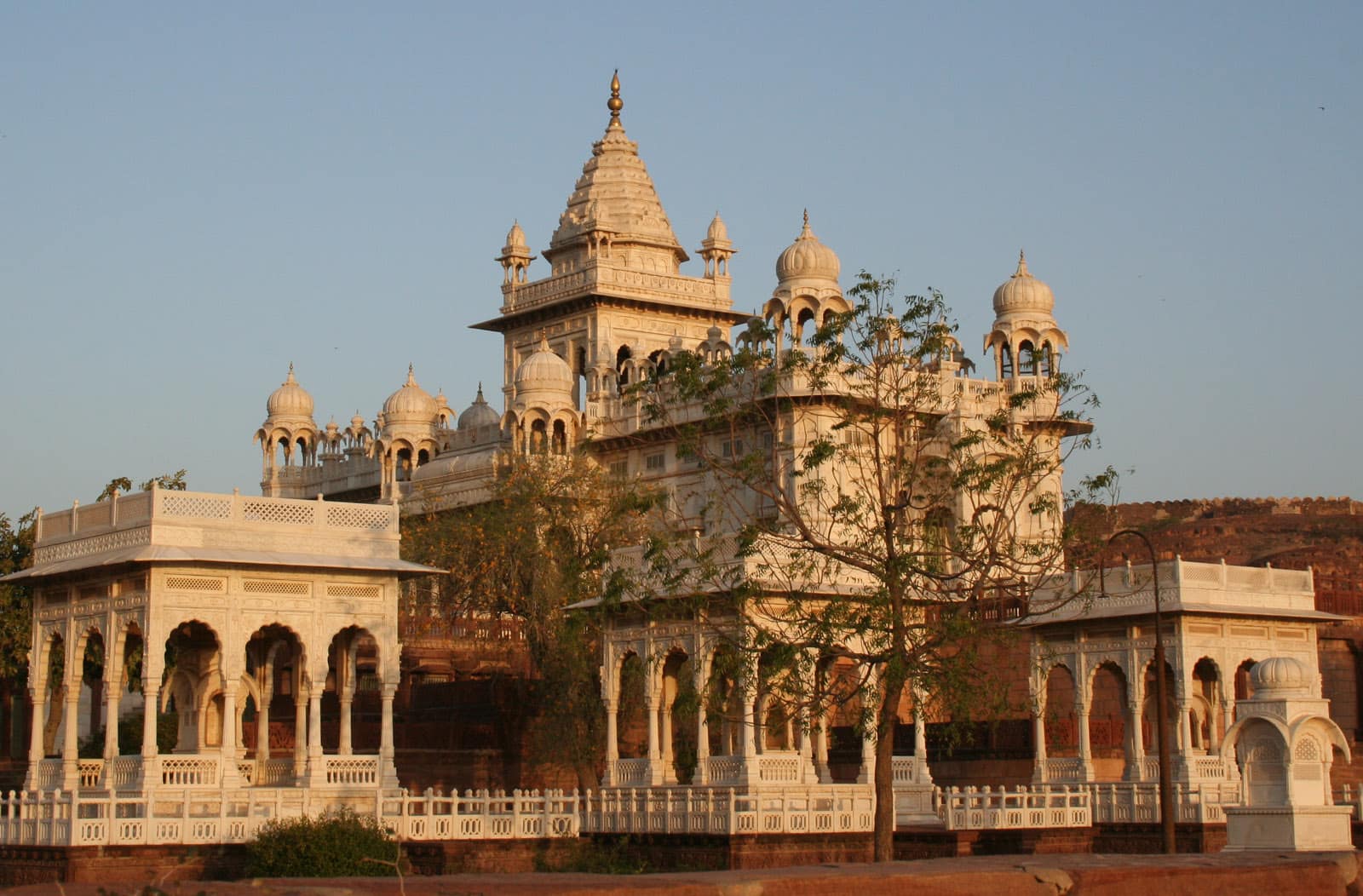 Medium crowd
Entry ₹30 (Indian) / ₹50 (foreign)
Jaswant Thada
- Best timeMorning, when the sun shines through the thin marble and the fort behind is clear.
- ColorsWhitePastelGold
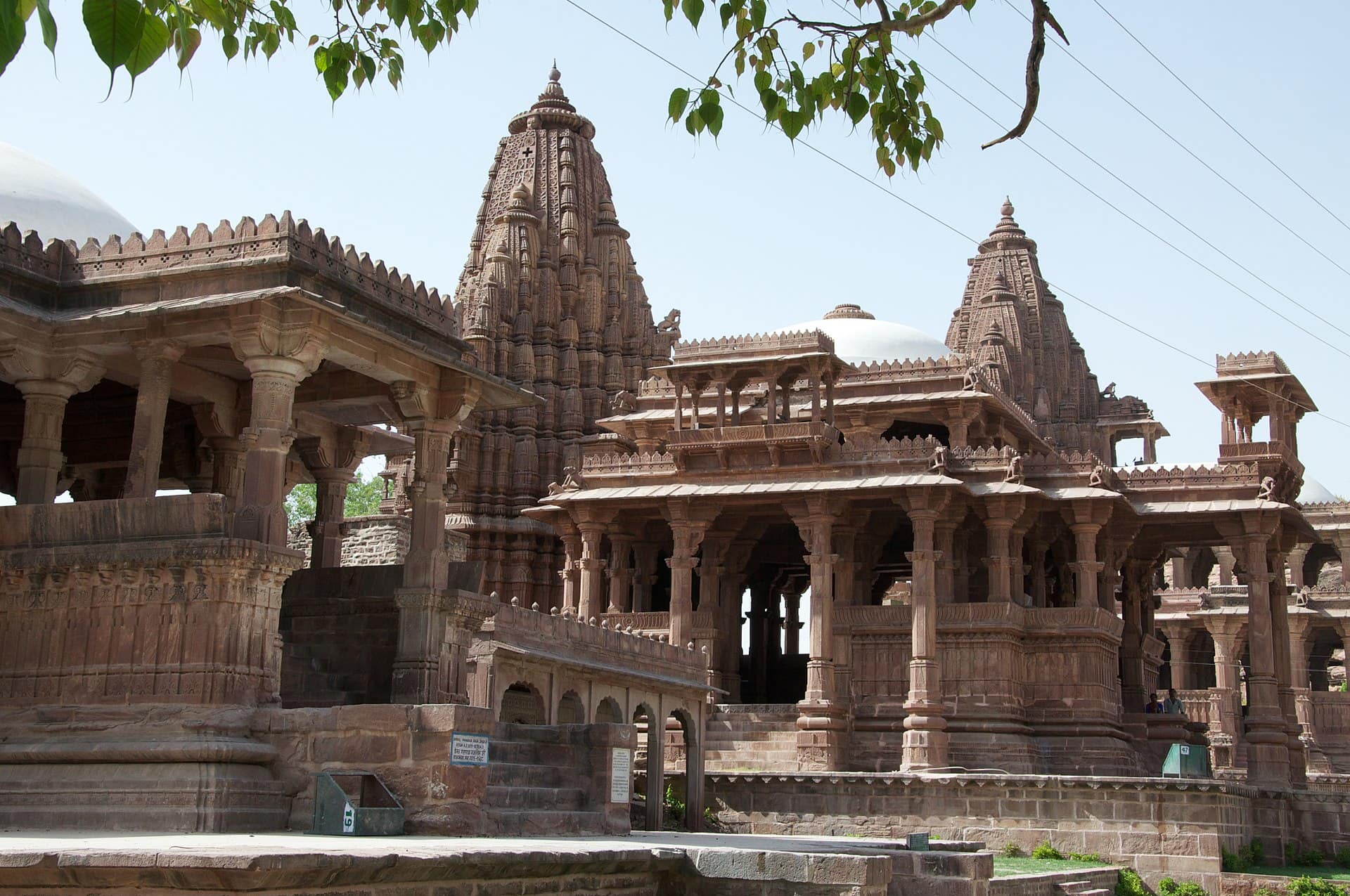 Low crowd
Entry Free
Mandore Gardens
- Best timeMorning, when soft light brings out the red sandstone and the gardens are still quiet.
- ColorsRustCreamGreen
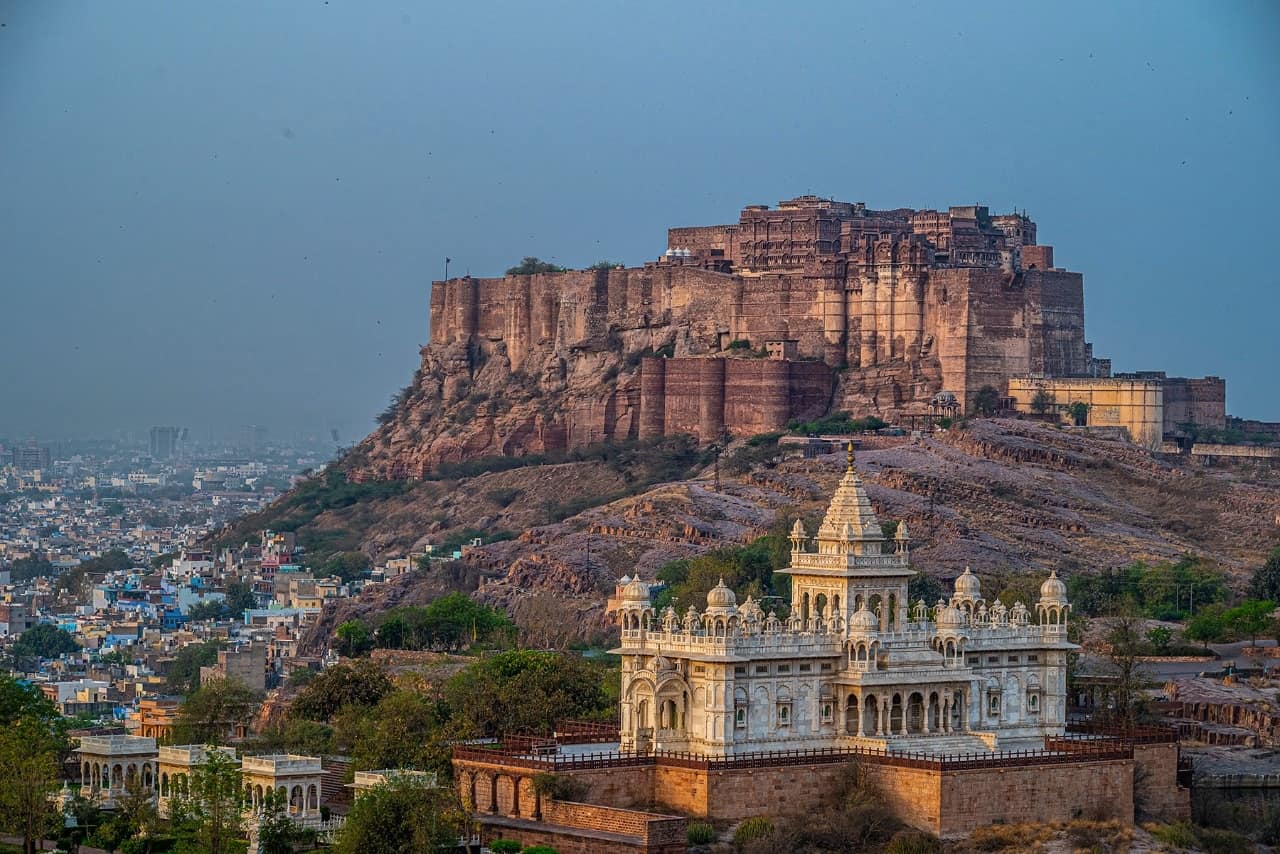 High crowd
Entry ₹100 (Indian) / ₹600 (foreign)
Mehrangarh Fort
- Best timeEarly morning for clear, soft light on the blue city; late afternoon for warm light on the fort's walls.
- ColorsWhiteIndigo accentsMustard
 Medium crowd
Entry Free
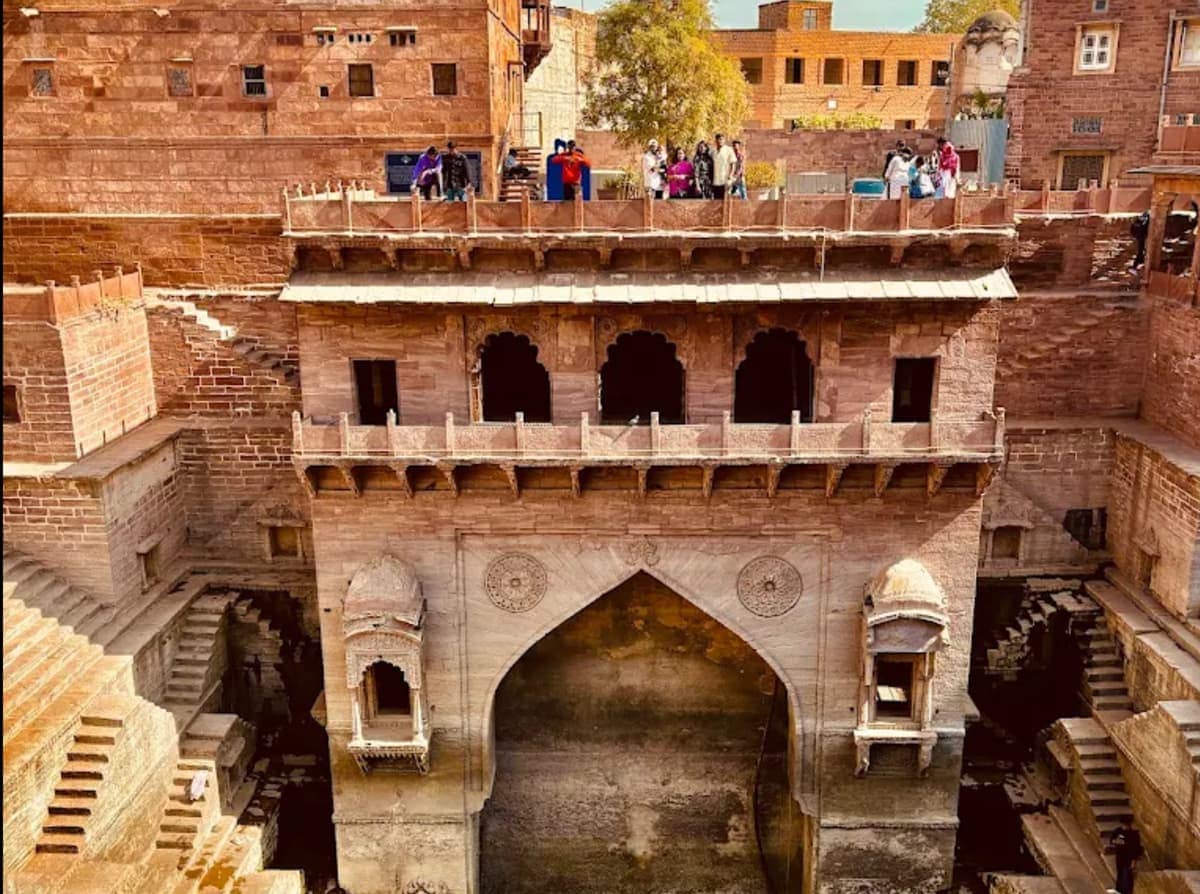
Toorji Ka Jhalra
- Best timeLate morning, when sunlight reaches down into the steps and shows the pattern clearly.
- ColorsIndigoWhiteMustard
 Medium crowd
Entry ₹30 (museum)
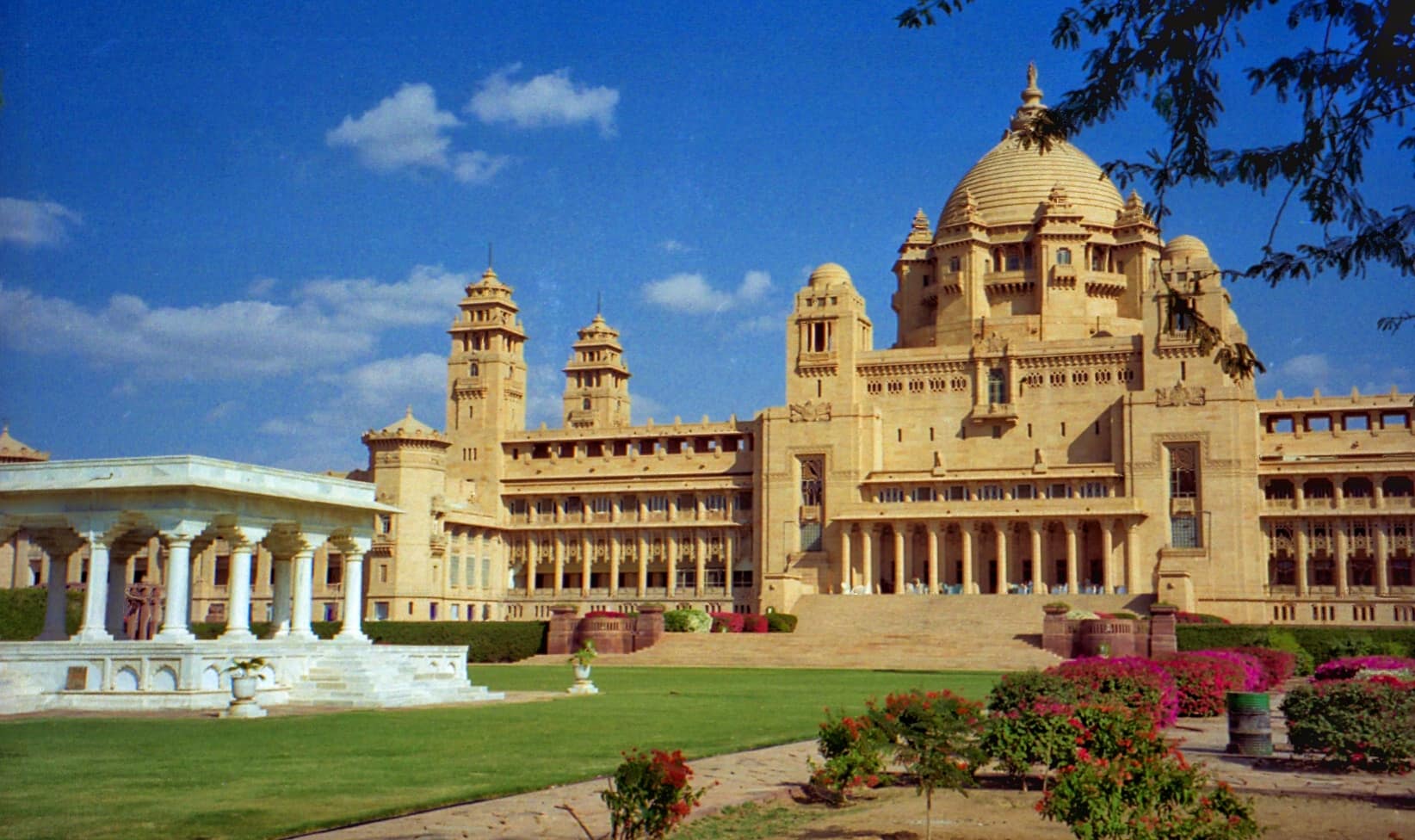
Umaid Bhawan Palace
- Best timeLate afternoon, when the low sun turns the sandstone dome a warm gold.
- ColorsIvoryEmeraldDeep red
For the feed
Trending Wear in Jodhpur
Modern, Instagram-friendly looks

Rooted in the city
Jodhpur Traditional Wear
Local, cultural, handcrafted outfits
Before you go
Temples in Jodhpur
Darshan hours, dress codes and what gets refused at the gate
Baba Ramdev Temple (Adhar Shila)
Baba Ramdeo (Ramdevji), a Rajput folk deity believed by devotees to be a rebirth of Lord Krishna
Chamunda Mataji Temple
Chamunda Mata, a fierce form of the goddess Durga
Devi · Shakti templeKunj Bihari Temple
Lord Krishna as Thakur Kunj Bihari Ji, also called Sri Nathji
Vishnu · Krishna templeMahamandir
Lord Shiva
Shiva templeTaste the city
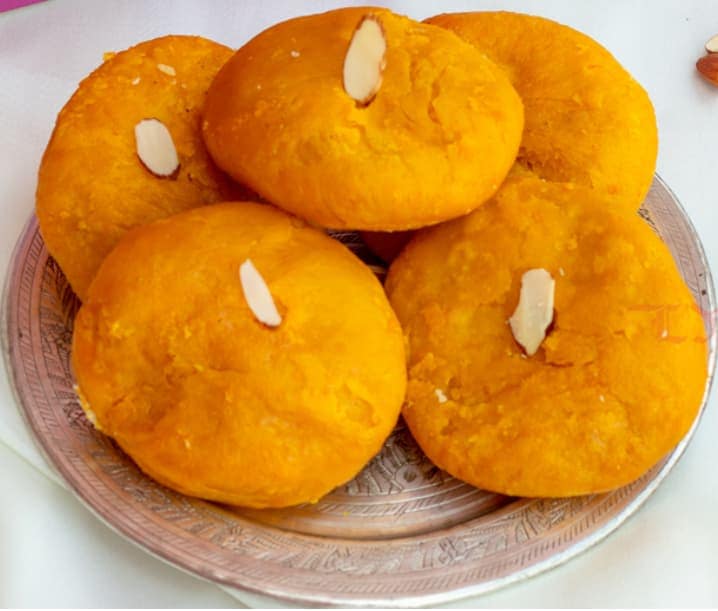
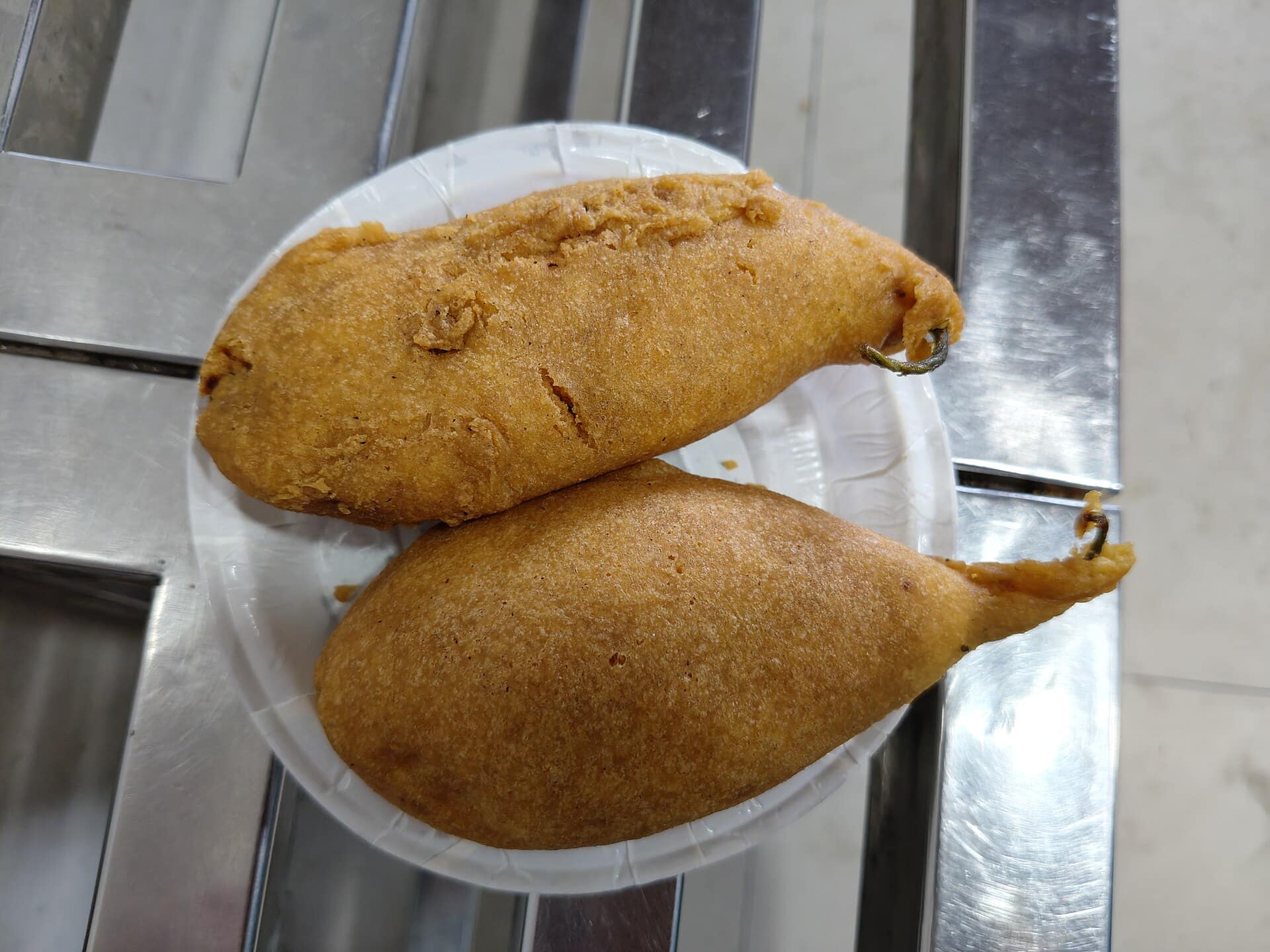
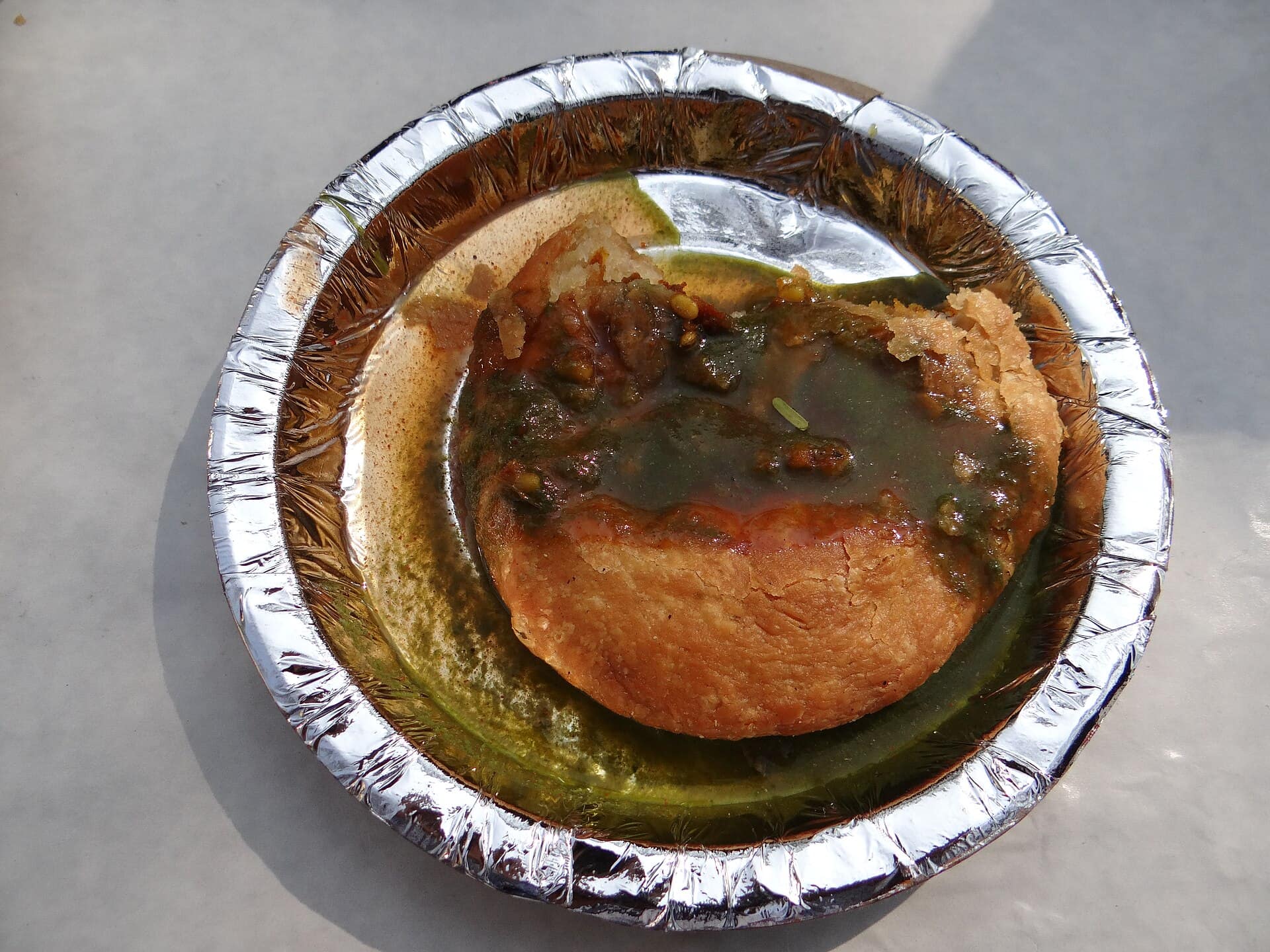
Food to Eat in Jodhpur
Trusted tables
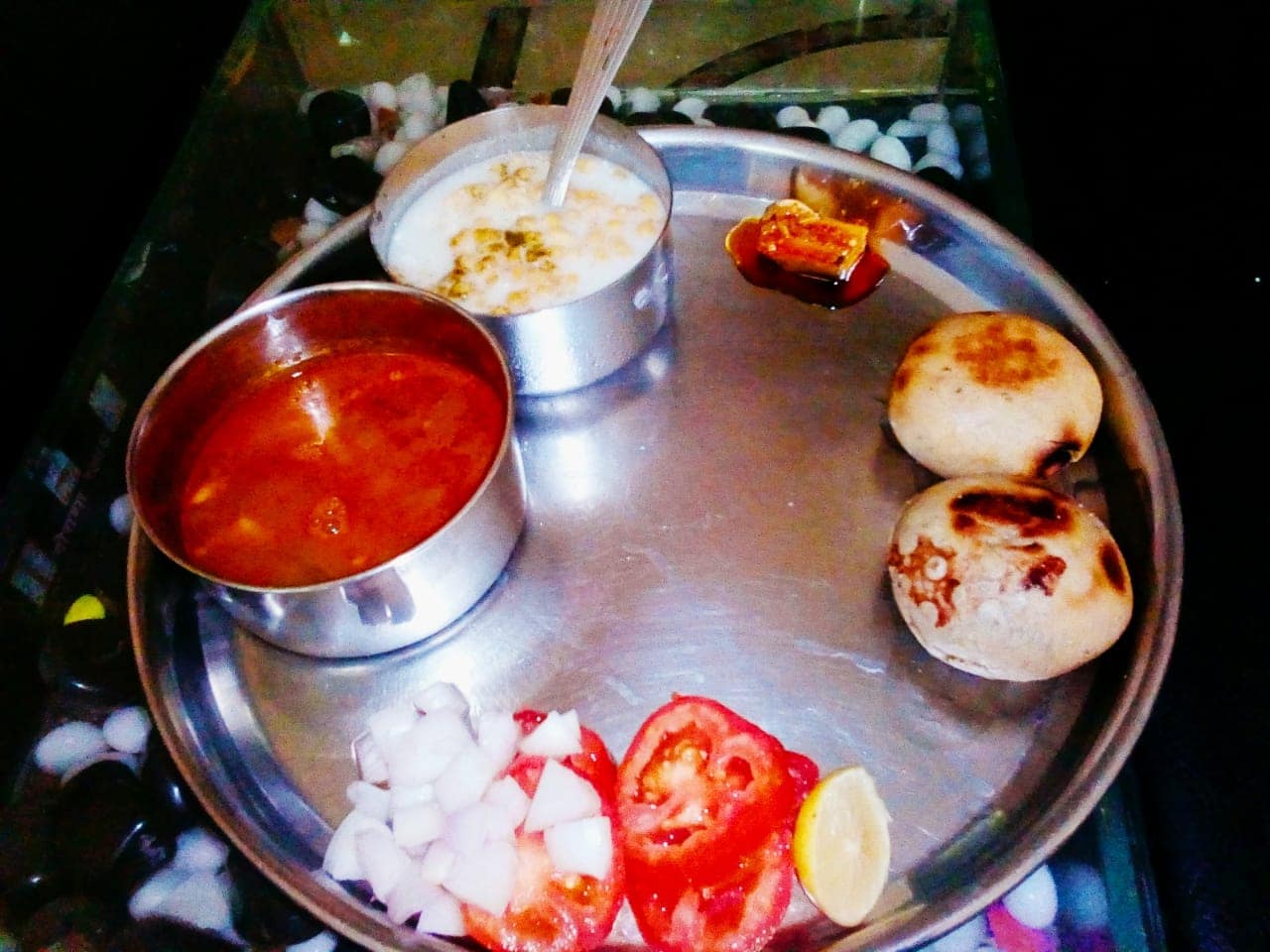
Where to Eat in Jodhpur
 Representative photo
Gypsy Dining Hall
Sardarpura
Representative photoIndique
Pal Haveli (Clock Tower)
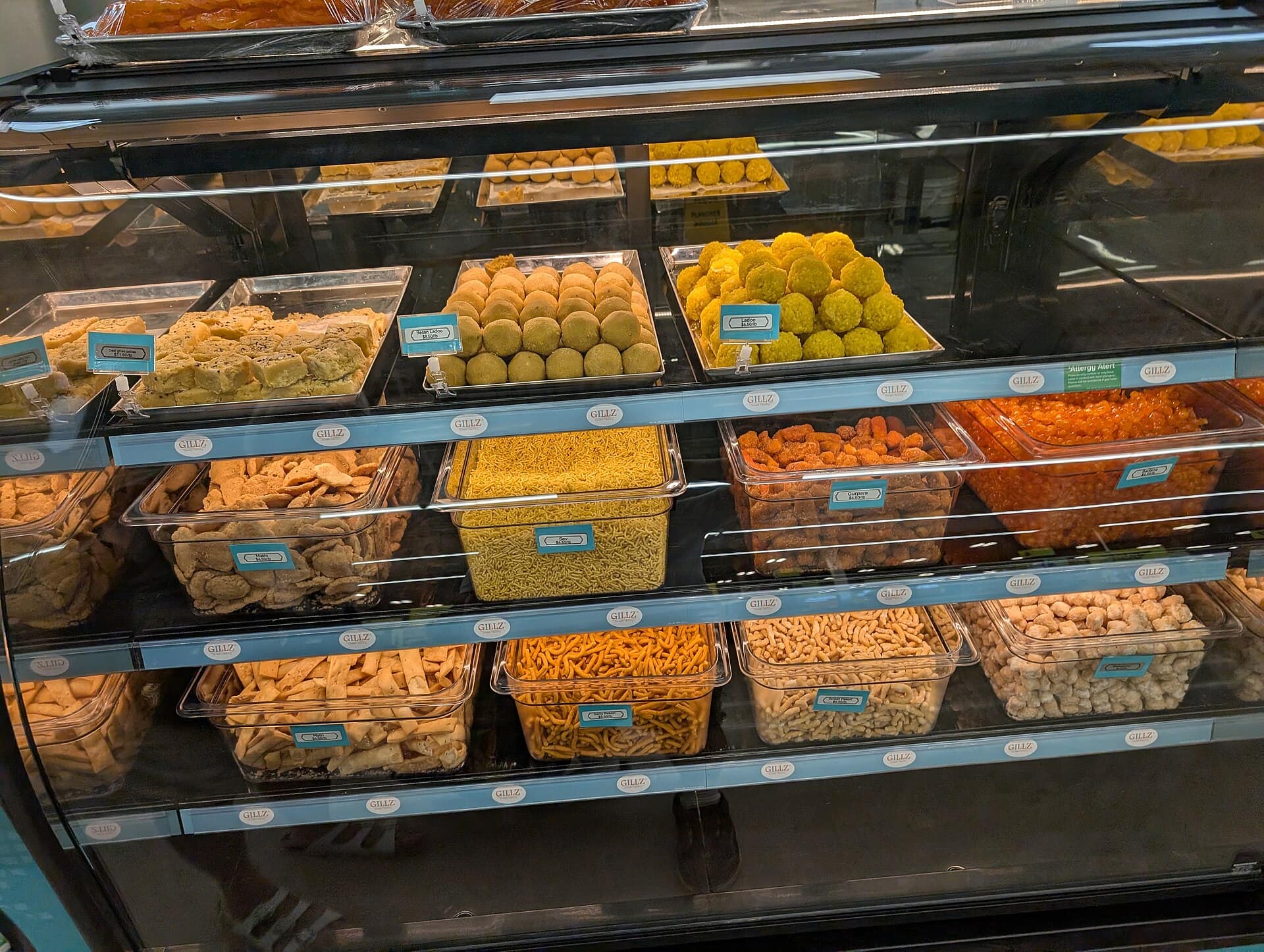 Representative photo
Janta Sweet Home
Nai Sarak
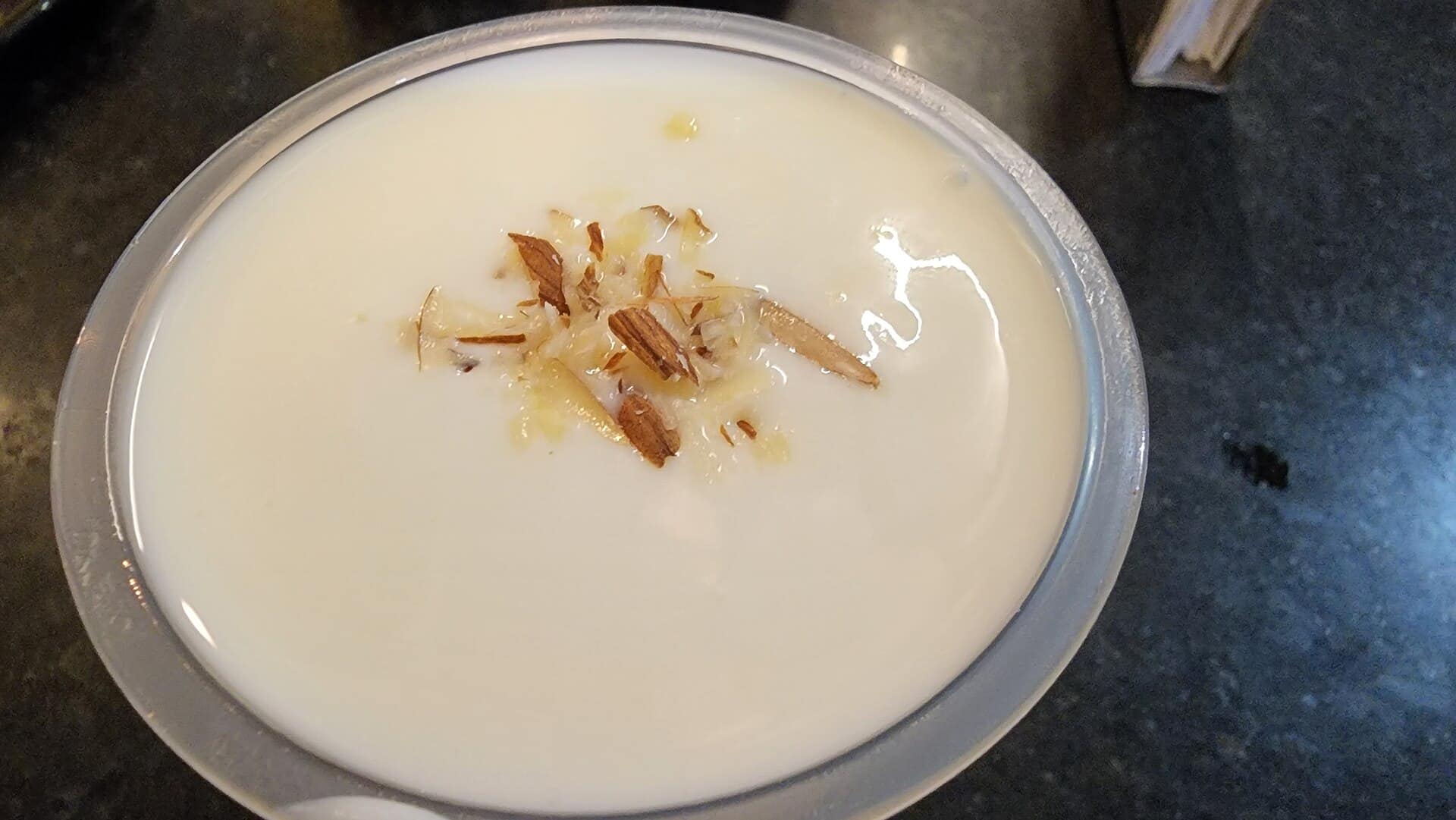 Representative photo
Shri Mishrilal Hotel
Clock Tower (Sardar Market)
About Jodhpur
Jodhpur is the second-largest city in Rajasthan and the old capital of Marwar, on the eastern edge of the Thar Desert. Rao Jodha founded it in 1459 and began Mehrangarh Fort on a rocky hill about 120 m above the plain. The old city grew at the foot of that cliff, and its indigo-washed houses are why Jodhpur is called the Blue City. It is also known as the Sun City, because clear, sunny days are the norm for most of the year.
Most of what visitors come for sits close together. Spend a morning at Mehrangarh and Jaswant Thada, then walk down through the blue lanes to Toorji ka Jhalra stepwell and the Clock Tower market. Keep an afternoon for the museum at Umaid Bhawan Palace and a short drive out to Mandore Gardens. Between sights, try the city's own food: mirchi vada and pyaaz kachori for breakfast, makhaniya lassi near the Clock Tower and mawa kachori to finish.
Questions
Jodhpur — FAQ
What is Jodhpur famous for?
Jodhpur is famous for Mehrangarh Fort, the blue houses of its old city, Umaid Bhawan Palace and Jaswant Thada. It is also known for bandhej tie-dye, the Jodhpuri bandhgala suit, and snacks like mirchi vada, mawa kachori and makhaniya lassi.
How many days are enough for Jodhpur?
2 days covers Mehrangarh, Jaswant Thada, the old city, Toorji ka Jhalra, Umaid Bhawan's museum and Mandore Gardens at an easy pace. Add a third day if you want time for the fort's zip-line, the Rao Jodha Desert Rock Park or a trip into the desert villages.
What is the best time to visit Jodhpur?
October to March is the most comfortable time, with warm days and cool nights. April to June is very hot, often above 40 °C, and July to September brings short showers and humid heat. See the best time to visit Jodhpur for a month-by-month guide.
How do I reach Jodhpur?
Jodhpur has its own airport, about 5 km from the city centre, with flights from Delhi, Mumbai and other cities. Jodhpur Junction is a major railway station with trains from Delhi, Jaipur and Jaisalmer. By road it is about 335 km from Jaipur and about 250 km from Udaipur.
Why is Jodhpur called the Blue City?
Many houses in the old city below Mehrangarh are painted blue. The colour is usually linked to the Brahmin families who first used it, and it is also said to keep homes cooler. The best view of the blue houses is from the fort's ramparts.