
Odisha · India
Puri
A sacred seaside town of Lord Jagannath — one of the Char Dham, with a golden beach, the world's grandest Rath Yatra, and Konark's sun temple nearby.
Puri revolves around the Jagannath temple and its Mahaprasad; expect the Rath Yatra, applique (Pipili) craft, sand art, and Odia sweets like khaja.
Plan your trip
Puri Tour Itineraries
Timed, walkable day plans — plus the best season to go.
Where to shoot
Puri Photo Spots
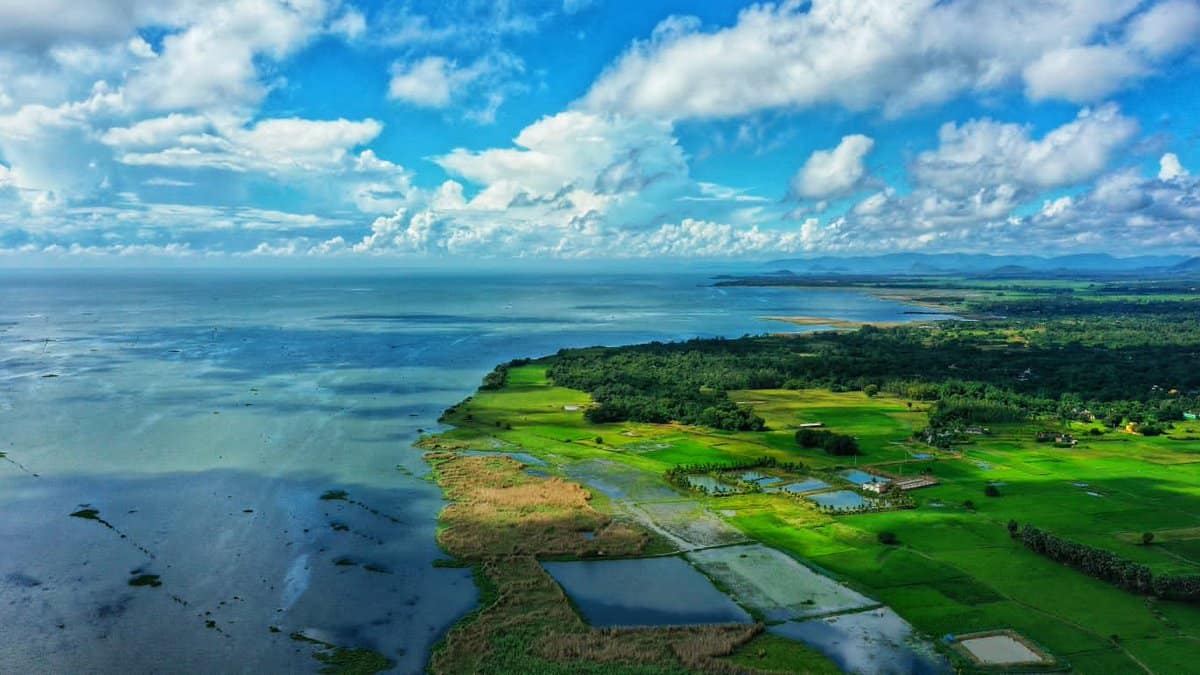 Medium crowd
Entry Boat ride varies
Chilika Lake
- Best timeEarly morning for calm water and soft light; late afternoon for warm colour over the lagoon on the return.
- ColorsWhiteCoralDenim
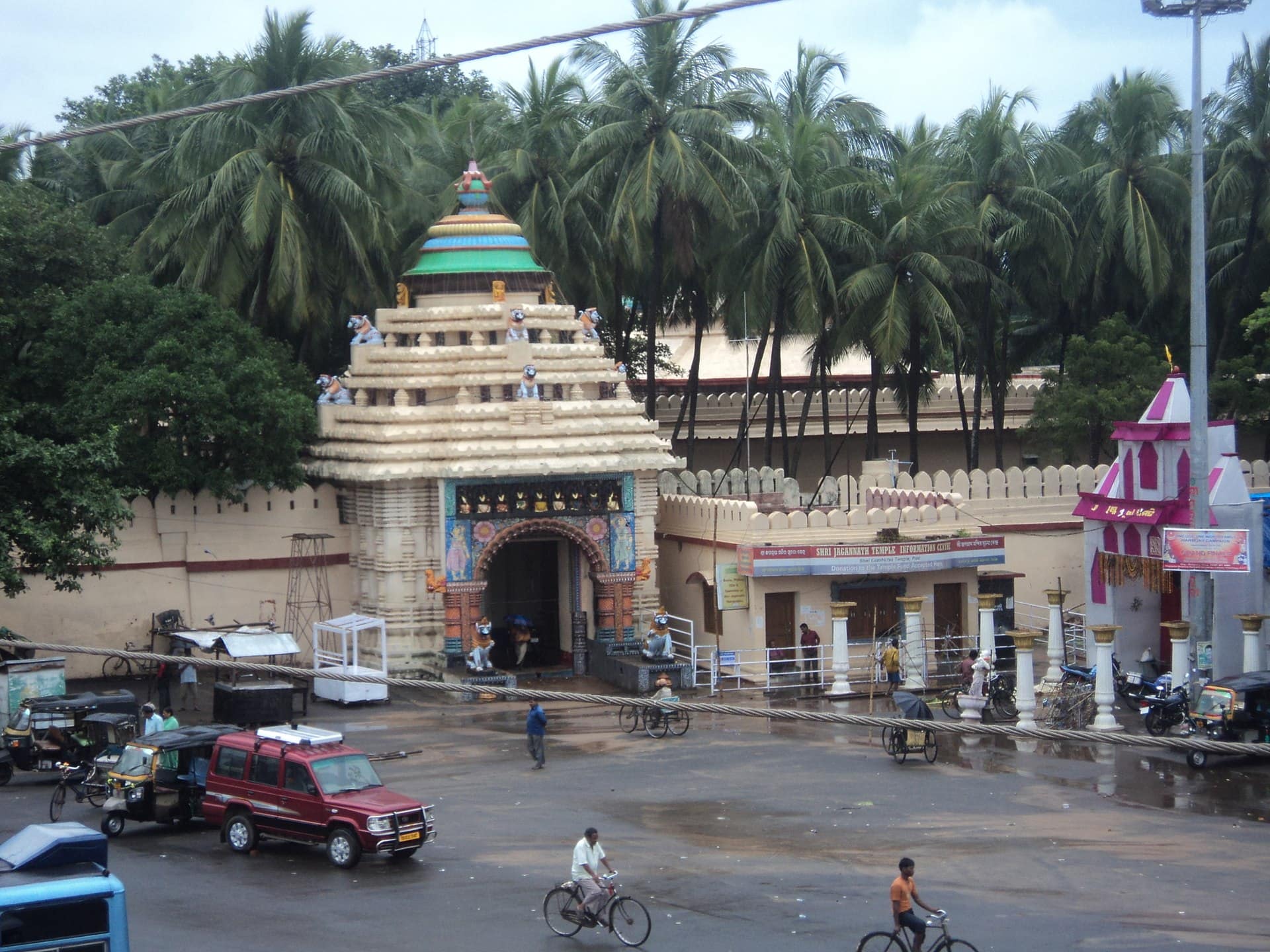 Medium crowd
Entry Check at the gate
Gundicha Temple
- Best timeEarly morning for soft light on the whitewashed walls; Rath Yatra week for the chariots parked outside.
- ColorsSaffronWhiteYellow
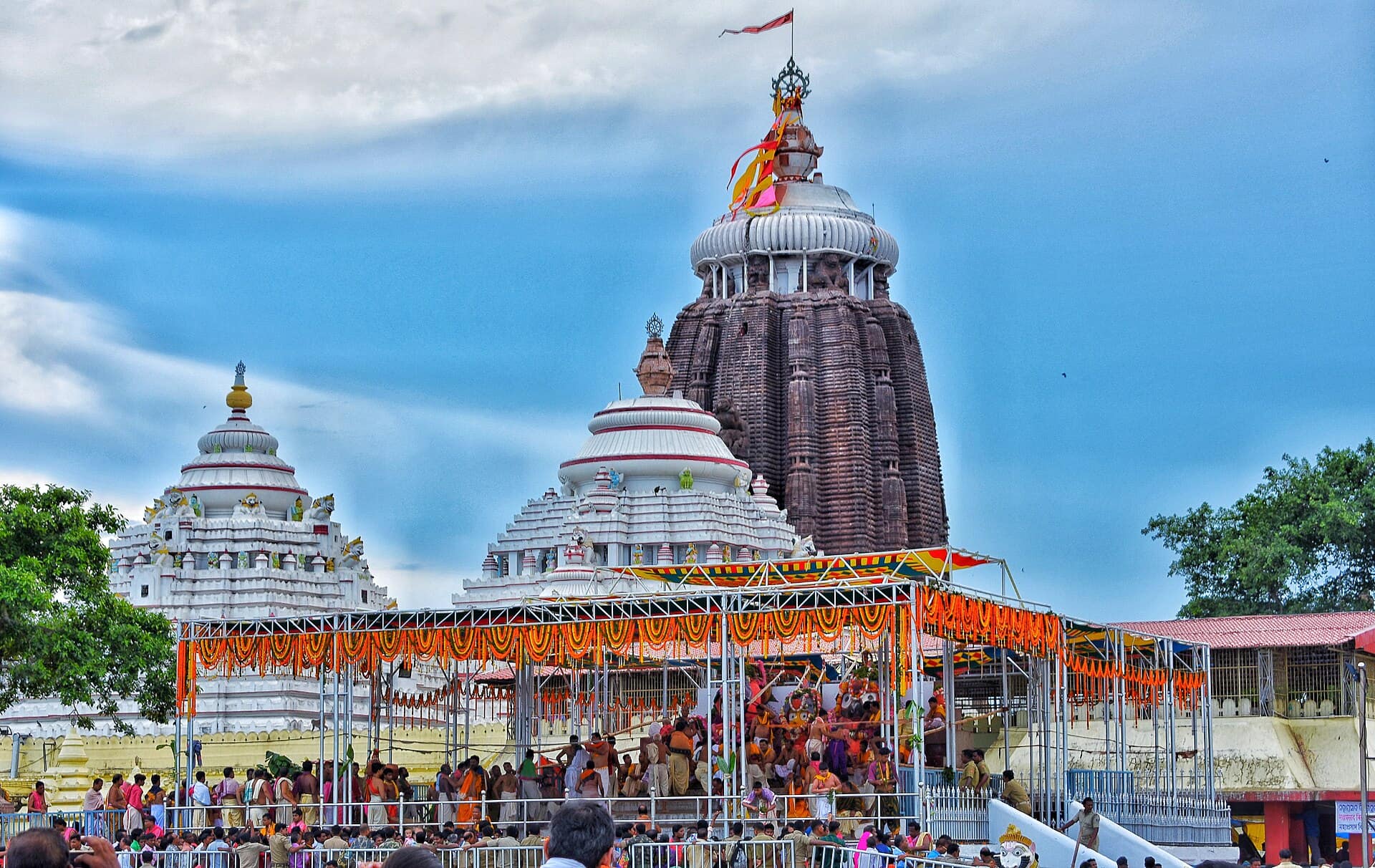 High crowd
Entry Free (Hindus only; view the spire from outside)
Jagannath Temple
- Best timeEarly morning for soft light on the spire and an empty Grand Road; late afternoon to catch the daily flag change.
- ColorsSaffronRedYellow
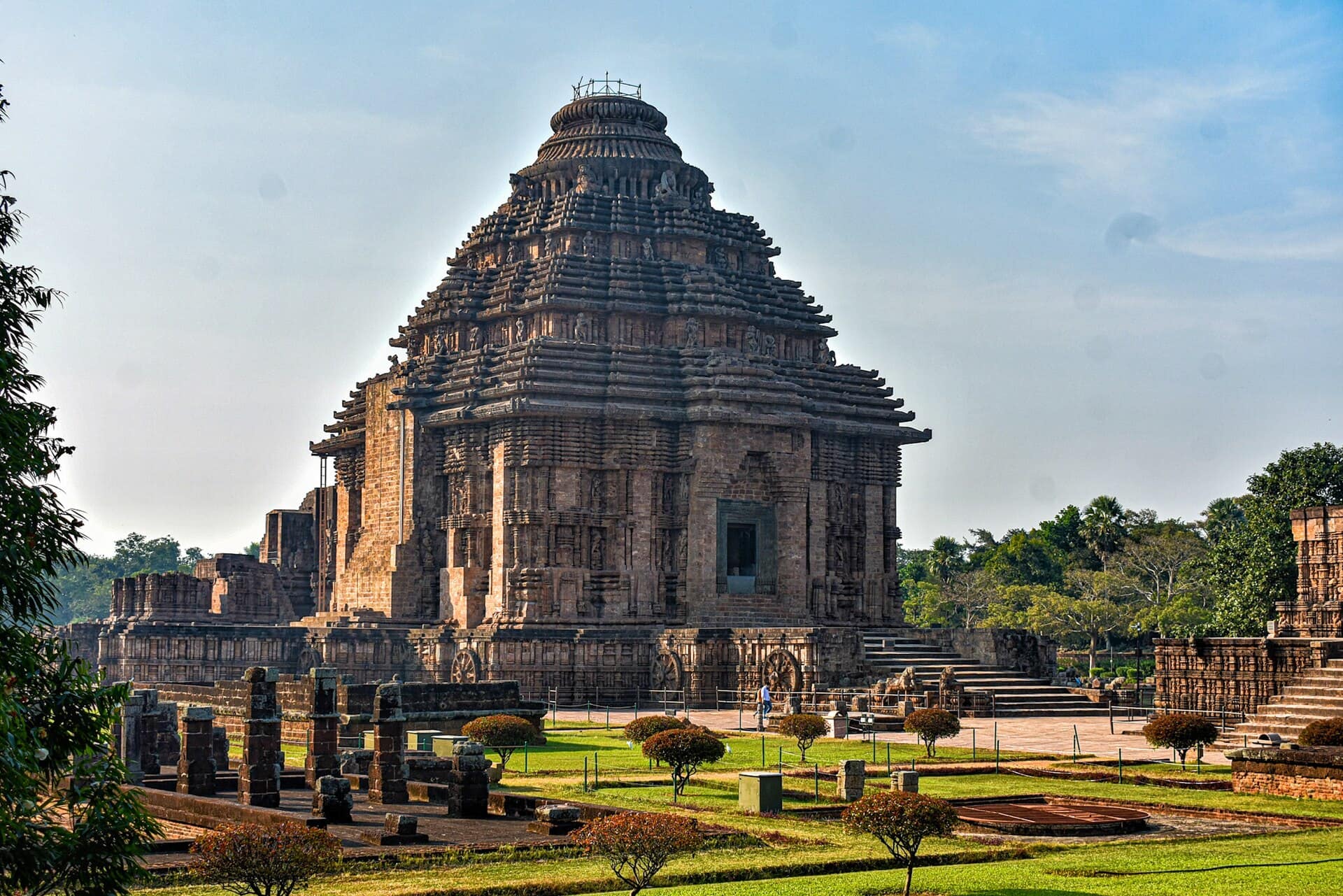 High crowd
Entry ₹40 (Indian) / ₹600 (foreign)
Konark Sun Temple
- Best timeEarly morning, when low sun rakes across the wheels and the courtyard is quiet; avoid the flat light after 11 am.
- ColorsOchreMaroonCream
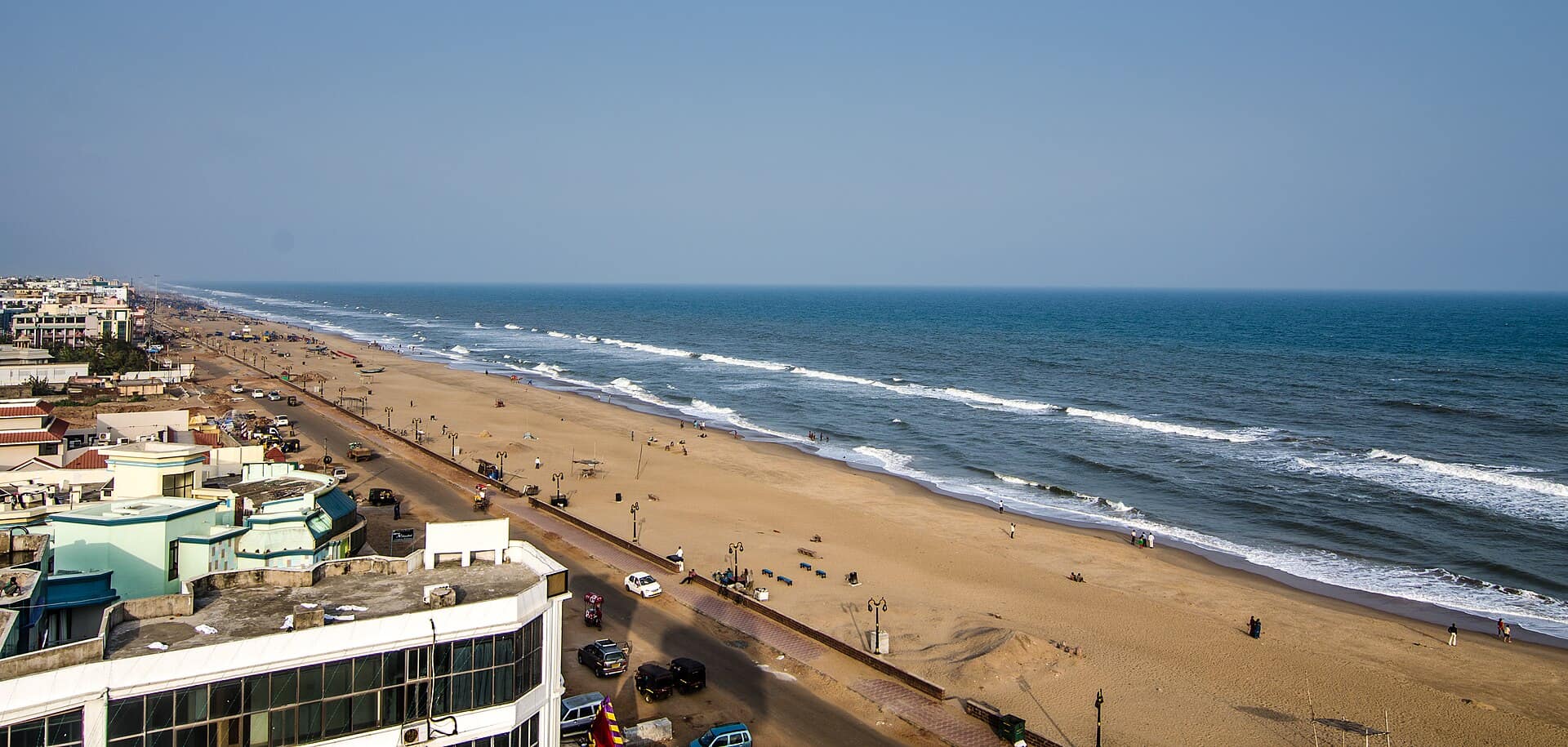 High crowd
Entry Free
Puri Beach
- Best timeSunrise for the sun lifting out of the sea behind fishing boats; early evening for promenade life and soft colour.
- ColorsWhiteCoralSky blue
For the feed
Trending Wear in Puri
Modern, Instagram-friendly looks

Rooted in the city
Puri Traditional Wear
Local, cultural, handcrafted outfits
Before you go
Temples in Puri
Darshan hours, dress codes and what gets refused at the gate
Taste the city
Food to Eat in Puri
Trusted tables
Where to Eat in Puri
A pilgrim town on the sea
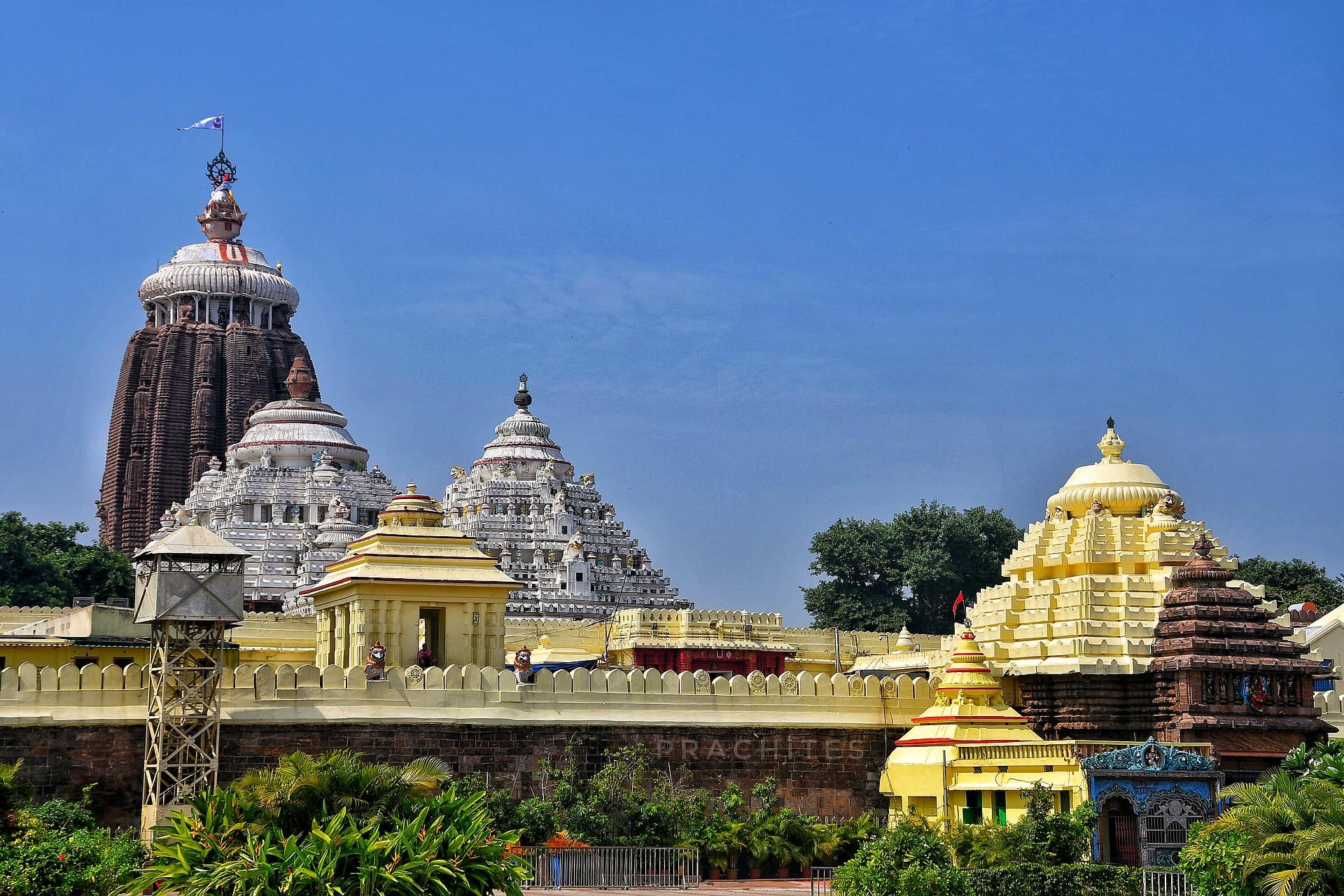
Puri exists because of one temple. The Jagannath temple, raised in the 12th century, is one of the four Char Dham pilgrimages, and the whole town is organised around it: the broad Grand Road (Bada Danda) running from its Lion Gate, the monasteries and guesthouses in the lanes, and the kitchens that cook the temple food. A few streets east, the Bay of Bengal adds a second reason to come, a long beach that fills with families at sunrise and again after dark.
The temple, and who can enter
Jagannath Temple is open only to Hindus. Phones, cameras, bags and leather must be left outside; there are free deposit stands near the Lion Gate. All four gates have been open since mid-2024. Non-Hindus can walk the new heritage corridor around the outer wall and see the spire and its wheel from Grand Road. The old rooftop viewpoint at the Raghunandan Library no longer exists; the building was demolished in 2019.
The beach
Puri Beach faces the rising sun. The strip near Swargadwar is busy and devotional; the Blue Flag stretch further along is cleaner and patrolled. The sea here has strong currents, and people drown most years. Swim only in the marked zones where lifeguards are on duty.
Rath Yatra
Once a year, usually in June or July, the three deities leave the temple on huge wooden chariots and are pulled about 3 km up Grand Road to the Gundicha Temple. It is the one time anyone, of any faith, can see them. Hotels book out months ahead.
Day trips
Konark's Sun Temple is about 35 km up the coast along the Marine Drive. Satapada, the Puri-side gateway to Chilika Lake and its dolphins, is about 50 km south-west. The crafts village of Raghurajpur, known for pattachitra painting, is close to town.
Food
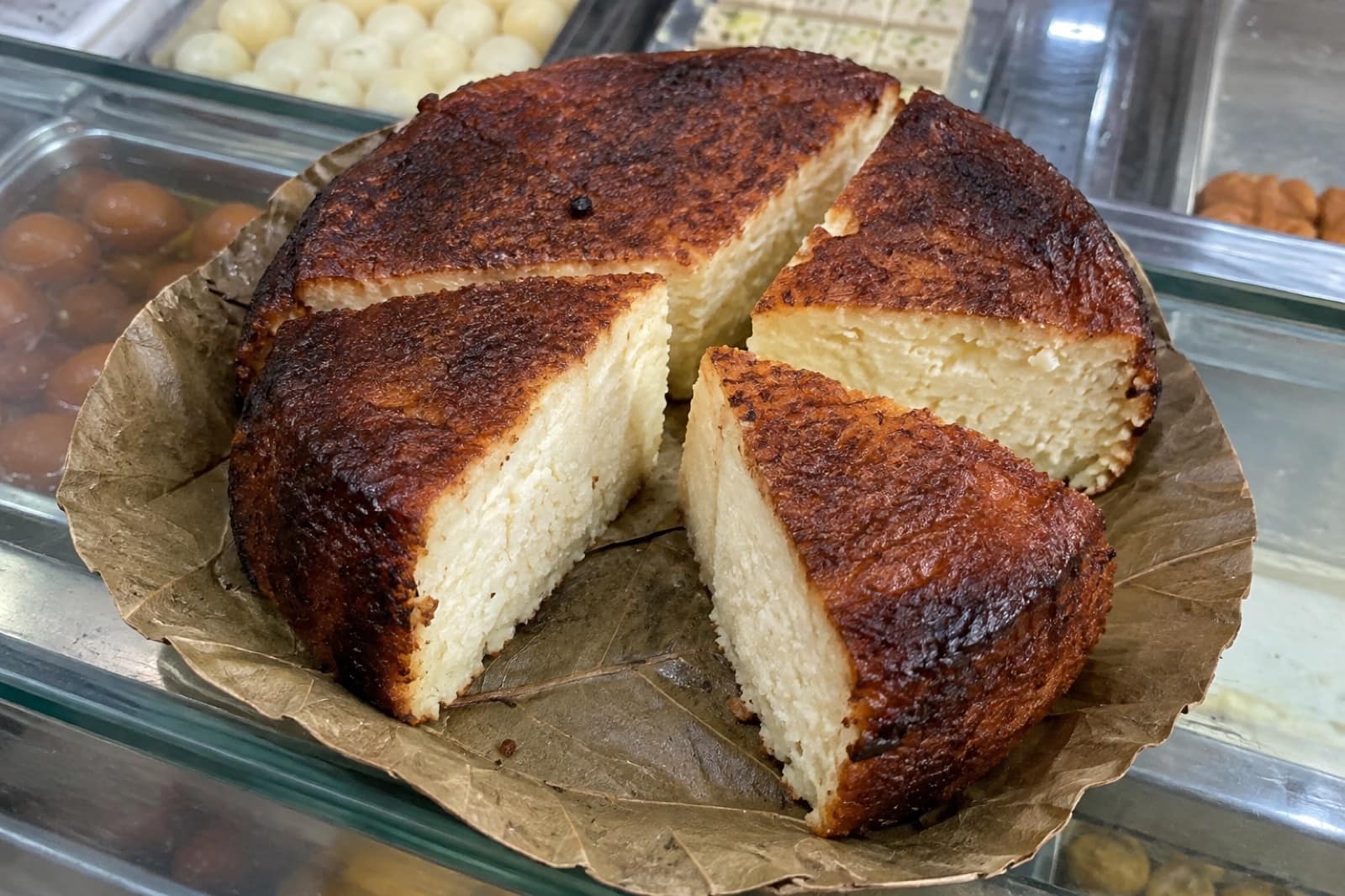
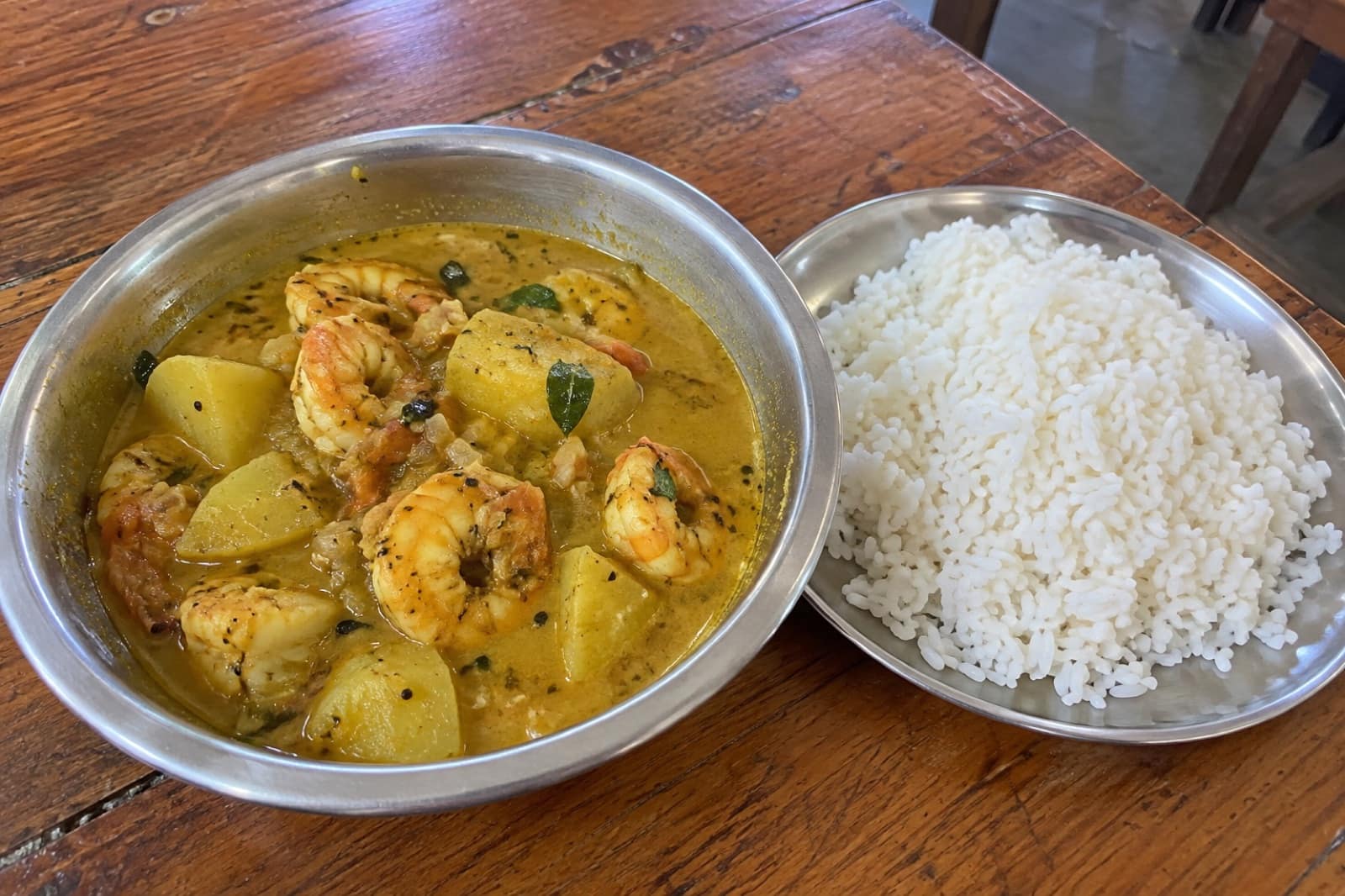
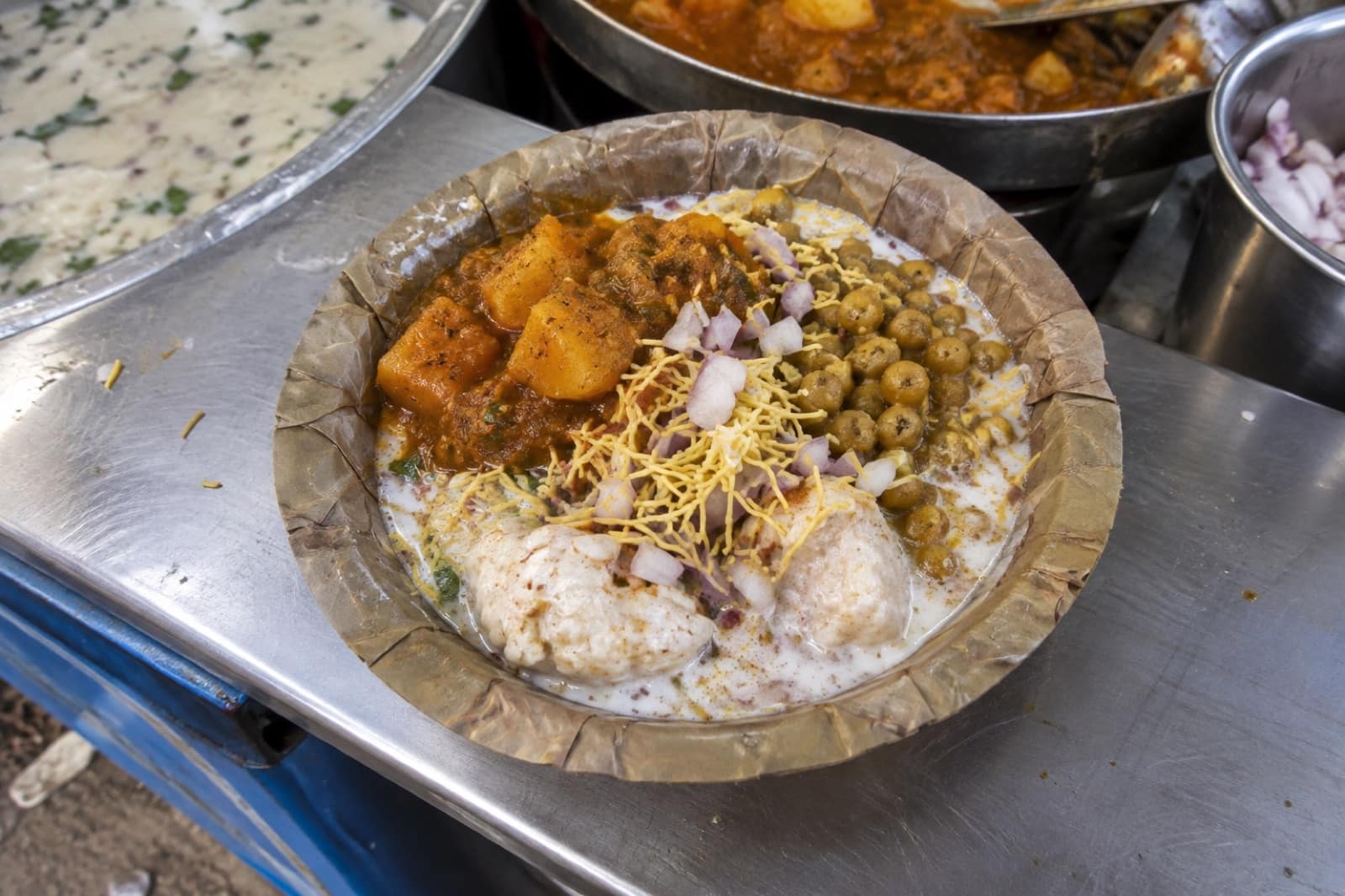
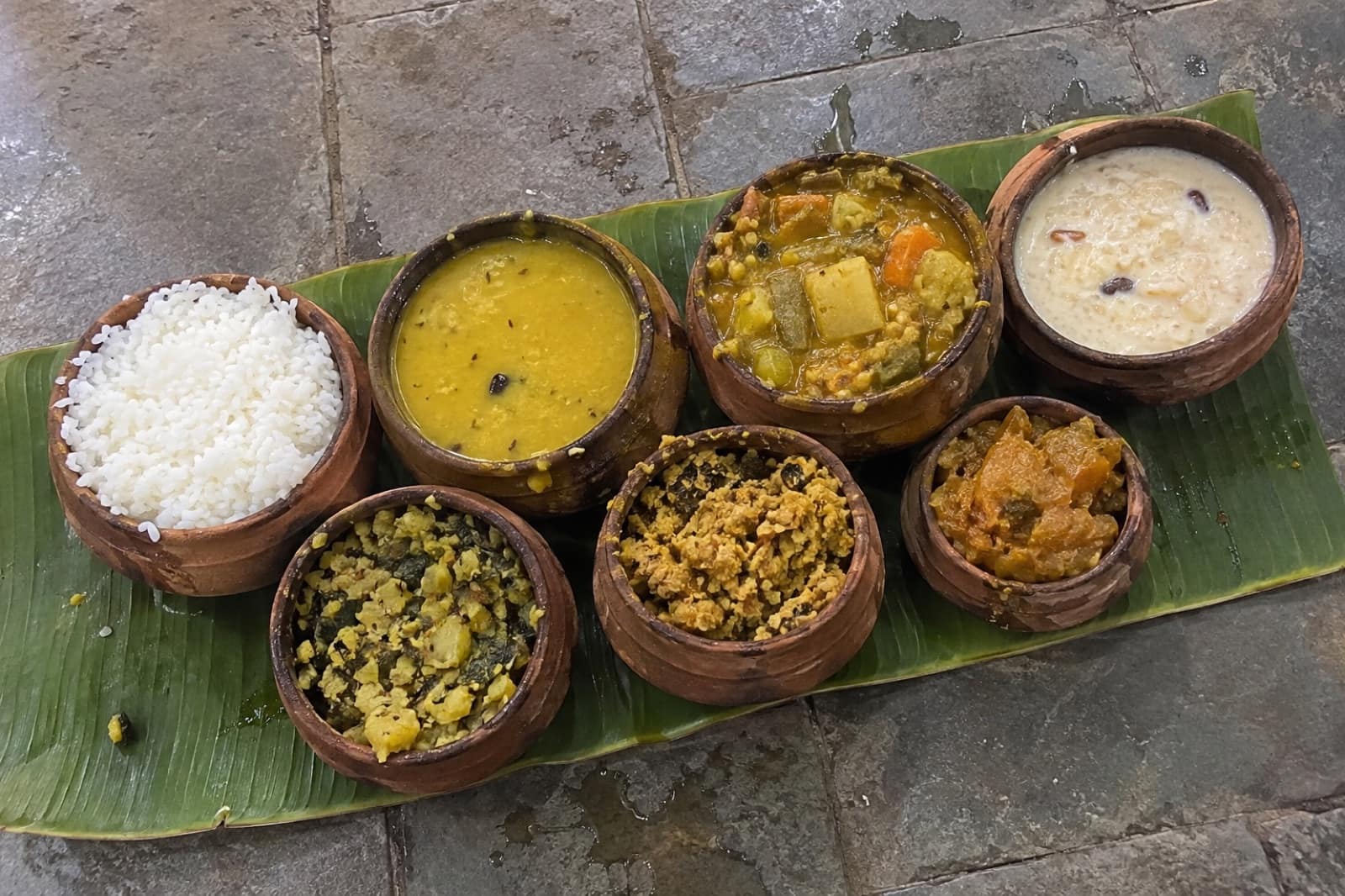
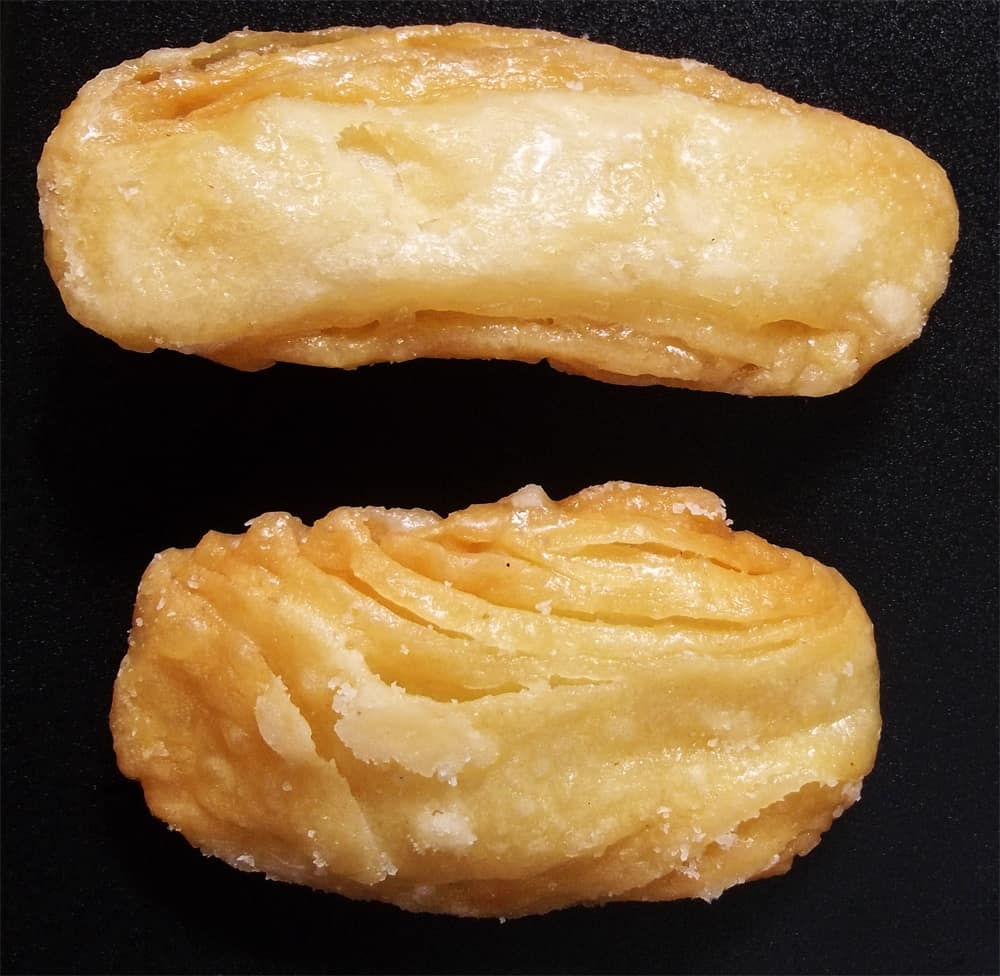
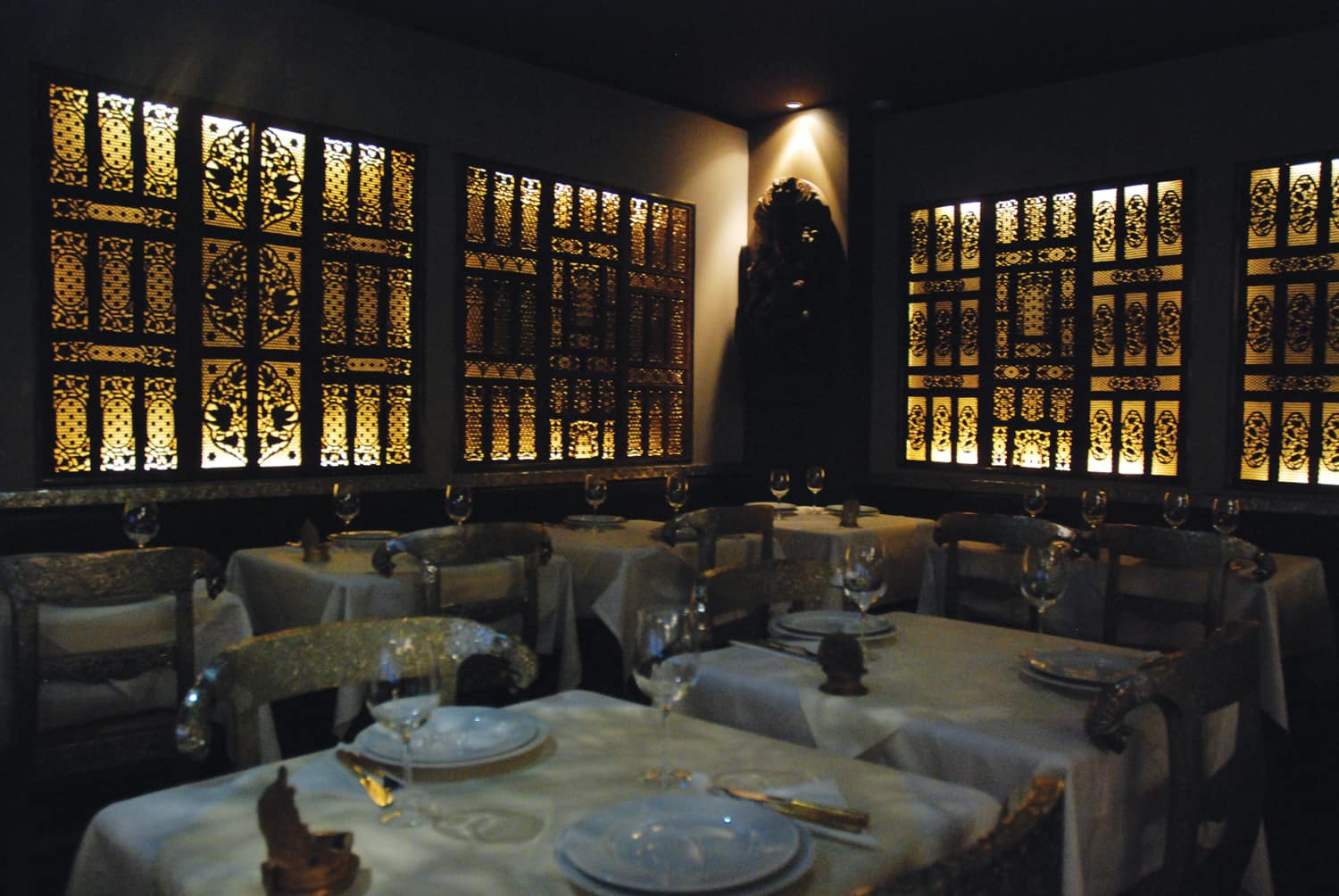
Temple food, the Mahaprasad, is cooked in earthen pots and sold at the Ananda Bazaar inside the temple, which non-Hindus cannot enter. Outside, try khaja, chhena poda and dahibara aludam. Ananda Bhawan on Grand Road does Odia vegetarian thalis; Wildgrass on VIP Road serves seafood in a garden.
When to go
November to February is the comfortable window. The monsoon usually reaches the coast by mid-June, and October and November carry a cyclone risk, so check forecasts.
Questions
Puri — FAQ
Can non-Hindus visit Puri's Jagannath Temple?
They cannot go inside. They can see the spire and the Lion Gate from Grand Road and the heritage corridor around the wall, and they can see the deities during Rath Yatra.
How many days should I spend in Puri?
Two or three. One day for the temple area and beach, one for Konark, and one for Chilika or the Raghurajpur craft village.
Is it safe to swim at Puri?
Only in marked zones with lifeguards. Currents are strong and shift with the tide; drownings happen when people swim outside the flagged areas or at night.
Where can non-Hindus see the Jagannath spire best?
From Grand Road near the Lion Gate, or from the paved heritage corridor that now runs round the temple wall.
How do I get to Puri?
Bhubaneswar airport is about 60 km away, roughly 90 minutes by road. Puri also has its own railway station with direct trains from Kolkata, Delhi and other cities.