
Kerala · India
Varkala
A dramatic Kerala clifftop beach town where red laterite bluffs drop to a golden shore — mineral springs, a seaside temple, and a bohemian café strip along the cliff.
Varkala is cliff-and-sea Kerala: the Papanasam 'sin-washing' beach, the Janardanaswamy temple, Sivagiri pilgrimage, sunset café culture, and Kerala seafood.
Plan your trip
Varkala Tour Itineraries
Timed, walkable day plans — plus the best season to go.
Where to shoot
Varkala Photo Spots
 Medium crowd
Entry Free
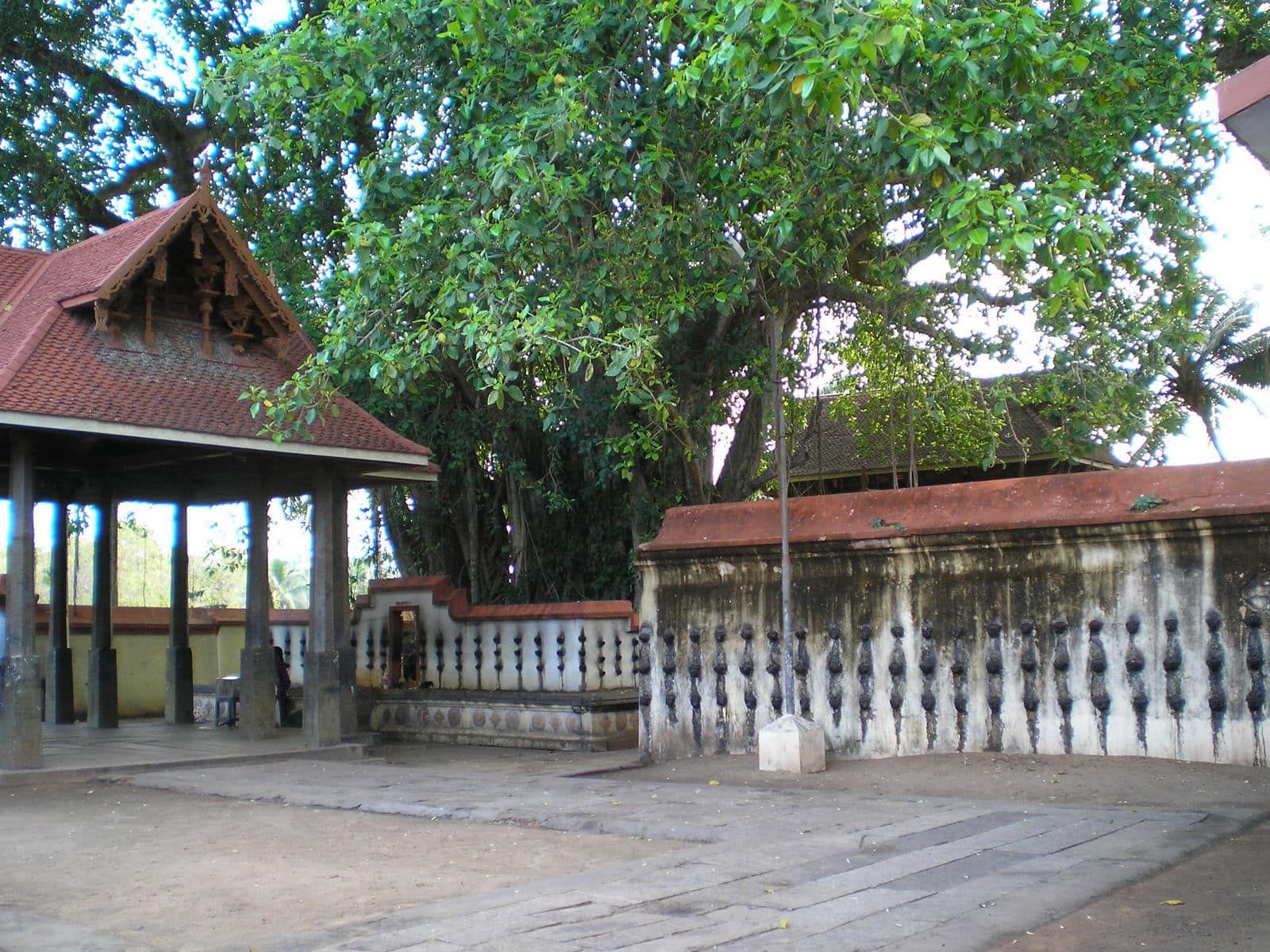
Janardanaswamy Temple
- Best timeEarly morning, when the lamps are lit and the temple is calm; late afternoon for warm light on the outer walls.
- ColorsSaffronWhiteCream
 Low crowd
Entry Free
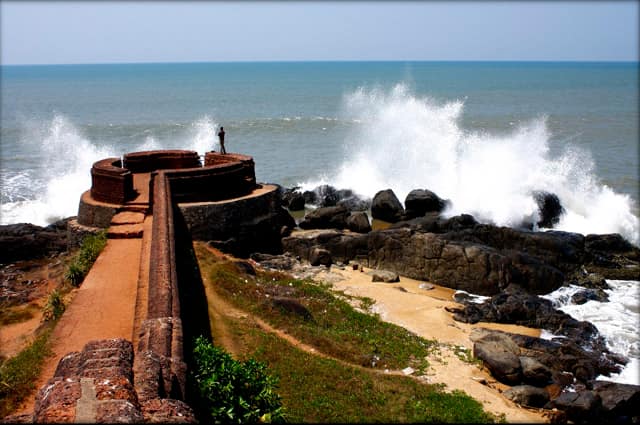
Kappil Beach & Lake
- Best timeLate afternoon into sunset, when the lake turns gold and the beach is quiet.
- ColorsWhiteTealCoral
Entry Free
Sivagiri Mutt
- Best timeEarly morning, when the light is soft on the white buildings and the hilltop is quiet.
- ColorsSaffronWhiteYellow
 High crowd
Entry Free
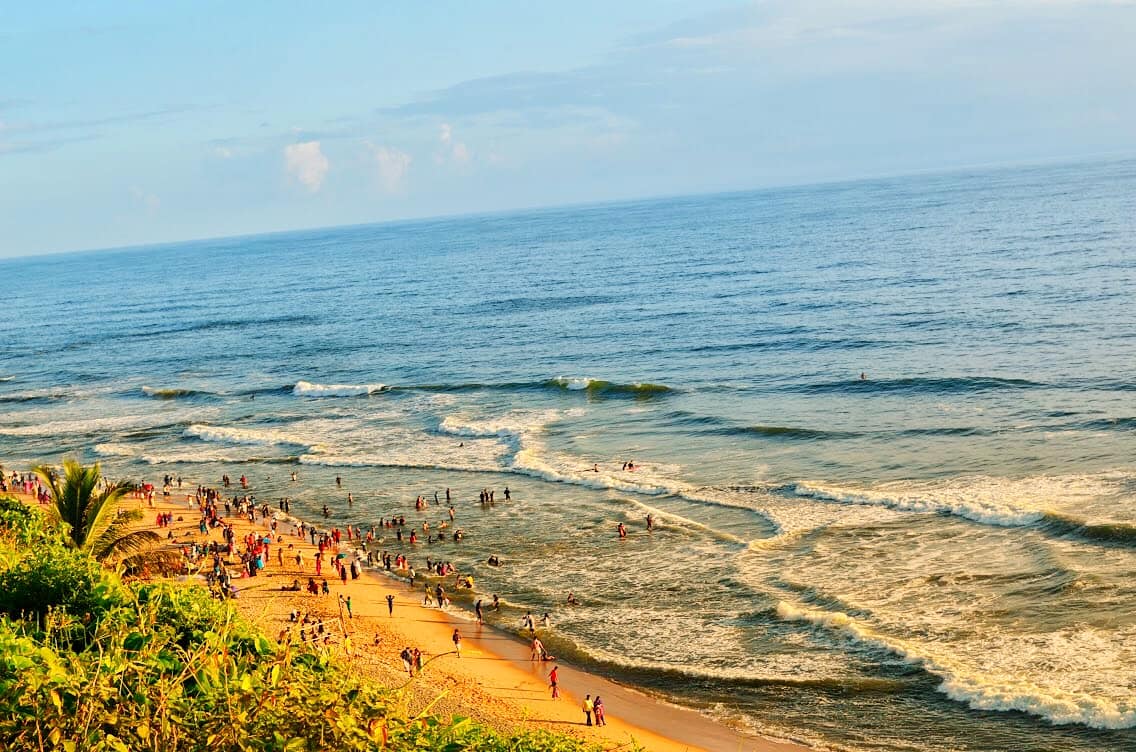
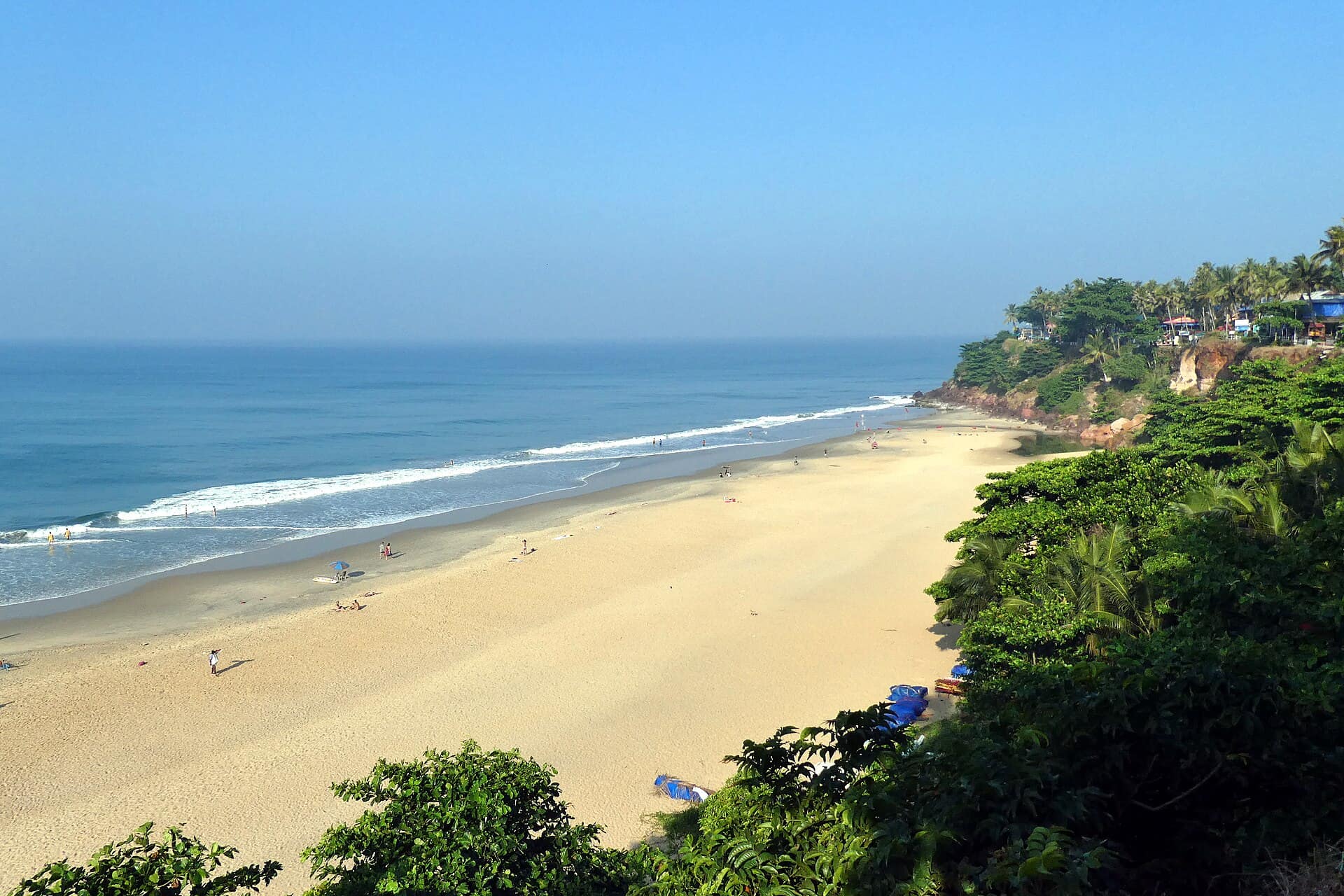
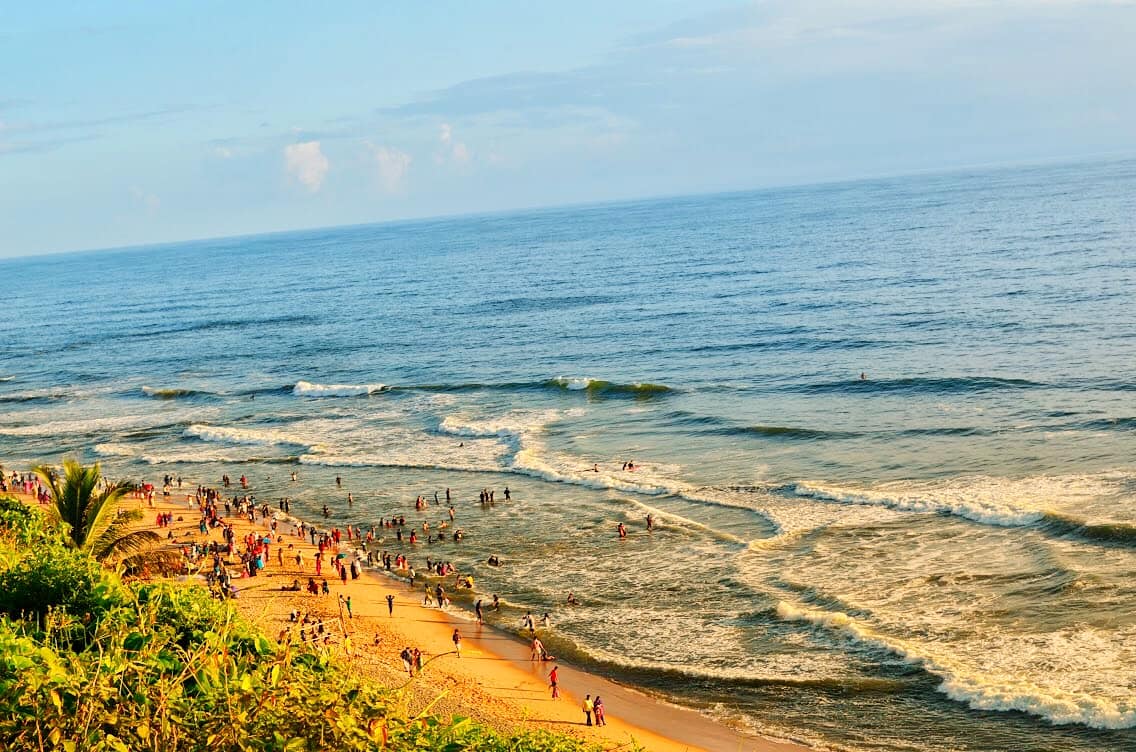
Varkala Beach (Papanasam)
- Best timeLate afternoon to sunset, when the red cliff glows and the sun drops into the sea; early morning for an empty beach and soft light.
- ColorsWhiteCoralAqua
 High crowd
Entry Free
Varkala Cliff (North Cliff)
- Best timeJust before sunset for warm light on the red rock; early morning for a quiet path and soft light.
- ColorsWhiteRustTurquoise
For the feed
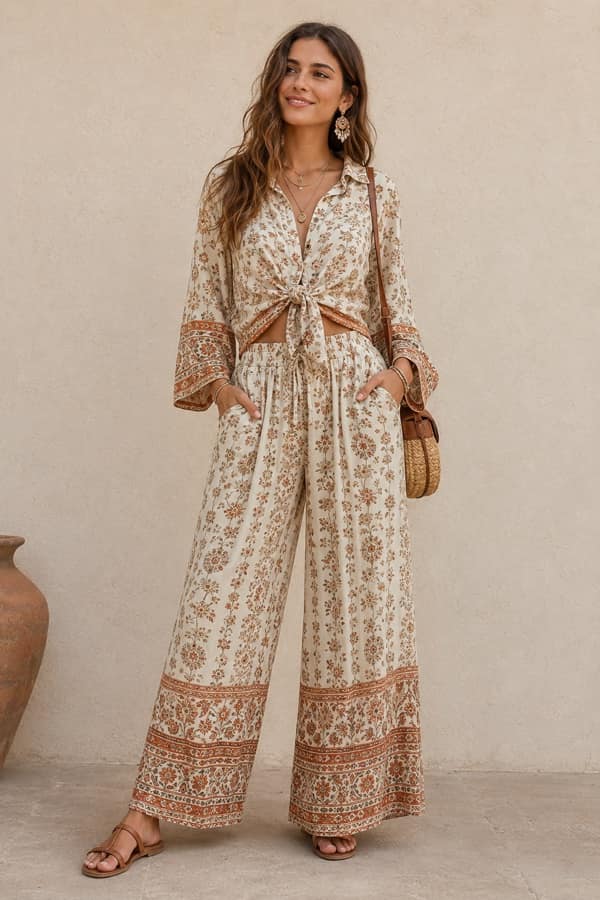
Trending Wear in Varkala
Modern, Instagram-friendly looks
Rooted in the city
Varkala Traditional Wear
Local, cultural, handcrafted outfits
Before you go
Temples in Varkala
Darshan hours, dress codes and what gets refused at the gate
Taste the city
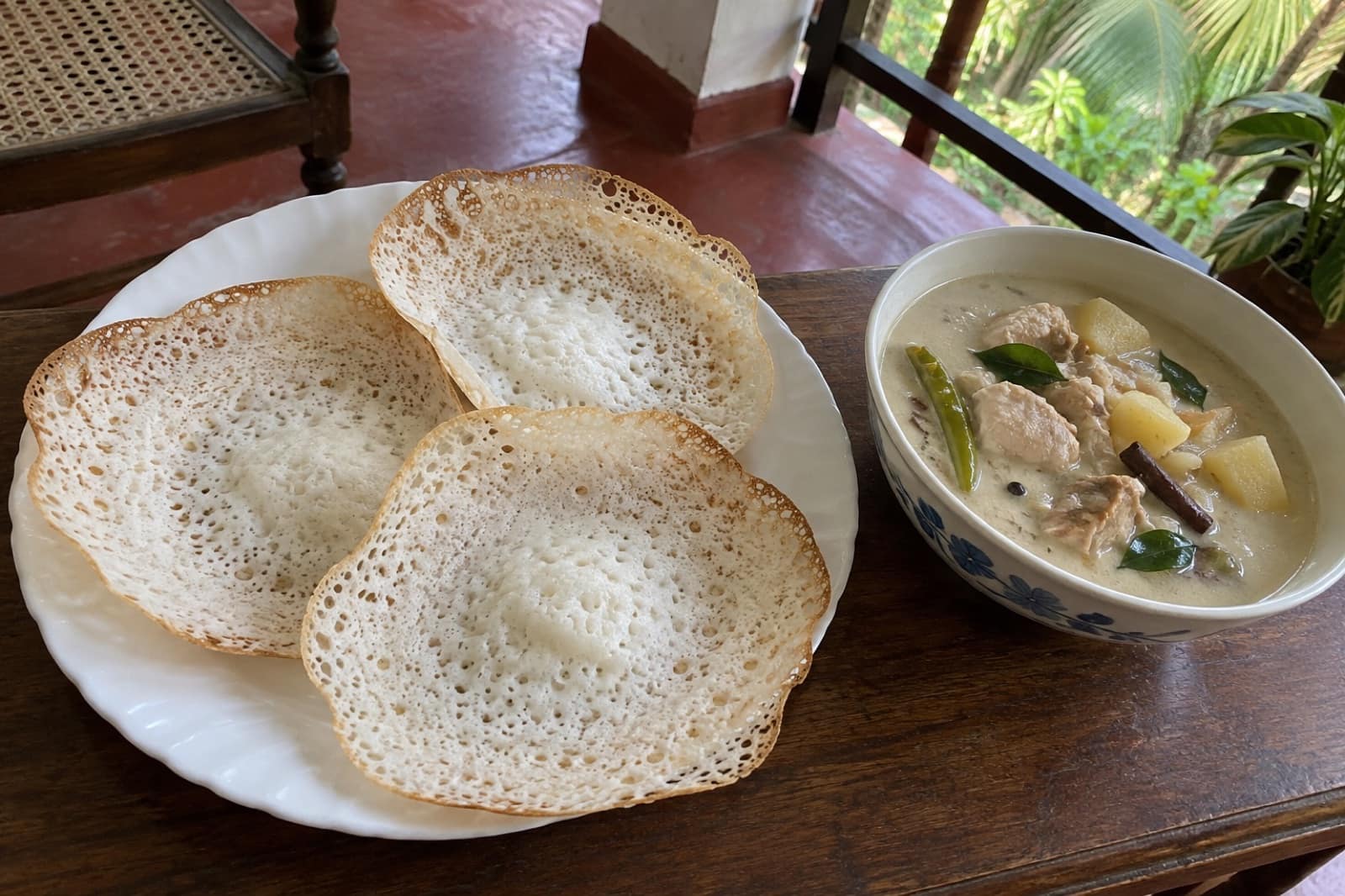
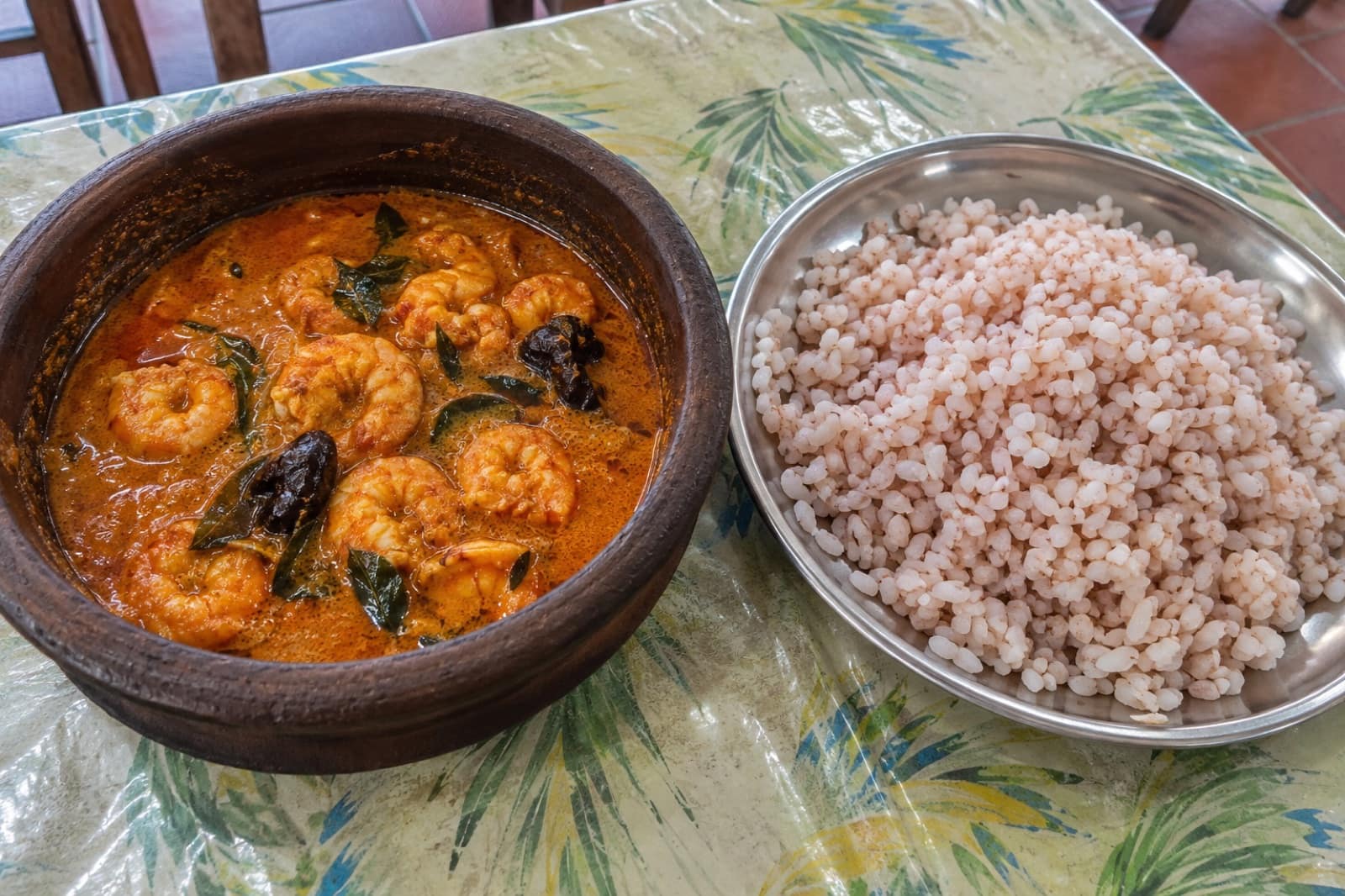
Food to Eat in Varkala
Trusted tables
Where to Eat in Varkala
 Representative photo
Café del Mar
North Cliff
Representative photoClafouti Restaurant
North Cliff
Darjeeling Cafe
N Cliff Rd
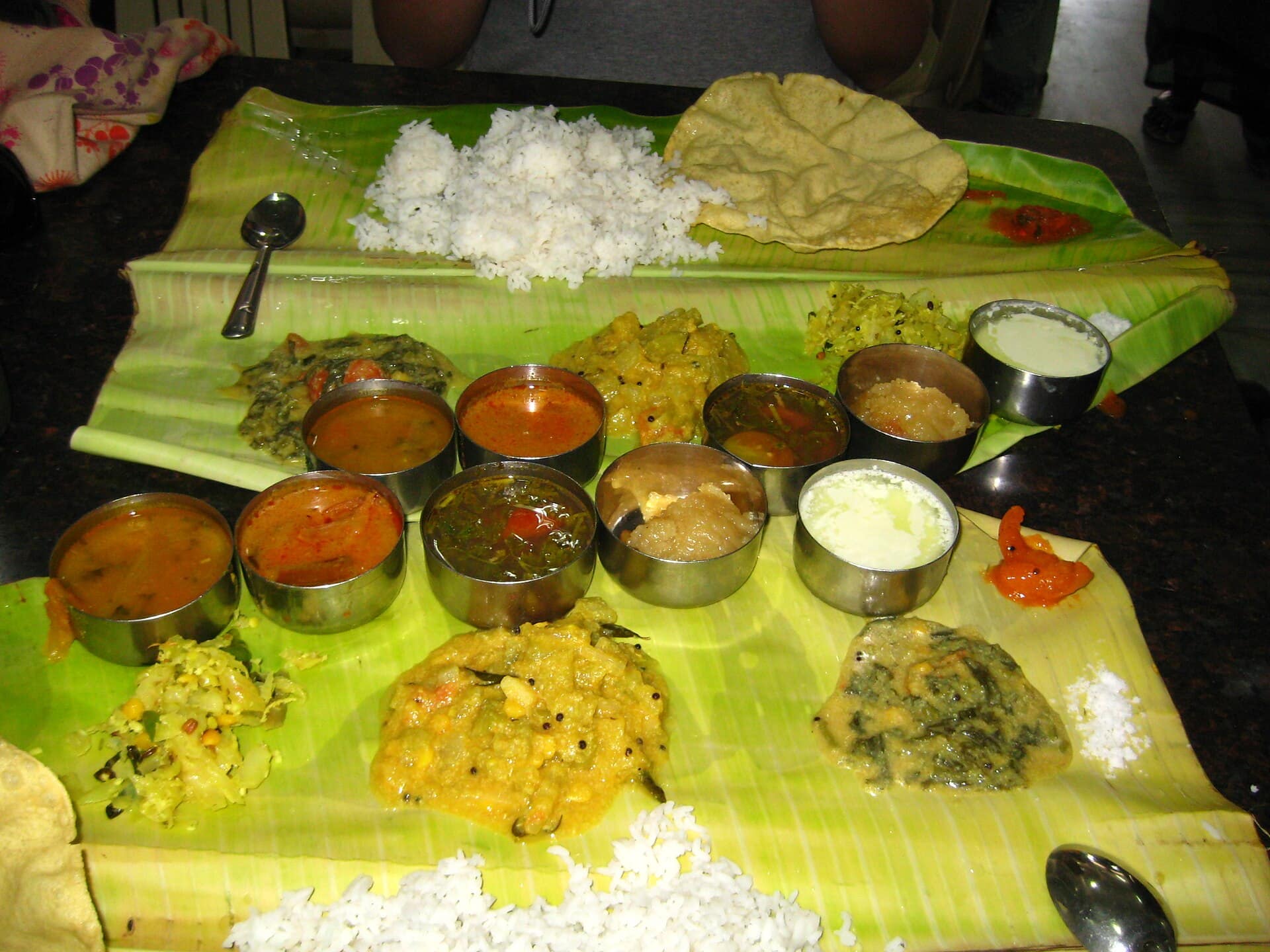 Representative photo
God's Own Country Kitchen
North Cliff
About Varkala
Varkala is a small coastal town in Thiruvananthapuram district, about 50 km north of Kerala's capital. It is best known for its red laterite cliffs, which rise straight up from the Arabian Sea. This is the only place on India's west coast where these layered rock beds are exposed in a sea cliff. They are a national geological monument, and in 2025 they were added to UNESCO's tentative list for World Heritage status.
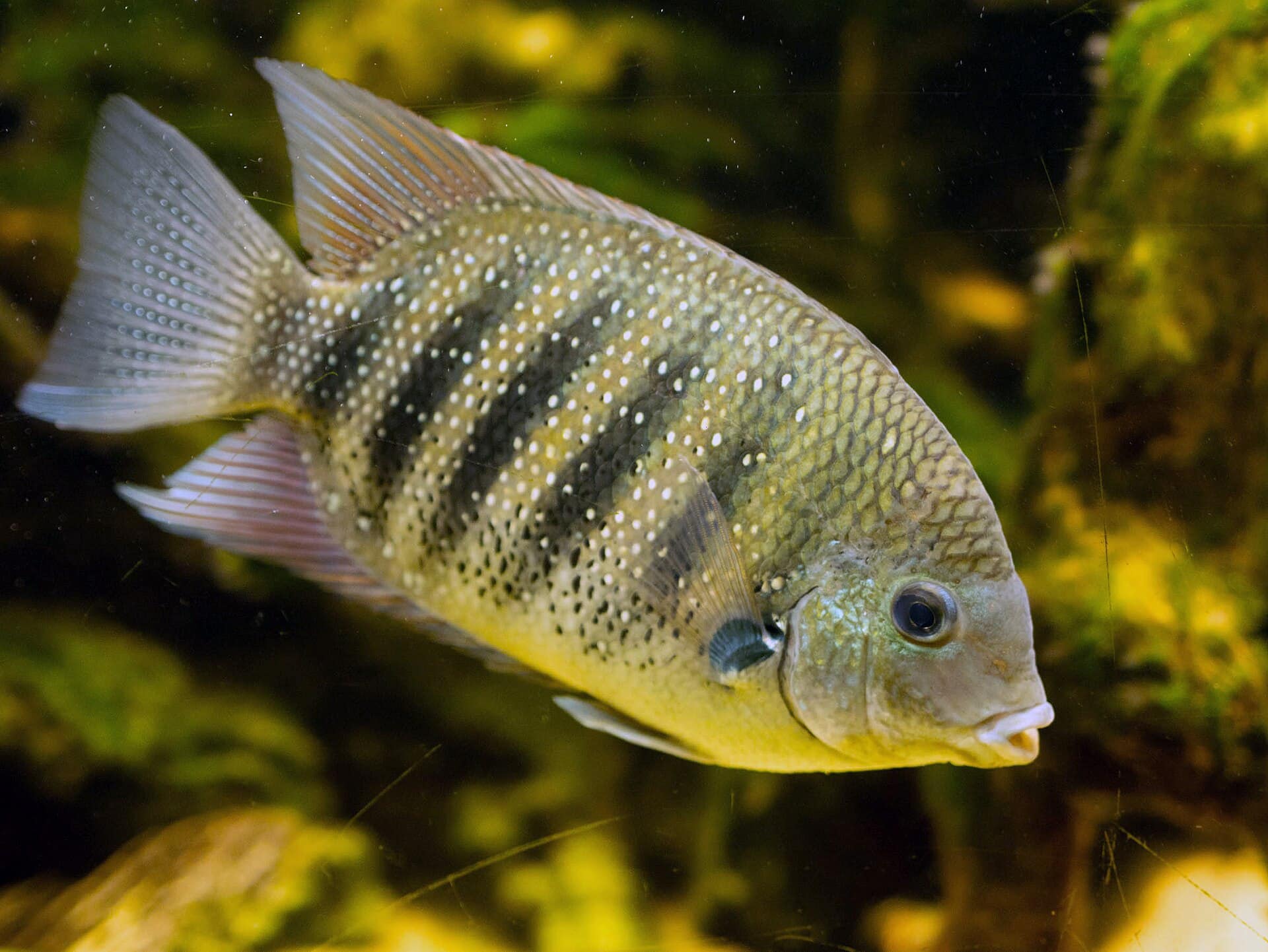
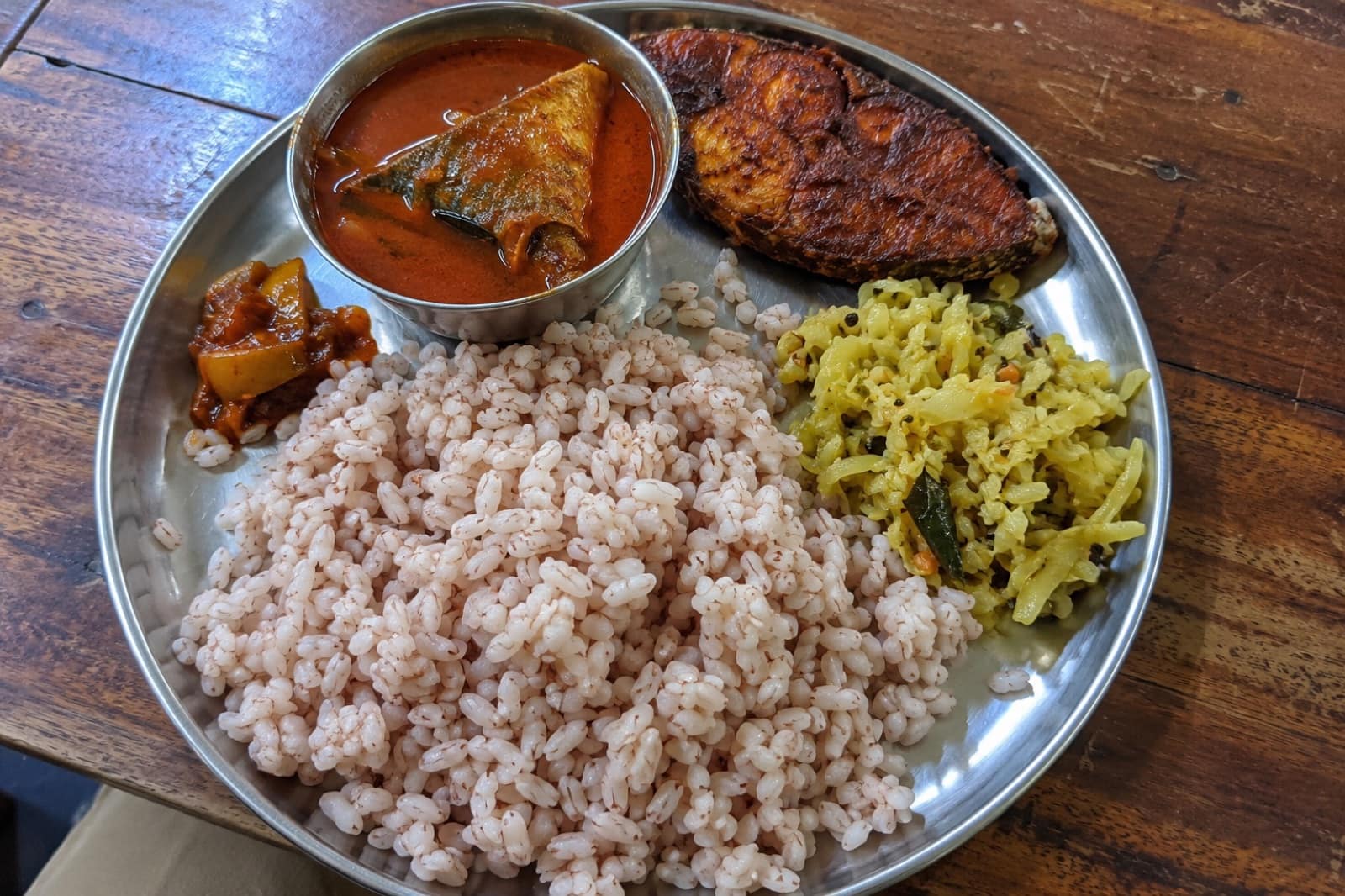
The town has two sides. On the North Cliff, a paved path runs along the edge past cafés, yoga studios and small shops, with sunset views over the beach below. A short walk south, Papanasam Beach and the old Janardanaswamy Temple draw Hindu pilgrims who come to bathe and to perform rites for their ancestors. Inland, Sivagiri Mutt holds the samadhi of the reformer Sree Narayana Guru. Add a trip to Kappil, where a backwater lake meets the sea, and leave time for Kerala seafood like karimeen pollichathu and prawn curry.
Questions
Varkala — FAQ
What is Varkala famous for?
Varkala is famous for its red laterite cliffs above the sea, the café-lined North Cliff path and Papanasam Beach. It is also a pilgrimage town, with the Janardanaswamy Temple, ancestral rites on the beach and Sivagiri Mutt, the resting place of Sree Narayana Guru.
How many days are enough for Varkala?
2–3 days is enough for the cliff, Papanasam Beach, Janardanaswamy Temple, Sivagiri and an afternoon at Kappil. Many travellers stay longer simply to slow down, swim and take yoga classes.
What is the best time to visit Varkala?
October to March is the best time, with dry, sunny days and calmer seas. April and May are hot and humid, and the monsoon from June to September brings heavy rain and rough water. See the best time to visit Varkala for a month-by-month guide.
How do I reach Varkala?
The nearest airport is Thiruvananthapuram, about 40–45 km away, usually around an hour by taxi. Many trains stop at Varkala Sivagiri railway station, about 3 km from the cliff, and autos wait outside to take you the rest of the way.
Is it safe to swim at Varkala Beach?
Only in calm conditions and only where lifeguards are on duty. The currents off Varkala are strong and have caused drownings. Stay between the flags, never go in when a red flag is up, and stay out of the sea in the monsoon and after dark.