
Telangana · India
Warangal
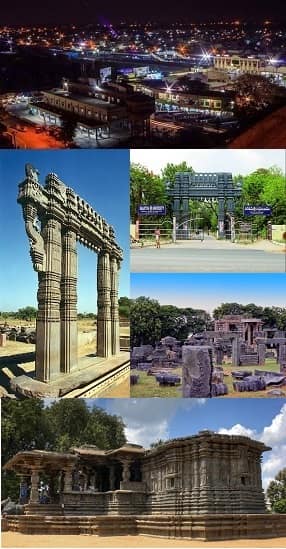
The medieval Kakatiya capital of Telangana — a city of a colossal ruined fort, the intricate Thousand Pillar Temple and the UNESCO-listed Ramappa Temple, monuments to one of the Deccan's greatest dynasties.
Warangal is Kakatiya Telangana: the great fort and its Kala Thoranam gateways, the Thousand Pillar and UNESCO Ramappa temples, Pochampally ikat weaving nearby, and Telangana food.
Plan your trip
Warangal Tour Itineraries
Timed, walkable day plans — plus the best season to go.
Where to shoot
Warangal Photo Spots
 Medium crowd
Entry Free
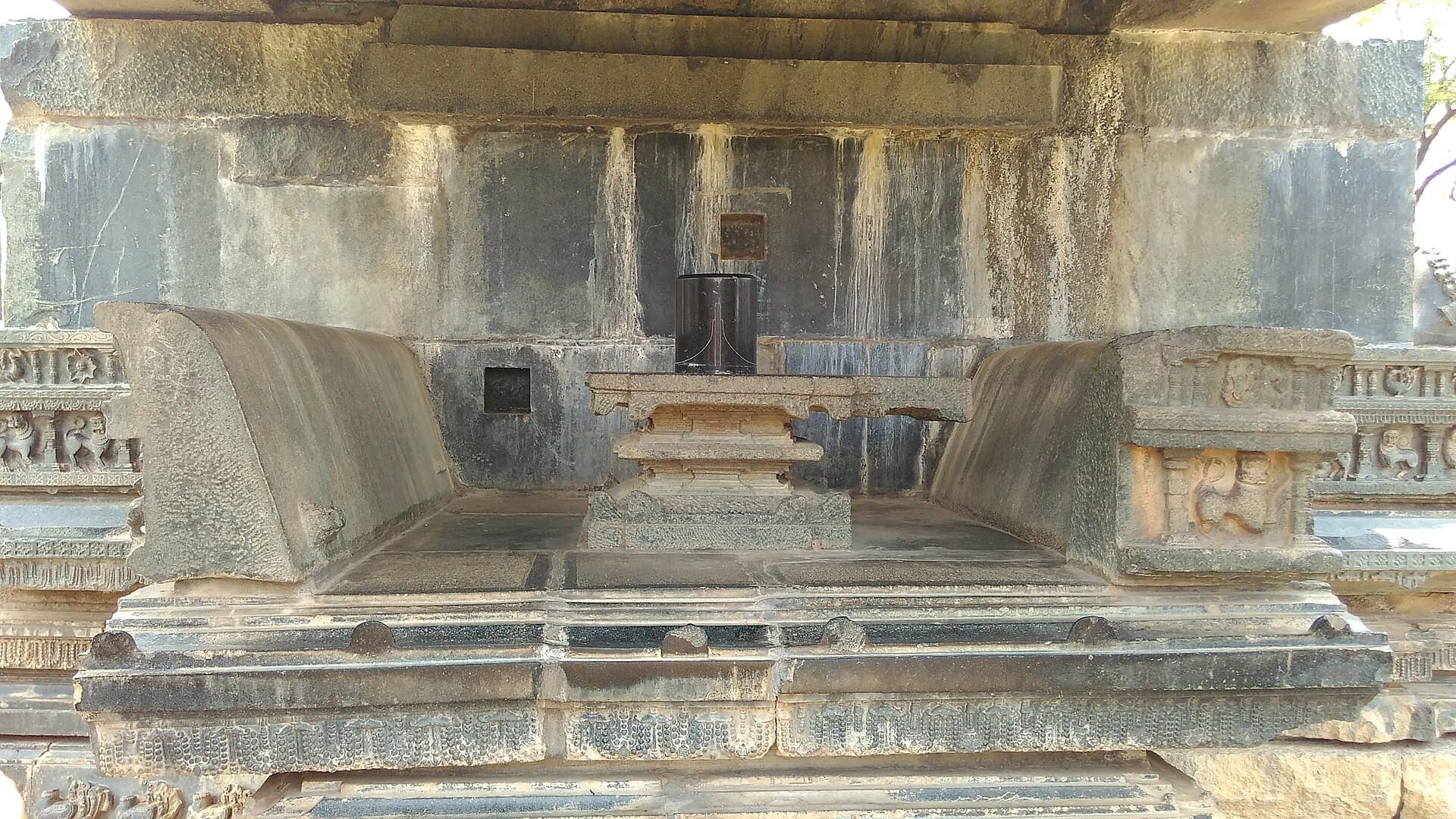
Bhadrakali Temple
- Best timeEvening for warm light on the rocks and temple above the water; early morning for a calm, quiet lake.
- ColorsSaffronRedCream
 Medium crowd
Entry Fort ticket
Kakatiya Kala Thoranam
- Best timeEarly morning for soft light and no crowds; late afternoon for warm stone and long shadows through the arch.
- ColorsRustCreamMaroon
 Medium crowd
Entry Nominal
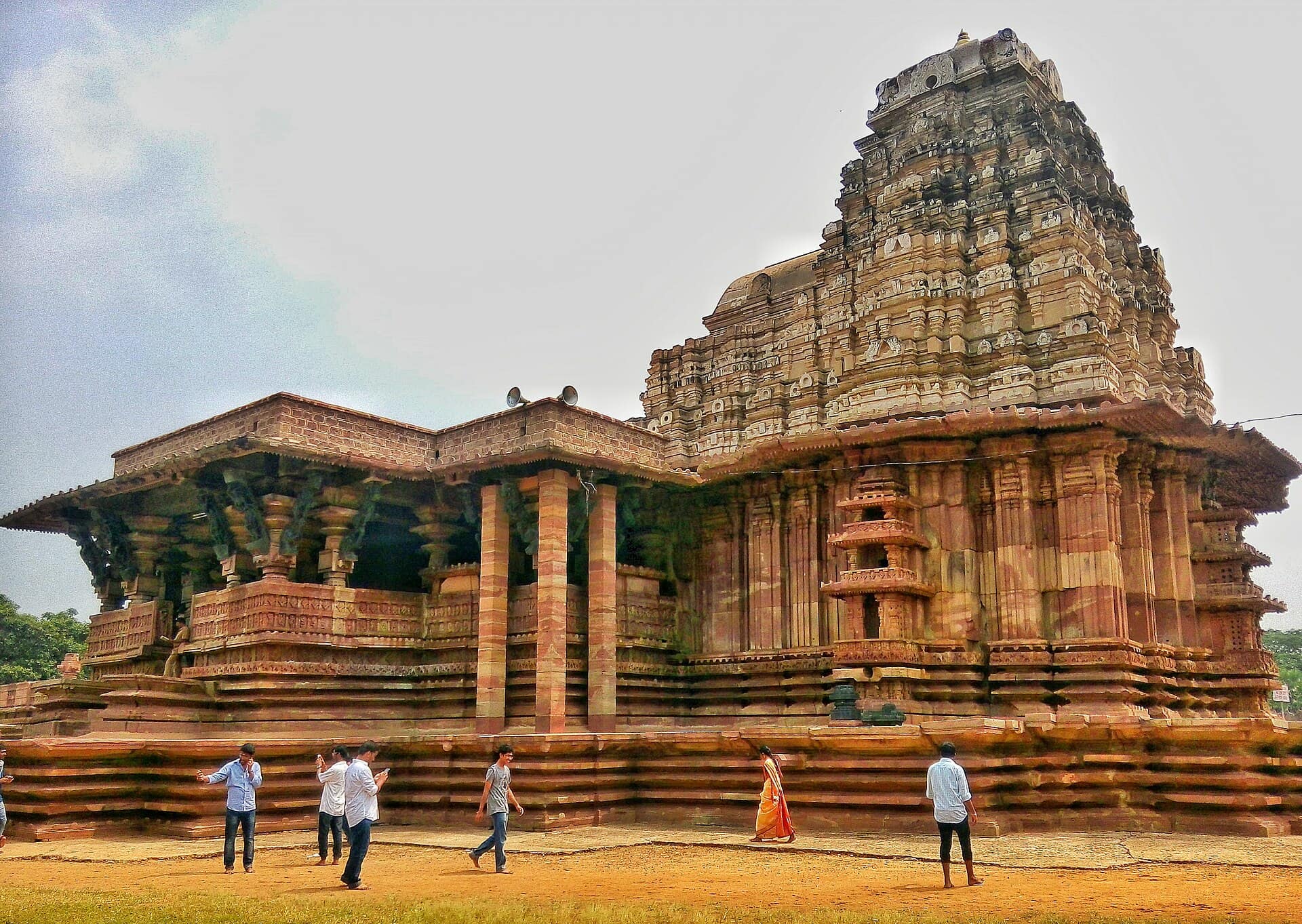
Ramappa Temple
- Best timeMorning for soft light on the east-facing front and a cooler platform; late afternoon for warm light on the bracket figures.
- ColorsSaffronCreamRust
 Medium crowd
Entry Free
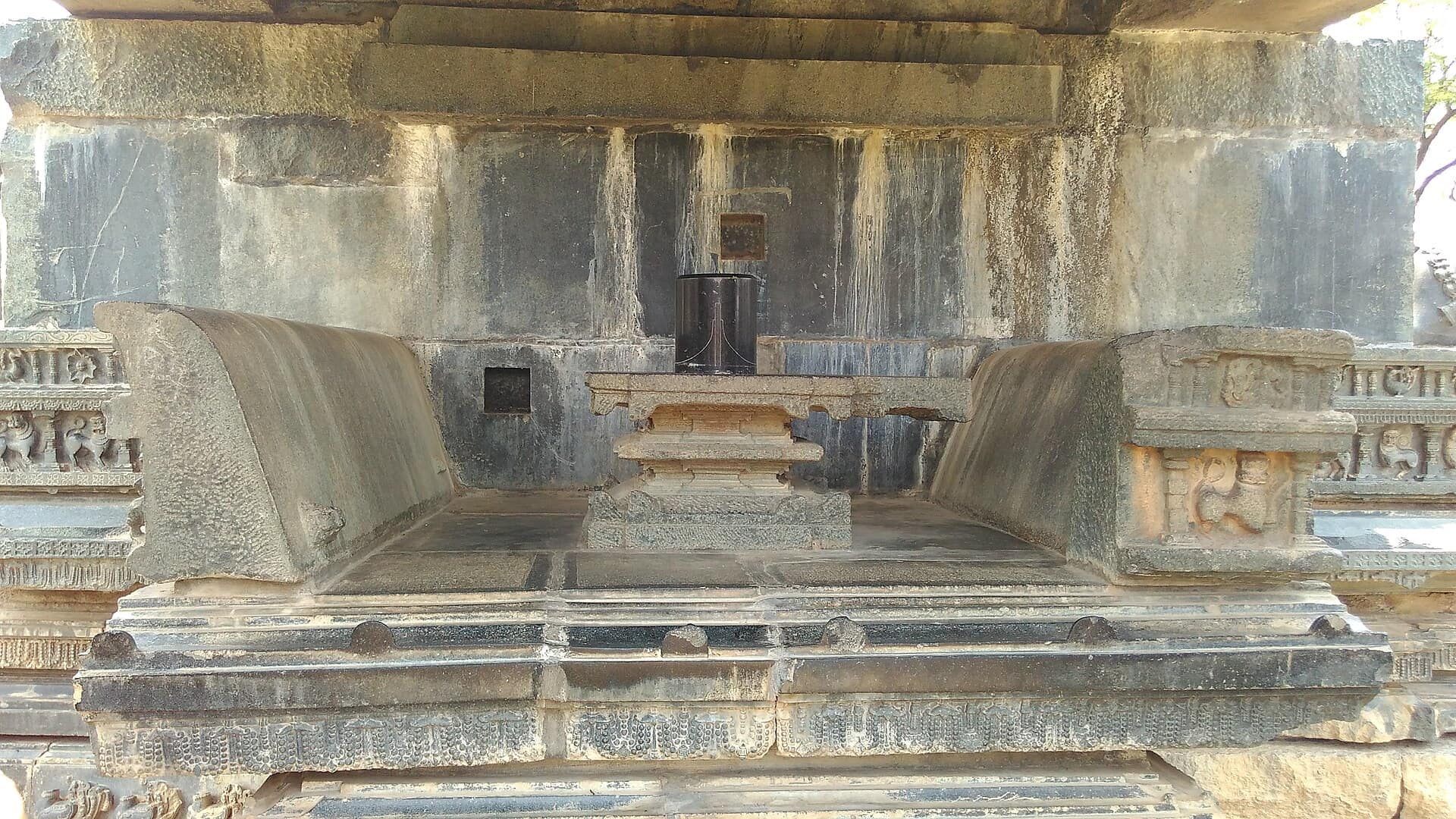
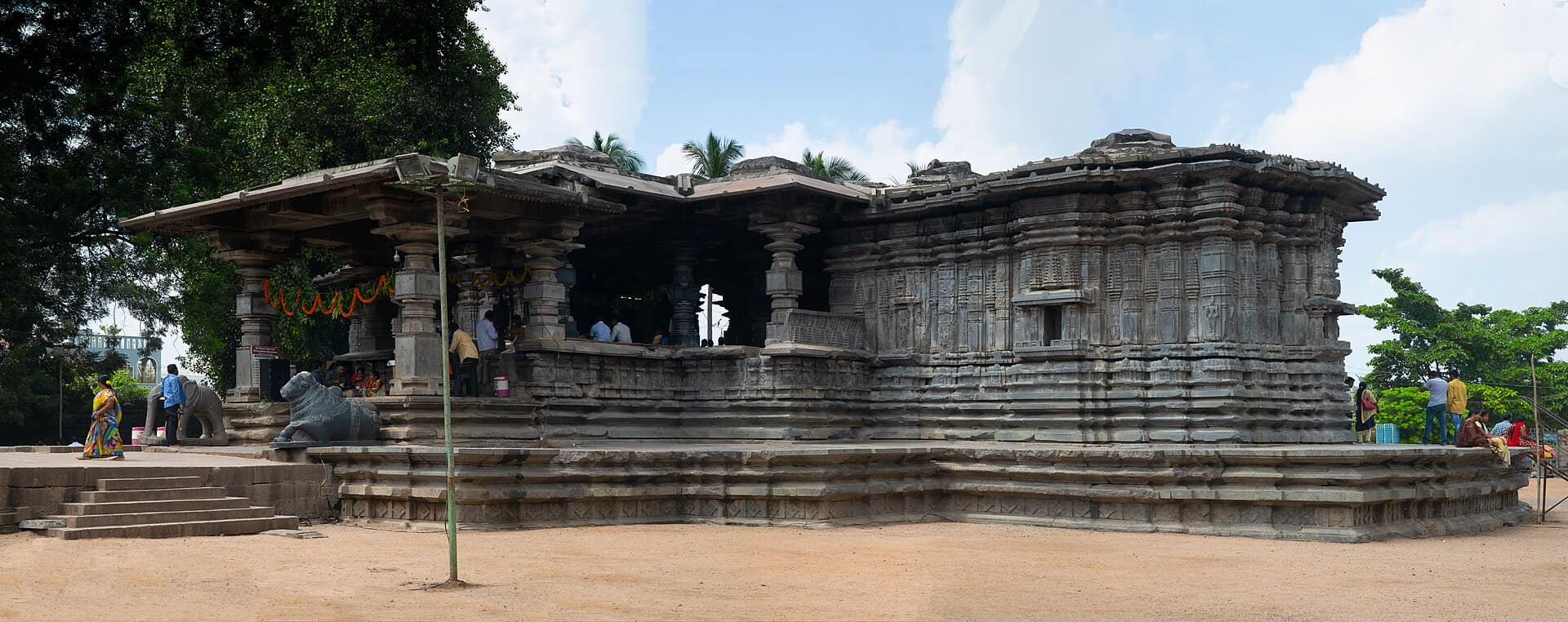
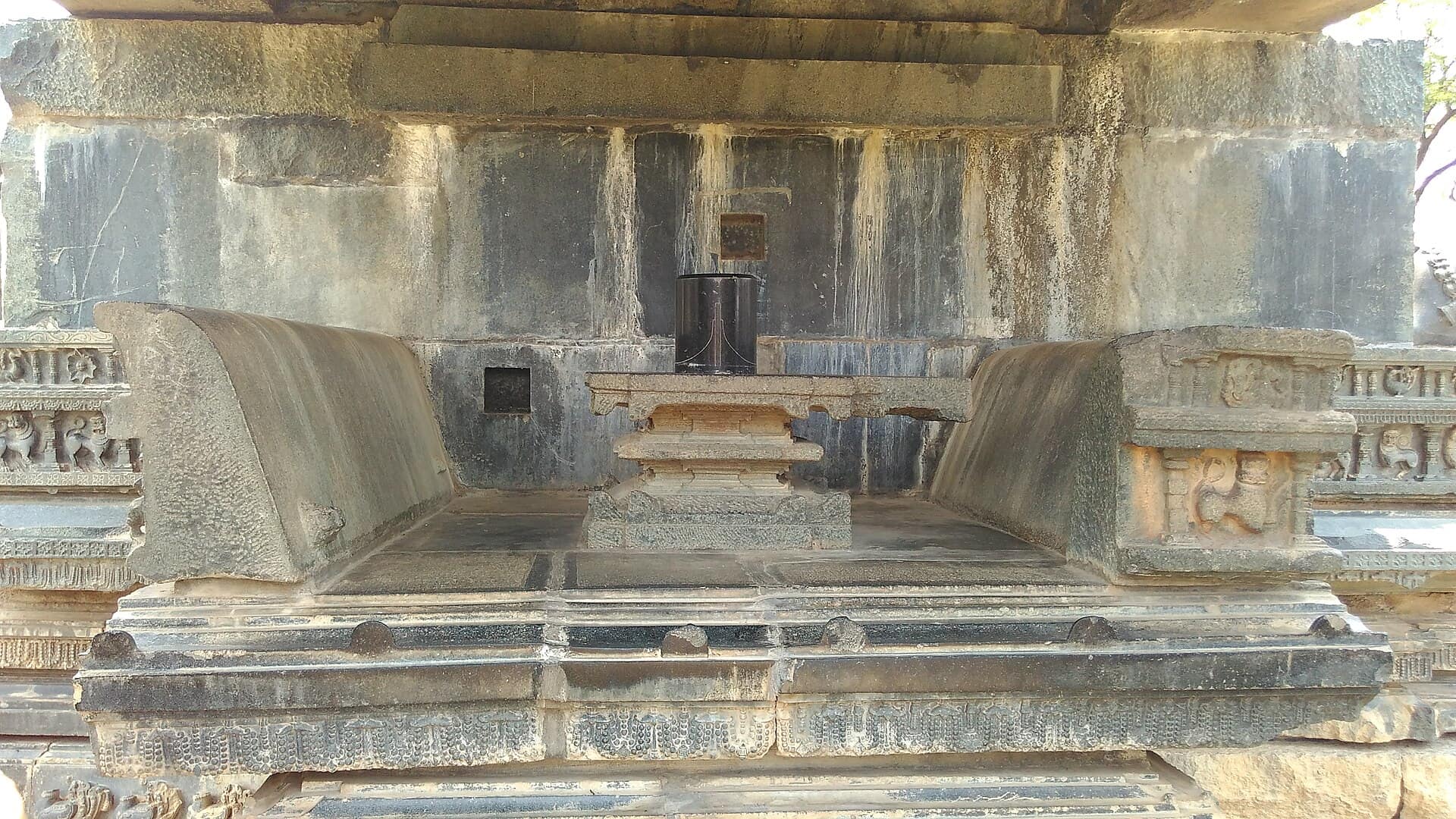
Thousand Pillar Temple
- Best timeEarly morning for soft light and a calm temple; late afternoon for warm light across the star-shaped platform.
- ColorsSaffronCreamMaroon
 Medium crowd
Entry Nominal
Warangal Fort
- Best timeEarly morning for soft side light on the granite and an empty site; late afternoon for warm stone and long shadows.
- ColorsRustCreamMaroon
For the feed
Trending Wear in Warangal
Modern, Instagram-friendly looks
Rooted in the city
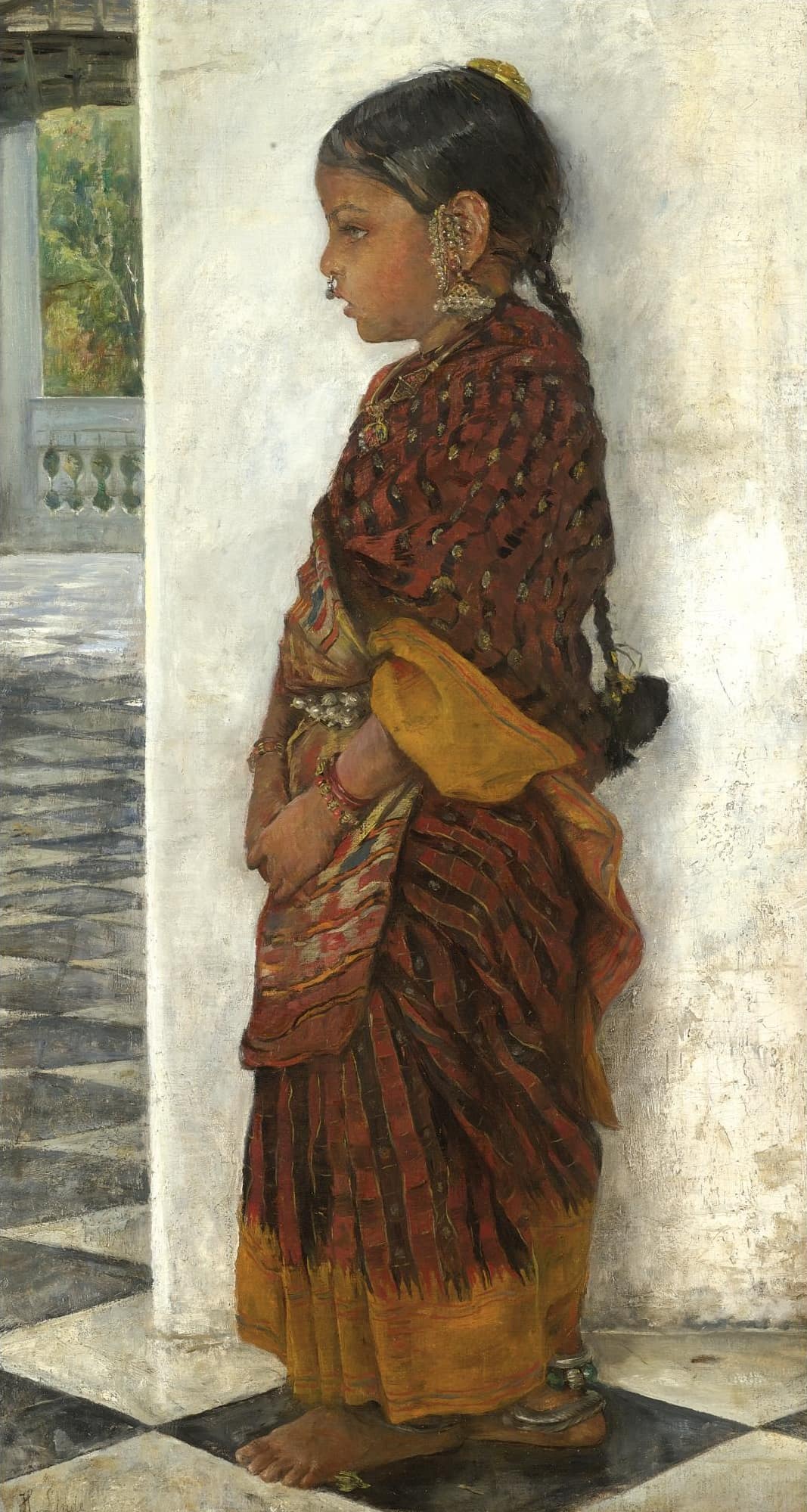
Warangal Traditional Wear
Local, cultural, handcrafted outfits
Before you go
Temples in Warangal
Darshan hours, dress codes and what gets refused at the gate
Taste the city
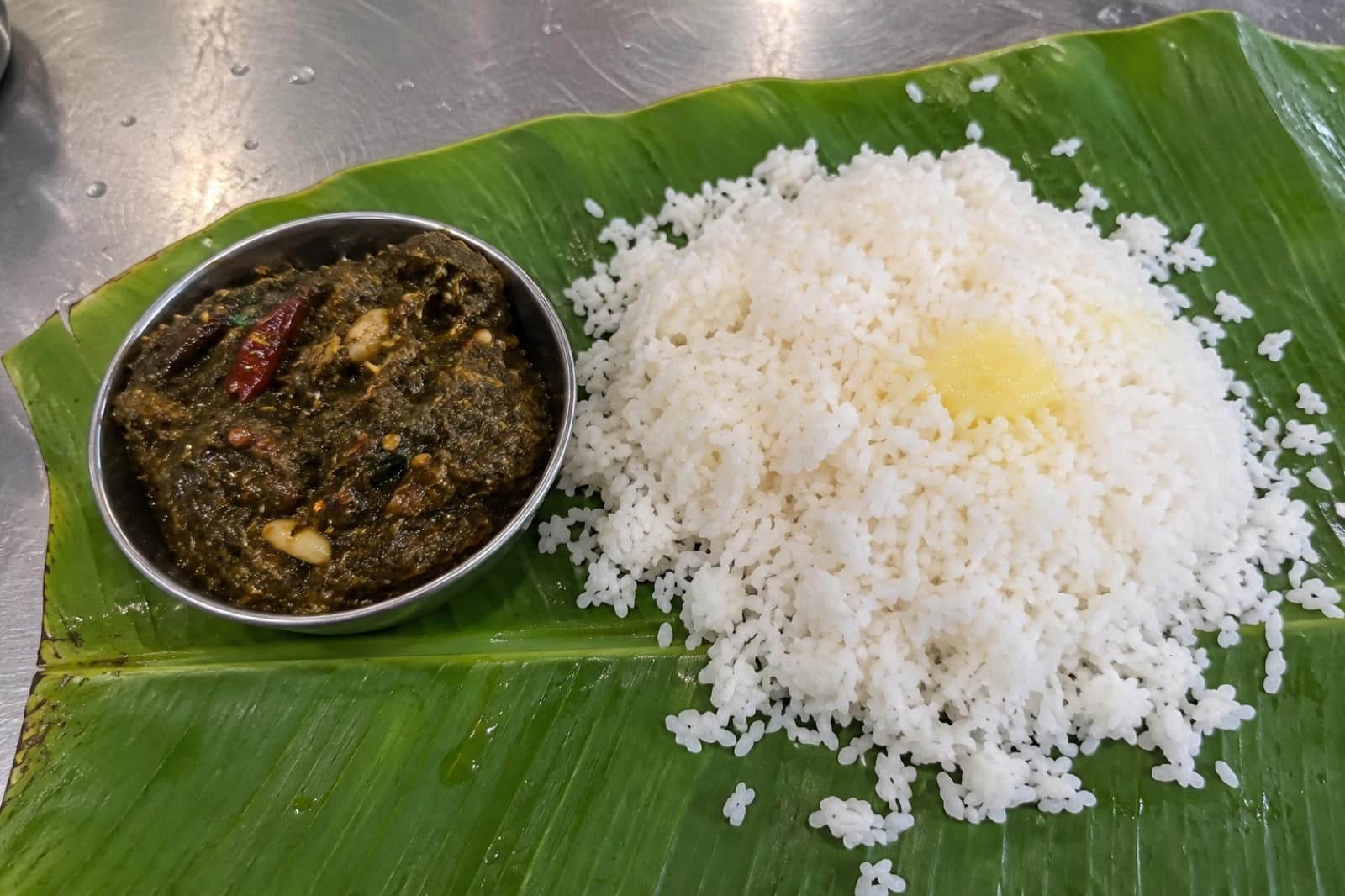
Food to Eat in Warangal
Trusted tables
Where to Eat in Warangal
The Kakatiya capital
From the 12th to the early 14th century, Warangal, then called Orugallu, was the capital of the Kakatiya kings. They ruled most of the Telugu country and built in stone with an eye for detail that still surprises visitors. Their capital fell to the Delhi Sultanate in 1323. What survives is a ring of great monuments: a vast fort, carved gateways, star-shaped temples and irrigation lakes that still hold water. Today Warangal is a working tri-city of Warangal, Hanamkonda and Kazipet, about 150 km northeast of Hyderabad.
What to see in town
Warangal Fort is in the south of the city. Its walls enclose a field of broken temple stones around the four free-standing Kala Thoranam gateways, which appear on Telangana's state emblem. In Hanamkonda, about 10 km away, is the Thousand Pillar Temple, a 12th-century shrine to Shiva, Vishnu and Surya still in daily worship. Between the two, the Bhadrakali Temple sits on a rocky hill above its own lake.
The day trip that matters most
The Ramappa Temple at Palampet is about 65 km from the city. It has been a UNESCO World Heritage Site since 2021 and is the finest Kakatiya carving anywhere: dancers, musicians and bracket figures cut into polished stone. Leave early, give it at least two hours, and add Ramappa Lake next door. If you have a full day, you can also add Laknavaram Lake, about 30 km further on.
Getting around
Most visitors base themselves in Hanamkonda, which has the widest choice of hotels and restaurants and sits between the main sights. Warangal and Kazipet stations sit on the main Delhi–Chennai railway line, and the road from Hyderabad takes about three hours. In town, autos and app cabs cover the fort, Bhadrakali and Hanamkonda easily. For Ramappa, hire a car for the day, as buses are slow and infrequent.
Food and crafts
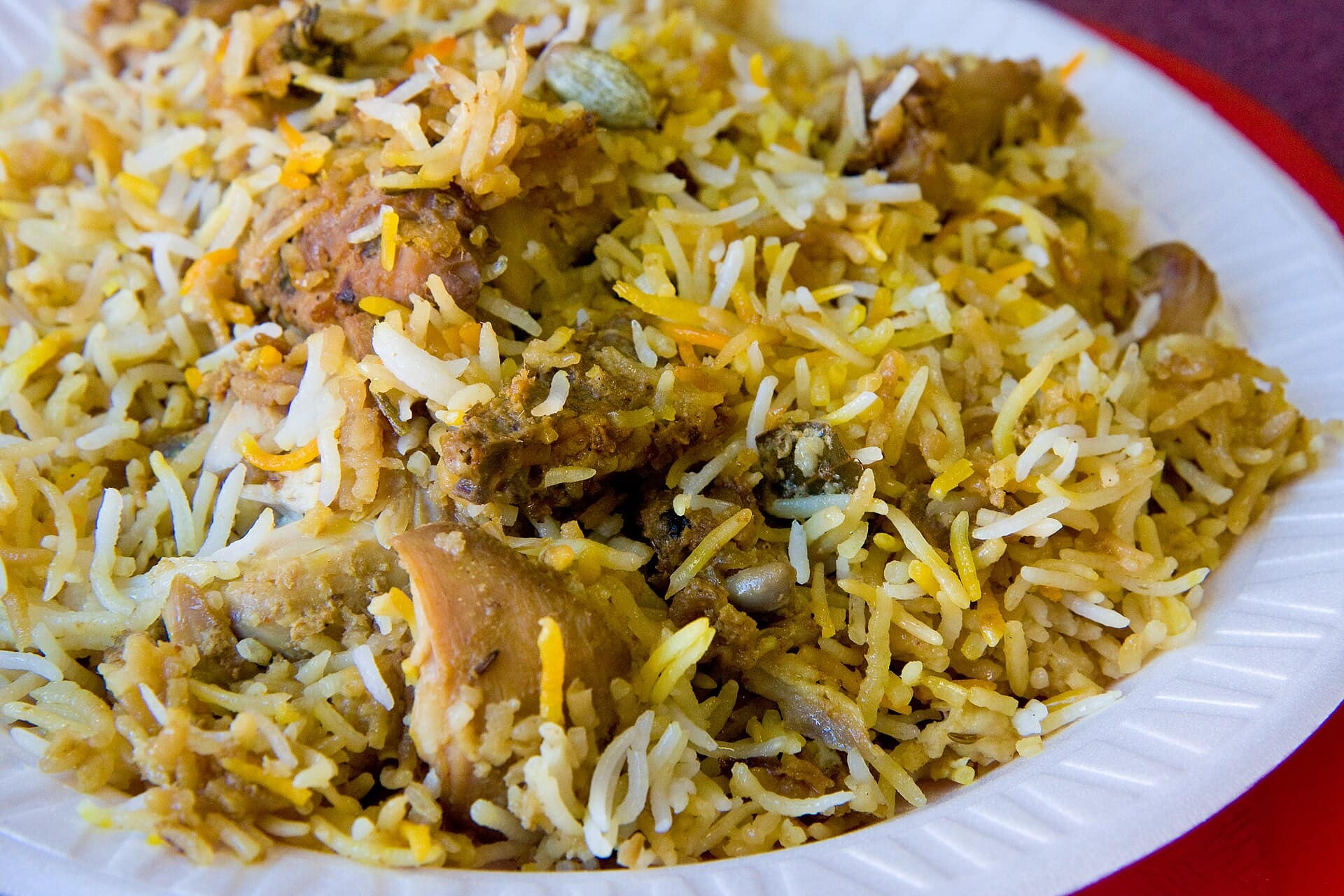
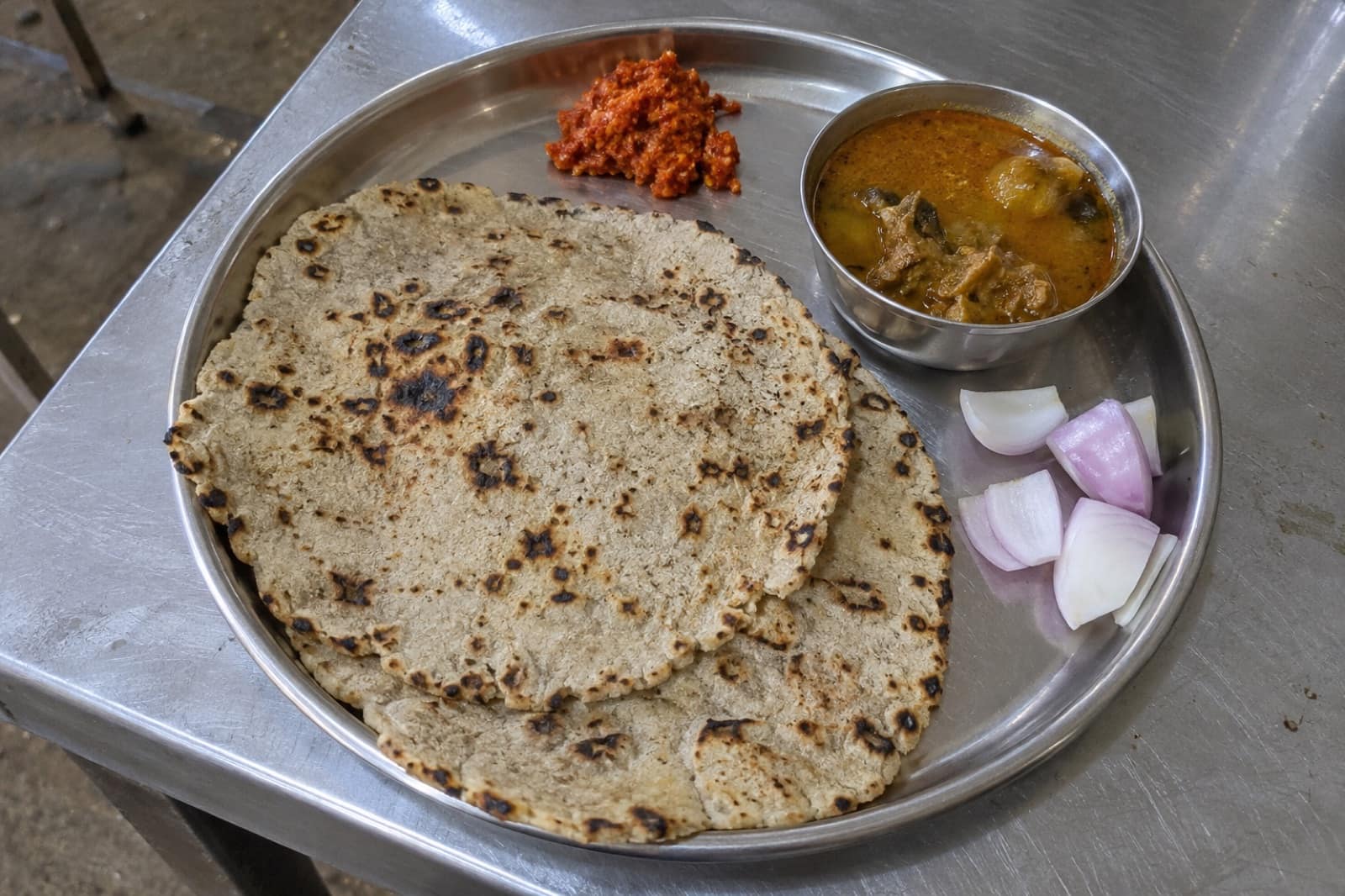
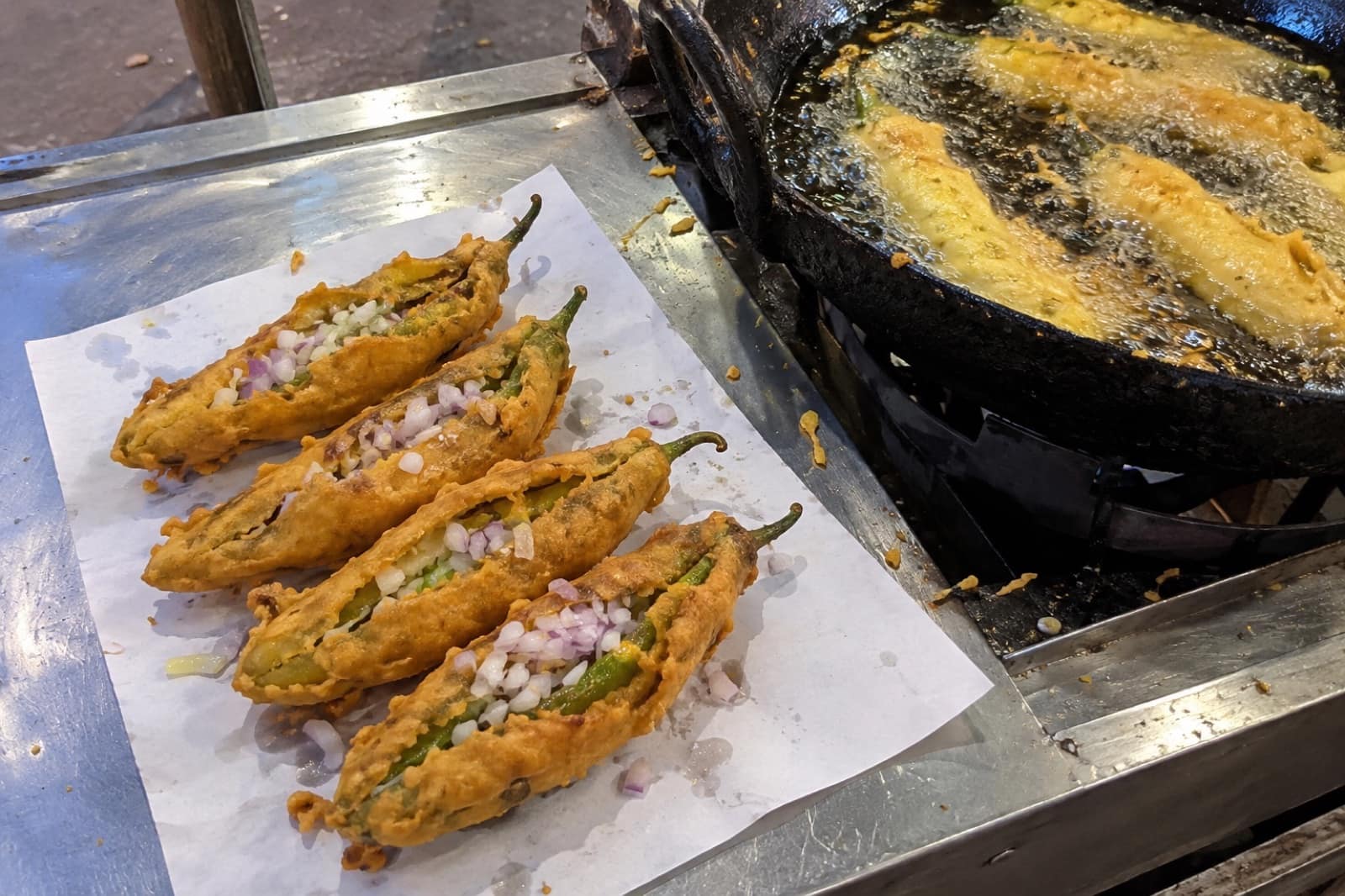
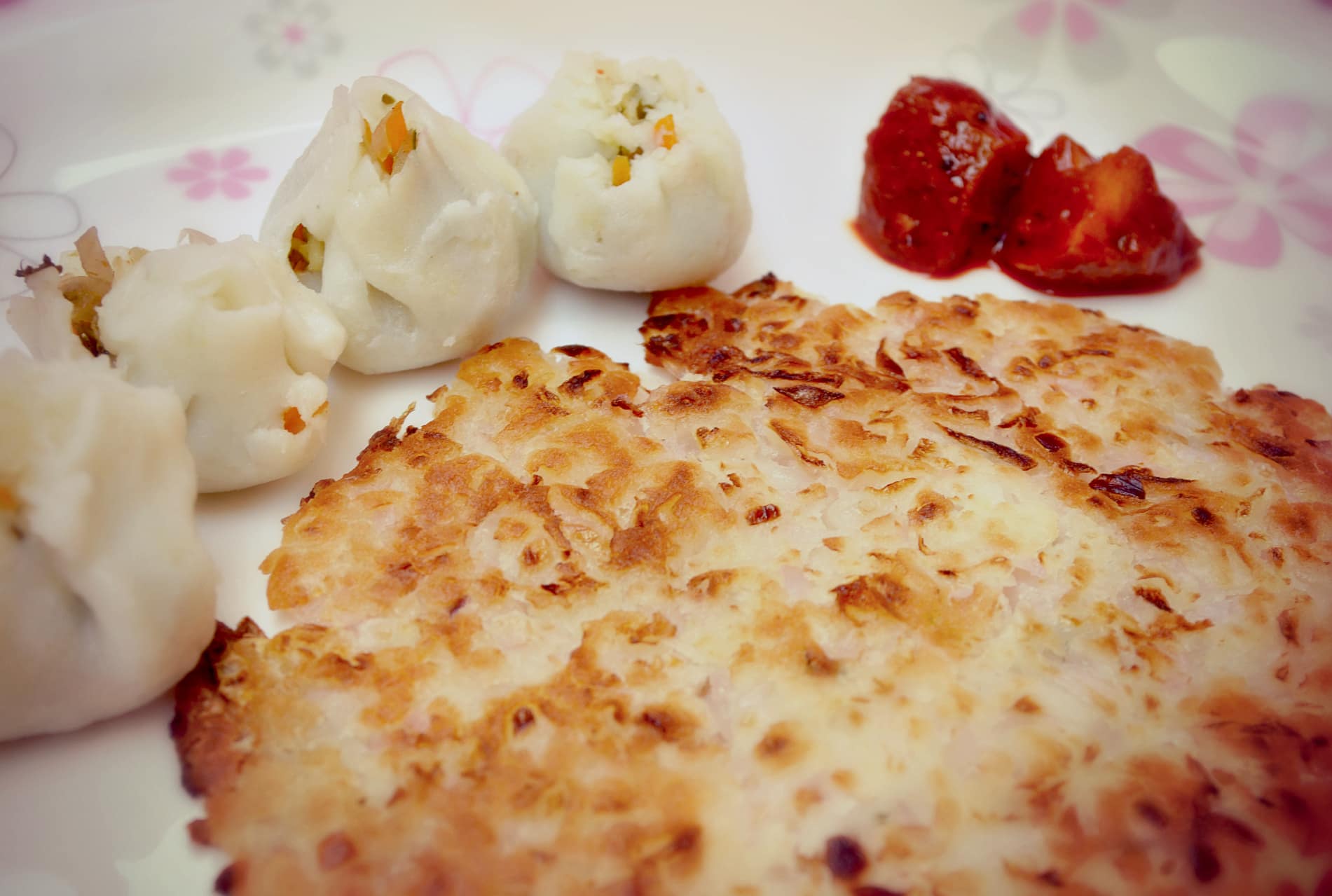
The food is Telangana home cooking: jonna rotte (sorghum flatbread), sour gongura pachadi, crisp sarva pindi and fiery mirchi bajji, plus biryani everywhere. See what to eat for where to find each one. Warangal's hand-woven durries carry a GI tag, and Telangana ikat from Pochampally is sold in the city's handloom shops.
Questions
Warangal — FAQ
How many days do I need in Warangal?
Two days is comfortable: one for the fort, the Kala Thoranam gateways, Bhadrakali and the Thousand Pillar Temple, and one for the drive to Ramappa. A long single day can cover the town sights only.
Can I visit Warangal as a day trip from Hyderabad?
It is possible but tiring. Warangal is about 150 km away, roughly three hours each way by road. You would see the town sights but not Ramappa, so staying one night is much better.
Why is Warangal famous?
It was the capital of the Kakatiya dynasty, and it keeps their fort, the Kala Thoranam gateways on Telangana's state emblem, the Thousand Pillar Temple and, nearby, the UNESCO-listed Ramappa Temple.
Are Warangal and Hanamkonda the same city?
They are twin towns that have grown into one urban area with Kazipet. The fort is in Warangal proper, while the Thousand Pillar Temple is in Hanamkonda, about 10 km away.
What can I buy in Warangal?
Warangal durries, the flat-woven cotton rugs that carry a GI tag, and Telangana handloom such as Pochampally ikat. Buy from co-operative or government handloom shops to be sure of real handwork.