
Photo spot in Agra
Jama Masjid, Agra
Agra, Uttar Pradesh
Shah Jahan's Friday mosque in Agra, completed around 1648 and dedicated to his daughter Jahanara Begum. Red sandstone with white marble inlay, three domes, and a distinctive chevron pattern on the dome surfaces. Directly opposite Agra Fort.
Best time
Mid-morning, roughly 9:00 – 11:00 AM, when the sun is high enough to light the courtyard evenly but not so harsh that the red sandstone blows out — and outside the midday prayer. Late afternoon gives warm stone and long shadows across the courtyard. Never attempt photography at Friday midday.
Best angle
From the upper terraces of Agra Fort looking west — you get the three domes above the old-city rooftops with the fort's own red sandstone in the foreground, which is the historic relationship between the two buildings. In the courtyard, shoot the prayer-hall facade straight-on for the chevron domes, then work the arcade for repeating arches. The lane approach from Kinari Bazaar gives a compressed street framing with the dome above the shops.
Entry fee
Free
Opening hours
Open daily; closed to non-worshippers during the five prayer times
Crowd level
Medium
Best outfit colors
Overview
Best time to visit Jama Masjid, Agra
Best times to shoot
9:00 – 11:00 AM
Even light on the sandstone, courtyard empty of congregants, and safely outside the midday prayer window.
4:00 – 5:30 PM
Warm late light and long shadows in the arcade, with Asr prayer over. Good for the dome chevrons.
Poses & angles
Photo tips for Jama Masjid, Agra
From the upper terraces of Agra Fort looking west — you get the three domes above the old-city rooftops with the fort's own red sandstone in the foreground, which is the historic relationship between the two buildings. In the courtyard, shoot the prayer-hall facade straight-on for the chevron domes, then work the arcade for repeating arches. The lane approach from Kinari Bazaar gives a compressed street framing with the dome above the shops. Work a few of the pose ideas below, shoot wide for context and tight for detail, and give yourself a couple of extra minutes to get the frame right.
In the arcade, framed by repeating arches, shot from a distance
Crossing the courtyard, small against the prayer-hall facade
On the steps of the eastern entrance with the dome above
Outfit guide
What to wear at Jama Masjid, Agra
For photos at Jama Masjid, Agra, white, cream, deep red, emerald and indigo work beautifully — they stand out against the setting without fighting it. Pick one hero colour and keep the rest of the look calm so you stay the subject of the frame.
Best outfit colors for photos
Trending wear for this spot
Popular modern looks travellers are wearing across Agra.


Traditional wear for this spot
Timeless, cultural outfits worn across Agra.
Agra Leather Jutti & Footwear
₹400–3,000 for jutti; ₹800–5,000 for bags
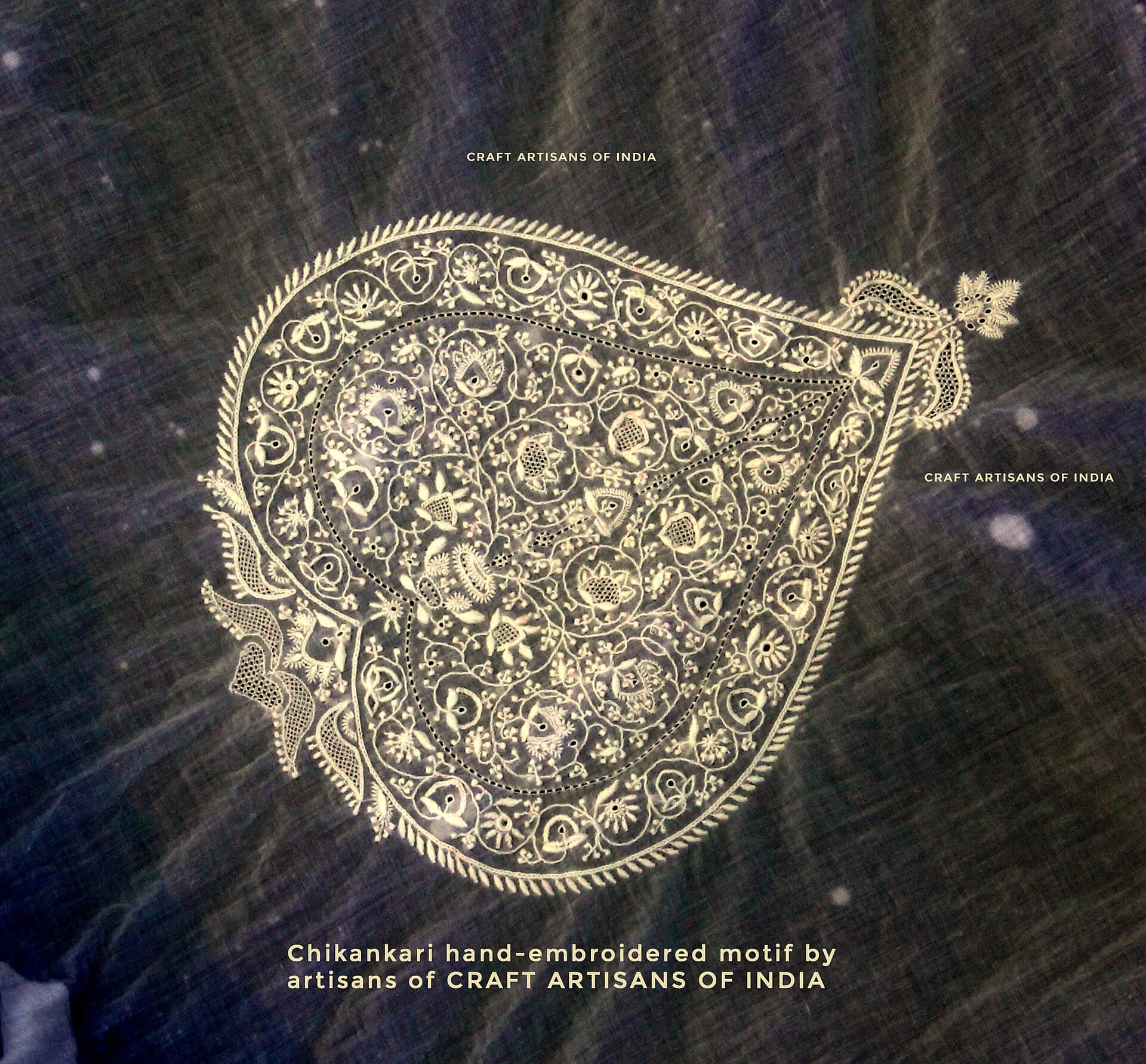 Traditional
Chikankari kurta set
₹1,500–6,000
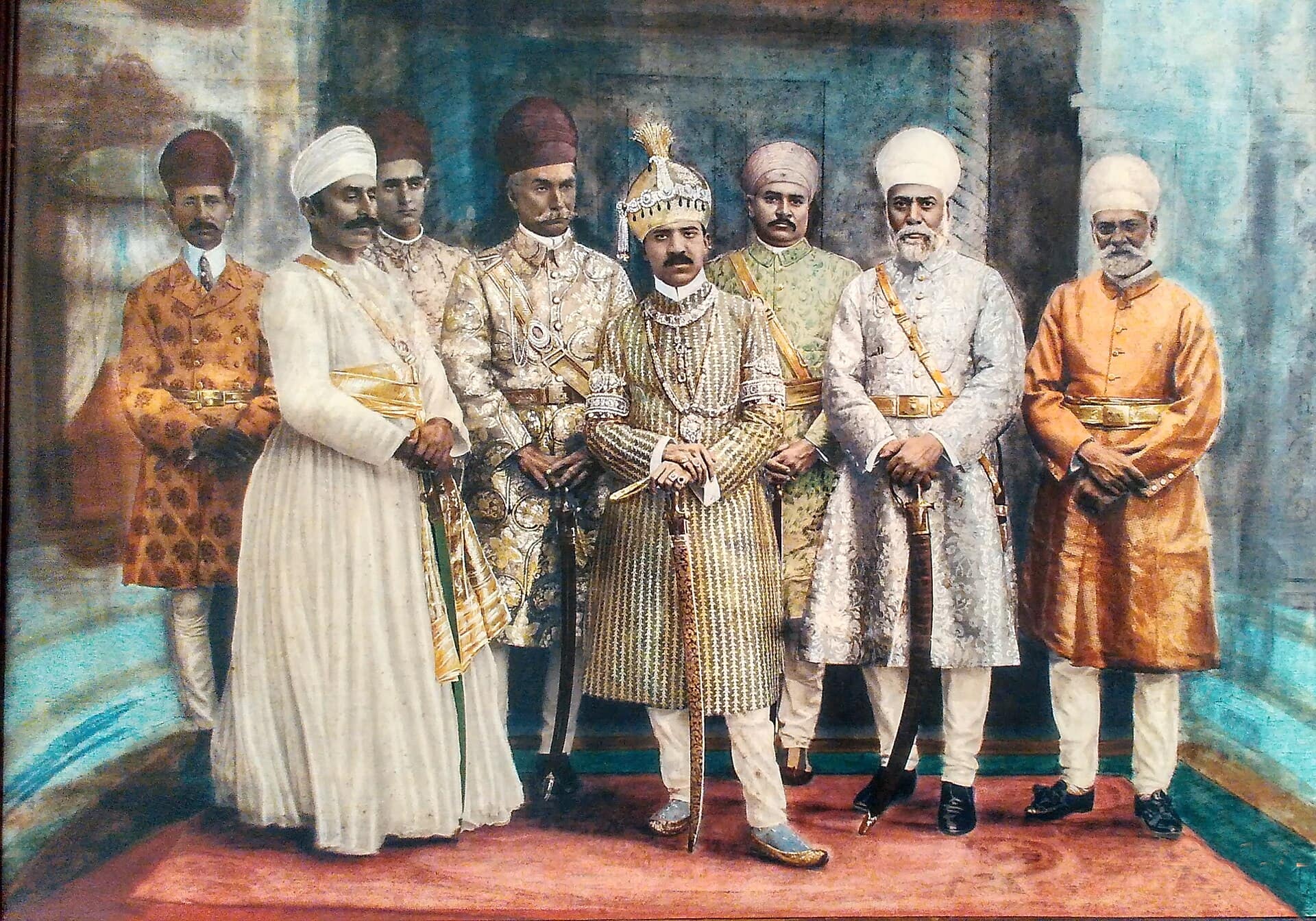 Traditional
Mughal-style sherwani
₹2,500–12,000 (rent from ₹1,000)
Zari Zardozi Embroidery
₹200 / metre for borders; ₹1,500–25,000 for garments
Eat nearby
Food near Jama Masjid, Agra
Hungry after the shoot? Search the Agra food guide by craving to find something good nearby.
Search food by craving
Good to know
Local tips
Come outside prayer times and never at Friday midday. Check the day's prayer timetable at the entrance before you walk in.
Women should carry a scarf for the prayer hall; men should not wear shorts. This is enforced, not advisory.
Do not photograph anyone praying. Architecture is tolerated, people are not, and this is the fastest way to be asked to leave.
Do it as one visit with Kinari Bazaar directly behind the mosque — but Kinari Bazaar is closed on Tuesdays.
If your Agra day is a Friday, skip this at noon and go to Akbar's Tomb at Sikandra instead: the Taj is closed, Jama Masjid is packed, and Sikandra is open and discounted.
Cars cannot reach the entrance. Expect to be dropped at a lane mouth and walk the last 200 m through the bazaar.
Jama Masjid, Agra
Agra's principal mosque stands directly across from Agra Fort, close enough that the two read as one composition from the fort's upper terraces. Shah Jahan built it, completing it around 1648 — the same decade as the Taj Mahal — and dedicated it to his daughter Jahanara Begum, the most powerful woman of the Mughal court, who is buried in Delhi rather than here. It is one of the larger Friday mosques in India and it is still exactly that: a working congregational mosque, not a museum.
🏛️ What to look at
The material is red sandstone with white marble inlay, the same pairing as Agra Fort and the reverse of the Taj's white marble with stone accents. Three domes rise over the prayer hall, and the detail that makes this mosque recognisable in photographs is the chevron or zigzag pattern worked across the dome surfaces in white marble — a motif Shah Jahan's builders used here more prominently than anywhere else in Agra.
Look also for the carved marble mihrab inside the central bay, the broad courtyard designed to hold a large Friday congregation, and the arched entrances on the eastern and southern sides. The scale is the point: this was built for the whole city to gather in, and on a Friday it still does.
🕋 Visiting as a non-Muslim
Visitors of all faiths are welcome outside prayer times. The rules are ordinary mosque rules and they are enforced:
- Shoes off before the courtyard. There is a deposit; expect to pay a few rupees.
- Modest dress. Shoulders and knees covered for everyone; women should carry a scarf or dupatta to cover their head inside the prayer hall.
- Do not enter the prayer hall during salah. Stand at the edge of the courtyard and wait.
- Photography of the architecture is generally tolerated in the courtyard; never photograph people praying, and do not use flash or a tripod inside. Ask at the entrance if you are unsure.
- No food, no tobacco, no loud conversation.
📅 The Friday paradox
Friday is the worst day to visit the mosque and the best day to visit everything else in Agra. The Taj Mahal is closed to general visitors on Fridays, reserved for prayers at the mosque inside its own complex, and Jama Masjid is at its most crowded and least accessible at midday Jumu'ah. So if your Agra day is a Friday: do Akbar's Tomb at Sikandra (open, and discounted), Itimad-ud-Daulah, Mehtab Bagh at sunset, and the old-city bazaars — and come to Jama Masjid early in the morning or late in the afternoon rather than at noon.
🛍️ Kinari Bazaar is behind it
The mosque sits in the middle of Agra's densest old-city trading quarter, and Kinari Bazaar runs immediately behind it — the city's zari and embroidery market, plus leather, marble inlay souvenirs, jewellery, spices and petha. Do them together: mosque first in the cool of the morning, bazaar after. Note that Kinari Bazaar is closed on Tuesdays and generally runs late morning to evening, so a Tuesday visit inverts the plan.
🚕 Getting there
About 800 m to 1 km north-west of Agra Fort, walkable from the fort gate through the old city if the heat allows — the lanes are narrow, crowded and interesting. Mankameshwar Mandir is a few hundred metres south, near Agra Fort railway station, and it is on the metro, so the practical route is metro to Mankameshwar, walk to the temple, then walk north to Jama Masjid and Kinari Bazaar. Auto or e-rickshaw from the Taj area is ₹100–200. Cars cannot get close — expect to be dropped at a lane mouth and walk the last stretch.
No verified coordinates are published for the mosque, so no map pin is shown. Ask for 'Jama Masjid, Agra Fort ke paas' — it is unmissable and universally known.
Questions
Jama Masjid, Agra — FAQ
What is the best time to visit Jama Masjid, Agra?
Jama Masjid, Agra is worth two different windows. 9:00 – 11:00 AM — even light on the sandstone, courtyard empty of congregants, and safely outside the midday prayer window. 4:00 – 5:30 PM — warm late light and long shadows in the arcade, with Asr prayer over. Good for the dome chevrons. From the upper terraces of Agra Fort looking west — you get the three domes above the old-city rooftops with the fort's own red sandstone in the foreground, which is the historic relationship between the two buildings. In the courtyard, shoot the prayer-hall facade straight-on for the chevron domes, then work the arcade for repeating arches. The lane approach from Kinari Bazaar gives a compressed street framing with the dome above the shops.
Is there an entry fee at Jama Masjid, Agra?
Entry to Jama Masjid, Agra is free.
What are the opening hours of Jama Masjid, Agra?
Jama Masjid, Agra is open daily; closed to non-worshippers during the five prayer times.
What should I wear at Jama Masjid, Agra?
White, cream, deep red, emerald and indigo photograph especially well here. Explore the trending and traditional outfit ideas on this page for full looks.
How crowded does Jama Masjid, Agra get?
Crowd levels are typically medium. To miss the busiest window: mid-morning, roughly 9:00 – 11:00 AM, when the sun is high enough to light the courtyard evenly but not so harsh that the red sandstone blows out — and outside the midday prayer. Late afternoon gives warm stone and long shadows across the courtyard. Never attempt photography at Friday midday.