
Photo spot in Agra
Kinari Bazaar and the Old City Markets
Agra, Uttar Pradesh
Agra's zari and embroidery market in the old city behind Jama Masjid. 'Kinari' means border or trim, and the lanes sell zardozi work, wedding fabric, leather, marble inlay souvenirs, jewellery, spices and petha.
Best time
Late afternoon into evening, roughly 4:30 – 7:30 PM, when the lanes are lit, the chaat stalls are running and there is real movement. Early morning gives empty lanes and the breakfast stalls but most shops are shut.
Best angle
Shoot down the length of a covered lane from a low angle so the shopfronts converge and the hanging zari borders fill the upper frame — that is the image that says 'kinari'. Steam from a chaat stall backlit by a late-afternoon sun shaft is the other strong frame. In the sweet shops, shoot the stacked petha trays straight down. People: ask first, and expect to be refused.
Entry fee
Free
Opening hours
Approximately 11:00 AM – 9:00 PM; closed on Tuesdays
Crowd level
High
Best outfit colors
Overview
Best time to visit Kinari Bazaar and the Old City Markets
Best times to shoot
4:30 – 6:00 PM
Shops open, lanes lit, chaat steam catching low sun. The best balance of activity and light.
7:00 – 8:30 PM
Full evening crowd and electric light on the fabric. Busier and harder to compose, but the most atmospheric.
Poses & angles
Photo tips for Kinari Bazaar and the Old City Markets
Shoot down the length of a covered lane from a low angle so the shopfronts converge and the hanging zari borders fill the upper frame — that is the image that says 'kinari'. Steam from a chaat stall backlit by a late-afternoon sun shaft is the other strong frame. In the sweet shops, shoot the stacked petha trays straight down. People: ask first, and expect to be refused. Work a few of the pose ideas below, shoot wide for context and tight for detail, and give yourself a couple of extra minutes to get the frame right.
Standing in a lane mouth with the covered bazaar receding behind you
Holding up a length of zari border to the light
At a chaat stall mid-order, shot from the side
Outfit guide
What to wear at Kinari Bazaar and the Old City Markets
For photos at Kinari Bazaar and the Old City Markets, white, saffron, turquoise, magenta and cream work beautifully — they stand out against the setting without fighting it. Pick one hero colour and keep the rest of the look calm so you stay the subject of the frame.
Best outfit colors for photos
Trending wear for this spot
Popular modern looks travellers are wearing across Agra.

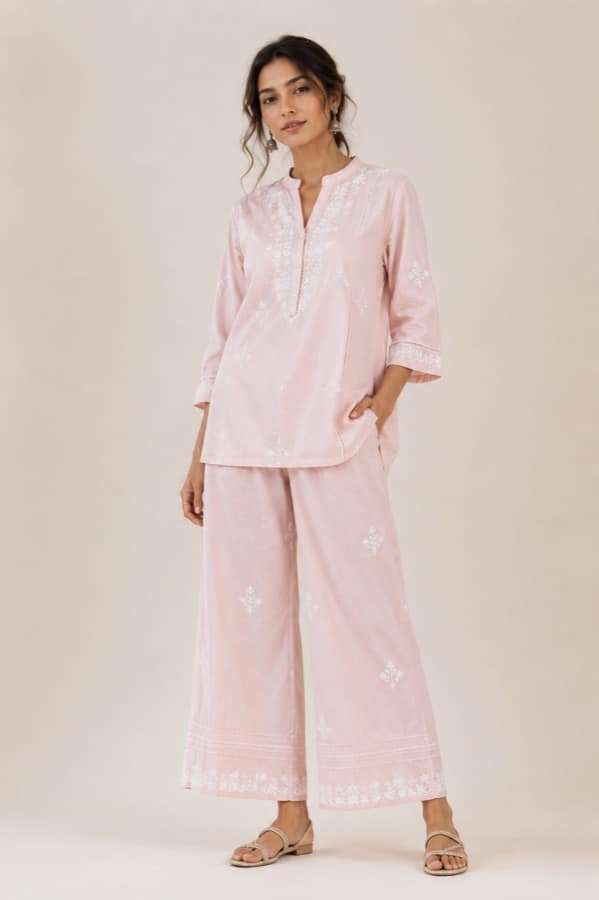
Traditional wear for this spot
Timeless, cultural outfits worn across Agra.
Agra Leather Jutti & Footwear
₹400–3,000 for jutti; ₹800–5,000 for bags
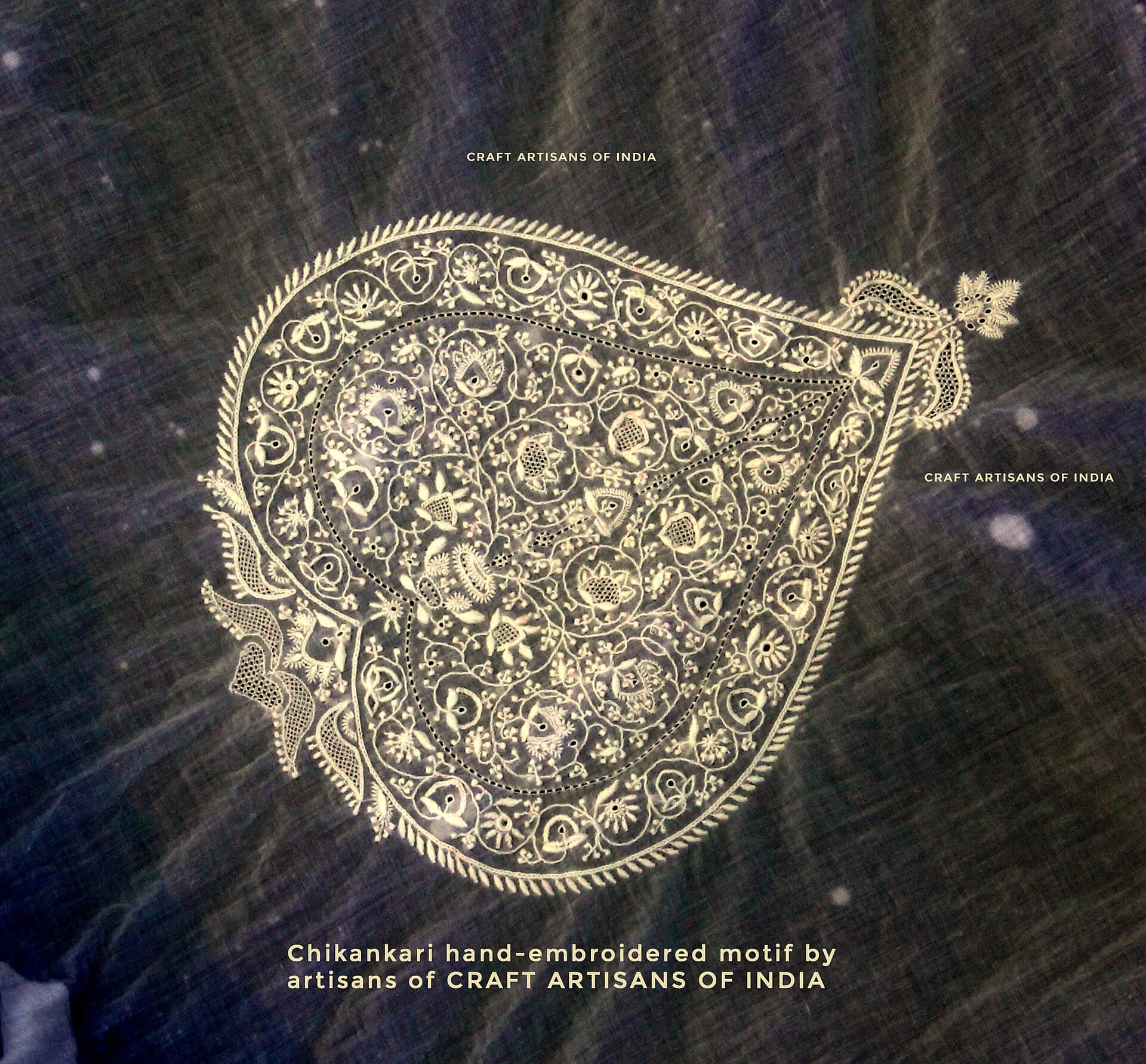 Traditional
Chikankari kurta set
₹1,500–6,000
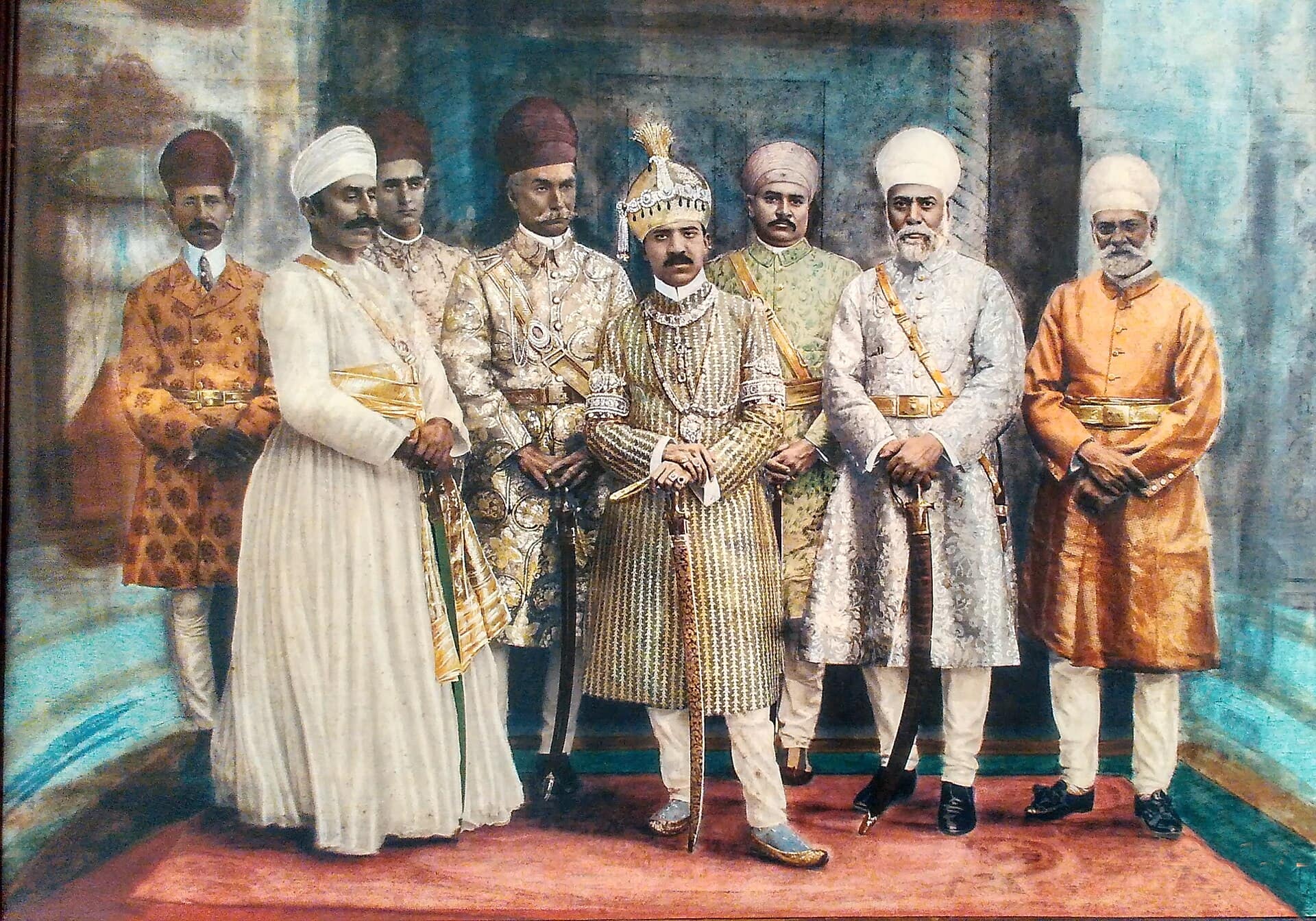 Traditional
Mughal-style sherwani
₹2,500–12,000 (rent from ₹1,000)
Zari Zardozi Embroidery
₹200 / metre for borders; ₹1,500–25,000 for garments
Eat nearby
Food near Kinari Bazaar and the Old City Markets
Hungry after the shoot? Search the Agra food guide by craving to find something good nearby.
Search food by craving
Good to know
Local tips
It is closed on Tuesdays. Check the day before you plan a shopping afternoon — this catches a lot of visitors.
Buy malai lassi in these lanes. It is the signature drink and it is better here than anywhere in the hotel district.
Look at the back of any zardozi work before you buy. Machine embroidery shows as uniform, flat stitching; hand work is irregular and the reverse is messy.
Real marble inlay is heavy and cold, with stone set flush into the surface. Painted and glued fakes are light. Shilpgram or a Taj Ganj atelier is safer than a lane stall if you cannot tell.
Do not buy gemstones from anyone who approaches you, and ignore any story about reselling stones abroad at a profit. That script is a misleading offer in both Agra and Jaipur.
Haggle 20–40% off the first quote, and harder if you buy several items from one shop or pay cash. Do not haggle over food.
Go light and keep your bag in front of you. The lanes are narrow and crowded, and this is where pickpockets work.
Cars cannot enter. You will be dropped at an edge and walk — that is normal, not a failed ride.
Kinari Bazaar
Kinari Bazaar sits in the old city behind Jama Masjid, a few hundred metres from Agra Fort, in a tangle of covered lanes that have been a trading quarter since Mughal times. The name is literal: kinari means a border or trim, and this is Agra's market for the decorative edges that go onto clothes — zari, zardozi, sequins, tassels, brocade.
It is the best shopping in Agra and the least tourist-facing, which is exactly why it is worth going to rather than to the emporia on Fatehabad Road that drivers will steer you toward.
🧵 What to buy
- Zari and zardozi embroidery. The speciality, and the reason the market exists. Everything from plain gold and silver thread borders by the metre to heavily embroidered panels for weddings and festivals. Zardozi is metal-thread embroidery worked on silk or velvet, historically with real gold and silver wire; today's commercial work uses tested metallic yarn. Prices depend entirely on thread content and density — a genuine heavy zardozi panel costs many times a machine-made imitation, so ask what the thread is and look at the back of the work, where machine embroidery is obvious.
- Wedding and festival fabric. Sarees, lehenga material, turbans, brocade.
- Leather goods. Agra is one of India's major leather and footwear manufacturing centres, and sandals, bags, belts and decorative leather work are sold here and more widely at Sadar Bazaar.
- Marble inlay souvenirs. Miniature Taj replicas, coasters, boxes, vases, chessboards, made with the same parchin kari pietra-dura technique used on the Taj itself. Quality varies from genuine artisan work to painted plaster — real inlay has stone set flush into the marble and is cold and heavy; fakes are light and the 'inlay' is paint or glued chips.
- Wooden and metal petha boxes. The traditional way Agra's famous sweet is packaged, and a good souvenir in their own right.
- Jewellery, glassware, rugs and dhurries, spices, dry fruits.
🍬 Street food in the lanes
Kinari Bazaar is also a food street, and the food is the reason locals come:
- Malai lassi — thick, cold, made with milk, rose water, sugar and dry fruits, topped with cream. The signature drink of these lanes.
- Bedai with aloo sabzi and jalebi in the morning — Agra's breakfast, ₹30–50 a plate, sold from stalls that open early and sell out by mid-morning.
- Petha from the sweet shops, sold by weight.
- Chaat in the evening — golgappe, dahi bhalle, aloo tikki, papdi chaat, ₹20–80 a plate.
- Chow mein and other snack stalls that stay open late.
💰 Haggling
Expected, and the first quote is not the price. 20–40% off the opening figure is normal, more if you buy several things from one shop or pay cash. Techniques that work: ask the price, react neutrally, name a figure about half, then walk slowly — you will usually be called back. Do not haggle hard over a few rupees on food; do haggle seriously on fabric, leather and marble.
The one thing to be careful with is gemstones. Agra, like Jaipur, has a sideline built around selling tourists stones they cannot authenticate, sometimes with a story about reselling them abroad at a profit. That story is a misleading one. If you want a stone, buy from an established jeweller who will give you paperwork, and never from anyone who approaches you.
📅 When to go
Closed on Tuesdays — the single most useful fact here, because visitors lose an afternoon to it. Otherwise: late afternoon to evening is when the bazaar is at its best, with shops open, chaat stalls running and the lanes lit. Mornings are for breakfast food and wholesale. Around Diwali and the wedding season it is packed and prices firm up.
🚕 Getting there and the other markets
Metro to Mankameshwar station, then walk north a few hundred metres — this is the one Agra bazaar the operational metro actually helps with. Otherwise auto or e-rickshaw (₹20–80 for an e-rickshaw, ₹100–200 by auto from the centre). Cars cannot enter the lanes; expect to be dropped at an edge and walk. Go light: a shoulder bag, not a rucksack, and watch it in crowds.
Agra's other markets, each with a different speciality:
- Sadar Bazaar, in the cantonment area — leather goods, plus petha shops, dry fruits, spices and the best evening chaat and non-veg street food in the city. The most tourist-used market and the easiest to reach from hotels on Fatehabad Road.
- Noori Gate / Hari Parwat — the petha capital, with the original Panchhi Petha and several rivals, plus dalmoth.
- Shilpgram, by the Taj East Gate — a curated craft village with artisans from across India. Higher prices, reliable quality, and the place to buy marble inlay if you do not want to negotiate.
- Shah Market, Civil Lines — electronics.
- Subhash Bazaar, Raja Ki Mandi, Mughal Bazaar, Gwalior Road — local and wholesale trade.
For marble inlay specifically, the workshops are at Taj Ganj, south of the Taj, where families descended from the Taj's own artisans still cut and set stone. Visiting a working atelier there and watching the process is a better experience than buying a finished piece in a bazaar, and you can tell real inlay from a fake once you have seen it made.
No verified coordinates are published for the bazaar, so no map pin is shown. A geocode search for 'Kinari Bazaar' returns a hamlet near Fatehpur Sikri about 35 km away — do not navigate to that. Ask for 'Kinari Bazaar, Jama Masjid ke peeche'.
Questions
Kinari Bazaar and the Old City Markets — FAQ
What is the best time to visit Kinari Bazaar and the Old City Markets?
Kinari Bazaar and the Old City Markets is worth two different windows. 4:30 – 6:00 PM — shops open, lanes lit, chaat steam catching low sun. The best balance of activity and light. 7:00 – 8:30 PM — full evening crowd and electric light on the fabric. Busier and harder to compose, but the most atmospheric. Shoot down the length of a covered lane from a low angle so the shopfronts converge and the hanging zari borders fill the upper frame — that is the image that says 'kinari'. Steam from a chaat stall backlit by a late-afternoon sun shaft is the other strong frame. In the sweet shops, shoot the stacked petha trays straight down. People: ask first, and expect to be refused.
Is there an entry fee at Kinari Bazaar and the Old City Markets?
Entry to Kinari Bazaar and the Old City Markets is free.
What are the opening hours of Kinari Bazaar and the Old City Markets?
Kinari Bazaar and the Old City Markets is open approximately 11:00 AM – 9:00 PM; closed on Tuesdays.
What should I wear at Kinari Bazaar and the Old City Markets?
White, saffron, turquoise, magenta and cream photograph especially well here. Explore the trending and traditional outfit ideas on this page for full looks.
How crowded does Kinari Bazaar and the Old City Markets get?
Crowd levels are typically high. To miss the busiest window: late afternoon into evening, roughly 4:30 – 7:30 PM, when the lanes are lit, the chaat stalls are running and there is real movement. Early morning gives empty lanes and the breakfast stalls but most shops are shut.