
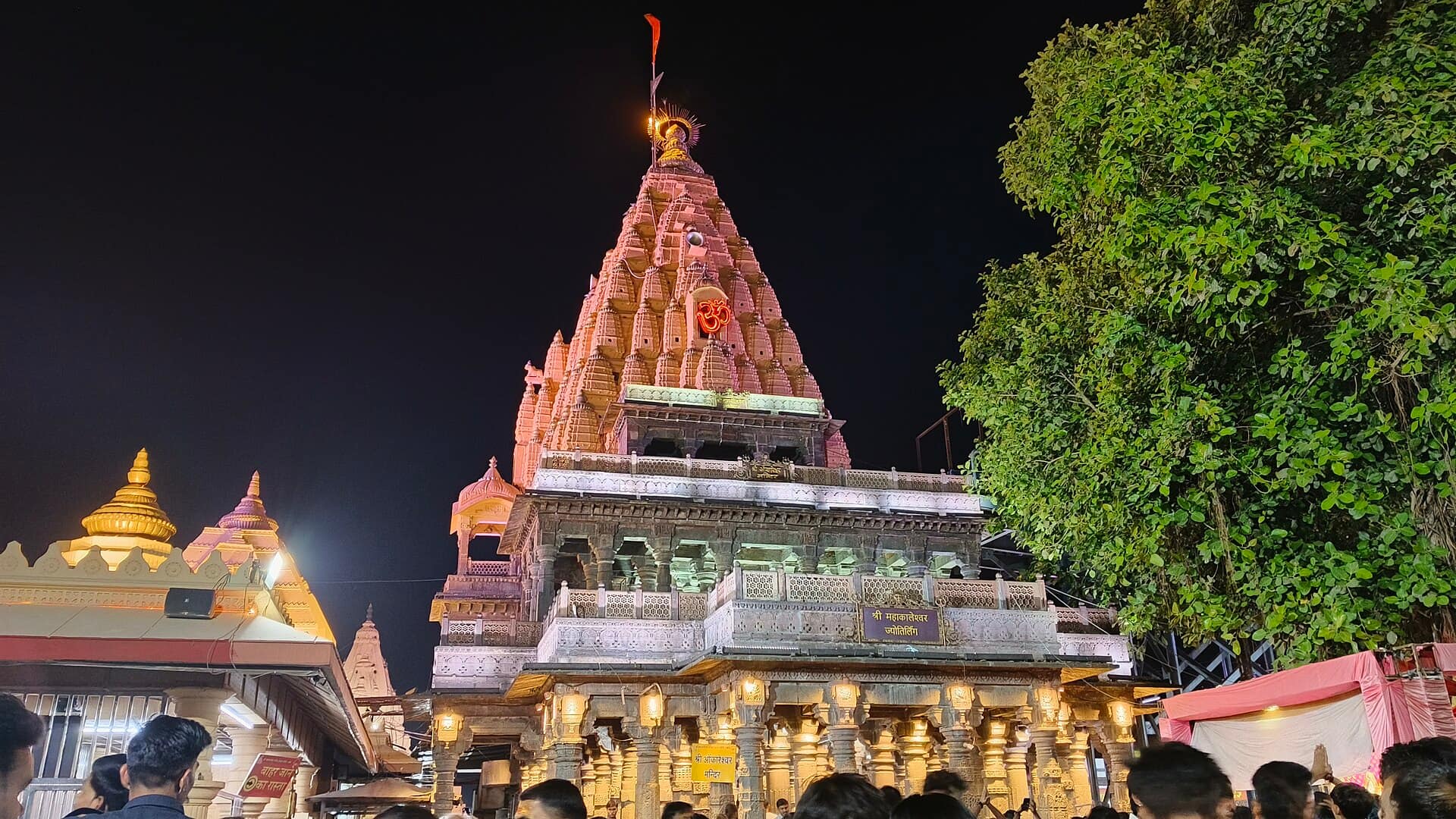
Madhya Pradesh · India
Ujjain
One of Hinduism's holiest cities on the Shipra river — home to the mighty Mahakaleshwar Jyotirlinga, ancient observatories and the grand Simhastha Kumbh.
Ujjain is timeless temple-town India: the pre-dawn Bhasma Aarti at Mahakal, riverside ghats, astronomy heritage, and the Malwa staples of poha-jalebi and dal-bafla.
Plan your trip
Ujjain Tour Itineraries
Timed, walkable day plans — plus the best season to go.
Where to shoot
Ujjain Photo Spots
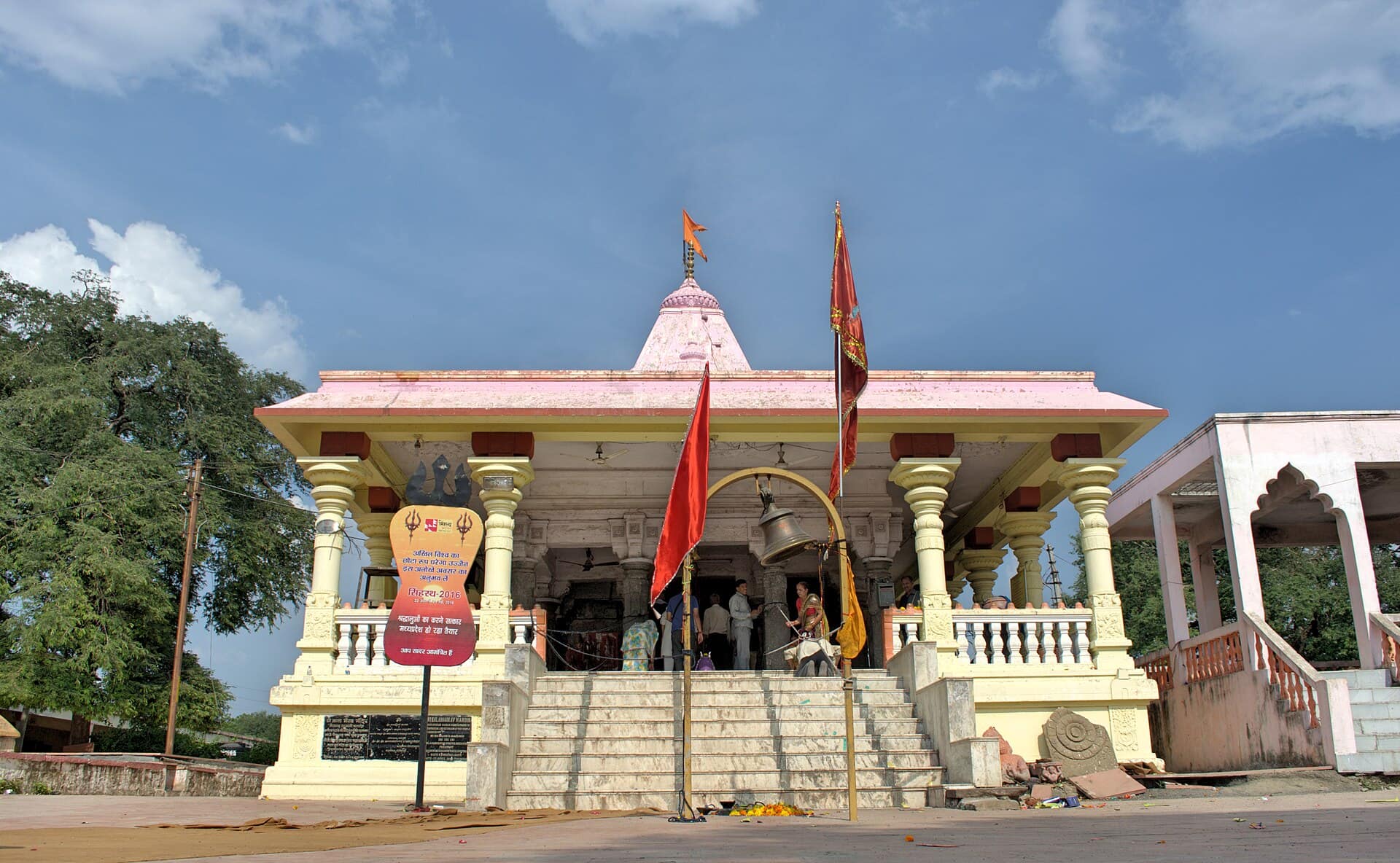 High crowd
Entry Free
Kal Bhairav Temple
- Best timeEarly morning, for soft light and shorter queues in front of the temple.
- ColorsSaffronRedWhite
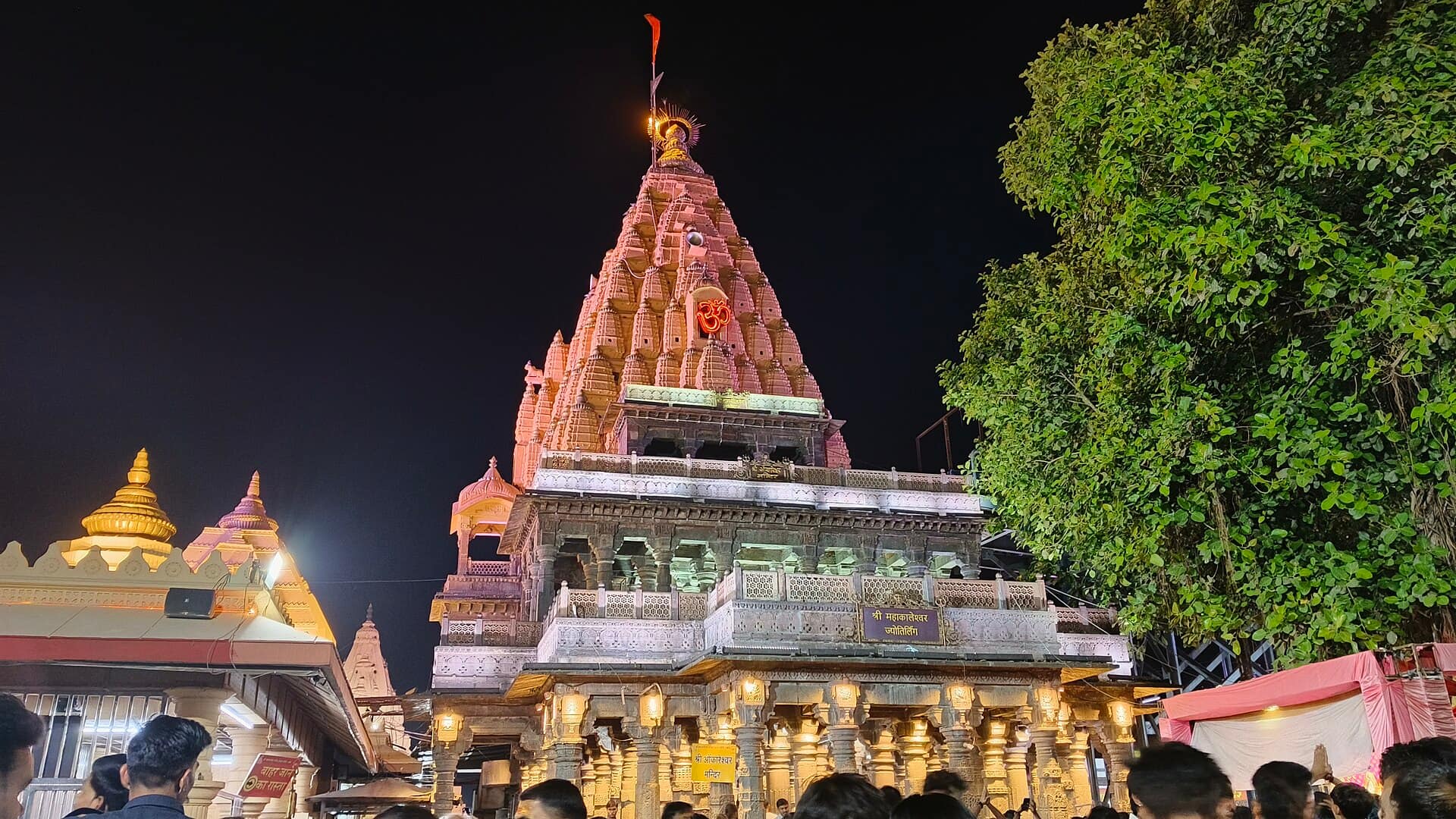 High crowd
Entry Free darshan; Bhasma Aarti by advance online booking
Mahakaleshwar Temple
- Best timeJust after sunset, when the sky turns deep blue and the statues and walkways of Mahakal Lok are lit up.
- ColorsSaffronWhiteRed
Entry Free
Ram Ghat
- Best timeSunset and the half hour after it, when the aarti lamps glow against the darkening sky and the river.
- ColorsSaffronWhiteMarigold
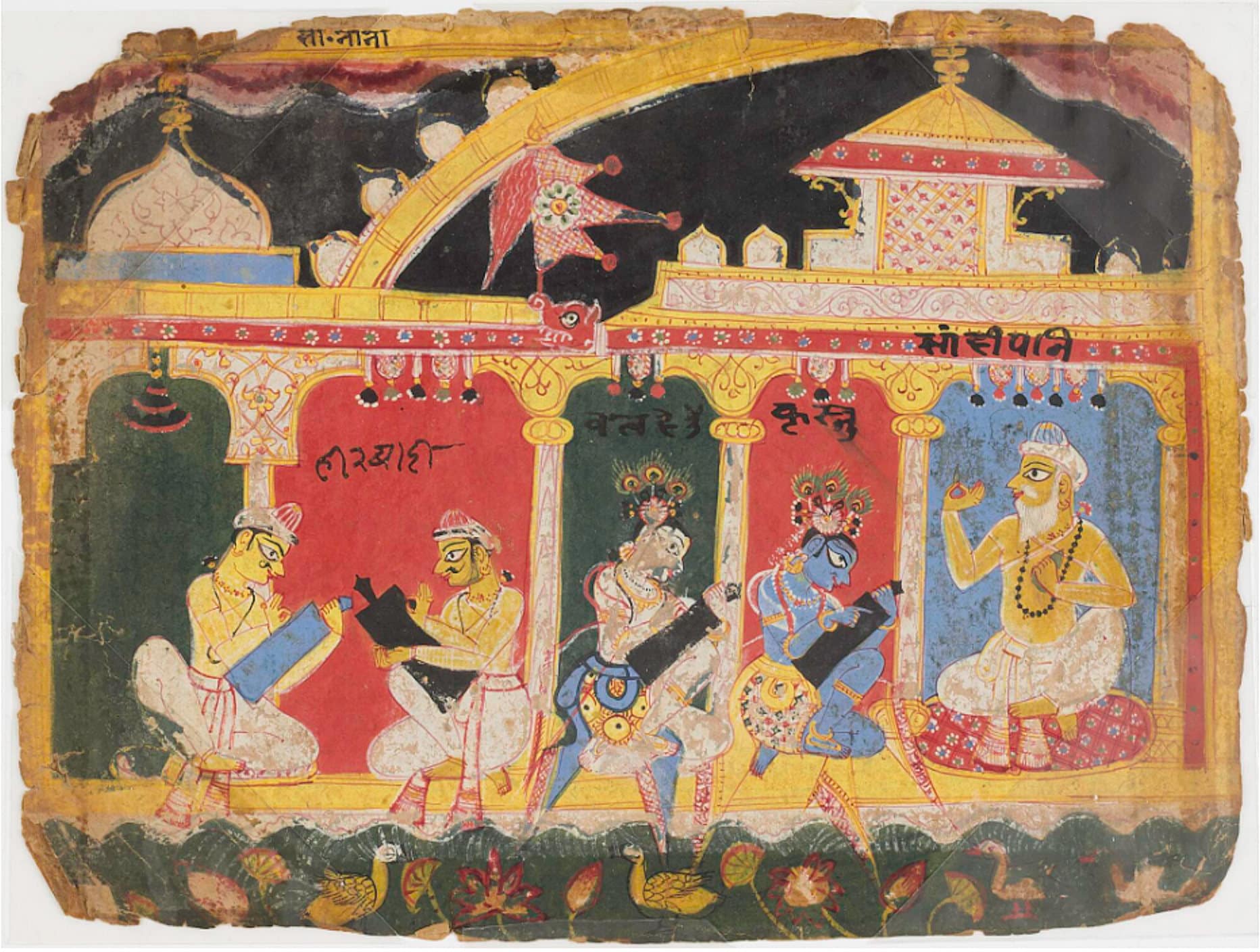 Medium crowd
Entry Free
Sandipani Ashram
- Best timeMorning, when the light is soft and the ashram is at its quietest.
- ColorsSaffronCreamYellow
 Medium crowd
Entry Nominal
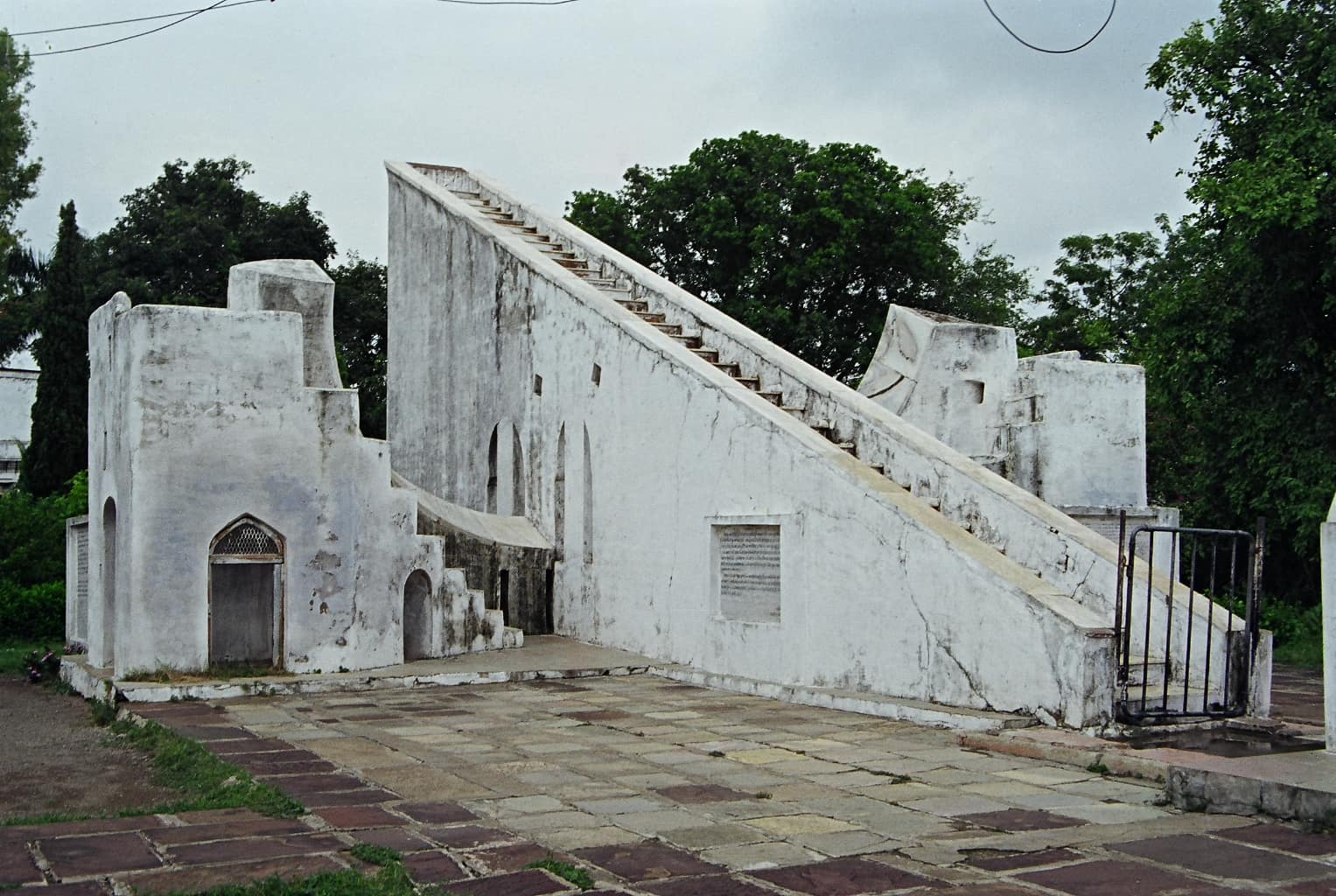
Vedh Shala (Jantar Mantar)
- Best timeMorning or late afternoon, when the low sun throws sharp shadows across the instruments.
- ColorsRustCreamIndigo
For the feed
Trending Wear in Ujjain
Modern, Instagram-friendly looks


Rooted in the city
Ujjain Traditional Wear
Local, cultural, handcrafted outfits
Before you go
Temples in Ujjain
Darshan hours, dress codes and what gets refused at the gate
Taste the city
Food to Eat in Ujjain
Trusted tables
Where to Eat in Ujjain
About Ujjain
Ujjain, on the banks of the Shipra river in the Malwa region of Madhya Pradesh, is one of the oldest cities in India. Known in ancient times as Avantika and Ujjayini, it is one of the seven sacred cities of Hinduism and one of the four places that host the Kumbh Mela, called the Simhastha here. At its centre is the Mahakaleshwar Temple, one of the twelve Jyotirlingas of Shiva, with the new Mahakal Lok corridor beside it.
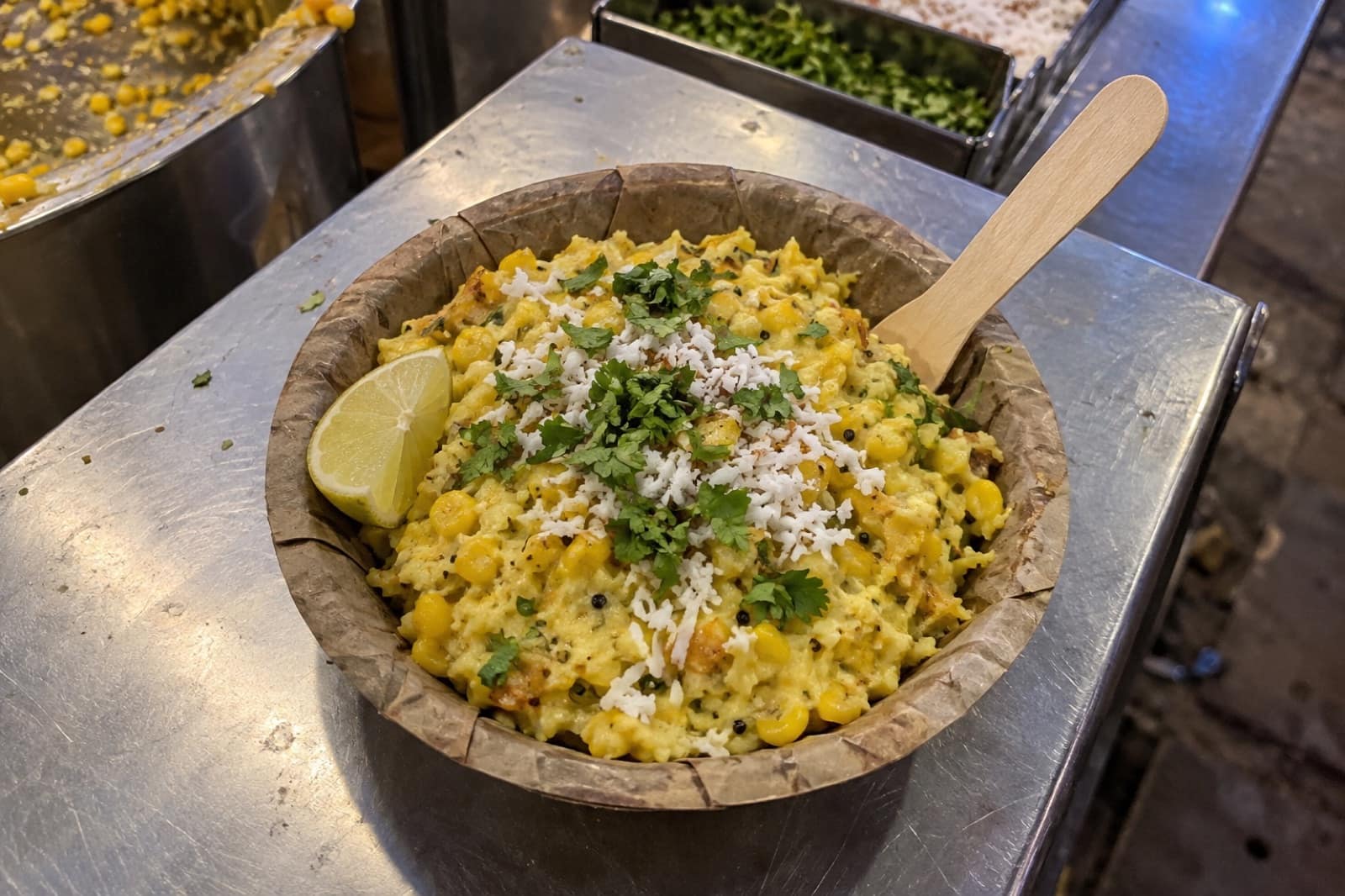
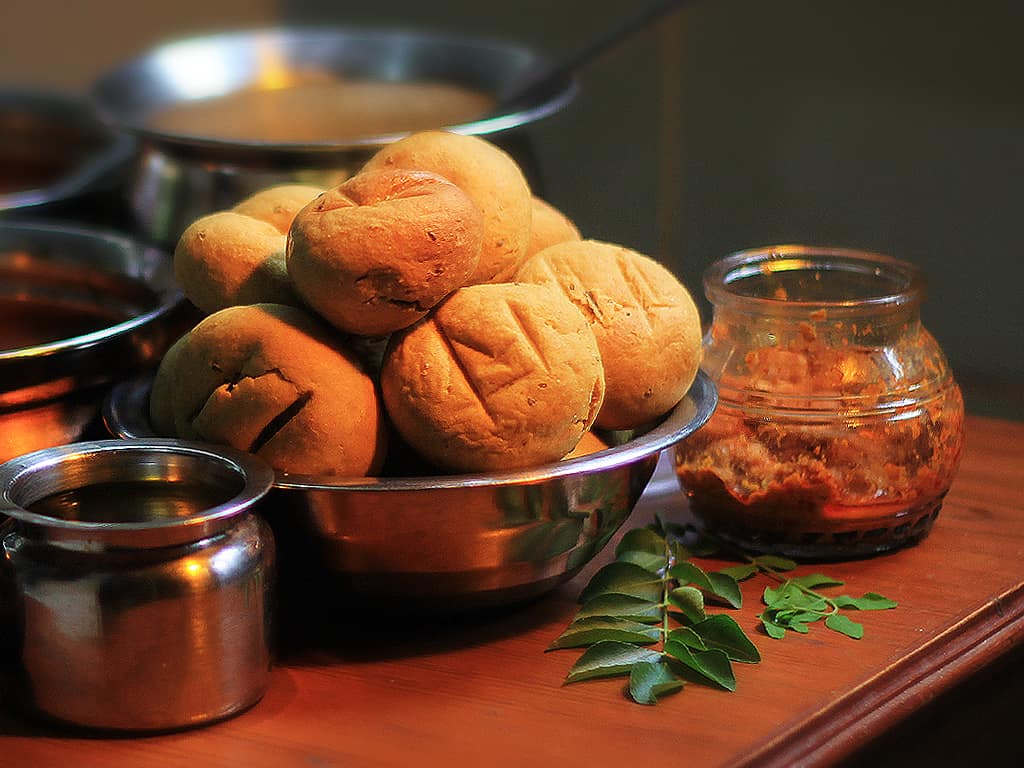
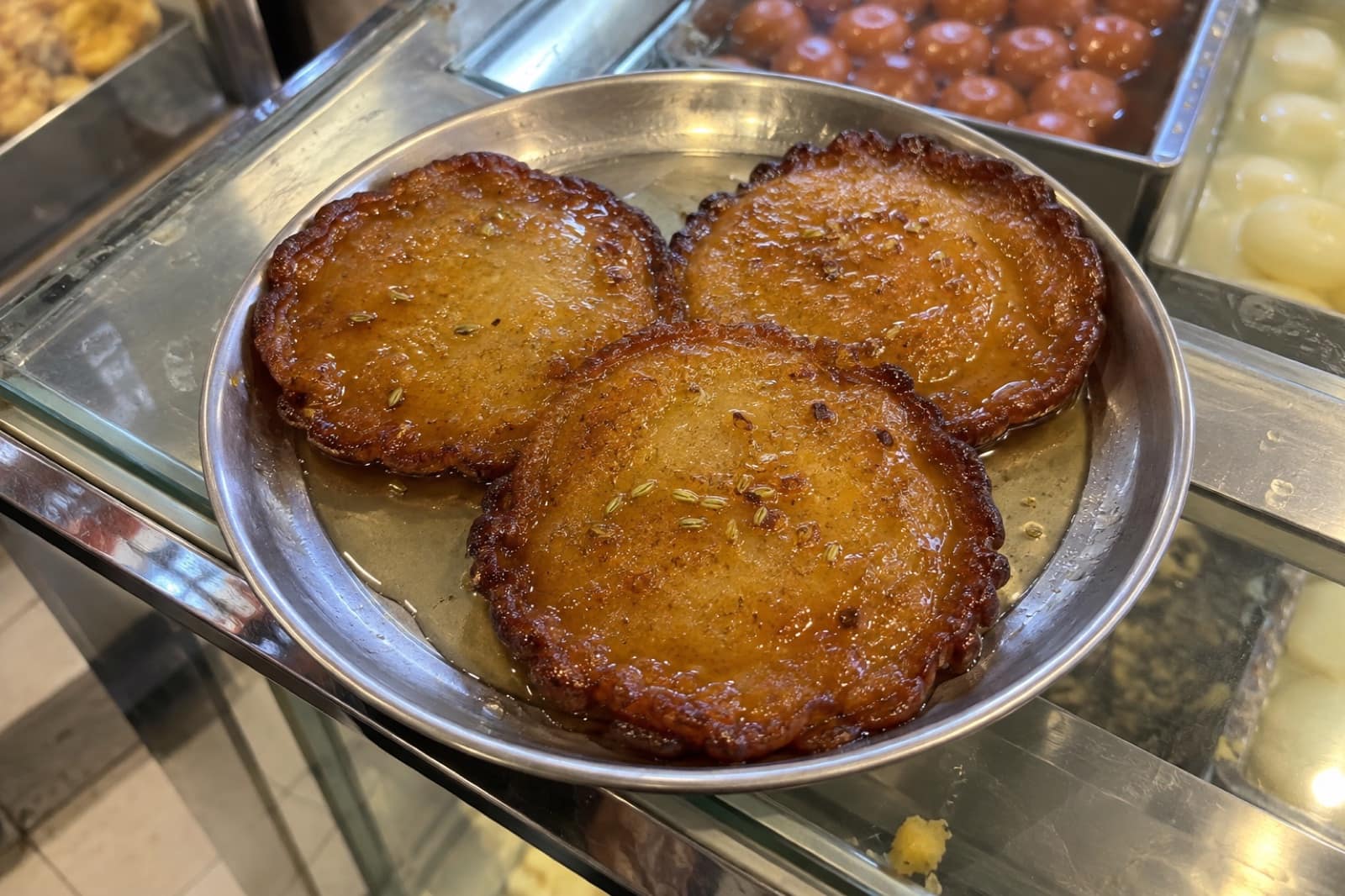
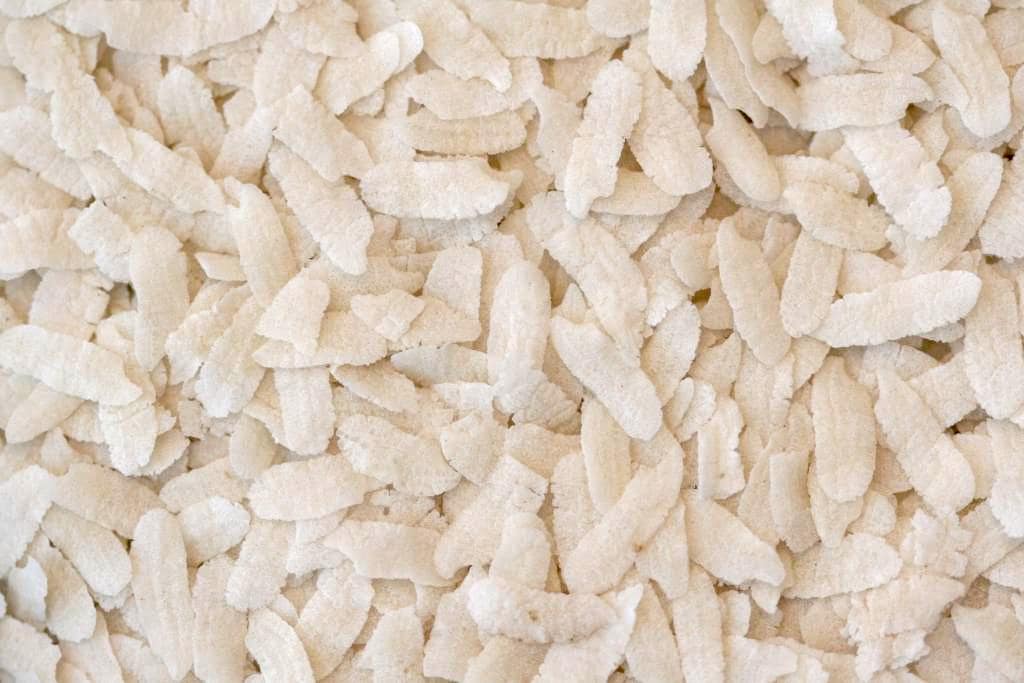
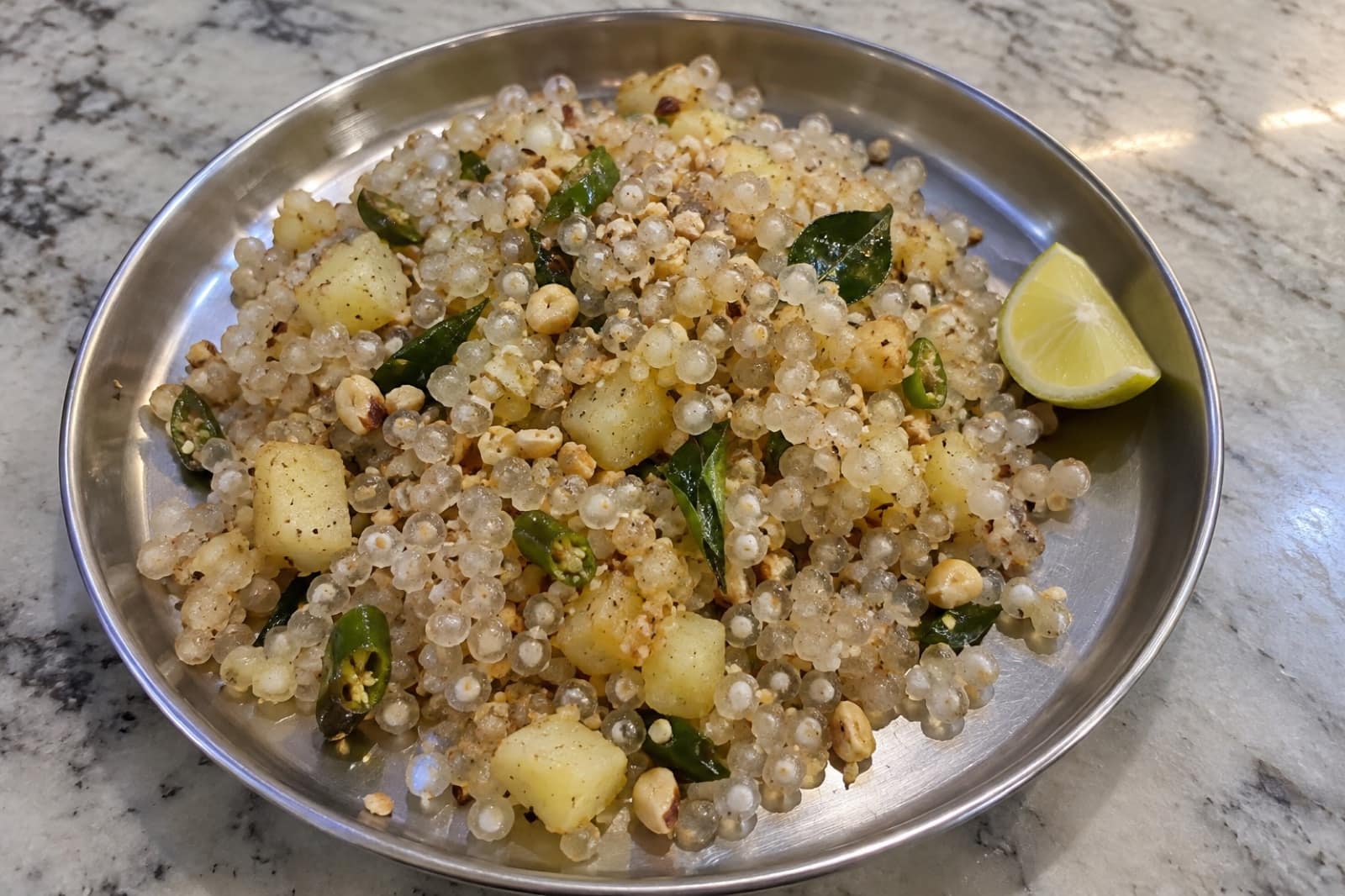
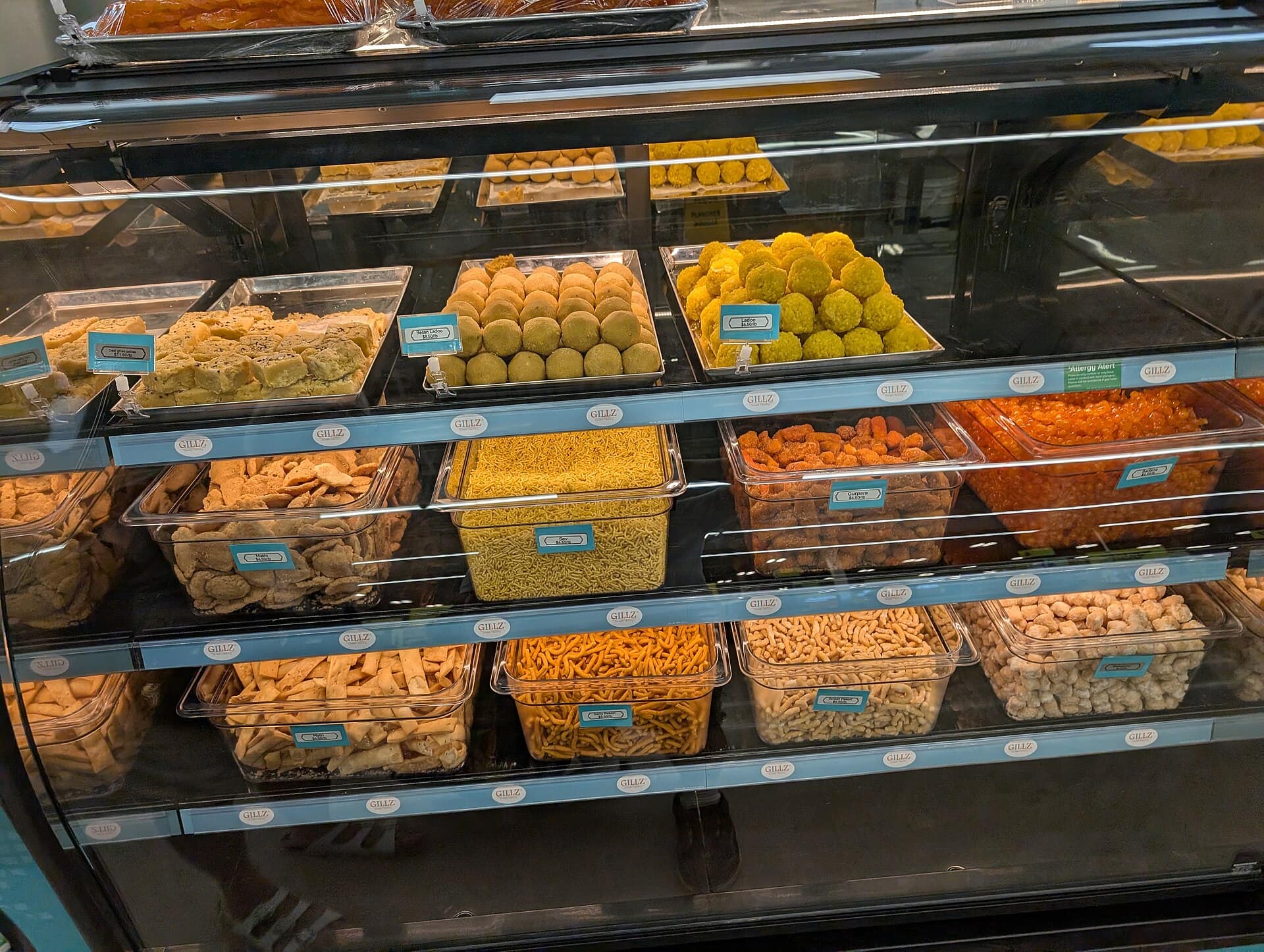
Most visitors come as pilgrims, and the day starts early. The Bhasma Aarti at Mahakal takes place before dawn, and the evening aarti at Ram Ghat brings crowds down to the river at sunset. In between, visit Kal Bhairav, the guardian deity of the city, the Harsiddhi temple, Sandipani Ashram, where Krishna is believed to have studied, and the 18th-century Vedh Shala observatory. Eat the way Malwa does: poha-jalebi for breakfast, dal bafla for lunch and syrupy malpua from a sweet shop.
Questions
Ujjain — FAQ
What is Ujjain famous for?
Ujjain is famous for the Mahakaleshwar Temple, one of the twelve Jyotirlingas of Shiva, and its pre-dawn Bhasma Aarti. It is also known for the Simhastha Kumbh Mela, held on the Shipra every 12 years, the Kal Bhairav Temple, Ram Ghat and the Vedh Shala observatory. For centuries, Indian astronomers used Ujjain as their prime meridian, the zero line for longitude.
How many days are enough for Ujjain?
1–2 days is enough for the main sights. Spend one day on Mahakaleshwar, Mahakal Lok, the Harsiddhi temple and the evening aarti at Ram Ghat, and a second on Kal Bhairav, Sandipani Ashram, Mangalnath and the Vedh Shala. Add a day if you want to visit Omkareshwar, the other Jyotirlinga in Madhya Pradesh, about 140 km away.
What is the best time to visit Ujjain?
October to March is the most comfortable time, with warm, sunny days and cool mornings. April to June is very hot, with May afternoons often above 40 °C, and July to September brings the monsoon rains. See the best time to visit Ujjain for a season-by-season guide.
How do I reach Ujjain?
The nearest airport is in Indore, about 55 km away by road. Ujjain Junction is a major railway station with trains from many parts of India, and buses and taxis run regularly between Indore and Ujjain. Bhopal is about 185 km away by road.
Do I need to book the Bhasma Aarti at Mahakaleshwar?
Yes, if you want a seat. Bookings are made online on the temple's official website. They usually open about a month ahead and fill fast for Mondays, Shravan, Mahashivratri and New Year. The temple has also let visitors without a booking watch the aarti on a moving (chalit) darshan, walking past without stopping, so check whether it is running when you visit. Traditional dress is expected: usually a dhoti for men and a saree for women.